

Image of 1976 Ford E-100 Econoline, Note: These illustrations use artistic license and may differ from actual historical models.
Performance Metrics
Fundamental Metrics
Emotional Appeal
MMP Rating
| Engine Specifications | |
|---|---|
| Engine Options: | 4.9L 300 Cu. In. I6, 5.8L 351 Cu. In. V8, 7.5L 460 Cu. In. V8 |
| Displacement Range: | 300-460 Cu. In. |
| Horsepower Range: | 101-224 HP |
| Torque: | 223-388 lb-ft |
| Compression Ratio: | 8.0:1 - 8.5:1 |
| Ignition System: | Conventional Distributor |
| Cooling System: | Liquid Cooled |
| Performance Specifications | |
| 0-60 Time: | Estimated 12-15 seconds |
| 1/4 Mile Time: | Estimated 18-20 seconds |
| Top Speed: | 85-95 mph |
| Transmission and Drive | |
| Drive Type: | Rear Wheel Drive |
| Transmission Type: | 3-Speed Automatic, 4-Speed Manual |
| Fuel and Efficiency | |
| Fuel System Type: | Carburetor |
| MPG: | Estimated 10-14 MPG |
| Dimensions and Brakes | |
| Brakes: | Front Disc / Rear Drum |
| Wheelbase: | 124 inches |
| Weight: | 4,000-5,000 lbs |
Note: Specifications for classic cars are given to the best of our ability, considering the limited and variant data available.
1976 Ford E-100 Econoline: A Full-Size Van Comes of Age
With its blunt nose, broad windshield, and room for a serious load, the 1976 Ford E-100 Econoline looked ready to work before the key even turned. It belonged to Ford’s third-generation Econoline range, redesigned for the 1975 model year and built by the Ford Motor Company. The E-100 was the light-duty, half-ton member of the lineup, aimed at tradespeople, small businesses, families, and van converters who wanted full-size capacity without stepping up to a heavier model.
The Econoline’s history began in 1961, when Ford introduced a compact, cab-forward van based on passenger-car mechanicals. By 1976, the concept had grown into a more substantial front-engine van with a longer nose and a conventional, rugged chassis. That change reflected the era’s shift toward better crash protection, more familiar driving behavior, and greater adaptability. One notable detail: the 1975 redesign made the Econoline look much more like a truck from the front, a change that helped establish the recognizable E-Series shape that remained in service for decades.
Square Shoulders, Practical Details
The E-100 wore the era’s honest, functional styling: a broad, nearly vertical grille, rectangular headlamps, a short hood, and a tall, box-shaped body. Its sides were ideal canvases for business lettering, while the large windshield and side glass gave the driver a commanding view of the road. The design favored useful space over decoration, though chrome trim, bright bumpers, wheel covers, and upgraded exterior moldings could give a passenger or premium-trim van a more polished appearance.
Inside, the Econoline was built to be cleaned, used, and repaired rather than pampered. A work van typically had durable vinyl upholstery, a simple dashboard, straightforward controls, and hard-wearing floor coverings. Passenger versions could add carpeting, cloth or upgraded vinyl seating, more trim, and additional side windows. Material quality depended heavily on configuration: a basic commercial E-100 was deliberately plain, while a well-equipped Club Wagon could feel much more like a family vehicle.
Color availability varied by body style and trim, with period-appropriate solid colors and optional two-tone treatments offered across the range. White was a common choice for commercial vans because it suited fleet use and lettering, while bright reds, blues, greens, and earth tones gave personal and passenger vans more personality. Original paint codes and trim combinations are worth checking on a surviving example because many vans have since been repainted or customized.
Body Styles and Equipment
The E-100 was offered in several practical forms, including a cargo van with solid side panels and passenger-oriented versions with side windows and seating. Ford’s Club Wagon name identified passenger-focused Econolines, while upscale packages such as Chateau equipment could add comfort and dressier trim. Roof height, seating layout, windows, interior appointments, and other equipment depended on the specific version and options ordered.
The standard-length van is the classic E-100 silhouette most people picture: compact for a full-size van, yet tall and roomy enough for tools, equipment, or a useful passenger cabin. Cargo versions were popular with contractors and delivery businesses. Passenger Club Wagons and converted vans became favorites for family travel, camping, and custom interiors. The E-100 designation refers to its light-duty position in the range, not a guarantee of a particular payload on every vehicle; equipment and configuration affected the actual carrying capacity.
Technology for a Working Van
By 1976, the Econoline’s front-engine layout was a major practical improvement over the original cab-forward design. The engine sat ahead of the driver, giving the van a more conventional driving position and placing a substantial structure between occupants and the front of the vehicle. The redesigned chassis also helped give the E-100 a more trucklike foundation suited to commercial use and conversion work.
Ford’s Twin-I-Beam front suspension was an important feature of the period, using independent front suspension components designed to handle the demands of a full-size vehicle. Power steering and power brakes were available, along with automatic or manual transmissions depending on configuration. These were not modern electronic systems: there was no engine computer, traction control, or antilock braking system. The appeal was mechanical simplicity, with components that could be diagnosed and serviced using familiar tools.
Why the Econoline Mattered
The 1976 E-100 arrived when American vans were becoming more than commercial boxes. They were increasingly used as family haulers, recreational vehicles, and bases for custom conversions. Ford’s 1975 redesign helped the Econoline compete in that expanding market by combining a more conventional front-engine layout with a sturdy chassis and a broad range of factory and aftermarket configurations.
Compared with some contemporaries, the E-100’s greatest advantage was flexibility. The same basic platform could serve a plumber, a delivery route, a church group, or a camper conversion. Its square body made efficient use of interior volume, and its straightforward mechanical layout helped keep it useful long after newer vehicles arrived. The model did not invent the van, but it helped define the durable, full-size American van formula that became familiar on roads and in workplaces across the country.
Performance and Road Manners
Engine availability depended on the model, equipment, and market. Period Econolines could be ordered with an inline-six or a V8, with exact combinations varying across the E-series lineup. Many E-100s were configured for practical, economical service rather than high performance. A six-cylinder van was well suited to lighter loads and steady cruising, while a V8 offered more useful pulling power when carrying passengers, equipment, or conversion weight.
Ford did not publish a single meaningful 0-to-60-mph figure for every E-100 configuration, and surviving vans often have different engines, axle ratios, transmissions, tires, and loads. As a broad period-vehicle estimate, a six-cylinder example may take roughly 20 seconds or longer to reach 60 mph, while a V8-equipped van can be quicker. Top speed is similarly configuration-dependent; a stock van might manage roughly 80 to 90 mph under favorable conditions, but it was designed for practical cruising, not sustained high-speed travel.
On the road, the E-100 feels substantial and upright. Its tall sides catch crosswinds, and the steering and suspension do not have the precision of a modern minivan or car. The Twin-I-Beam front end and leaf-sprung rear suspension are built to tolerate work, but sharp bumps can send a noticeable thump through the cabin, especially in an empty cargo van. A loaded van may feel more settled, though it also needs more distance to stop and more care through corners.
The driving experience is part of the charm. The engine sits close enough to make its mechanical sounds an active part of the cabin, and a V8 adds a deeper rumble under acceleration. The driver sits high, peers over a broad hood, and works with a large steering wheel and simple instruments. It rewards a measured driving style: leave extra room, anticipate crosswinds, and take bends with the van’s height and weight in mind.
Living With a 1976 E-100
These vans were used as delivery vehicles, service vans, work trucks, family transport, and camper or custom-van platforms. Today, they are just as likely to appear at classic-car gatherings or as weekend cruisers as they are in active work. Their boxy shape also makes them appealing to owners who want a period-correct conversion rather than a modern vehicle dressed in vintage style.
Routine maintenance is generally approachable for an owner with basic mechanical experience. The engines and transmissions use familiar, largely mechanical technology, and many service procedures are straightforward. Age is the bigger challenge: rubber components, brake lines, wiring, fuel systems, suspension parts, and cooling components may need attention even when the engine runs well. Rust deserves careful inspection, especially around the floors, lower body, wheel openings, rocker areas, and frame. Parts availability is reasonable for common service items, but trim, glass, and original interior pieces can take more searching.
Reliability depends heavily on upkeep and past use. A van that spent decades carrying heavy loads or sitting outdoors may need substantial work, while a cared-for example can remain dependable for local driving. Before buying, inspect the frame and underside, check for overheating and transmission issues, and confirm that any camper or custom conversion was installed safely.
Van Trivia and Common Complaints
The E-100’s most interesting distinction is how many lives it could lead. A plain cargo van could be transformed into a passenger shuttle, a tradesman’s mobile workshop, or a recreational vehicle, often with extensive aftermarket equipment. That adaptability is one reason period Econolines still show up in such a wide variety of forms. There is no widely recognized 1976 E-100 speed or endurance record, and production figures are not commonly broken down in public sources by every model and body configuration.
Common criticisms are familiar to anyone who has driven an old full-size van: modest acceleration, heavy fuel consumption by modern standards, wind sensitivity, and a firm ride when lightly loaded. Visibility is generally good, but the van’s size and long body can make parking and tight turns demanding. Safety equipment and crash performance also fall well short of current standards, so an E-100 should be enjoyed as a classic vehicle, not mistaken for a modern family van.
1976 E-100 Values and Availability
There is no dependable public production total that isolates 1976 E-100s from the wider Econoline range. As a rough estimate rather than a factory-confirmed figure, production may have reached tens of thousands, perhaps around 25,000 to 50,000 E-100 vans for the model year. The number still on the road is much smaller, particularly for unmodified examples with sound bodies and original interiors.
Values vary widely with rust, mechanical condition, originality, body style, and the quality of any conversion. As a general 2026 market estimate in the United States, a rough project might sell for about $3,000 to $8,000. A usable driver could fall around $8,000 to $20,000, while a clean, well-maintained example may bring roughly $18,000 to $30,000. A particularly attractive restoration or high-quality period conversion can exceed that range, sometimes reaching $30,000 to $50,000 or more. These are broad estimates, not a substitute for checking comparable local sales.
Values have generally strengthened for clean, distinctive vintage vans as interest in classic campers and period customs has grown. However, condition is decisive: rust repair and unfinished conversions can cost more than the van is worth. The best-preserved examples are becoming harder to find, while ordinary project vans remain available in many regions. That makes a solid, well-documented E-100 a better long-term bet than a cheap van with hidden structural problems.
The E-100’s Enduring Appeal
The 1976 Ford E-100 Econoline is a practical piece of American automotive history: a simple, adaptable van shaped by the needs of work, travel, and a growing custom-van culture. Its upright styling, useful interior, straightforward mechanicals, and flexible body styles helped make the Econoline a lasting nameplate.
It is not quick, quiet, or delicate, and that is precisely the point. The E-100 was built to carry people and gear, take on a job, and keep going. More than a half-century later, its square shoulders still tell the same story: a classic van with room for work, adventure, and a little bit of nostalgia.
1976 Ford E-100 Econoline Catalog of Parts
 1976 Ford E-100 Econoline Brake Pedal Pad. 4-3/4" wide X 2-1/4" long-CB 111-NBrake Pedal Pad. 4-3/4" wide X 2-1/4" long. Replaces OEM #'s BC3Z2457B, D3TZ2457A, D3TZ2457B. Each
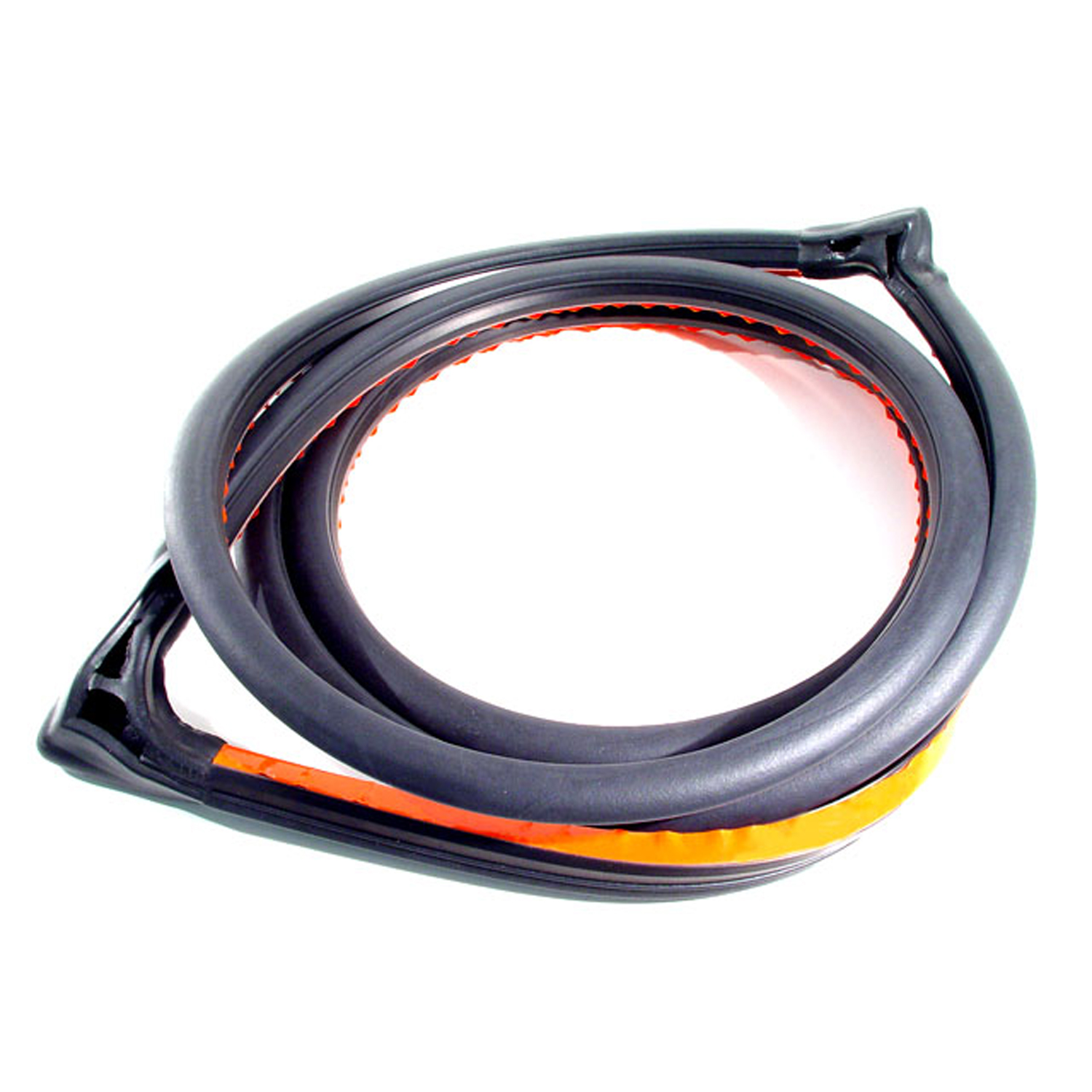 1976 Ford E-100 Econoline Front Side Cargo Door Seal-LM 110-VAFront Side Cargo Door Seal (fits front right side of cargo door). Replaces OEM #E9UZ 1525324 B. For rear (left side) matching seal, see LM 110-VB. Each
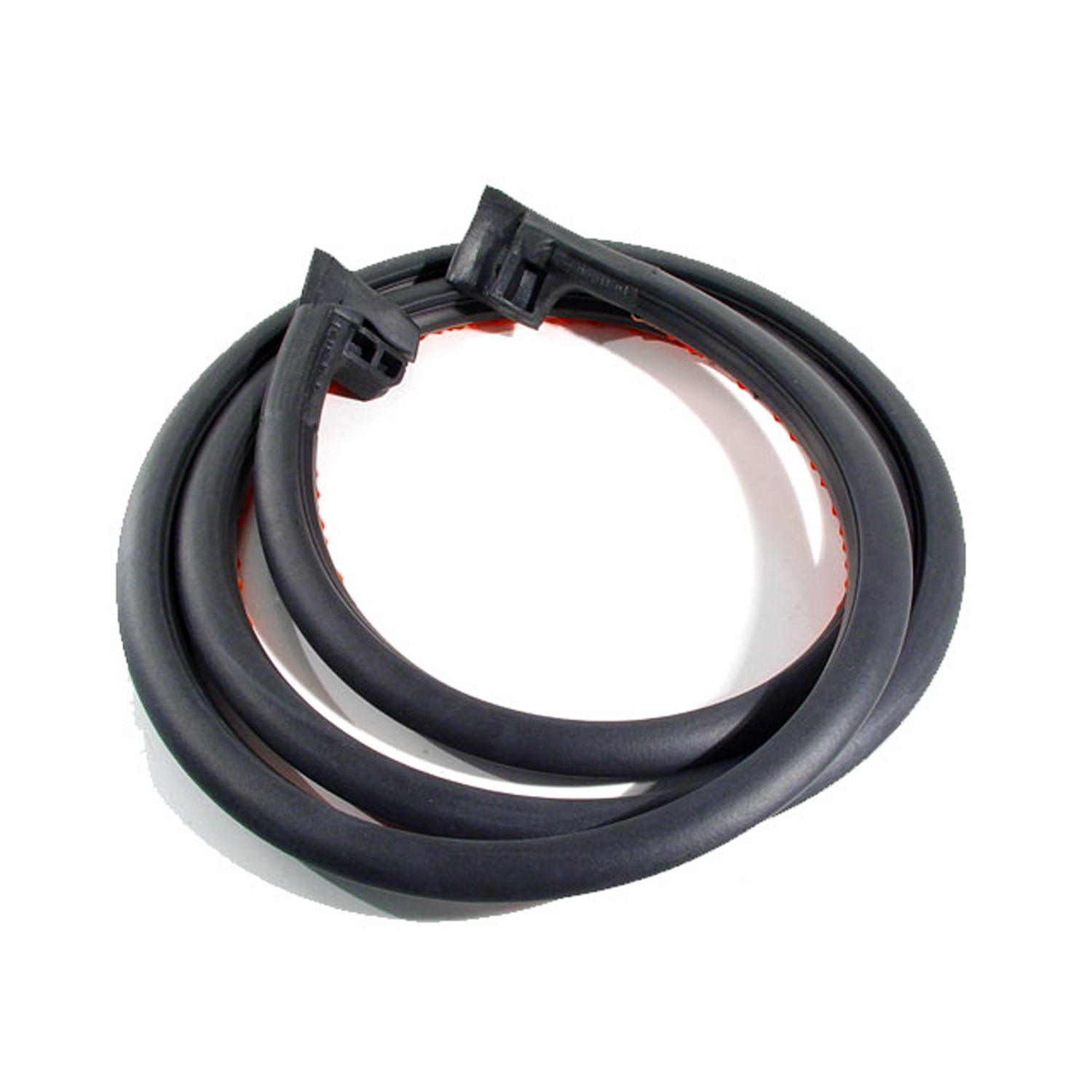 1976 Ford E-100 Econoline Rear Side Cargo Door Seal-LM 110-VBRear Side Cargo Door Seal (fits rear left side of cargo door). Replaces OEM #E9UZ 1525325 B. For front (right side) matching seal, see LM 110-VA. Each
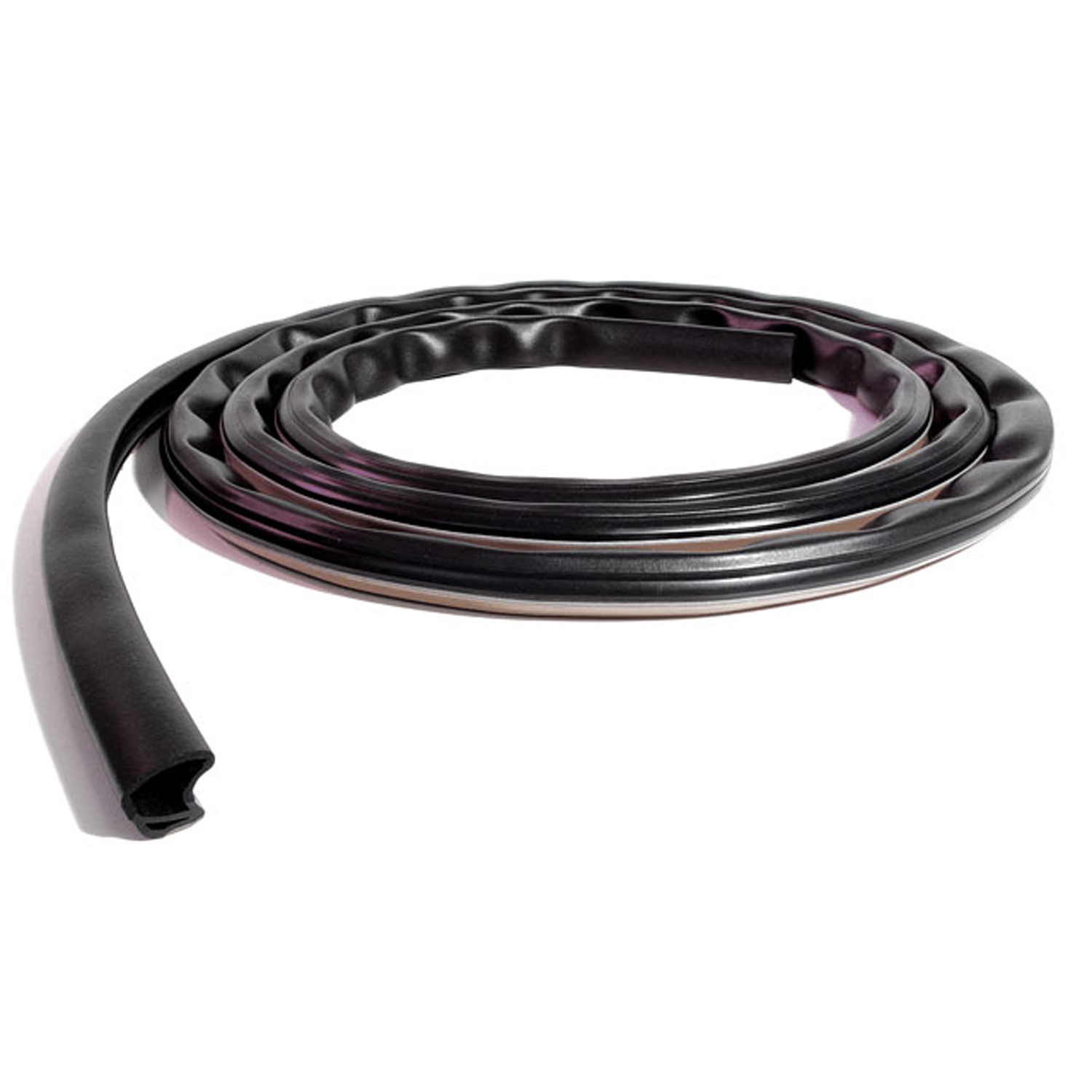 1976 Ford E-100 Econoline Left Front (drivers side) Door Seal. Each-LM 110-VLLeft Front (drivers side) Door Seal. Each
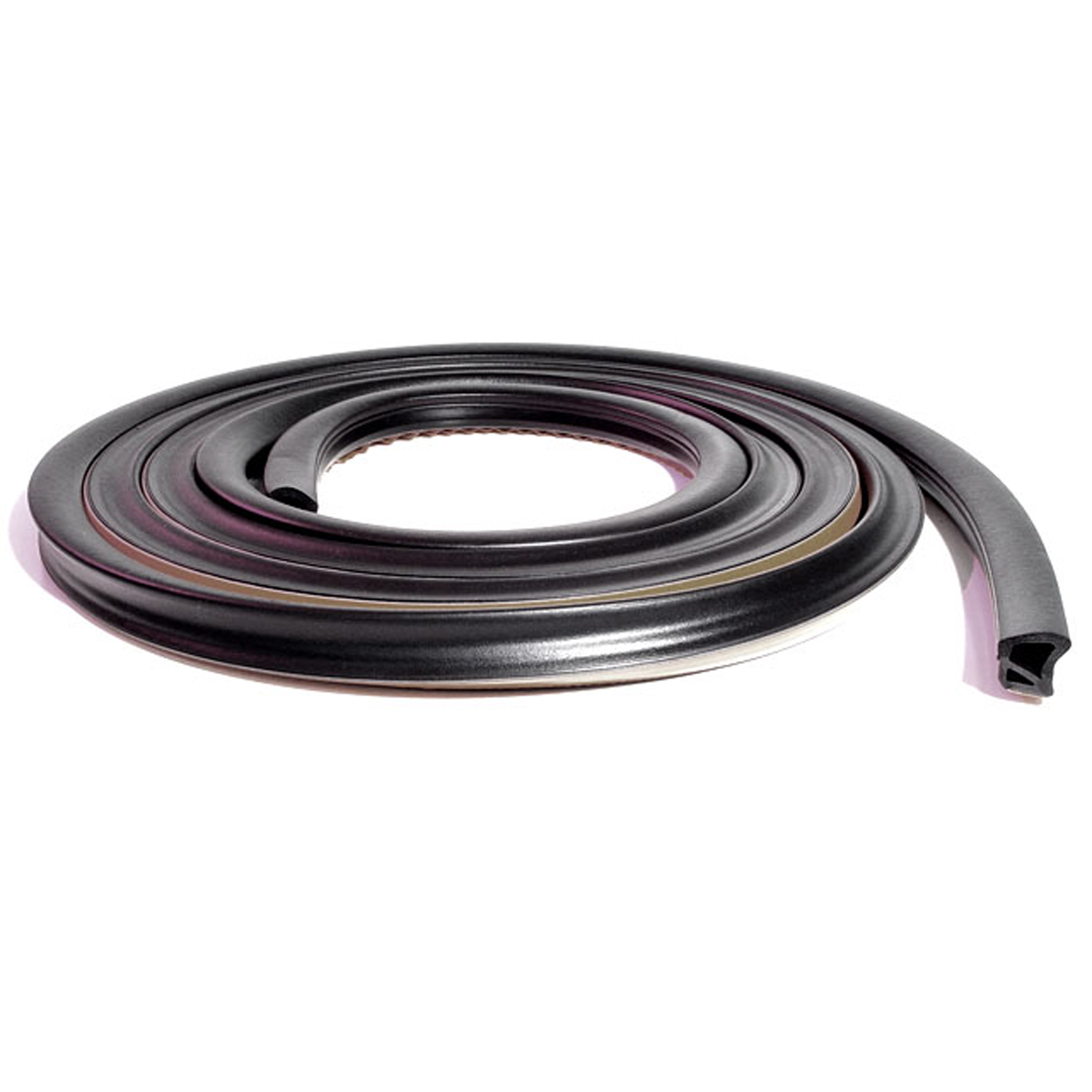 1976 Ford E-100 Econoline Right Front (passenger side) Door Seal. Each-LM 110-VRRight Front (passenger side) Door Seal. Each
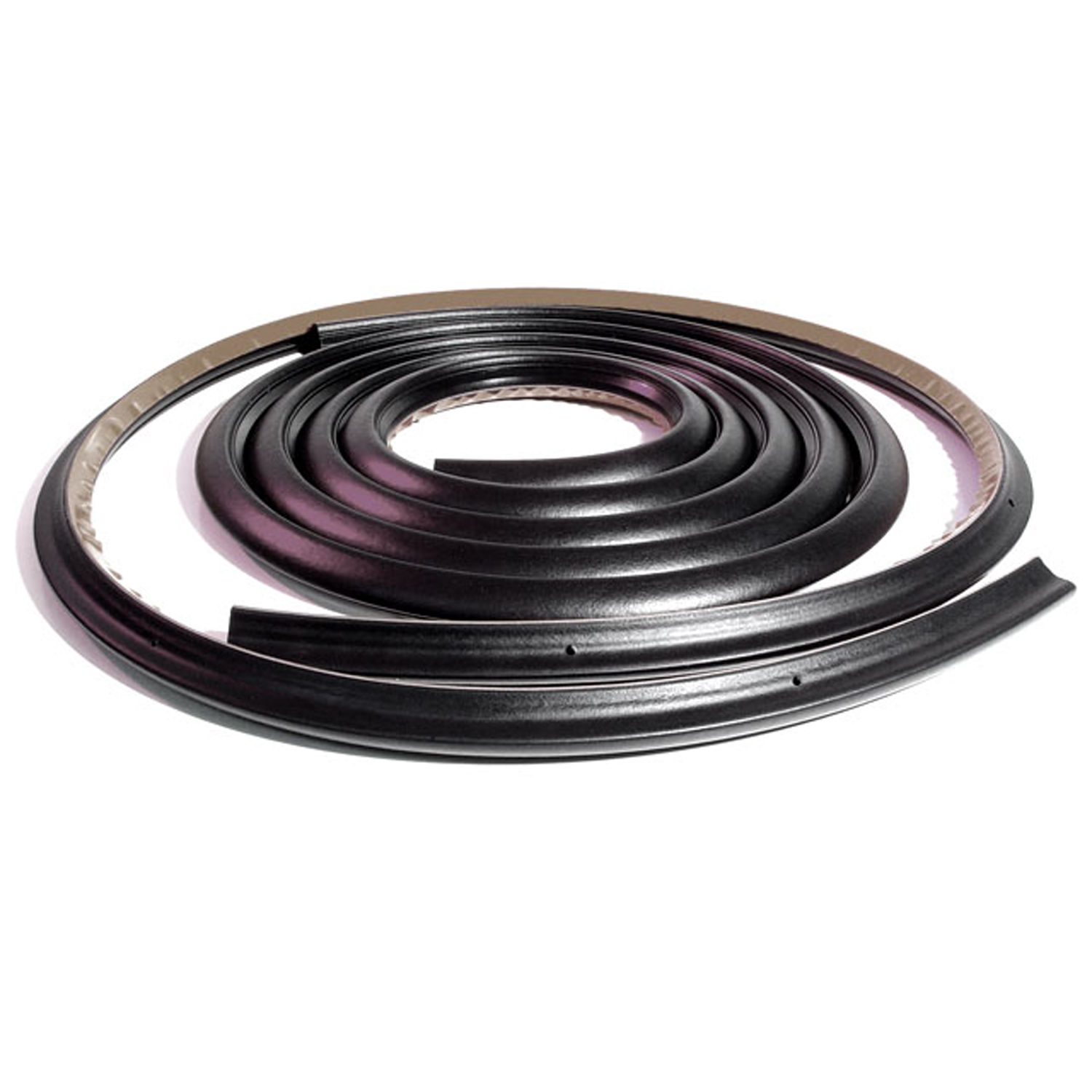 1976 Ford E-100 Econoline Side Slider Door Seal. Each-LM 110-VSSide Slider Door Seal. Each
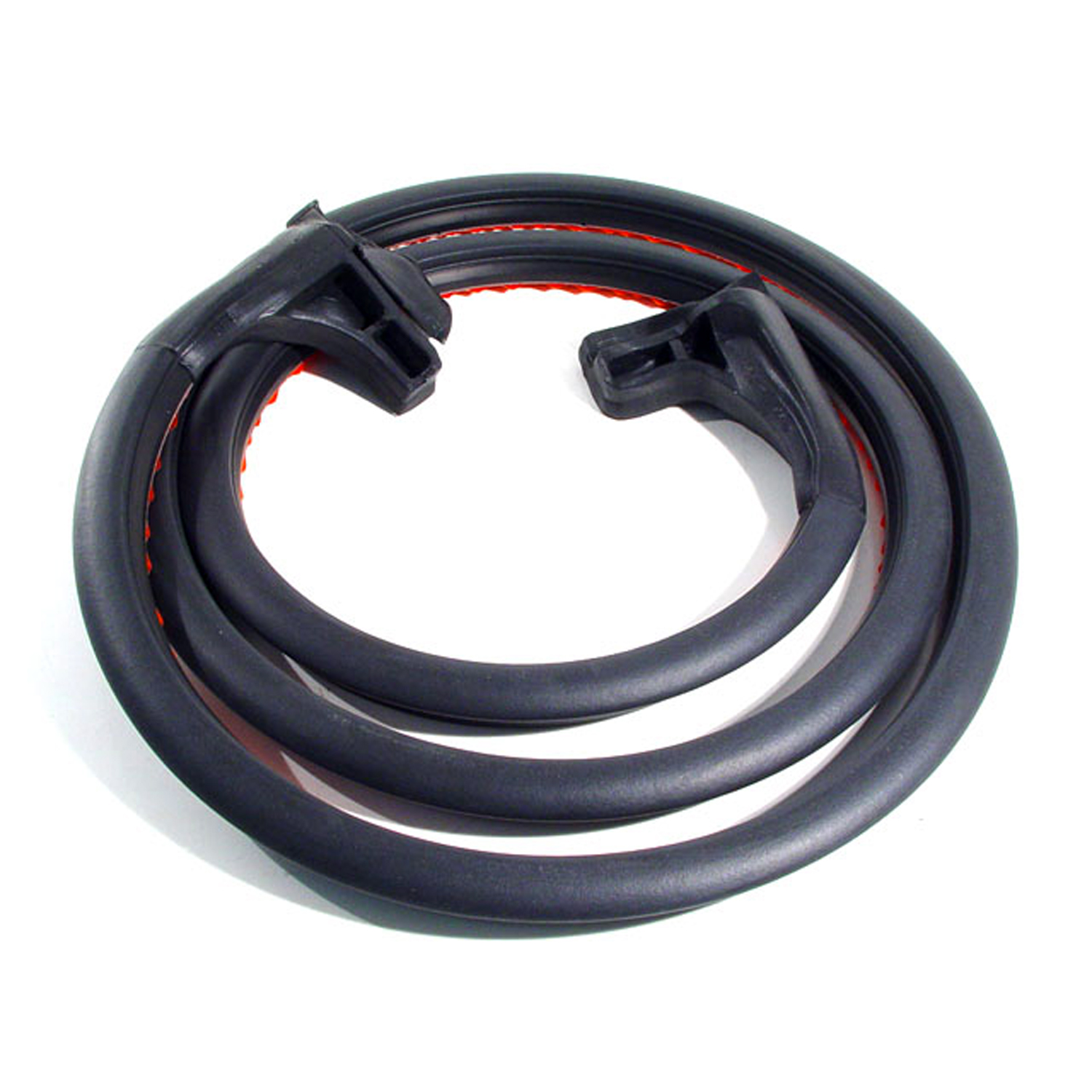 1976 Ford E-100 Econoline Left Rear Door Seal (Drivers Side)-LM 110-VTLeft Rear Door Seal (Drivers Side). Replaces OEM #E9UZ 1543723 A. Each
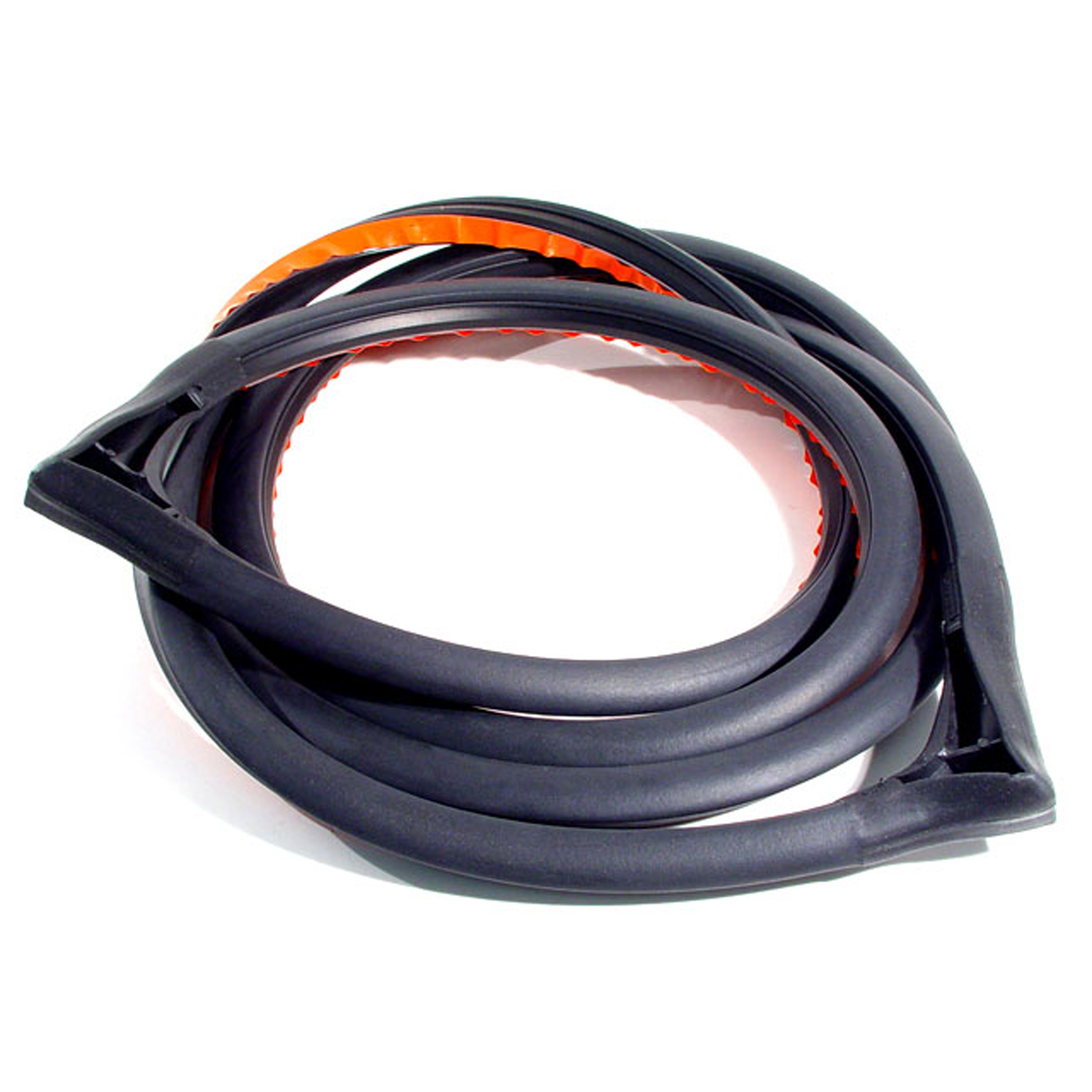 1976 Ford E-100 Econoline Right Rear Door Seal (Passenger Side)-LM 110-VURight Rear Door Seal (Passenger Side). Replaces OEM #F0UZ 1543722 A. Each
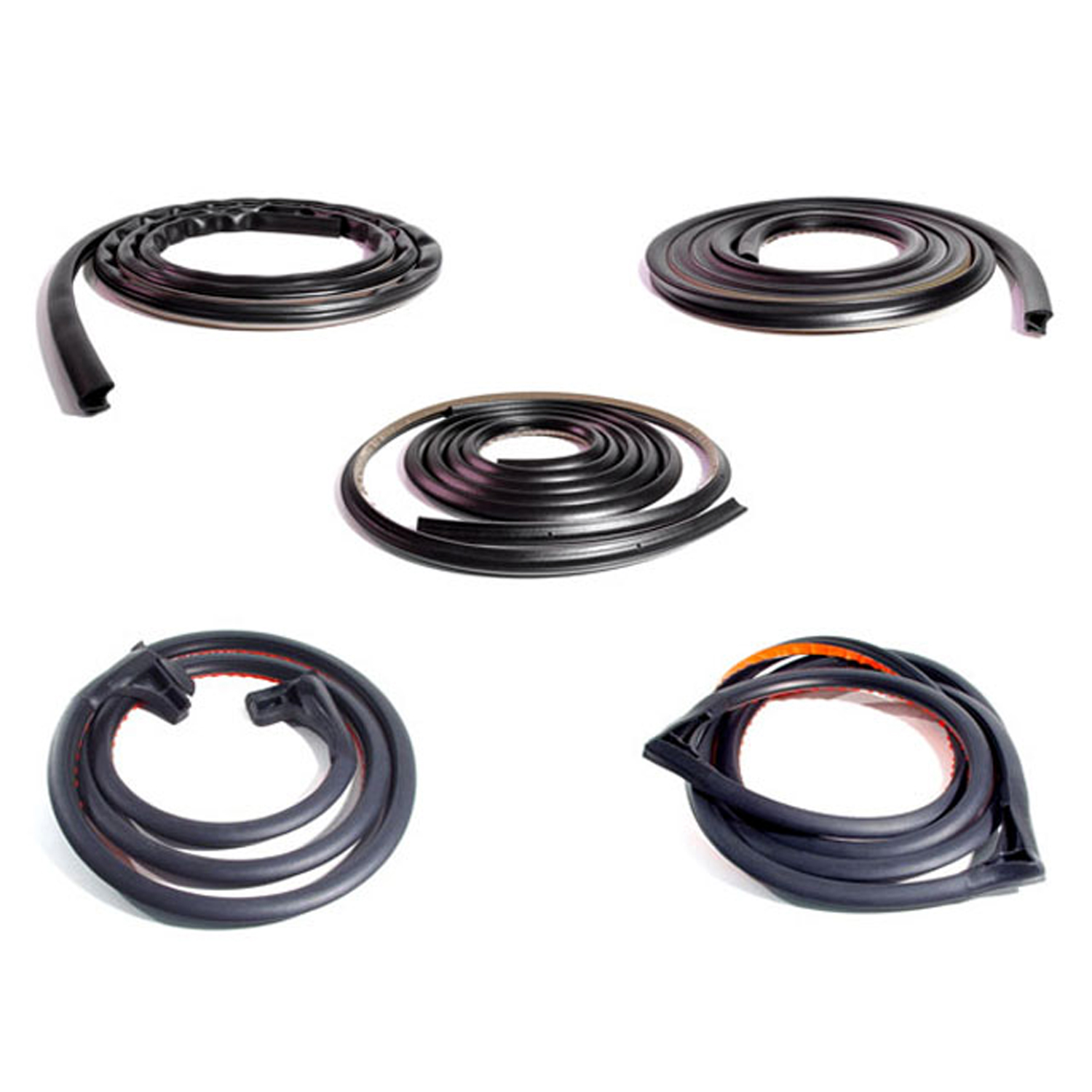 1976 Ford E-100 Econoline Basic Kit, for Models with Side Sliding Door-RKB 3000-100Basic Kit, for Models with Side Sliding Door. Front Left Door (LM 110-VL), Front Right Door (LM 110-VR), Back Left Door (LM 110-VT), Back Right Door (LM 110-VU), Side Sliding Door (LM 110-VS) Seals.
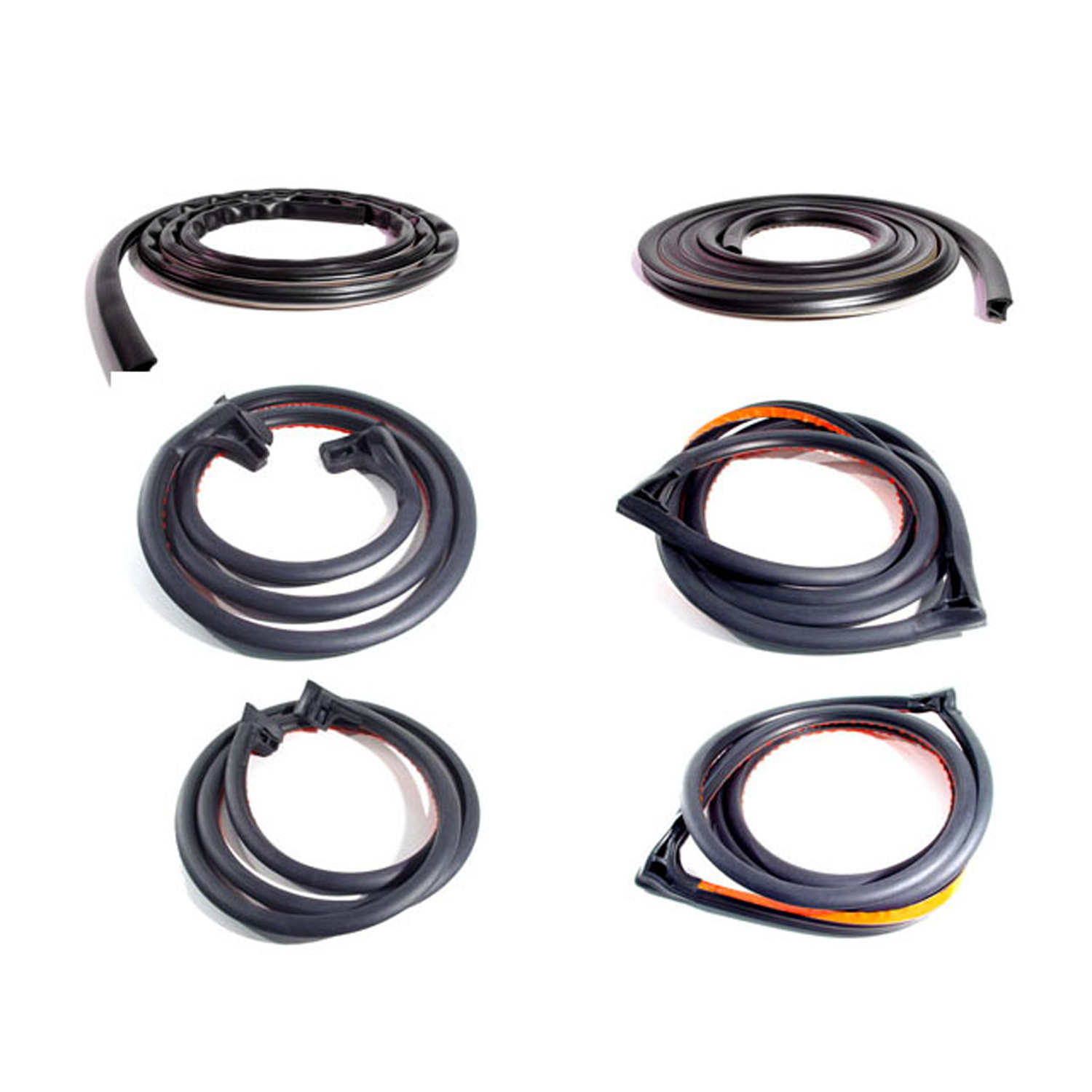 1976 Ford E-100 Econoline Basic Kit, for Models w/Side Cargo Door-RKB 3000-101Basic Kit, for Models w/Side Cargo Door. Front Left LM 110-VL), Front Right LM 110-VR), Back Left LM110-VT), Back Right LM 110-VU), Front Cargo Side (LM 110-VA), Rear Cargo Side (LM 110-VB) Door Seals.
Why Choose Metro?
For over 100 years, Metro Moulded Parts has been the pinnacle of quality in classic car restoration parts. Our commitment to precision and authenticity in every component ensures a perfect fit and an OEM-level appearance.
- Expert Craftsmanship & Quality: Each part is a testament to our dedication to reliability and perfection, crafted from original designs and thoroughly tested.
- Advanced Technology: We use cutting-edge techniques to create flawless, long-lasting parts that surpass others in performance.
- SuperSoft Sponge – The Ultimate Door Seal: Not only are our door seals 30% softer than competitors', but they're also guaranteed to never leak. They effectively reduce wind and road noise, enhancing your classic car's comfort and driving experience.
- Proudly American: Our parts are a product of American craftsmanship, made in the USA with a spirit of excellence and heritage.
- Unrivaled Warranty: We back our products with a 30-year industry-leading warranty, a testament to our confidence in their quality.
Join us in preserving the legacy of classic cars with parts that are crafted for perfection, not just made.