

Image of 1976 Ford E-150 Econoline Club Wagon, Note: These illustrations use artistic license and may differ from actual historical models.
Performance Metrics
Fundamental Metrics
Emotional Appeal
MMP Rating
| Engine Specifications | |
|---|---|
| Engine: | 4.9L Inline-6, 5.8L V8, 7.5L V8 |
| Displacement: | 4.9L - 7.5L |
| Horsepower: | 100-200 HP |
| Torque: | 223-357 lb-ft |
| Compression Ratio: | 8.0:1 - 8.4:1 |
| Ignition System: | Distributor ignition |
| Cooling System: | Liquid cooled |
| Performance Specifications | |
| 0-60 Time: | Estimated 12-15 seconds |
| 1/4 Mile Time: | Estimated 18-20 seconds |
| Top Speed: | 85-95 mph |
| Transmission and Drive | |
| Drive Type: | Rear-wheel drive |
| Transmission Type: | 3-speed automatic |
| Fuel and Efficiency | |
| Fuel System Type: | Carburetor |
| MPG: | Estimated 10-14 mpg |
| Dimensions and Brakes | |
| Brakes: | Front disc, rear drum |
| Wheelbase: | 124 inches |
| Weight: | 4,500-5,000 lbs |
Note: Specifications for classic cars are given to the best of our ability, considering the limited and variant data available.
The 1976 Ford E-150 Econoline Club Wagon turned a work van into a roomy family hauler, and it did so with the square-shouldered confidence of a vehicle built to carry people, camping gear, and just about anything else its owners could fit inside.
Built by Ford Motor Company, the E-150 was the half-ton version of the Econoline, while “Club Wagon” identified the passenger-oriented model. It belonged to a new generation introduced for 1975, when Ford substantially redesigned the Econoline with a longer nose, a conventional front-engine layout, and a more truck-like chassis. The result was a van that felt less like a compact delivery vehicle and more like a full-size member of Ford’s truck family.
That 1975 redesign is part of what makes a 1976 Club Wagon interesting today. Ford had moved beyond the original Econoline’s cab-over look, giving the van a front end that could accommodate larger engines and improve access for service. A year later, the formula was established: generous interior space, familiar truck components, and passenger comfort available in a vehicle still capable of serious hauling.
From Compact Van to Full-Size Club Wagon
Ford introduced the Econoline in 1961 as a compact van. By the mid-1970s, families and businesses wanted more room and more capability, and Ford answered with the much larger third-generation design. The 1976 E-150 Club Wagon was part of that transition from simple utility van to versatile people mover.
The E-150 designation placed it in Ford’s half-ton range. The Club Wagon shared its basic architecture with Econoline cargo vans, but its passenger-focused equipment and side windows made it better suited to family transport, shuttle service, camping, and recreational use. It was not a luxury car in van clothing, but the better-equipped versions could be comfortable, practical alternatives to a large station wagon.
One notable detail is how much the redesign changed the driving experience. Earlier Econolines placed the driver close to the front of the vehicle. The 1975-and-later vans put the engine ahead of the driver under a conventional hood, giving the front end a more familiar truck profile and changing how the vehicle felt on the road.
Square Shoulders and a Spacious Cabin
The 1976 Club Wagon has the unmistakable shape of a classic American van: a blunt, upright body, broad glass, a tall roof, and a long front hood compared with earlier Econolines. Its flat sides and large windows prioritize usable space over aerodynamic flair. The front grille and rectangular proportions give it a sturdy, almost architectural appearance, while the wide stance makes it look ready for a full load of passengers.
Ford offered Econoline vans in different lengths and configurations, with availability depending on model and equipment. The E-150 Club Wagon was the passenger version of the half-ton platform. Buyers could choose among trim and seating arrangements, including more basic versions and better-appointed models. Custom and Chateau names were associated with Club Wagon equipment during this era, though exact combinations depended on the model year and order.
Inside, the Club Wagon’s main luxury was space. Depending on trim, buyers could find cloth or vinyl upholstery, carpet, upgraded door trim, and passenger seating arranged for multiple occupants. Bench seats made it easy to carry a crowd, while more comfort-oriented equipment could make longer trips less tiring. Materials were durable and straightforward rather than finely finished. That was a sensible choice in a vehicle expected to handle children, luggage, sporting equipment, or commercial use.
Period color choices varied by paint and trim package, but the palette included the familiar whites, reds, blues, greens, tans, and browns of 1970s Ford trucks. White and earth tones suited the van’s practical image, while brighter colors and contrasting interior trims gave some Club Wagons a more recreational look. Two-tone paint, aftermarket stripes, and custom graphics became especially associated with the wider van culture of the era.
Useful Technology, Not Modern Luxury
By 1976 standards, the Club Wagon could be equipped with a useful range of comfort and convenience features. Depending on configuration, options included automatic transmission, power steering, power brakes, air conditioning, an AM radio, and upgraded interior appointments. Those features mattered in a large van, particularly when it was carrying a full complement of passengers.
Its engineering was conventional by design. The body-on-frame construction and truck-derived components helped make the van adaptable and repairable. The front-engine layout also made routine service more familiar to mechanics than the cab-over design it replaced. Still, access to some components could be tight, and a van’s tall body and heavy-duty running gear were never as easy to maneuver or park as a passenger car’s.
A Turning Point in Van Design
The 1976 Econoline Club Wagon was not a radical technology showcase. Its importance lies in how Ford developed the full-size van into a more comfortable, usable platform. The redesigned nose, conventional engine placement, and truck-based structure helped establish a pattern that would define American full-size vans for decades.
Compared with smaller vans, the E-150 offered more passenger room and a broader range of powertrain and equipment choices. Compared with a station wagon, it had a much taller cabin and more flexible seating and cargo space. That combination made it attractive to families, tradespeople, schools, churches, hotels, and conversion-van companies.
The Econoline also helped create the foundation for the custom van boom of the 1970s. Owners and specialist converters transformed passenger vans with plush upholstery, carpeting, custom paint, upgraded sound systems, and recreational equipment. The 1976 Club Wagon was practical from the factory, but it could also become a rolling den or camper with the right modifications.
Engines, Speed, and Road Manners
Engine availability varied with model, equipment, and market. The 1976 Econoline range offered six-cylinder and V8 power, with larger engines generally associated with heavier-duty configurations. The 300-cubic-inch inline-six was known for straightforward, low-speed work, while V8 options provided stronger acceleration and more relaxed cruising when the van was loaded. Exact choices for a particular E-150 should be confirmed from its original documentation or vehicle identification details.
Ford did not publish one universal performance figure for every E-150 Club Wagon. As a realistic guide, a typical 1976 van with a V8 might reach 0 to 60 mph in roughly 15 to 20 seconds, depending on engine, transmission, axle ratio, vehicle condition, and passenger load. A six-cylinder example could be slower. Top speed was generally in the neighborhood of 85 to 95 mph, but these vans were designed for carrying capacity and steady travel, not sustained high-speed driving.
On the road, the Club Wagon feels substantial. The engine’s sound comes through as a familiar truck-like rumble, especially under acceleration, and the steering takes more effort and attention than in a modern minivan. Power steering, if fitted and in good condition, makes low-speed turns easier, but the van’s size remains very apparent in parking lots and narrow streets.
The suspension is built to cope with weight, so an lightly loaded van can feel firm over sharp bumps. With passengers and gear aboard, the ride often settles into a more comfortable rhythm. On windy roads or in crosswinds, the tall, broad body can be pushed around, and the driver needs to make measured steering corrections. It is best driven with a relaxed pace, plenty of following distance, and an awareness of its height and braking distance.
Living With a 1976 Econoline
Today, owners use these vans as weekend cruisers, camper conversions, family-history projects, show vehicles, and occasional daily drivers. A clean, original Club Wagon can be appealing to vintage-van fans, while a modified example may suit someone looking for a period-style camper or custom van. Its spacious interior remains a major advantage, although modern expectations for fuel economy, handling, and safety are a different matter.
Mechanical maintenance is generally approachable for an experienced home mechanic. Ford truck components and conventional engines are familiar to many repair shops, and routine jobs such as tune-ups, brake service, and cooling-system repairs are not unusually complex. Age is the larger challenge. Rubber hoses, seals, wiring, fuel-system parts, and suspension components may need attention even if the van has low mileage.
Rust deserves careful inspection. Check the floor, frame, body mounts, lower doors, wheel openings, and areas around the windshield and side windows. Also inspect the cooling system, transmission, brakes, and steering. A van that has spent years outdoors or has been heavily modified may hide costly repairs beneath carpeting, insulation, or custom interior panels.
Van Culture, Trivia, and Common Complaints
The Club Wagon arrived at the height of a growing custom-van scene. Owners personalized vans with shag carpeting, captain’s chairs, murals, elaborate paint, and camper equipment. Those modifications were often done by independent shops rather than being rare Ford factory editions, so a highly customized van is not automatically a special factory model.
There is no widely recognized production record or single historic event that defines the 1976 E-150 Club Wagon. Its significance is broader: it represents the full-size American van at a time when vans were becoming family vehicles and recreational spaces as well as commercial tools. Celebrity ownership claims are often repeated for custom vans generally, but individual stories should be verified with documentation before being treated as fact.
The most common criticisms are familiar to anyone who has driven an old full-size van: poor fuel economy, limited modern safety equipment, wind sensitivity, and a large turning circle. Braking performance and handling also feel dated beside current vehicles. For collectors, those shortcomings are part of the honest character of the van, but they matter when deciding whether it will serve as regular transportation.
Collector Values and Market Outlook
Surviving 1976 E-150 Club Wagons are not easy to count. Production figures are generally published for broader Econoline lines rather than for every engine, trim, and body configuration. As an informed estimate rather than a factory total, perhaps 20,000 to 40,000 E-150 Club Wagons were built for the U.S. market in 1976. The number still on the road in original or restorable condition is much smaller.
Availability is fair but uneven. Project vans appear regularly, while clean, unmodified examples can take patience to find. A rough project might sell for about $2,000 to $8,000. A usable driver with sound structure could fall around $8,000 to $18,000. Well-preserved or nicely restored examples may bring approximately $18,000 to $30,000, with exceptional restorations or especially desirable custom builds potentially asking $30,000 to $50,000 or more. These are broad U.S. market estimates, and condition, rust, originality, documentation, and quality of modifications make a substantial difference.
Values have generally benefited from renewed interest in vintage vans and period camping culture. The best examples are more likely to appreciate than deteriorate in value, but this remains a niche collector market rather than a guaranteed investment. A solid body and tasteful, well-documented work usually matter more than expensive modifications alone.
Why the 1976 Club Wagon Still Matters
The 1976 Ford E-150 Econoline Club Wagon combined truck-based toughness with passenger-carrying space at a time when the full-size van was finding new roles in American life. Its practical design helped make the Econoline a familiar sight at work, on family trips, and in the custom-van scene. It is not quick or refined by modern standards, but it has room, character, and a straightforward mechanical personality that newer vehicles rarely match.
For collectors and drivers alike, the Club Wagon is a reminder that a van can be more than a box on wheels. It can be a family transporter, a road-trip companion, or a canvas for personal style, all wrapped in the unmistakable shape of a 1970s Ford.
1976 Ford E-150 Econoline Club Wagon Catalog of Parts
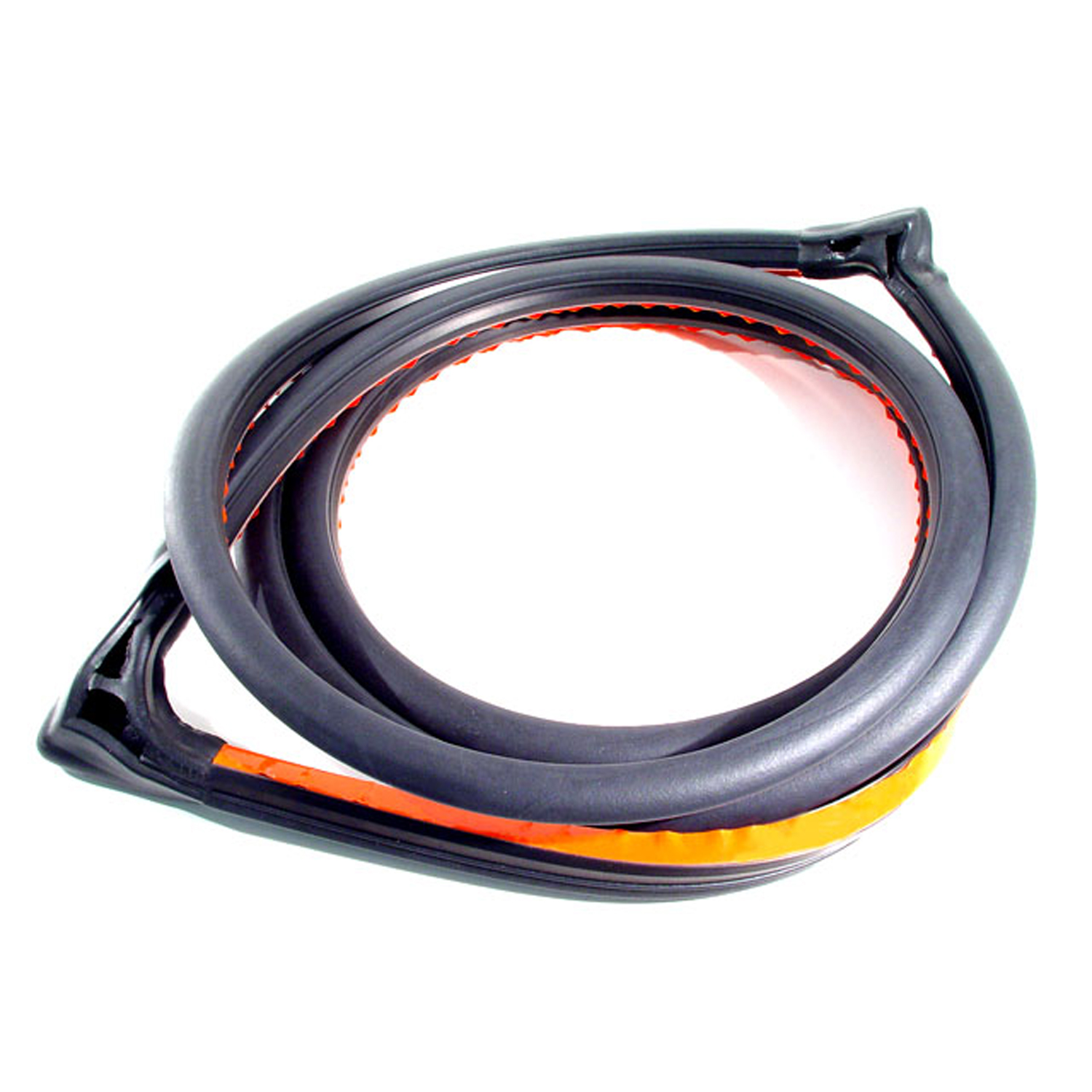 1976 Ford E-150 Econoline Club Wagon Front Side Cargo Door Seal-LM 110-VAFront Side Cargo Door Seal (fits front right side of cargo door). Replaces OEM #E9UZ 1525324 B. For rear (left side) matching seal, see LM 110-VB. Each
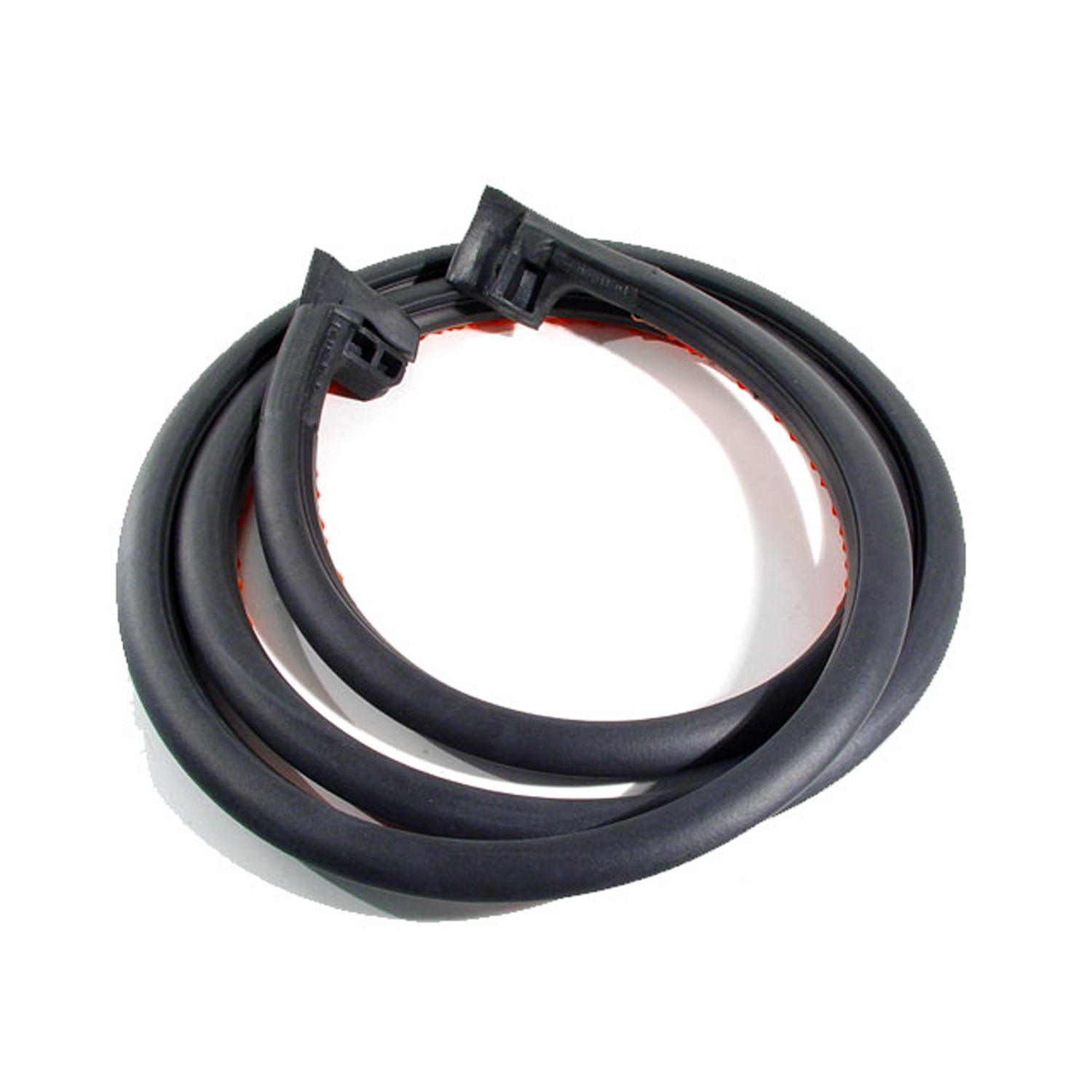 1976 Ford E-150 Econoline Club Wagon Rear Side Cargo Door Seal-LM 110-VBRear Side Cargo Door Seal (fits rear left side of cargo door). Replaces OEM #E9UZ 1525325 B. For front (right side) matching seal, see LM 110-VA. Each
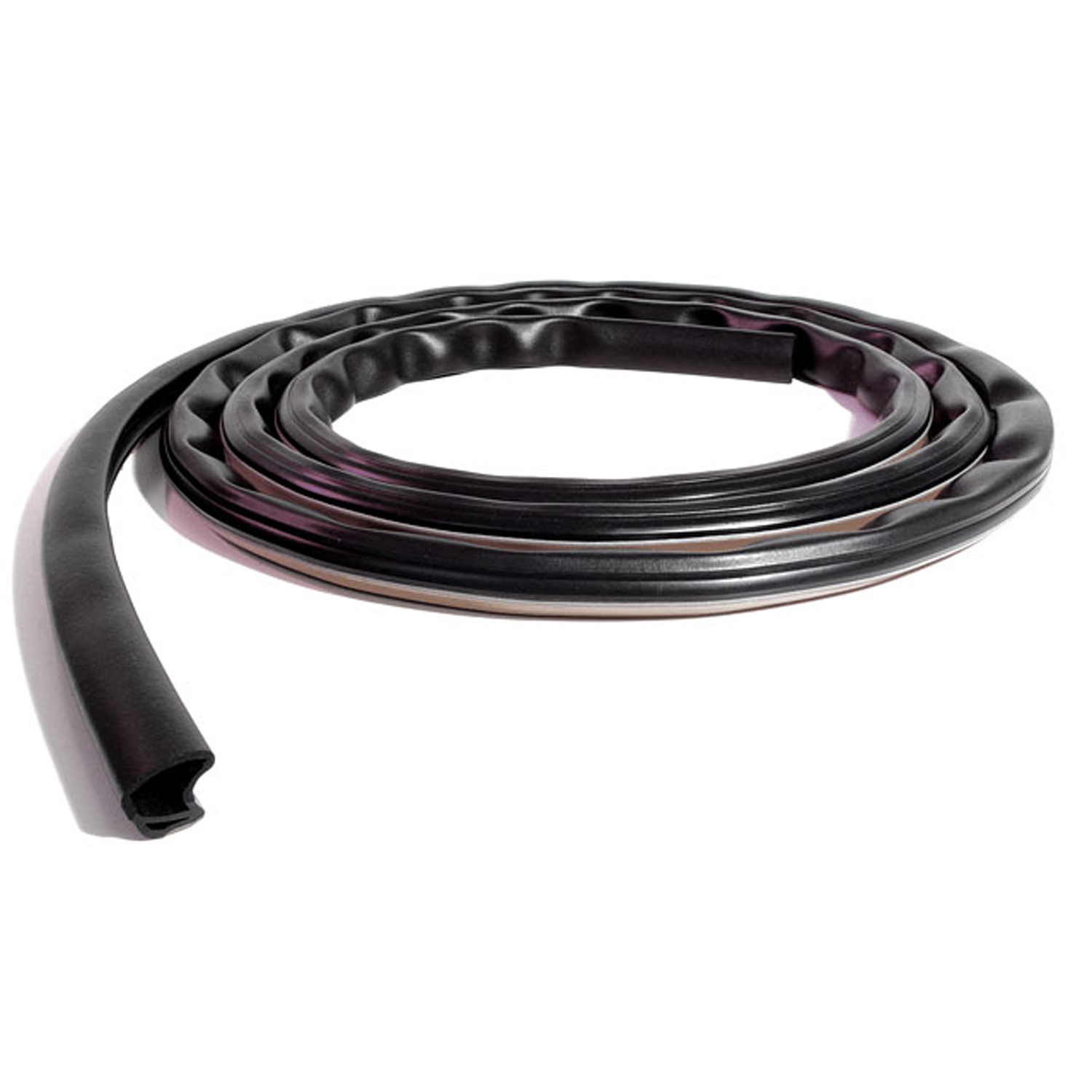 1976 Ford E-150 Econoline Club Wagon Left Front (drivers side) Door Seal. Each-LM 110-VLLeft Front (drivers side) Door Seal. Each
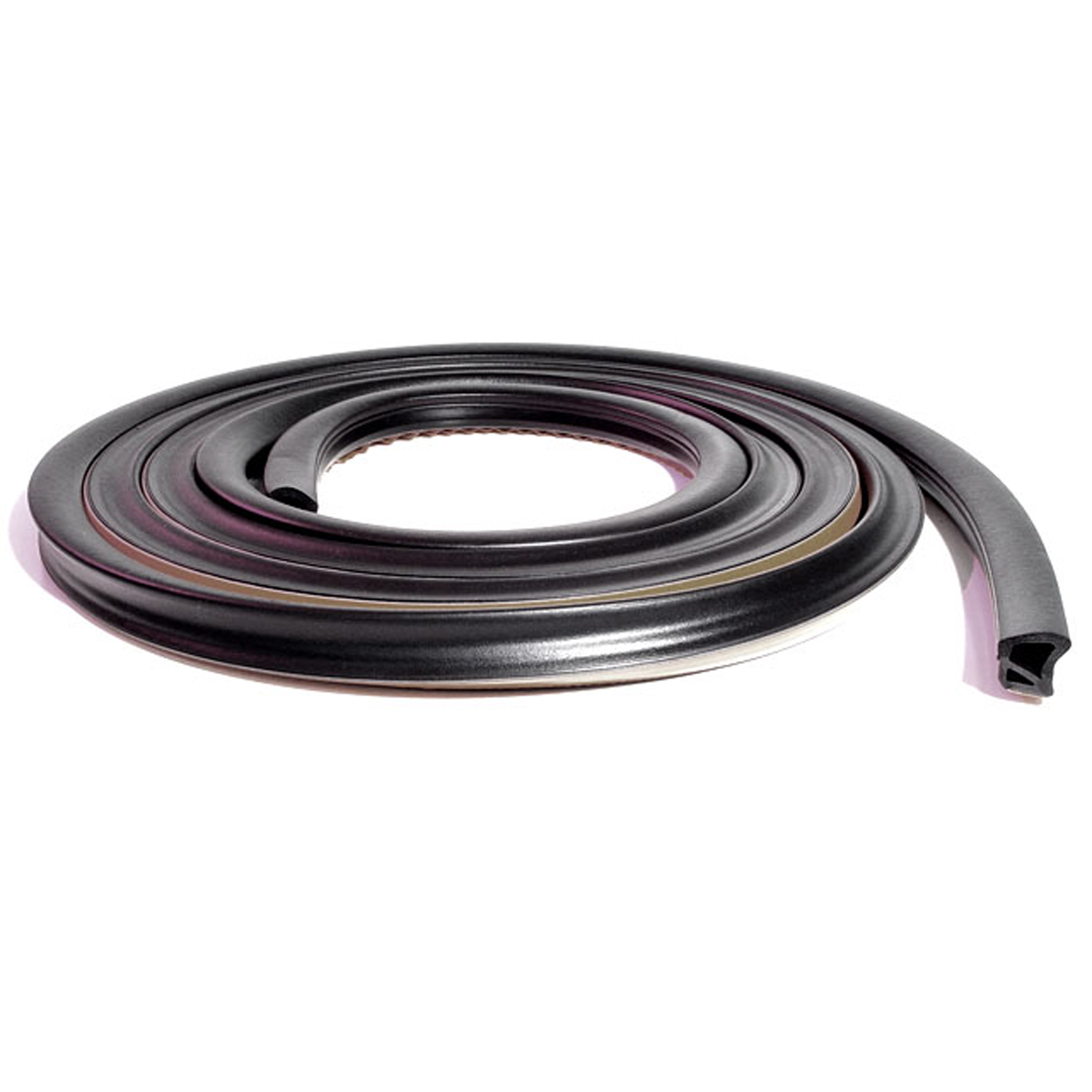 1976 Ford E-150 Econoline Club Wagon Right Front (passenger side) Door Seal. Each-LM 110-VRRight Front (passenger side) Door Seal. Each
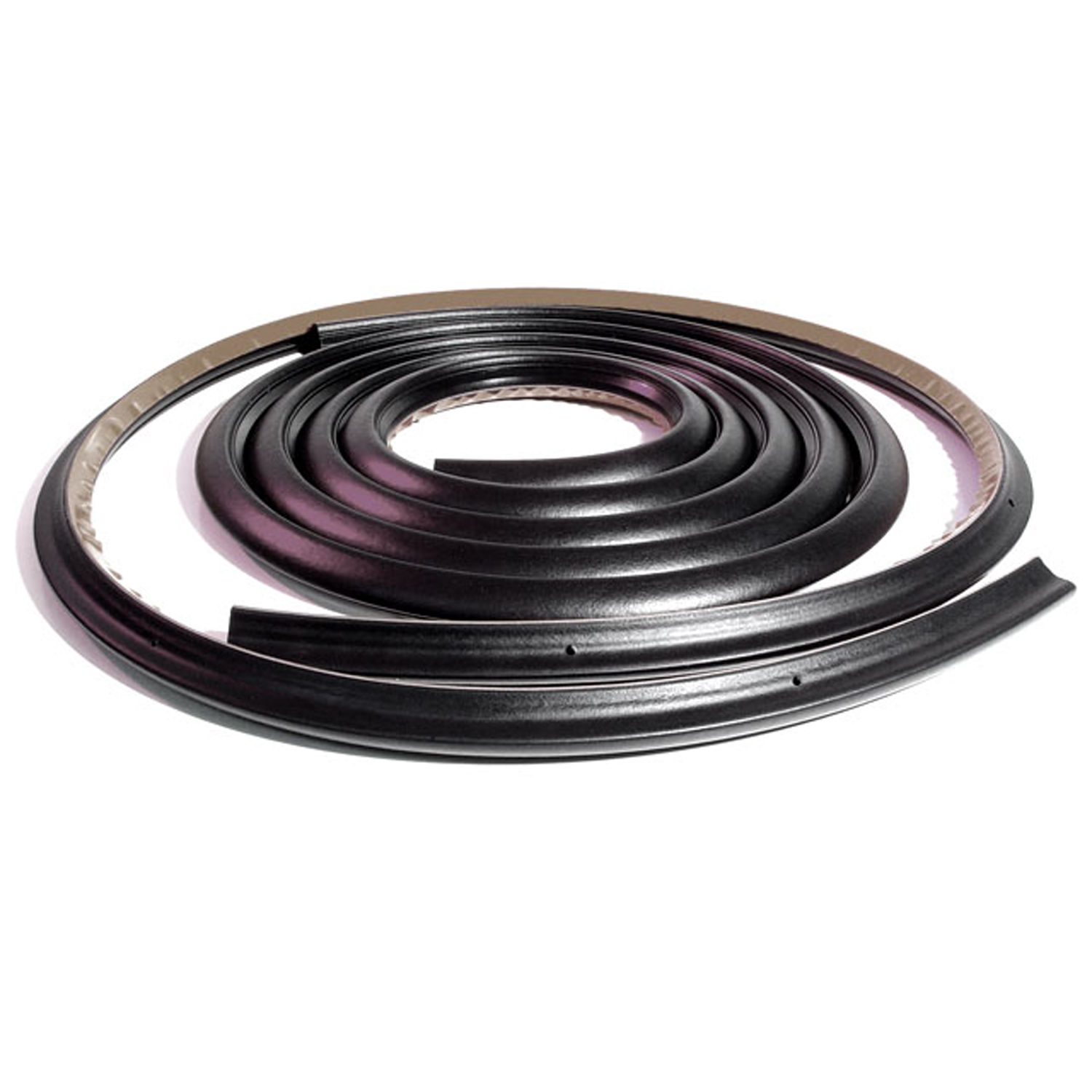 1976 Ford E-150 Econoline Club Wagon Side Slider Door Seal. Each-LM 110-VSSide Slider Door Seal. Each
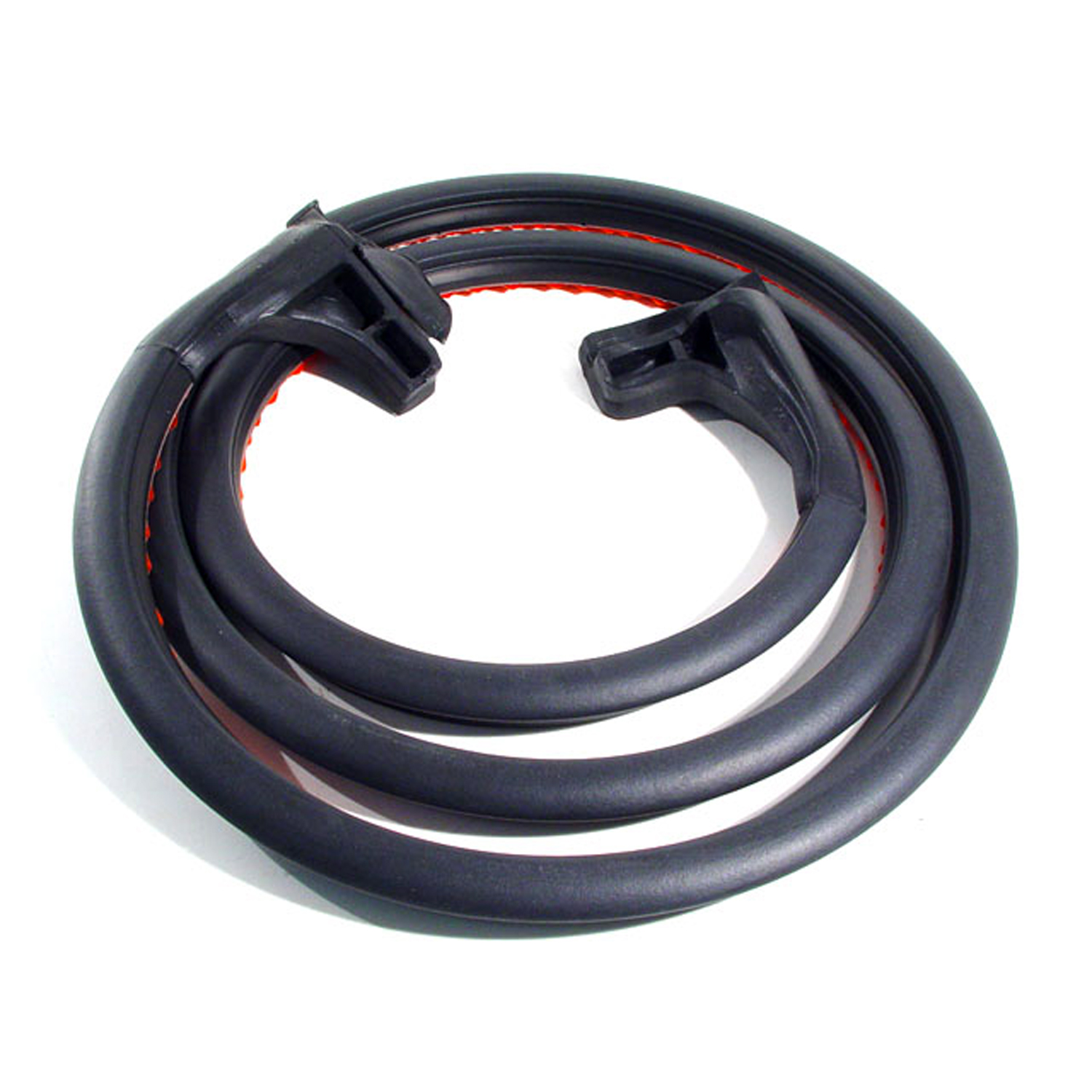 1976 Ford E-150 Econoline Club Wagon Left Rear Door Seal (Drivers Side)-LM 110-VTLeft Rear Door Seal (Drivers Side). Replaces OEM #E9UZ 1543723 A. Each
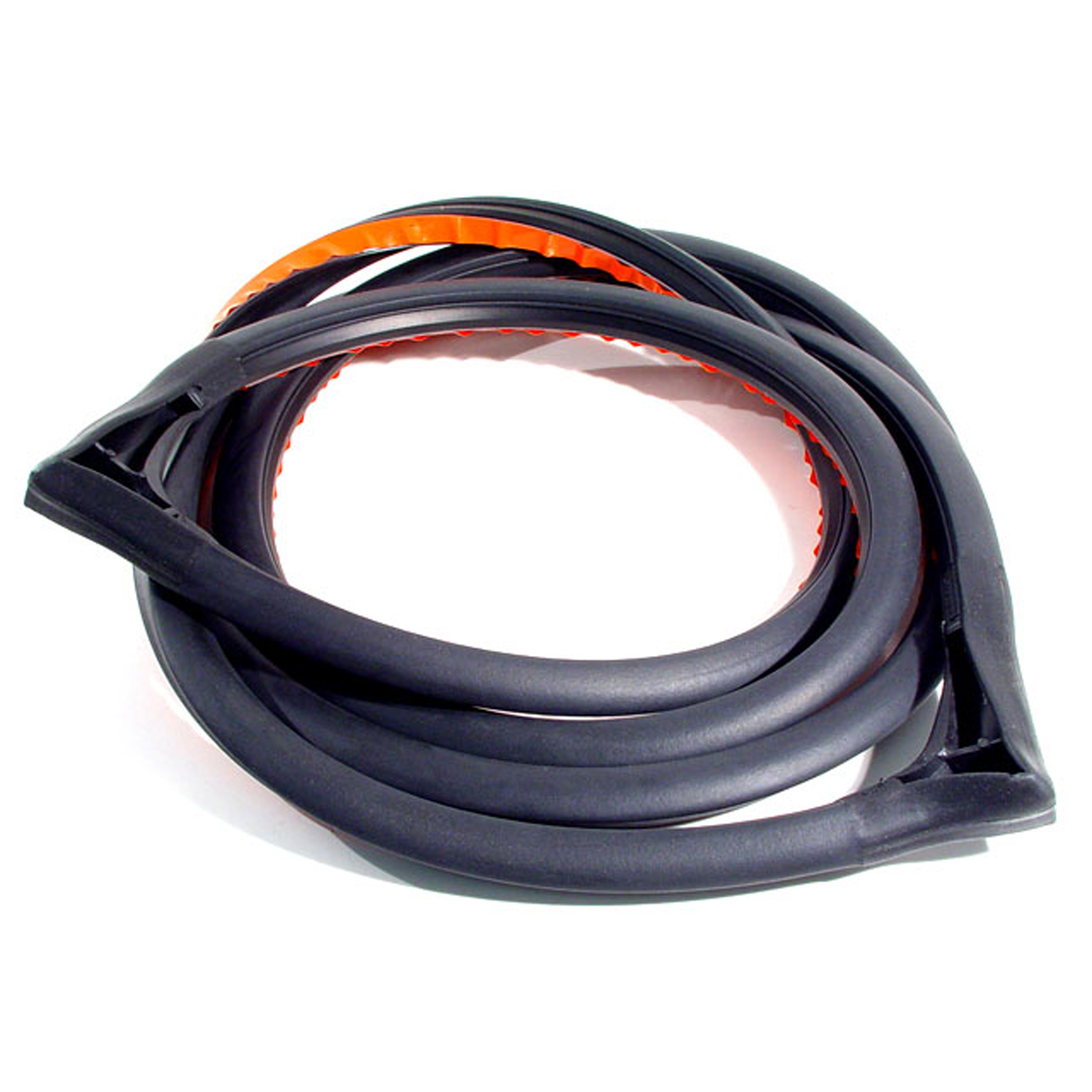 1976 Ford E-150 Econoline Club Wagon Right Rear Door Seal (Passenger Side)-LM 110-VURight Rear Door Seal (Passenger Side). Replaces OEM #F0UZ 1543722 A. Each
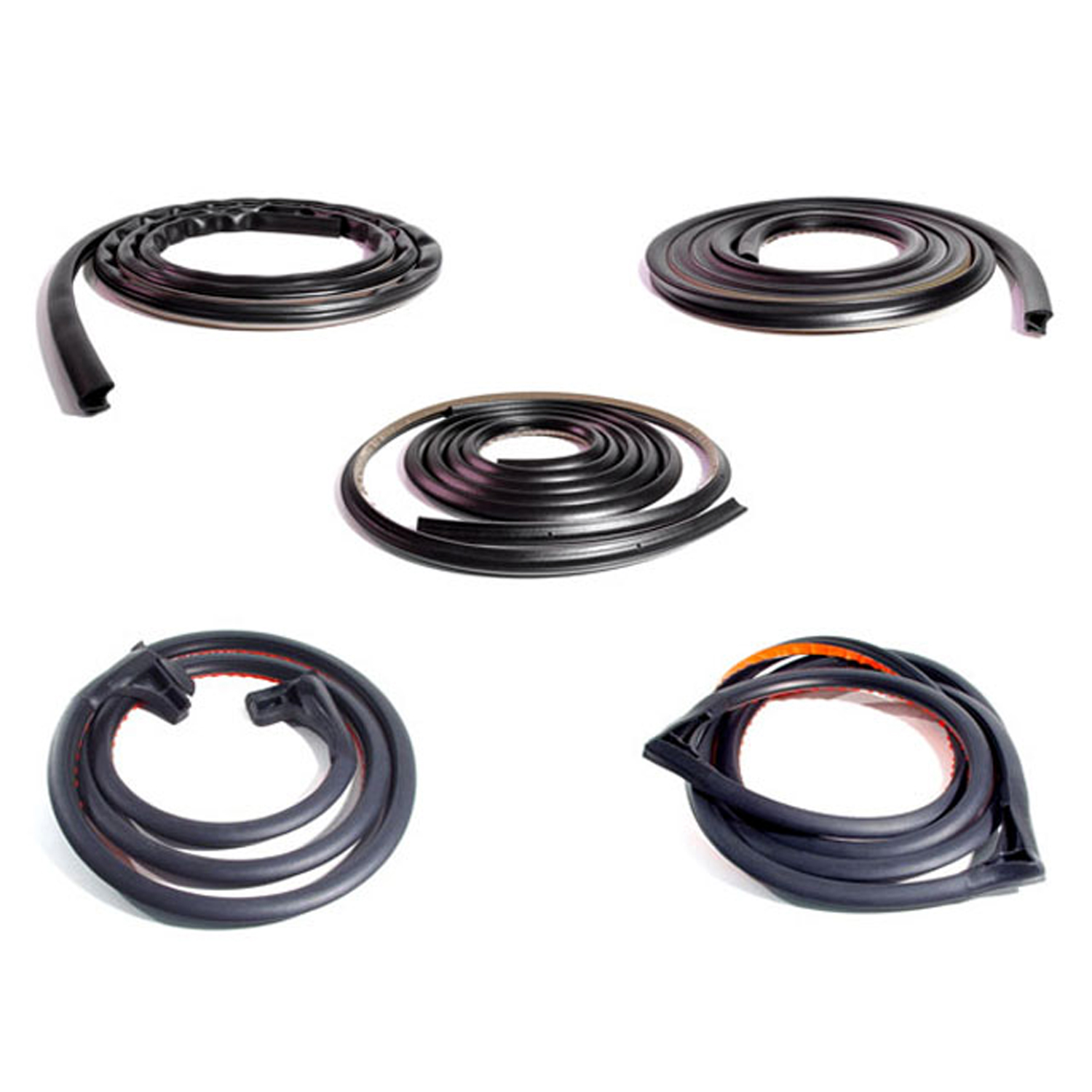 1976 Ford E-150 Econoline Club Wagon Basic Kit, for Models with Side Sliding Door-RKB 3000-100Basic Kit, for Models with Side Sliding Door. Front Left Door (LM 110-VL), Front Right Door (LM 110-VR), Back Left Door (LM 110-VT), Back Right Door (LM 110-VU), Side Sliding Door (LM 110-VS) Seals.
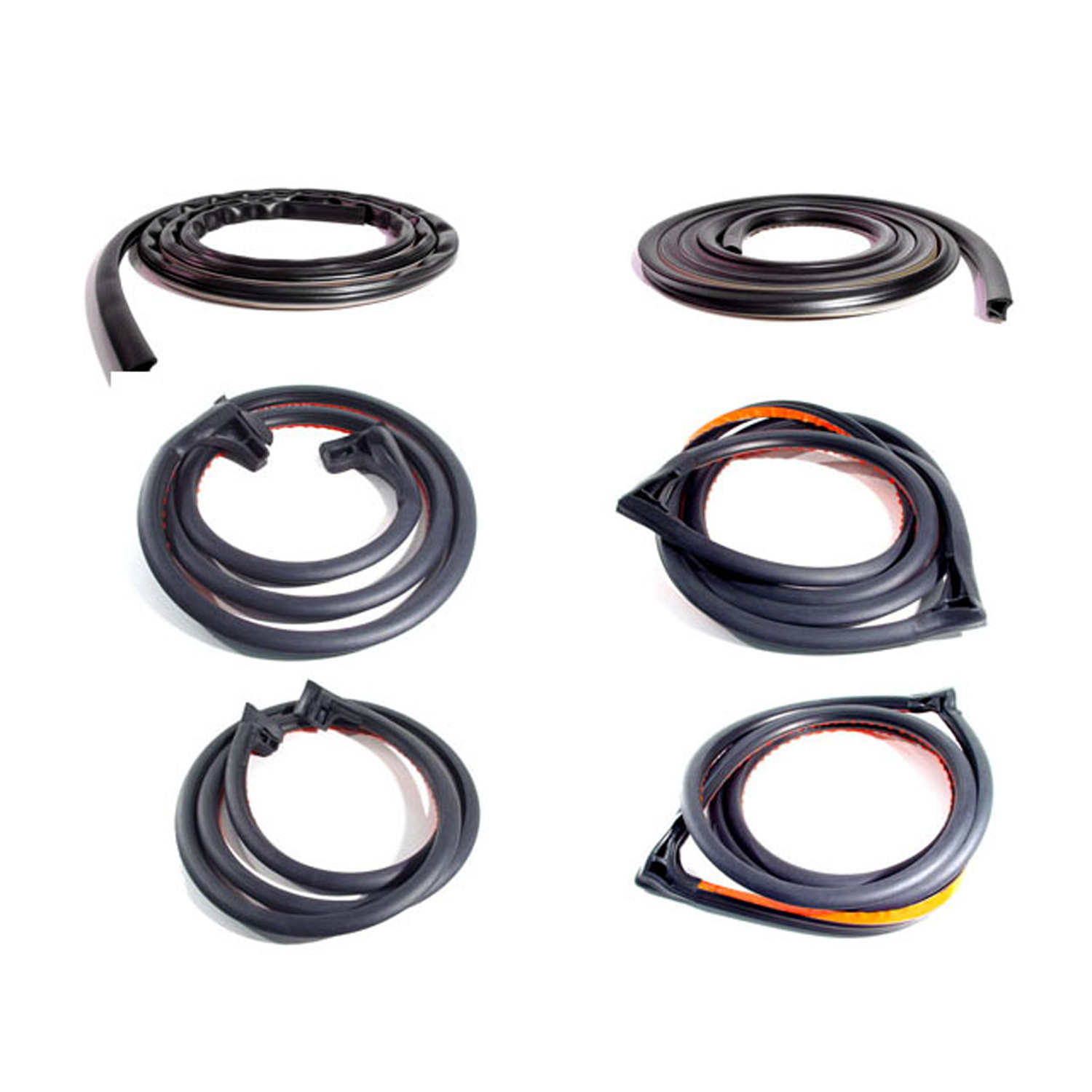 1976 Ford E-150 Econoline Club Wagon Basic Kit, for Models w/Side Cargo Door-RKB 3000-101Basic Kit, for Models w/Side Cargo Door. Front Left LM 110-VL), Front Right LM 110-VR), Back Left LM110-VT), Back Right LM 110-VU), Front Cargo Side (LM 110-VA), Rear Cargo Side (LM 110-VB) Door Seals.
Why Choose Metro?
For over 100 years, Metro Moulded Parts has been the pinnacle of quality in classic car restoration parts. Our commitment to precision and authenticity in every component ensures a perfect fit and an OEM-level appearance.
- Expert Craftsmanship & Quality: Each part is a testament to our dedication to reliability and perfection, crafted from original designs and thoroughly tested.
- Advanced Technology: We use cutting-edge techniques to create flawless, long-lasting parts that surpass others in performance.
- SuperSoft Sponge – The Ultimate Door Seal: Not only are our door seals 30% softer than competitors', but they're also guaranteed to never leak. They effectively reduce wind and road noise, enhancing your classic car's comfort and driving experience.
- Proudly American: Our parts are a product of American craftsmanship, made in the USA with a spirit of excellence and heritage.
- Unrivaled Warranty: We back our products with a 30-year industry-leading warranty, a testament to our confidence in their quality.
Join us in preserving the legacy of classic cars with parts that are crafted for perfection, not just made.