

Image of 1976 Ford E-250 Econoline, Note: These illustrations use artistic license and may differ from actual historical models.
Performance Metrics
Fundamental Metrics
Emotional Appeal
MMP Rating
| Engine Specifications | |
|---|---|
| Engine Options: | 4.9L 300 Cu. In. I6, 5.8L 351 Cu. In. V8, 6.6L 400 Cu. In. V8, 7.5L 460 Cu. In. V8 |
| Displacement Range: | 300-460 Cu. In. |
| Horsepower Range: | 101-224 HP |
| Torque: | 223-388 lb-ft |
| Compression Ratio: | 8.0:1 - 8.5:1 |
| Ignition System: | Conventional Distributor |
| Cooling System: | Liquid Cooled |
| Performance Specifications | |
| 0-60 Time: | Estimated 12-15 seconds |
| 1/4 Mile Time: | Estimated 18-20 seconds |
| Top Speed: | 85-95 mph |
| Transmission and Drive | |
| Drive Type: | Rear Wheel Drive |
| Transmission Type: | 3-Speed Automatic, 4-Speed Manual |
| Fuel and Efficiency | |
| Fuel System Type: | Carburetor |
| MPG: | Estimated 10-14 MPG |
| Dimensions and Brakes | |
| Brakes: | Front Disc / Rear Drum |
| Wheelbase: | 124 inches |
| Weight: | 4,500-5,500 lbs |
Note: Specifications for classic cars are given to the best of our ability, considering the limited and variant data available.
1976 Ford E-250 Econoline: A Full-Size Van Finds Its Shape
The 1976 Ford E-250 Econoline was built to haul people, tools, and serious amounts of cargo, and it did so with the sturdy, no-nonsense character of a working truck. Produced by Ford Motor Company, the E-250 belonged to the third-generation Econoline range, introduced for 1975. That redesign gave Ford’s van a more conventional front-engine layout and a squared-off nose, moving it away from the forward-control look of earlier Econolines.
The timing was significant. Businesses needed dependable commercial vehicles, while families and recreational travelers were increasingly discovering the full-size van as a platform for campers and custom interiors. The E-250 sat in the middle of Ford’s van lineup: heavier-duty than the half-ton E-150, but not as heavy-duty as the E-350. Its combination of useful payload capacity and relatively manageable size made it a popular choice for tradespeople, delivery fleets, and conversion-van builders.
One appealing detail is how much of the 1975 redesign’s basic shape endured. Ford continued developing the same general E-Series layout for decades, refining its equipment and powertrains while keeping the van’s recognizable, upright proportions. A 1976 E-250 is therefore an early example of a design that became a familiar sight on American roads for generations.
Square-Nosed Styling and Practical Cabin
The 1976 Econoline looks purposeful rather than decorative. Its flat windshield, broad hood, upright grille, and nearly vertical sides create a boxy profile that makes the most of the available interior space. The E-250’s longer, taller-looking body gives it a substantial presence, especially beside a passenger car of the era. Large glass areas on passenger versions improve outward visibility, while cargo models keep the sides plain and ready for company lettering or work equipment.
Ford offered the Econoline in several configurations. The cargo van was the basic workhorse, with a largely open interior and side and rear doors for loading. Passenger-oriented versions, sold under the Club Wagon name, added seating and trim suited to carrying families or groups. Ford also offered cutaway chassis versions for specialist bodies, including delivery, recreational, and commercial applications. The cargo van is the most instantly recognizable work-van form, while Club Wagon models are especially appealing to buyers seeking an original people-mover or a foundation for a period-style camper.
Inside, function came first. The dashboard was broad and straightforward, with large, legible controls and a driving position that offered a commanding view over the hood. Materials were durable rather than luxurious: painted metal, vinyl, hard-wearing plastic, and practical seat coverings were typical. Depending on the original order, buyers could add comforts such as carpeting, upgraded seats, power steering, air conditioning, an AM radio, and an automatic transmission. Equipment varied considerably, so two E-250s can feel like very different vehicles today.
Factory paint choices changed by market and trim, but the palette generally included familiar solid colors alongside fleet-friendly white and neutral shades. White was a common choice for commercial vans because it was easy to maintain and suited business use. Period blues, reds, greens, and earth tones give surviving examples more visual character, particularly when paired with original steel wheels and simple hubcaps.
What Made the E-250 Important
The 1976 E-250 was not a breakthrough because of exotic technology. Its importance came from making a full-size van more practical and adaptable. The 1975-generation redesign used a conventional front-engine layout and a separate chassis, giving Ford a versatile foundation for cargo, passenger, and specialty-body versions. That flexibility helped the Econoline serve as a delivery van during the week, a shuttle on weekends, or the starting point for a recreational conversion.
It also reflected a broader shift in van design. Earlier vans often put the driver close to the front of the vehicle, with a more cab-forward appearance. The newer Econoline’s longer hood and conventional driving position felt more familiar to drivers accustomed to pickups and passenger cars. The squared body was easy to upfit, and its straightforward construction suited commercial owners who valued serviceability over fashionable detailing.
The E-Series’ lasting influence is visible in the many jobs the platform performed. It became one of America’s most recognizable full-size van families, serving trades, public agencies, passenger fleets, and the custom-van scene. The 1976 model was an early member of the generation that established the modern Econoline’s familiar shape.
Engines, Speed, and Road Manners
Engine and transmission availability depended on configuration and market, but the 1976 Econoline range could be ordered with a 300-cubic-inch inline-six and V8 choices that included the 351-cubic-inch engine. Larger V8 availability, including the 460-cubic-inch engine, depended on the specific model and order. Three-speed automatic transmissions were common, while manual gearboxes were also available in some configurations. Buyers should confirm a particular van’s engine from its identification codes and vehicle paperwork rather than relying on badges or seller descriptions.
Ford did not publish one definitive acceleration or top-speed figure for every E-250 combination. Weight, axle ratio, engine, transmission, tire choice, and body configuration all made a difference. As a broad real-world estimate, a six-cylinder van might take well over 20 seconds to reach 60 mph when loaded, while a V8 version could manage the run in roughly the mid-to-high teens. A healthy, lightly loaded example might reach about 85 to 95 mph, though sustained high-speed driving is not what this tall, heavy van was designed for.
On the road, the E-250 feels like a truck-based van. Its substantial steering wheel, upright seating position, and large dimensions make it easy to place in traffic once the driver adjusts to its size. The ride is firm, especially when the van is unladen, and sharp bumps can send a noticeable thump through the chassis. Adding a sensible load often settles the suspension. Crosswinds and passing trucks can push the tall body around, so relaxed steering inputs and extra following distance are part of the experience.
A six-cylinder produces a steady, workmanlike note, while a V8 adds a deeper burble and more convincing acceleration. Neither turns the E-250 into a sports vehicle. Instead, its appeal lies in the relaxed, deliberate rhythm of driving a machine built to carry weight. The driver sits high, the engine is close enough to be heard, and the long, upright body encourages planning rather than darting through gaps.
Living With a 1976 Econoline
Today, owners use these vans as weekend campers, vintage work vehicles, show displays, mobile workshops, and everyday classics. Some are restored to original commercial specification; others have period-correct interiors, modern camping equipment, or custom paint. A well-kept example can still be useful, but its size, fuel consumption, and lack of modern safety and convenience features make it a different proposition from a contemporary minivan.
Mechanical simplicity is a major ownership advantage. The engines and many running-gear components are familiar to classic Ford specialists, and routine jobs such as ignition service, brake work, and fluid changes are manageable for an experienced home mechanic. The body and chassis deserve close inspection, particularly around floors, door openings, lower body panels, frame sections, and areas that may have trapped moisture. Also check the steering, suspension, brakes, cooling system, and transmission before regular use. Parts availability is generally reasonable, but trim pieces, original interior components, and model-specific body parts can take more searching.
Fuel economy is modest by modern standards, and a heavy van with a V8 can be thirsty, especially in city driving or when carrying a load. Older rubber hoses, wiring, seals, and fuel-system parts may also need attention even when the van appears cosmetically sound. A careful inspection and a realistic maintenance budget are essential.
Trivia, Reputation, and Common Complaints
The E-250’s appeal is closely tied to its adaptability. A plain cargo van could become a camper, a passenger shuttle, or a rolling workshop, and the same basic platform could be tailored for very different jobs. That versatility helped fuel the broader custom-van movement, in which owners added elaborate interiors, carpeting, artwork, and touring equipment.
There is no widely recognized 1976 E-250 speed or endurance record, nor is there a single celebrity-owned edition that defines the model. Its notable achievement was practical rather than glamorous: the Econoline became a long-running fixture of American work and leisure. Its boxy shape also makes it instantly recognizable in period photographs and film scenes, though individual appearances are not always identified by exact model year.
Common criticisms are straightforward. The van is large to park, can be noisy, and may feel unsettled in strong crosswinds. Fuel consumption is high compared with modern vehicles, and an empty cargo van can ride harshly over rough pavement. Original brakes, lighting, and occupant protection are also from a very different era, so a classic example should be driven with appropriate care. These are working-vintage vehicles, not modern family vans in old-fashioned clothing.
Collector Value and Availability
There is no dependable public production breakdown for 1976 E-250s by engine, body style, and equipment. Ford built Econolines in substantial numbers, but the exact count for this particular model and configuration is not readily established. A reasonable best estimate is that production of E-250s for the model year ran into the tens of thousands, perhaps roughly 25,000 to 50,000 across configurations. Treat that as an informed estimate, not a verified factory total.
Survivors are available, though condition and specification vary widely. Plain cargo vans are often easier to find than clean passenger versions or unusually well-preserved examples. Rust-free bodies, original drivetrains, complete interiors, and documented restoration work make a van more desirable. Modified campers can attract buyers too, but their value depends heavily on workmanship, layout, and whether the changes suit the next owner.
As a broad North American guide, a project or heavily worn driver might sell for around $3,000 to $7,000. A usable, presentable van could fall roughly between $8,000 and $18,000, while a carefully restored or exceptionally clean example may bring $20,000 to $35,000 or more. Custom conversions can sell outside those ranges, depending on their quality and equipment. These are general estimates rather than guaranteed values, and local market conditions matter.
The E-250 occupies a growing niche in the classic-vehicle market. It is not as universally collectible as a muscle car or vintage pickup, but clean examples have become more appealing as interest in classic vans and road-trip conversions has expanded. The best original vans and thoughtful restorations are likely to hold their appeal, while rough projects remain sensitive to repair costs.
A Classic Built to Carry On
The 1976 Ford E-250 Econoline combined a practical truck-based foundation with a flexible, easy-to-recognize shape. It offered working owners useful capacity, gave families and businesses a roomy alternative to cars, and helped establish the familiar full-size van formula that Ford would refine for years. Its ride is firm, its appetite for fuel is real, and its performance is deliberately unhurried. But for owners who value utility, mechanical simplicity, and unmistakable 1970s character, the E-250 remains a classic with plenty of work left to do.
1976 Ford E-250 Econoline Catalog of Parts
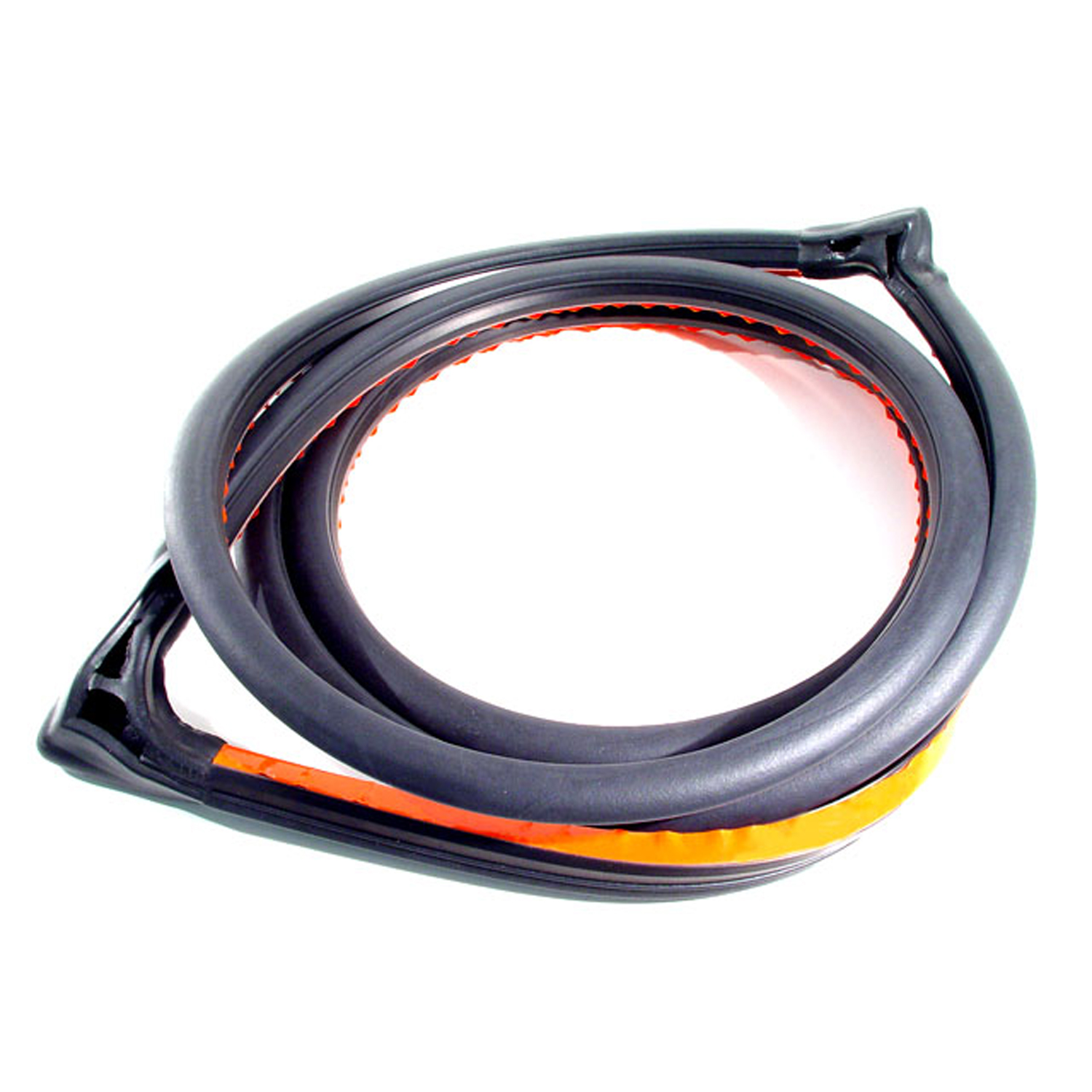 1976 Ford E-250 Econoline Front Side Cargo Door Seal-LM 110-VAFront Side Cargo Door Seal (fits front right side of cargo door). Replaces OEM #E9UZ 1525324 B. For rear (left side) matching seal, see LM 110-VB. Each
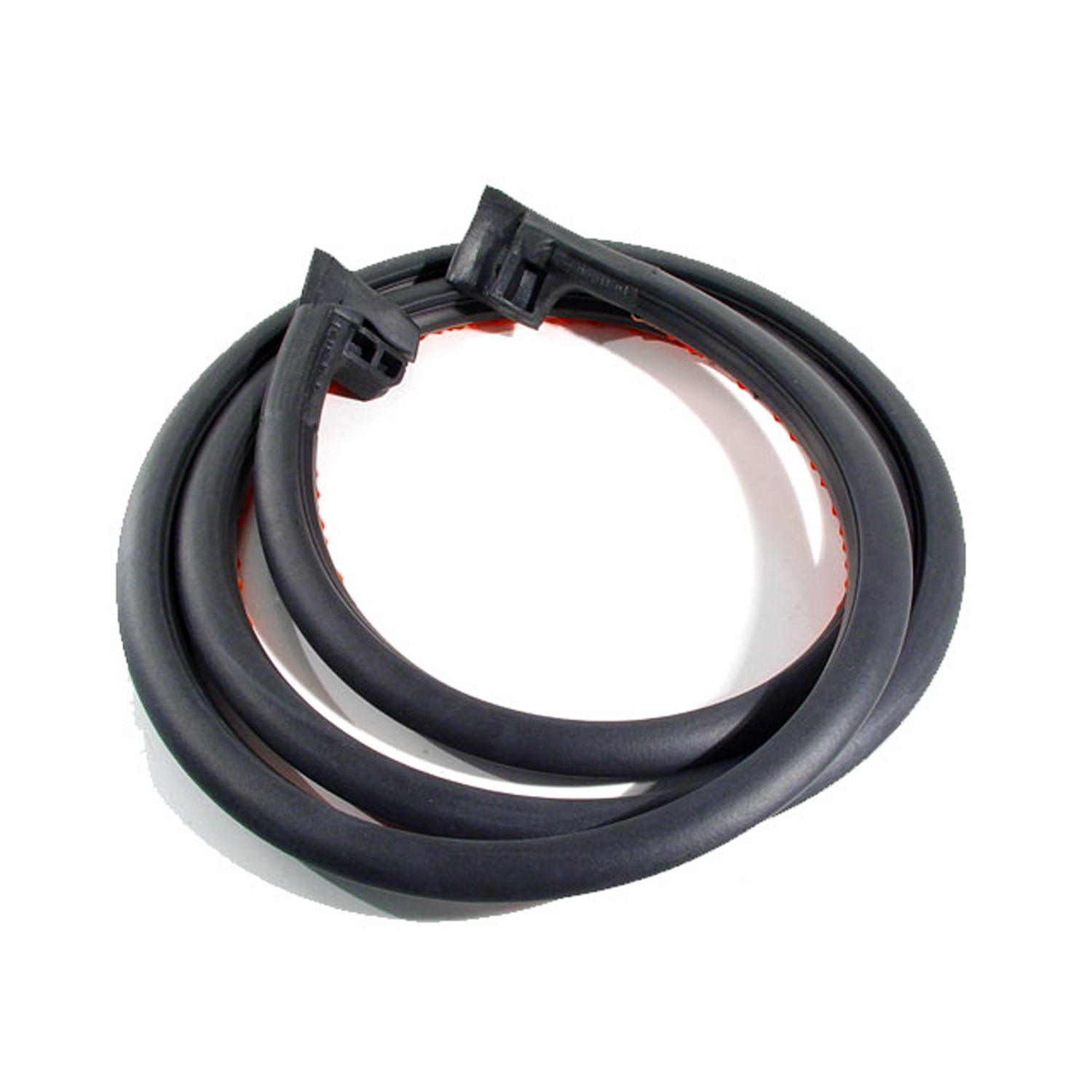 1976 Ford E-250 Econoline Rear Side Cargo Door Seal-LM 110-VBRear Side Cargo Door Seal (fits rear left side of cargo door). Replaces OEM #E9UZ 1525325 B. For front (right side) matching seal, see LM 110-VA. Each
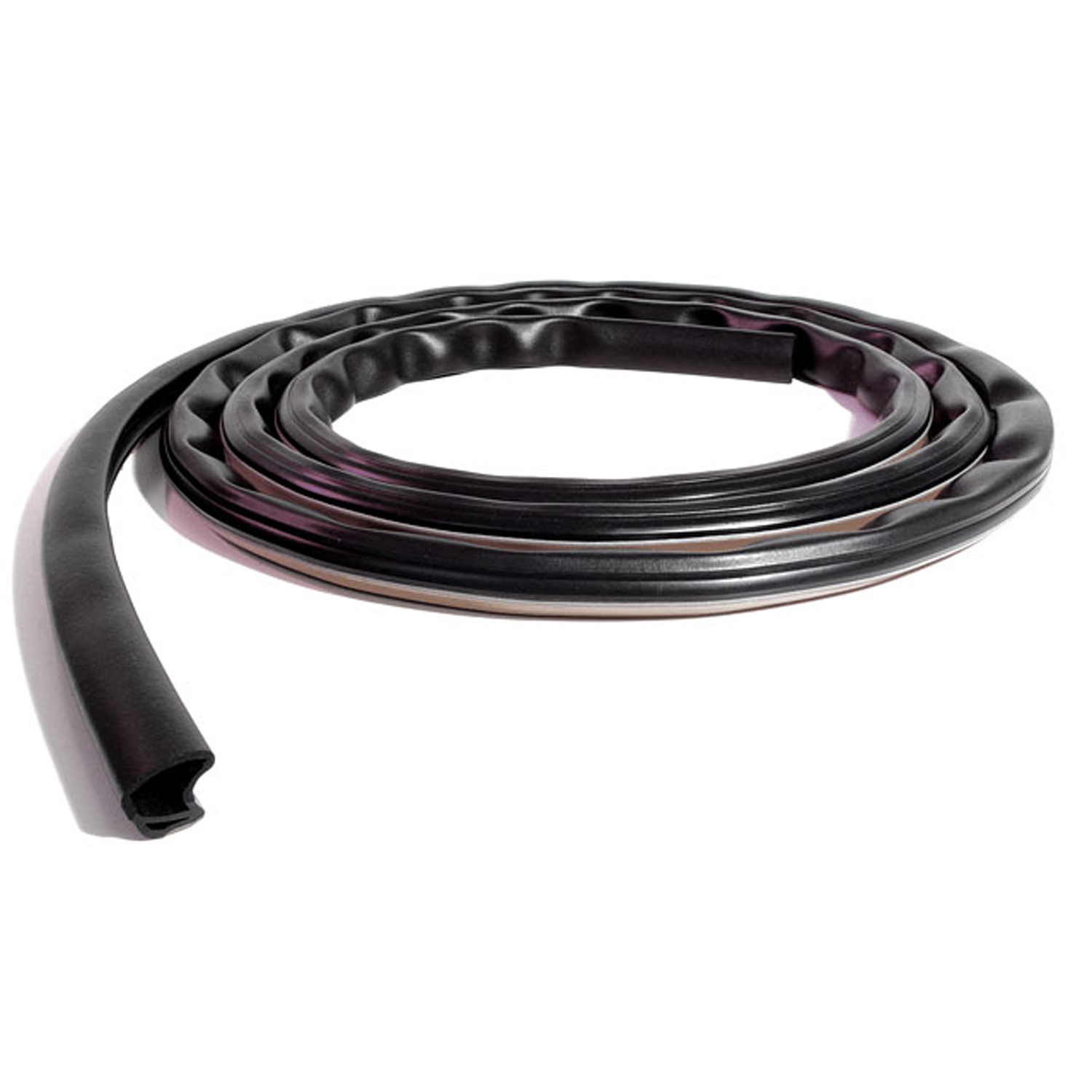 1976 Ford E-250 Econoline Left Front (drivers side) Door Seal. Each-LM 110-VLLeft Front (drivers side) Door Seal. Each
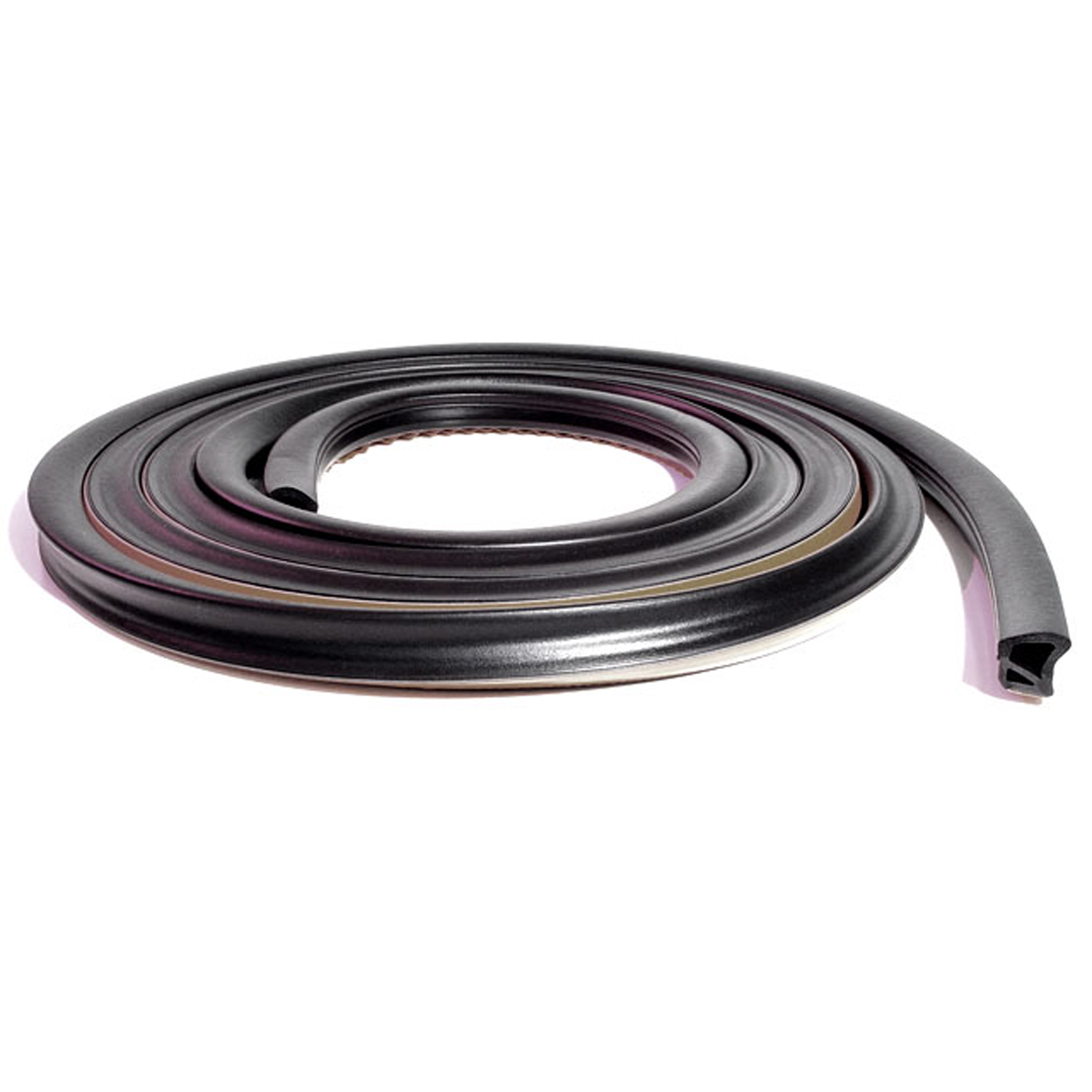 1976 Ford E-250 Econoline Right Front (passenger side) Door Seal. Each-LM 110-VRRight Front (passenger side) Door Seal. Each
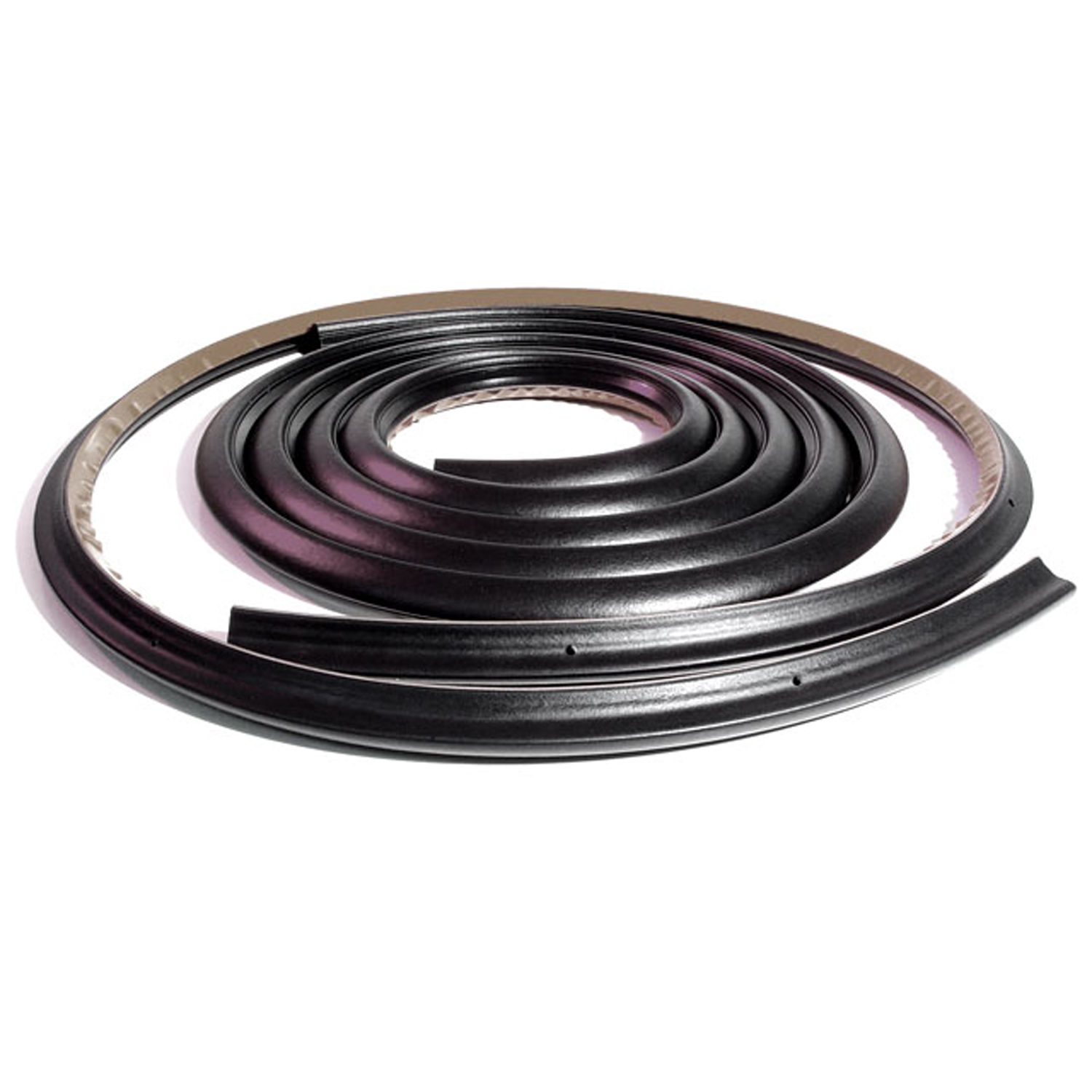 1976 Ford E-250 Econoline Side Slider Door Seal. Each-LM 110-VSSide Slider Door Seal. Each
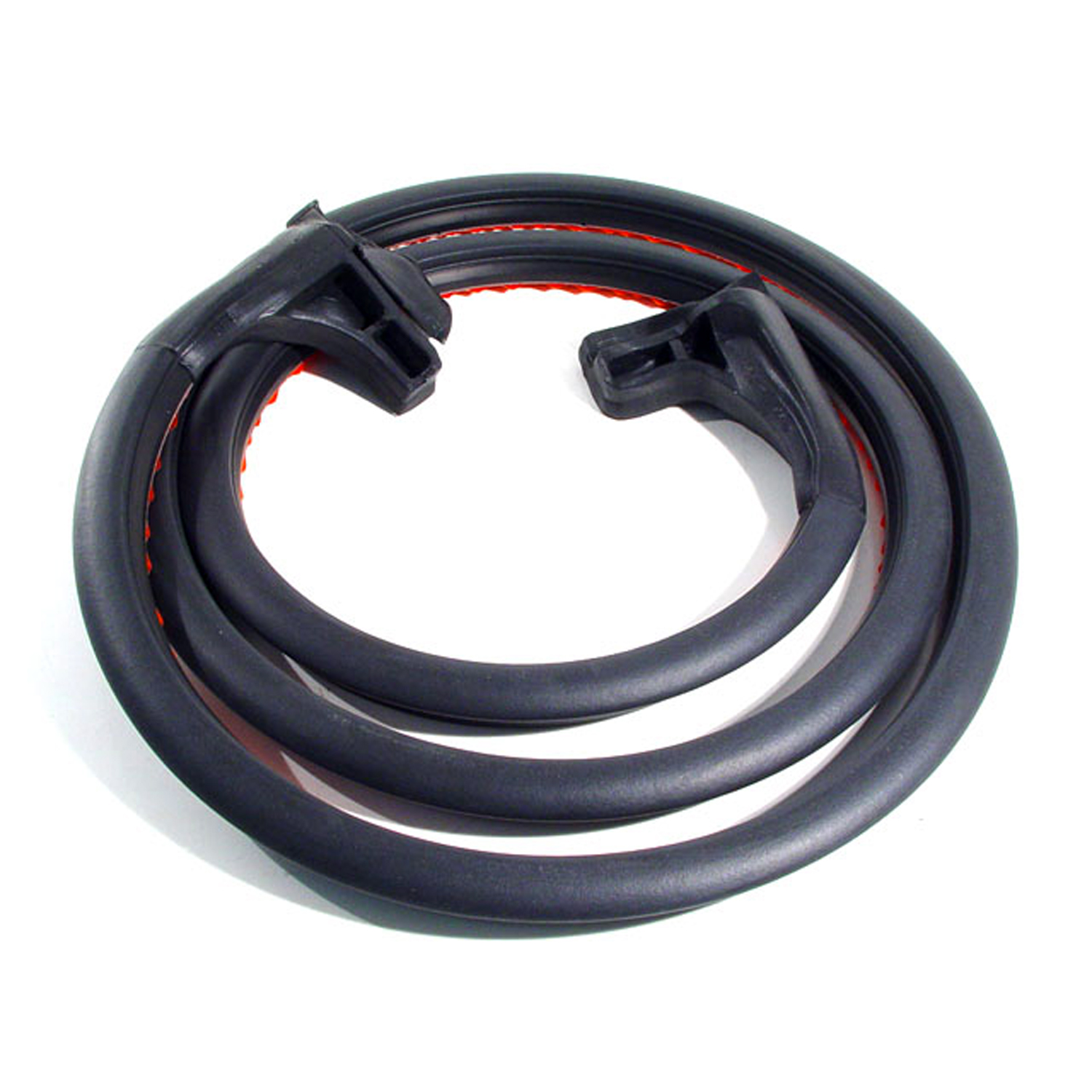 1976 Ford E-250 Econoline Left Rear Door Seal (Drivers Side)-LM 110-VTLeft Rear Door Seal (Drivers Side). Replaces OEM #E9UZ 1543723 A. Each
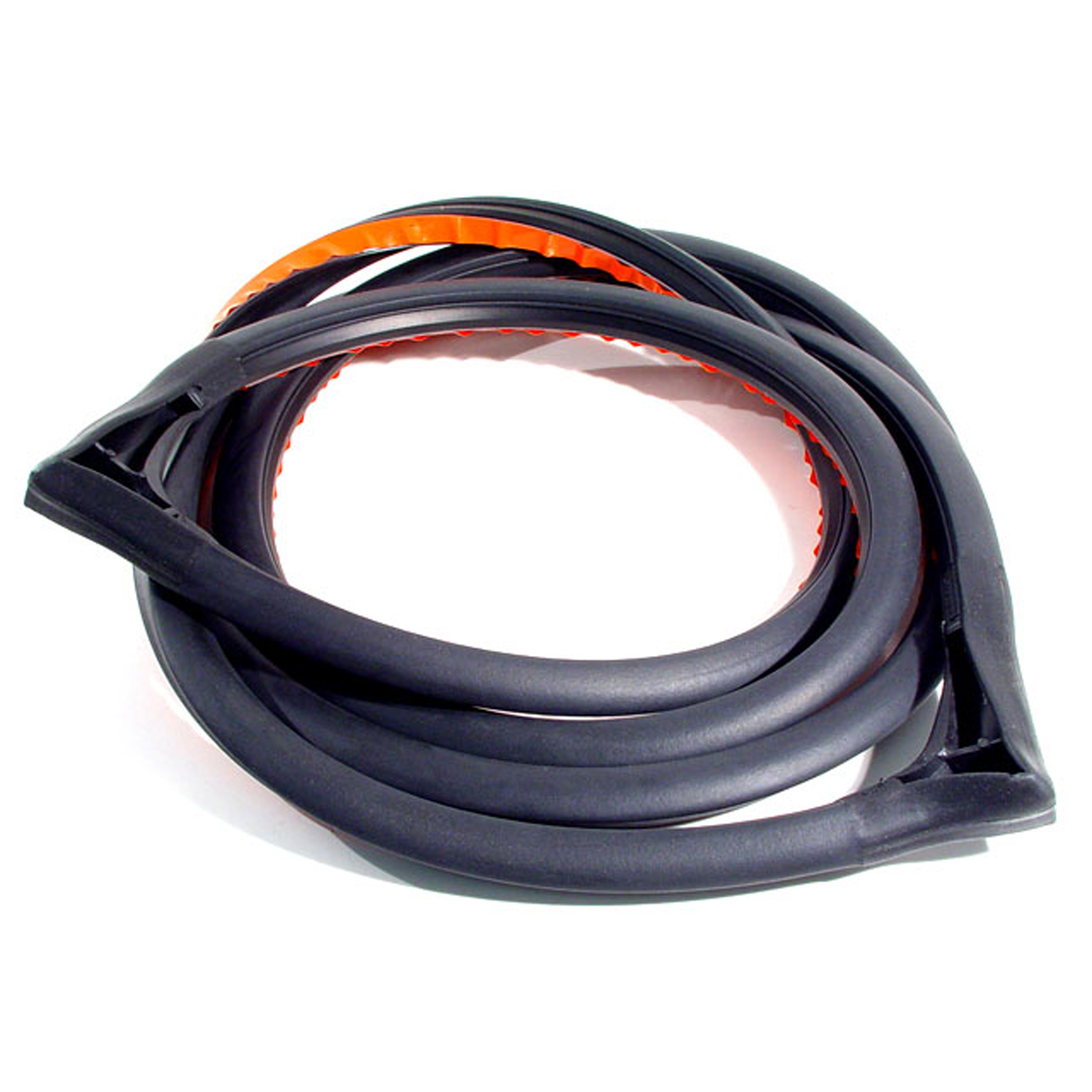 1976 Ford E-250 Econoline Right Rear Door Seal (Passenger Side)-LM 110-VURight Rear Door Seal (Passenger Side). Replaces OEM #F0UZ 1543722 A. Each
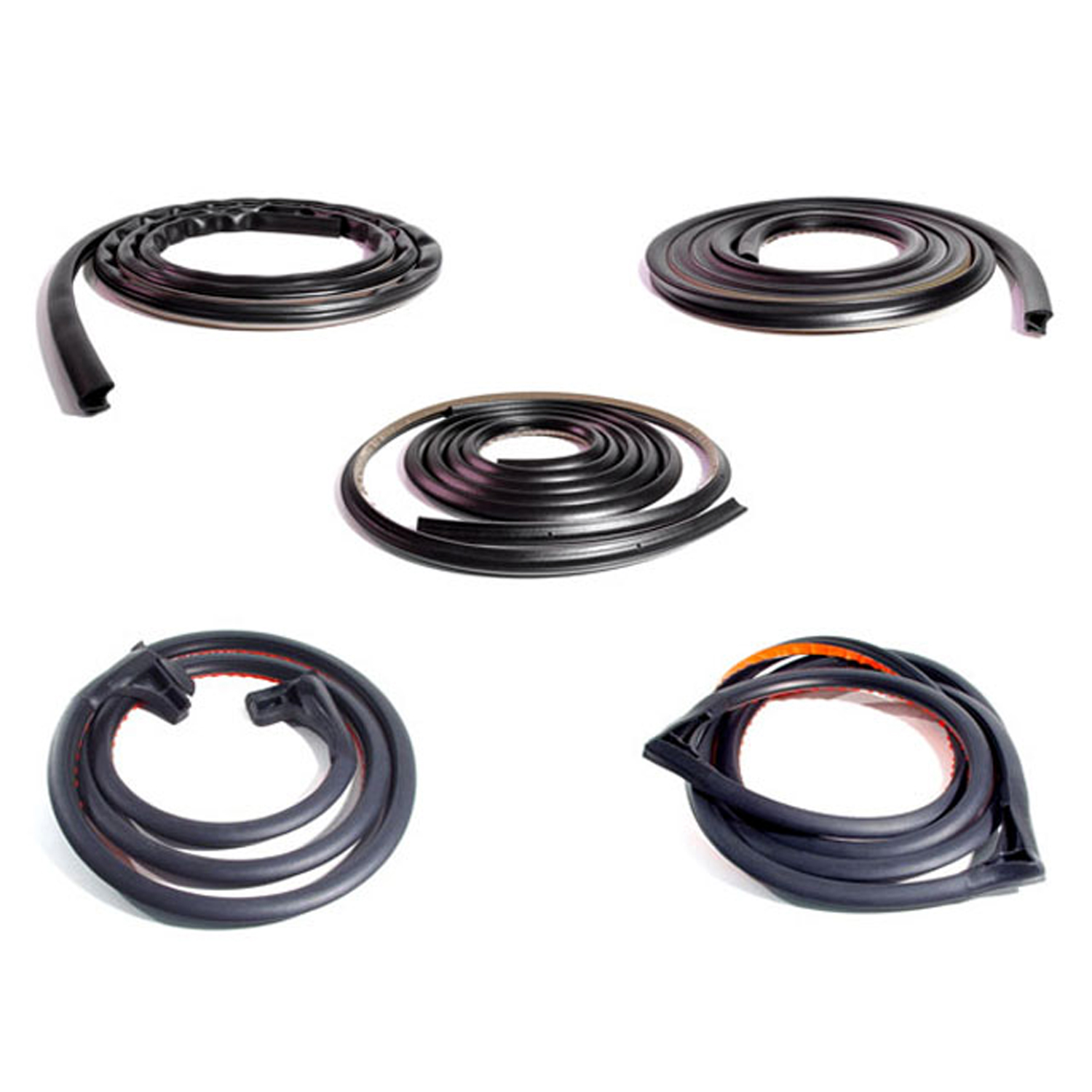 1976 Ford E-250 Econoline Basic Kit, for Models with Side Sliding Door-RKB 3000-100Basic Kit, for Models with Side Sliding Door. Front Left Door (LM 110-VL), Front Right Door (LM 110-VR), Back Left Door (LM 110-VT), Back Right Door (LM 110-VU), Side Sliding Door (LM 110-VS) Seals.
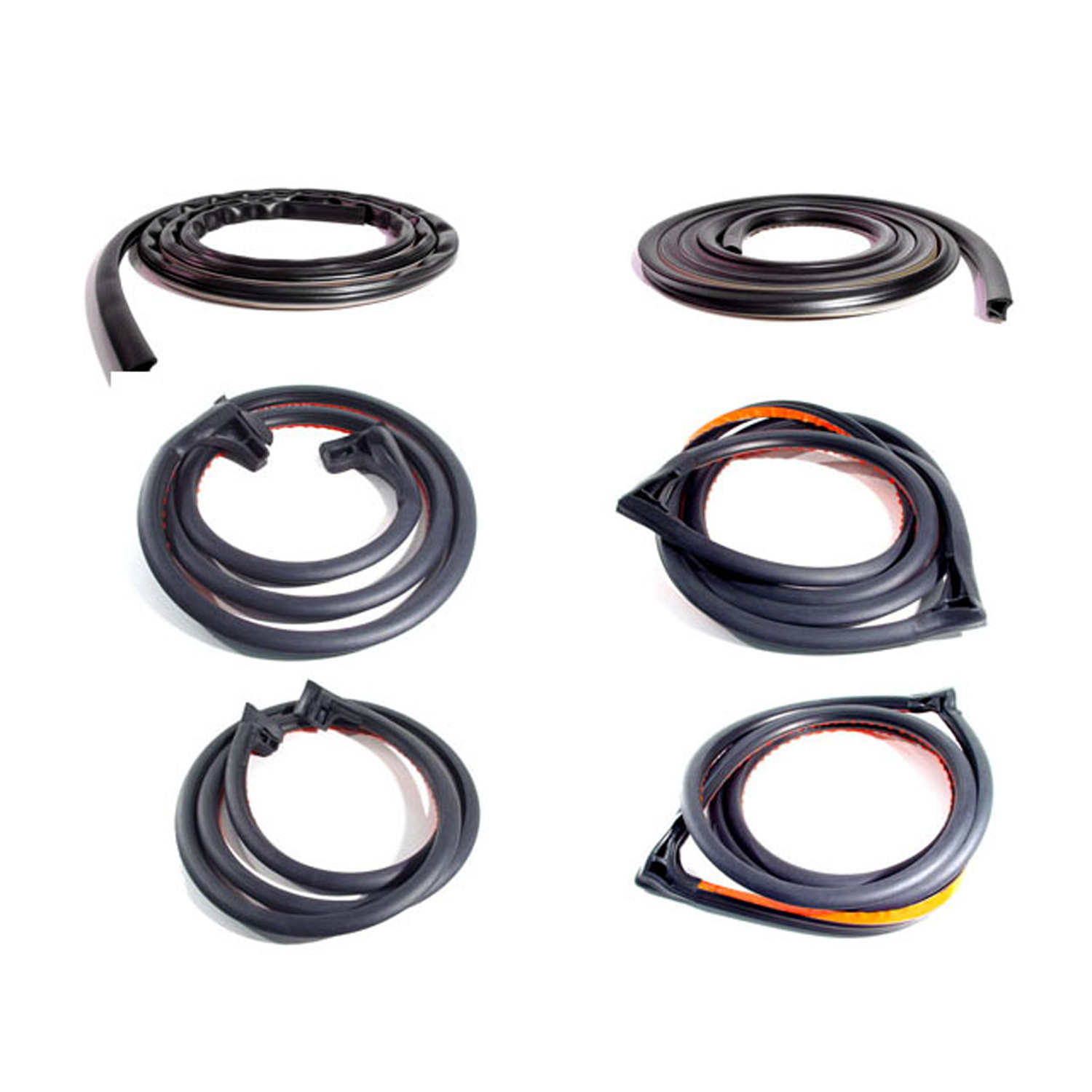 1976 Ford E-250 Econoline Basic Kit, for Models w/Side Cargo Door-RKB 3000-101Basic Kit, for Models w/Side Cargo Door. Front Left LM 110-VL), Front Right LM 110-VR), Back Left LM110-VT), Back Right LM 110-VU), Front Cargo Side (LM 110-VA), Rear Cargo Side (LM 110-VB) Door Seals.
Why Choose Metro?
For over 100 years, Metro Moulded Parts has been the pinnacle of quality in classic car restoration parts. Our commitment to precision and authenticity in every component ensures a perfect fit and an OEM-level appearance.
- Expert Craftsmanship & Quality: Each part is a testament to our dedication to reliability and perfection, crafted from original designs and thoroughly tested.
- Advanced Technology: We use cutting-edge techniques to create flawless, long-lasting parts that surpass others in performance.
- SuperSoft Sponge – The Ultimate Door Seal: Not only are our door seals 30% softer than competitors', but they're also guaranteed to never leak. They effectively reduce wind and road noise, enhancing your classic car's comfort and driving experience.
- Proudly American: Our parts are a product of American craftsmanship, made in the USA with a spirit of excellence and heritage.
- Unrivaled Warranty: We back our products with a 30-year industry-leading warranty, a testament to our confidence in their quality.
Join us in preserving the legacy of classic cars with parts that are crafted for perfection, not just made.