

Image of 1976 Ford E-250 Econoline Club Wagon, Note: These illustrations use artistic license and may differ from actual historical models.
Performance Metrics
Fundamental Metrics
Emotional Appeal
MMP Rating
| Engine Specifications | |
|---|---|
| Engine Options: | 4.9L Inline-6, 5.8L V8, 6.6L V8, 7.5L V8 |
| Displacement Range: | 4.9L - 7.5L |
| Horsepower Range: | 100-200 HP |
| Torque: | 240-350 lb-ft |
| Compression Ratio: | 8.0:1 - 8.4:1 |
| Ignition System: | Conventional Distributor |
| Cooling System: | Liquid-cooled |
| Performance Specifications | |
| 0-60 Time: | Estimated 12-15 seconds |
| 1/4 Mile Time: | Estimated 18-20 seconds |
| Top Speed: | 85-95 mph |
| Transmission and Drive | |
| Drive Type: | Rear-wheel drive |
| Transmission Type: | 3-speed automatic or 4-speed manual |
| Fuel and Efficiency | |
| Fuel System Type: | Carburetor |
| MPG: | 10-12 mpg |
| Dimensions and Brakes | |
| Brakes: | Front disc and rear drum brakes |
| Wheelbase: | 124 inches |
| Weight: | 4,500-5,000 lbs |
Note: Specifications for classic cars are given to the best of our ability, considering the limited and variant data available.
1976 Ford E-250 Club Wagon: A Full-Size Van Comes of Age
The 1976 Ford E-250 Econoline Club Wagon turned the family van into a roomy, customizable alternative to a station wagon, with truck-grade underpinnings and space for a crowd. Built by Ford Motor Company, it belonged to the redesigned third-generation Econoline introduced for 1975. That redesign marked a major shift: instead of the earlier cab-over profile, the van gained a longer front end and a more conventional front-engine layout. The result was a full-size passenger van that felt more modern while retaining the practical, box-shaped character people wanted.
Its timing mattered. In the 1970s, demand was growing for vans that could carry families, sports teams, tradespeople, or camping gear. The Club Wagon answered with passenger seating and comfort options, while the E-250 designation identified a three-quarter-ton model positioned between the lighter E-150 and heavier E-350. One intriguing piece of its history is that this basic third-generation body and chassis would remain in production through 1991, with updates along the way. The 1976 van was part of a design that proved remarkably durable.
Exterior Design and Club Wagon Options
The 1976 Econoline had a tall, nearly vertical body, broad flat sides, and a short, blunt hood compared with a passenger car. Its square shape made the most of the interior volume, while the forward-set engine gave the front a more familiar profile than the cab-over vans it replaced. Large windows helped passengers see out, and the broad side panels offered plenty of room for graphics, business lettering, or later conversion-van décor. Depending on equipment, details included bright trim, wheel covers, side moldings, and different grille treatments.
Ford offered the Econoline in different lengths and configurations, including passenger-focused Club Wagon versions and commercial cargo vans. Wheelbase and body-length choices gave buyers a way to prioritize maneuverability or extra room. Club Wagon trim and seating packages could include bench seats, individual front seats, and different levels of carpeting and finish. The better-equipped Chateau was the upscale choice, while Custom versions offered a more straightforward passenger-van setup. Seating capacity depended on the configuration, and some vans could carry a large family or group, though modern seat belts and seating standards should never be assumed in an old example.
Paint choices varied by year, trim, and ordering combination. Period-appropriate colors included familiar fleet shades such as white, alongside reds, blues, greens, and earthy browns or tans. White was a particularly common choice for working vans, while brighter colors and contrasting trim helped customized Club Wagons stand out. Exact factory paint names and availability are best confirmed from a particular van’s door data plate or original documentation.
Interior Comfort and Period Technology
Inside, the Club Wagon was designed around space and utility rather than luxury-car detailing. Materials typically included durable vinyl, textured plastics, and, on better-equipped versions, cloth upholstery and carpet. Bench seating made it easy to carry passengers or fold the cabin into a flexible cargo area. The upright driving position, large glass area, and simple controls gave the cabin an airy, practical feel. Depending on the original order, comfort equipment could include air conditioning, power steering, power brakes, an upgraded radio, and a rear heater.
By modern standards, its technology was simple. There were no airbags, electronic stability systems, or computerized engine controls. The key engineering change was the van’s redesigned front structure and chassis layout, paired with Ford’s Twin I-Beam-style independent front suspension approach on the E-series. It was a useful blend of truck toughness and more carlike front suspension design for the era. Today, the most important “technology” for a buyer is often the condition of the cooling system, brakes, steering, and wiring rather than the original radio.
Why the 1976 Econoline Mattered
The third-generation Econoline helped establish the layout that would define American full-size vans for decades: a separate frame, a front-mounted engine, a long, upright passenger cabin, and multiple body lengths and equipment levels. Moving the engine forward created a more substantial front end than the earlier cab-over design and changed the way the van looked and drove. Ford’s redesign also gave conversion companies a strong platform for building custom interiors, camper vans, and executive shuttles.
Its competitors included Chevrolet and GMC G-series vans and Dodge B-series vans. Ford stood out through its broad range of commercial and passenger configurations and the longevity of its basic design. The Econoline was not a sports car, nor was it the first van to inspire custom conversions. Its importance was in making the full-size van a flexible mainstream vehicle: equally at home as a family hauler, a work van, or the foundation for a personalized road-trip rig.
Engine Choices, Speed, and Road Manners
Engine availability depended on configuration and order. The 300-cubic-inch inline-six was a familiar, work-oriented option, while V8 choices offered more power for heavier loads. Buyers could also select from manual and automatic transmissions, depending on the drivetrain and equipment. The exact engine and transmission in any 1976 E-250 should be verified from its identification information and the vehicle itself, since decades of swaps are common.
Performance was modest by present-day standards. As a broad real-world estimate, a 1976 E-250 may take roughly 17 to 25 seconds to reach 60 mph, with the engine, axle gearing, transmission, vehicle weight, and condition making a substantial difference. A healthy V8 van would generally feel stronger than a six-cylinder model, especially when loaded. Depending on gearing and condition, maximum speed might fall around 85 to 95 mph, but these vans are much happier cruising at sensible highway speeds than being pushed toward their limits.
Behind the wheel, the Econoline feels tall, heavy, and direct. The engine’s low-frequency rumble comes through clearly, especially under acceleration, and the large steering wheel and upright seating make the driver feel connected to the vehicle’s size. The ride is truck-like: it can feel firm over sharp bumps, and an empty van may bounce more than a loaded one. On a windy road, its tall sides catch crosswinds, and its long body calls for deliberate steering and extra room. It rewards a relaxed driving style, careful braking, and a driver who plans ahead.
Living With a Classic E-250
A 1976 Club Wagon can serve as a weekend cruiser, vintage show vehicle, family heirloom, or camper-conversion project. It can also be driven regularly, but its size, fuel consumption, and age make it less convenient than a modern minivan. Many surviving examples have been modified for camping or customized interiors, so an unaltered passenger van can be especially appealing to someone seeking an original period look.
Mechanical repairs are generally approachable for an experienced home mechanic. The engines and drivetrains are conventional, and many service parts remain available through classic Ford, truck, and aftermarket suppliers. The bigger challenge is often finding sound bodywork and trim. Inspect the frame, floor, door bottoms, windshield area, and body seams for rust, and check for worn steering components, tired suspension bushings, brake problems, cooling-system neglect, and electrical modifications. A van that has spent years as a camper may also have hidden water damage or poorly installed auxiliary wiring. A thorough inspection is worthwhile before purchase.
Useful Facts and Common Complaints
The Club Wagon name identified passenger-oriented Econolines, but the platform’s versatility meant that many were later transformed into campers, custom vans, and mobile workspaces. Conversion companies could make a relatively ordinary Ford feel like a rolling lounge, adding captain’s chairs, plush upholstery, wood trim, televisions, or raised roofs. Those additions are part of the van’s cultural appeal, though a period conversion is not necessarily a factory Ford package.
There is no widely recognized speed, endurance, or sales record associated specifically with the 1976 E-250 Club Wagon, and celebrity ownership claims should be treated cautiously unless supported by documentation. Its strongest claim to fame is practical: the third-generation Econoline became a long-running platform used in countless passenger, commercial, and recreational roles. Common criticisms are equally straightforward. It is thirsty, slow by modern traffic standards, vulnerable to wind, and not especially refined over rough pavement. Rust and neglected maintenance can turn an inexpensive van into a demanding restoration.
Collector Values and Rarity
Ford does not provide a commonly available production breakdown for every 1976 E-250 Club Wagon trim, engine, and seating combination. A reasonable working estimate is that roughly 10,000 to 25,000 examples may have been built for the model year, but that is an informed estimate rather than a verified factory count. The surviving pool is smaller still, and clean, original passenger versions are less common than commercial vans or heavily modified conversions.
As a broad U.S. market guide, a project or rough driver might sell for about $1,500 to $5,000. A usable van with solid structure and functioning mechanicals could fall around $5,000 to $12,000. Well-preserved, properly restored, or especially attractive examples may bring roughly $12,000 to $25,000 or more. Exceptional period conversions can exceed that range, though their value depends heavily on build quality and buyer interest. These are estimates, not formal appraisals, and rust, originality, documentation, and mechanical condition can change the price dramatically.
Interest in classic vans and vintage camping has supported values, particularly for clean examples with appealing interiors. The market is selective rather than uniformly booming: a rusty project remains a project, while a sorted, original Club Wagon has become harder to find. The best long-term prospects belong to vans with solid bodies, documented history, and tasteful or reversible modifications.
The Lasting Appeal of the 1976 Ford Club Wagon
The 1976 Ford E-250 Econoline Club Wagon combined a durable truck-based foundation with the room and flexibility of a passenger van. Its boxy styling, straightforward mechanicals, and wide range of possible uses made it more than a people carrier. It helped define the American full-size van and provided a canvas for families, businesses, and customizers alike. A well-kept example still has a distinctive presence: not fast, not subtle, but ready to carry a crowd and make every ordinary trip feel like a small road adventure.
1976 Ford E-250 Econoline Club Wagon Catalog of Parts
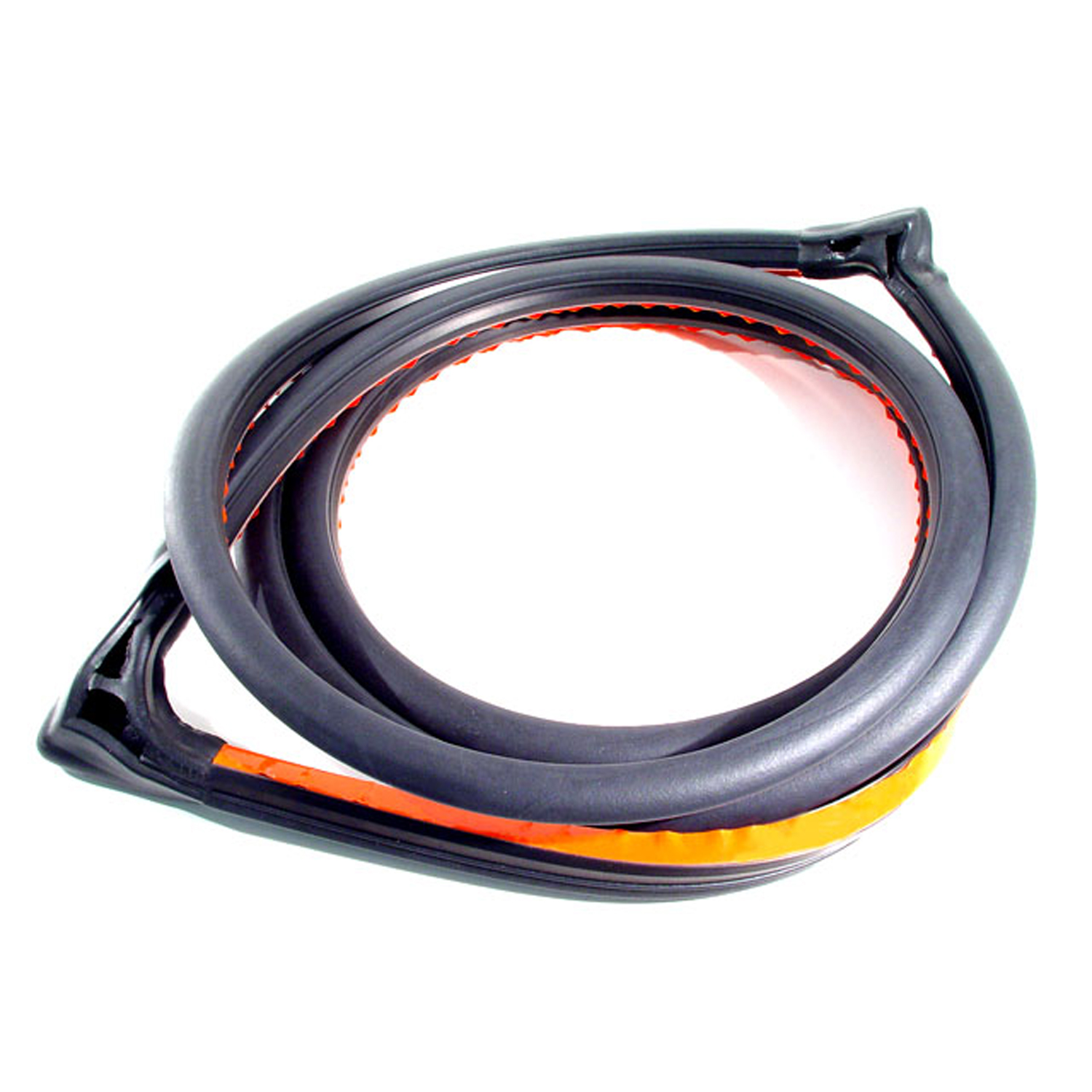 1976 Ford E-250 Econoline Club Wagon Front Side Cargo Door Seal-LM 110-VAFront Side Cargo Door Seal (fits front right side of cargo door). Replaces OEM #E9UZ 1525324 B. For rear (left side) matching seal, see LM 110-VB. Each
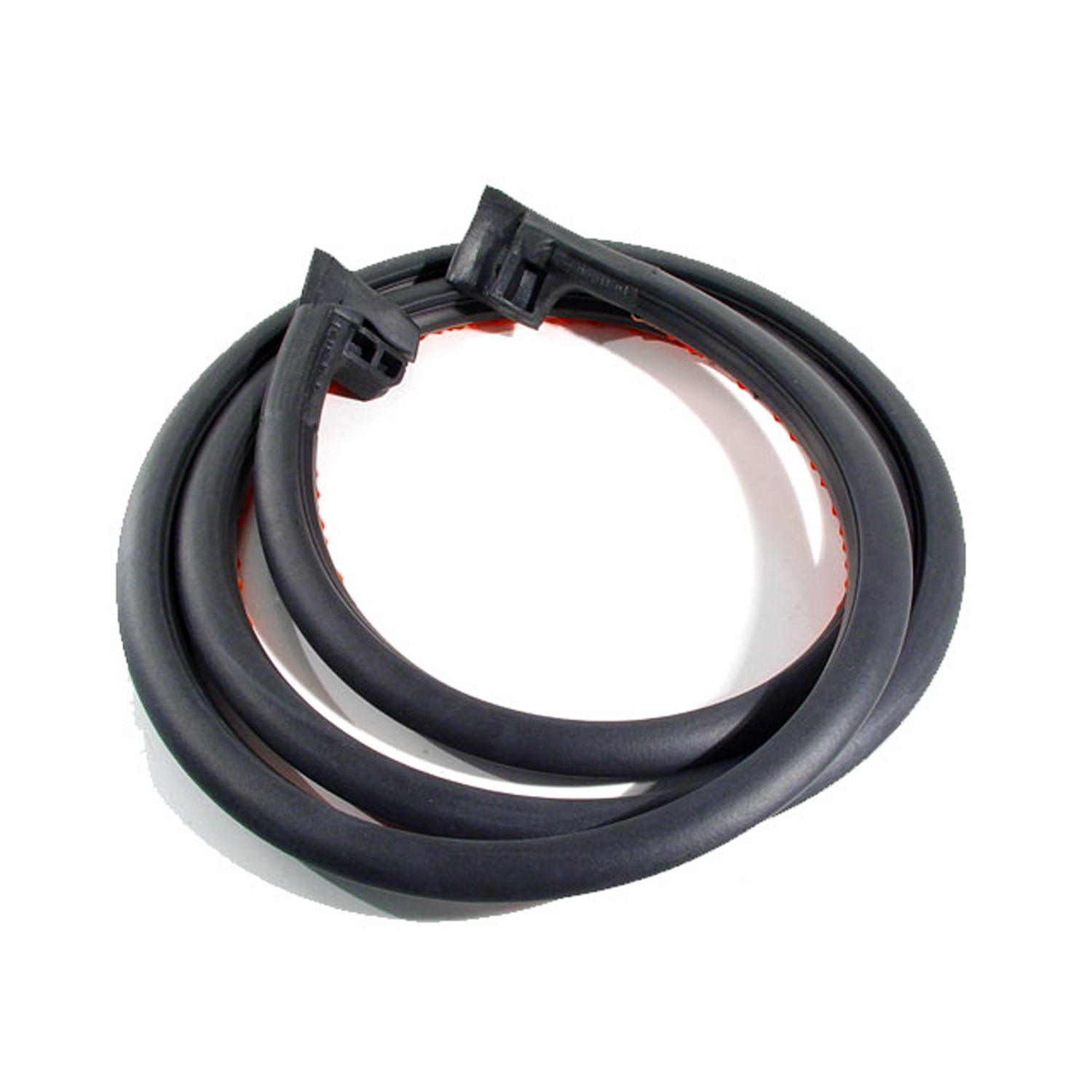 1976 Ford E-250 Econoline Club Wagon Rear Side Cargo Door Seal-LM 110-VBRear Side Cargo Door Seal (fits rear left side of cargo door). Replaces OEM #E9UZ 1525325 B. For front (right side) matching seal, see LM 110-VA. Each
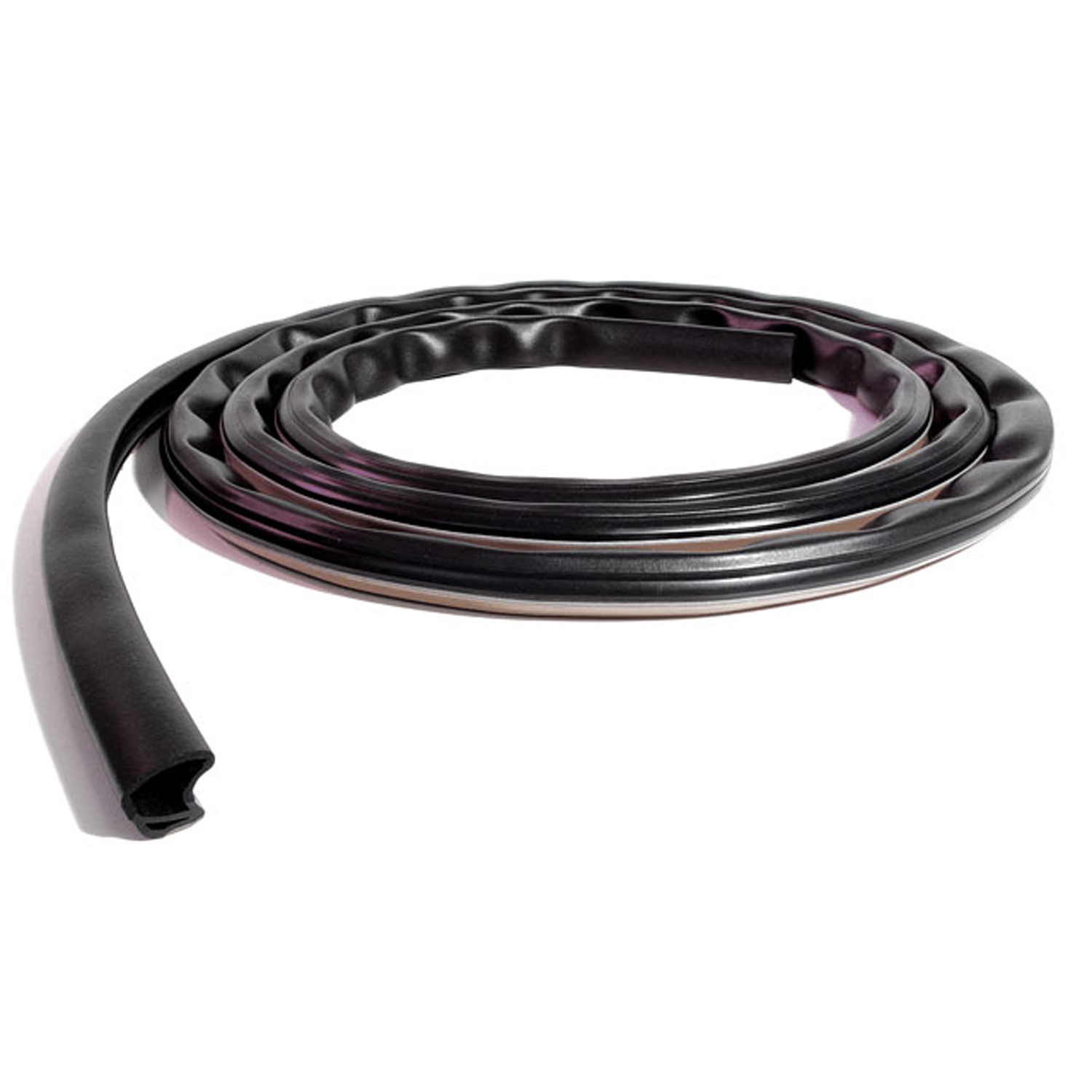 1976 Ford E-250 Econoline Club Wagon Left Front (drivers side) Door Seal. Each-LM 110-VLLeft Front (drivers side) Door Seal. Each
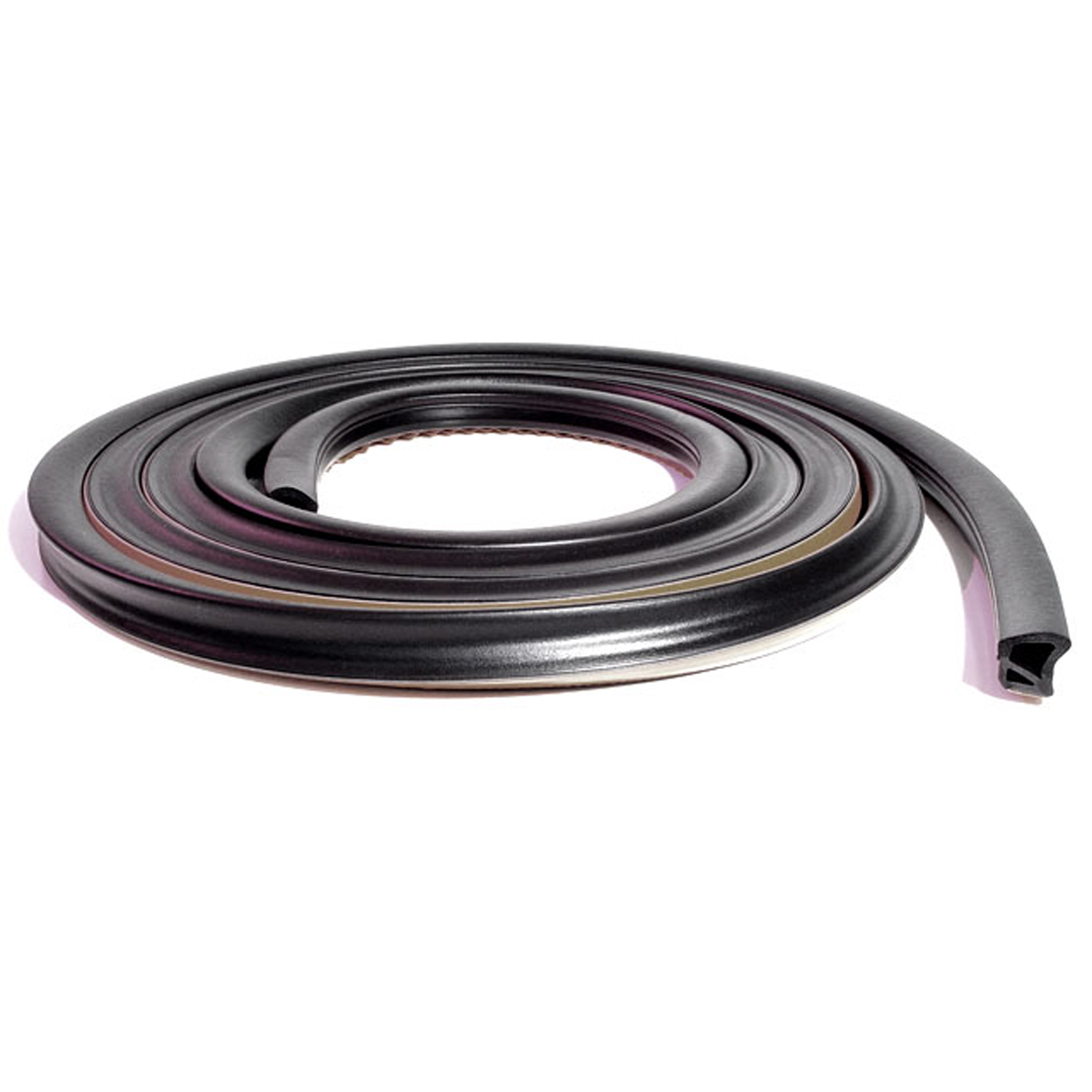 1976 Ford E-250 Econoline Club Wagon Right Front (passenger side) Door Seal. Each-LM 110-VRRight Front (passenger side) Door Seal. Each
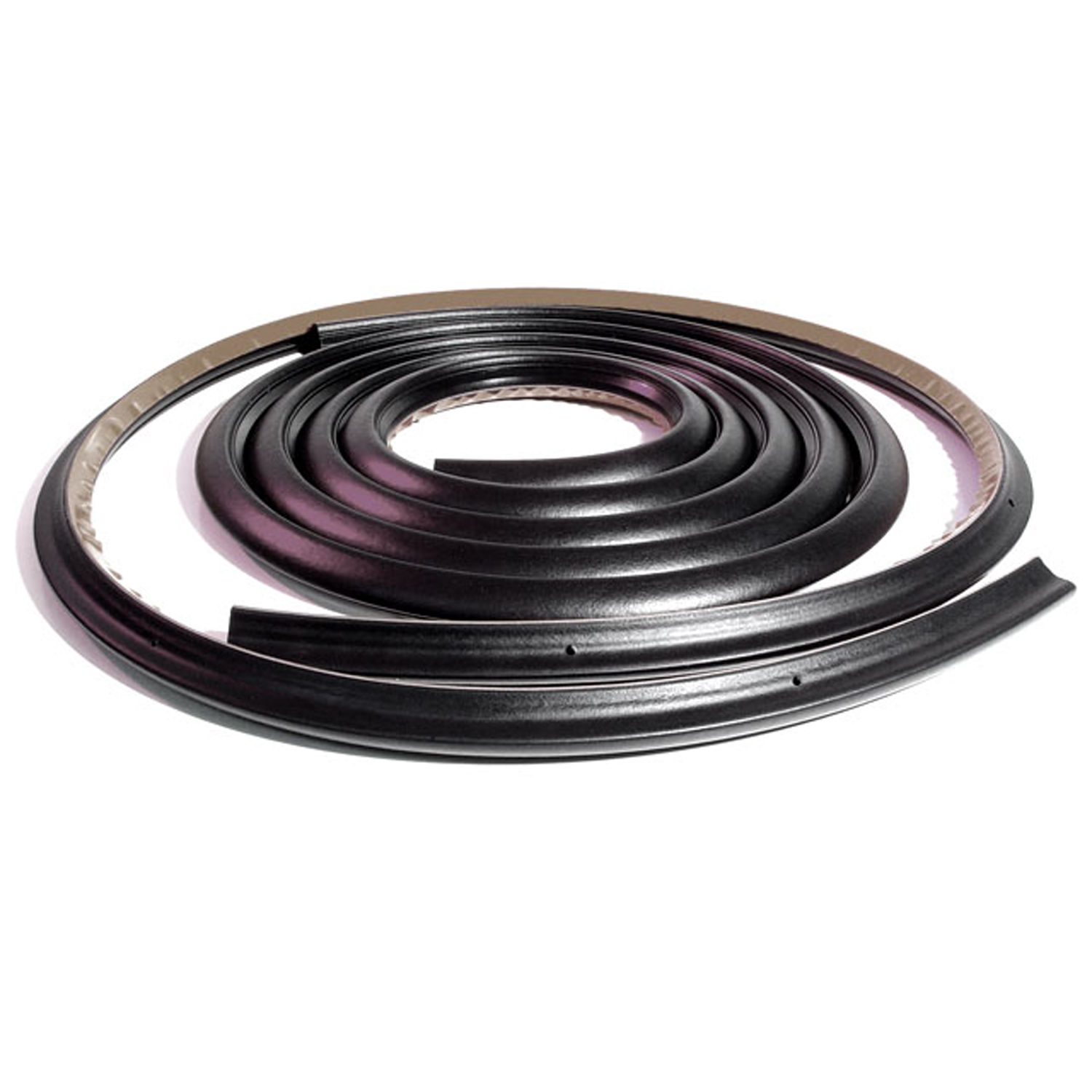 1976 Ford E-250 Econoline Club Wagon Side Slider Door Seal. Each-LM 110-VSSide Slider Door Seal. Each
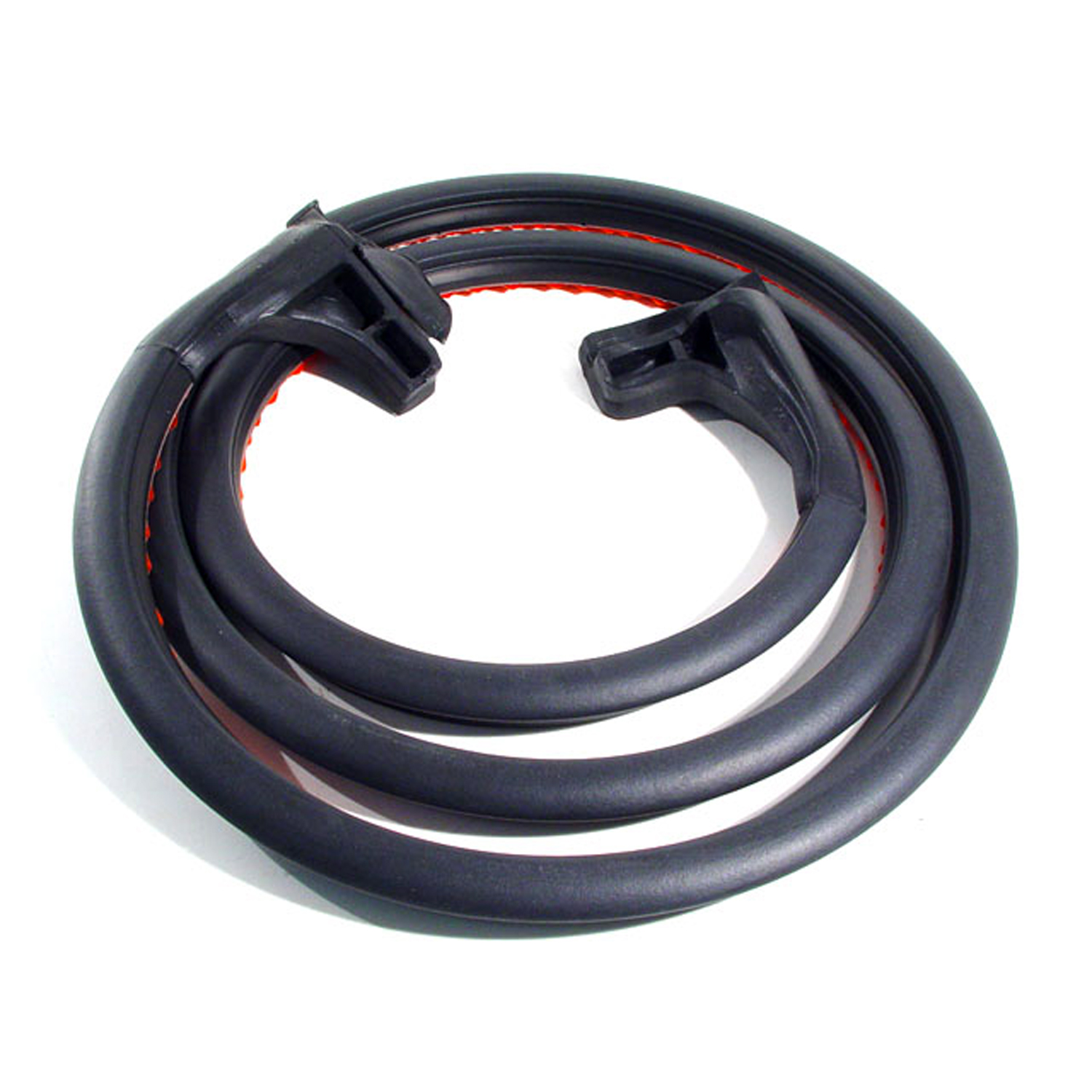 1976 Ford E-250 Econoline Club Wagon Left Rear Door Seal (Drivers Side)-LM 110-VTLeft Rear Door Seal (Drivers Side). Replaces OEM #E9UZ 1543723 A. Each
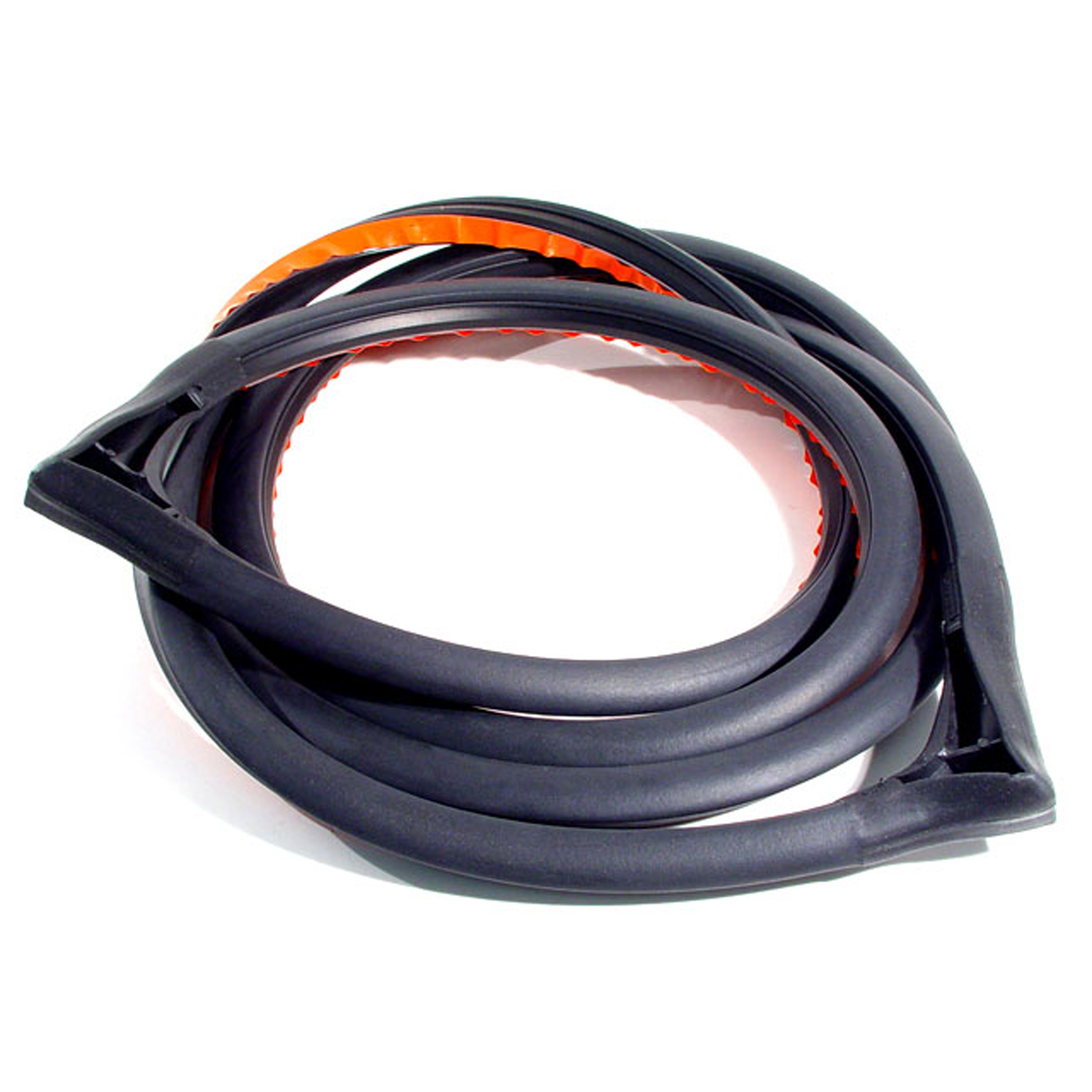 1976 Ford E-250 Econoline Club Wagon Right Rear Door Seal (Passenger Side)-LM 110-VURight Rear Door Seal (Passenger Side). Replaces OEM #F0UZ 1543722 A. Each
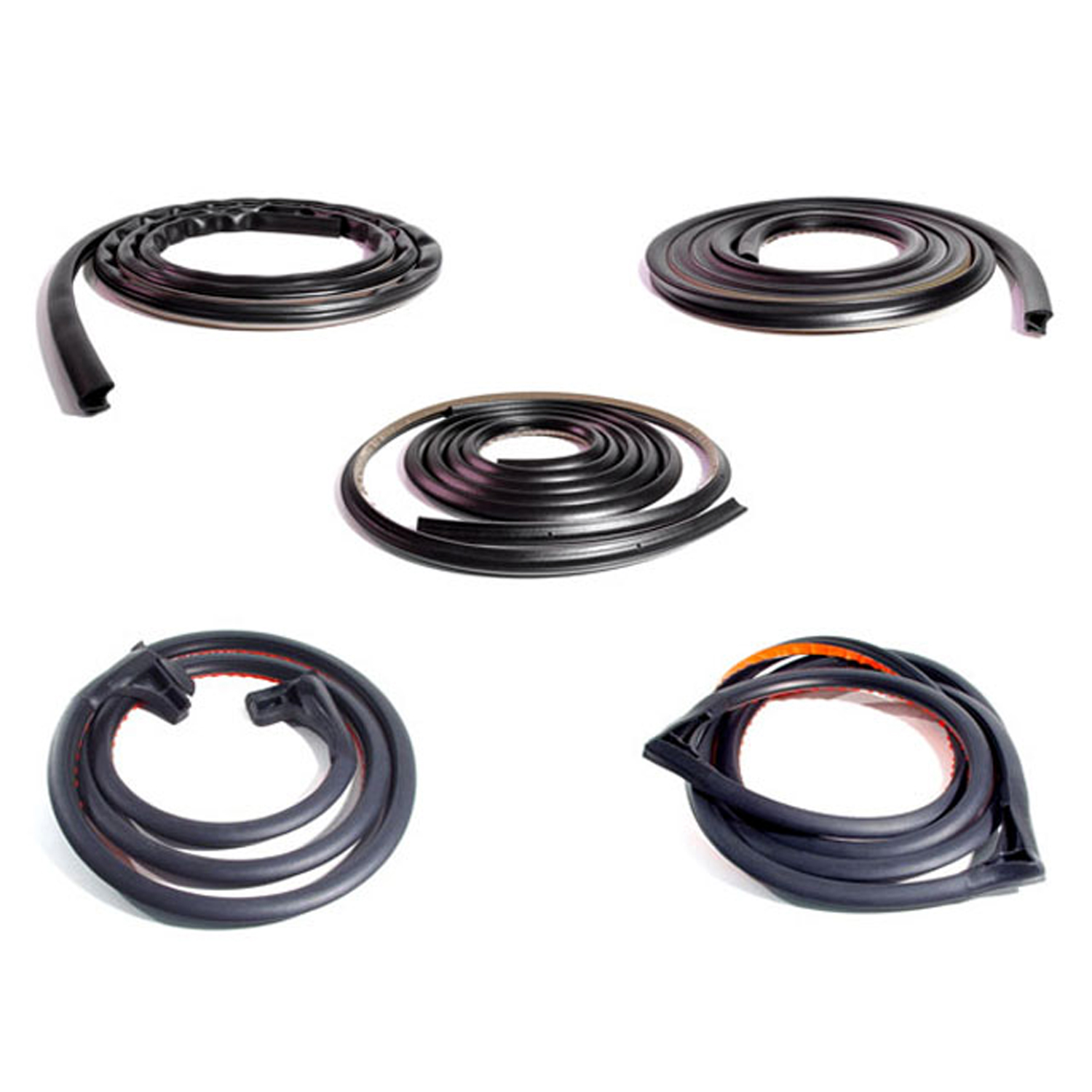 1976 Ford E-250 Econoline Club Wagon Basic Kit, for Models with Side Sliding Door-RKB 3000-100Basic Kit, for Models with Side Sliding Door. Front Left Door (LM 110-VL), Front Right Door (LM 110-VR), Back Left Door (LM 110-VT), Back Right Door (LM 110-VU), Side Sliding Door (LM 110-VS) Seals.
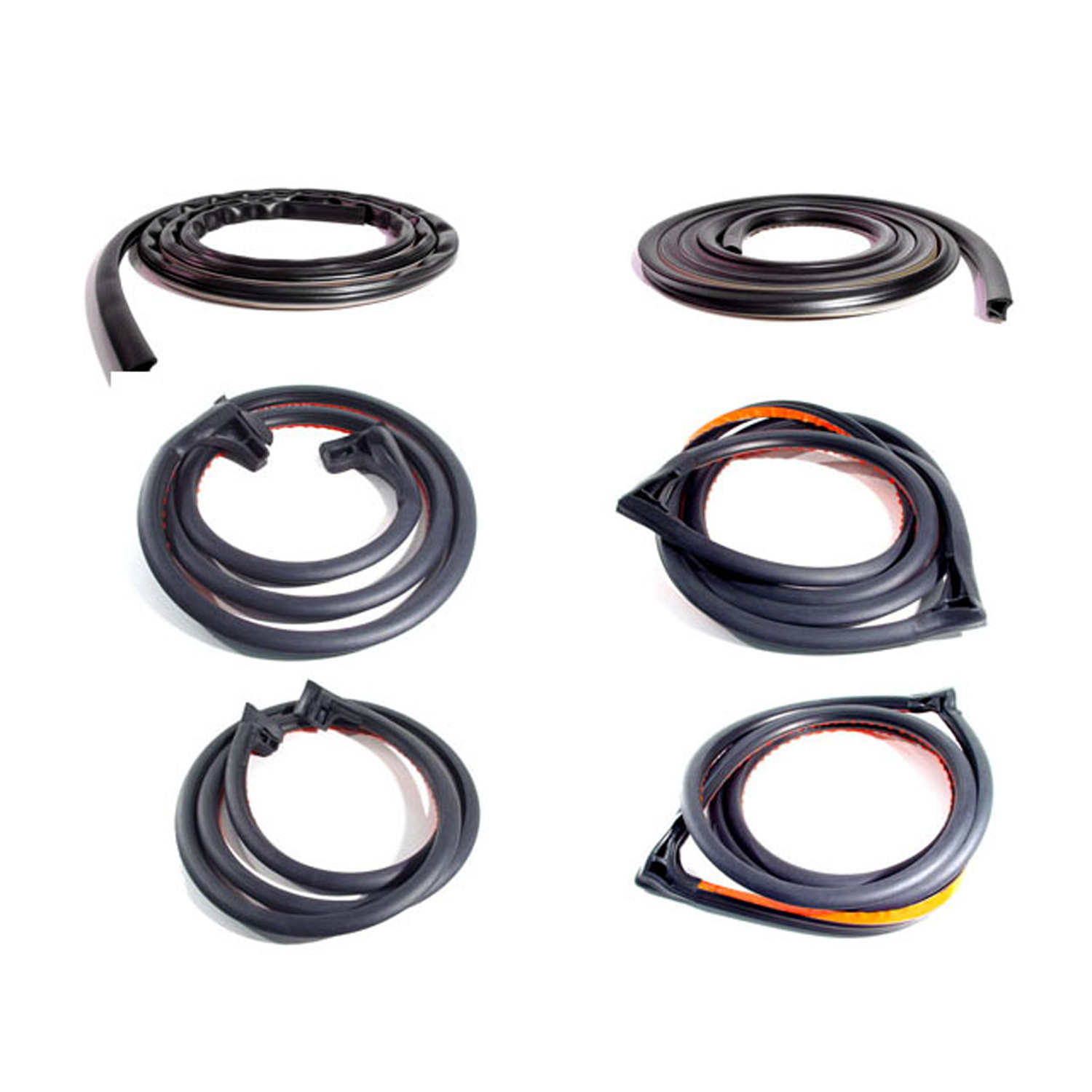 1976 Ford E-250 Econoline Club Wagon Basic Kit, for Models w/Side Cargo Door-RKB 3000-101Basic Kit, for Models w/Side Cargo Door. Front Left LM 110-VL), Front Right LM 110-VR), Back Left LM110-VT), Back Right LM 110-VU), Front Cargo Side (LM 110-VA), Rear Cargo Side (LM 110-VB) Door Seals.
Why Choose Metro?
For over 100 years, Metro Moulded Parts has been the pinnacle of quality in classic car restoration parts. Our commitment to precision and authenticity in every component ensures a perfect fit and an OEM-level appearance.
- Expert Craftsmanship & Quality: Each part is a testament to our dedication to reliability and perfection, crafted from original designs and thoroughly tested.
- Advanced Technology: We use cutting-edge techniques to create flawless, long-lasting parts that surpass others in performance.
- SuperSoft Sponge – The Ultimate Door Seal: Not only are our door seals 30% softer than competitors', but they're also guaranteed to never leak. They effectively reduce wind and road noise, enhancing your classic car's comfort and driving experience.
- Proudly American: Our parts are a product of American craftsmanship, made in the USA with a spirit of excellence and heritage.
- Unrivaled Warranty: We back our products with a 30-year industry-leading warranty, a testament to our confidence in their quality.
Join us in preserving the legacy of classic cars with parts that are crafted for perfection, not just made.