
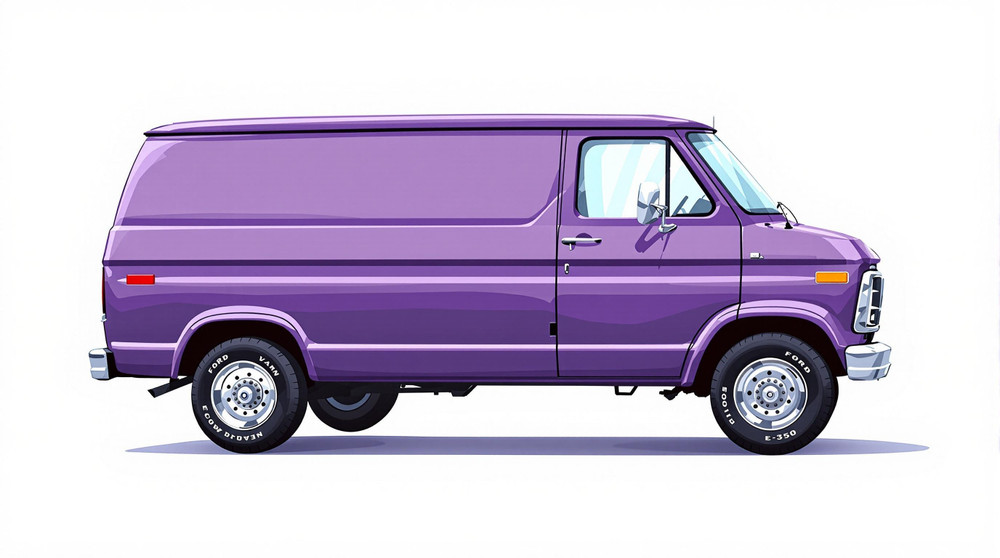
Image of 1976 Ford E-350 Econoline, Note: These illustrations use artistic license and may differ from actual historical models.
Performance Metrics
Fundamental Metrics
Emotional Appeal
MMP Rating
| Engine Specifications | |
|---|---|
| Engine Options: | 5.8L Windsor V8, 6.6L Cleveland V8, 7.5L Lima V8 |
| Displacement Range: | 351-460 cu in (5.8-7.5L) |
| Horsepower Range: | 150-225 hp |
| Torque: | 275-375 lb-ft |
| Compression Ratio: | 8.0:1 - 8.4:1 |
| Ignition System: | Electronic ignition |
| Cooling System: | Liquid-cooled |
| Performance Specifications | |
| 0-60 Time: | Estimated 12-15 seconds |
| 1/4 Mile Time: | Estimated 18-20 seconds |
| Top Speed: | 85-95 mph |
| Transmission and Drive | |
| Drive Type: | Rear-wheel drive |
| Transmission Type: | 3-speed automatic |
| Fuel and Efficiency | |
| Fuel System Type: | Carburetor |
| MPG: | Estimated 10-12 mpg |
| Dimensions and Brakes | |
| Brakes: | Front disc, rear drum |
| Wheelbase: | 138 in |
| Weight: | 4,500-5,000 lbs |
Note: Specifications for classic cars are given to the best of our ability, considering the limited and variant data available.
1976 Ford E-350 Econoline: The Heavy-Duty Van
The 1976 Ford E-350 Econoline was built for work that asked more of a van than groceries and school runs. It was Ford’s one-ton Econoline, a heavy-duty platform available as a cargo van, passenger van, or foundation for a cutaway body, service vehicle, or camper conversion. Its mix of truck-like capacity and van practicality made it a familiar sight at job sites, delivery depots, and on American highways.
Ford introduced the redesigned third-generation Econoline for 1975, and the 1976 model carried that newer design into a period of rising fuel prices and stricter emissions rules. One notable detail is that this generation adopted a long-nose, front-engine layout instead of the earlier, more cab-forward Econoline shape. That gave the van a more conventional truck profile and put a substantial engine cover, commonly called a doghouse, inside the cabin.
Exterior Design and Body Choices
The 1976 E-350 had a broad, upright face, a long hood, a squared-off body, and large windows that made it look more like a compact commercial truck than a car-based van. Its proportions were purposeful: a tall roofline, slab sides, and a flat rear made it easy to load cargo or adapt the body for a specialized job. The heavy-duty E-350’s stance and chassis were intended for greater load capacity than the lighter E-100 and E-150 models.
Buyers could choose among several body configurations, depending on intended use and equipment. The cargo van offered an enclosed work space, while passenger versions provided seating and side windows. E-series chassis-cab and cutaway configurations formed the basis for vehicles such as box trucks, ambulances, shuttle buses, and recreational vehicles. The cargo van was the classic commercial choice, while passenger vans and coachbuilt conversions became especially recognizable in the era’s custom-van scene.
Factory paint choices varied by trim, fleet order, and market. Typical choices included white and other practical solid colors, along with more expressive hues offered for retail buyers. White was a common fleet favorite because it was easy to match and suited commercial graphics. Many vans later acquired custom paint, murals, stripes, or two-tone finishes, so a colorful example today may reflect aftermarket work rather than a factory option.
Cabin, Materials, and 1970s Equipment
The E-350’s cabin was functional rather than luxurious. Hard-wearing vinyl, straightforward trim, and durable surfaces made sense in a vehicle expected to spend long days on the road or at a worksite. Seating and interior trim depended on whether the van was ordered for cargo or passengers. Cargo models prioritized usable floor space, while passenger versions could include more seats, trim, and side glass.
Instrumentation was simple by modern standards, with conventional gauges and switches rather than electronic displays or driver-assistance systems. Power steering, power brakes, air conditioning, and other comfort or convenience equipment could be specified, but availability depended on the configuration and order. The engine cover between the front seats was a defining feature of the driving environment. It brought engine heat and noise into the cabin, but also made the powertrain comparatively accessible for inspection and service.
Technology in 1976 meant robust mechanical systems, not computers. The E-350 used conventional rear-wheel drive and a body-on-frame construction approach suited to commercial use. Its practical innovation was the breadth of the platform: one basic family of vans could be adapted for hauling, people-moving, or specialized commercial bodies.
Historical Importance of the E-Series
The redesigned Econoline reflected a shift in how full-size vans were expected to work. Its longer, more conventional front end moved away from the older cab-forward appearance and gave the vehicle a familiar truck-like profile. The layout also helped establish the look that many people still associate with a full-size American van: a blunt nose, tall rectangular body, and large side panels ready for a company logo or custom conversion.
What set the E-350 apart from lighter vans was its heavy-duty role. A one-ton rating made it a useful choice for businesses that needed more capacity, and the chassis could support equipment or bodies beyond the standard van shell. That flexibility helped make the Econoline a staple of commercial fleets and the conversion industry. The E-series name and platform family endured for decades, although modern E-series production has focused on cutaway and stripped-chassis applications rather than the traditional full-size passenger and cargo van.
The model also arrived at an important moment for the auto industry. The 1970s brought fuel-economy concerns, changing emissions requirements, and a growing demand for vehicles that could serve both business and personal needs. The Econoline could be a delivery vehicle during the week and, after a conversion, a camper or custom cruiser on the weekend.
Engines, Speed, and Road Manners
Engine availability depended on the exact model, equipment, and market. Period E-series choices included inline-six and V8 powerplants, with larger-displacement V8s available for heavier-duty applications. A six-cylinder could suit a work van carrying moderate loads, while a V8 was the more natural match for an E-350 expected to haul heavy cargo, tow, or carry a conversion. Transmission and axle combinations also affected how a particular van performed.
Ford did not publish one meaningful 0-to-60-mph figure for every E-350 configuration. Vehicle weight, engine, gearing, transmission, and body style made a major difference. As a broad period-vehicle estimate, many examples would take roughly 15 to 20 seconds to reach 60 mph, with heavily loaded or less powerful versions slower and strong V8 configurations potentially quicker. A realistic top speed is approximately 80 to 90 mph for many examples, though condition, gearing, tires, and load can change that substantially. These are estimates, not a universal factory specification, and the van was designed for carrying capacity rather than high-speed performance.
On the road, the E-350 feels substantial. Its truck-based suspension and heavy-duty tires can make an empty van feel firm over potholes and broken pavement. Add a load and the ride often settles down, though weight distribution matters. The tall body catches crosswinds, and the long, boxy sides can demand steady corrections on an exposed highway. On winding roads, drivers notice the van’s size and slower steering response rather than sports-car agility.
Behind the wheel, the engine is close enough to be a constant presence. A V8 brings a deep mechanical rumble, while the doghouse carries heat and engine sound into the cabin. The steering, brakes, and controls feel direct and uncomplicated, but modern drivers should remember that a 1976 van lacks contemporary crash protection, braking aids, and stability systems. Its best driving manners appear when it is operated smoothly and within its load limits.
Ownership, Repairs, and Everyday Use
In its day, the E-350 was primarily a working vehicle. Owners used it for deliveries, trades, passenger transport, and recreation. Today, surviving examples may serve as vintage work vans, camper projects, show vehicles, mobile workshops, or period-correct custom vans. A sound, original commercial van can be just as appealing to enthusiasts as a highly decorated conversion, especially when its history and equipment are documented.
Mechanical repairs are generally approachable for a capable home mechanic. The engines and transmissions are conventional, and many jobs do not require specialized electronic diagnostic equipment. The engine cover offers access to components from inside the cabin, though the tight working space can make some tasks awkward. Parts availability is reasonable for common service items, but trim, body-specific pieces, and components tied to a particular conversion may take more searching.
Age is the larger challenge. Buyers should inspect the frame, floors, rocker panels, wheel openings, windshield surround, and body seams for rust. Check the cooling system, transmission behavior, steering and suspension wear, brakes, and signs of overloading. Converted vans deserve extra attention to wiring, roof alterations, water leaks, and the quality of any added interior or camper equipment. A van that looks freshly painted may conceal corrosion underneath, so a lift inspection is worthwhile.
Van Culture and Other Facts
The 1970s helped turn the full-size van into a personal statement as well as a commercial tool. Custom interiors, shag carpeting, elaborate upholstery, murals, and distinctive paint made vans part of a broader leisure and customization culture. Not every E-350 was built as a custom van, of course, but the platform’s roomy shell made it a natural candidate for conversion.
There is no widely recognized 1976 E-350 speed or endurance record, and celebrity ownership claims are difficult to verify without documentation. Nor is there a dependable public production figure specifically for the 1976 E-350 separated by engine, body, and equipment. Ford produced Econolines in large numbers, but the surviving population of any particular one-ton configuration is much harder to establish. Its most enduring distinction is practical rather than record-setting: the same basic platform could serve as a cargo hauler, passenger carrier, or the starting point for a specialized vehicle.
Common criticisms are familiar to anyone who has driven an old full-size van: thirsty fuel consumption, a noisy cabin, a firm ride when empty, and sensitivity to crosswinds. Those drawbacks are balanced by straightforward mechanics, useful interior volume, and a sturdy commercial foundation. Fuel economy in particular varies widely with engine, gearing, load, and condition, but no 1976 E-350 should be mistaken for an economical modern van.
Collector Value and Availability
Values depend heavily on condition, originality, rust, drivetrain, and body style. As a broad U.S. estimate, a project or rough driver might sell for around $2,000 to $6,000. A usable, reasonably solid van could fall in the $6,000 to $15,000 range, while a well-restored, unusually clean, or professionally converted example may bring roughly $15,000 to $30,000 or more. Exceptional custom builds can exceed that range, but their value depends on workmanship and buyer taste. These are approximate ranges, not a formal appraisal.
The E-350 is not rare in the same way as a limited-production sports car, and exact model-year production totals are not readily broken out in commonly available public figures. However, clean, unmodified examples are less common than their original production numbers suggest. Many spent decades in commercial service, accumulated heavy mileage, or were altered by later owners.
Prices have generally benefited from growing interest in vintage vans, camper conversions, and 1970s custom culture. The strongest examples have appreciated in enthusiast appeal, but condition remains decisive. A rusty or poorly modified van can be expensive to put right, while a documented, solid vehicle with a sound drivetrain has a better chance of holding its value. Buyers should judge the individual van, not assume every E-350 is automatically an investment.
Why the 1976 E-350 Still Matters
The 1976 Ford E-350 Econoline combined a heavy-duty chassis, practical body styles, and straightforward mechanical design at a time when American vans were evolving from basic work tools into versatile commercial and recreational vehicles. It was not fast, quiet, or especially fuel-efficient, but it could carry people, cargo, or a custom-built interior with equal purpose.
That combination is the reason the E-350 remains interesting today. Whether preserved as a working survivor, rebuilt as a camper, or dressed in unmistakable 1970s custom style, this Ford captures an era when a van could be both a dependable truck and a blank canvas on wheels.
1976 Ford E-350 Econoline Catalog of Parts
 1976 Ford E-350 Econoline Brake Pedal Pad. 4-3/4" wide X 2-1/4" long-CB 111-NBrake Pedal Pad. 4-3/4" wide X 2-1/4" long. Replaces OEM #'s BC3Z2457B, D3TZ2457A, D3TZ2457B. Each
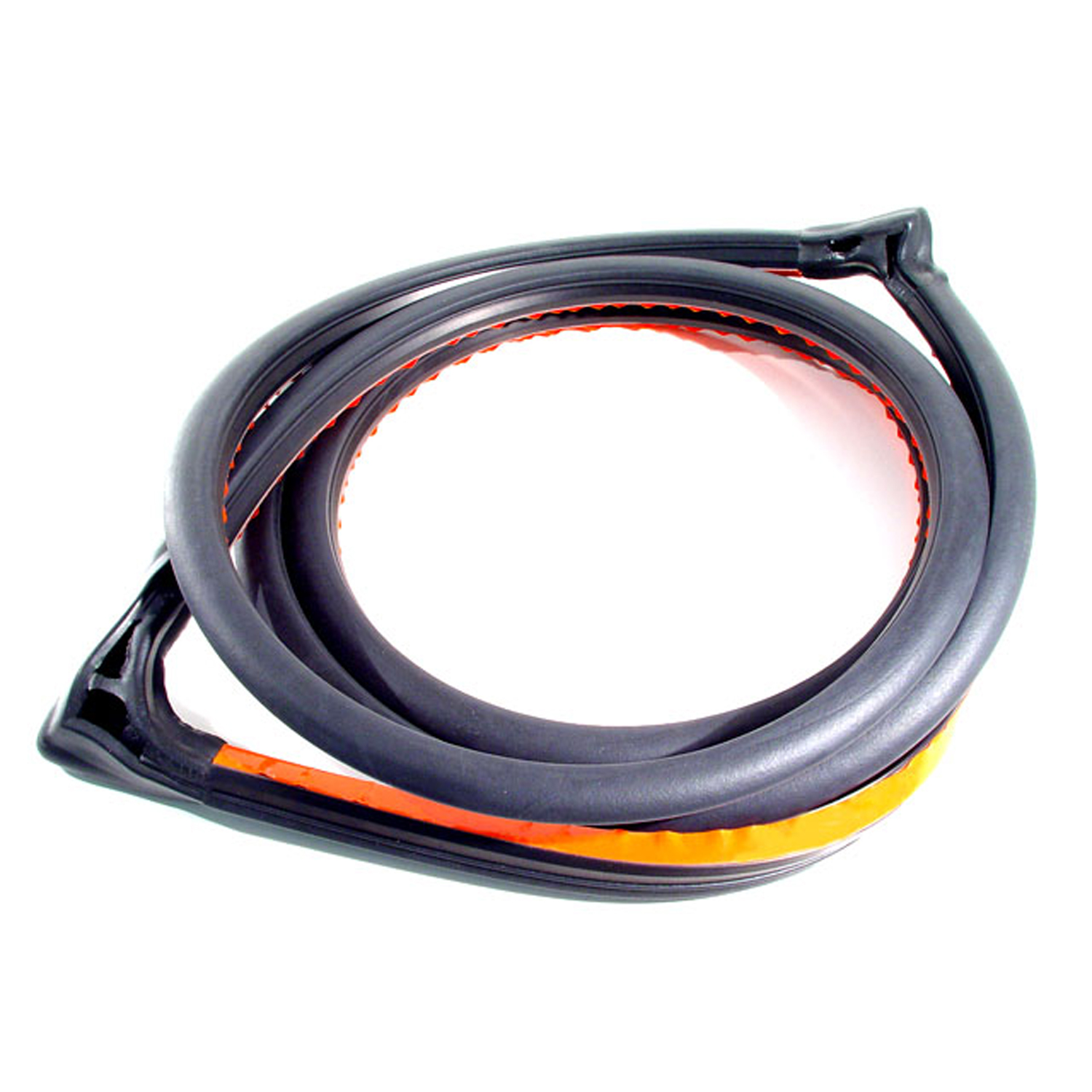 1976 Ford E-350 Econoline Front Side Cargo Door Seal-LM 110-VAFront Side Cargo Door Seal (fits front right side of cargo door). Replaces OEM #E9UZ 1525324 B. For rear (left side) matching seal, see LM 110-VB. Each
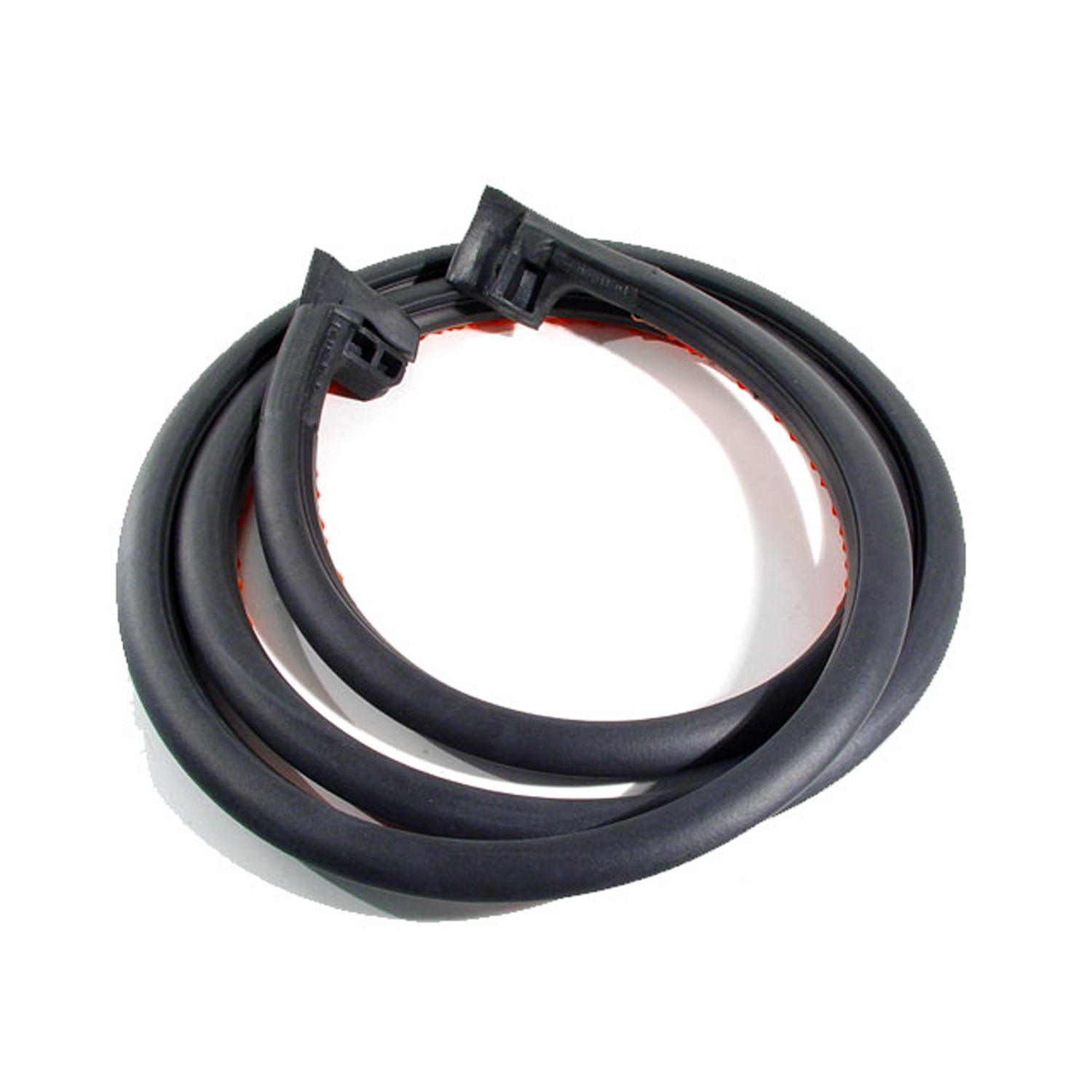 1976 Ford E-350 Econoline Rear Side Cargo Door Seal-LM 110-VBRear Side Cargo Door Seal (fits rear left side of cargo door). Replaces OEM #E9UZ 1525325 B. For front (right side) matching seal, see LM 110-VA. Each
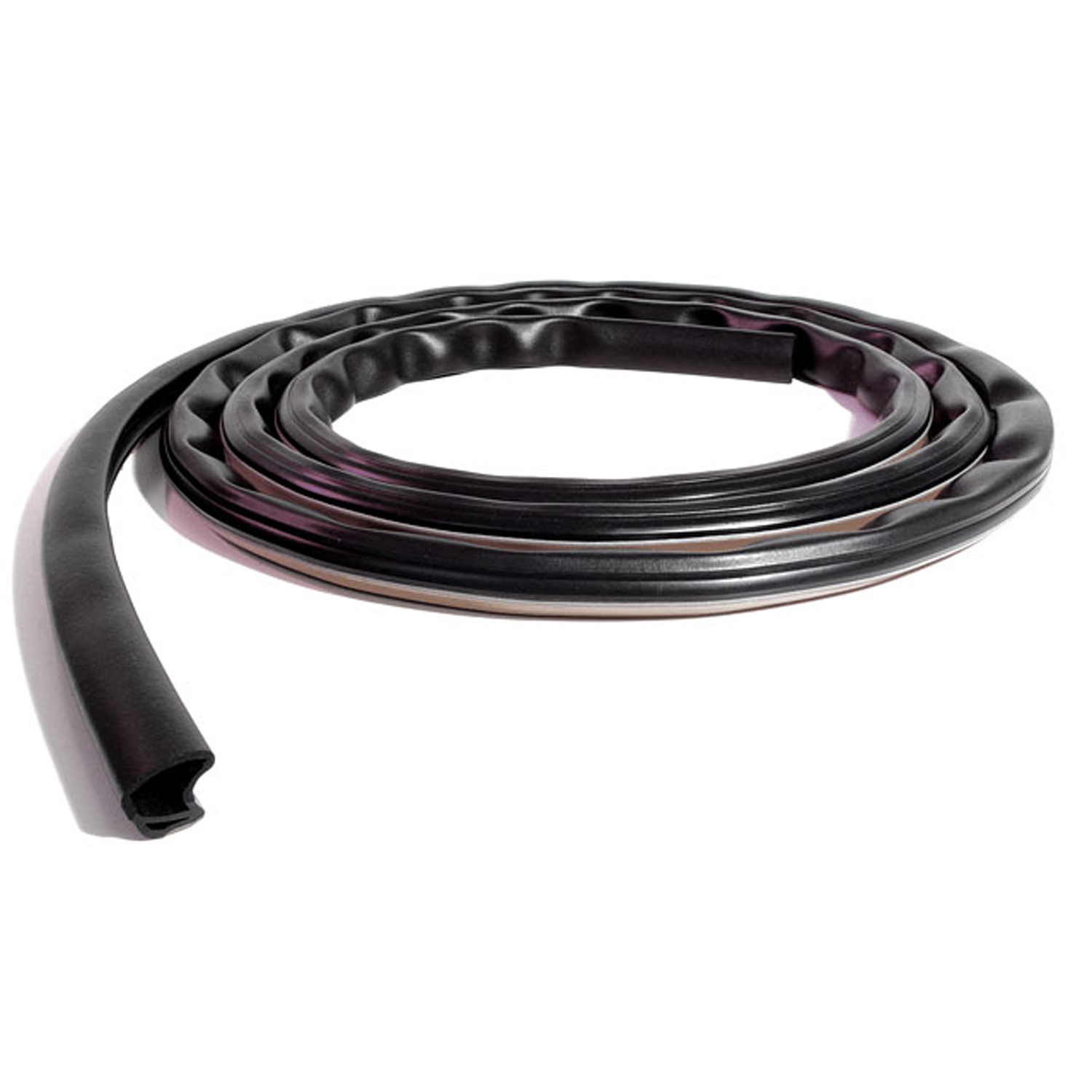 1976 Ford E-350 Econoline Left Front (drivers side) Door Seal. Each-LM 110-VLLeft Front (drivers side) Door Seal. Each
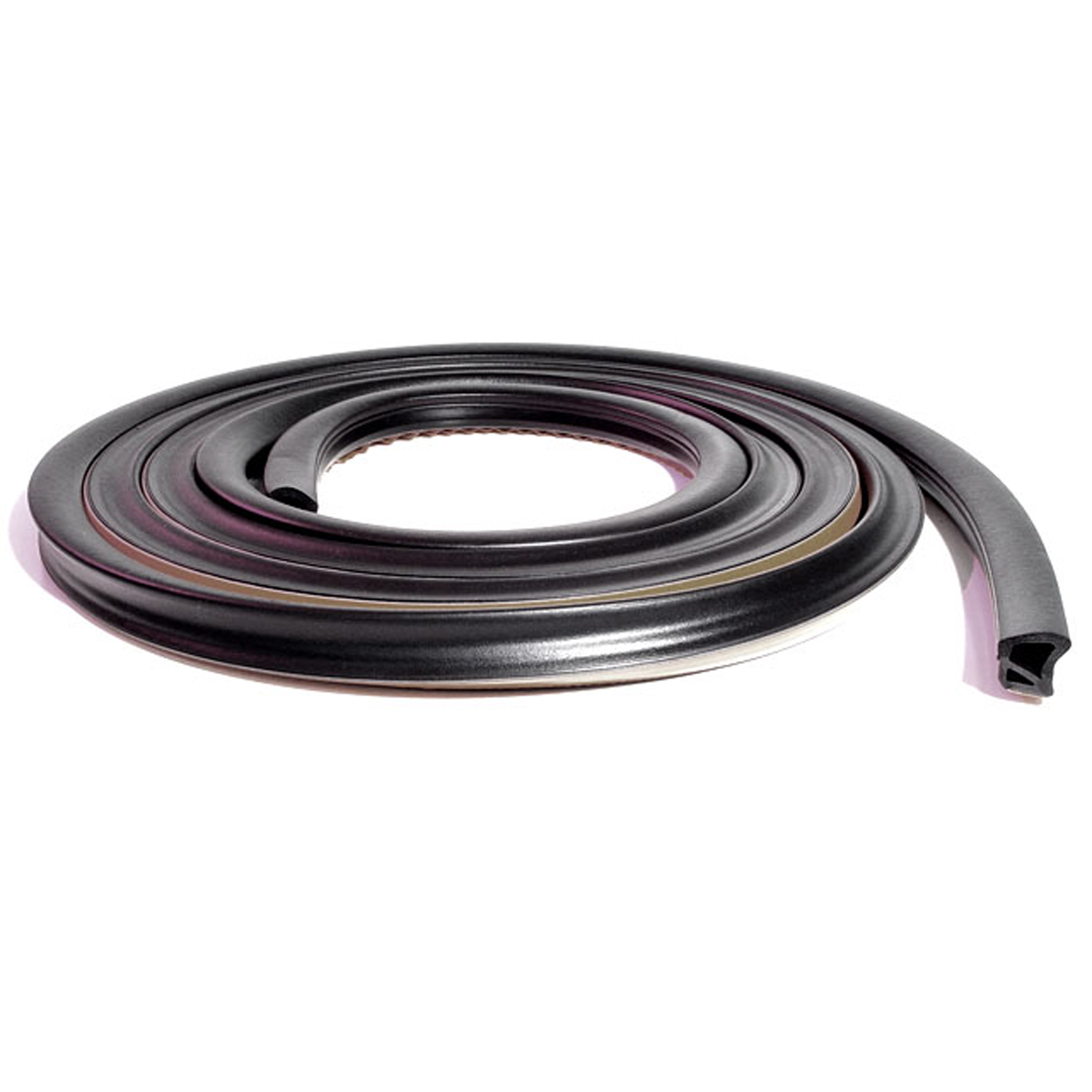 1976 Ford E-350 Econoline Right Front (passenger side) Door Seal. Each-LM 110-VRRight Front (passenger side) Door Seal. Each
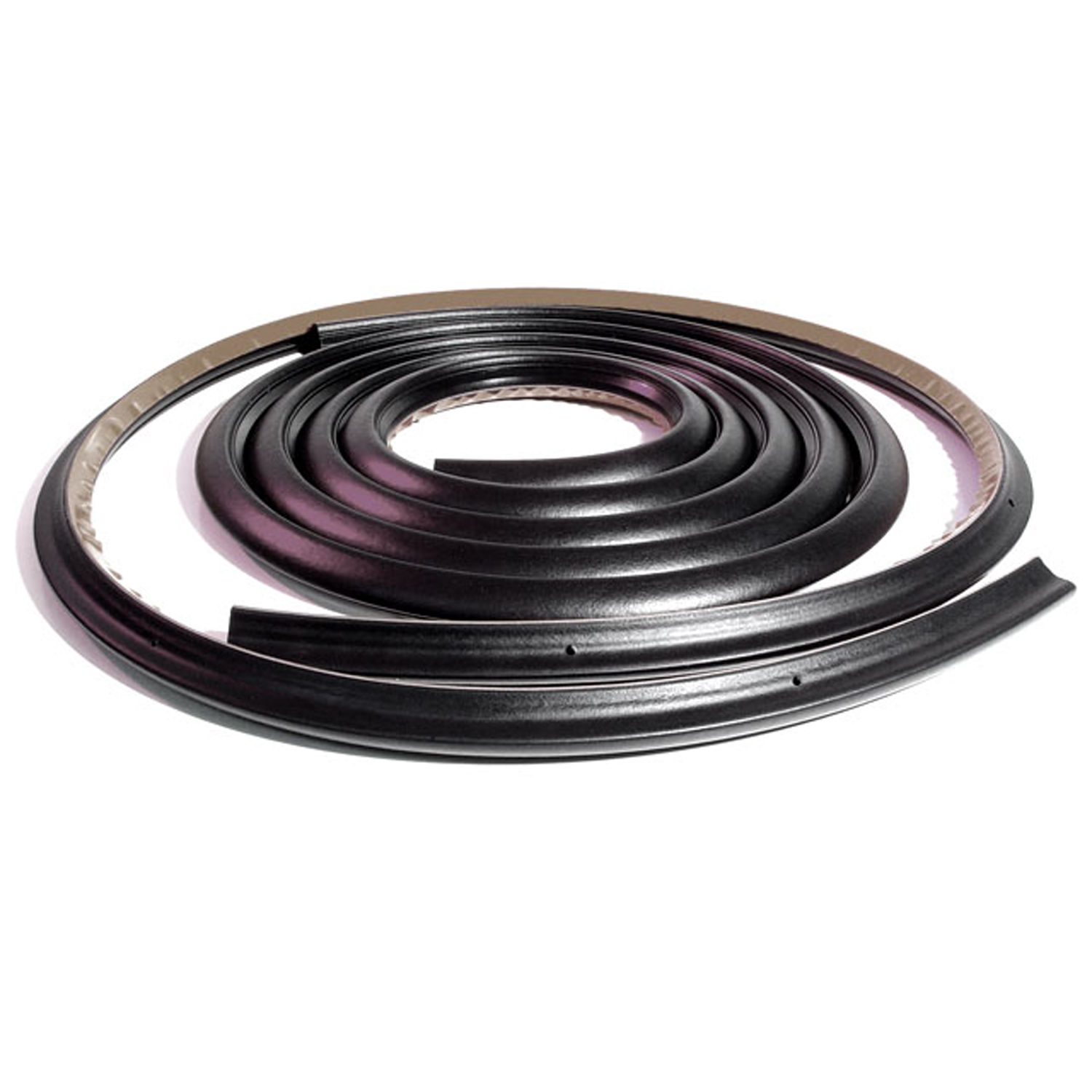 1976 Ford E-350 Econoline Side Slider Door Seal. Each-LM 110-VSSide Slider Door Seal. Each
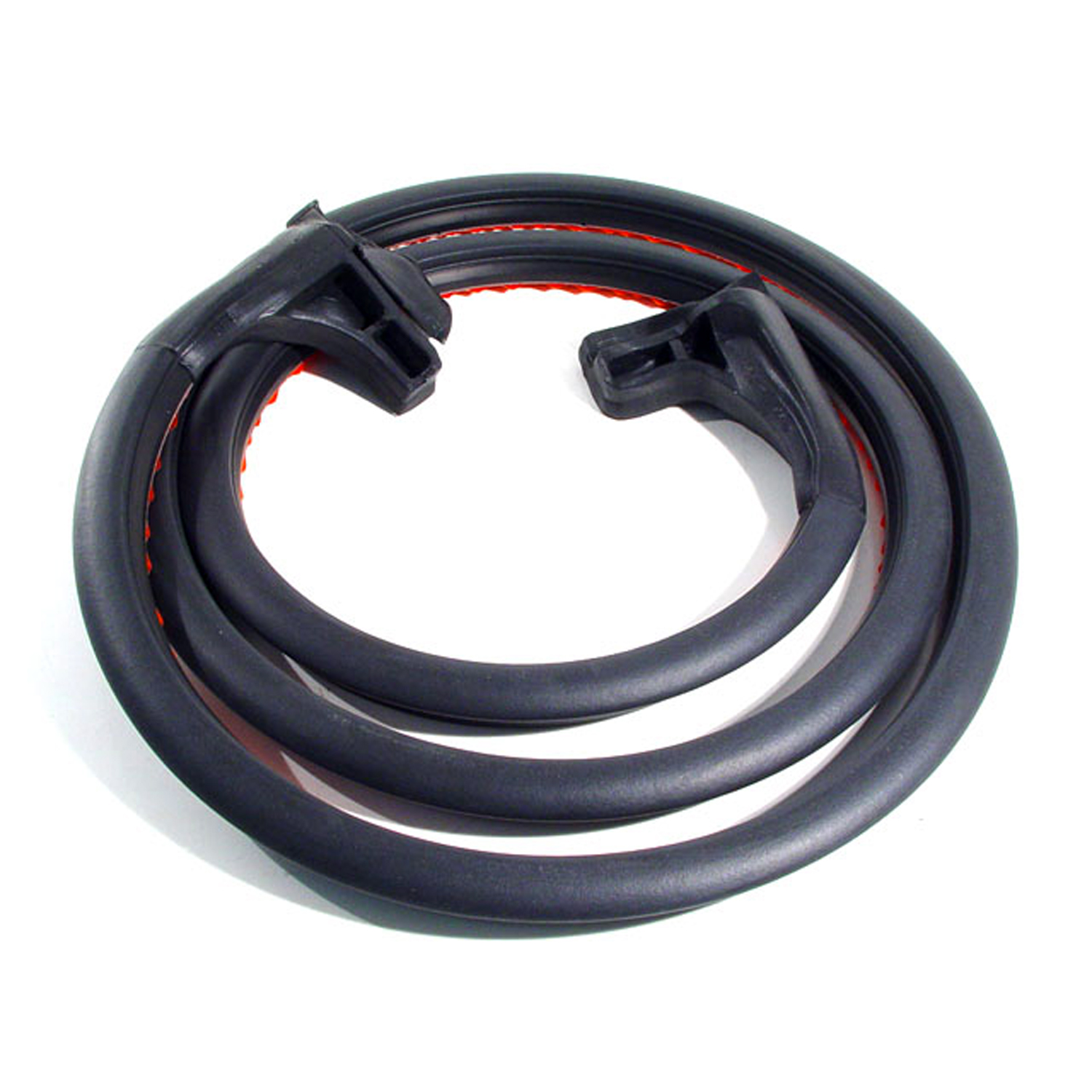 1976 Ford E-350 Econoline Left Rear Door Seal (Drivers Side)-LM 110-VTLeft Rear Door Seal (Drivers Side). Replaces OEM #E9UZ 1543723 A. Each
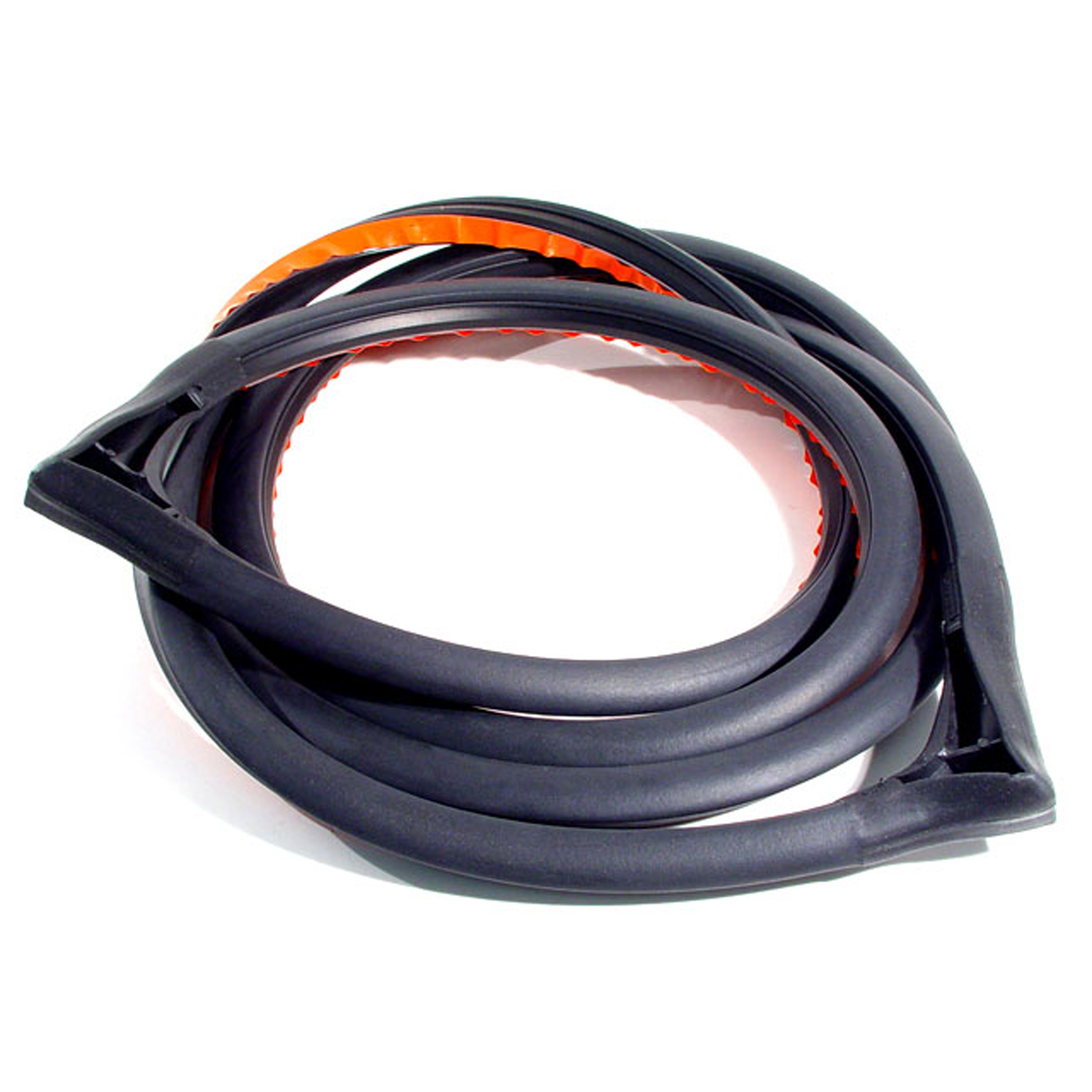 1976 Ford E-350 Econoline Right Rear Door Seal (Passenger Side)-LM 110-VURight Rear Door Seal (Passenger Side). Replaces OEM #F0UZ 1543722 A. Each
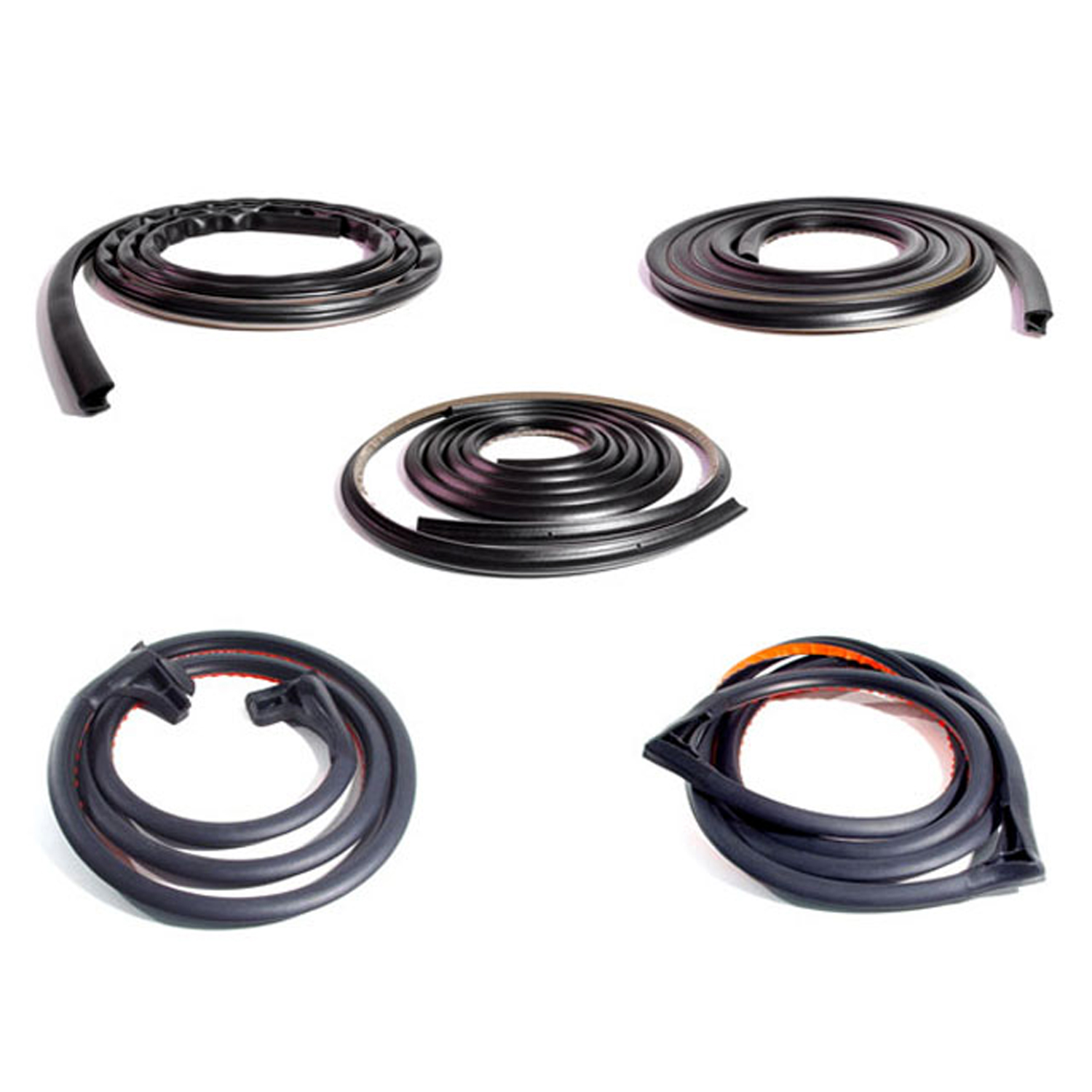 1976 Ford E-350 Econoline Basic Kit, for Models with Side Sliding Door-RKB 3000-100Basic Kit, for Models with Side Sliding Door. Front Left Door (LM 110-VL), Front Right Door (LM 110-VR), Back Left Door (LM 110-VT), Back Right Door (LM 110-VU), Side Sliding Door (LM 110-VS) Seals.
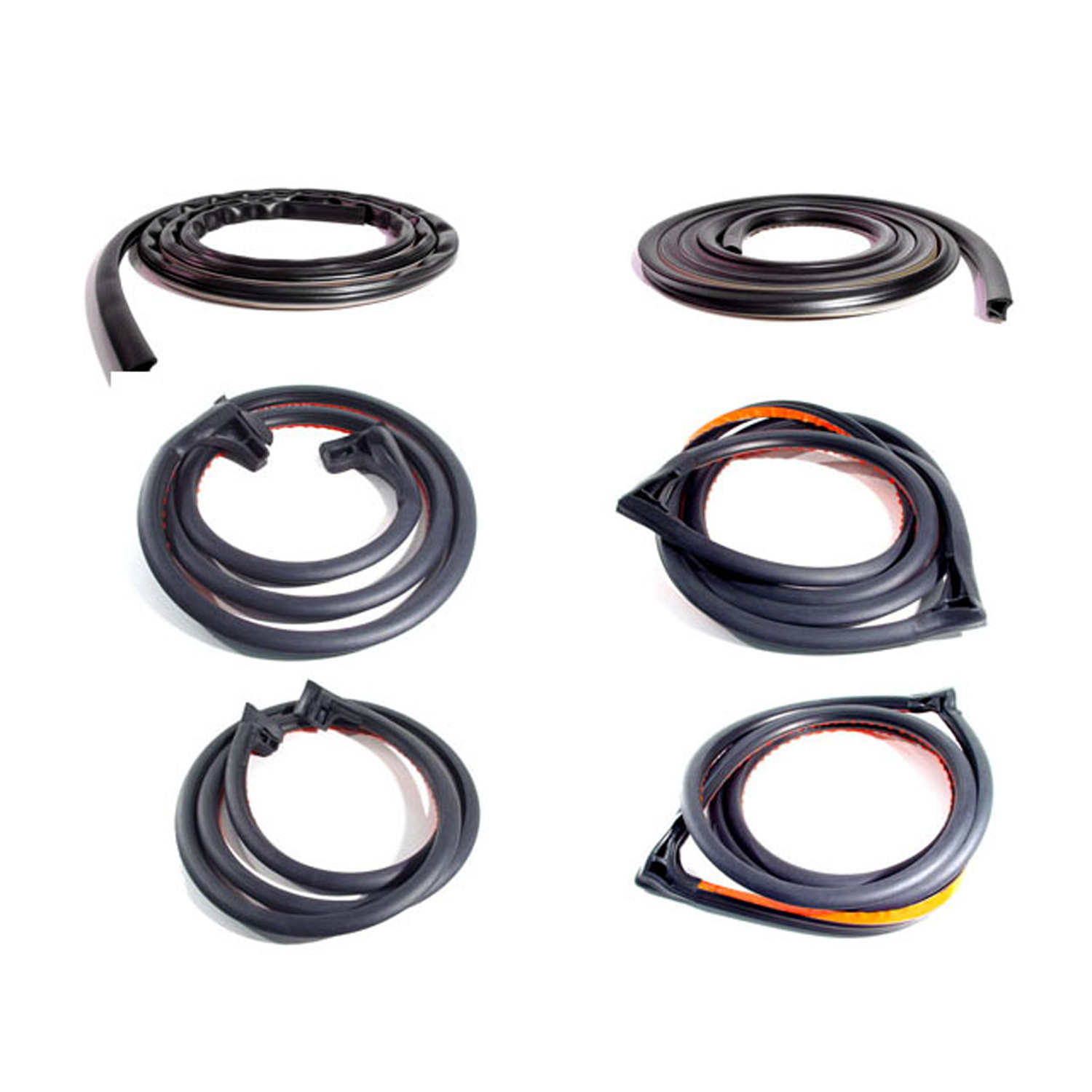 1976 Ford E-350 Econoline Basic Kit, for Models w/Side Cargo Door-RKB 3000-101Basic Kit, for Models w/Side Cargo Door. Front Left LM 110-VL), Front Right LM 110-VR), Back Left LM110-VT), Back Right LM 110-VU), Front Cargo Side (LM 110-VA), Rear Cargo Side (LM 110-VB) Door Seals.
Why Choose Metro?
For over 100 years, Metro Moulded Parts has been the pinnacle of quality in classic car restoration parts. Our commitment to precision and authenticity in every component ensures a perfect fit and an OEM-level appearance.
- Expert Craftsmanship & Quality: Each part is a testament to our dedication to reliability and perfection, crafted from original designs and thoroughly tested.
- Advanced Technology: We use cutting-edge techniques to create flawless, long-lasting parts that surpass others in performance.
- SuperSoft Sponge – The Ultimate Door Seal: Not only are our door seals 30% softer than competitors', but they're also guaranteed to never leak. They effectively reduce wind and road noise, enhancing your classic car's comfort and driving experience.
- Proudly American: Our parts are a product of American craftsmanship, made in the USA with a spirit of excellence and heritage.
- Unrivaled Warranty: We back our products with a 30-year industry-leading warranty, a testament to our confidence in their quality.
Join us in preserving the legacy of classic cars with parts that are crafted for perfection, not just made.