
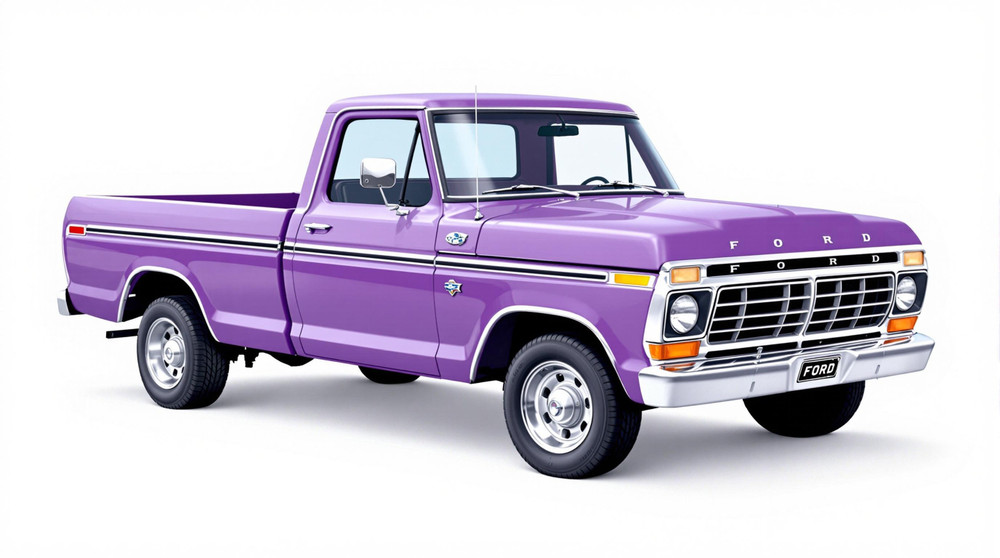
Image of 1976 Ford F-100, Note: These illustrations use artistic license and may differ from actual historical models.
Performance Metrics
Fundamental Metrics
Emotional Appeal
MMP Rating
| Engine Specifications | |
|---|---|
| Engine Options: | 4.9L 300 Cu In I6, 5.0L 302 Cu In V8, 5.9L 360 Cu In V8, 6.4L 390 Cu In V8 |
| Displacement Range: | 300-390 Cu In |
| Horsepower Range: | 101-159 HP |
| Torque: | 223-315 lb-ft |
| Compression Ratio: | 8.0:1 - 8.4:1 |
| Ignition System: | Conventional Breaker Point Ignition System |
| Cooling System: | Liquid Cooled |
| Performance Specifications | |
| 0-60 Time: | Estimated 10-15 seconds |
| 1/4 Mile Time: | Estimated 17-20 seconds |
| Top Speed: | 85-95 mph |
| Transmission and Drive | |
| Drive Type: | Rear Wheel Drive |
| Transmission Type: | 3-Speed Manual, 4-Speed Manual, 3-Speed Automatic |
| Fuel and Efficiency | |
| Fuel System Type: | Carburetor |
| MPG: | Estimated 10-14 MPG |
| Dimensions and Brakes | |
| Brakes: | Front Disc and Rear Drum Brakes |
| Wheelbase: | 115.0 inches |
| Weight: | 3,800-4,200 lbs |
Note: Specifications for classic cars are given to the best of our ability, considering the limited and variant data available.
1976 Ford F-100: The Dentside Pickup
The 1976 Ford F-100 looks ready to work even when it is parked: its broad grille, squared-off cab, and deeply creased body sides give it a purposeful presence that has made it a favorite among classic-truck fans. Built by Ford Motor Company as part of the sixth-generation F-Series, the F-100 was a light-duty pickup aimed at farmers, tradespeople, families, and anyone who needed a versatile truck.
Enthusiasts call this generation the “Dentside,” a nickname for the prominent inward crease running along the body. Ford produced the generation from 1973 through 1979, and the 1976 model landed during the United States Bicentennial. It also arrived at a key moment for the F-Series: Ford’s trucks were gaining popularity fast, and the F-Series became America’s best-selling truck line in 1977.
The F-100 was the half-ton member of the range, positioned below the F-150 and heavier F-250 and F-350 models. It was designed to serve as both a workhorse and a personal vehicle, a combination that helped establish the modern pickup as more than just farm or job-site equipment.
Dentside Styling and Cab Options
The 1976 F-100 wears the rugged, upright look associated with 1970s American trucks. Its flat hood leads to a wide grille framed by large rectangular headlamps, while a substantial front bumper and tall stance reinforce its work-ready character. The body’s long side crease catches the light and gives the truck its Dentside nickname. Depending on trim and equipment, bright grille details, wheel covers, and exterior moldings could add a more polished appearance.
Buyers could choose a conventional Styleside bed, whose smooth sides flowed into the cab, or a Flareside bed with separate rear fenders and a narrower cargo floor. Styleside was the more practical and common choice for hauling bulky loads. Flareside trucks, with their exposed fenders and classic pickup proportions, remain especially appealing to collectors. Regular-cab trucks were the familiar choice, while Ford also offered a roomier SuperCab configuration in the F-Series lineup.
Trim levels ranged from the straightforward Custom to better-appointed Ranger and Ranger XLT versions. Paint availability varied by production date and equipment, but the palette included familiar period shades of white, blue, red, green, tan, and brown. White and blue trucks are common sights today, while brightly colored examples and well-preserved original paint can make a truck stand out at a show.
A Practical 1970s Interior
The cabin was straightforward rather than luxurious. A broad bench seat, durable vinyl or cloth-and-vinyl upholstery, simple door panels, and a large, legible instrument cluster put function first. Depending on trim, buyers could add carpeting, upgraded seat trim, a more decorative dashboard, or convenience equipment. Many work-oriented trucks retained rubber flooring, which was easy to clean after a muddy day.
Technology was modest by modern standards, but the F-100 could be equipped with useful options such as power steering, power brakes, an automatic transmission, and an AM radio. Air conditioning was available, as were other comfort features depending on configuration. The controls were physical and uncomplicated, making them easy to operate with work gloves and relatively simple to repair decades later.
Engineering That Made a Difference
One of Ford’s signature engineering choices was Twin-I-Beam front suspension on two-wheel-drive models. Instead of a conventional solid front axle, the system used two independent I-beam axle members, each pivoting from the frame. It gave the F-100 a more compliant ride than many traditional solid-axle pickups while retaining a tough, truck-oriented design. Four-wheel-drive versions used a different front suspension arrangement.
The F-100’s broader significance lies in how it balanced utility with everyday usability. The sixth-generation F-Series combined substantial payload and towing capability with more comfortable road manners and a growing range of convenience options. That formula helped make pickups appealing to people who needed a truck only part of the time, a direction that would eventually shape the modern personal-use pickup.
Engines, Speed, and Road Manners
Engine availability depended on the truck’s configuration and market. The 300-cubic-inch inline-six was a popular choice for owners who valued dependable, low-speed pulling power. V8 options were also available across the F-Series range, including larger-displacement engines on appropriately equipped models. Because an F-100’s engine, axle ratio, transmission, tire size, and condition all affect performance, there is no single figure that describes every 1976 truck.
As a broad real-world estimate, a healthy six-cylinder F-100 may take roughly 16 to 20 seconds to reach 60 mph, while a V8 example could manage approximately 11 to 15 seconds. Top speed is similarly configuration-dependent, but most stock trucks are best thought of as comfortable at ordinary highway speeds rather than built for sustained high-speed cruising. These are estimates, not a universal factory specification.
On the road, the F-100 feels substantial and mechanical. The six-cylinder produces a steady, purposeful note, while a V8 adds the familiar deep rumble that many owners consider part of the truck’s appeal. Steering is slower and less precise than in a modern pickup, especially without power assist, and the high driving position gives the driver a commanding view.
Twin-I-Beam trucks can ride surprisingly well over broken pavement for a vehicle of their age, but they still have the firm, bouncy character of a body-on-frame pickup. On winding roads, the tall body leans and the steering calls for deliberate inputs. A properly maintained suspension should feel predictable, though worn components can contribute to vague steering or uneven tire wear. The F-100 is happiest on back roads, at work, or cruising at a relaxed pace rather than being pushed like a sports car.
Living With a 1976 F-100
Owners use these trucks as weekend drivers, shop trucks, farm vehicles, show entries, and restoration projects. A clean F-100 can handle occasional modern traffic, but its age shows in its braking distances, fuel consumption, visibility blind spots, and lack of contemporary safety systems. It is not an ideal choice for someone expecting the quiet, efficiency, or crash protection of a recent pickup.
Mechanical simplicity is a major ownership advantage. The engine bay is accessible, many repairs can be handled with ordinary tools, and replacement parts for common service items and restoration work are widely available. The main challenge is often not the basic mechanical work but finding a truck that has not suffered extensive rust, neglected repairs, or poorly executed modifications.
Inspect the cab corners, floor pans, bed, wheel arches, and frame carefully. Check the steering and suspension for looseness, and look for uneven front-tire wear that may signal alignment problems or worn Twin-I-Beam components. On an old truck, a solid, well-maintained example is usually a better buy than a shiny one with hidden structural repairs.
F-100 Facts and Common Criticisms
“Dentside” is an enthusiast nickname rather than an official Ford model name, but it has become the standard shorthand for the 1973–1979 F-Series body style. The 1976 model’s Bicentennial-year setting gives it a period-specific appeal, although it was a regular production truck, not automatically a special-edition commemorative model.
There is no widely recognized speed or endurance record associated with the 1976 F-100. Its achievement was more everyday: Ford’s F-Series became America’s best-selling truck line in 1977, reflecting the growing appeal of pickups beyond traditional work buyers. The F-100 helped build that reputation through a wide range of configurations and its blend of toughness and comfort.
Common complaints include modest fuel economy, dated brakes and steering, rust, and a ride that can feel unsettled when the truck is unloaded. Some drivers also find the cabin noisy and the controls heavy compared with a modern vehicle. Those drawbacks are part of the ownership calculation, but they are balanced by straightforward mechanics, an unmistakable vintage look, and the satisfying feel of driving a genuinely old-school pickup.
Collector Values and Availability
Ford did not publish an easily accessible, widely cited production total for every 1976 F-100 configuration. As a rough estimate rather than a verified factory count, total F-100 production for the model year may have been in the neighborhood of 200,000 to 300,000 trucks. That estimate should not be confused with the number still surviving, and it includes trucks with different engines, cabs, beds, and trim levels.
Ordinary two-wheel-drive examples are still findable, but condition varies enormously. A rough project might sell for about $2,000 to $6,000, while a usable driver in sound condition could fall around $8,000 to $18,000. A high-quality restoration or unusually clean, original truck may bring roughly $25,000 to $45,000 or more. Desirable four-wheel-drive versions, rare configurations, and exceptional examples can exceed those ranges. These are broad U.S. market estimates; location, documentation, originality, rust, and mechanical condition make a major difference.
Classic pickups have gained considerable collector attention over the past decade, and the Dentside F-100 benefits from Ford’s large enthusiast community and good parts support. Values are selective rather than guaranteed to rise: clean, original, or carefully restored trucks generally attract the strongest interest, while neglected projects can remain difficult to sell. Overall, the model has appreciated in collector appeal, but buyers should focus on condition and authenticity instead of assuming every old pickup is an investment.
Why the 1976 F-100 Still Matters
The 1976 Ford F-100 combines the unmistakable Dentside design with practical engineering, simple controls, and a broad range of working and comfort options. Its Twin-I-Beam suspension helped distinguish two-wheel-drive models, while its straightforward construction keeps many examples approachable for hands-on owners.
More than a nostalgic shape, the F-100 represents a turning point in pickup culture, when trucks were becoming as welcome in driveways as they were on farms and job sites. For collectors, restorers, and drivers who enjoy a classic truck with real utility, the 1976 F-100 remains a tough, character-filled reminder of how Ford helped make the pickup an American icon.
1976 Ford F-100 Catalog of Parts
 1976 Ford F-100 Brake Pedal Pad. 4-3/4" wide X 2-1/4" long-CB 111-NBrake Pedal Pad. 4-3/4" wide X 2-1/4" long. Replaces OEM #'s BC3Z2457B, D3TZ2457A, D3TZ2457B. Each
 1976 Ford F-100 Door seal. '73-'79 Ford F-Series trucks. '78-'79 Ford Bronco-LM 110-ADoor seal. '73-'79 Ford F-Series trucks. '78-'79 Ford Bronco. Fits on cab, either side. Each.
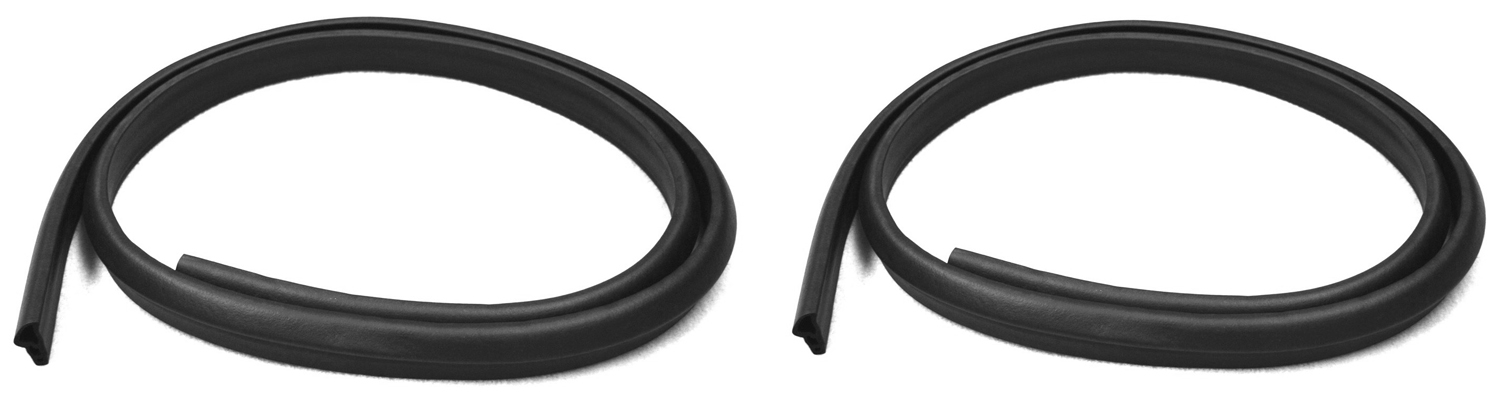 1976 Ford F-100 Upper Door Seal, 73-79 Ford Full Size Truck, 78-79 Ford Bronco, On Door, Pair-LM 110-AUThis auxiliary seal fits on the top portion of the door. It is primarily designed to reduce wind and road noise. It also provides added weatherseal protection and further cushions the door when it is shut closed. This part was stock on the 1978-1979 models but you can use them on any of the '73-'79 models specified.
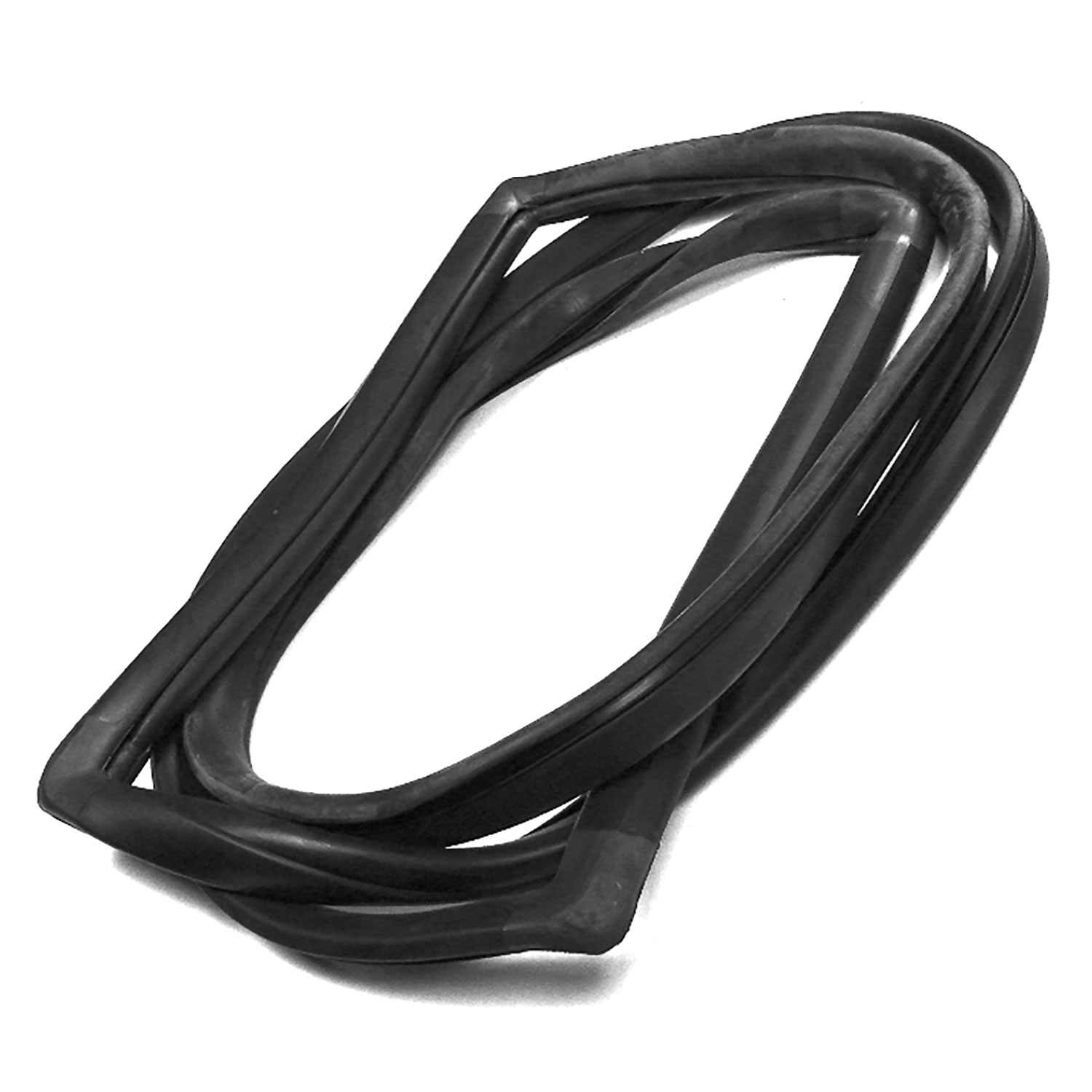 1976 Ford F-100 Windshield Seal, 67-79 Ford Full Size Truck, 78-79 Bronco, Without Trim Groove-VWS 3304-CThis windshield seal goes first on the glass and is installed using the rope-in method. This product is made from the original specs and with high quality ozone resistant EPDM rubber for a great fit and long life. This item is designed to be installed during glass replacement.
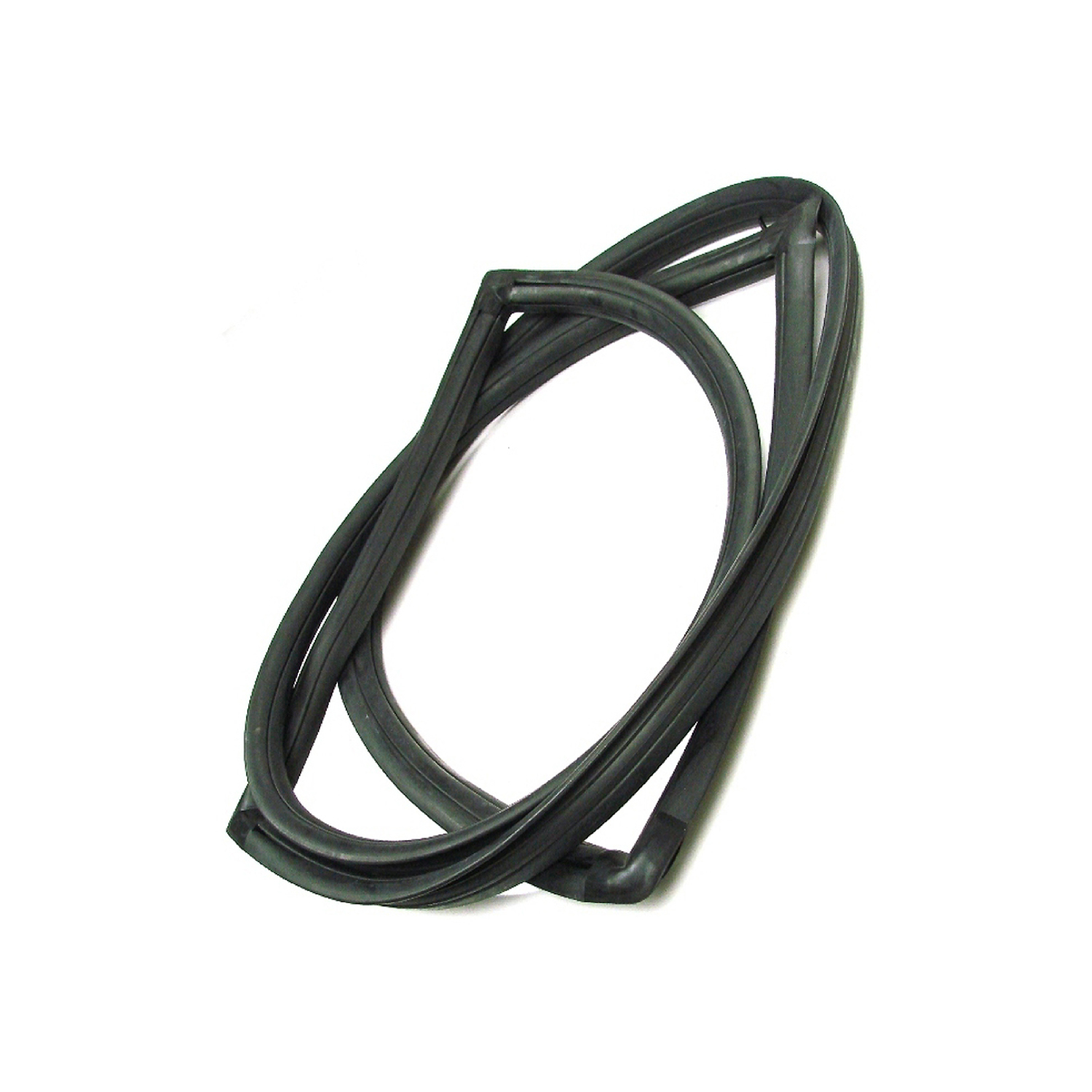 1976 Ford F-100 Windshield seal, '73-'76 Ford F Series Truck-VWS 3304-EWindshield seal, '73-'76 Ford F Series Truck with groove to accept trim, each.
 1976 Ford F-100 Rear window seal, '73-'79 Ford F Series Truck without trim groove-VWS 3304-RRear window seal, '73-'79 Ford F Series Truck without trim groove, each. Replaces OEM part # D3TZ-1042084-A.
Why Choose Metro?
For over 100 years, Metro Moulded Parts has been the pinnacle of quality in classic car restoration parts. Our commitment to precision and authenticity in every component ensures a perfect fit and an OEM-level appearance.
- Expert Craftsmanship & Quality: Each part is a testament to our dedication to reliability and perfection, crafted from original designs and thoroughly tested.
- Advanced Technology: We use cutting-edge techniques to create flawless, long-lasting parts that surpass others in performance.
- SuperSoft Sponge – The Ultimate Door Seal: Not only are our door seals 30% softer than competitors', but they're also guaranteed to never leak. They effectively reduce wind and road noise, enhancing your classic car's comfort and driving experience.
- Proudly American: Our parts are a product of American craftsmanship, made in the USA with a spirit of excellence and heritage.
- Unrivaled Warranty: We back our products with a 30-year industry-leading warranty, a testament to our confidence in their quality.
Join us in preserving the legacy of classic cars with parts that are crafted for perfection, not just made.