
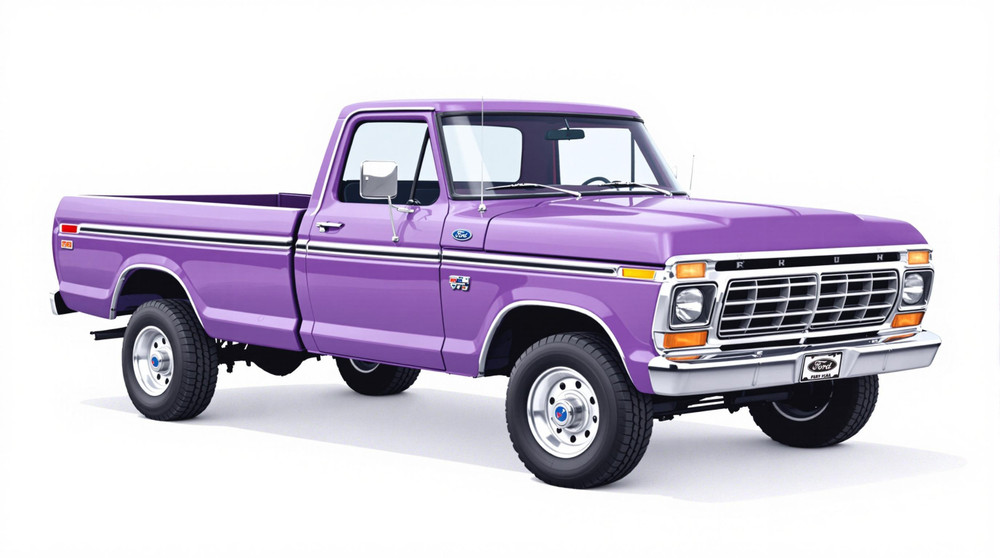
Image of 1976 Ford F-250, Note: These illustrations use artistic license and may differ from actual historical models.
Performance Metrics
Fundamental Metrics
Emotional Appeal
MMP Rating
| Engine Specifications | |
|---|---|
| Engine Options: | 4.9L 300 Cu. In. I6, 5.9L 360 Cu. In. V8, 6.4L 390 Cu. In. V8, 7.5L 460 Cu. In. V8 |
| Displacement Range: | 300-460 Cu. In. |
| Horsepower Range: | 101-224 HP |
| Torque: | 223-388 lb-ft |
| Compression Ratio: | 8.0:1 - 8.5:1 |
| Ignition System: | Conventional Distributor |
| Cooling System: | Liquid Cooled |
| Performance Specifications | |
| 0-60 Time: | Estimated 10-15 seconds |
| 1/4 Mile Time: | Estimated 17-22 seconds |
| Top Speed: | 85-95 mph |
| Transmission and Drive | |
| Drive Type: | Rear Wheel Drive (RWD), Four Wheel Drive (4WD) |
| Transmission Type: | 3-Speed Automatic, 4-Speed Manual |
| Fuel and Efficiency | |
| Fuel System Type: | Carburetor |
| MPG: | Estimated 10-14 MPG |
| Dimensions and Brakes | |
| Brakes: | Front Disc, Rear Drum |
| Wheelbase: | 133.0 in (Regular Cab), 149.0 in (SuperCab) |
| Weight: | 4,500-5,500 lbs |
Note: Specifications for classic cars are given to the best of our ability, considering the limited and variant data available.
1976 Ford F-250: A Heavy-Duty Classic
The 1976 Ford F-250 was built for work first, but its square-shouldered style and rugged mechanicals have made it a favorite among classic-truck fans. Part of Ford’s sixth-generation F-Series, it came from a pickup line introduced in 1948 and developed into one of America’s defining truck families. Ford offered the F-250 as a step up from the lighter-duty F-100, with heavier-duty components suited to hauling, towing, and demanding job-site use.
The 1976 model sits in the middle of the sixth-generation “Dentside” era, a nickname inspired by the long, inset body crease along the truck’s sides. That generation arrived for 1973, and its basic shape remained in production through 1979. One bit of context gives the ’76 model extra flavor: it was built during America’s Bicentennial year, when patriotic graphics and special-edition treatments were popular across the automotive world. Special packages can be difficult to verify today, so buyers should look for documentation rather than rely on decals alone.
Dentside Design and Cab Choices
The F-250 wears its purpose openly. A broad, upright grille sits between squared-off headlamps, while a tall hood, flat body sides, and substantial bumpers give the truck a sturdy, almost architectural appearance. The distinctive inset side crease catches light along the body, making the long flanks look less slab-sided. Depending on trim and equipment, chrome accents could brighten the grille, bumpers, and window surrounds, while simpler work trucks kept a more utilitarian finish.
Ford offered the F-250 in two-wheel drive and four-wheel drive, with regular-cab and SuperCab configurations. Buyers could choose a Styleside pickup bed or the more traditional Flareside bed, as well as chassis-cab versions intended for service bodies and other commercial conversions. The regular-cab Styleside is the familiar work-truck silhouette, while a four-wheel-drive SuperCab with a long bed has become one of the most sought-after combinations among enthusiasts.
Trim levels ranged from basic work-truck appointments to more comfort-focused Ranger and Ranger XLT versions. Paint choices varied by trim and production details, but period Ford colors included practical whites, reds, blues, greens, and earthier tones. White and red remain common sights, while bright blues and less frequently seen factory colors can make a well-documented truck stand out. Original paint codes on the vehicle’s data plate are the best way to confirm what a particular truck wore when new.
Cab Comfort and Period Technology
Inside, the F-250 is straightforward and durable. The dashboard is broad and upright, with large, legible gauges and controls designed to be used with work gloves. Materials were practical rather than plush: painted metal, vinyl, hard-wearing plastics, and, on better-equipped examples, more inviting upholstery and trim. Ranger XLT models could add comfort and appearance upgrades, but even a well-optioned 1976 truck feels refreshingly simple beside a modern pickup.
Available conveniences included power steering, power brakes, air conditioning, an automatic transmission, and a variety of radios and trim packages. Equipment depended on configuration and buyer selection, so no two trucks should be assumed to have the same specification. Four-wheel-drive versions used a transfer case and manually operated front hubs, a setup that is mechanically direct and easy to understand once familiar with the operating sequence.
Ford’s Twin-I-Beam front suspension was a defining engineering feature of its two-wheel-drive pickups. It used independent front suspension with two beams pivoting from the frame, helping the truck ride and steer more comfortably than a conventional solid front axle on paved roads. Four-wheel-drive models used a different, more rugged front-end arrangement. The F-250’s heavy-duty frame, axles, and suspension were central to its appeal, though the exact capacities and components varied with configuration and options.
Why the 1976 F-250 Matters
The F-250 helped establish the modern American pickup as both a working tool and a vehicle that could be tailored to its owner. In the 1970s, truck buyers increasingly wanted a pickup that could tow or carry a serious load during the week and provide more comfort on the road. Ford answered with a wide range of cabs, drivetrains, beds, engines, and trim levels rather than treating every truck as a bare-bones commercial vehicle.
Its lasting significance is less about one revolutionary feature than about the combination of choice and durability. The Dentside generation gave buyers a recognizable design, a broad equipment menu, and hardware suited to a wide range of jobs. That formula remains central to the full-size pickup market. The F-250 also represents an era when mechanical systems were comparatively accessible, making many repairs and restorations possible without specialized electronic diagnostic equipment.
Engines, Speed, and Road Manners
Engine availability depended on drivetrain and specification. Common choices included Ford’s 300-cubic-inch inline-six and several V8s, with larger-displacement options available in parts of the F-Series lineup. The 300 six is prized for its uncomplicated character and low-speed pulling ability. V8-equipped trucks deliver a deeper exhaust note and stronger acceleration, while a large-displacement engine can make towing feel less strenuous. Check the original equipment data and current engine carefully, since decades of swaps are common.
Ford did not publish a single meaningful top-speed or 0-to-60-mph figure for every F-250 configuration. Gear ratios, engine choice, transmission, tires, cab, bed, and load all make a substantial difference. As a broad modern estimate, an unloaded V8 truck might reach roughly 85 to 100 mph, while acceleration from 0 to 60 mph could take around 12 to 20 seconds. A six-cylinder truck, a four-wheel-drive model, or a heavily geared work version may be slower. These are estimates, not guaranteed factory test figures, and a vintage truck should not be driven at its theoretical maximum speed.
On the road, the F-250 feels substantial. The steering is slower and less precise than a modern pickup’s, and a two-wheel-drive truck’s Twin-I-Beam suspension can feel different over uneven pavement as the front wheels move independently. A solid-axle four-wheel-drive truck is generally more deliberate over rough ground, with a firmer, more truck-like response. Either way, bumps are felt, the body can move over broken pavement, and crosswinds have more influence than they do in a contemporary vehicle.
The driving experience is part of the appeal. A six-cylinder produces a steady, purposeful growl; a V8 adds a deeper rumble that becomes more pronounced under load. The driver sits high behind a large steering wheel, works straightforward controls, and gets a clear sense of the truck’s size. It is not quick or quiet by modern standards, but it feels mechanical and connected, especially compared with newer pickups that filter out much of the engine and road sensation.
Living With a Classic Ford Pickup
Today, a 1976 F-250 may serve as a weekend cruiser, a farm or ranch truck, a restoration project, or a show vehicle. Some owners still use them for light hauling and towing, but a classic truck’s age makes condition more important than its original heavy-duty reputation. Regularly hauling near the truck’s rated capacity can accelerate wear, and modern traffic puts more demand on old brakes, steering, tires, and cooling systems.
Routine maintenance is relatively approachable for an owner with basic mechanical experience. Oil changes, ignition service, carburetor work, belts, hoses, and many suspension repairs use familiar, accessible components. Parts support is strong for popular F-Series items, although exact trim pieces, unmodified body panels, and configuration-specific components can take more searching. Before buying, inspect the frame, cab corners, floors, bed, and lower body for rust. Also check steering and suspension wear, brake condition, cooling-system health, and signs of poorly executed engine or wiring modifications.
Reliability depends heavily on upkeep and restoration quality. A well-maintained truck can be dependable for local use, but age-related problems are normal. Old rubber, corroded connections, tired carburetors, and worn steering parts can all cause trouble even when the engine runs well. A careful pre-purchase inspection is worth the cost, particularly for a four-wheel-drive truck where transfer-case, axle, and front-hub repairs can add up.
F-250 Trivia and Common Criticisms
The “Dentside” nickname is one of the easiest ways to identify this Ford generation, and it is widely used by owners, parts sellers, and restorers. Another appealing detail is the range of personalities the same model can have: a basic two-wheel-drive work truck feels very different from a Ranger XLT four-wheel-drive SuperCab, even though both wear the same generation’s sheet metal.
There is no widely recognized top-speed, endurance, or production record specific to the 1976 F-250. Its place in automotive history comes instead from the enduring success of the F-Series and from the truck’s long working life. Many examples were used hard, modified, or rusted away, which is one reason clean, original trucks attract attention today.
Common criticisms are familiar to anyone who has driven a vintage heavy-duty pickup: poor fuel economy, limited crash protection by modern standards, more effort required for steering and braking, and a ride that can be stiff when the bed is empty. Cabin noise and weather sealing may also disappoint compared with a newer truck. Those drawbacks are real, but they are part of the period experience rather than surprises for a prepared owner.
Collector Value and Rarity
Ford did not make public, easily verified production totals for every 1976 F-250 body, trim, engine, and drivetrain combination. As a reasoned estimate rather than an official count, total F-250 production for the model year may have been in the broad range of roughly 100,000 to 150,000 trucks. Individual versions can be much harder to find: desirable four-wheel-drive configurations, SuperCabs, unusual factory colors, and well-preserved high-trim examples are less common than basic work trucks.
Values vary sharply with rust, originality, mechanical condition, and documentation. As a general 2026 collector-market estimate in the United States, a project or rough driver might sell for about $5,000 to $10,000. A usable, presentable truck often falls around $10,000 to $25,000, while a high-quality restoration or especially desirable configuration may bring roughly $25,000 to $45,000 or more. Exceptional, highly original examples can exceed that range, but asking prices are not the same as completed sales.
Over the long term, interest in classic pickups has helped clean F-250s appreciate, particularly original four-wheel-drive trucks and desirable cab-and-bed combinations. The market is condition-sensitive, however. A rusty project may remain difficult to sell, while a documented, rust-free example can command a strong premium. Recent price movement is best described as selective appreciation rather than a guaranteed rise in value.
A Hardworking Ford With Staying Power
The 1976 Ford F-250 combines the unmistakable Dentside look with a broad choice of engines, cabs, beds, and drivetrains. It reflects a time when full-size pickups were becoming more versatile without losing their working-truck foundations. Expect old-school ride and performance, but also straightforward mechanics, strong parts support, and a driving character that modern trucks rarely reproduce.
For collectors, restorers, and fans of honest American pickups, the ’76 F-250 is more than a square-jawed survivor. It is a durable piece of Ford history that still looks ready to leave the pavement and get a job done.
1976 Ford F-250 Catalog of Parts
 1976 Ford F-250 Brake Pedal Pad. 4-3/4" wide X 2-1/4" long-CB 111-NBrake Pedal Pad. 4-3/4" wide X 2-1/4" long. Replaces OEM #'s BC3Z2457B, D3TZ2457A, D3TZ2457B. Each
 1976 Ford F-250 Door seal. '73-'79 Ford F-Series trucks. '78-'79 Ford Bronco-LM 110-ADoor seal. '73-'79 Ford F-Series trucks. '78-'79 Ford Bronco. Fits on cab, either side. Each.
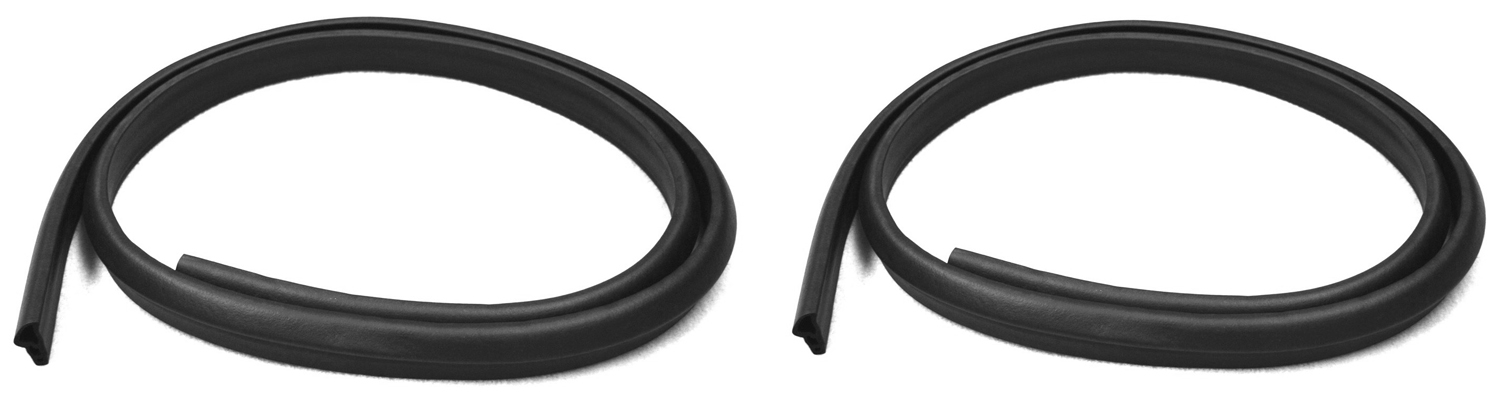 1976 Ford F-250 Upper Door Seal, 73-79 Ford Full Size Truck, 78-79 Ford Bronco, On Door, Pair-LM 110-AUThis auxiliary seal fits on the top portion of the door. It is primarily designed to reduce wind and road noise. It also provides added weatherseal protection and further cushions the door when it is shut closed. This part was stock on the 1978-1979 models but you can use them on any of the '73-'79 models specified.
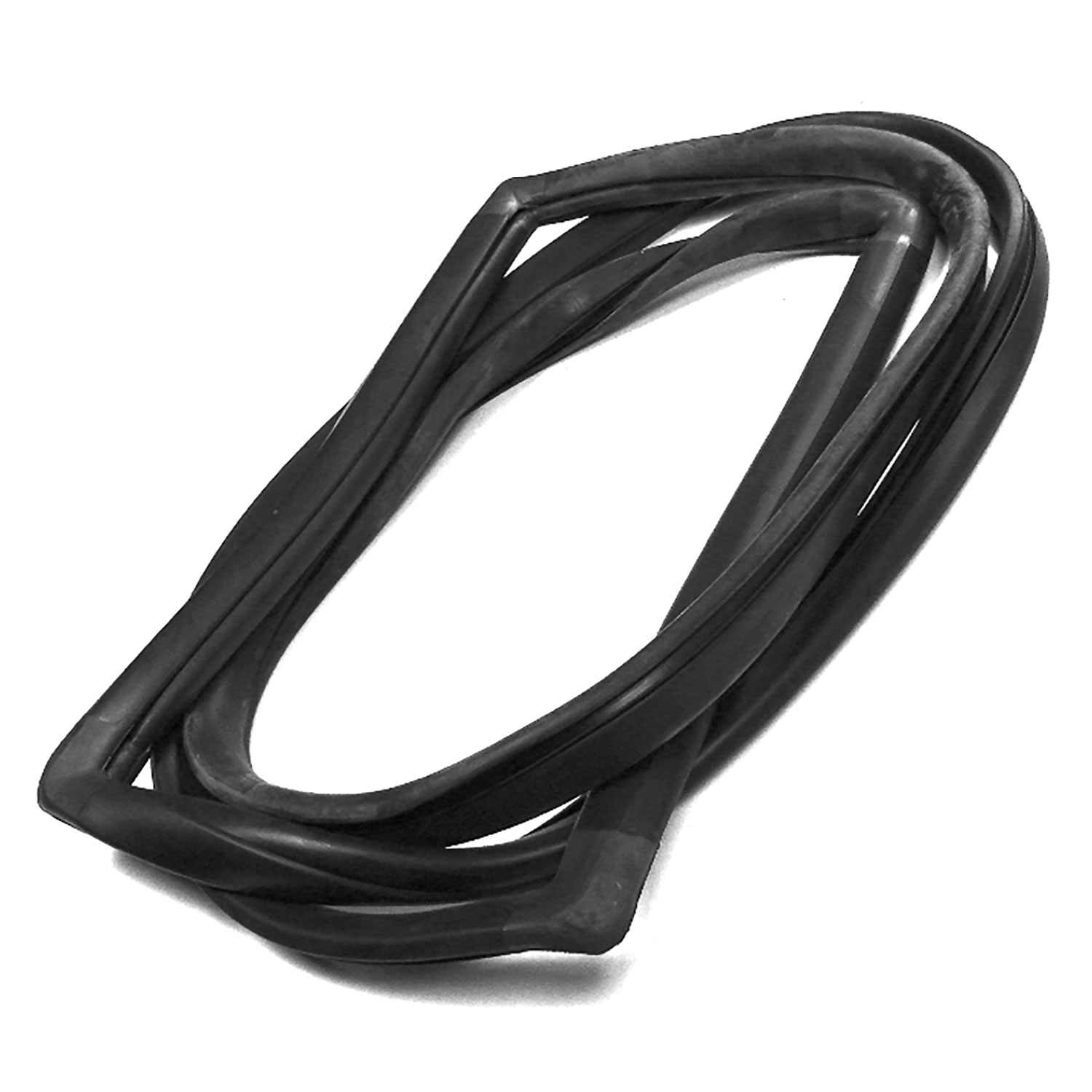 1976 Ford F-250 Windshield Seal, 67-79 Ford Full Size Truck, 78-79 Bronco, Without Trim Groove-VWS 3304-CThis windshield seal goes first on the glass and is installed using the rope-in method. This product is made from the original specs and with high quality ozone resistant EPDM rubber for a great fit and long life. This item is designed to be installed during glass replacement.
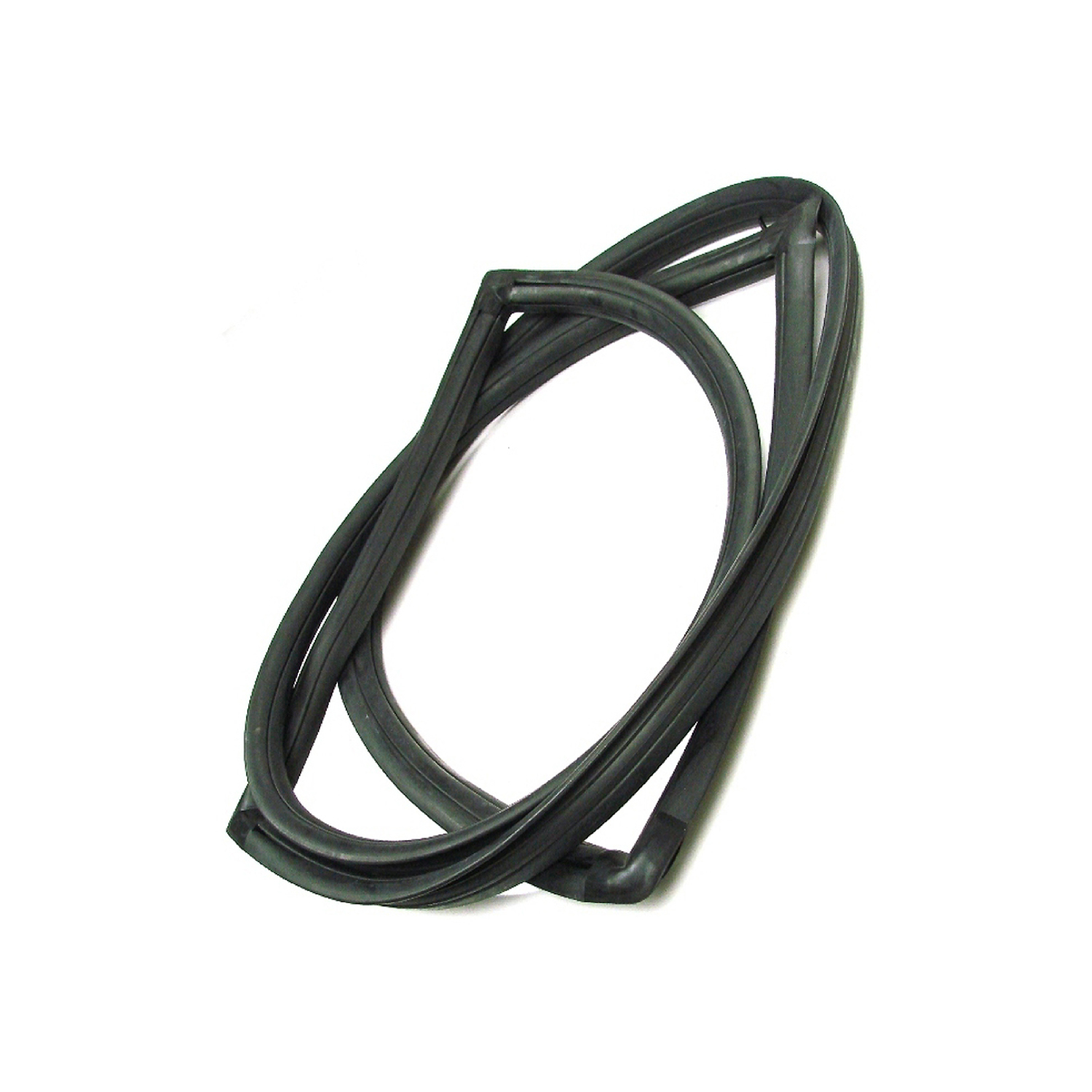 1976 Ford F-250 Windshield seal, '73-'76 Ford F Series Truck-VWS 3304-EWindshield seal, '73-'76 Ford F Series Truck with groove to accept trim, each.
 1976 Ford F-250 Rear window seal, '73-'79 Ford F Series Truck without trim groove-VWS 3304-RRear window seal, '73-'79 Ford F Series Truck without trim groove, each. Replaces OEM part # D3TZ-1042084-A.
Why Choose Metro?
For over 100 years, Metro Moulded Parts has been the pinnacle of quality in classic car restoration parts. Our commitment to precision and authenticity in every component ensures a perfect fit and an OEM-level appearance.
- Expert Craftsmanship & Quality: Each part is a testament to our dedication to reliability and perfection, crafted from original designs and thoroughly tested.
- Advanced Technology: We use cutting-edge techniques to create flawless, long-lasting parts that surpass others in performance.
- SuperSoft Sponge – The Ultimate Door Seal: Not only are our door seals 30% softer than competitors', but they're also guaranteed to never leak. They effectively reduce wind and road noise, enhancing your classic car's comfort and driving experience.
- Proudly American: Our parts are a product of American craftsmanship, made in the USA with a spirit of excellence and heritage.
- Unrivaled Warranty: We back our products with a 30-year industry-leading warranty, a testament to our confidence in their quality.
Join us in preserving the legacy of classic cars with parts that are crafted for perfection, not just made.