

Image of 1976 Ford Gran Torino, Note: These illustrations use artistic license and may differ from actual historical models.
Performance Metrics
Fundamental Metrics
Emotional Appeal
MMP Rating
| Engine Specifications | |
|---|---|
| Engine Options: | 351 Windsor V8, 400 Cleveland V8, 460 Lima V8 |
| Displacement Range: | 351 - 460 cu in (5.8 - 7.5 L) |
| Horsepower Range: | 152 - 208 hp |
| Torque: | 276 - 356 lb-ft |
| Compression Ratio: | 8.0:1 - 8.5:1 |
| Ignition System: | Electronic Ignition |
| Cooling System: | Water-cooled |
| Performance Specifications | |
| 0-60 Time: | 10 - 12 seconds |
| 1/4 Mile Time: | 17 - 19 seconds |
| Top Speed: | 115 - 120 mph |
| Transmission and Drive | |
| Drive Type: | Rear-wheel drive |
| Transmission Type: | 3-speed automatic |
| Fuel and Efficiency | |
| Fuel System Type: | Carburetor |
| MPG: | 10 - 12 mpg |
| Dimensions and Brakes | |
| Brakes: | Front disc, rear drum |
| Wheelbase: | 114 inches |
| Weight: | 3,600 - 3,900 lbs |
Note: Specifications for classic cars are given to the best of our ability, considering the limited and variant data available.
1976 Ford Gran Torino: The Final-Year Cruiser
The 1976 Ford Gran Torino brought the Torino nameplate to a confident, chrome-edged close. Built by Ford Motor Company, it was a roomy American intermediate with a broad range of body styles and engines, from practical six-cylinder power to big-block V8 muscle. It was not a purpose-built sports car, but it offered the long hood, cushioned ride, and V8 soundtrack that many buyers wanted in the mid-1970s.
The Gran Torino belonged to the Torino family, which Ford had introduced for 1968 as a more upscale version of its Fairlane intermediate. By 1976, the market had changed. The fuel crisis had made economy more important, while emissions rules and safety requirements were reshaping performance cars. Ford’s Torino answered with comfort, substantial bumpers, and a choice of engines rather than the raw speed of the earlier muscle-car era.
There is an important footnote to the car’s pop-culture reputation: the red-and-white Starsky & Hutch television car was a 1970s Gran Torino, but the familiar screen version was based on a 1975 model, not a 1976. The 1976 is the Torino’s final-year model, a distinction that gives it a special place among Ford intermediates.
Big Bumpers and Classic Torino Style
The 1976 Gran Torino had the substantial, squared-off look typical of American cars in the wake of federal bumper regulations. Its prominent front and rear bumpers were designed to withstand low-speed impacts, and they became part of the car’s visual character. A broad grille, long hood, generous body sides, and formal roofline gave it a planted, imposing presence. Depending on trim and equipment, brightwork, wheel covers, sportier accents, and a vinyl roof could shift the look from understated family car to full-on boulevard cruiser.
Inside, the Torino prioritized space and comfort. The dashboard was broad and straightforward, with large, easy-to-read gauges and controls arranged for the driver. Upholstery and trim varied by model and option package. Buyers could find practical cloth or vinyl interiors as well as more plush materials and upgraded trim on higher-spec versions. Bench seating was common, with bucket seats available on sport-oriented models. The cabin was built for long trips and relaxed cruising, not for a stripped-down, competition-focused feel.
Technology was conventional for the period, but useful. Depending on specification, buyers could choose power steering, power brakes, air conditioning, an automatic transmission, and an AM or AM/FM radio. The Torino used a traditional body-on-frame construction, with a coil-spring independent front suspension and a coil-sprung rear suspension. Those ingredients favored a quiet, compliant ride over sharp, modern handling.
Ford offered a range of factory paint colors that reflected the decade, including whites, reds, blues, greens, browns, and metallic finishes. Exact colors depended on the paint chart and trim combination for the year. Earth tones and darker metallic shades suited the Torino’s formal shape, while brighter red or blue cars made a more noticeable statement. Vinyl roofs and contrasting interior colors were popular ways to personalize the car.
Body Styles and Torino Trims
The 1976 Torino range included two-door and four-door models, along with station wagons. The Gran Torino name covered several versions, including more comfort-oriented trims such as the Brougham and the sportier Gran Torino Sport. The two-door hardtop is often the most visually dramatic choice, thanks to its long, uninterrupted roofline and coupe proportions. The wagon, meanwhile, offered the same basic Torino character with room for family, luggage, or weekend projects.
Equipment and engine availability varied by body style and trim. For buyers seeking a balance of appearance and comfort, a well-equipped two-door Gran Torino was a natural pick. For everyday usefulness, the four-door sedan and wagon made a stronger case. The Torino’s appeal was its range: it could be ordered as a comfortable family car, a stylish personal coupe, or a substantial V8 cruiser.
Why the 1976 Torino Matters
The Gran Torino did not introduce a revolutionary new chassis or a breakthrough powertrain in 1976. Its significance lies in how it represented the end of a particular kind of American car. The large intermediate had grown into a comfortable, generously equipped vehicle, but it still carried the proportions and mechanical layout of the traditional rear-wheel-drive Ford. It stood between the earlier muscle-car years and the smaller, more efficiency-minded cars that followed.
The Torino name also had a strong performance history. Earlier Torino models had been closely linked to Ford’s NASCAR efforts, especially the aerodynamically shaped Torino Talladega of 1969. That racing connection helped build the model family’s reputation, though a 1976 Gran Torino was primarily a road-going comfort car rather than a direct continuation of the Talladega’s competition brief.
After 1976, Ford retired the Torino name and introduced the LTD II, which carried forward much of the same general market role. The Gran Torino therefore marks the final chapter of a well-known Ford line. Its design also captures a short-lived but memorable period when large bumpers, plush interiors, and V8 options remained central to the American driving experience, even as regulations and fuel costs were pushing the industry in a new direction.
Engines, Speed, and Road Manners
Depending on the exact model and equipment, the 1976 Torino engine range included a 250-cubic-inch inline-six and several V8 choices, commonly including 302-, 351-, 400-, and 460-cubic-inch engines. Availability varied by body style and configuration, so buyers should confirm the original engine against the car’s identification details and documentation. Automatic transmissions were common, while manual transmission availability depended on the engine and model.
Performance figures are best treated as estimates rather than a single definitive specification. Engine choice, axle ratio, transmission, vehicle condition, and test methods all make a difference. A six-cylinder car is a relaxed cruiser, while a V8-equipped Gran Torino can feel much stronger off the line. Broad period-style estimates put many V8 versions in the roughly 9-to-12-second range for 0-to-60 mph, with larger-engine examples potentially quicker. Top speed could fall in the approximate 105-to-120-mph range depending on configuration, though these cars were designed more for comfortable highway travel than sustained high-speed running.
Behind the wheel, the Gran Torino feels substantial. The hood stretches ahead, the steering is typically light with power assistance, and the suspension absorbs ordinary pavement imperfections with an easygoing motion. It is comfortable over bumps and expansion joints, but its size and soft suspension are noticeable on winding roads. Expect body lean and a slower, less precise response than in a modern sedan or a European sport coupe. Healthy tires, good shocks, properly maintained steering components, and sound suspension bushings make a major difference.
A V8 adds the experience many owners remember most: a deep, unhurried exhaust note and a steady push when the throttle opens. The car feels happiest settling into a highway cruise, with the driver steering through a broad wheel and enjoying the calm, roomy cabin. It rewards smooth inputs rather than aggressive cornering, and that relaxed character is a big part of its charm.
Living With a Gran Torino
Today, a 1976 Gran Torino can serve as a weekend cruiser, a local-show car, or a nostalgic family project. A clean, mechanically sound example can also be driven regularly, but its fuel consumption, age, and large footprint make it less convenient than a modern daily driver. Owners who use one often benefit from keeping up with routine maintenance and choosing dependable replacement parts rather than chasing performance upgrades first.
The basic mechanical layout is familiar to classic-car specialists and many home mechanics. Engine service, brake work, suspension repairs, and much of the electrical troubleshooting are straightforward compared with work on a modern vehicle. Parts availability is generally reasonable for common service items, though trim pieces, model-specific body parts, and correct interior components can take longer to locate. Rust deserves careful inspection, particularly around the floors, lower body, trunk, and structural areas. A shiny repaint should never substitute for checking the car underneath.
Reliability depends more on condition and maintenance than on the badge. Cooling-system problems, worn suspension, aging fuel components, electrical faults, and neglected brakes are common issues in cars of this age. A pre-purchase inspection by a mechanic familiar with classic Fords is money well spent, especially if the car has been modified or its history is unclear.
Gran Torino Trivia and Common Mix-Ups
The 1976 model year was the Torino’s last. That makes it a natural choice for owners who like a clear bookend in a model’s history, even though it was not a limited-production farewell edition. The Gran Torino name also appears in the 2008 film Gran Torino, but Clint Eastwood’s character drives a 1972 model, not a 1976. Likewise, the famous Starsky & Hutch car is generally associated with earlier mid-1970s Gran Torino models, not the final-year 1976.
There is no widely recognized production or speed record attached specifically to the 1976 Gran Torino. Its historical interest comes from the Torino family’s broader NASCAR connection and from being the line’s final model year. A frequent criticism is that the 1970s cars were heavy and less nimble than earlier performance-focused machines. That is fair, especially when judging the Gran Torino as a sports car. As a roomy, comfortable V8 cruiser, however, its priorities make much more sense.
Collector Values and Availability
Ford produced an estimated 193,000 Torino-family cars for 1976, though totals for individual Gran Torino trims and body styles are less consistently reported. That figure covers the broader Torino range, not just Gran Torinos. The model is not generally considered rare in the same way as a low-production special edition, but condition, body style, original equipment, and documentation can make a major difference in how often a desirable example appears for sale.
As a broad U.S. market estimate, a running project or rough driver might sell for about $3,000 to $7,000. A serviceable, presentable driver often falls around $7,000 to $15,000, while a well-restored or unusually clean example may bring roughly $15,000 to $25,000 or more. Exceptional cars, desirable engine configurations, and especially well-documented restorations can exceed that range. These are general estimates, not a substitute for comparing recent local sales; rust, originality, and mechanical condition can move the price substantially.
Values have generally been steadier than those of the most famous muscle cars. The Gran Torino benefits from its recognizable name and screen associations, but it does not usually command the premium of a limited-production performance model. Clean, original cars are likely to remain the most appealing to collectors, while neglected examples can become expensive restoration projects. As with many classics, well-preserved cars tend to hold their value better than cars that need extensive body and interior work.
The Final Word on the 1976 Gran Torino
The 1976 Ford Gran Torino combines the scale and comfort of a classic American cruiser with the historical distinction of being the Torino’s final-year model. Its broad body-style range, available V8 power, straightforward mechanicals, and relaxed ride give it plenty of appeal, while its styling captures the distinctive look of mid-1970s Detroit.
It may not carve corners like a modern performance car or carry the rarity of a limited-production muscle machine. What it offers instead is space, character, and a tangible connection to the end of an era. For anyone who appreciates the sound of a V8 and the confident presence of a full-size-feeling Ford, the 1976 Gran Torino remains a memorable last ride for a storied nameplate.
1976 Ford Gran Torino Catalog of Parts
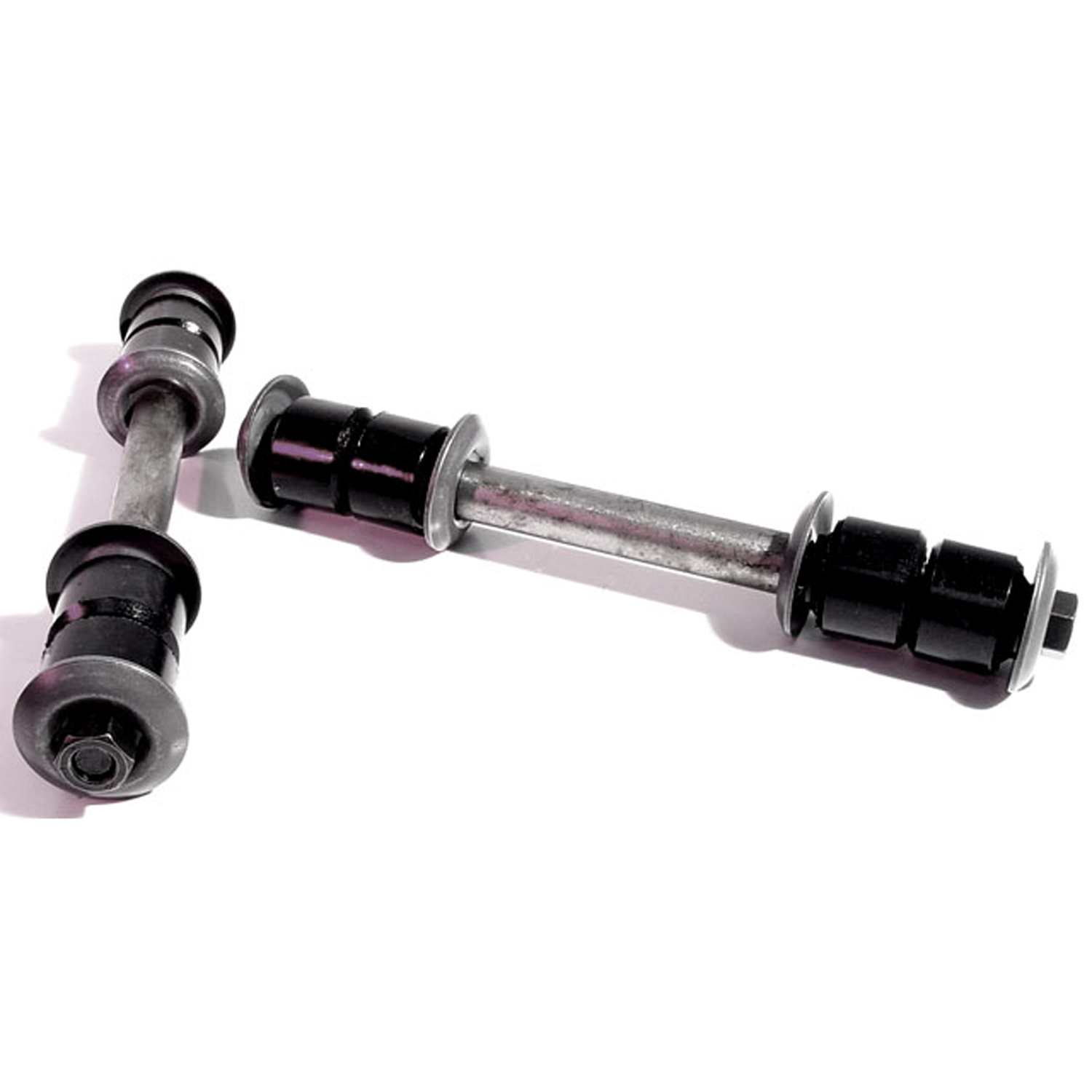 1976 Ford Gran Torino Front Stabilizer End Repair Kit-BNK 21Front Stabilizer End Repair Kit. 22-piece set for two stabilizer bars. Contains all rubber bushings, washers, bolts and nuts, enough for one front end. Set
Why Choose Metro?
For over 100 years, Metro Moulded Parts has been the pinnacle of quality in classic car restoration parts. Our commitment to precision and authenticity in every component ensures a perfect fit and an OEM-level appearance.
- Expert Craftsmanship & Quality: Each part is a testament to our dedication to reliability and perfection, crafted from original designs and thoroughly tested.
- Advanced Technology: We use cutting-edge techniques to create flawless, long-lasting parts that surpass others in performance.
- SuperSoft Sponge – The Ultimate Door Seal: Not only are our door seals 30% softer than competitors', but they're also guaranteed to never leak. They effectively reduce wind and road noise, enhancing your classic car's comfort and driving experience.
- Proudly American: Our parts are a product of American craftsmanship, made in the USA with a spirit of excellence and heritage.
- Unrivaled Warranty: We back our products with a 30-year industry-leading warranty, a testament to our confidence in their quality.
Join us in preserving the legacy of classic cars with parts that are crafted for perfection, not just made.