

Image of 1976 Ford Granada, Note: These illustrations use artistic license and may differ from actual historical models.
Performance Metrics
Fundamental Metrics
Emotional Appeal
MMP Rating
| Engine Specifications | |
|---|---|
| Engine Options: | 200 CID I6, 250 CID I6, 302 CID V8, 351 CID V8 |
| Displacement Range: | 200-351 cubic inches |
| Horsepower Range: | 78-149 hp (approximately) |
| Torque: | 122-274 lb-ft (approximately) |
| Compression Ratio: | 8.4:1 - 9.0:1 (approximately) |
| Ignition System: | Electronic ignition |
| Cooling System: | Liquid-cooled |
| Performance Specifications | |
| 0-60 Time: | 11-15 seconds (estimated) |
| 1/4 Mile Time: | 17-20 seconds (estimated) |
| Top Speed: | 105-115 mph (estimated) |
| Transmission and Drive | |
| Drive Type: | Rear-wheel drive |
| Transmission Type: | 3-speed automatic, 4-speed manual |
| Fuel and Efficiency | |
| Fuel System Type: | Carburetor |
| MPG: | 15-20 mpg (estimated) |
| Dimensions and Brakes | |
| Brakes: | Front disc, rear drum |
| Wheelbase: | 109.9 inches |
| Weight: | 3,200-3,600 lbs (approximately) |
Note: Specifications for classic cars are given to the best of our ability, considering the limited and variant data available.
1976 Ford Granada: American Comfort in a Compact Package
The 1976 Ford Granada offered a distinctly American answer to a changing car market: formal, comfortable styling and luxury-minded options in a car smaller than Ford’s traditional full-size sedans. Built by Ford Motor Company in the United States, the Granada arrived for 1975 and was aimed at buyers who wanted a more economical car without giving up the presence and amenities of a larger one.
Its timing mattered. The fuel crisis had made size and fuel economy major concerns, while European imports were attracting buyers with tidy dimensions and upscale appointments. Ford positioned the Granada between the compact Maverick and larger models, giving it a roomier, more refined feel than many domestic compacts. One memorable part of its early marketing was the comparison of the Granada’s price and comfort with those of European luxury cars. The message was unmistakable: a buyer could get a formal, well-equipped sedan without paying imported-car prices.
The Granada was not a direct copy of a European car. It used familiar Ford engineering and a body-on-frame layout, but dressed them in restrained styling and offered a surprisingly broad range of comfort and trim options. That combination helped make the model a strong seller and established a formula Ford would continue to use throughout the late 1970s.
Formal Styling and Granada Ghia Trim
The 1976 Granada wore a long hood, upright grille, squared-off roofline, and clean, slab-sided body. Its proportions gave it a more substantial appearance than its compact classification suggested. Rectangular headlamps, bright exterior trim, and a broad front bumper reinforced the car’s formal character. The styling was deliberately conservative, aimed at buyers who preferred a traditional sedan over the increasingly flamboyant shapes of earlier decades.
Ford offered the Granada in two-door and four-door sedan forms, with a station wagon also available in the early Granada range. The two-door sedan became the most recognizable version, especially when ordered with dress-up trim, though the four-door was a natural choice for family use. The wagon is much less commonly seen today.
Trim levels and equipment varied, but the Ghia was the upscale choice. It added a more luxurious cabin feel through details such as upgraded upholstery, carpeting, extra brightwork, and woodgrain-style accents. Depending on the car’s equipment, buyers could choose cloth or vinyl seating, bench or bucket seats, and comfort features such as air conditioning, power steering, and power brakes. A Sports Coupe package gave the two-door a more youthful look, with sportier interior and exterior details. Options and package contents could vary by production date and dealer order.
Factory paint choices changed from year to year, but buyers could choose from traditional Ford colors that included whites, blues, greens, reds, browns, and metallic shades. White and darker blue or green tones suited the Granada’s formal image particularly well. Today, original paint and trim combinations can make a well-preserved example stand out, especially when paired with the Ghia’s bright exterior details.
Comfort, Controls, and 1970s Technology
The Granada’s cabin prioritized comfort over sportiness. Its seats were broad and softly padded, the dashboard was straightforward, and the upright greenhouse gave the driver a clear view out. Ghia models could feel especially plush for a car in this class, though the materials were still rooted in mainstream Ford production rather than hand-finished luxury-car craftsmanship. Vinyl upholstery was durable and easy to clean, while cloth options gave the interior a more inviting feel.
By modern standards, the technology was simple. The Granada used conventional mechanical controls and familiar analog instruments, with available conveniences such as air conditioning, cruise control, power windows, and an AM/FM radio depending on specification. Power steering and power-assisted brakes were common choices that made the car easy to manage in town. Safety equipment reflected its era: it did not have modern airbags, stability control, or anti-lock brakes.
Underneath, the Granada relied on proven, serviceable hardware. Its body-on-frame construction and conventional suspension were less sophisticated than the unibody layouts used by many imports, but they were familiar to American mechanics and well suited to everyday driving. The result was a car designed to be comfortable and straightforward rather than technologically daring.
Why the Granada Mattered
The 1976 Granada is significant as part of Ford’s response to the new priorities of the 1970s. It was not a fully redesigned economy car, nor was it a traditional full-size sedan. Instead, it occupied the middle ground: smaller and generally more economical than a large Ford, yet more formal and comfort-oriented than a basic compact.
That positioning helped shape the American personal-luxury and near-luxury market. The Granada showed that buyers would respond to upscale trim and a conservative, European-influenced look even when the underlying engineering remained domestic and conventional. Ford’s Mercury division sold a closely related model called the Monarch, extending the same idea into a slightly more upscale showroom.
The Granada also illustrates an important distinction in 1970s car design. Its styling borrowed the visual cues of European sedans, but its construction, engines, and repair practices remained familiar to American owners. That mix made it approachable: it looked more sophisticated than a basic compact but did not require an imported-car specialist to maintain.
Engines, Speed, and Road Manners
Engine availability depended on body style and equipment, but the 1976 Granada range included six-cylinder engines and V8 options. Common choices included Ford’s 250-cubic-inch inline-six and 302-cubic-inch V8, with a 351-cubic-inch V8 offered in some configurations. Exact output varied with engine, emissions equipment, and transmission. Most cars used a three-speed automatic, while manual transmissions were available on certain versions.
Performance was respectable for a comfortable mid-1970s sedan, but the Granada was not a sports car. A six-cylinder model was suited to relaxed commuting and could feel slow when fully loaded or climbing a steep grade. A 302-powered car offered stronger acceleration and better passing ability. As a broad period-performance estimate, a V8 Granada could reach 60 mph in roughly 10 to 13 seconds, while a six-cylinder example might take around 14 to 17 seconds. Depending on engine, gearing, condition, and test method, top speed was generally in the neighborhood of 95 to 110 mph. Treat those figures as approximate rather than as a single factory specification for every car.
On the road, the Granada’s character was soft and composed. Its suspension absorbed ordinary pavement joints and rough urban streets comfortably, while the relatively long body and cushioned seats made highway trips easy. On winding roads, body lean and a slow steering response reminded the driver that comfort, not cornering precision, was the priority. Crosswinds could also make a car on period tires feel less settled than a modern sedan.
A healthy V8 adds a subdued American rumble, particularly under acceleration, while the automatic transmission shifts without demanding much from the driver. The steering is light with power assist, and the brakes are conventional and predictable when properly maintained. Driving one today is a reminder of a time when a smooth ride and an uncluttered cabin mattered more than sharp turn-in or rapid acceleration.
Living With a 1976 Granada
Most Granadas served as family cars, commuter sedans, or comfortable transportation for drivers who wanted something more polished than a basic compact. Today, they are more likely to appear as weekend classics, local show cars, or affordable restoration projects than as regular daily drivers. They were not designed for racing, and their value is usually in their period character, originality, and comfort.
Routine maintenance is generally manageable for a mechanically confident owner. Ford used widely understood components, and many service parts remain available through specialist suppliers and standard classic-car channels. The familiar carburetor, automatic transmission, suspension, and brake systems can usually be serviced by a general mechanic. Parts specific to the body, interior, and trim can be harder to source, so preserving original badges, upholstery, and brightwork is worthwhile.
Before buying, inspect the frame and body carefully for rust, especially around the floor pans, lower body panels, wheel openings, trunk, and suspension mounting areas. Check the cooling system, carburetor, vacuum hoses, electrical connections, and automatic transmission operation. Worn suspension bushings, tired shocks, and aging brake components can dull the car’s ride and steering feel. As with any nearly 50-year-old car, maintenance history and condition matter more than the badge on the trunk.
Granada Trivia and Common Criticisms
The Granada’s best-known claim to fame is its role in Ford’s attempt to bring a taste of European-style formality to a mainstream American car. Its comparison advertising helped make the name familiar, and the car’s success showed that buyers were interested in a smaller sedan with a more luxurious image. The Mercury Monarch shared the basic concept, while offering its own trim and styling details.
There is no widely recognized 1976 Granada speed or endurance record, and no single rare edition dominates the model’s history. Special equipment packages, unusual color combinations, and particularly original Ghia cars are more likely to interest collectors than a formal limited-production performance model. Granada production was substantial. A reasonable estimate for 1976 is roughly half a million Ford Granadas, although totals can differ depending on how body styles and production figures are counted. That makes the model far from rare in historical terms, even though surviving examples are much scarcer today.
Common criticisms include modest six-cylinder performance, soft handling, and fuel consumption that can feel high by modern standards, especially with a V8. The cabin materials and build quality also vary from car to car, and age has taken a toll on many interiors and exterior trim pieces. On the other hand, those shortcomings are balanced by straightforward mechanicals, a comfortable ride, and a distinctly 1970s design that is increasingly unusual on today’s roads.
Collector Values and Availability
The 1976 Granada remains an affordable classic compared with better-known muscle cars and luxury sedans. As a broad current-market estimate, a project car or rough driver may sell for about $1,000 to $3,000. A running, presentable example often falls in the $3,000 to $7,000 range, while a clean, well-preserved Ghia or unusually original car can bring roughly $7,000 to $12,000 or more. Exceptional examples may exceed that range, but asking prices are not the same as completed sales, and condition has a major effect on value.
Granadas are not especially rare, but finding one with sound structure, complete trim, and a tidy interior can take patience. Prices have generally remained modest rather than showing the sharp appreciation seen in more famous collector cars. A gradual rise in interest is possible as more enthusiasts seek overlooked 1970s cars, but the Granada is best bought for its character and enjoyment, not as a guaranteed investment. Originality, rust-free condition, documentation, and desirable trim are the strongest factors in resale value.
Why the 1976 Ford Granada Still Deserves a Look
The 1976 Ford Granada combined conservative American styling, a comfortable cabin, familiar mechanicals, and a more compact footprint than a full-size sedan. It was not a performance car or a technological showpiece, but it answered a very specific moment in automotive history with a practical and appealing formula.
Today, a Granada offers an accessible way to experience the quieter side of 1970s motoring. Find a solid example, keep its straightforward systems in good order, and it delivers an honest slice of Ford history: a comfortable, confident sedan that made everyday transportation feel just a little more upscale.
1976 Ford Granada Catalog of Parts
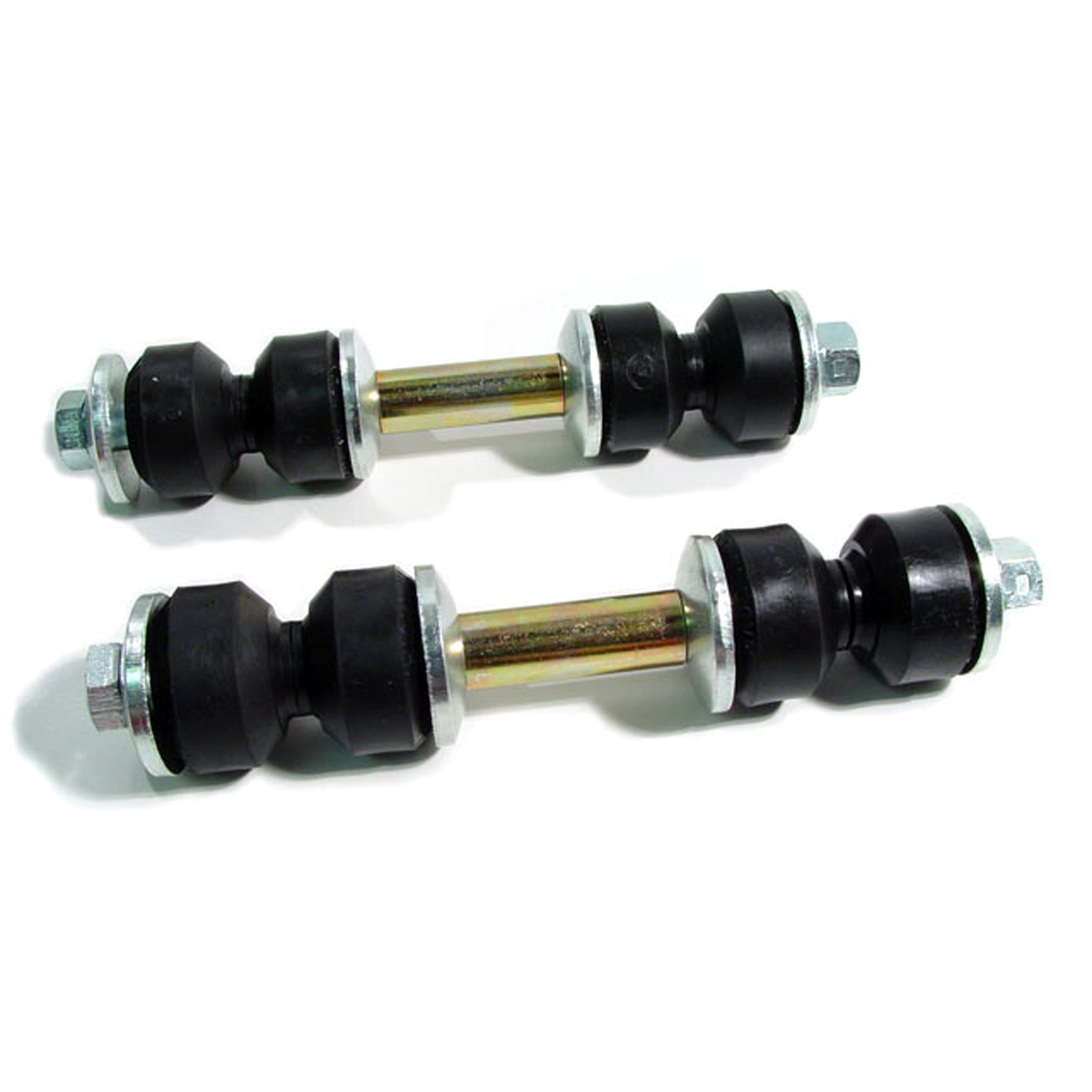 1976 Ford Granada Front Stabilizer End Repair Kit-BNK 22Front Stabilizer End Repair Kit. 22-piece set for two stabilizer bars. Contains all rubber bushings, washers, bolts and nuts, enough for one front end. Set
Why Choose Metro?
For over 100 years, Metro Moulded Parts has been the pinnacle of quality in classic car restoration parts. Our commitment to precision and authenticity in every component ensures a perfect fit and an OEM-level appearance.
- Expert Craftsmanship & Quality: Each part is a testament to our dedication to reliability and perfection, crafted from original designs and thoroughly tested.
- Advanced Technology: We use cutting-edge techniques to create flawless, long-lasting parts that surpass others in performance.
- SuperSoft Sponge – The Ultimate Door Seal: Not only are our door seals 30% softer than competitors', but they're also guaranteed to never leak. They effectively reduce wind and road noise, enhancing your classic car's comfort and driving experience.
- Proudly American: Our parts are a product of American craftsmanship, made in the USA with a spirit of excellence and heritage.
- Unrivaled Warranty: We back our products with a 30-year industry-leading warranty, a testament to our confidence in their quality.
Join us in preserving the legacy of classic cars with parts that are crafted for perfection, not just made.