

Image of 1976 Ford Ltd, Note: These illustrations use artistic license and may differ from actual historical models.
Performance Metrics
Fundamental Metrics
Emotional Appeal
MMP Rating
| Engine Specifications | |
|---|---|
| Engine: | 351 cu in (5.8 L) Windsor V8, 400 cu in (6.6 L) Cleveland V8, 460 cu in (7.5 L) 385 V8 |
| Displacement: | 351-460 cu in |
| Horsepower: | 152-224 hp |
| Torque: | 276-388 lb-ft |
| Compression Ratio: | 8.0:1 - 8.5:1 |
| Ignition System: | Electronic ignition |
| Cooling System: | Liquid-cooled |
| Performance Specifications | |
| 0-60 Time: | 10-12 seconds |
| 1/4 Mile Time: | 17-19 seconds |
| Top Speed: | 115-120 mph |
| Transmission and Drive | |
| Drive Type: | Rear-wheel drive |
| Transmission Type: | 3-speed automatic |
| Fuel and Efficiency | |
| Fuel System Type: | Carburetor |
| MPG: | 10-12 mpg |
| Dimensions and Brakes | |
| Brakes: | Front disc, rear drum |
| Wheelbase: | 114.0 in |
| Weight: | 4,000-4,500 lbs |
Note: Specifications for classic cars are given to the best of our ability, considering the limited and variant data available.
1976 Ford LTD: Big-Sedan Comfort in a Changing America
The 1976 Ford LTD was built for a time when a full-size American car meant real shoulder room, a long hood, and a V8 under the bonnet. Produced by Ford Motor Company, it belonged to the third generation of the full-size LTD, introduced for 1973. In the middle of the 1970s, buyers still valued a quiet, comfortable highway cruiser, even as fuel prices, emissions rules, and new safety standards began reshaping the industry.
The LTD’s importance lies less in radical innovation than in how confidently it represented the traditional American sedan. It was roomy, richly trimmed, and available with substantial V8 power. A useful point of distinction for collectors is that the full-size 1976 LTD is not the same car as the LTD II. The LTD II was a smaller, midsize model with different underpinnings, while the LTD reviewed here was Ford’s large flagship family car.
There is also a fascinating bit of timing: 1976 was the United States Bicentennial year, and the LTD was part of a generation of cars that captured the country’s last great era of full-size, rear-wheel-drive sedans before Ford downsized the LTD for 1979.
Long, Formal Styling and a Well-Trimmed Cabin
The 1976 LTD wore the classic proportions of a big American car: a long hood, broad shoulders, an upright grille, and a substantial rear deck. Its front end used a wide, formal grille framed by dual headlamps. Brightwork, sculpted body sides, and carefully shaped bumpers gave it a dressed-up appearance without making it look as ornate as some luxury rivals. The federally required energy-absorbing bumpers added visual bulk, but also reflected the safety regulations of the period.
Ford offered the LTD in several body styles, including a two-door hardtop, a four-door sedan, and a four-door hardtop sedan. The two-door hardtop, especially with a vinyl roof and upscale trim, has enduring curb appeal. Ford’s LTD wagon and Country Squire occupied the same broad family-car territory, but the Country Squire was a distinct, woodgrain-sided model rather than simply a sedan with extra cargo space.
Trim levels and options helped buyers tailor the car. The Brougham package emphasized luxury, while Landau-style roof treatments and padded vinyl coverings gave some coupes a more formal look. Paint choices varied by trim and production run, but period colors included shades of white, red, blue, green, tan, brown, and metallic silver. White and earth tones paired especially well with vinyl roofs and plush interiors, while darker blues and reds gave the large body a more dramatic presence.
Inside, the LTD prioritized space and comfort. Wide bench seats, generous legroom, deep carpeting, and broad door panels made it feel more like a lounge than a compact modern car. Depending on specification, buyers could choose cloth, vinyl, or combinations of the two, along with upgraded upholstery, woodgrain-style trim, power windows, power locks, and air conditioning. The materials were chosen for comfort and a convincing luxury impression, though age can leave original vinyl cracked and seat foam flattened.
Its technology was practical rather than futuristic. Power-assisted steering and brakes were typical of the class, and automatic transmission made the LTD easy to drive in traffic. A 1976 car also reflects the period’s growing emphasis on emissions control and safety equipment. Ford’s Duraspark electronic ignition system was part of the era’s move away from older ignition technology, while energy-absorbing steering columns and compliant bumpers addressed evolving federal requirements.
Why the LTD Mattered in the Full-Size Era
The 1976 LTD was not a design revolution, but it was a polished example of the conventional American full-size car at a crossroads. Its large cabin, rear-wheel-drive layout, V8 options, and soft ride represented decades of buyer expectations. At the same time, its engineering had to accommodate stricter emissions standards, safety regulations, and changing fuel economics.
What set it apart from many contemporaries was its combination of size, availability, and broad appeal. The LTD could serve as a family sedan, a comfortable executive car, or a fleet vehicle. Ford offered upscale trim without moving the buyer into a separate luxury marque, making the LTD a familiar sight in driveways, rental fleets, and government service.
Its lasting influence is best understood as part of a transition. The 1976 model belongs to the final generation of traditionally large LTDs. In 1979, Ford shifted the nameplate to a smaller, more fuel-conscious platform. That later downsizing makes the 1976 car especially representative of the pre-downsizing full-size Ford formula.
V8 Power, Highway Manners, and a Soft Ride
Engine availability depended on configuration and market, but the 1976 LTD was offered with V8 power, including 351-cubic-inch and 400-cubic-inch engines, with a 460-cubic-inch V8 available in some versions. Exact output varied with engine, emissions equipment, and calibration. These were not high-revving performance engines by modern standards. They were designed to move a heavy car smoothly, with useful low-speed torque and relaxed cruising manners.
Performance figures also vary by engine, axle ratio, and vehicle condition. As a broad period-style estimate, a 351-equipped LTD could take roughly 11 to 14 seconds to reach 60 mph. A 460-equipped example might manage the run in around 9 to 11 seconds. Top speed was generally in the neighborhood of 105 to 115 mph, though tires, gearing, and mechanical condition matter greatly. The LTD was a substantial sedan, not a purpose-built high-speed machine.
On the road, the car’s strengths are clear. Its long wheelbase and soft suspension help it glide over broken pavement and highway expansion joints. The steering is light, particularly with power assist, and the cabin is insulated from much of the engine and road noise. On a winding road, however, body roll and a less immediate steering response remind the driver that this car favors comfort over agility. Strong crosswinds can also make its broad body feel less settled than a modern sedan.
From behind the wheel, the experience is unmistakably 1970s Ford: a broad view over the hood, a roomy bench seat, and a V8 note that becomes a muted burble under acceleration. The automatic transmission and light controls make ordinary driving easy. The reward is not sharp cornering or quick acceleration, but the relaxed, cushioned feel of a big rear-drive cruiser.
Living With a 1976 Ford LTD
Today, an LTD is most often used as a weekend cruiser, family heirloom, show car, or nostalgic daily driver. It is not a common choice for racing, although the V8 and rear-wheel-drive layout can make it a suitable starting point for a period-style custom or street build. Its size and fuel consumption are worth considering before choosing one for everyday use.
Basic maintenance is familiar to many classic-car owners. The V8 layout leaves much of the engine accessible, and routine jobs such as ignition service, fluid changes, and brake work are generally straightforward for a capable home mechanic. Parts for common mechanical components remain available through classic Ford suppliers and general parts networks, although trim pieces, interior details, and model-specific body parts can take more searching.
As with any nearly 50-year-old car, condition matters more than the odometer reading. Inspect the frame and body for rust, especially around lower body panels, floors, trunk areas, and suspension mounting points. Check the transmission, cooling system, steering and brake components, and all power accessories. A car that has sat unused may need fuel-system work, fresh tires, rubber parts, and a thorough brake inspection before it is roadworthy.
Little-Known LTD Details and Common Complaints
The LTD name first appeared on an upscale version of Ford’s Galaxie for 1965, before becoming a model line in its own right. The full-size LTD also had a long association with police and fleet service across its broader history, thanks to its spacious cabin and V8 layout. That connection is part of the model’s reputation, though not every 1976 LTD was built as a police car.
There is no universally recognized, high-volume 1976 LTD special edition comparable to some limited-run muscle cars. Upscale Brougham trim, Landau roof treatments, and well-optioned examples are more useful identifiers for collectors than claims of a rare factory edition. Because surviving cars are often modified or have incomplete paperwork, verify original equipment through documentation where possible.
The model’s most frequent criticisms are familiar: it is large, heavy, thirsty, and less nimble than a smaller car. Its fuel economy is modest by modern standards, and emissions equipment can complicate diagnosis if it has not been maintained. On the plus side, its conventional construction and straightforward V8 powertrain make it approachable for owners who enjoy hands-on repairs.
1976 Ford LTD Values and Collector Outlook
Production totals are not always easy to compare across body styles and trim levels, so any single number should be treated as an estimate. A reasonable broad estimate for 1976 LTD-series cars is approximately 300,000 to 350,000, with totals depending on which versions and related wagon models are counted. The LTD was a popular mass-market car, so it is not exceptionally rare in the way a low-production performance model might be. Clean, original survivors are much less common than the production figure suggests.
In the current classic-car market, a rough-condition project may sell for around $1,500 to $4,000. A running driver in presentable condition could fall in the $4,000 to $9,000 range, while a well-kept, largely original example may bring roughly $9,000 to $16,000. Exceptional cars, especially those with desirable equipment, documented history, or a strong restoration, can exceed that range. These are broad U.S. estimates, and local demand, rust, originality, and mechanical condition can shift the price substantially.
The LTD has generally appreciated more slowly than famous muscle cars and luxury collectibles. Its appeal is growing among buyers seeking affordable 1970s nostalgia, but it remains a value-oriented classic rather than a guaranteed investment. Original trim, a sound body, and a complete interior usually matter more to buyers than expensive modifications.
A Classic Ford Built for the Open Road
The 1976 Ford LTD combines generous proportions, V8 character, and a comfortable ride in a package that captures the end of the traditional full-size American sedan era. It was not built to carve through corners or sip fuel. It was built to carry people in comfort, cross long distances with ease, and make an ordinary drive feel a little more substantial.
For collectors, the LTD offers an appealing way into classic Ford ownership without the price of a headline-grabbing muscle car. Find a solid, complete example, give its mechanical systems careful attention, and this big Ford still delivers the relaxed presence that made it a favorite in its day.
1976 Ford Ltd Catalog of Parts
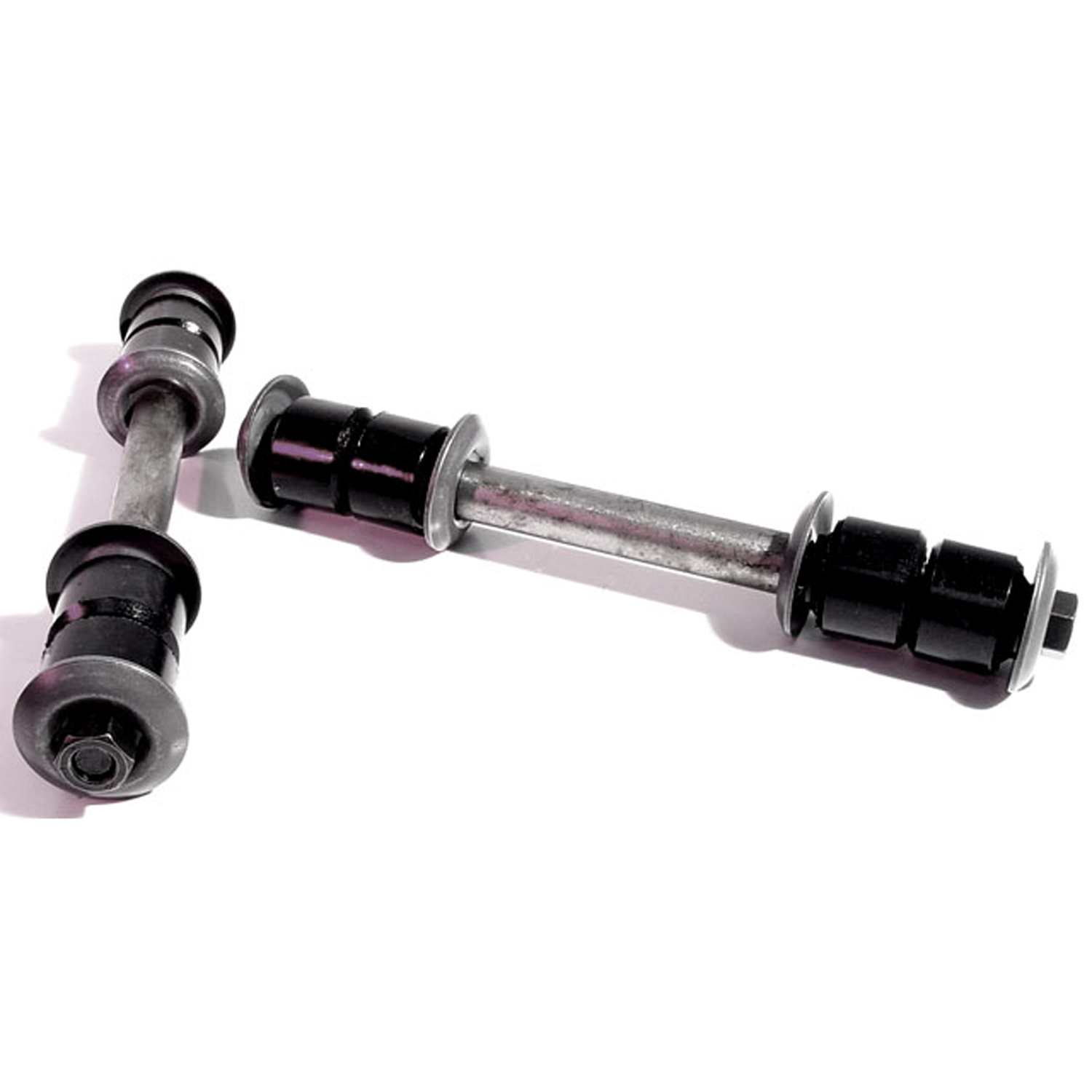 1976 Ford LTD Front Stabilizer End Repair Kit-BNK 21Front Stabilizer End Repair Kit. 22-piece set for two stabilizer bars. Contains all rubber bushings, washers, bolts and nuts, enough for one front end. Set
Why Choose Metro?
For over 100 years, Metro Moulded Parts has been the pinnacle of quality in classic car restoration parts. Our commitment to precision and authenticity in every component ensures a perfect fit and an OEM-level appearance.
- Expert Craftsmanship & Quality: Each part is a testament to our dedication to reliability and perfection, crafted from original designs and thoroughly tested.
- Advanced Technology: We use cutting-edge techniques to create flawless, long-lasting parts that surpass others in performance.
- SuperSoft Sponge – The Ultimate Door Seal: Not only are our door seals 30% softer than competitors', but they're also guaranteed to never leak. They effectively reduce wind and road noise, enhancing your classic car's comfort and driving experience.
- Proudly American: Our parts are a product of American craftsmanship, made in the USA with a spirit of excellence and heritage.
- Unrivaled Warranty: We back our products with a 30-year industry-leading warranty, a testament to our confidence in their quality.
Join us in preserving the legacy of classic cars with parts that are crafted for perfection, not just made.