

Image of 1976 Ford Torino, Note: These illustrations use artistic license and may differ from actual historical models.
Performance Metrics
Fundamental Metrics
Emotional Appeal
MMP Rating
| Engine Specifications | |
|---|---|
| Engine: | 351 Windsor V8, 400 Modified V8, 460 Lima V8 |
| Displacement: | 351 - 460 cubic inches |
| Horsepower: | 152 - 202 hp |
| Torque: | 274 - 353 lb-ft |
| Compression Ratio: | 8.0:1 - 8.5:1 |
| Ignition System: | Conventional breaker-point ignition system |
| Cooling System: | Liquid-cooled |
| Performance Specifications | |
| 0-60 Time: | 10 - 12 seconds |
| 1/4 Mile Time: | 17 - 19 seconds |
| Top Speed: | 105 - 115 mph |
| Transmission and Drive | |
| Drive Type: | Rear-wheel drive |
| Transmission Type: | 3-speed automatic, 4-speed manual |
| Fuel and Efficiency | |
| Fuel System Type: | Carburetor |
| MPG: | 10 - 14 mpg |
| Dimensions and Brakes | |
| Brakes: | Front disc, rear drum |
| Wheelbase: | 114 inches |
| Weight: | 3,500 - 4,000 lbs |
Note: Specifications for classic cars are given to the best of our ability, considering the limited and variant data available.
1976 Ford Torino: The Last Year of a Classic
The 1976 Ford Torino arrived with a broad grille, squared-off styling, and the easygoing presence of a full-size American cruiser. It was also the final Torino: after a decade in Ford’s lineup, the nameplate gave way to the LTD II for 1977.
Ford introduced the Torino in 1968 as a more upscale branch of the Fairlane family. By 1970, Torino had become its own model line, available in several body styles and ranging from practical family transport to sporty V8 coupes. The 1976 model reflected a very different automotive moment than the high-performance Torinos of the late 1960s. Rising fuel prices, stricter emissions rules, and changing safety standards had shifted priorities toward comfort and everyday usability.
Torino fans may know the name from NASCAR’s late-1960s aero cars or from the red-and-white Gran Torino in the television show Starsky & Hutch. That famous TV car was a 1974 model, not a 1976, but it helped keep the Torino’s image alive. The 1976 car is notable for another reason: it closed the book on the nameplate and its long-running platform.
Torino Styling and Trim
The 1976 Torino wore a substantial, formal look. Its revised front end featured rectangular headlamps and a broad grille, while the long hood and gently sloping roof gave the two-door models a classic American coupe profile. The four-door sedan looked more upright and conservative. Station wagons added a long roof, large side windows, and the practical proportions expected of a family hauler.
Ford offered Torino models in several levels of trim, including the Torino, Gran Torino, and more luxurious Gran Torino Brougham, with availability varying by body style. The Brougham emphasized a dressier appearance and a more comfortable cabin. Some models could be ordered with a vinyl roof, extra exterior brightwork, and wheel covers that gave the car a more polished, formal character.
Inside, the Torino favored space and comfort over a cockpit-like layout. Wide seats, generous legroom, and a broad dashboard made it well suited to long trips. Depending on trim and options, upholstery came in cloth, vinyl, or combinations of the two. The materials were typical of mid-1970s Detroit cars: durable and comfortable, though not especially luxurious by modern standards. Buyers could add amenities such as air conditioning, power windows, cruise control, and an AM/FM radio or stereo.
Factory paint choices varied by trim and production period, but the palette included familiar period colors such as white, red, blue, green, brown, and metallic shades. Deep reds and blues suited the Torino’s substantial shape, while white and earth tones were common choices for family sedans and wagons. A contrasting vinyl roof or two-tone treatment could add visual distinction.
Body Styles and Options
The Torino lineup covered several needs. Buyers could choose a two-door hardtop, a four-door sedan, or a four-door station wagon, with the precise trim combinations depending on the model. The two-door Gran Torino is often the most recognizable today, thanks to its sweeping roofline and strong connection to the Torino’s sporty past. The wagons, especially well-equipped versions, are now appealing to collectors who want something less common than another coupe.
Ford also offered practical equipment suited to the era, including automatic transmissions, power steering, power brakes, air conditioning, and comfort-focused interior upgrades. The Torino was not a high-tech car by today’s standards, but conveniences such as cruise control and factory air conditioning made it a capable highway companion.
Why the 1976 Torino Matters
The Torino’s historical importance reaches beyond its final model year. Its earlier versions helped Ford compete in the increasingly important intermediate-car market, and the name became closely associated with NASCAR. Ford’s high-speed Torino-based racers, including the aerodynamic Talladega, were developed to improve performance on superspeedways. Those competition cars belong to the Torino’s earlier history, but they established a performance reputation that remained part of the model’s identity.
By 1976, the Torino had changed with the times. It was heavier and more comfort-oriented than the original muscle-era cars, and its engines were tuned to meet emissions and fuel-economy demands. That shift makes the final Torino an interesting snapshot of Detroit in transition: still rear-wheel drive and V8-friendly, but increasingly focused on comfort, safety, and regulatory compliance.
Compared with smaller, newer designs on the horizon, the Torino offered traditional American-car virtues: a roomy cabin, a long wheelbase, and a relaxed ride. Its successor, the Ford LTD II, carried much of the same basic concept into the next model year. The Torino name itself, however, was retired.
Engines, Speed, and Road Manners
Depending on model and equipment, 1976 Torino buyers could choose from engines that included a 250-cubic-inch inline-six and several V8s, such as 302-, 351-, 400-, and 460-cubic-inch options. Power ratings varied by engine and configuration. In approximate SAE net figures, output ranged from around 100 horsepower for the six-cylinder to roughly 200 horsepower for the largest V8. These were modest numbers compared with the gross horsepower ratings advertised earlier in the muscle-car era.
Most Torinos were paired with an automatic transmission, with the exact gearbox depending on the engine. The combination made for relaxed cruising rather than hard launches. A six-cylinder or small-V8 car could take roughly 12 to 15 seconds to reach 60 mph, while a well-equipped big-block car might manage it in about 10 to 12 seconds. Approximate top speeds generally fall in the 100 to 110 mph range, though engine, gearing, condition, and tires all make a difference. These are estimates, not guaranteed factory test figures for every configuration.
On the road, the Torino feels like a traditional body-on-frame American car. Its suspension does a good job of softening ordinary bumps, and the long wheelbase helps it settle into a comfortable highway rhythm. In tight corners or on a winding road, the trade-offs are clear: body roll, relatively slow steering response, and a preference for smooth, measured inputs. Front disc brakes and rear drum brakes provide period-appropriate stopping power, but a modern driver should leave plenty of room and remember that the car’s tires and braking systems are not contemporary performance equipment.
From behind the wheel, the Torino’s appeal is more about atmosphere than speed. A V8 produces a low, familiar burble, the hood stretches out ahead, and the soft suspension encourages an unhurried pace. It feels substantial without being complicated to drive, especially with power steering and an automatic transmission. The experience is less “muscle car” than “comfortable American cruiser.”
Living With a 1976 Torino
Today, a Torino can serve as a weekend driver, a local-show car, or a nostalgic family cruiser. A sound sedan or wagon can also be used for occasional errands, though fuel consumption, age-related repairs, and the limited availability of some trim pieces make it less convenient than a modern daily driver.
Mechanical work is generally approachable for an owner with basic tools and experience. Ford V8s and many common transmission and brake components are familiar to classic-car shops, and routine jobs such as tune-ups, brake service, and suspension repairs are usually straightforward. The harder challenges are often rust, worn interior materials, and locating model-specific exterior trim or well-preserved body panels. Inspect the frame, floor pans, lower body, wheel openings, and windshield areas carefully before buying.
Reliability depends less on the Torino’s original reputation than on the condition of the individual car. A neglected example may need extensive work to its cooling system, fuel system, brakes, wiring, or suspension. A properly maintained car can be dependable for the kind of limited, fair-weather driving most owners expect from a classic.
Torino Trivia and Common Criticisms
The name “Torino” was inspired by Turin, Italy, a city with a long automotive tradition. The model’s earlier NASCAR success helped cement its performance image, but the 1976 version was built for a more comfort-oriented market. It should not be confused with the 1974 Gran Torino used for Starsky & Hutch, one of the most recognizable television cars of the decade.
There is no widely recognized speed or endurance record specific to the 1976 Torino. Its most important competition legacy comes from earlier Torino-based NASCAR racers. The final-year model’s distinction is its place at the end of the line, rather than a record-setting performance achievement.
Common criticisms include heavy fuel use, ponderous handling, and a cabin that can feel plain or dated. The car’s size can also make parking and maneuvering in tight spaces less pleasant than in a modern vehicle. On the other hand, the same dimensions provide generous passenger space and a calm ride, which were major selling points when the car was new.
Collector Value and Availability
As a rough estimate, the 1976 Torino family produced around 190,000 to 195,000 cars across its body styles and trims. That is a broad model-line estimate, not a count of any one configuration. Torinos are not especially difficult to find compared with rare muscle cars, but clean, original examples are much less common than tired cars or modified projects.
In today’s collector market, a project or rough driver might sell for roughly $2,000 to $6,000. A usable, presentable car often falls in the $7,000 to $15,000 range, while a clean, well-restored, or particularly desirable example can reach approximately $15,000 to $25,000 or more. Exceptional cars may exceed that range, but condition, originality, engine, body style, and local demand matter greatly. Wagons can attract interest precisely because they are less common at shows, though rarity alone does not guarantee a higher price.
Values have generally been steadier than those of high-profile muscle cars. Well-kept examples have room to appreciate gradually as interest in 1970s American cars grows, but the Torino is not usually a quick-return investment. Restoration costs can easily outpace the value of the finished car, so buying the best body and interior you can afford is often wiser than starting with the cheapest project.
The Final-Year Torino in Perspective
The 1976 Ford Torino is a roomy, comfortable classic that captures Detroit’s move from the muscle-car boom toward a more regulated and comfort-focused era. Its broad styling, range of body styles, and accessible mechanicals make it an appealing choice for owners who enjoy traditional American cars without needing a rare or high-powered showpiece.
It may not be the quickest Torino, and it does not carry the fame of the NASCAR racers or the television Gran Torino. But as the last car to wear the name, it has its own significance: a substantial, easygoing Ford that closed a chapter in the company’s history.
1976 Ford Torino Catalog of Parts
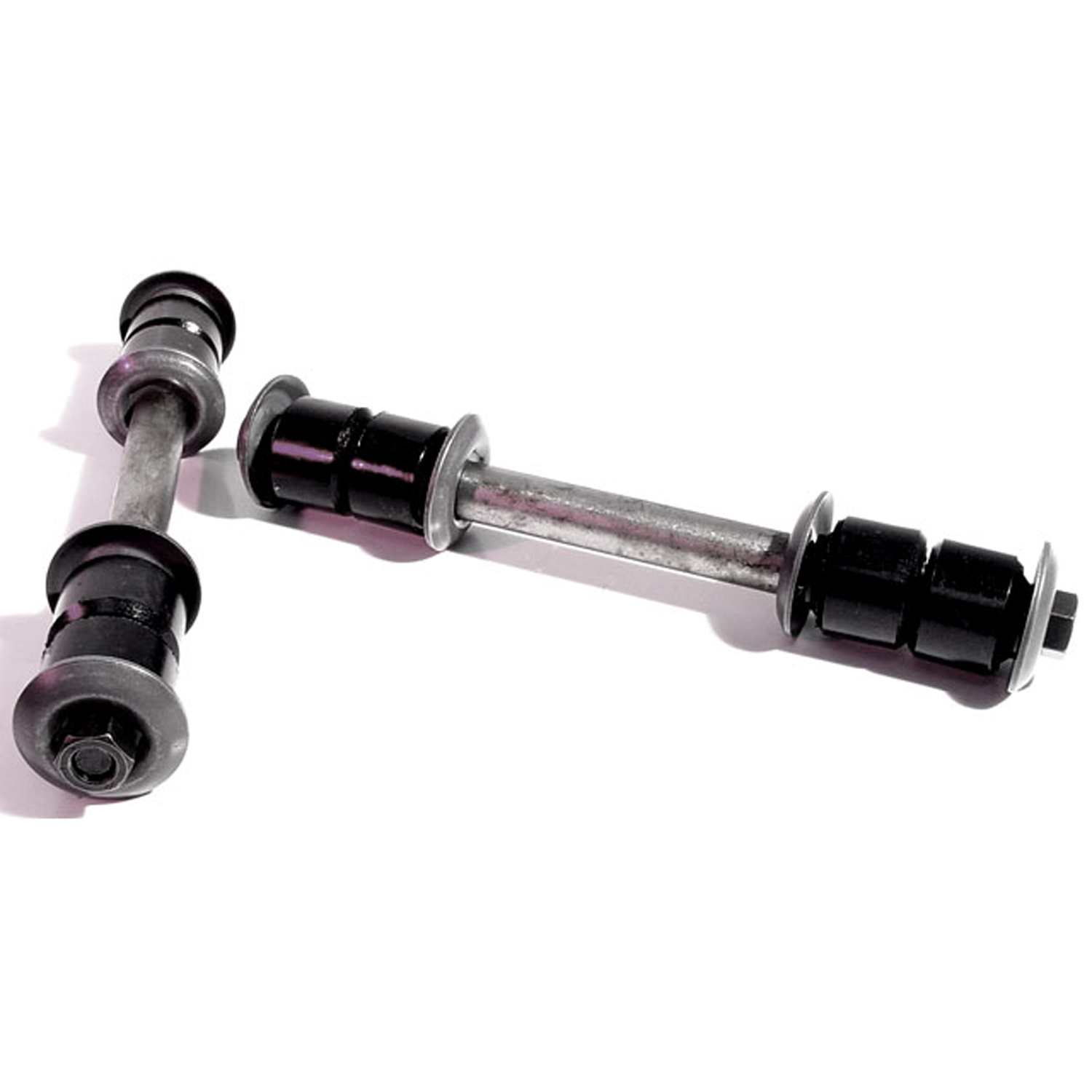 1976 Ford Torino Front Stabilizer End Repair Kit-BNK 21Front Stabilizer End Repair Kit. 22-piece set for two stabilizer bars. Contains all rubber bushings, washers, bolts and nuts, enough for one front end. Set
 1976 Ford Torino Hood to Cowl Seal, with Clips. 58-1/2" long. Each-CS 33-BHood to Cowl Seal, with Clips. 58-1/2" long. Each
Why Choose Metro?
For over 100 years, Metro Moulded Parts has been the pinnacle of quality in classic car restoration parts. Our commitment to precision and authenticity in every component ensures a perfect fit and an OEM-level appearance.
- Expert Craftsmanship & Quality: Each part is a testament to our dedication to reliability and perfection, crafted from original designs and thoroughly tested.
- Advanced Technology: We use cutting-edge techniques to create flawless, long-lasting parts that surpass others in performance.
- SuperSoft Sponge – The Ultimate Door Seal: Not only are our door seals 30% softer than competitors', but they're also guaranteed to never leak. They effectively reduce wind and road noise, enhancing your classic car's comfort and driving experience.
- Proudly American: Our parts are a product of American craftsmanship, made in the USA with a spirit of excellence and heritage.
- Unrivaled Warranty: We back our products with a 30-year industry-leading warranty, a testament to our confidence in their quality.
Join us in preserving the legacy of classic cars with parts that are crafted for perfection, not just made.