
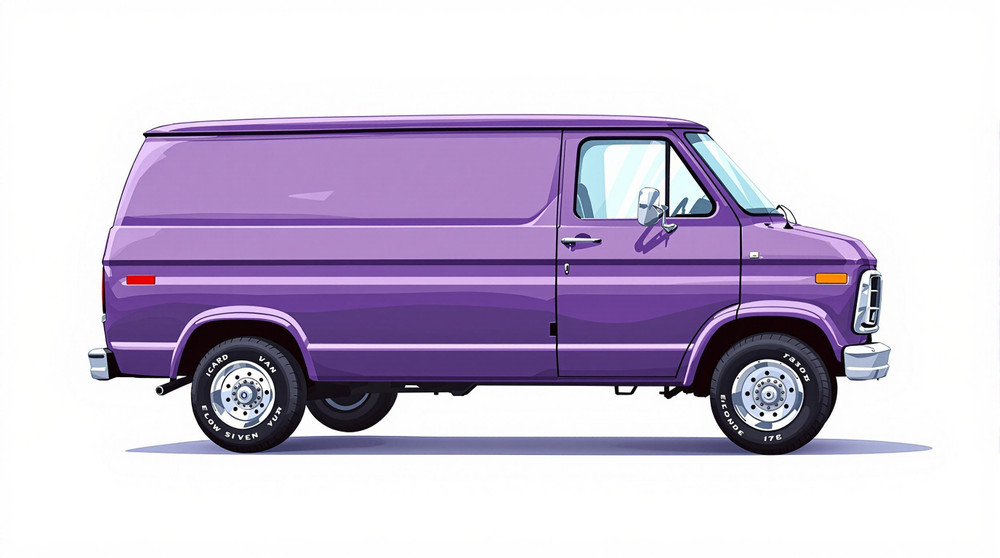
Image of 1977 Ford E-350 Econoline, Note: These illustrations use artistic license and may differ from actual historical models.
Performance Metrics
Fundamental Metrics
Emotional Appeal
MMP Rating
| Engine Specifications | |
|---|---|
| Engine: | 351M V8, 400 V8 |
| Displacement: | 5.8L - 6.6L |
| Horsepower: | 150-180 HP |
| Torque: | 275-315 lb-ft |
| Compression Ratio: | 8.0:1 - 8.4:1 |
| Ignition System: | Electronic Ignition |
| Cooling System: | Liquid-cooled |
| Performance Specifications | |
| 0-60 Time: | Estimated 12-15 seconds |
| 1/4 Mile Time: | Estimated 18-20 seconds |
| Top Speed: | 85-90 mph |
| Transmission and Drive | |
| Drive Type: | Rear-wheel drive |
| Transmission Type: | 3-speed automatic |
| Fuel and Efficiency | |
| Fuel System Type: | Carburetor |
| MPG: | Estimated 10-12 mpg |
| Dimensions and Brakes | |
| Brakes: | Front disc, rear drum |
| Wheelbase: | 138 inches |
| Weight: | 4,500-5,000 lbs |
Note: Specifications for classic cars are given to the best of our ability, considering the limited and variant data available.
1977 Ford E-350 Econoline: A One-Ton Van with Big Ambitions
The 1977 Ford E-350 Econoline was built to haul more than people and luggage: it could serve as a work truck, family bus, delivery van, or the foundation for a road-going camper. Made by Ford Motor Company, it belonged to the third-generation Econoline range, introduced for 1975. That redesign gave the van a longer nose and moved its engine farther forward, a major change from the cab-forward layout of earlier Econolines.
The timing was significant. The fuel-conscious mood of the 1970s encouraged smaller vehicles, but businesses and families still needed substantial cargo and passenger capacity. Ford’s full-size van met that demand with a heavy-duty chassis and a range of configurations. The E-350 sat at the top of the Econoline lineup as its one-ton model, intended for heavier loads and more demanding service than the E-100 or E-250.
One detail that helps explain the van’s appeal is its adaptability. A buyer could start with a basic cargo van, a passenger-focused Club Wagon, or a cutaway chassis and have the vehicle equipped for a specialized job. That versatility helped make the Econoline a familiar sight in trades, fleets, and recreational vehicle conversions.
Exterior Design and Cabin Features
The 1977 Econoline had a squared-off, purposeful appearance, with a broad upright grille, rectangular headlamps, a tall windshield, and a short hood by passenger-car standards. Its front-engine layout gave it a more conventional profile than the earlier forward-control vans, while the tall roof and nearly vertical sides made the most of its interior volume. The E-350’s heavy-duty stance came from its substantial chassis and load-carrying purpose rather than decorative trim.
Inside, the emphasis was practical. The driver faced simple, easy-to-read instruments and straightforward controls, with durable vinyl commonly used in working interiors. Depending on trim and equipment, buyers could choose more comfortable seating and passenger-oriented appointments. The engine sat beneath a removable interior doghouse cover, placing it close to the driver and front passenger. That arrangement made the powertrain accessible, but it also brought engine heat and mechanical noise into the cabin.
Available equipment varied by configuration and order. Power steering and power brakes made a large van easier to manage, while an automatic transmission, air conditioning, and an AM radio could turn a basic work vehicle into a more comfortable daily driver or family hauler. Ford’s Duraspark electronic ignition system was part of the era’s move toward improved ignition performance and reduced maintenance compared with older breaker-point systems.
Ford offered Econolines in a range of factory colors, from restrained whites and creams to blues, greens, reds, and other period shades. White was a particularly common fleet choice because it suited commercial use and was easy to maintain. On surviving vans, however, the final appearance often reflects a later repaint, business livery, or camper conversion rather than the original color scheme.
Cargo Van, Club Wagon, or Cutaway
The 1977 Econoline family covered several body styles. The cargo van was the straightforward choice for tradespeople and delivery fleets. The Club Wagon added passenger seating and trim, making it a natural fit for families, shuttle operators, and organizations. Ford also offered cutaway versions, with the cab and chassis ready for bodies such as box trucks, service vehicles, and recreational vehicles.
The E-350’s one-ton rating made it especially useful as a conversion platform. Camper builders valued its load capacity and roomy interior, while commercial buyers could specify equipment suited to their work. No single body style defines every E-350, but the camper van is perhaps the most memorable today: it captures the model’s mix of heavy-duty practicality and open-road freedom.
Why the Third-Generation Econoline Mattered
The 1975 redesign was a turning point for Ford’s full-size van. Moving the engine forward and adding a longer front section created a more conventional driving position and more space ahead of the occupants. The change also gave Ford room to develop the Econoline as a stronger, more versatile platform for commercial and recreational use. The 1977 model continued that basic formula.
The E-350 stood apart from ordinary passenger vans because it was designed around capacity. Its chassis could support heavier payloads and conversions, and the range of body and equipment choices let buyers tailor the vehicle to a specific job. This adaptable approach became central to the enduring appeal of the E-Series. Later generations would modernize the platform, but the basic idea of a full-size van serving as a flexible commercial and recreational vehicle remained familiar.
It was not a luxury vehicle or a technological showpiece. Its importance came from doing many jobs with one platform, and from helping establish the full-size van as a serious alternative to a truck for businesses and a practical starting point for a camper.
Engine Options and Road Performance
Engine availability depended on configuration and equipment, but 1970s Econolines could be ordered with a 300-cubic-inch inline-six and several V8 choices, including engines from Ford’s 351M, 400, and 460 families in various applications. The exact engine in a particular E-350 should be confirmed from its VIN, engine identification, and original documentation. A three-speed automatic was a common pairing, though transmission availability varied.
Ford did not make a single performance figure applicable to every E-350, and results varied with engine, gearing, body style, load, and condition. As a broad period-vehicle estimate, an unloaded example might reach 0 to 60 mph in roughly 14 to 20 seconds. A 460-powered van could be quicker than a six-cylinder model, while a loaded camper or work van could be substantially slower. Depending on those same variables, top speed might fall in the neighborhood of 85 to 95 mph. These are estimates, not a promise of safe or sustained cruising speed; a tall, heavily loaded vintage van is best driven well below its theoretical maximum.
On the road, the E-350 feels like a substantial vehicle. The driver sits high, has a commanding view, and works with a large steering wheel and relatively deliberate controls. A V8 supplies a deep, working-engine rumble, while the doghouse transmits some warmth and sound into the cabin. The ride is more trucklike than carlike, especially when the van is lightly loaded. With a proper load, it can feel more settled, but bumps and broken pavement still remind the driver that this is a heavy-duty machine.
Its height and broad sides also make it sensitive to crosswinds, and tight, winding roads call for patience. The van rewards smooth steering and early braking rather than quick changes of direction. Power steering, when fitted and in good condition, makes low-speed maneuvering easier, but parking and judging the vehicle’s length still take practice.
Living with a 1977 E-350
Owners use these vans as work vehicles, vintage campers, show entries, mobile businesses, and occasional weekend drivers. A clean, original cargo van can be appealing to a commercial-vehicle enthusiast, while a well-executed camper conversion offers a ready-made travel rig. They are generally not chosen for racing or modern daily commuting, although a carefully maintained example can still be driven regularly.
Mechanical repairs are often approachable for an experienced home mechanic. Ford engines and common service parts are familiar to many independent shops, and the engine compartment’s doghouse provides access from inside as well as from the front. The trade-off is that the tight packaging can make some jobs awkward, and heavy-duty components may require more space, tools, or help than a passenger-car repair.
Age and condition matter more than the badge. Buyers should inspect the frame, floor pans, body seams, wheel openings, windshield area, and door bottoms for corrosion. Check the doghouse and cabin for signs of excessive heat or exhaust leaks, and examine the cooling system, steering, brakes, transmission, and rear axle carefully. For a converted van, also inspect the quality and safety of the electrical, fuel, and interior work. A bargain purchase can become expensive if rust or improvised modifications have been overlooked.
Trivia, Reputation, and Common Complaints
The 1977 E-350 is a working vehicle rather than a model famous for one particular speed record or headline-grabbing factory achievement. Its more interesting distinction is how many different roles the platform could fill. The same basic van could be a plumber’s service vehicle, a passenger shuttle, a delivery rig, or a camper headed across the country.
There is no widely cited, reliable production total specifically for 1977 E-350s across all body styles and configurations. As a rough estimate rather than a documented Ford figure, production may have been in the tens of thousands, perhaps around 15,000 to 30,000 units. Exact numbers are difficult to establish because body styles, chassis configurations, and later conversions complicate the count.
Common criticisms are part of the ownership story: fuel consumption can be high, the driving experience is noisy by modern standards, and the tall body can be tiring in strong crosswinds. The doghouse adds heat and sound, and a heavy van with old tires, worn suspension, or poorly adjusted brakes can feel demanding. Those drawbacks are easier to accept when the vehicle is viewed for what it is: a durable, roomy tool from a different era, not a modern crossover with vintage styling.
Collector Value and Market Outlook
Values depend heavily on rust, mechanical condition, originality, and the quality of any conversion. As a broad current-market guide, a project or non-running example might sell for about $2,000 to $5,000. A usable driver could fall around $5,000 to $12,000, while a clean, well-restored, or thoughtfully converted van may bring roughly $15,000 to $30,000 or more. High-quality camper builds can exceed that range, but their value reflects the conversion as much as the original E-350.
The E-350 is less common in the collector market than more familiar passenger cars, but surviving examples are not necessarily rare in the same way as a limited-production performance model. Condition and configuration create much of the scarcity. Cargo vans that spent decades in commercial service often show hard wear, while well-preserved passenger versions and documented conversions are harder to find.
Interest in vintage vans and camper conversions has supported values, particularly for clean, road-ready examples. The market is best described as gradually strengthening for desirable survivors rather than uniformly appreciating across every vehicle. Rusty projects and poorly executed conversions remain difficult to sell, so buying the right example matters more than expecting every E-350 to rise in value.
The 1977 Econoline’s Lasting Appeal
The 1977 Ford E-350 Econoline combined heavy-duty capability with unusual flexibility. Its squared-off design, practical cabin, range of body styles, and one-ton underpinnings made it useful to businesses and appealing to families and camper builders alike. It was not fast, quiet, or especially economical, but it could carry people, equipment, or a homebuilt interior over long distances.
That is why the E-350 still has a following: it is more than a vintage van. It is a blank canvas with a working-class history, a distinctive presence, and enough room for almost any adventure its next owner can dream up.
1977 Ford E-350 Econoline Catalog of Parts
 1977 Ford E-350 Econoline Brake Pedal Pad. 4-3/4" wide X 2-1/4" long-CB 111-NBrake Pedal Pad. 4-3/4" wide X 2-1/4" long. Replaces OEM #'s BC3Z2457B, D3TZ2457A, D3TZ2457B. Each
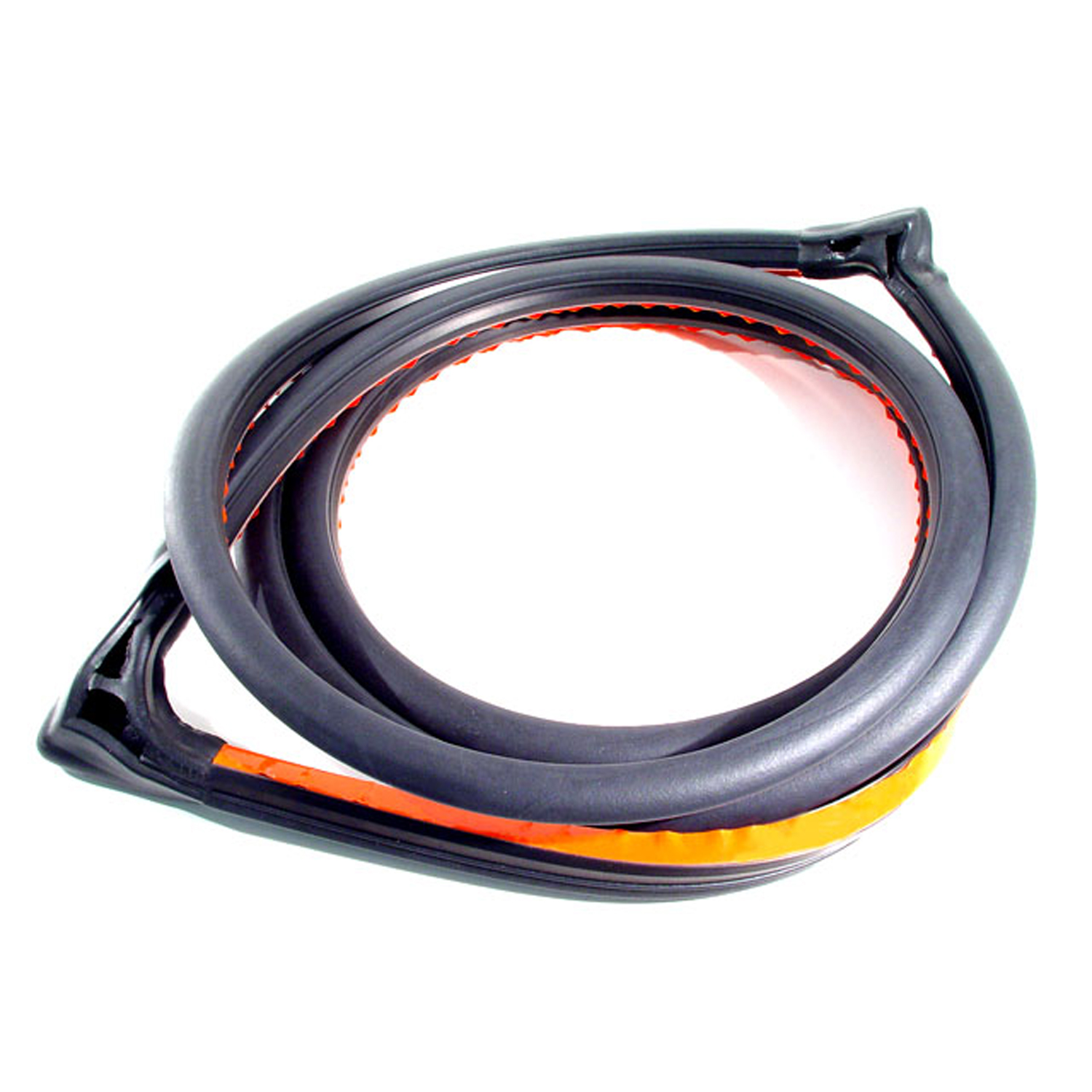 1977 Ford E-350 Econoline Front Side Cargo Door Seal-LM 110-VAFront Side Cargo Door Seal (fits front right side of cargo door). Replaces OEM #E9UZ 1525324 B. For rear (left side) matching seal, see LM 110-VB. Each
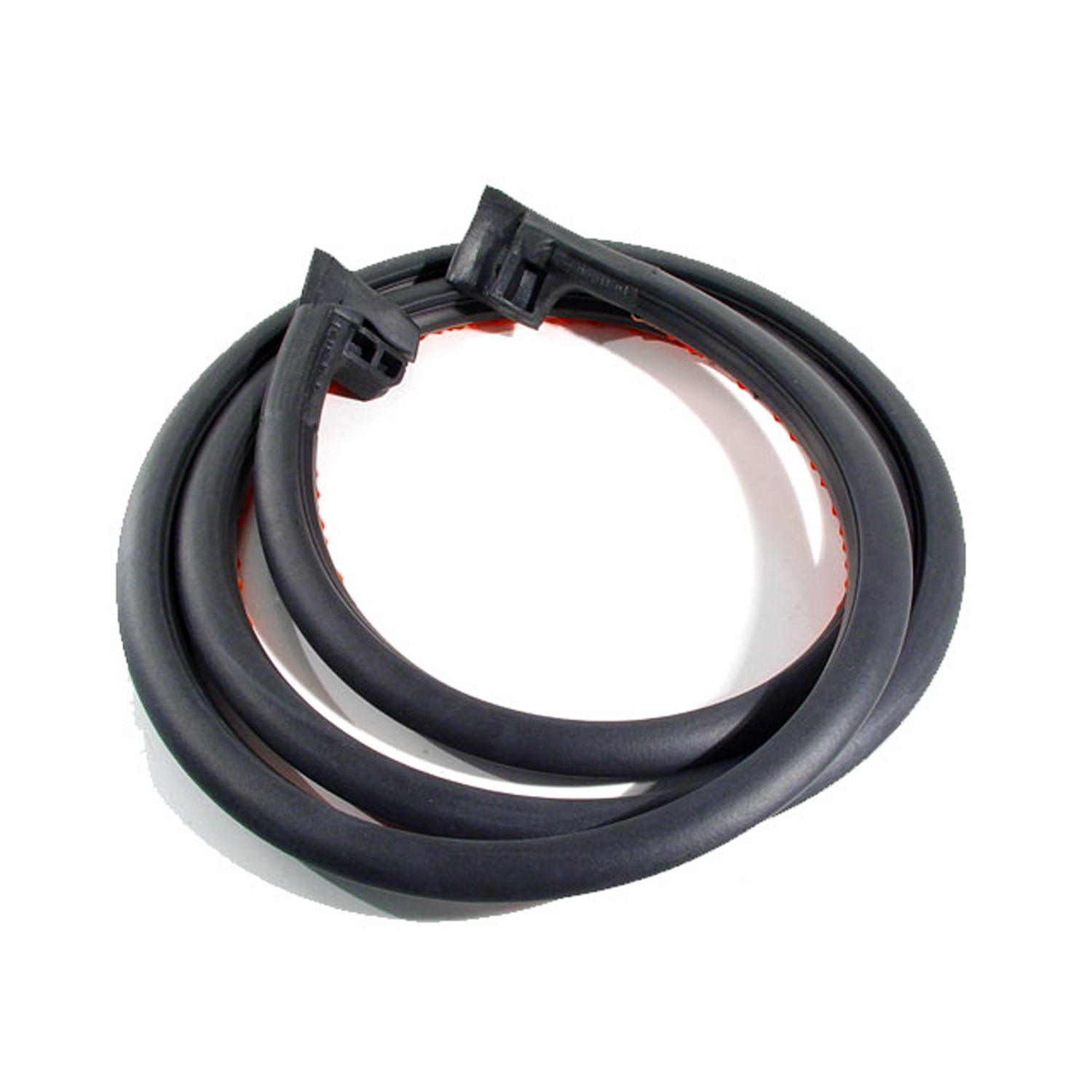 1977 Ford E-350 Econoline Rear Side Cargo Door Seal-LM 110-VBRear Side Cargo Door Seal (fits rear left side of cargo door). Replaces OEM #E9UZ 1525325 B. For front (right side) matching seal, see LM 110-VA. Each
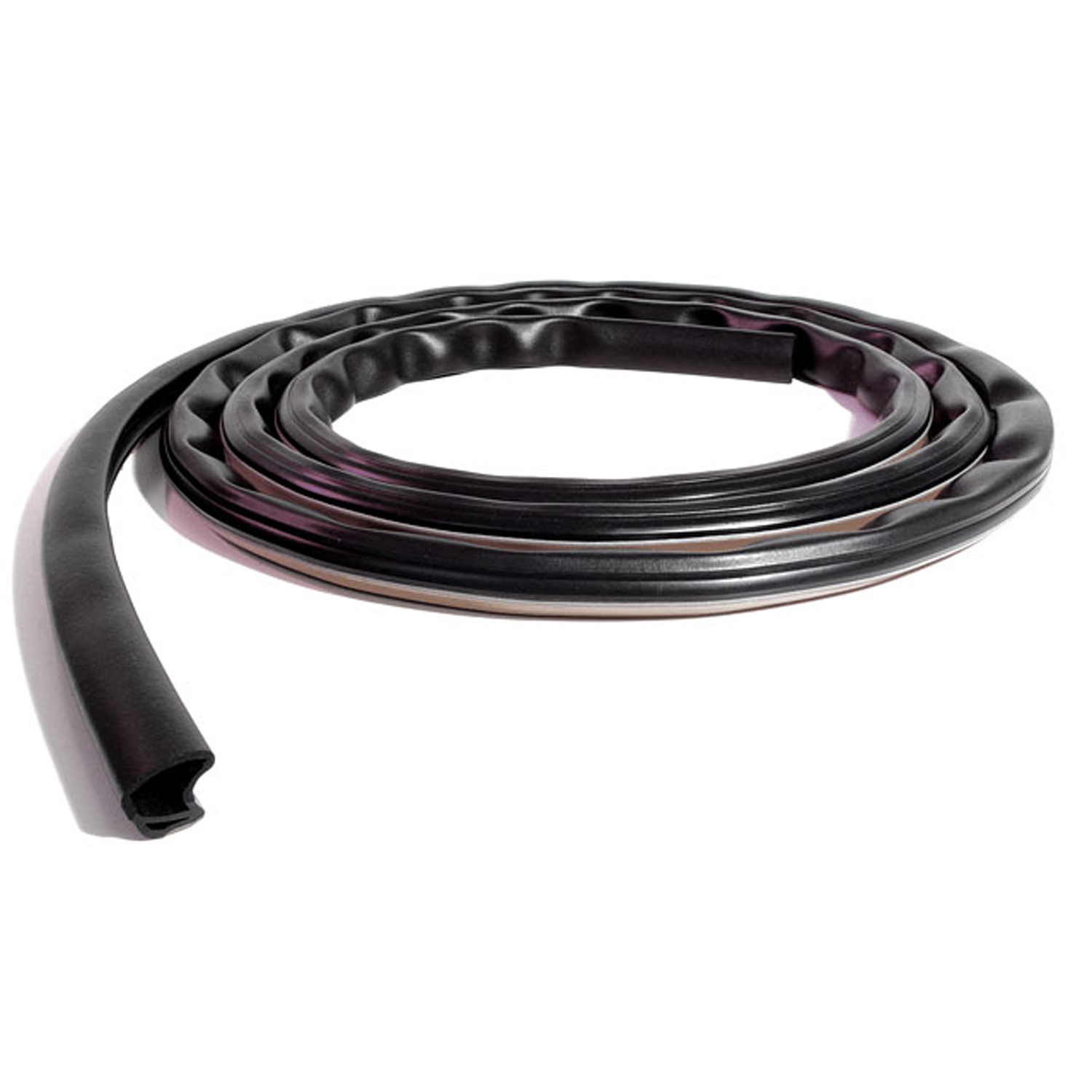 1977 Ford E-350 Econoline Left Front (drivers side) Door Seal. Each-LM 110-VLLeft Front (drivers side) Door Seal. Each
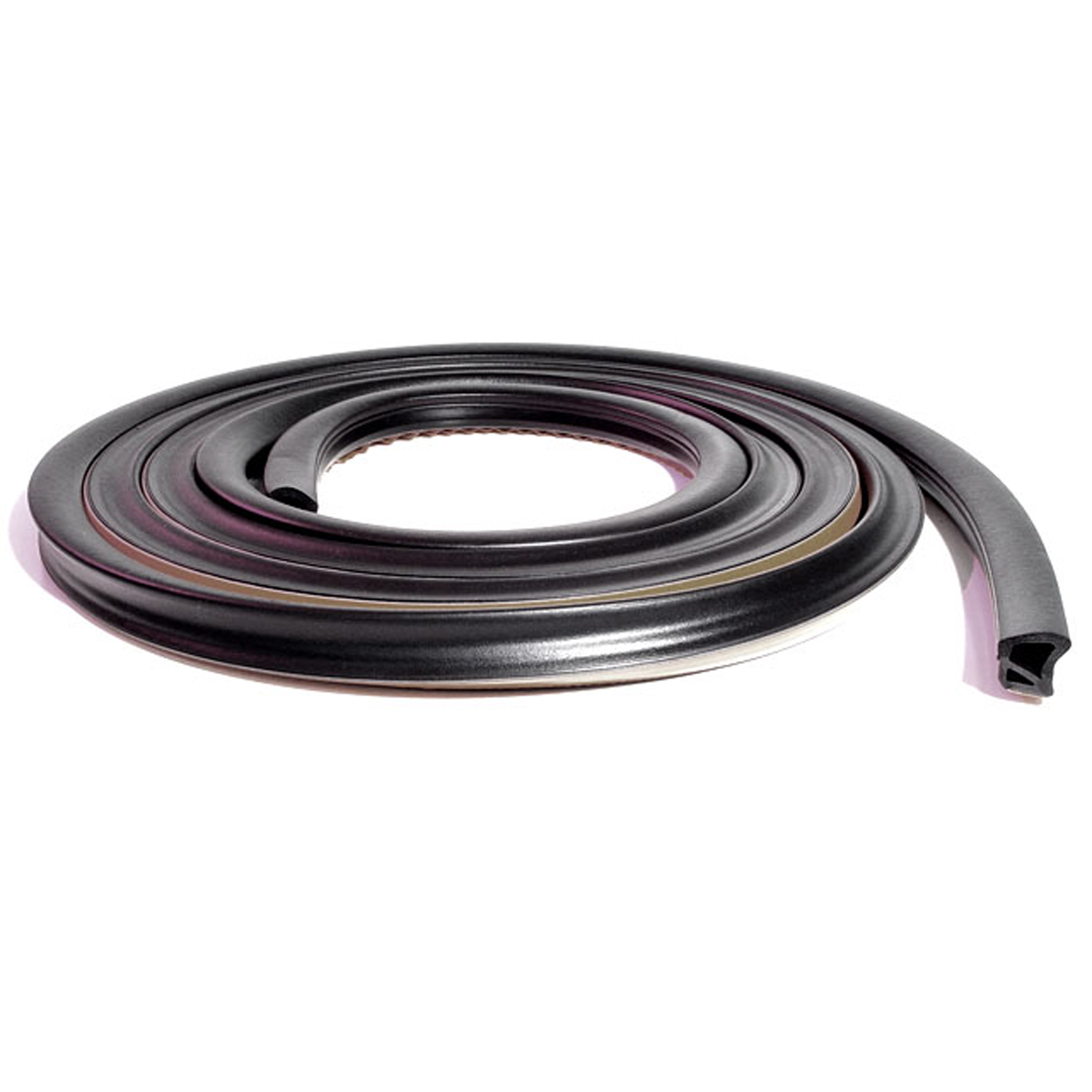 1977 Ford E-350 Econoline Right Front (passenger side) Door Seal. Each-LM 110-VRRight Front (passenger side) Door Seal. Each
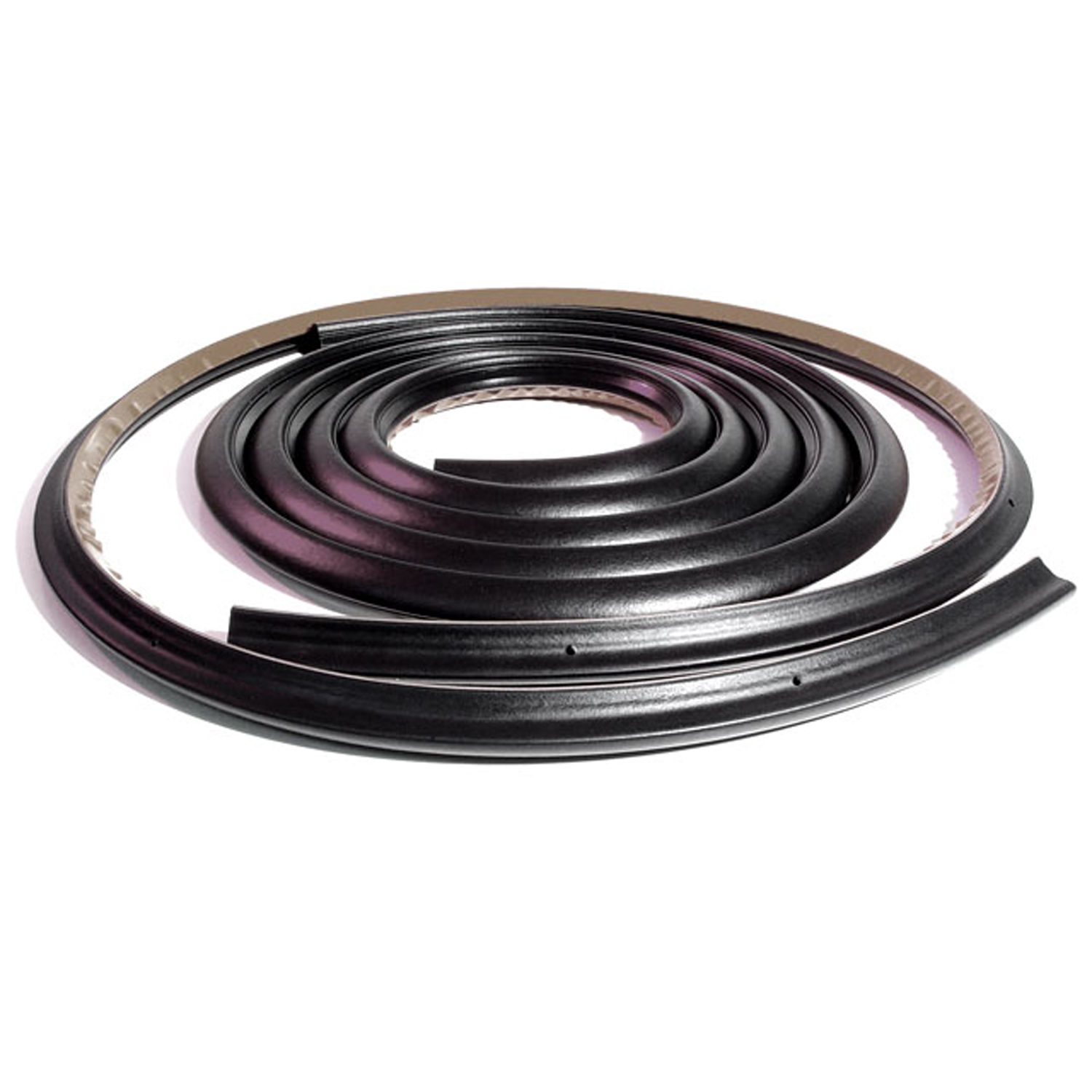 1977 Ford E-350 Econoline Side Slider Door Seal. Each-LM 110-VSSide Slider Door Seal. Each
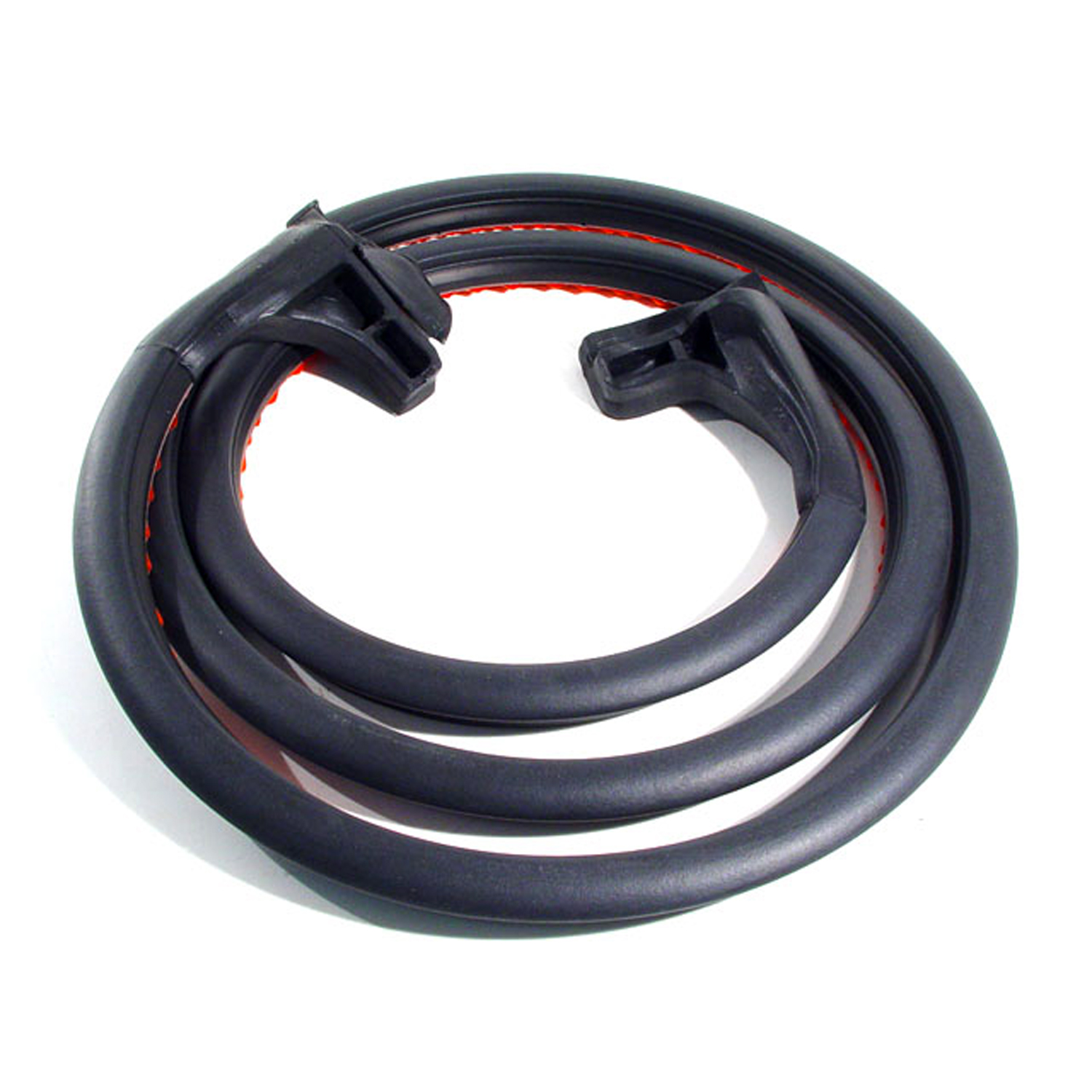 1977 Ford E-350 Econoline Left Rear Door Seal (Drivers Side)-LM 110-VTLeft Rear Door Seal (Drivers Side). Replaces OEM #E9UZ 1543723 A. Each
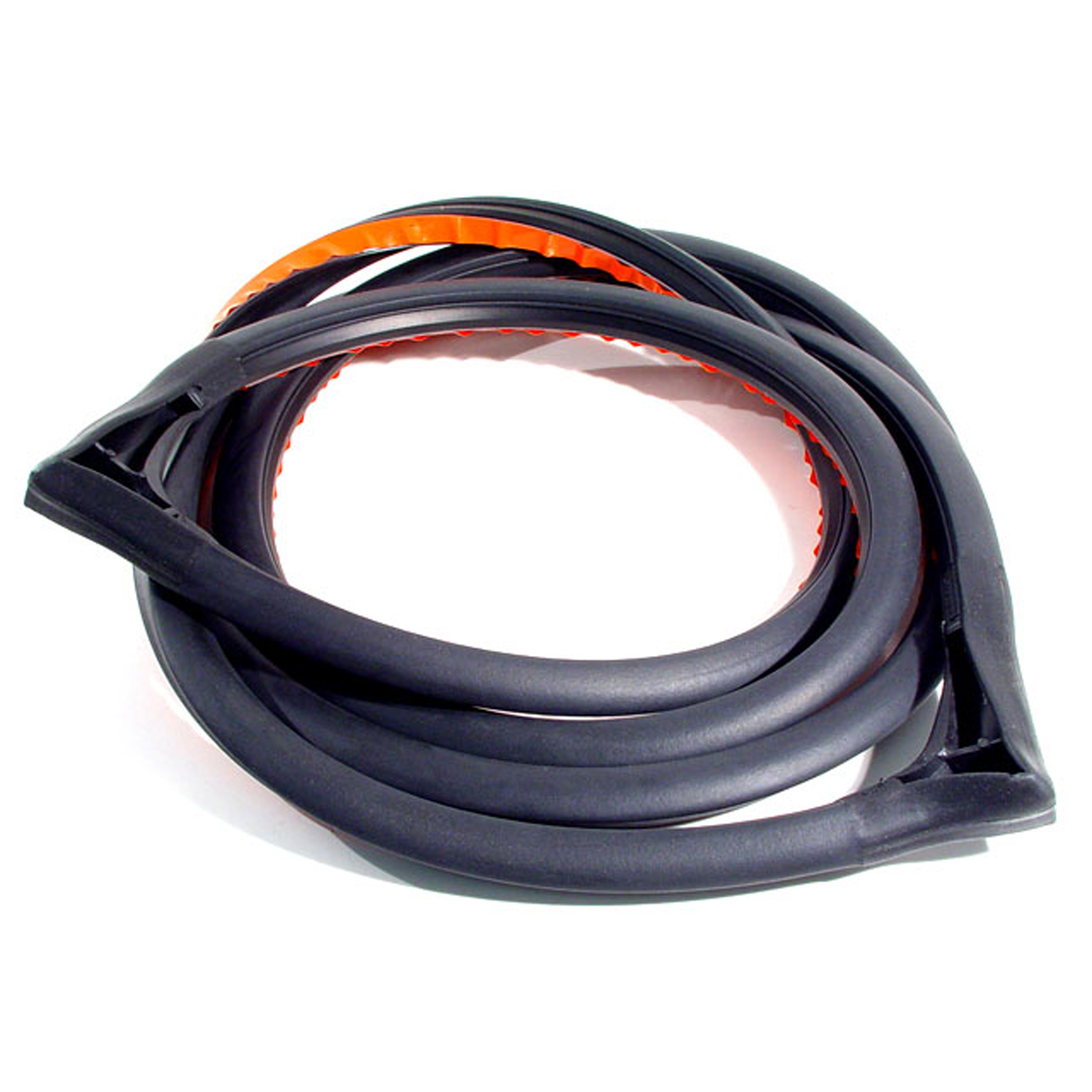 1977 Ford E-350 Econoline Right Rear Door Seal (Passenger Side)-LM 110-VURight Rear Door Seal (Passenger Side). Replaces OEM #F0UZ 1543722 A. Each
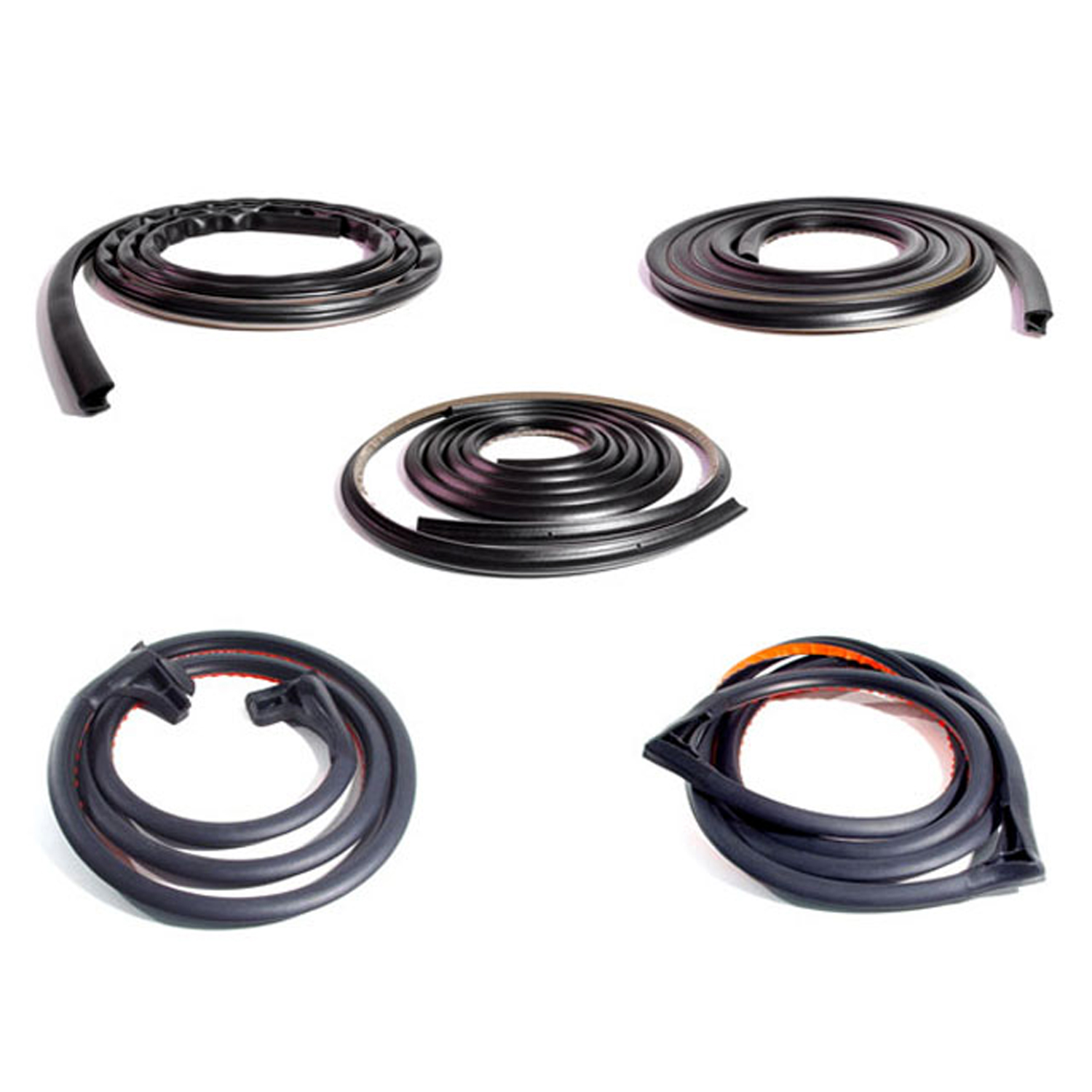 1977 Ford E-350 Econoline Basic Kit, for Models with Side Sliding Door-RKB 3000-100Basic Kit, for Models with Side Sliding Door. Front Left Door (LM 110-VL), Front Right Door (LM 110-VR), Back Left Door (LM 110-VT), Back Right Door (LM 110-VU), Side Sliding Door (LM 110-VS) Seals.
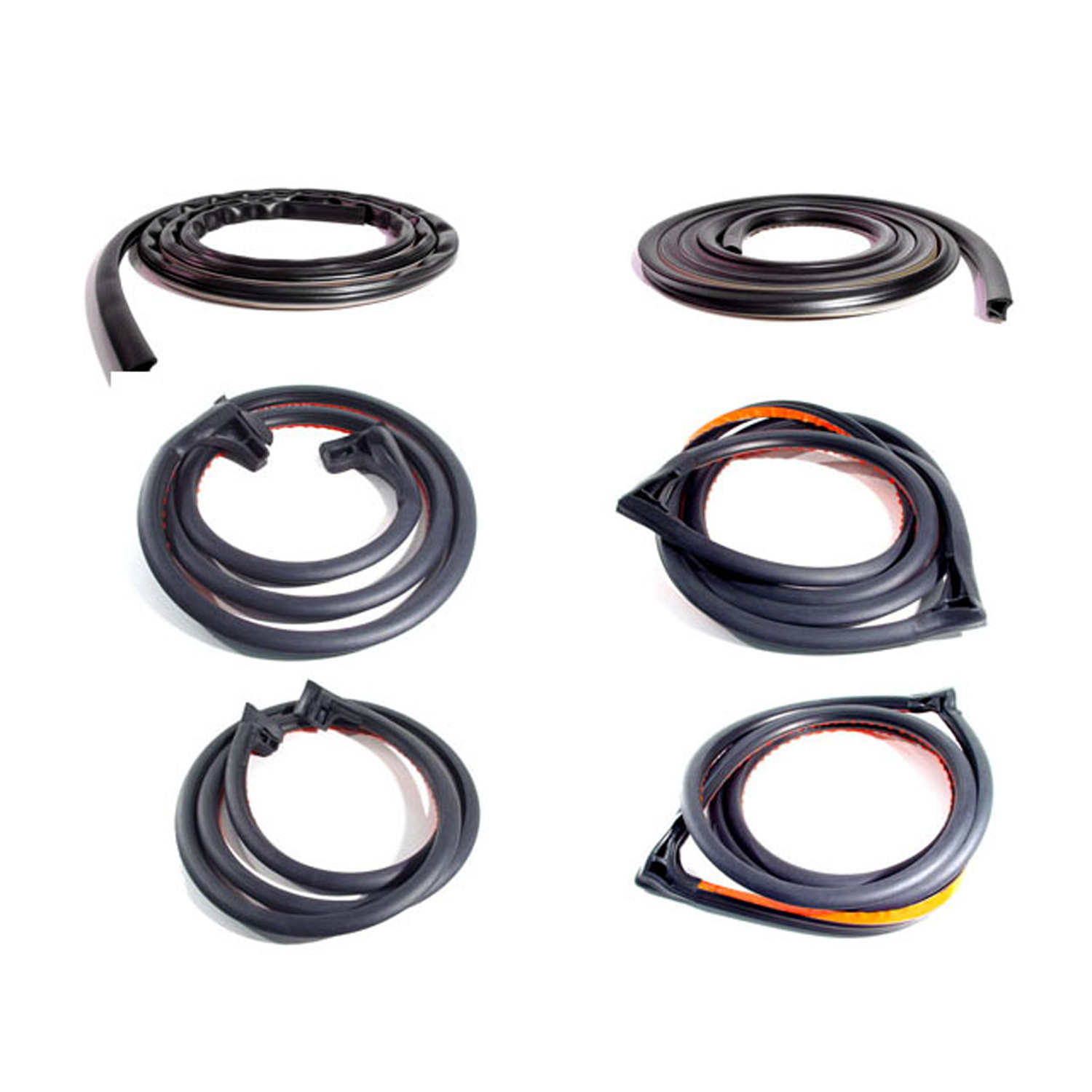 1977 Ford E-350 Econoline Basic Kit, for Models w/Side Cargo Door-RKB 3000-101Basic Kit, for Models w/Side Cargo Door. Front Left LM 110-VL), Front Right LM 110-VR), Back Left LM110-VT), Back Right LM 110-VU), Front Cargo Side (LM 110-VA), Rear Cargo Side (LM 110-VB) Door Seals.
Why Choose Metro?
For over 100 years, Metro Moulded Parts has been the pinnacle of quality in classic car restoration parts. Our commitment to precision and authenticity in every component ensures a perfect fit and an OEM-level appearance.
- Expert Craftsmanship & Quality: Each part is a testament to our dedication to reliability and perfection, crafted from original designs and thoroughly tested.
- Advanced Technology: We use cutting-edge techniques to create flawless, long-lasting parts that surpass others in performance.
- SuperSoft Sponge – The Ultimate Door Seal: Not only are our door seals 30% softer than competitors', but they're also guaranteed to never leak. They effectively reduce wind and road noise, enhancing your classic car's comfort and driving experience.
- Proudly American: Our parts are a product of American craftsmanship, made in the USA with a spirit of excellence and heritage.
- Unrivaled Warranty: We back our products with a 30-year industry-leading warranty, a testament to our confidence in their quality.
Join us in preserving the legacy of classic cars with parts that are crafted for perfection, not just made.