

Image of 1977 Ford Ltd, Note: These illustrations use artistic license and may differ from actual historical models.
Performance Metrics
Fundamental Metrics
Emotional Appeal
MMP Rating
| Engine Specifications | |
|---|---|
| Engine Options: | 351 cu in (5.8 L) Windsor V8, 400 cu in (6.6 L) Cleveland V8, 460 cu in (7.5 L) 385 V8 |
| Displacement Range: | 351-460 cu in |
| Horsepower Range: | 150-220 hp |
| Torque: | 275-380 lb-ft |
| Compression Ratio: | 8.0:1 - 8.4:1 |
| Ignition System: | Electronic Ignition |
| Cooling System: | Liquid cooled |
| Performance Specifications | |
| 0-60 Time: | 10-12 seconds |
| 1/4 Mile Time: | 17-19 seconds |
| Top Speed: | 110-120 mph |
| Transmission and Drive | |
| Drive Type: | Rear-wheel drive |
| Transmission Type: | 3-speed automatic |
| Fuel and Efficiency | |
| Fuel System Type: | Carburetor |
| MPG: | 10-12 mpg |
| Dimensions and Brakes | |
| Brakes: | Front disc, rear drum |
| Wheelbase: | 114.0 in |
| Weight: | 4,000-4,500 lbs |
Note: Specifications for classic cars are given to the best of our ability, considering the limited and variant data available.
1977 Ford LTD: The Last Great Full-Size Ford
The 1977 Ford LTD was built for drivers who wanted room to stretch out, a quiet ride, and the reassuring presence of a full-size American car. Made by the Ford Motor Company, it belonged to a long-running nameplate that had become synonymous with comfortable, well-equipped family transportation. In 1977, the LTD was still a substantial, traditional sedan and wagon, arriving just before Ford’s major 1979 shift to smaller full-size cars.
That timing gives the 1977 model a special place in Ford history. It represents the final chapter of the big LTD before the redesigned, downsized generation arrived. It was also part of a remarkable year for American full-size cars: while rivals were responding to fuel-economy pressures with smaller designs, Ford’s LTD retained the broad stance and generous proportions many buyers still wanted.
One useful bit of model-name trivia: the LTD and LTD II were different cars. The LTD II was a midsize model, while the full-size LTD covered here was larger and rode on its own full-size platform. That distinction matters when shopping for parts, researching specifications, or comparing collector values.
Formal Styling and a Roomy Cabin
The 1977 LTD wore its size confidently. A broad, upright grille, paired rectangular headlamps, long hood, and squared-off bodywork gave it a formal, substantial appearance. Chrome trim emphasized the grille, bumpers, and window surrounds, while the long rear quarters and broad trunk made the sedan look especially imposing. The overall effect was restrained rather than flashy: this was a car designed to look dignified in a driveway or outside an office, not to chase sports-car fashion.
The LTD’s trim levels and roof treatments added personality. The upscale LTD Landau, particularly popular as a two-door, featured a more decorative roof treatment and extra brightwork. The four-door sedan offered a conventional, practical profile, while the station wagon traded some of the sedan’s formal look for a large cargo area and family-friendly utility.
Inside, the LTD delivered the soft, comfortable atmosphere buyers expected from a premium American family car. Depending on trim and options, the cabin could be finished in cloth, vinyl, or a combination of materials, with padded surfaces, carpeting, and woodgrain-look accents adding to the upscale feel. The wide front bench seat was a defining feature, although bucket-seat configurations were available on some versions. The rear seat offered generous legroom, and the broad windows helped the cabin feel airy.
Available equipment varied by trim and order, but buyers could choose conveniences such as air conditioning, power windows and door locks, cruise control, tilt steering, upgraded sound systems, and power-adjustable seats. An AM/FM radio or an optional 8-track player could turn a long highway trip into a rolling listening room. These features were not revolutionary, but they show how the LTD combined traditional size with the growing expectation that a family car should be comfortable and well equipped.
Ford offered the LTD in a range of period colors, including traditional whites, blues, reds, greens, browns, and metallic shades. Exact names and availability depended on the paint code and trim. White, silver-toned, dark blue, and earth-tone finishes suit the car’s formal character particularly well, while a contrasting vinyl roof could make a Landau stand out. Original paint and trim combinations are worth checking closely when evaluating a survivor.
Body Styles and V8 Choices
The full-size 1977 LTD was available as a two-door hardtop-style coupe, a four-door sedan, and a station wagon. The four-door sedan is the most familiar everyday version, while the Landau coupe is often the most visually distinctive. Ford also offered LTD wagons in different trim levels, giving buyers a choice between practical family transport and a more upscale long-roof car.
Engine availability depended on body style, equipment, and market requirements, but the lineup included V8 options such as the 302-cubic-inch, 351-cubic-inch, 400-cubic-inch, and 460-cubic-inch engines. The smaller V8s were the more sensible choices for ordinary use, while the 460 offered the strongest low-speed pulling power. A three-speed automatic transmission was typical, matching the LTD’s relaxed, easygoing purpose.
As with many cars from the emissions-control era, an engine’s advertised output does not tell the whole story. Federal and state emissions equipment, axle gearing, vehicle weight, and maintenance all affected how an individual LTD performed. When buying one, verify the engine and transmission using the car’s identification information and inspect the vehicle itself rather than assuming every example has the same specification.
Why the 1977 LTD Matters
The LTD was not a technical revolution, but its importance lies in how effectively it represented the American full-size car at a turning point. It offered a spacious body-on-frame layout, a quiet ride, V8 power, and an extensive menu of comfort features. These priorities had defined the American family car for decades, and the LTD carried them into a period when rising fuel costs and changing regulations were pushing the industry toward smaller, more efficient vehicles.
Compared with many contemporary imports and compact domestic cars, the Ford’s size and comfort were its calling cards. Compared with other full-size American models, it competed on familiar strengths: passenger space, a smooth ride, broad availability, and a range of trim and body styles. It was not intended to be a sports sedan, and it did not pretend otherwise. Its lasting appeal comes from doing its particular job very well.
The 1977 LTD also serves as a useful snapshot of Ford’s pre-downsizing design philosophy. The following generation, introduced for 1979, was substantially smaller and lighter. The 1977 model therefore captures the final years of the classic, large-footprint LTD before fuel economy and packaging priorities reshaped the segment.
Performance and the Big-Car Driving Feel
Performance depends heavily on which engine is fitted. A 302-powered LTD is best understood as a steady cruiser, while a 400 or 460 can move the car with more authority, particularly when accelerating from low speeds. For a sound, correctly maintained example, a reasonable period-style estimate for 0-to-60-mph acceleration is roughly 10 to 14 seconds, with the larger engines generally toward the quicker end. Actual results vary with gearing, tune, emissions equipment, and vehicle condition.
Top speed is similarly dependent on specification and condition. An approximate range of 100 to 115 mph is plausible for a healthy car, but the LTD was not designed for sustained high-speed running or performance driving. Its strengths were comfort and relaxed highway travel, not acceleration records. Owners should also remember that tires, brakes, suspension, and age-related wear matter far more than a quoted top-speed estimate on a nearly 50-year-old car.
On the road, the LTD feels large, soft, and composed. Its suspension takes the edge off broken pavement and expansion joints, and the long wheelbase helps it settle into a relaxed highway rhythm. The trade-off is more body movement than a modern sedan: on a winding road, the car leans through corners and responds more slowly to steering inputs. Crosswinds and uneven pavement can make its size noticeable, so smooth, deliberate driving suits it best.
From behind the wheel, the experience is as much about atmosphere as speed. The V8 produces a low, familiar burble, the automatic transmission shifts without asking for much attention, and the wide seat and long hood make the car feel substantial. Power steering and power-assisted brakes, where fitted, reduce the effort required in everyday use. The LTD encourages the driver to relax, leave space, and enjoy the scenery rather than attack every corner.
Living with a 1977 Ford LTD
Today, most LTDs are used as weekend cruisers, nostalgic family cars, show vehicles, or occasional drivers. Wagons can still be useful for hauling people and gear, while a clean Landau coupe makes a strong statement at a local show. The car was not built for racing, and modifying one for competition would usually mean replacing much of the comfort-oriented suspension and drivetrain setup.
Routine service is familiar to anyone who has worked on a traditional American V8. Oil changes, ignition tune-ups, carburetor work, cooling-system repairs, and brake service are generally straightforward for a capable home mechanic. The engines and automatic transmissions are well understood, and many mechanical components were shared across Ford models of the period.
Age is the bigger challenge than basic design. Check carefully for rust in the floors, frame and body mounts, lower body panels, trunk, and around the windshield. Inspect the cooling system, transmission, power-steering components, electrical connections, and vacuum-operated accessories. Interior trim, model-specific brightwork, and wagon or Landau parts can be harder to find than common service items. A solid, complete car is often a better buy than a cheap project missing its original details.
Fuel consumption is another ownership reality. A full-size V8 from 1977 is not an economical modern commuter, and real-world mileage can be low, especially in city traffic or with a larger engine. Buyers should budget for fuel as well as catch-up maintenance, tires, and potential brake or suspension work.
Notable Facts and Common Criticisms
The LTD’s most notable historical moment is its position at the end of Ford’s large-car era. The 1977 model was followed by the downsized 1979 LTD, making the earlier car a clear example of the transition that reshaped American family sedans. The LTD name itself would continue, but the scale and character of the car changed significantly.
Ford sold the LTD in substantial numbers, and examples served as family cars, company vehicles, and fleet transportation. Police and taxi use was common across the full-size American-car market, though equipment and availability varied by agency and region. The LTD is not known for a single landmark speed or endurance record; its significance is its broad appeal and its place in the evolution of the full-size Ford.
Common criticisms are easy to understand. The car is large, consumes considerably more fuel than a modern vehicle, and feels soft in corners. Its emissions-era engines may seem less powerful than their displacement suggests, and some interior materials have not aged gracefully. On the other hand, those same dimensions deliver exceptional cabin space, a comfortable ride, and the unmistakable presence that many classic-car fans are seeking.
1977 Ford LTD Collector Value
The 1977 LTD is generally an accessible classic rather than a rare, high-dollar collectible. A rough but complete driver might sell for about $2,000 to $5,000, while a solid, presentable example could fall in the $5,000 to $10,000 range. Very clean, well-preserved cars, especially distinctive Landau coupes or attractive wagons, may bring roughly $10,000 to $18,000 or more. Exceptional originality, rare equipment, regional demand, and the quality of a restoration can push a sale beyond those estimates.
These are broad U.S. market estimates, not a guaranteed appraisal. Asking prices can differ sharply from completed sales, and condition matters more than mileage alone. Rust-free structure, working equipment, good interior trim, documentation, and correct details are key value factors. A freshly painted car with hidden rust or incomplete mechanical work may be worth less than an honest, well-maintained survivor.
Ford produced the LTD in large numbers, but exact 1977 totals can vary depending on whether figures include particular body styles and trim groupings. A reasonable estimate is roughly 350,000 to 400,000 full-size LTDs across the model range. That makes an ordinary sedan far from rare, although finding a particularly original Landau or wagon in excellent condition is a different challenge.
Values have generally been steady to gradually improving for the best examples, rather than soaring. The market is strongest for cars that are complete, rust-free, and ready to enjoy. Because purchase prices remain relatively approachable, careful buyers can still find a comfortable classic without paying muscle-car money.
A Comfortable Classic with a Place in Ford History
The 1977 Ford LTD combines generous space, V8 character, traditional American styling, and a genuinely comfortable ride. It was not a sports car or a fuel-sipping commuter, but it excelled as a relaxed family cruiser and captured the full-size Ford just before downsizing changed the formula.
For collectors, its appeal is not rarity alone. It is the chance to experience a distinctive moment in American automotive history from behind a wide steering wheel, with a V8 ahead and plenty of room for the whole family. The 1977 LTD may be a big car, but its place in Ford’s story is even bigger.
1977 Ford Ltd Catalog of Parts
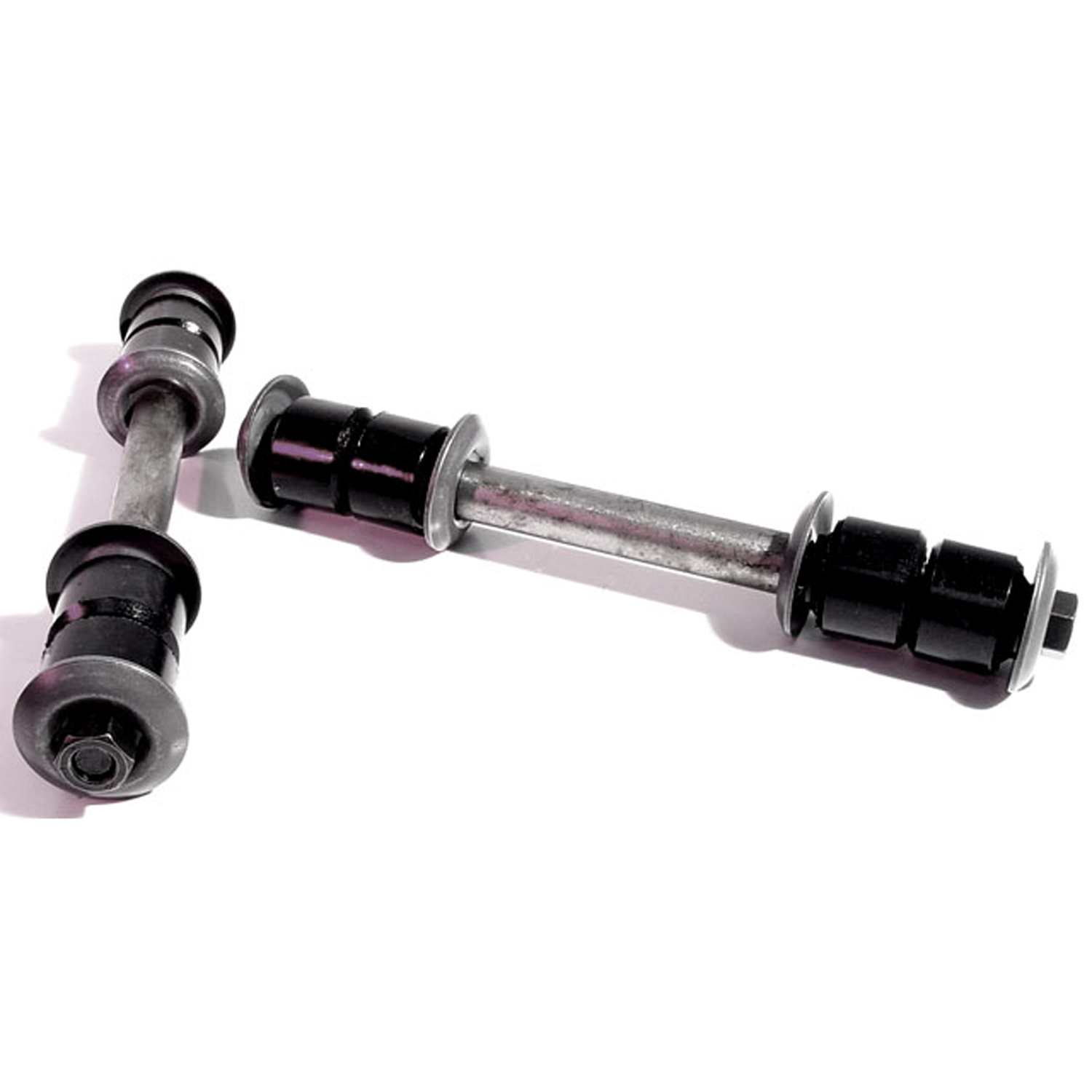 1977 Ford LTD Front Stabilizer End Repair Kit-BNK 21Front Stabilizer End Repair Kit. 22-piece set for two stabilizer bars. Contains all rubber bushings, washers, bolts and nuts, enough for one front end. Set
Why Choose Metro?
For over 100 years, Metro Moulded Parts has been the pinnacle of quality in classic car restoration parts. Our commitment to precision and authenticity in every component ensures a perfect fit and an OEM-level appearance.
- Expert Craftsmanship & Quality: Each part is a testament to our dedication to reliability and perfection, crafted from original designs and thoroughly tested.
- Advanced Technology: We use cutting-edge techniques to create flawless, long-lasting parts that surpass others in performance.
- SuperSoft Sponge – The Ultimate Door Seal: Not only are our door seals 30% softer than competitors', but they're also guaranteed to never leak. They effectively reduce wind and road noise, enhancing your classic car's comfort and driving experience.
- Proudly American: Our parts are a product of American craftsmanship, made in the USA with a spirit of excellence and heritage.
- Unrivaled Warranty: We back our products with a 30-year industry-leading warranty, a testament to our confidence in their quality.
Join us in preserving the legacy of classic cars with parts that are crafted for perfection, not just made.