

Image of 1977 Ford Thunderbird, Note: These illustrations use artistic license and may differ from actual historical models.
Performance Metrics
Fundamental Metrics
Emotional Appeal
MMP Rating
| Engine Specifications | |
|---|---|
| Engine: | 302 cu in (4.9 L) Windsor V8, 351 cu in (5.8 L) Windsor V8, 400 cu in (6.6 L) Cleveland V8 |
| Displacement: | 302-400 cu in |
| Horsepower: | 134-173 hp |
| Torque: | 247-315 lb-ft |
| Compression Ratio: | 8.4:1 - 8.9:1 |
| Ignition System: | Electronic ignition |
| Cooling System: | Liquid-cooled |
| Performance Specifications | |
| 0-60 Time: | 11-13 seconds |
| 1/4 Mile Time: | 17-19 seconds |
| Top Speed: | 105-110 mph |
| Transmission and Drive | |
| Drive Type: | Rear-wheel drive |
| Transmission Type: | 3-speed automatic |
| Fuel and Efficiency | |
| Fuel System Type: | Carburetor |
| MPG: | 12-15 mpg |
| Dimensions and Brakes | |
| Brakes: | Front disc, rear drum |
| Wheelbase: | 114.0 in |
| Weight: | 4,100-4,300 lbs |
Note: Specifications for classic cars are given to the best of our ability, considering the limited and variant data available.
1977 Ford Thunderbird: The Big Coupe That Got Smaller
The 1977 Ford Thunderbird traded sheer size for a sharper sense of purpose, and buyers responded in a big way. Redesigned as a more compact personal-luxury coupe, it kept the Thunderbird’s formal style and comfortable character while becoming easier to park, more manageable on the road, and less extravagant than its enormous predecessor.
Ford introduced the Thunderbird in 1955 as a stylish two-seat answer to the growing American sports-car market. Over the following decades, the nameplate evolved into a larger, more luxurious personal car. The 1977 model belonged to the Thunderbird’s seventh generation, built from 1977 through 1979 on Ford’s intermediate platform, shared in broad mechanical terms with the LTD II.
Its timing mattered. The 1973 oil crisis and tighter emissions and fuel-economy standards had changed what many American drivers wanted. Ford’s response was not to turn the Thunderbird into a small economy car, but to scale it back while preserving the comfort and presence expected of a luxury coupe. The gamble paid off: the 1977 Thunderbird became a major sales success, with model-year production commonly reported at about 318,000 cars, an extraordinary figure for the nameplate.
Formal Thunderbird Styling
The 1977 Thunderbird wore a long hood, a short rear deck, crisp body lines, and a broad, upright grille. Its proportions were still unmistakably American, but the car was noticeably shorter and lighter than the 1972–1976 Thunderbirds. Concealed headlamp doors gave the front end a clean, tailored look when closed, while the squared-off roof and substantial rear quarters created the formal profile associated with the period’s personal-luxury cars.
At the side, the Thunderbird’s most recognizable details included its opera-style rear-quarter windows and the option of a padded vinyl roof. Those small windows were more about style than outward visibility, but they helped distinguish the car from ordinary two-door sedans. Bright trim, distinctive wheel covers, and optional body-color or contrasting roof treatments completed the upscale look.
The 1977 Thunderbird came in one body style: a two-door coupe. Buyers could choose different trim levels and equipment, including the more elaborately appointed Town Landau, which emphasized the Thunderbird’s luxury image with additional trim and roof treatments. Rather than offering a convertible or four-door version, Ford kept the line focused on the personal-coupe formula.
Cabin Comfort and Period Technology
Inside, the Thunderbird prioritized space and relaxed travel. The broad cabin offered generous front-seat room, a substantial dashboard, and comfortable upholstery in cloth, vinyl, or, depending on configuration, more upscale materials. Plush carpeting, wood-tone accents, and padded surfaces gave the interior the warm, lounge-like atmosphere buyers expected from a high-end American coupe of the late 1970s.
Equipment varied by trim and options, but features could include air conditioning, power windows and door locks, cruise control, a tilt steering wheel, power seats, and an AM/FM stereo. These were meaningful conveniences in 1977, especially in a car designed for long-distance comfort. The Thunderbird was not a technology showcase in the modern sense, but it brought a useful mix of power accessories and comfort features to a wide group of buyers.
Factory paint and trim combinations varied by year and region. Period choices included understated whites and silvers, along with richer blues, reds, greens, and gold-toned shades. Darker colors paired with a contrasting vinyl roof suited the Town Landau especially well, while lighter paint made the car’s formal lines and brightwork stand out.
Why the 1977 Redesign Mattered
The 1977 Thunderbird showed how a familiar American nameplate could adapt to a changing market without abandoning its identity. Ford cut the car’s overall length by roughly ten inches compared with the previous generation and reduced weight, yet retained the long-hood look, plush ride, and V8 character that Thunderbird buyers valued.
That balance set it apart from both smaller sporty coupes and traditional full-size luxury cars. The Thunderbird was more personal and stylish than a conventional family sedan, but more comfortable and spacious than many sporty two-doors. Its success also demonstrated that downsizing did not have to mean stripping away comfort or prestige. The approach helped define the late-1970s American personal-luxury coupe, a category that included rivals such as the Chevrolet Monte Carlo and Oldsmobile Cutlass Supreme.
The model’s sales success is part of its historical importance. With production often cited at approximately 318,000 for 1977, it became one of the strongest-selling Thunderbirds ever. That result made the smaller design more than a response to fuel concerns: it proved that a well-positioned, stylish coupe could thrive even as the American car market changed rapidly.
V8 Performance and Road Manners
Engine availability depended on equipment and market, but the 1977 Thunderbird was offered with V8 power, including a 302-cubic-inch engine and larger 351M and 400-cubic-inch options. Output figures varied by engine and emissions calibration. As a general guide, period net ratings were roughly 130 to 175 horsepower, with the larger engines producing more low-speed torque. Automatic transmission was the usual pairing, reinforcing the car’s easygoing character.
Performance was respectable for a heavy, comfort-oriented coupe, rather than genuinely sporty. Depending on engine, condition, gearing, and test method, a 0-to-60 mph run could take roughly 10 to 13 seconds. A healthy example might reach around 100 to 110 mph, though top speed was not the car’s main attraction. These figures are estimates, not a single universal factory test result, and today’s surviving cars can perform differently due to age, tuning, and drivetrain changes.
On the road, the Thunderbird feels substantial and composed. Its suspension favors a smooth ride over sharp cornering, soaking up ordinary pavement imperfections with the soft, settled motion expected of a period luxury coupe. On a winding road, the car’s size and weight are apparent: steering response is relaxed, body lean is noticeable, and it is happier sweeping through bends than attacking them. Strong crosswinds can also remind the driver that this is a large two-door, though its reduced dimensions made it more manageable than the previous generation.
Behind the wheel, the experience is about the V8’s steady rumble, the automatic transmission’s unhurried shifts, and the comfortable, commanding seating position. It feels most at home cruising on an open road, where the engine can lope along and the cabin can do its job. It is a personal-luxury car, not a muscle car in disguise.
Living With a 1977 Thunderbird
Today, owners commonly use these Thunderbirds as weekend cruisers, local show cars, and nostalgic drivers. A well-maintained example can handle occasional commuting, but fuel consumption, age-related repairs, and the scarcity of some trim pieces make it less practical than a modern daily driver. Originality and condition matter greatly to collectors, so many owners preserve clean cars rather than modify them heavily.
Routine mechanical work is generally approachable for an experienced home mechanic. The V8 engines and automatic transmissions are from a familiar era of Ford engineering, and many basic service parts remain obtainable through specialist suppliers and the wider classic-car market. Brakes, suspension components, cooling systems, ignition parts, and carburetors may need attention on cars that have sat unused or received inconsistent maintenance.
Body and interior details can be more challenging. Weatherstripping, opera-window trim, vinyl-roof materials, decorative moldings, and model-specific upholstery may take time to locate. Before buying, inspect the frame and underbody for rust, check the vinyl roof and window surrounds for water intrusion, and verify that the concealed headlamp doors work properly. A car that looks shiny in photographs can still need substantial structural or trim work.
Notable Facts and Common Criticisms
The most striking fact about the 1977 Thunderbird is how well its downsizing worked. Ford made the car substantially shorter than the preceding generation, yet the model-year total is commonly estimated at roughly 318,000 units. That combination of a smaller footprint and huge demand makes 1977 a standout year in Thunderbird history.
The 1977 model was a coupe, not a limited-production convertible or a dedicated performance edition. Later special editions in the Thunderbird’s broader history can sometimes be mistakenly associated with it, so buyers should check a car’s documentation and factory details rather than assume that special badges or trim identify a rare package. No major speed or endurance record defines the 1977 Thunderbird; its achievement was commercial, as a high-volume personal-luxury car during a difficult period for the American auto industry.
Common criticisms include modest acceleration by modern standards, heavy fuel use, soft handling, and limited rear-quarter visibility through the small opera windows. Its large dimensions and relaxed suspension also mean it does not feel like a modern sports coupe. For the right buyer, however, those traits are part of the appeal: the Thunderbird delivers a smooth, distinctly 1970s cruising experience rather than trying to be something it is not.
1977 Thunderbird Values and Availability
Values depend heavily on rust, originality, mechanical condition, trim level, and the quality of any restoration. As a broad current-market estimate, a project or rough driver may sell for about $2,000 to $5,000. A usable, presentable car often falls around $5,000 to $12,000, while a clean, well-maintained example may bring roughly $12,000 to $20,000. Exceptional, highly original, or professionally restored cars can reach higher prices, sometimes above $20,000, though those top-end sales are less common.
These are guide ranges, not guaranteed sale prices. Local demand, season, documentation, and the car’s exact equipment can move the number considerably. While roughly 318,000 examples were reportedly built for 1977, the surviving pool is much smaller, and clean cars with sound bodies and intact trim are less common than the original production figure suggests.
Prices have generally remained accessible compared with those of better-known muscle cars and early Thunderbirds. The model has gained interest as buyers discover its distinctive styling and its place in the downsizing story, but it is not yet a consistently fast-appreciating collectible. The best examples are likely to hold value better than neglected cars, especially when they retain desirable original colors, complete trim, and documented maintenance.
A Distinctive Ford for the Open Road
The 1977 Ford Thunderbird brought together formal coupe styling, V8 power, generous comfort, and a more manageable size at a time when American automakers had to rethink what a large car should be. Its sales success proved that buyers still wanted a personal-luxury car, provided it could adapt to new priorities.
Today, the 1977 Thunderbird stands out as an approachable classic with real historical significance and unmistakable late-1970s character. It may not be a corner-carving sports car or a fuel-saving commuter, but on a calm stretch of highway, with the V8 humming beneath its long hood, it makes a persuasive case for the enduring appeal of the American cruising coupe.
1977 Ford Thunderbird Catalog of Parts
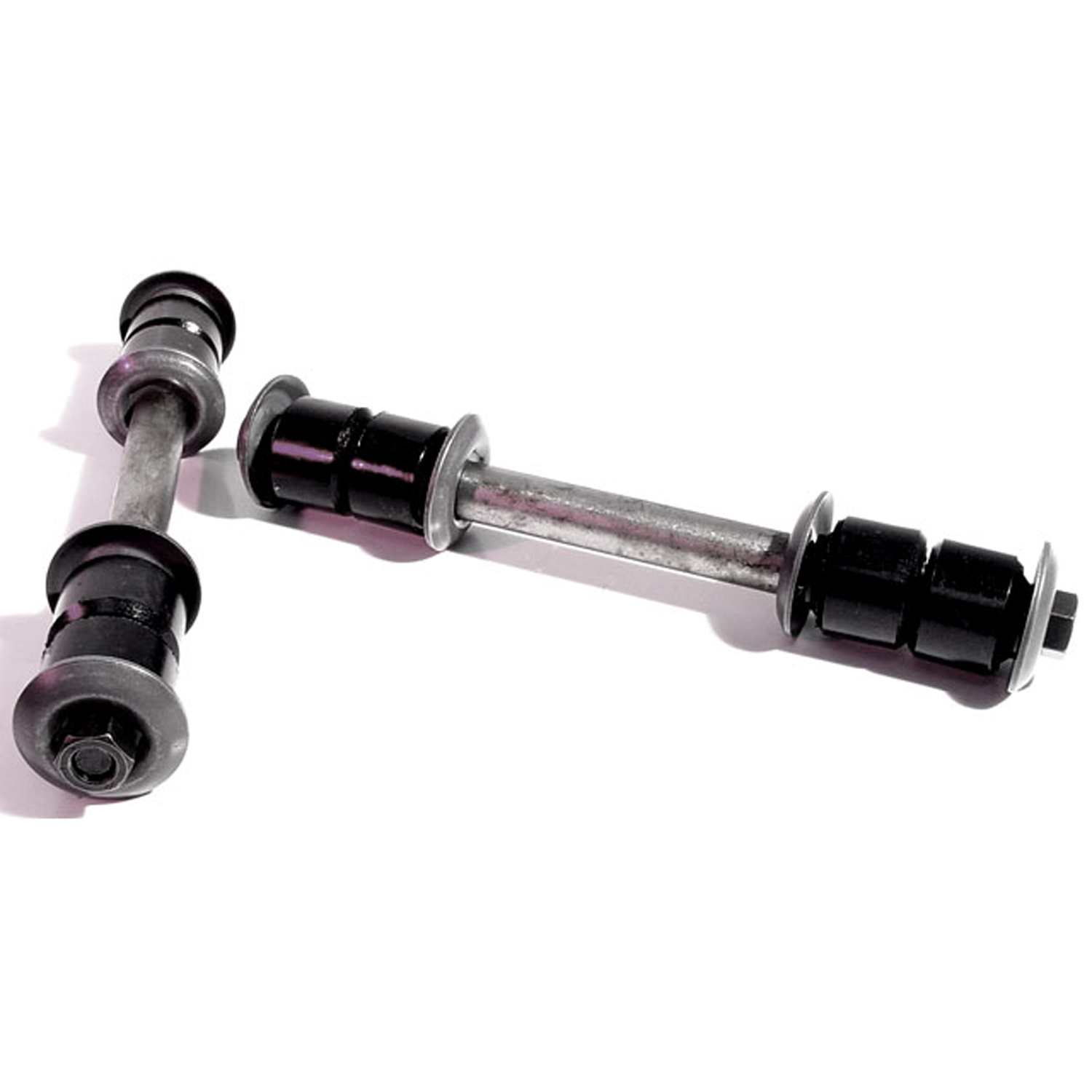 1977 Ford Thunderbird Front Stabilizer End Repair Kit-BNK 21Front Stabilizer End Repair Kit. 22-piece set for two stabilizer bars. Contains all rubber bushings, washers, bolts and nuts, enough for one front end. Set
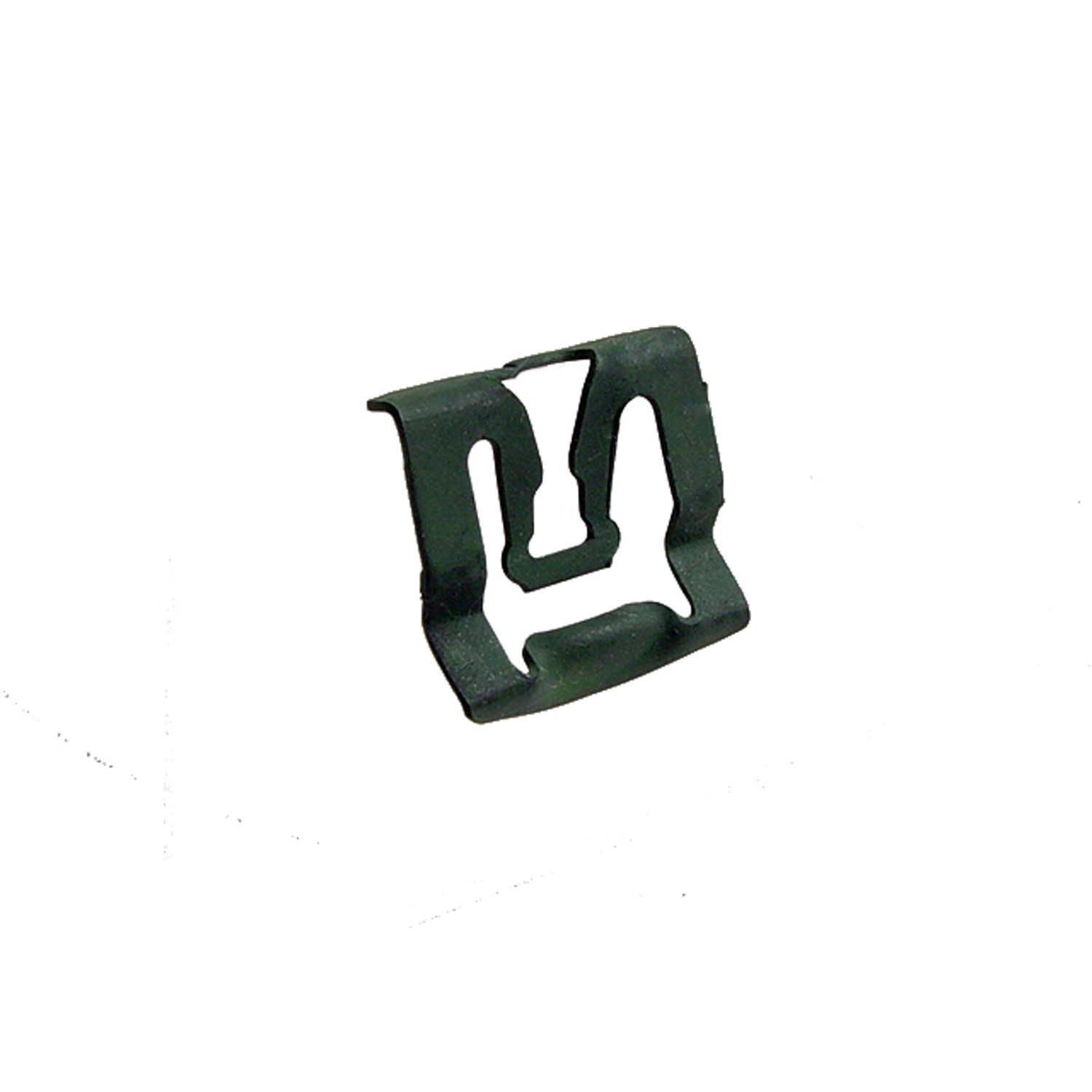 1977 Ford Thunderbird Windshield Reveal Molding Clip. Made of steel. Each-WF 228-AWindshield Reveal Molding Clip. Made of steel. Each
Why Choose Metro?
For over 100 years, Metro Moulded Parts has been the pinnacle of quality in classic car restoration parts. Our commitment to precision and authenticity in every component ensures a perfect fit and an OEM-level appearance.
- Expert Craftsmanship & Quality: Each part is a testament to our dedication to reliability and perfection, crafted from original designs and thoroughly tested.
- Advanced Technology: We use cutting-edge techniques to create flawless, long-lasting parts that surpass others in performance.
- SuperSoft Sponge – The Ultimate Door Seal: Not only are our door seals 30% softer than competitors', but they're also guaranteed to never leak. They effectively reduce wind and road noise, enhancing your classic car's comfort and driving experience.
- Proudly American: Our parts are a product of American craftsmanship, made in the USA with a spirit of excellence and heritage.
- Unrivaled Warranty: We back our products with a 30-year industry-leading warranty, a testament to our confidence in their quality.
Join us in preserving the legacy of classic cars with parts that are crafted for perfection, not just made.