

Image of 1978 Ford Granada, Note: These illustrations use artistic license and may differ from actual historical models.
Performance Metrics
Fundamental Metrics
Emotional Appeal
MMP Rating
| Engine Specifications | |
|---|---|
| Engine Options: | 200 CID I6, 250 CID I6, 302 CID V8, 351 CID V8 |
| Displacement Range: | 200-351 cubic inches |
| Horsepower Range: | 88-149 HP |
| Torque: | 122-245 lb-ft |
| Compression Ratio: | 8.4:1 - 9.0:1 |
| Ignition System: | Electronic ignition system |
| Cooling System: | Liquid cooled |
| Performance Specifications | |
| 0-60 Time: | Estimated 11-15 seconds |
| 1/4 Mile Time: | Estimated 17-20 seconds |
| Top Speed: | 100-110 mph |
| Transmission and Drive | |
| Drive Type: | Rear-wheel drive |
| Transmission Type: | 3-speed automatic, 4-speed manual |
| Fuel and Efficiency | |
| Fuel System Type: | Carburetor |
| MPG: | 15-20 mpg |
| Dimensions and Brakes | |
| Brakes: | Front disc, rear drum |
| Wheelbase: | 109.9 inches |
| Weight: | 3,200-3,600 lbs |
Note: Specifications for classic cars are given to the best of our ability, considering the limited and variant data available.
1978 Ford Granada: American Comfort in a Changing Era
The 1978 Ford Granada made an ordinary commute feel a little more formal, with an upright grille, a roomy cabin, and the option of a V8 under its long hood. Built by Ford Motor Company in the United States, it was part of a model line introduced in 1975 to offer buyers compact-car dimensions with a more luxurious, traditional American character.
Its timing mattered. The Granada arrived during the fuel-conscious 1970s, when buyers were rethinking big cars but still wanted comfort, familiar styling, and easygoing performance. Ford presented it as an upscale alternative to basic compacts, and the 1978 model was among the final versions before a major redesign for 1981.
One detail that often causes confusion: the U.S. Ford Granada is not the same car as the Ford Granada sold in Europe. They shared a name and a broad touring-car image, but were separate models developed for different markets.
Square Shoulders and a Dressy Cabin
The 1978 Granada wore the crisp, formal styling popular in the late 1970s. Its squared-off body, relatively upright roofline, broad hood, and prominent grille gave it a more substantial look than its size suggested. Depending on trim and equipment, brightwork, wheel covers, vinyl roof coverings, and other dress-up details added to its upscale appearance. The styling was often compared with European luxury sedans, a resemblance Ford’s marketing was happy to encourage.
Inside, the Granada favored comfort over sportiness. The dashboard and controls were straightforward, with large, legible instruments and familiar switchgear. Depending on trim, buyers could get upgraded upholstery, carpeting, wood-tone accents, a center armrest, and more elaborate seat coverings. Materials were typical of a mass-market American car of the period: attractive when new, but not especially delicate or luxurious by European standards.
Available equipment could include power steering, power brakes, air conditioning, an automatic transmission, cruise control, an AM/FM radio, and a rear-window defogger. Front disc brakes and rear drum brakes gave the Granada contemporary stopping hardware. These were useful comfort and convenience features, rather than cutting-edge technology, but they helped make the car pleasant for everyday use.
Ford offered the Granada in two-door and four-door configurations, along with a station wagon body style. Trim levels and equipment varied, with the Ghia emphasizing comfort and the ESS, or European Sport Sedan, adding a sportier appearance. The two-door ESS is among the most recognizable versions today. Paint choices varied by year and equipment, but buyers could choose from period favorites such as white, red, blue, green, and a range of metallic and earth-tone shades. Vinyl roofs and restrained two-tone combinations suited the car’s formal lines particularly well.
Why the Granada Mattered
The Granada was not a technological breakthrough, but it was an important product for Ford. It helped define the idea of the American luxury compact: a car with a manageable footprint, conventional rear-wheel-drive layout, and an interior and exterior that suggested more prestige than a basic economy model. That formula appealed to buyers who wanted to move away from full-size cars without giving up familiar comfort.
Its proportions and styling also reflected a broader shift in the industry. Automakers were adapting to fuel concerns, emissions rules, and changing tastes, while still relying on traditional design cues such as long hoods, formal grilles, and generous bright trim. The Granada’s direct, easy-to-understand engineering made it a practical choice in a complicated era.
The car did have its critics. Some observers felt its European-inspired image leaned too heavily on familiar luxury-car styling, while others found the base versions plain or underpowered. Still, the Granada’s sales success showed that plenty of buyers valued comfort and appearance as much as novelty.
Engines, Acceleration, and Road Manners
For 1978, the Granada’s engine choices included a 2.3-liter four-cylinder, 3.3-liter and 4.1-liter inline sixes, and a 4.9-liter (302-cubic-inch) V8. Exact output depended on engine, emissions equipment, and transmission. The smaller engines were aimed at buyers seeking lower running costs, while the V8 offered the strongest acceleration and an appealingly relaxed feel on the highway. Most Granadas were ordered with an automatic transmission, though manual transmissions were available in some configurations.
Performance figures varied considerably by engine and equipment. As a broad period-style estimate, a V8 Granada could reach 0-60 mph in roughly 10 to 12 seconds, with a top speed in the neighborhood of 100 to 110 mph. Six-cylinder cars were generally slower, often taking around 14 to 18 seconds to reach 60 mph. These are approximate figures, not guarantees: a car’s condition, axle ratio, transmission, and test method all make a difference.
The Granada’s character was comfort-oriented. Its suspension softened ordinary pavement imperfections, and power steering made parking and low-speed maneuvering easy. On winding roads, it behaved more like a traditional American sedan than a sports coupe, with noticeable body movement and a preference for smooth, unhurried cornering. Crosswinds and rough surfaces could remind the driver that this was a relatively light, softly sprung car by the standards of the day.
Behind the wheel, the experience is more about atmosphere than speed. A six-cylinder model delivers a muted, steady note, while the 302 V8 adds a deeper rumble under acceleration. The steering is light, the seating position is upright, and the cabin feels designed for comfortable trips rather than spirited driving. In good condition, a Granada is an easygoing classic that feels most at home cruising through town or covering open highway miles.
Living With a 1978 Granada
Today, Granadas are most often enjoyed as weekend cruisers, budget-friendly classics, or restoration projects. They are not common racing choices, though a V8-powered example can be modified for hobby motorsport. Their unpretentious character also makes them appealing to owners who want a period car they can drive without the formality or cost of a high-end collectible.
Mechanical repairs are generally approachable for a home mechanic. Ford engines and many service components were widely used, and replacement parts for routine maintenance are usually easier to find than model-specific trim. The 302 V8 is especially familiar to mechanics and parts suppliers. The harder items to source can be correct interior pieces, exterior moldings, unique trim, and sound body panels.
As with many cars of this age, rust deserves careful inspection. Check the lower fenders, floor pans, trunk, wheel arches, and areas around the windshield and rear window. Cars with vinyl roofs may hide corrosion beneath the covering. Also inspect the suspension, brakes, cooling system, and automatic transmission, especially if the car has been sitting for years. A running Granada can be inexpensive to buy, but neglected bodywork can quickly outweigh its bargain price.
Granada Trivia and Common Misconceptions
The Granada name was used by Ford in both North America and Europe, but the two cars were distinct vehicles. The U.S. model was a rear-wheel-drive American sedan and wagon, while the European Granada was designed for a different market and had its own engineering and body styles.
The Granada is better remembered for its successful positioning than for a racing record, speed title, or landmark technical achievement. Its most notable contribution was helping make a smaller, more fuel-conscious car feel like a conventional American comfort car. The model also became a familiar sight on U.S. roads, helped by its broad appeal and multiple body styles.
Common complaints include modest performance from the smaller engines, soft handling, and the tendency of aging examples to develop rust or worn interior trim. The flip side is simple: many parts are familiar, the cabin is comfortable, and the car does not demand exotic maintenance. Its straightforward nature is part of its charm.
Collector Values and Availability
The Granada was produced in substantial numbers, so it was not a limited-production model when new. A reasonable estimate is that roughly 300,000 to 400,000 U.S. examples were built or sold for the 1978 model year, though surviving cars are much less common today. Exact totals can vary by how production and sales figures are counted. Four-door sedans are generally the easiest to find, while clean wagons and well-optioned ESS or V8 cars attract extra interest.
In the 2026 classic-car market, a project or rough driver might sell for around $1,500 to $4,000. A usable, presentable example often falls in the $4,000 to $9,000 range, while a clean, well-maintained car may bring roughly $9,000 to $15,000. Exceptional, low-mileage, or especially desirable examples could reach $15,000 to $25,000, though condition and buyer demand matter far more than a badge or engine alone. These are broad estimates, not formal appraisals.
Values have generally been modest compared with those of better-known muscle cars and luxury models. The Granada is gaining attention as an overlooked slice of 1970s American motoring, but it is not yet a high-flying investment classic. A solid, complete car is usually a better buy than a cheap, rusty one, especially since correct trim can be difficult to replace.
A Comfortable Classic With a Clear Identity
The 1978 Ford Granada brought together formal styling, a comfortable interior, familiar Ford engineering, and a choice of practical engines. It was neither a sports sedan nor a technological trailblazer, but it captured a specific moment when American drivers wanted smaller cars that still felt reassuringly substantial.
For today’s enthusiast, that is precisely its appeal. A good Granada offers an honest, relaxed drive and a distinctive look at Ford’s response to a changing decade. It may not shout for attention, but it tells an engaging story about how American cars learned to make comfort fit a smaller footprint.
1978 Ford Granada Catalog of Parts
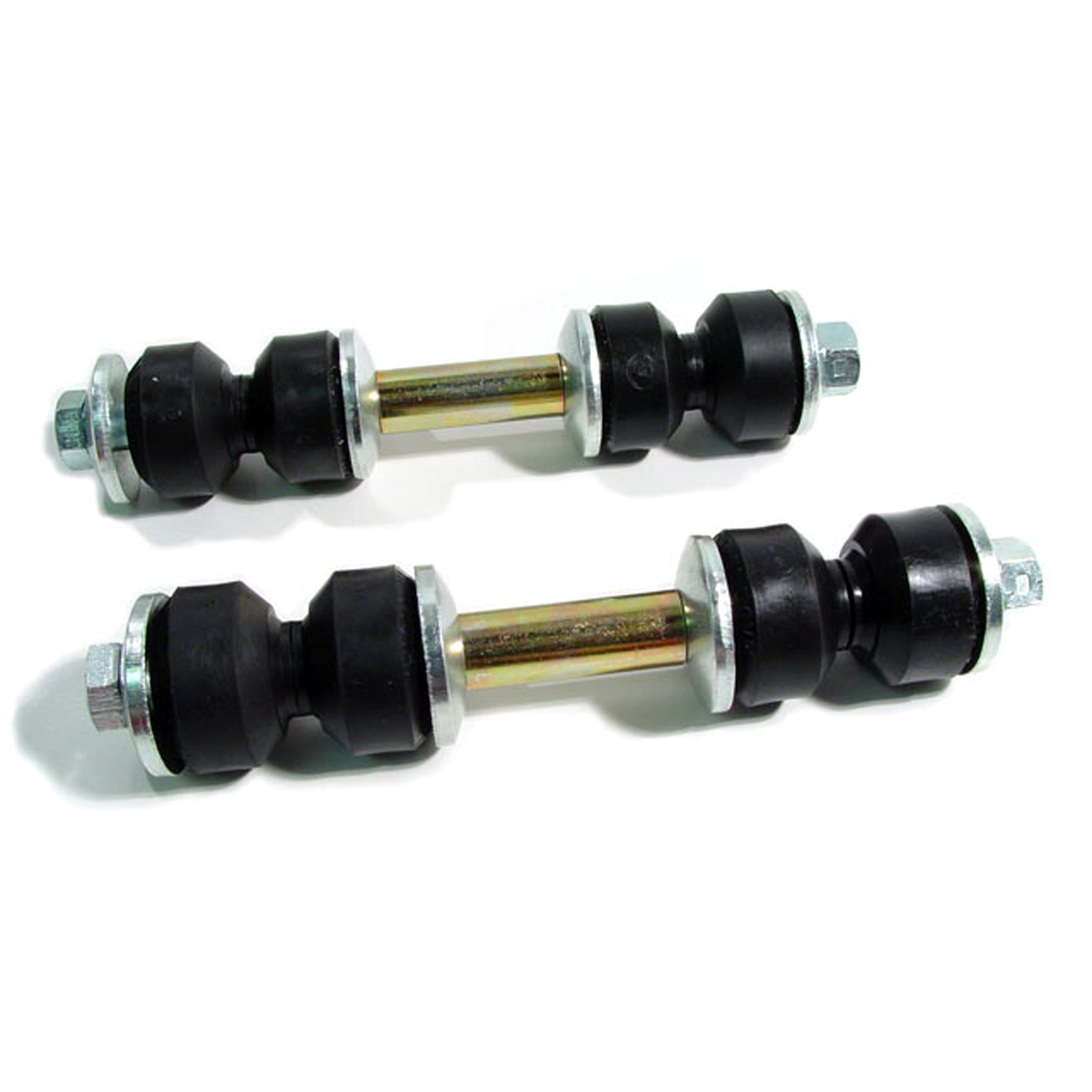 1978 Ford Granada Front Stabilizer End Repair Kit-BNK 22Front Stabilizer End Repair Kit. 22-piece set for two stabilizer bars. Contains all rubber bushings, washers, bolts and nuts, enough for one front end. Set
Why Choose Metro?
For over 100 years, Metro Moulded Parts has been the pinnacle of quality in classic car restoration parts. Our commitment to precision and authenticity in every component ensures a perfect fit and an OEM-level appearance.
- Expert Craftsmanship & Quality: Each part is a testament to our dedication to reliability and perfection, crafted from original designs and thoroughly tested.
- Advanced Technology: We use cutting-edge techniques to create flawless, long-lasting parts that surpass others in performance.
- SuperSoft Sponge – The Ultimate Door Seal: Not only are our door seals 30% softer than competitors', but they're also guaranteed to never leak. They effectively reduce wind and road noise, enhancing your classic car's comfort and driving experience.
- Proudly American: Our parts are a product of American craftsmanship, made in the USA with a spirit of excellence and heritage.
- Unrivaled Warranty: We back our products with a 30-year industry-leading warranty, a testament to our confidence in their quality.
Join us in preserving the legacy of classic cars with parts that are crafted for perfection, not just made.