
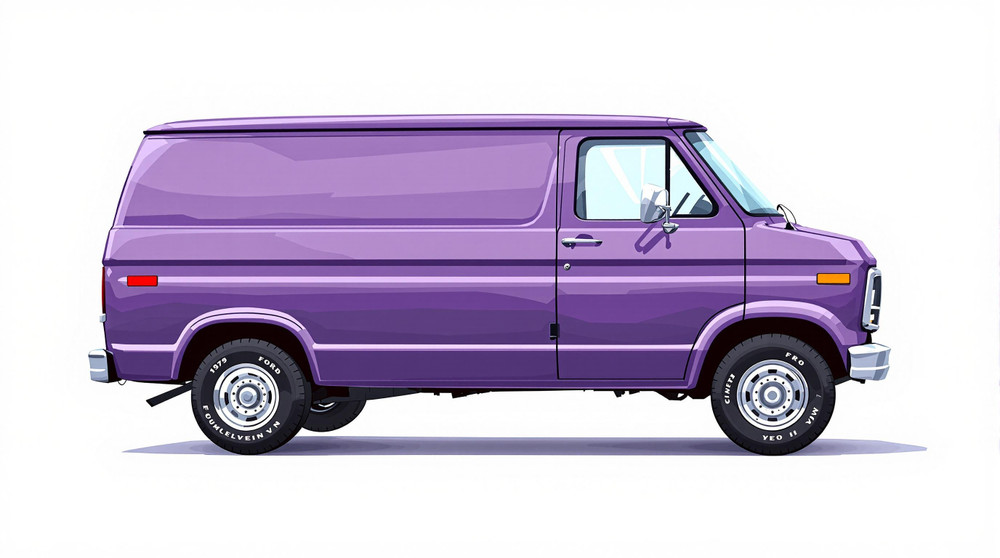
Image of 1979 Ford E-100 Econoline, Note: These illustrations use artistic license and may differ from actual historical models.
Performance Metrics
Fundamental Metrics
Emotional Appeal
MMP Rating
| Engine Specifications | |
|---|---|
| Engine Options: | 4.9L Inline 6, 5.8L V8, 7.5L V8 |
| Displacement Range: | 4.9L - 7.5L |
| Horsepower Range: | 100-225 HP |
| Torque: | 223-355 lb-ft |
| Compression Ratio: | 8.0:1 - 8.4:1 |
| Ignition System: | Distributor ignition |
| Cooling System: | Liquid cooled |
| Performance Specifications | |
| 0-60 Time: | Estimated 12-15 seconds |
| 1/4 Mile Time: | Estimated 18-20 seconds |
| Top Speed: | 85-100 mph |
| Transmission and Drive | |
| Drive Type: | Rear wheel drive |
| Transmission Type: | 3-speed automatic or 4-speed manual |
| Fuel and Efficiency | |
| Fuel System Type: | Carburetor |
| MPG: | Estimated 10-14 mpg |
| Dimensions and Brakes | |
| Brakes: | Front disc, rear drum |
| Wheelbase: | 124 inches |
| Weight: | 4,000-5,000 lbs |
Note: Specifications for classic cars are given to the best of our ability, considering the limited and variant data available.
1979 Ford E-100 Econoline: A Full-Size Van with Staying Power
The 1979 Ford E-100 Econoline could be a workhorse, a family hauler, or the starting point for a rolling home. Its boxy shape and straightforward construction made it instantly recognizable, while its full-size proportions gave owners room to carry tools, passengers, camping gear, or just about anything else that would fit through the rear doors.
Built by Ford, the E-100 belonged to the third-generation Econoline range, introduced for 1975. The series represented a major shift from the earlier forward-control vans: the engine moved out from between the front seats and beneath a conventional hood, creating a more familiar driving position and a front end with a more carlike appearance. The E-100 was the light-duty member of the lineup, alongside heavier E-250 and E-350 models.
One notable part of the Econoline’s story is how readily it changed roles. Ford sold the basic van as practical commercial transportation, but owners and conversion companies turned it into a camper, a passenger van, and a custom “van culture” cruiser. A plain cargo model could leave the factory looking like a delivery vehicle and later emerge with shag carpeting, swivel seats, curtains, and elaborate paintwork.
Classic Econoline Design and Body Styles
The 1979 E-100 wore the era’s unmistakable full-size-van silhouette: a short, blunt hood, broad upright windshield, tall sides, and a large, nearly vertical rear. Its sheet metal favored practicality over decoration. The wide grille and rectangular headlamps gave the front a solid, purposeful look, while the tall body left plenty of space for shelving, passengers, or a camper conversion.
Ford offered the Econoline in cargo-van and passenger-oriented Club Wagon forms. The cargo van emphasized open floor space and utility, with side and rear doors suited to loading equipment. Club Wagon versions added passenger seating and trim, and could be ordered with more comfort and convenience features. Beyond factory configurations, buyers could choose windows, seating layouts, and equipment to suit their needs. Conversion companies added high roofs, extra seating, beds, cabinets, and other custom fittings.
The E-100’s cabin was functional rather than luxurious. Durable vinyl and hard-wearing trim were common choices, particularly in work-focused vans. Passenger and better-equipped versions could have more finished upholstery and additional convenience features. The driver sat high, with a large windshield and upright seating position that made the van feel commanding in traffic. The trade-off was a broad dashboard and a driving position that felt more like operating a truck than a car.
Exterior colors varied by year, trim, and fleet order. Work vans were often finished in practical whites, blues, reds, and other solid colors, while passenger vans and conversions could wear brighter or more elaborate combinations. For many surviving examples, the conversion paint scheme is as memorable as the original Ford finish.
1979 E-100 Technology and Engineering
By modern standards, the E-100’s equipment was simple. Depending on specification, buyers could order conveniences such as power steering, power brakes, air conditioning, and an automatic transmission. The basic controls were easy to understand, and the van’s construction was designed around serviceability rather than electronic complexity. That simplicity is one reason many owners still find these vehicles approachable to maintain.
Ford’s Twin I-Beam independent front suspension was an important part of the driving character. It used long, offset beams to manage front-wheel movement, while leaf springs supported the rear axle. The layout was rugged and well suited to a vehicle expected to carry heavy loads. Front disc brakes and rear drum brakes were typical of the period, though the equipment on an individual van should always be checked against its build details and current condition.
Engine and transmission combinations varied with year, configuration, and market. The 300-cubic-inch inline-six was a well-known work-oriented choice, while V8 options were available in the Econoline range. A three-speed automatic was a common pairing, with manual transmission availability depending on specification. Because decades of engine swaps and drivetrain changes are common, a VIN alone may not tell the whole story; a build sheet, engine identification numbers, and a careful inspection are more useful when confirming originality.
Why the Econoline Mattered
The 1979 E-100 was part of a broader change in how Americans used vans. Earlier vans often had a cab-forward layout, but the third-generation Econoline’s conventional hood and front-engine arrangement gave it a more familiar feel. It also provided a substantial frame and roomy body, making it adaptable to both commercial work and recreational use.
That flexibility helped the full-size van become a cultural fixture during the 1970s. Businesses valued the cargo capacity, families used passenger versions for road trips, and custom builders saw a blank canvas. The E-100 was not a technological showpiece, but its adaptable platform helped establish the full-size van as something more than a delivery vehicle. Its influence is still visible in the modern cargo van, where commercial practicality and passenger comfort continue to share the same basic platform.
Compared with a pickup, the Econoline offered enclosed cargo space and protection from weather. Compared with a station wagon, it offered a much taller interior and more flexible seating or storage. Its compromise was equally clear: it was large, heavy, and less nimble than either one.
Performance and Road Manners
Performance depended heavily on engine, axle ratio, transmission, load, and vehicle condition. A reasonable period-style estimate for a typical E-100 is a 0-to-60 mph time in the mid-teens, with a top speed broadly in the neighborhood of 80 to 90 mph. These are estimates rather than guaranteed factory figures. A lightly loaded van with a healthy V8 will behave differently from a work van carrying equipment with an inline-six.
The E-100 was built for useful low- and mid-speed work, not quick acceleration. The inline-six is known for a steady, unhurried character, while a V8 adds more effortless pull and a deeper exhaust note. Either way, the engine sits close to the driver, so its mechanical sounds are part of the experience: a broad engine growl under acceleration, wind around the tall body, and the low rumble of a solid rear axle over rough pavement.
On a smooth road, the van feels stable and substantial. Over bumps, its heavy-duty suspension can feel firm, especially when the cargo area is empty. Add a load and the ride often settles down. On windy roads or in crosswinds, the tall sides and broad body are noticeable, and the driver needs to make deliberate steering corrections. Its large turning circle and size also call for more planning in tight parking lots and narrow streets.
Behind the wheel, the high seat and expansive windshield provide a commanding view, but the E-100 does not drive like a modern crossover. Steering can feel slow, braking distances are longer than those of contemporary cars, and there is no electronic stability control or modern driver assistance. A well-maintained example is perfectly usable at sensible speeds, but it rewards anticipation rather than sharp, last-second inputs.
Owning and Maintaining a 1979 E-100
Owners use these vans as weekend cruisers, work vehicles, camper projects, show entries, and occasional daily drivers. The cargo version remains useful for hauling, while passenger and conversion models appeal to people who want a period-correct road-trip vehicle. A well-finished custom van can also be a standout at classic-car shows, though originality and workmanship matter to collectors.
Mechanical repairs are generally straightforward by modern standards. The engine bay is accessible, the systems are largely mechanical, and many components are shared with other Ford vehicles of the era. Basic maintenance such as tune-ups, brake work, and routine fluid service is within reach for a capable home mechanic. Parts availability is generally better for common mechanical items than for model-specific trim, glass, interior pieces, and conversion equipment.
Age is the main reliability challenge. Inspect the frame, floor, wheel openings, door seams, and windshield surround for rust. Check the cooling system, steering components, brakes, transmission, and wiring, as well as the condition of any camper or custom interior. Vans that have spent years working or sitting outdoors can hide extensive corrosion beneath carpeting or conversion panels. A clean, documented van is often a better buy than a cheap project with an attractive paint job.
Ford E-100 Facts and Common Criticisms
The Econoline name dates to Ford’s first compact van in 1961, but the 1979 E-100 belongs to the larger, more conventional van family that followed. The E-series name would go on to become a long-running Ford commercial-vehicle line. The 1979 model itself is not known for a single major speed or endurance record; its claim to fame is its versatility and its place in the rise of the American custom van.
There is no reliable, widely published production total specifically for 1979 E-100s that separates them cleanly from other Econoline models and configurations. As a rough estimate rather than an official figure, production may have been in the tens of thousands, perhaps around 15,000 to 30,000 E-100 vans for the model year. The exact number is difficult to establish because Ford’s public production information is not always broken down by every weight class, body style, and option combination.
The E-100’s common complaints are familiar: fuel economy is modest, handling is trucklike, and the ride can be firm when unloaded. Its size makes parking a chore, and aging examples may need extensive rust repair or restoration. It is also not a particularly fast vehicle. Those drawbacks are part of the honest ownership picture, but they are balanced by generous interior space, simple mechanicals, and a distinctive period character.
1979 E-100 Collector Value and Availability
Values vary widely according to rust, originality, engine, body style, and the quality of any conversion. As a broad current-market estimate, a rough project might sell for about $2,000 to $6,000. A usable driver in decent condition could bring roughly $7,000 to $15,000, while a clean, well-presented example may reach $15,000 to $25,000. Exceptional restorations or high-quality custom vans can exceed that range, particularly when the interior and paintwork are desirable and professionally finished.
Survivors are not exceptionally rare, but finding a sound, unmodified E-100 is harder than finding a project. Work vans often accumulated heavy mileage, while custom vans have sometimes been altered repeatedly. Original trim, rust-free bodywork, and clear documentation can make an example stand out. Prices for attractive classic vans have generally strengthened as buyers look for nostalgic, usable vehicles, though the market remains condition-sensitive and custom conversions appeal to a narrower audience than original examples.
A Practical Classic with Personality
The 1979 Ford E-100 Econoline combines straightforward engineering with an adaptable, instantly recognizable shape. It was built to haul, but its roomy body and easy-to-modify layout gave it a second life as a family van, camper, and custom classic. Performance and handling are firmly rooted in the 1970s, and ownership demands attention to age-related wear, but the mechanical simplicity remains a major advantage.
For collectors and enthusiasts, the E-100 is more than a box on wheels. It is a rolling reminder of the era when a work van could become a personal statement, a road-trip companion, or a miniature home. That versatility is the reason the Econoline still turns heads long after its working days are over.
1979 Ford E-100 Econoline Catalog of Parts
 1979 Ford E-100 Econoline Brake Pedal Pad. 4-3/4" wide X 2-1/4" long-CB 111-NBrake Pedal Pad. 4-3/4" wide X 2-1/4" long. Replaces OEM #'s BC3Z2457B, D3TZ2457A, D3TZ2457B. Each
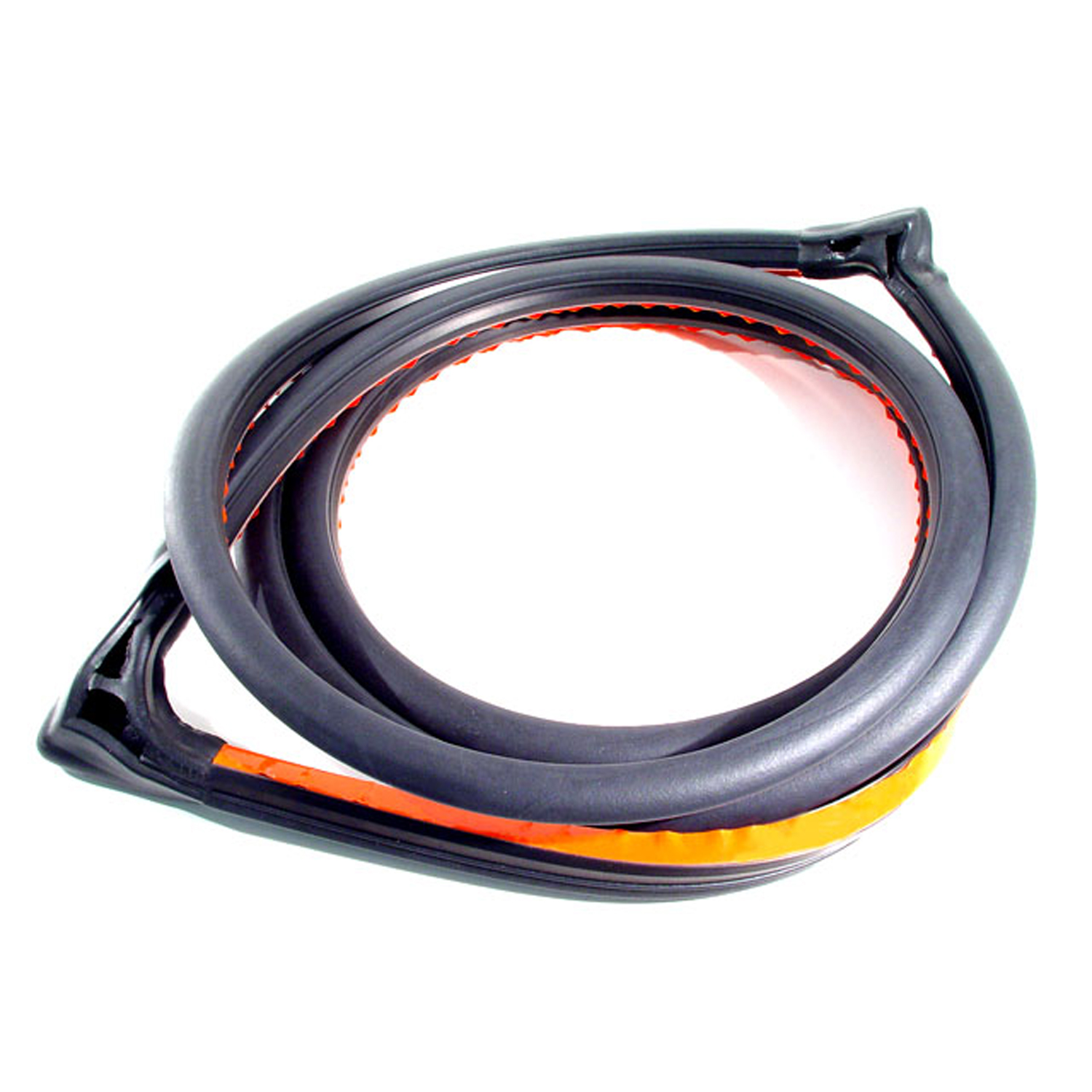 1979 Ford E-100 Econoline Front Side Cargo Door Seal-LM 110-VAFront Side Cargo Door Seal (fits front right side of cargo door). Replaces OEM #E9UZ 1525324 B. For rear (left side) matching seal, see LM 110-VB. Each
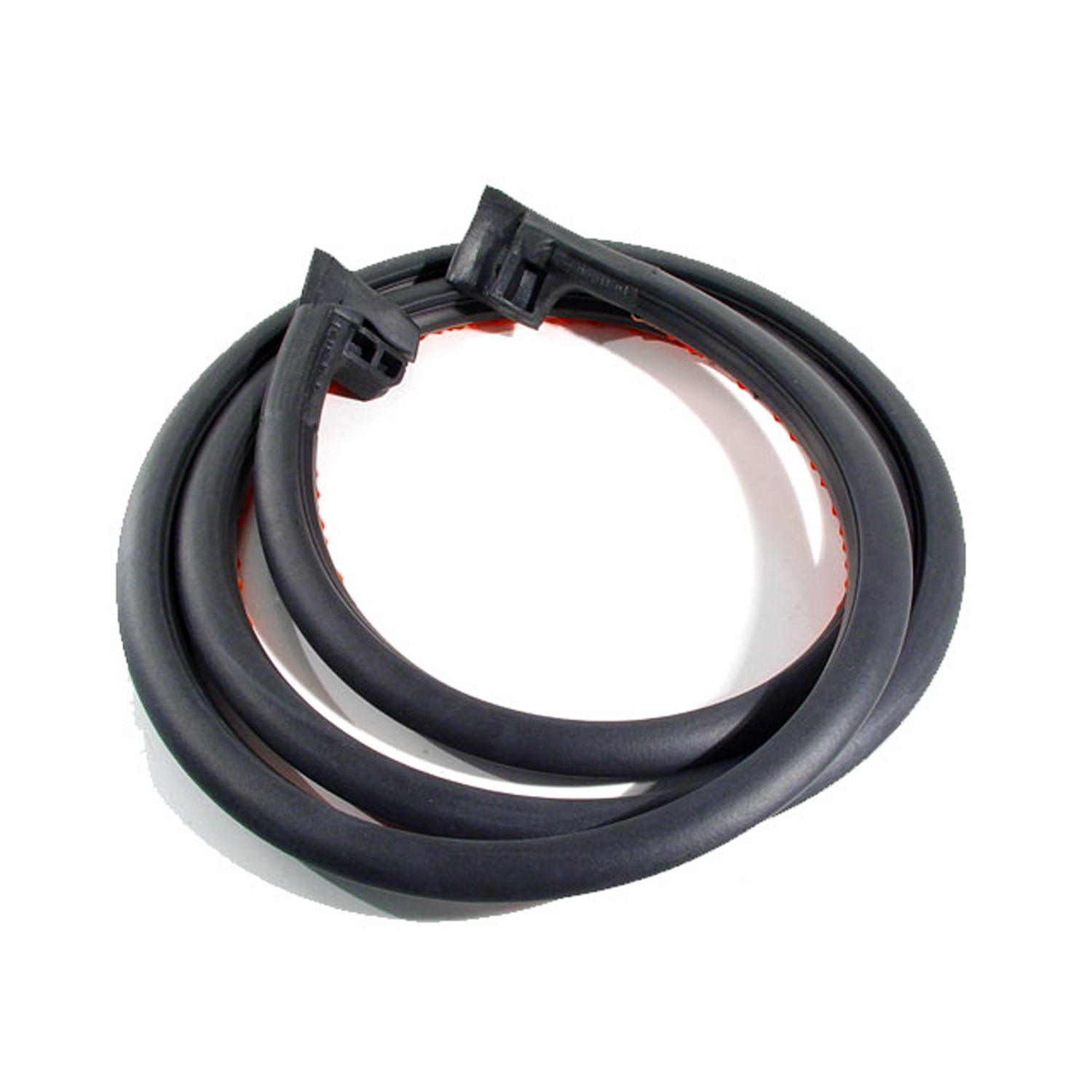 1979 Ford E-100 Econoline Rear Side Cargo Door Seal-LM 110-VBRear Side Cargo Door Seal (fits rear left side of cargo door). Replaces OEM #E9UZ 1525325 B. For front (right side) matching seal, see LM 110-VA. Each
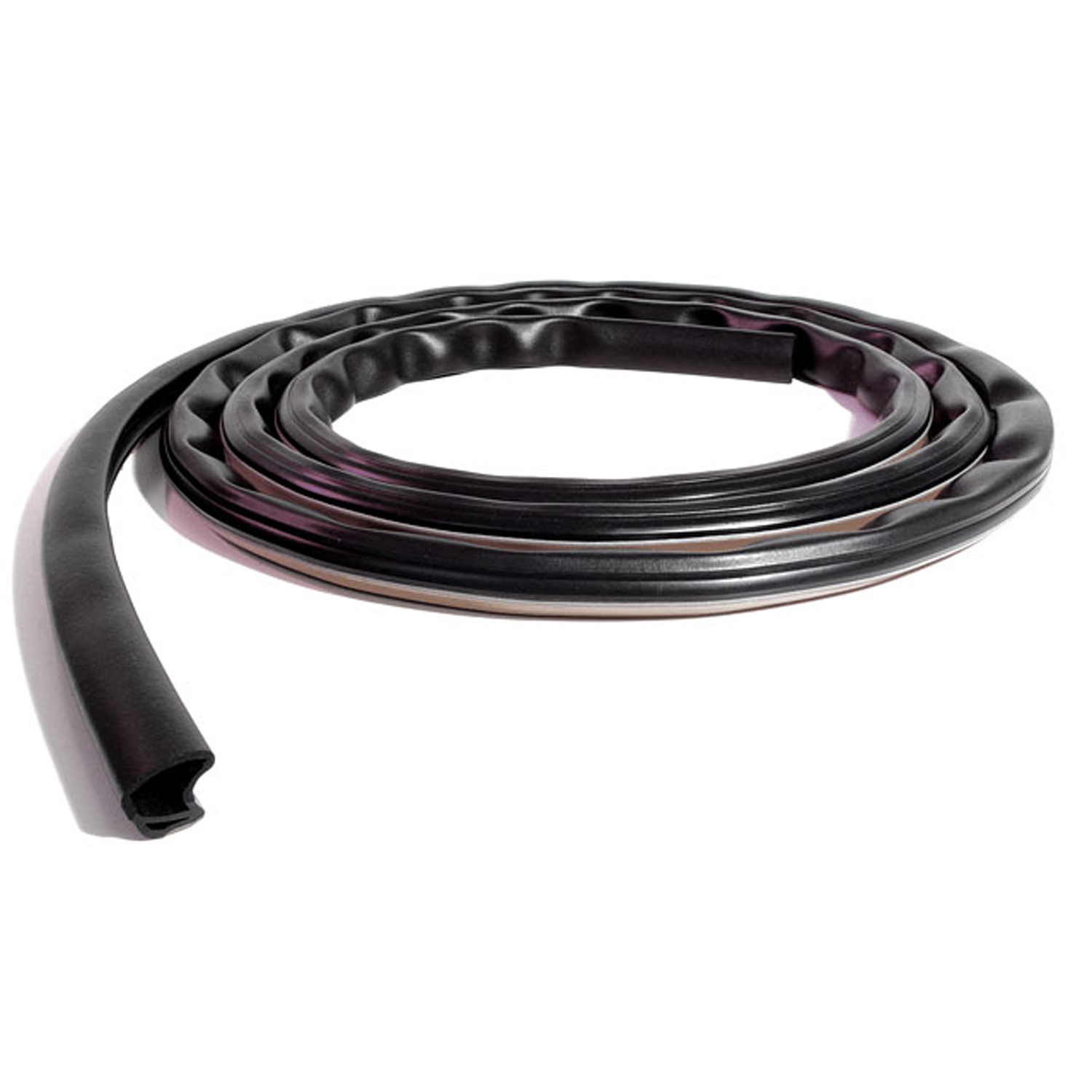 1979 Ford E-100 Econoline Left Front (drivers side) Door Seal. Each-LM 110-VLLeft Front (drivers side) Door Seal. Each
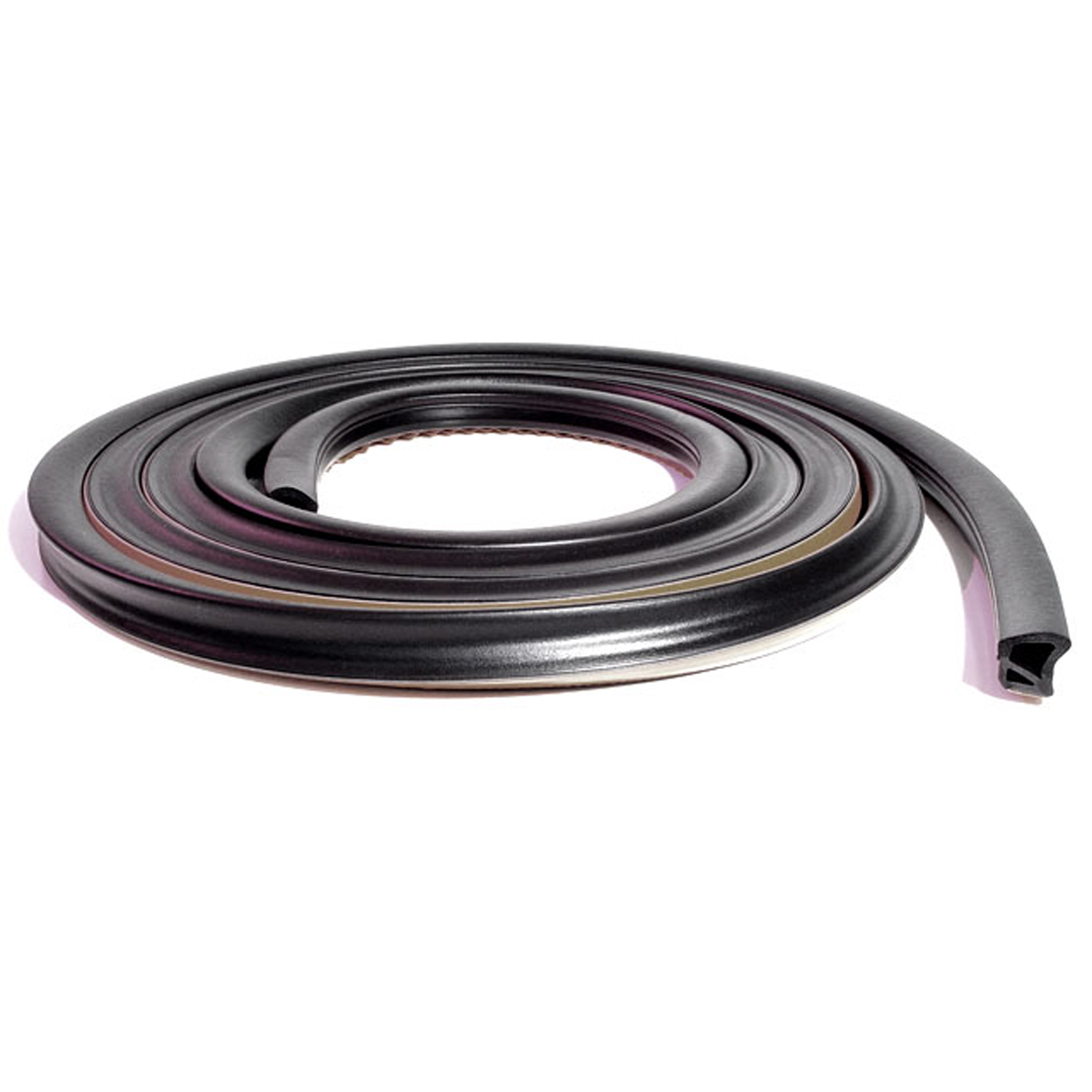 1979 Ford E-100 Econoline Right Front (passenger side) Door Seal. Each-LM 110-VRRight Front (passenger side) Door Seal. Each
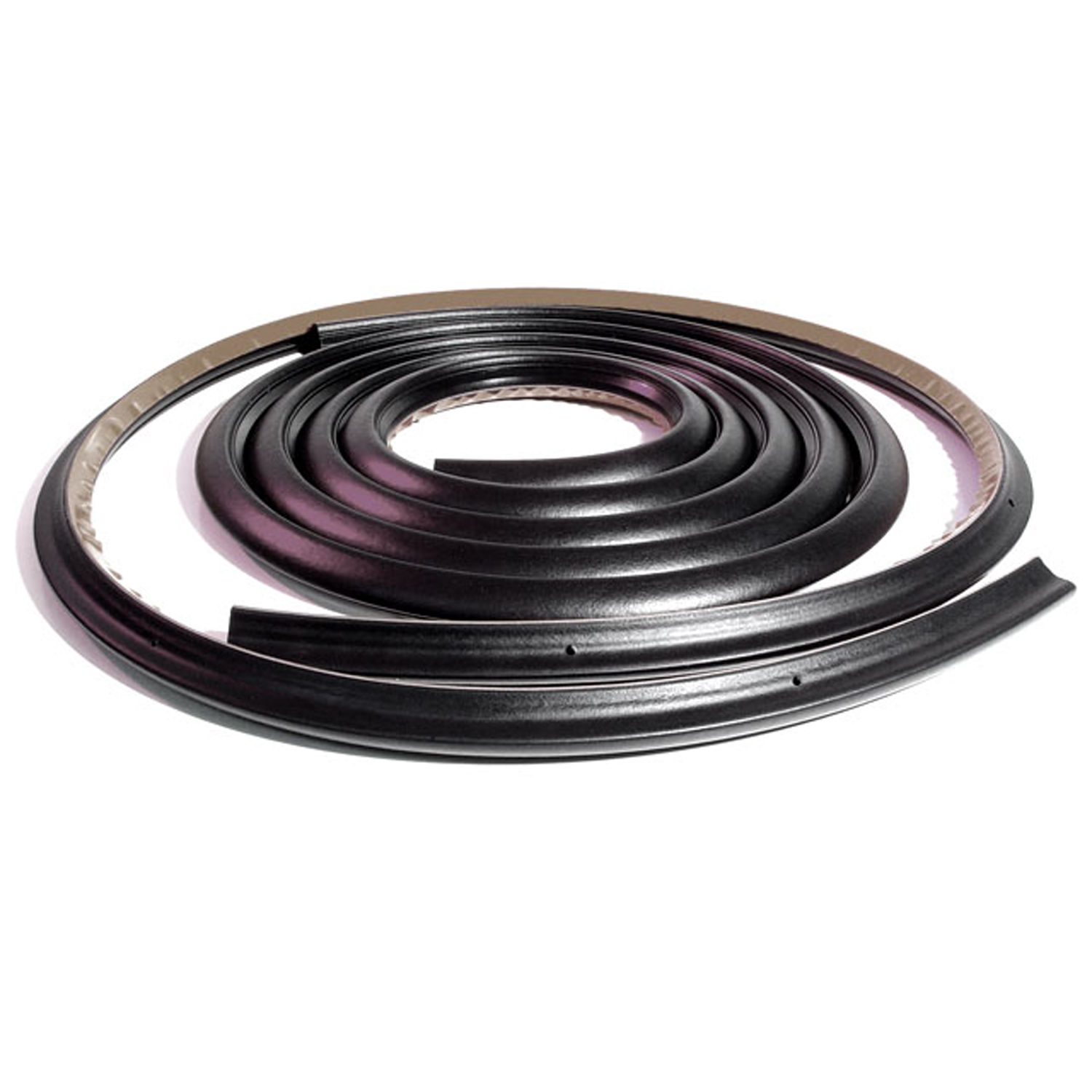 1979 Ford E-100 Econoline Side Slider Door Seal. Each-LM 110-VSSide Slider Door Seal. Each
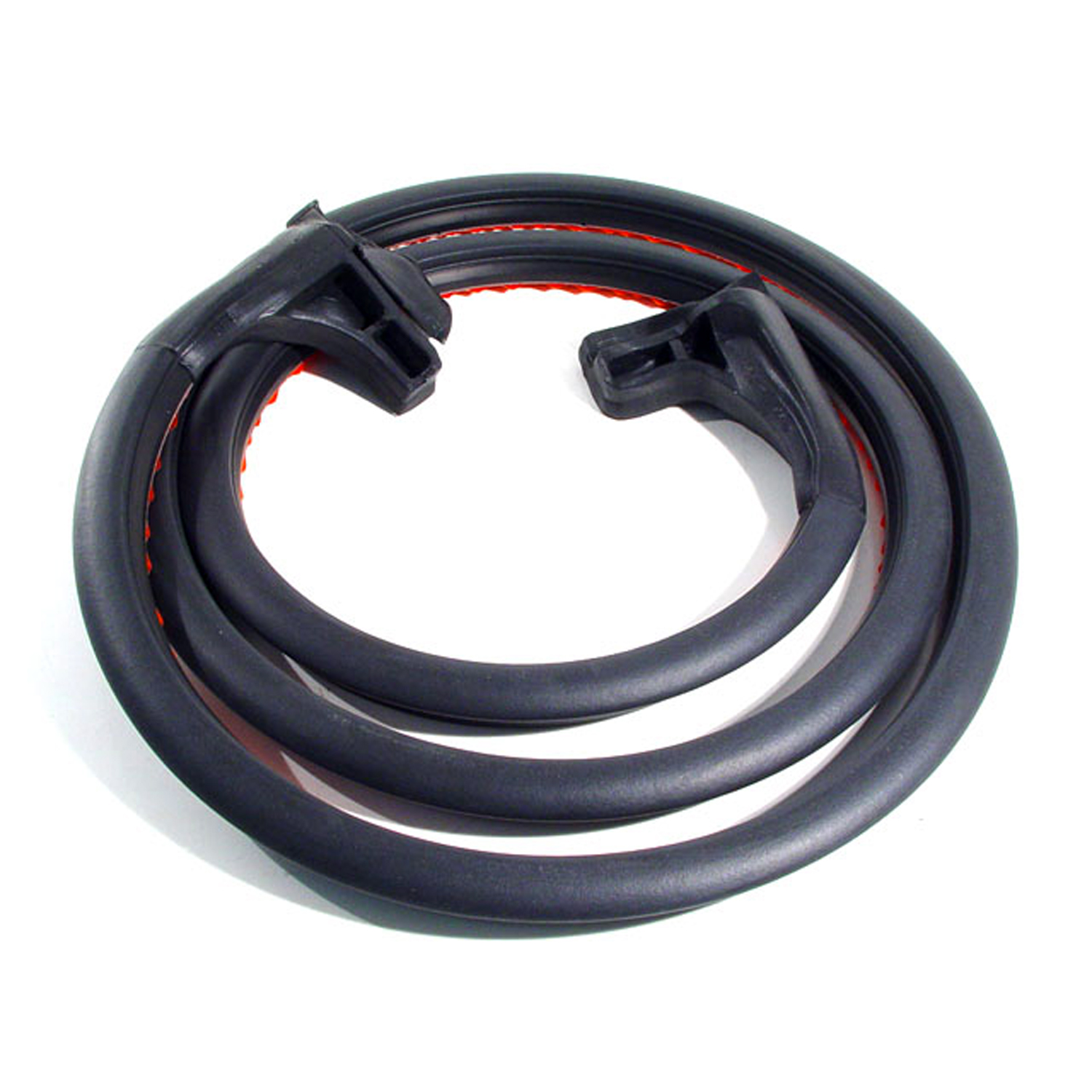 1979 Ford E-100 Econoline Left Rear Door Seal (Drivers Side)-LM 110-VTLeft Rear Door Seal (Drivers Side). Replaces OEM #E9UZ 1543723 A. Each
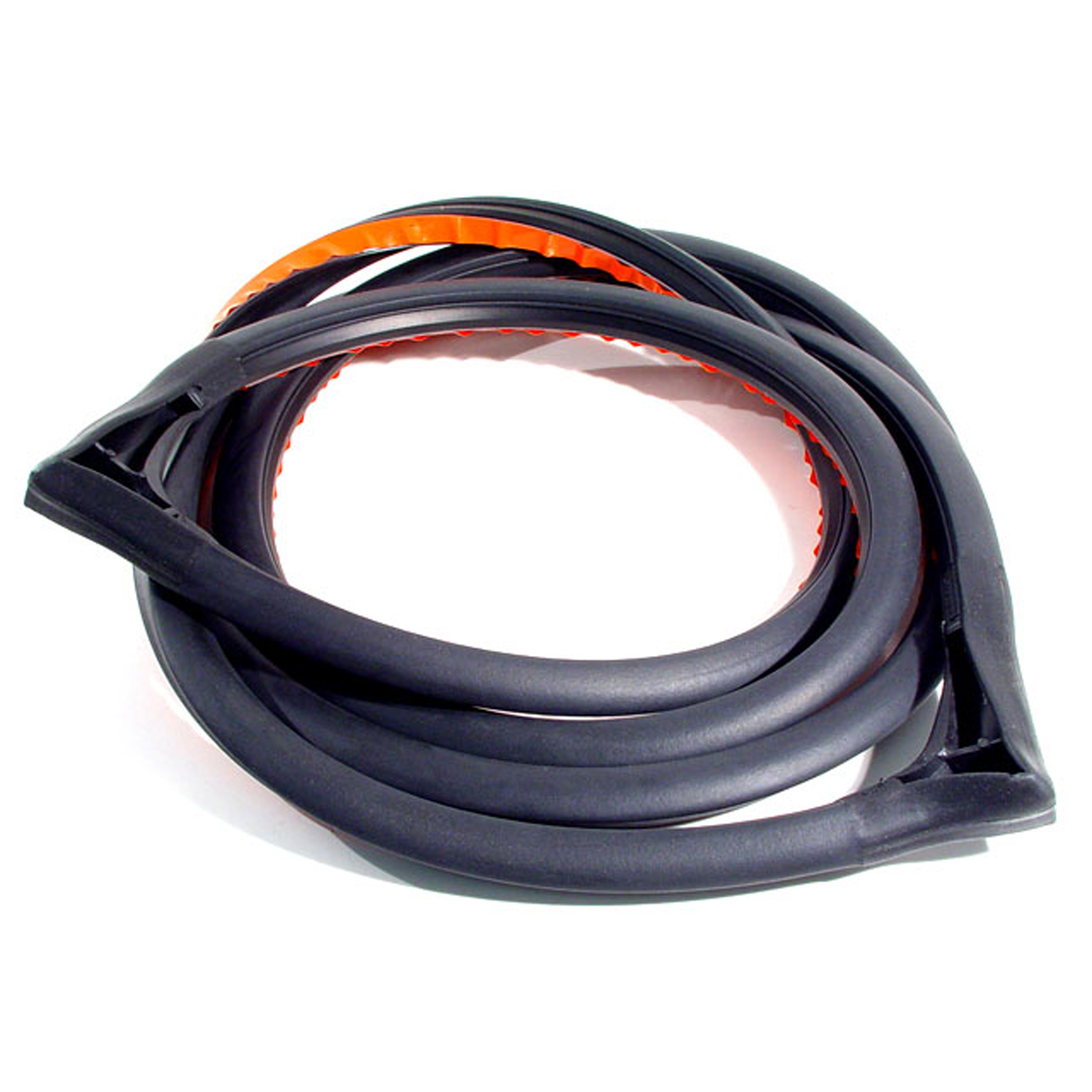 1979 Ford E-100 Econoline Right Rear Door Seal (Passenger Side)-LM 110-VURight Rear Door Seal (Passenger Side). Replaces OEM #F0UZ 1543722 A. Each
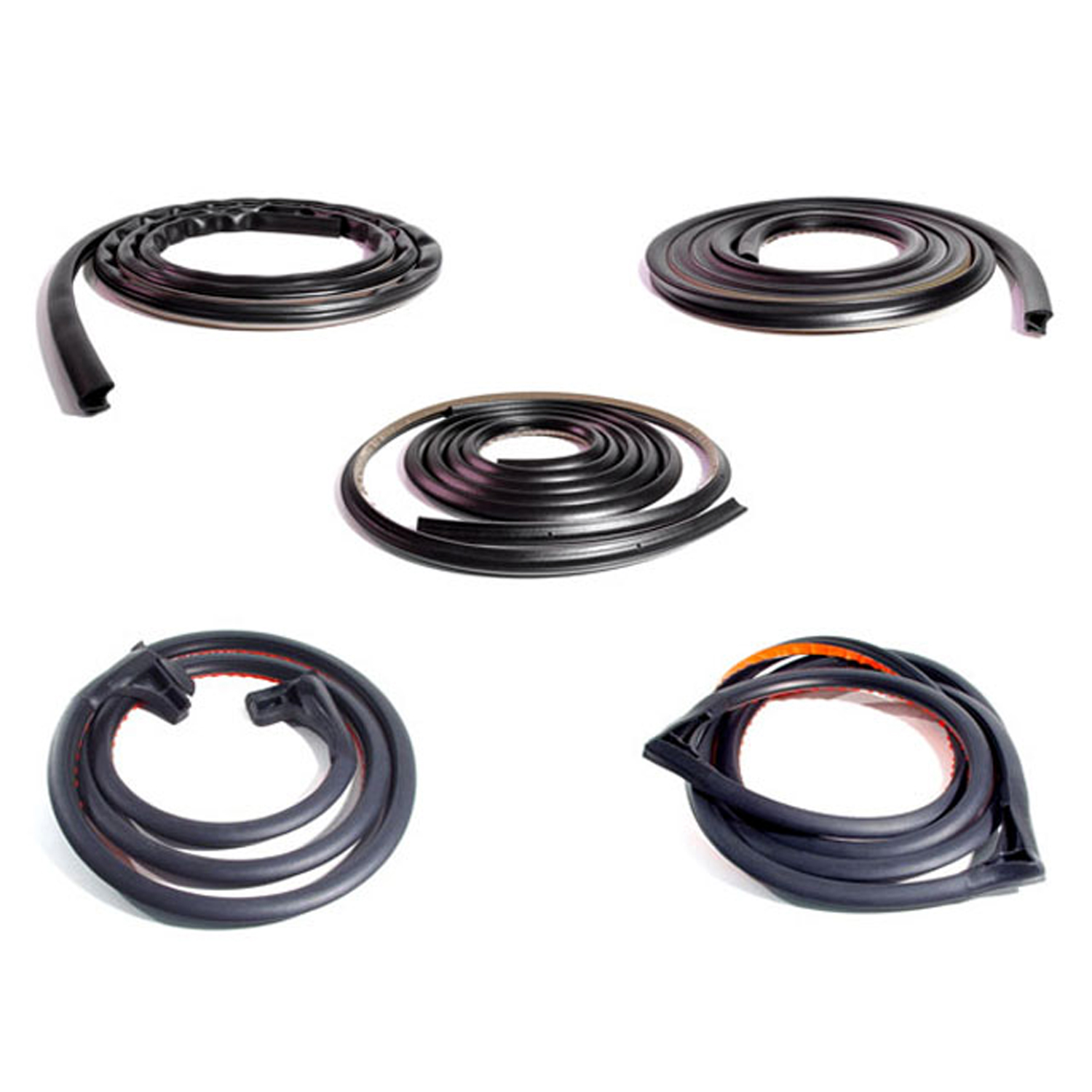 1979 Ford E-100 Econoline Basic Kit, for Models with Side Sliding Door-RKB 3000-100Basic Kit, for Models with Side Sliding Door. Front Left Door (LM 110-VL), Front Right Door (LM 110-VR), Back Left Door (LM 110-VT), Back Right Door (LM 110-VU), Side Sliding Door (LM 110-VS) Seals.
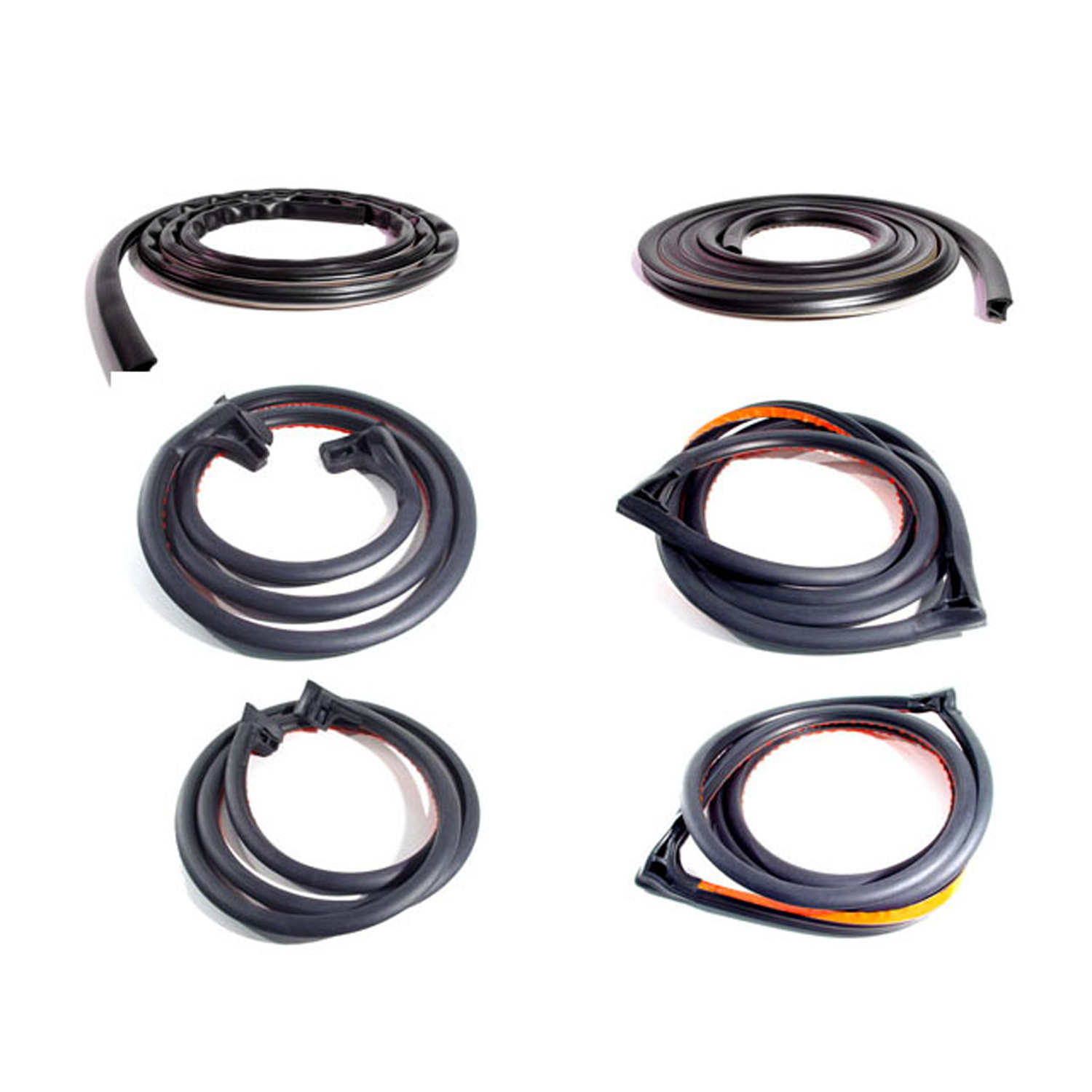 1979 Ford E-100 Econoline Basic Kit, for Models w/Side Cargo Door-RKB 3000-101Basic Kit, for Models w/Side Cargo Door. Front Left LM 110-VL), Front Right LM 110-VR), Back Left LM110-VT), Back Right LM 110-VU), Front Cargo Side (LM 110-VA), Rear Cargo Side (LM 110-VB) Door Seals.
Why Choose Metro?
For over 100 years, Metro Moulded Parts has been the pinnacle of quality in classic car restoration parts. Our commitment to precision and authenticity in every component ensures a perfect fit and an OEM-level appearance.
- Expert Craftsmanship & Quality: Each part is a testament to our dedication to reliability and perfection, crafted from original designs and thoroughly tested.
- Advanced Technology: We use cutting-edge techniques to create flawless, long-lasting parts that surpass others in performance.
- SuperSoft Sponge – The Ultimate Door Seal: Not only are our door seals 30% softer than competitors', but they're also guaranteed to never leak. They effectively reduce wind and road noise, enhancing your classic car's comfort and driving experience.
- Proudly American: Our parts are a product of American craftsmanship, made in the USA with a spirit of excellence and heritage.
- Unrivaled Warranty: We back our products with a 30-year industry-leading warranty, a testament to our confidence in their quality.
Join us in preserving the legacy of classic cars with parts that are crafted for perfection, not just made.