

Image of 1979 Ford E-250 Econoline Club Wagon, Note: These illustrations use artistic license and may differ from actual historical models.
Performance Metrics
Fundamental Metrics
Emotional Appeal
MMP Rating
| Engine Specifications | |
|---|---|
| Engine Options: | 4.9L Inline 6, 5.8L V8, 7.5L V8 |
| Displacement Range: | 300-460 cubic inches |
| Horsepower Range: | 130-225 HP |
| Torque: | 223-357 lb-ft |
| Compression Ratio: | 8.0:1 - 8.4:1 |
| Ignition System: | Distributor ignition |
| Cooling System: | Liquid cooled |
| Performance Specifications | |
| 0-60 Time: | Estimated 12-15 seconds |
| 1/4 Mile Time: | Estimated 18-20 seconds |
| Top Speed: | 85-95 mph |
| Transmission and Drive | |
| Drive Type: | Rear wheel drive |
| Transmission Type: | 3-speed automatic or 4-speed manual |
| Fuel and Efficiency | |
| Fuel System Type: | Carburetor |
| MPG: | Estimated 10-14 mpg |
| Dimensions and Brakes | |
| Brakes: | Front disc, rear drum |
| Wheelbase: | 124 inches |
| Weight: | 4,500-5,500 lbs |
Note: Specifications for classic cars are given to the best of our ability, considering the limited and variant data available.
1979 Ford E-250 Club Wagon: A Full-Size Van With Staying Power
The 1979 Ford E-250 Econoline Club Wagon was built to carry people, luggage, tools, or a little of everything, and it did so with the sturdy, straightforward character that made Ford’s full-size vans familiar across America. It was a passenger-oriented version of the E-Series, Ford’s long-running van line, with the E-250 designation marking a heavier-duty three-quarter-ton platform.
Ford’s first Econoline appeared in 1961 as a compact van. The much larger third-generation E-Series, introduced for 1975, moved to a conventional front-engine layout and a stronger body-on-frame design. By 1979, the Club Wagon was serving families, shuttle operators, tradespeople, and recreational travelers. One notable part of its story is its remarkable longevity: the E-Series name continued for decades, with passenger vans eventually giving way to modern SUVs while E-Series cutaway chassis carried on in commercial service.
The 1979 model also arrived during the second oil crisis, when fuel economy was a growing concern but buyers still needed substantial carrying capacity. A full-size van with a V8 and room for a crowd was not a fuel-sipping choice. It was a practical one, built around the idea that space, durability, and flexibility mattered most.
Exterior Design and Club Wagon Options
The E-250 has the unmistakable shape of a late-1970s American van: a tall, upright body, a broad windshield, a blunt nose, and squared-off glass that prioritizes visibility and cabin space over aerodynamic finesse. Its front end looks more like a compact truck than a car, with a simple grille, rectangular or quad headlamps depending on specification, and a prominent front bumper. The engine sits ahead of the passenger compartment, beneath a removable interior engine cover commonly called the doghouse.
Club Wagon models were designed for passengers rather than cargo alone. Side windows transformed the large slab-sided body into a people carrier, while a passenger-side sliding door made getting in and out easier in tight parking spaces. Buyers could choose different rear-door arrangements, including a liftgate or hinged doors, depending on configuration. Standard- and extended-length bodies were available across the E-Series range, with exact combinations depending on model and equipment.
Trim levels and seating packages varied. A Club Wagon could be a fairly plain, hard-wearing hauler or a more comfort-focused family van, with multiple rows of seats and trim upgrades. Ford offered a broad palette of period colors, generally including solid exterior shades and popular neutrals such as white, tan, blue, and red. Exact color names and availability depended on the paint chart and build date. Two-tone treatments, stripes, and dealer-installed graphics are also common on surviving vans, though not every example left the factory that way.
The most iconic configuration is arguably the windowed passenger van with several rows of seating, often later adapted for camping or road trips. Some vans have since acquired raised roofs, custom interiors, or conversion-company fittings. Those changes can add usability and character, but they should not automatically be mistaken for original Ford equipment.
Interior Comfort and Period Technology
Inside, the Club Wagon was functional rather than lavish. Materials were typical of a 1970s work-oriented vehicle: vinyl or cloth upholstery, molded plastic trim, durable flooring, and simple controls. Higher-trim examples could feel more like a family vehicle, with upgraded seat fabrics, additional carpeting, interior trim, and comfort options. Seating layouts varied, so the number of passengers a particular van can carry depends on its original configuration and any later changes.
Technology was basic by modern standards, but useful for the era. Depending on equipment, buyers could find power steering, power brakes, air conditioning, an automatic transmission, an AM or AM/FM radio, and other convenience options. The tall driving position gave the driver a commanding view of traffic, while the broad windshield and large side windows helped with visibility. There were no modern driver aids, airbags, or electronic stability systems, so the driver was responsible for managing the van’s substantial size and weight.
Historical Importance of the E-Series
The third-generation Econoline helped establish the layout that many full-size vans would follow: a conventional front-mounted engine, a separate body-on-frame structure, and a roomy cabin behind the front seats. Compared with earlier forward-control vans, the longer nose put the engine ahead of the occupants. That arrangement changed the proportions and offered a more familiar driving position, while the doghouse still allowed the van to keep a compact overall footprint for its interior capacity.
Its importance was not about introducing a single headline-grabbing invention. The E-Series succeeded by being adaptable. Passenger vans, cargo vans, campers, ambulances, and other specialty vehicles could all be based on the same broad platform. The E-250 sat in a useful middle ground: heavier-duty than a half-ton van, but not as specialized as the largest commercial configurations. This flexibility helped make the Econoline a common sight in fleets and households alike.
The Club Wagon also belonged to a competitive field that included the Chevrolet G-Series and Dodge B-Series vans. Ford’s answer was a robust chassis, a familiar truck-derived approach, and a wide choice of body and drivetrain combinations. Its lasting influence can be seen in the continuing demand for full-size vans as work vehicles and conversion platforms.
Engines, Performance, and Road Manners
Engine availability depended on the exact E-250 configuration and market. Period Ford truck powertrains included inline-six and V8 choices, with the 300-cubic-inch inline-six and larger V8s among the engines associated with the Econoline range. The 351- and 400-cubic-inch V8 families were offered in Ford trucks of the period, but a specific van’s original engine should be confirmed through its door data plate, build records, or other documentation. Many vans have also been repowered during their long working lives.
There is no single dependable factory 0-60 mph or top-speed figure that applies to every 1979 E-250 Club Wagon. Engine, axle ratio, transmission, passenger load, tire size, and condition all make a major difference. As a broad real-world estimate, a healthy V8 example might take roughly 14 to 20 seconds to reach 60 mph, while a six-cylinder van or a heavily loaded one could be slower. A plausible top-speed range for a stock, mechanically sound van is about 85 to 95 mph, but sustained high-speed driving is not what this vehicle was designed for. These are estimates, not guaranteed factory specifications.
On the road, the E-250 feels substantial and upright. Its truck-based construction and heavy-duty suspension are suited to carrying passengers and cargo, so an empty van can feel firm over potholes and sharp bumps. Add passengers or equipment, and the ride generally settles down. In crosswinds, the tall, broad body can move around, and a winding road calls for deliberate steering and measured cornering. It rewards smooth inputs rather than quick lane changes.
The driving experience is distinctly mechanical. A six-cylinder produces a steady, purposeful sound, while a V8 adds the deeper rumble many enthusiasts expect from a classic American van. The engine cover can transmit heat and noise into the cabin, especially on a long drive. The high seating position and wide steering wheel make the van feel more like a light truck than a passenger car, and judging its length takes practice. Once accustomed to its proportions, drivers often appreciate the clear forward view and unhurried, confident feel.
Living With a 1979 Econoline
Today, a Club Wagon can be a weekend camper, a vintage show vehicle, a family project, or a practical classic for short trips. Some owners use them as daily drivers, but their size, fuel consumption, braking distances, and lack of modern safety equipment make them less convenient than a contemporary minivan or SUV. They are best enjoyed at a relaxed pace and with realistic expectations about fuel costs.
Routine maintenance is within reach for a mechanically capable owner. The engines and transmissions are from an era when many repairs could be handled with basic tools, and common service items are generally familiar to classic-truck mechanics. Parts availability is strongest for mechanical components and consumables. Trim pieces, original seat materials, body panels, and model-specific interior details can take more searching.
Before buying, inspect the frame and body carefully for rust, especially around the floor, wheel arches, door openings, and rear structure. Check the doghouse and surrounding areas for signs of overheating or poor repairs. Also examine the cooling system, steering and suspension joints, brakes, transmission behavior, and evidence of overloaded use. A van that has spent years working hard may need more than cosmetic attention, even if it starts and drives.
Trivia, Reputation, and Common Complaints
One of the E-Series’ greatest claims to fame is its versatility rather than a particular speed record or limited-edition trim. Econolines became familiar as delivery vans, passenger shuttles, camper conversions, and emergency-service vehicles. That working life is also why clean, unmodified Club Wagons can be harder to find than the model’s once-common presence might suggest.
There is no widely recognized production record or celebrated 1979 E-250 Club Wagon special edition that defines the model. Nor is there a reliable public production breakdown for this exact year, body style, and weight class. As a cautious estimate rather than a documented factory figure, perhaps 25,000 to 50,000 E-250 Club Wagons were built for the 1979 model year. That estimate should be treated as a rough ballpark, not a confirmed count.
Common criticisms are straightforward: fuel economy is poor by modern standards, the cabin can be noisy and warm, and the tall body is vulnerable to wind. Owners may also find the original braking and handling feel dated compared with newer vehicles. In return, the van offers simple engineering, generous space, and a character that modern people movers rarely match.
Collector Value and Market Outlook
Values depend heavily on condition, originality, rust, engine, seating layout, and the quality of any conversion. As a broad 2026 market guide in the United States, a rough project or heavily worn example might sell for around $3,000 to $8,000. A usable, presentable van could land near $8,000 to $18,000, while a particularly clean, well-documented example or a thoughtfully finished camper conversion may reach roughly $20,000 to $30,000 or more. Exceptional custom builds can exceed those figures, but their prices reflect the quality and appeal of the conversion as much as the original van.
The model is not rare in the sense of being a limited-production collectible, but good survivors are increasingly scarce. Many were used hard, exposed to weather, modified, or scrapped. Interest in vintage vans and road-trip conversions has supported values for sound examples, while rough projects remain limited by restoration costs. Overall, clean Club Wagons have shown the stronger appreciation potential; tired vans are more likely to remain affordable projects than to become high-value investments.
Why the 1979 E-250 Club Wagon Still Matters
The 1979 Ford E-250 Econoline Club Wagon was a capable, adaptable van from a time when utility came first. Its upright styling, durable construction, roomy passenger cabin, and broad range of possible uses made it an important part of Ford’s long-running E-Series story. It is not quick, especially refined, or economical by modern standards, but it has a distinctive presence and an honest, mechanical feel.
For collectors and enthusiasts, its appeal lies in that blend of usefulness and nostalgia. The E-250 Club Wagon carried families, crews, and travelers through everyday life, and today it offers a memorable way to travel at a slower pace. It is more than a box on wheels: it is a classic American van built to take people along for the ride.
1979 Ford E-250 Econoline Club Wagon Catalog of Parts
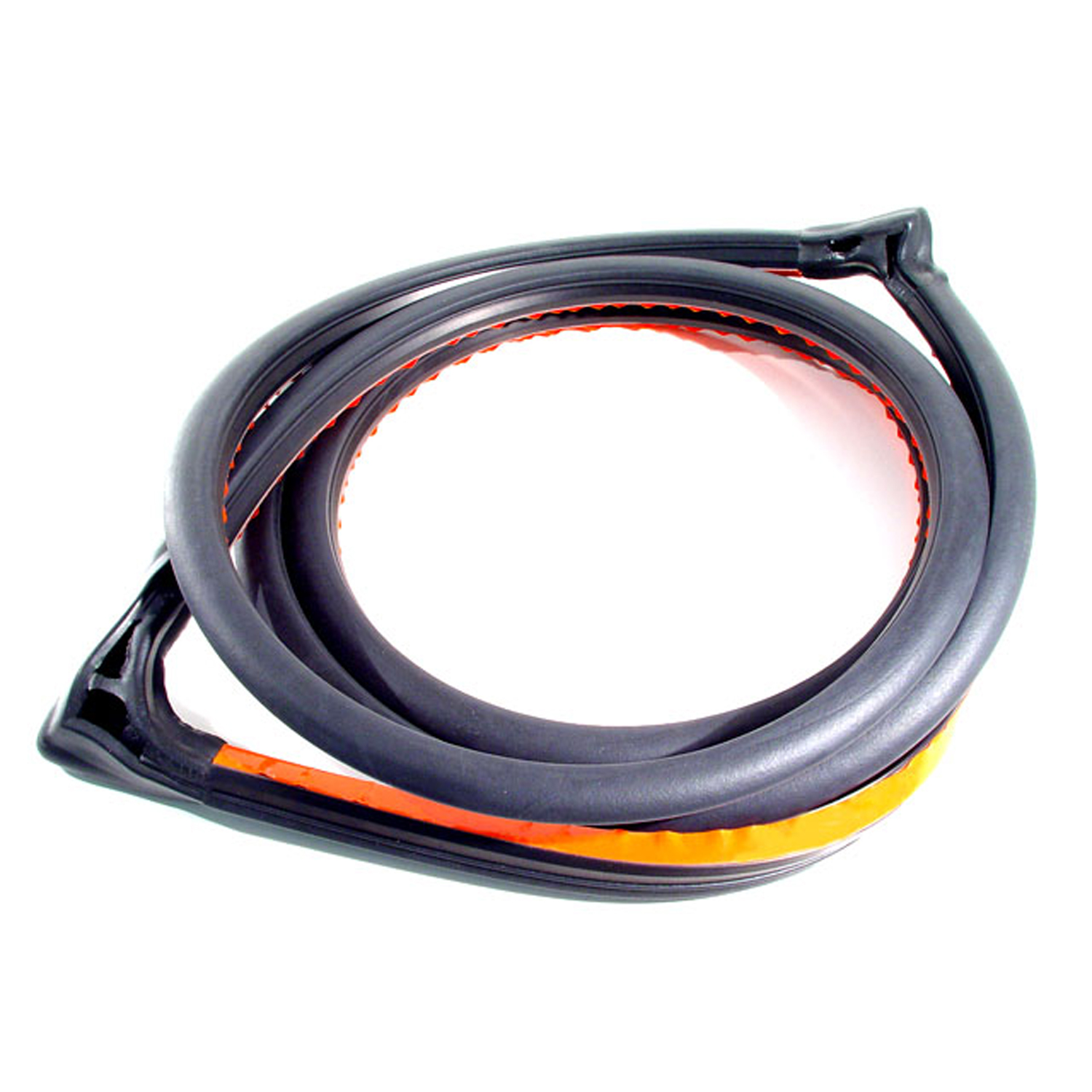 1979 Ford E-250 Econoline Club Wagon Front Side Cargo Door Seal-LM 110-VAFront Side Cargo Door Seal (fits front right side of cargo door). Replaces OEM #E9UZ 1525324 B. For rear (left side) matching seal, see LM 110-VB. Each
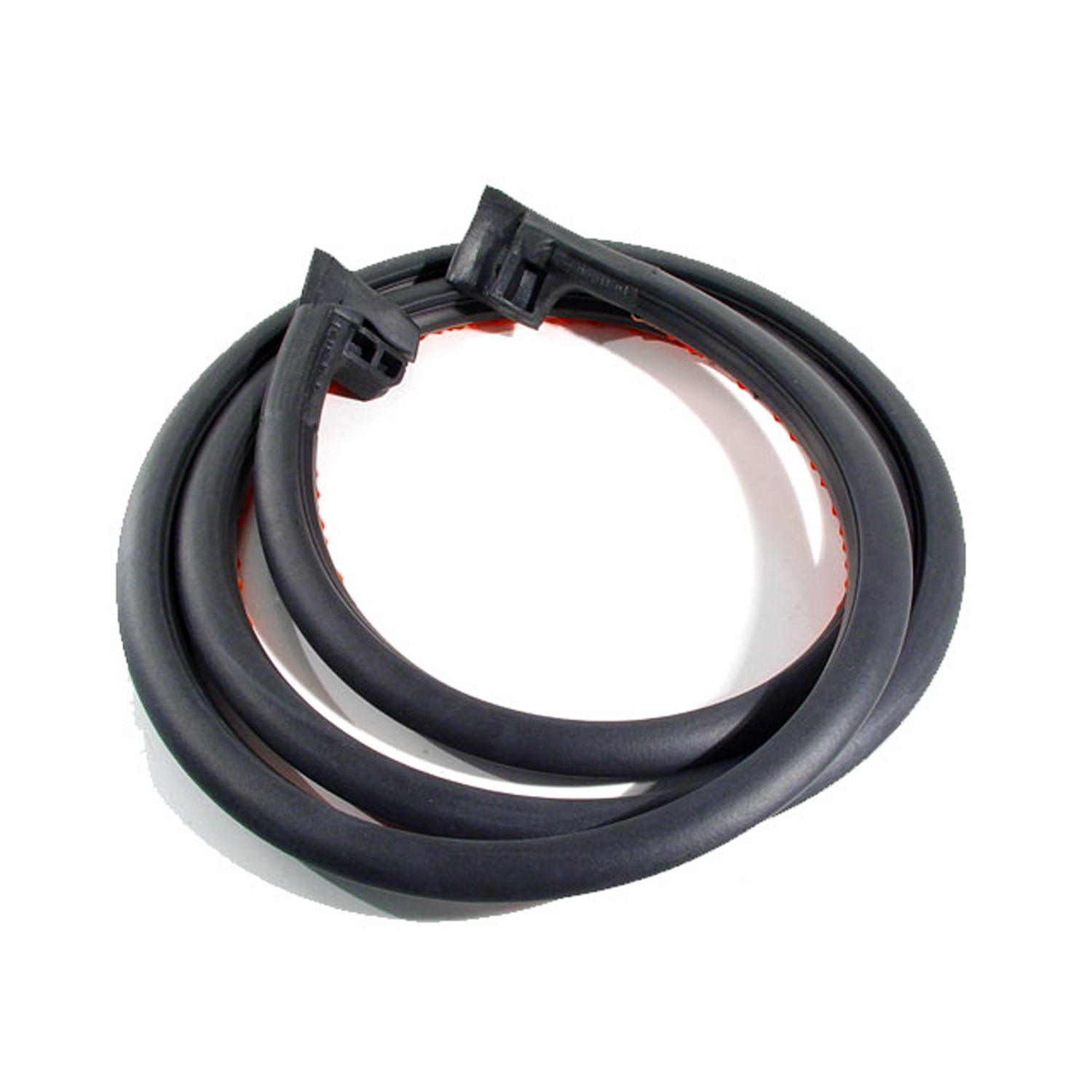 1979 Ford E-250 Econoline Club Wagon Rear Side Cargo Door Seal-LM 110-VBRear Side Cargo Door Seal (fits rear left side of cargo door). Replaces OEM #E9UZ 1525325 B. For front (right side) matching seal, see LM 110-VA. Each
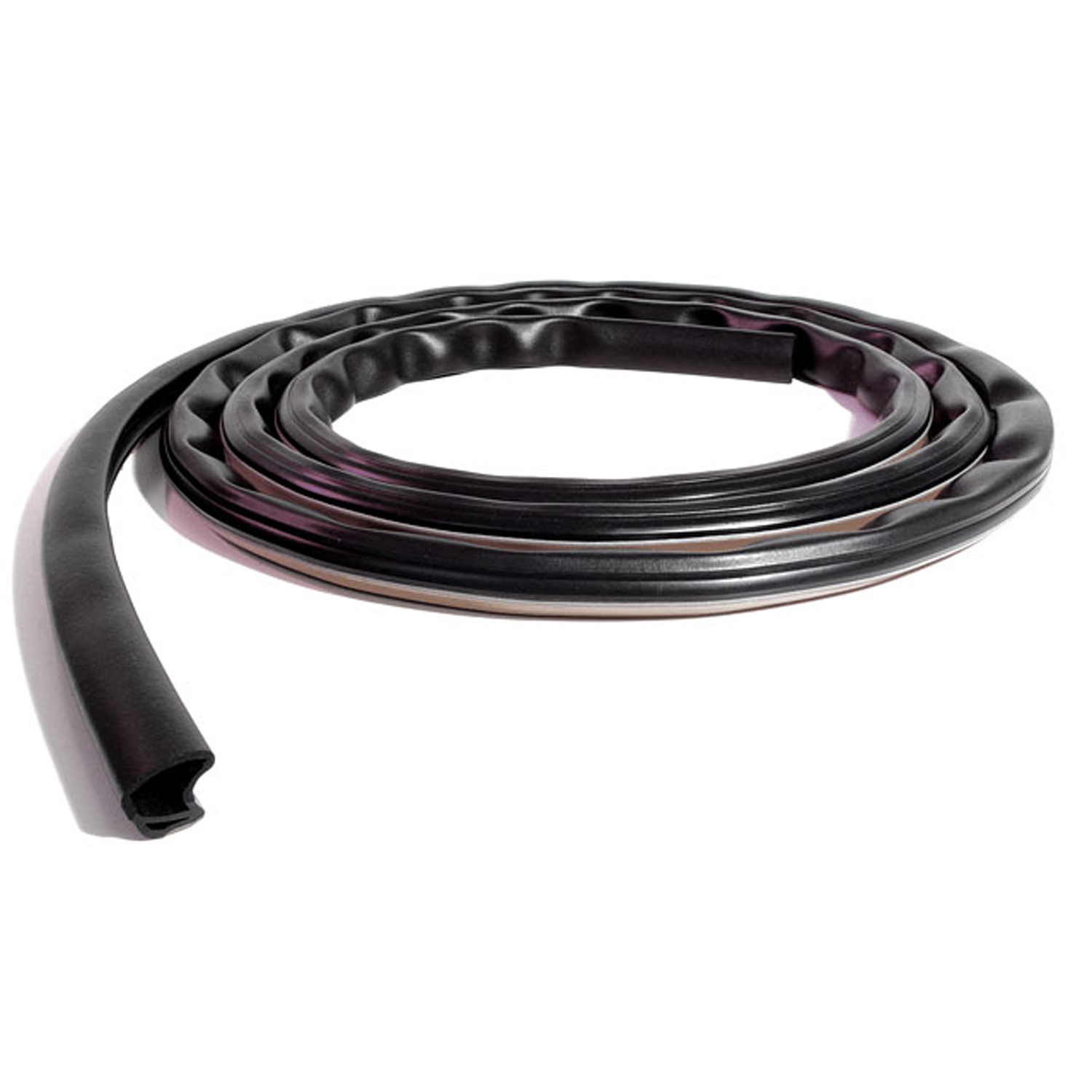 1979 Ford E-250 Econoline Club Wagon Left Front (drivers side) Door Seal. Each-LM 110-VLLeft Front (drivers side) Door Seal. Each
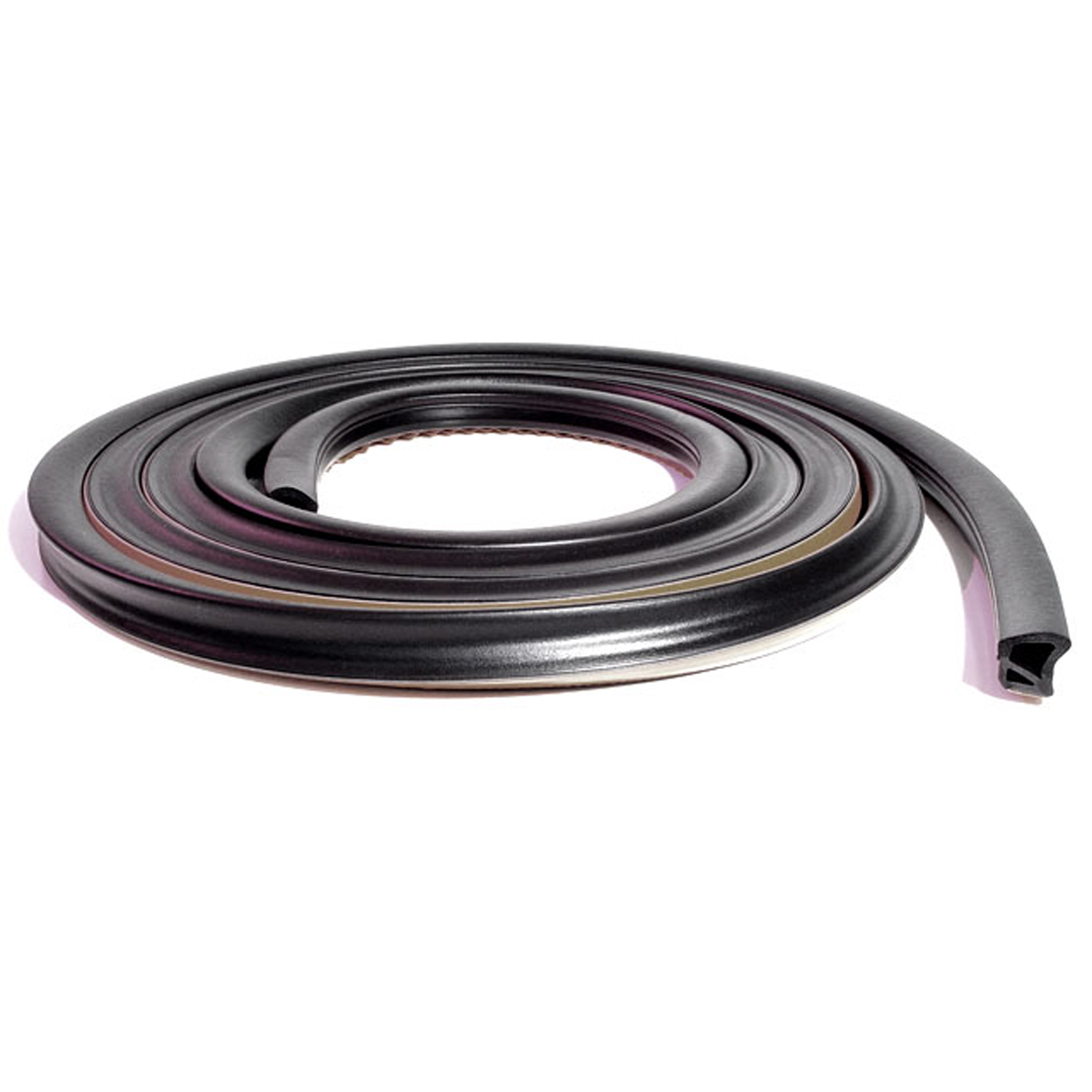 1979 Ford E-250 Econoline Club Wagon Right Front (passenger side) Door Seal. Each-LM 110-VRRight Front (passenger side) Door Seal. Each
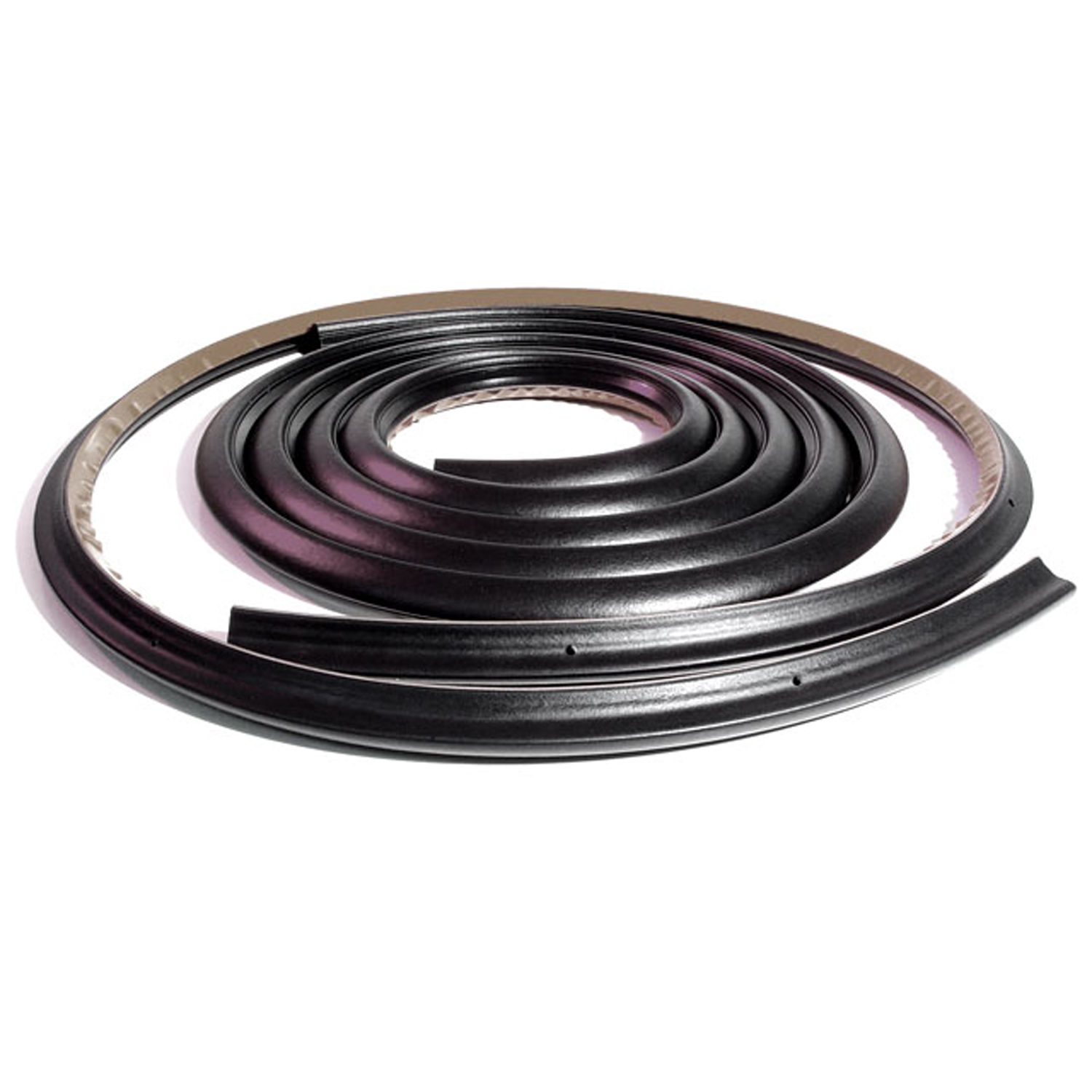 1979 Ford E-250 Econoline Club Wagon Side Slider Door Seal. Each-LM 110-VSSide Slider Door Seal. Each
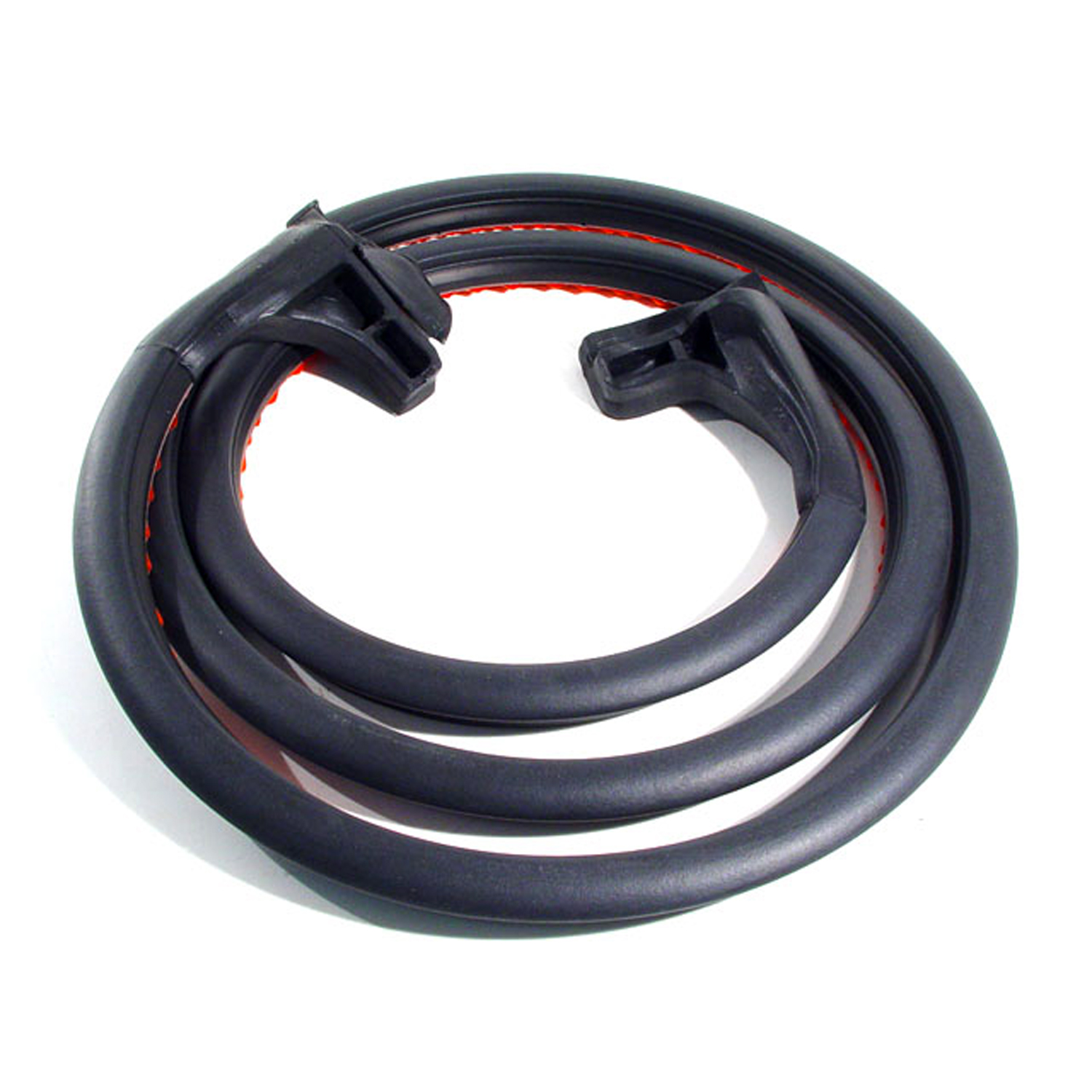 1979 Ford E-250 Econoline Club Wagon Left Rear Door Seal (Drivers Side)-LM 110-VTLeft Rear Door Seal (Drivers Side). Replaces OEM #E9UZ 1543723 A. Each
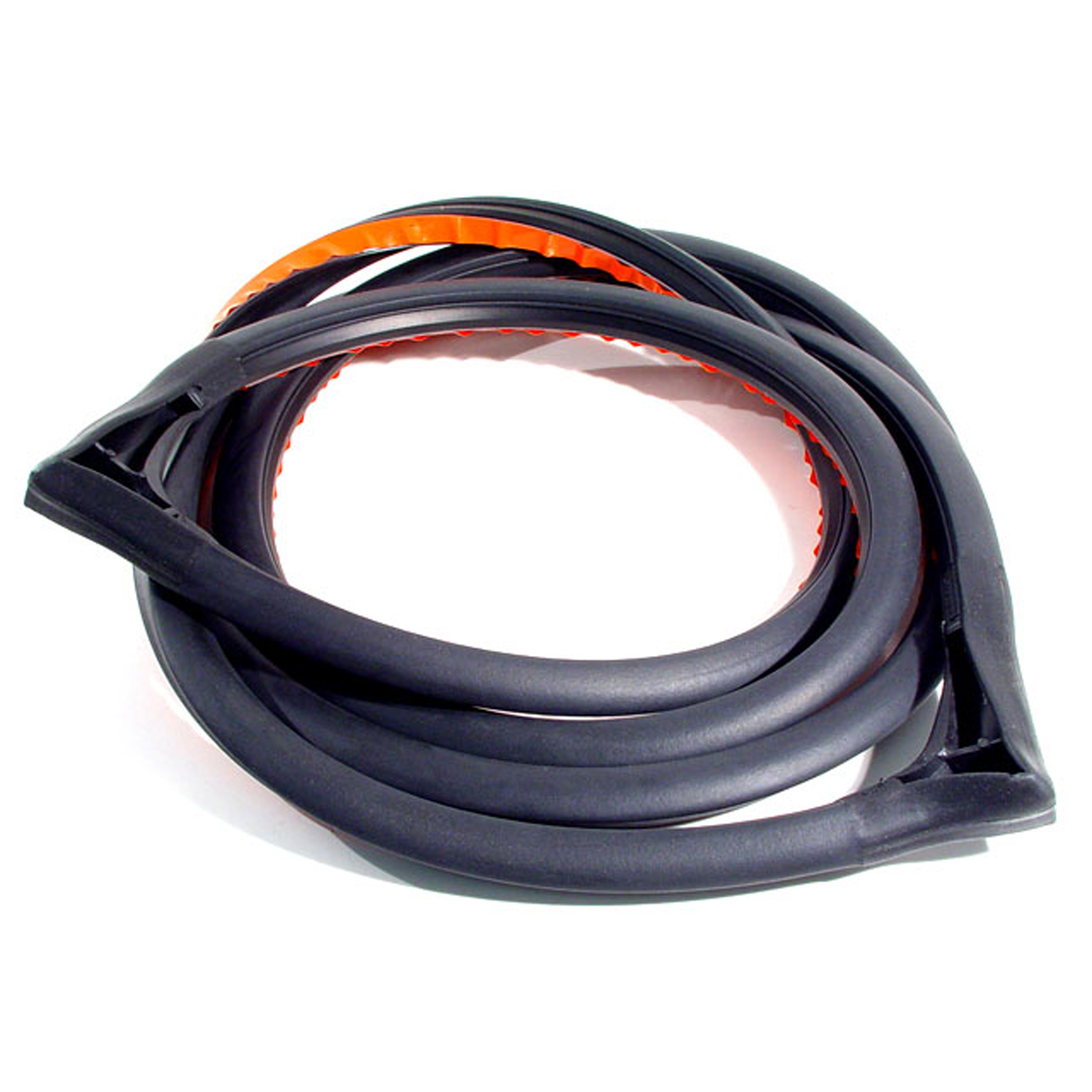 1979 Ford E-250 Econoline Club Wagon Right Rear Door Seal (Passenger Side)-LM 110-VURight Rear Door Seal (Passenger Side). Replaces OEM #F0UZ 1543722 A. Each
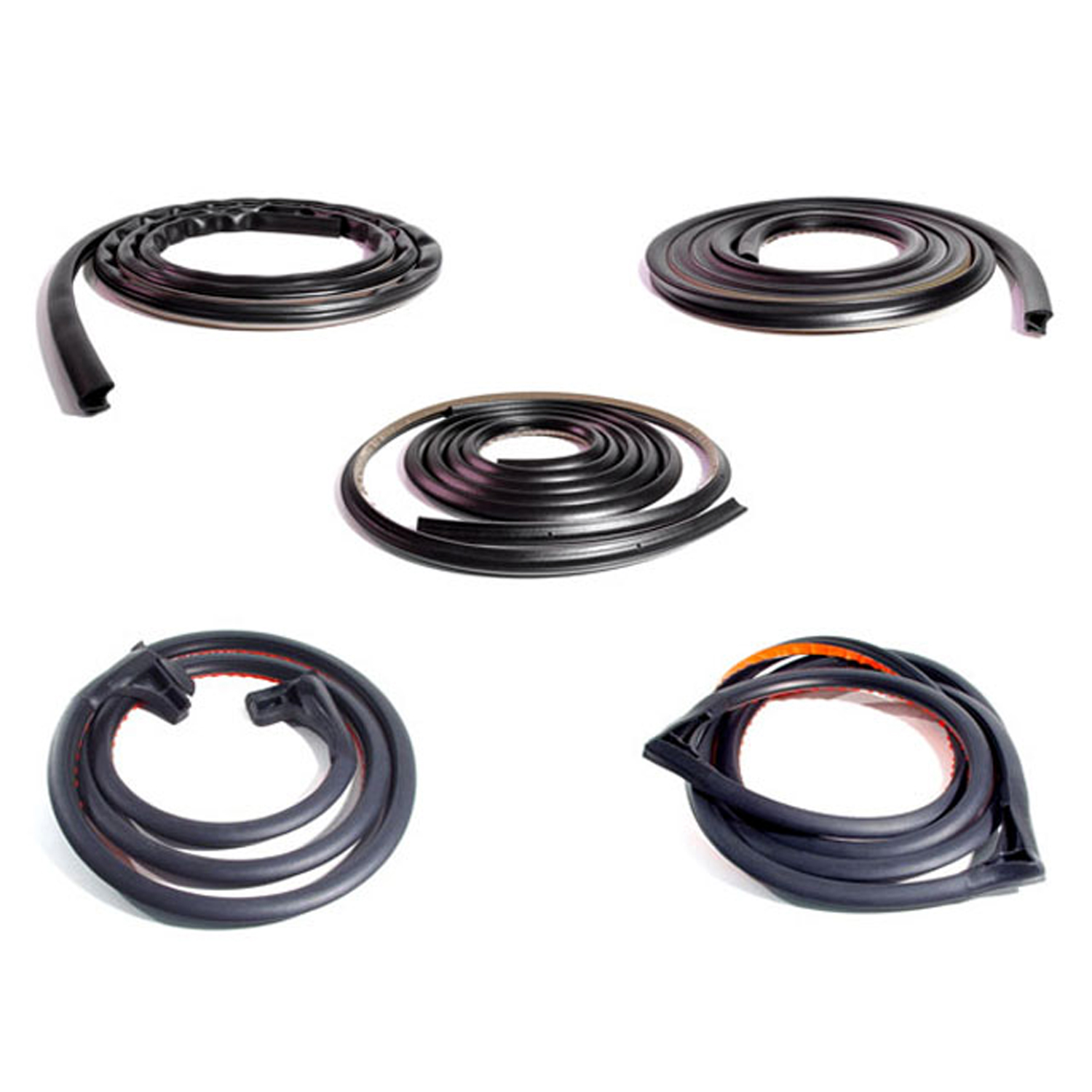 1979 Ford E-250 Econoline Club Wagon Basic Kit, for Models with Side Sliding Door-RKB 3000-100Basic Kit, for Models with Side Sliding Door. Front Left Door (LM 110-VL), Front Right Door (LM 110-VR), Back Left Door (LM 110-VT), Back Right Door (LM 110-VU), Side Sliding Door (LM 110-VS) Seals.
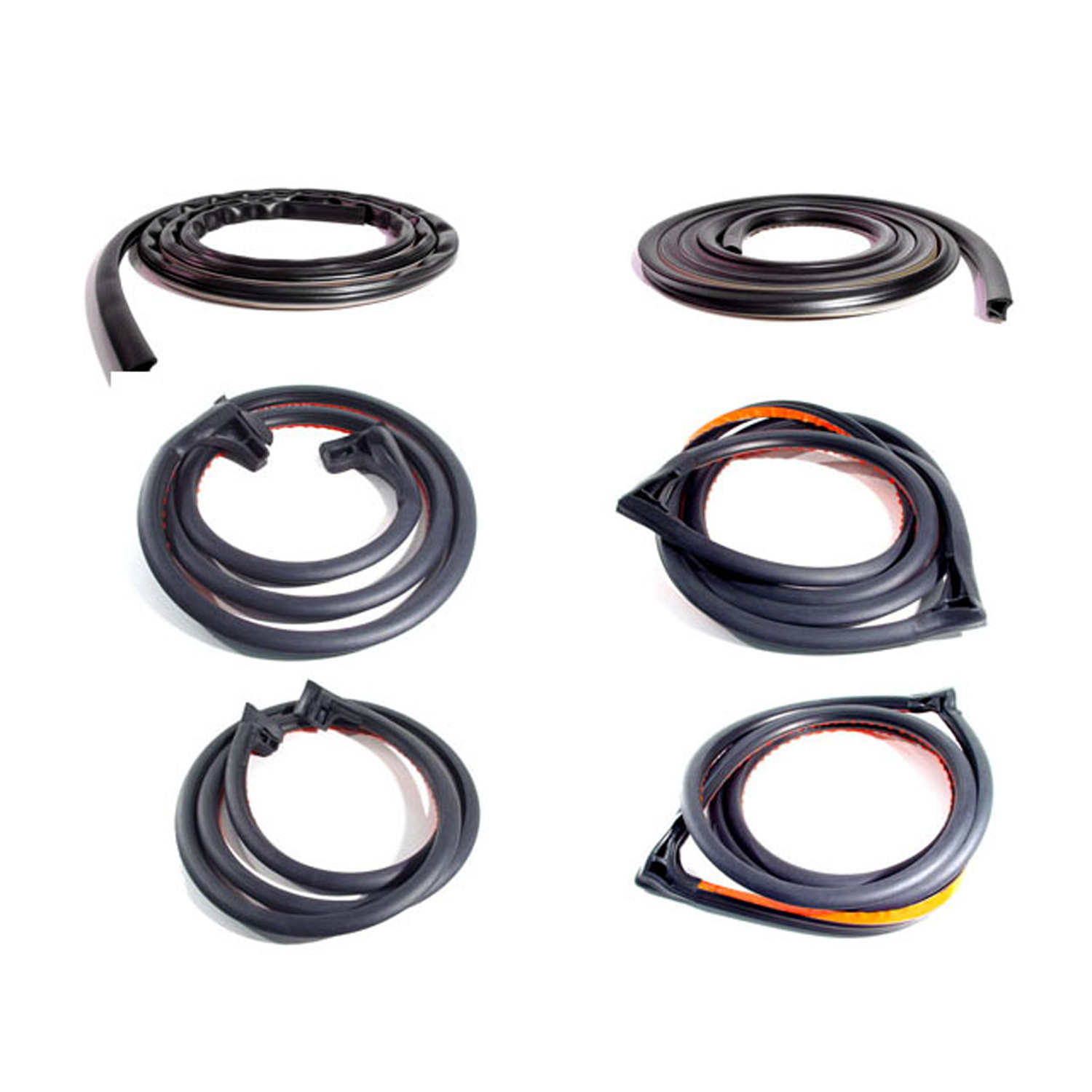 1979 Ford E-250 Econoline Club Wagon Basic Kit, for Models w/Side Cargo Door-RKB 3000-101Basic Kit, for Models w/Side Cargo Door. Front Left LM 110-VL), Front Right LM 110-VR), Back Left LM110-VT), Back Right LM 110-VU), Front Cargo Side (LM 110-VA), Rear Cargo Side (LM 110-VB) Door Seals.
Why Choose Metro?
For over 100 years, Metro Moulded Parts has been the pinnacle of quality in classic car restoration parts. Our commitment to precision and authenticity in every component ensures a perfect fit and an OEM-level appearance.
- Expert Craftsmanship & Quality: Each part is a testament to our dedication to reliability and perfection, crafted from original designs and thoroughly tested.
- Advanced Technology: We use cutting-edge techniques to create flawless, long-lasting parts that surpass others in performance.
- SuperSoft Sponge – The Ultimate Door Seal: Not only are our door seals 30% softer than competitors', but they're also guaranteed to never leak. They effectively reduce wind and road noise, enhancing your classic car's comfort and driving experience.
- Proudly American: Our parts are a product of American craftsmanship, made in the USA with a spirit of excellence and heritage.
- Unrivaled Warranty: We back our products with a 30-year industry-leading warranty, a testament to our confidence in their quality.
Join us in preserving the legacy of classic cars with parts that are crafted for perfection, not just made.