

Image of 1979 Ford Ltd, Note: These illustrations use artistic license and may differ from actual historical models.
Performance Metrics
Fundamental Metrics
Emotional Appeal
MMP Rating
| Engine Specifications | |
|---|---|
| Engine: | 302 CID 2V V8, 351 CID 2V V8, 400 CID 2V V8 |
| Displacement: | 302 - 400 CID |
| Horsepower: | 130 - 160 HP (approximately) |
| Torque: | 246 - 315 lb-ft (approximately) |
| Compression Ratio: | 8.4:1 - 8.9:1 (approximately) |
| Ignition System: | Electronic Ignition |
| Cooling System: | Liquid cooled |
| Performance Specifications | |
| 0-60 Time: | 11 - 13 seconds (approximately) |
| 1/4 Mile Time: | 18 - 20 seconds (approximately) |
| Top Speed: | 105 - 110 mph (approximately) |
| Transmission and Drive | |
| Drive Type: | Rear Wheel Drive |
| Transmission Type: | 3-speed automatic |
| Fuel and Efficiency | |
| Fuel System Type: | Carburetor |
| MPG: | 10 - 14 mpg (approximately) |
| Dimensions and Brakes | |
| Brakes: | Front Disc / Rear Drum |
| Wheelbase: | 114.3 inches |
| Weight: | 3,700 - 4,100 lbs (approximately) |
Note: Specifications for classic cars are given to the best of our ability, considering the limited and variant data available.
1979 Ford LTD: The Full-Size Ford That Got Smaller
The 1979 Ford LTD kept the comfort and presence of a traditional American full-size car while stepping onto a dramatically smaller platform. Built by Ford Motor Company in the United States, it was part of a new generation of LTDs designed for a country increasingly concerned with fuel costs and efficiency. The result was still unmistakably an LTD, but lighter, trimmer, and more maneuverable than its predecessor.
There is an important distinction for shoppers and enthusiasts: the 1979 LTD was Ford’s newly downsized, rear-wheel-drive sedan and wagon, while the LTD II was a separate, mid-size model that also reached its final year in 1979. The new LTD’s Panther platform would go on to underpin generations of Ford and Lincoln cars, making this model an early chapter in a remarkably long-running piece of automotive architecture.
Its launch also arrived during the second oil crisis, when buyers were paying closer attention to fuel consumption. Ford’s answer was not to abandon the V8-powered family car, but to make it more efficient without giving up the room, smooth ride, and reassuring heft customers expected.
Square Shoulders and a Proper Ford Grille
The 1979 LTD wore crisp, formal styling rather than the rounded, aerodynamic look that would become popular in later decades. Its upright grille, rectangular headlamps, broad hood, and straight body sides gave it a composed, substantial appearance. Chrome trim framed the glass and brightened the bumpers, while the long roofline and generous overhangs preserved the classic American sedan silhouette.
Although smaller than the 1978 LTD, the redesigned car looked purposeful rather than shrunken. The sedan’s clean lines suited its role as a family and executive car, while the two-door model had a more personal, coupe-like character. Buyers could also choose dressier trim, including Landau-style treatments on selected models, for a more formal look.
Ford offered a broad palette of period colors, with choices varying by body style and trim. Common looks included white, black, red, blue, green, silver, and several shades of beige, gold, or brown. White and darker blue or green cars paired especially well with the LTD’s brightwork, while earth tones suited the late-1970s fashion for restrained, coordinated interiors and paint.
Sedans, Coupes, and the Country Squire
The LTD range covered several kinds of family transportation. Buyers could choose a two-door coupe, a four-door sedan, or a station wagon. The wagon line included the upscale Ford LTD Country Squire, recognizable by its simulated woodgrain side panels and traditional family-hauler image. For many enthusiasts, the Country Squire is the most iconic 1979 LTD because it captures the era’s idea of a comfortable, generously equipped American road-trip car.
Inside, the LTD emphasized space and comfort over sporty flair. Depending on trim and options, the cabin could include cloth, vinyl, or more richly appointed upholstery, along with plush carpeting, padded surfaces, and broad bench seats. The dashboard was straightforward and easy to read, with large controls that could be operated without taking much attention from the road. Front-seat layouts and upholstery varied by body style and equipment, so a base sedan and a well-optioned Landau could feel quite different.
Available conveniences included power steering, power brakes, air conditioning, cruise control, an AM/FM radio or stereo, and other comfort and appearance options. These were not high-tech features by modern standards, but they made the LTD a capable long-distance cruiser. The car’s real innovation was less about electronics than packaging: Ford engineered a full-size-feeling car on a lighter, more compact platform.
The Panther Platform Changes the Formula
The biggest change for 1979 was beneath the body. Ford moved the LTD to its new Panther platform, reducing exterior dimensions and weight compared with the preceding full-size design. The shorter, lighter car was easier to place in traffic and required less energy to move, while retaining a conventional front-engine, rear-wheel-drive layout and a solid rear axle.
That combination helped define a generation of Ford products. The Panther architecture later supported models such as the Ford Crown Victoria and Lincoln Town Car, as well as related Mercury cars. It became famous for its durability and its suitability for police, taxi, and fleet service. The 1979 LTD therefore matters not just as a model-year redesign, but as one of the first cars in a platform family that remained in production in various forms for decades.
The LTD also shows how American manufacturers responded to the fuel-economy pressures of the 1970s. Rather than immediately switching every buyer to a small car, Ford downsized a familiar V8 sedan. That approach helped keep traditional full-size cars relevant for customers who wanted comfort and passenger space but were becoming more conscious of operating costs.
V8 Power and Easygoing Road Manners
Most 1979 LTDs were powered by a 5.0-liter, 302-cubic-inch Windsor V8. A 5.8-liter, 351-cubic-inch V8 was available on some versions. Output depended on engine, emissions equipment, and configuration, but period figures are generally in the neighborhood of 129 horsepower for the 302 and about 138 to 140 horsepower for the 351M. A three-speed automatic transmission was the typical pairing, tuned for smooth, relaxed operation rather than aggressive shifts.
Ford did not make straight-line speed the LTD’s calling card. Performance figures varied with engine, axle ratio, body style, and test conditions. As a broad period-correct estimate, a 302-powered sedan could take roughly 10 to 12 seconds to reach 60 mph, while a 351-equipped example might do it in about 9 to 11 seconds. Top speed was roughly 100 to 110 mph, though tire ratings, gearing, and vehicle condition could affect the result. These are estimates, not guaranteed factory figures.
On the road, the LTD feels like a classic American cruiser. The V8 produces a low, steady burble, and the automatic transmission favors calm progress over quick response. The suspension is compliant, helping the car absorb broken pavement and highway expansion joints with a soft, settled ride. Its reduced size made it more manageable than earlier full-size Fords, but it is still a large rear-wheel-drive car, not a modern sports sedan.
On winding roads, expect some body lean and deliberate steering rather than sharp turn-in. Crosswinds can be felt, and a worn suspension or old tires can make the car wander. A well-maintained LTD, however, is stable and relaxed on the highway. The driving experience is less about attacking corners and more about settling into a comfortable seat, setting the cruise control, and letting the car cover miles at an unhurried pace.
Living With a 1979 LTD
Today, a 1979 LTD can serve as a weekend cruiser, a local show car, or a practical entry point into classic Ford ownership. The sedan is usually the simplest choice for someone who wants a comfortable vintage car without the additional length and trim complexity of a wagon. The Country Squire appeals to collectors who value period styling and family-car nostalgia, and it can make a memorable vintage road-trip vehicle when properly maintained.
Mechanical repairs are generally approachable for an experienced home mechanic. The V8 layout is familiar, many service procedures are conventional, and the car does not rely on the complex electronics found in newer vehicles. Parts availability is reasonable for common mechanical items, although trim-specific pieces, wagon woodgrain panels, interior details, and some body parts can take more effort to locate.
As with any car approaching five decades old, condition matters more than the odometer alone. Check for rust around the frame and suspension mounting areas, floor pans, lower body panels, and windshield or rear-window openings. Inspect the cooling system, transmission, brakes, steering components, and power accessories. Long periods of storage can also bring fuel-system problems, deteriorated rubber, and electrical faults. A pre-purchase inspection is worthwhile even when the car appears clean.
Interesting Facts and Common Complaints
The 1979 LTD’s most consequential claim to fame is its role in introducing Ford’s Panther-platform full-size cars. That platform’s long service life made it a fixture of American streets, police fleets, and taxi ranks. The 1979 model itself is not known for a major speed record or a famous racing victory; its historical importance is rooted in practical engineering and the successful reinvention of the traditional Ford full-size car.
There is no widely recognized celebrity-owned 1979 LTD that defines the model’s story. Its appeal is more democratic: it was built as everyday transportation for families, commuters, and fleet customers. The Country Squire, with its woodgrain appearance and large cargo area, remains a particularly vivid reminder of the era when a station wagon was a mainstream family vehicle rather than a niche alternative.
Common criticisms include modest acceleration, thirsty V8s by modern standards, soft handling, and an interior that can feel less richly finished than the LTD’s formal exterior suggests. It is also easy to confuse the car with the LTD II or with later LTD Crown Victoria models. Those names refer to different versions or generations, so buyers should verify the body style, platform, and model identity when researching parts or comparing prices.
Collector Value and Availability
Exact production totals for every 1979 LTD body style and trim are not consistently reported in commonly available model summaries. A reasonable broad estimate is roughly 250,000 to 350,000 LTDs across the sedan, coupe, and wagon range, but that should be treated as an estimate rather than a confirmed factory total. The cars were built in substantial numbers, yet surviving examples are far less common than their original production suggests because many spent decades as ordinary transportation.
As a general 2026 U.S. market guide, a running but rough sedan may sell for around $2,000 to $5,000. A sound, presentable driver is more likely to fall in the $5,000 to $10,000 range, while an especially clean, well-documented example may reach approximately $10,000 to $15,000. Excellent Country Squire wagons and unusually preserved, well-optioned cars can bring roughly $12,000 to $20,000 or more when condition and buyer interest line up. These are broad estimates; region, originality, rust, mechanical condition, and trim all make a significant difference.
The LTD is not a blue-chip collector car, so values are generally modest compared with more famous muscle cars and luxury models. Interest has been steady among fans of 1970s and early-1980s American cars, and exceptionally clean wagons have gained a following. In broad terms, ordinary examples tend to remain affordable, while rare, original, low-mileage, or beautifully restored cars have the best chance of appreciating. The smartest purchase is usually the most complete and rust-free car the budget allows.
Why the 1979 LTD Still Matters
The 1979 Ford LTD combined traditional V8 comfort with a lighter, more compact design at a turning point in American automotive history. Its restrained styling, multiple body styles, easygoing road manners, and approachable mechanical layout make it an appealing classic for drivers who value comfort over speed. More importantly, it launched Ford’s Panther-platform era, a design story that continued through some of the company’s most durable full-size cars.
It may not be the loudest or quickest classic Ford, but the 1979 LTD represents a practical kind of innovation: keeping the American family car familiar while adapting it for a changing world. That balance is what gives this understated Ford a lasting place in automotive history.
1979 Ford Ltd Catalog of Parts
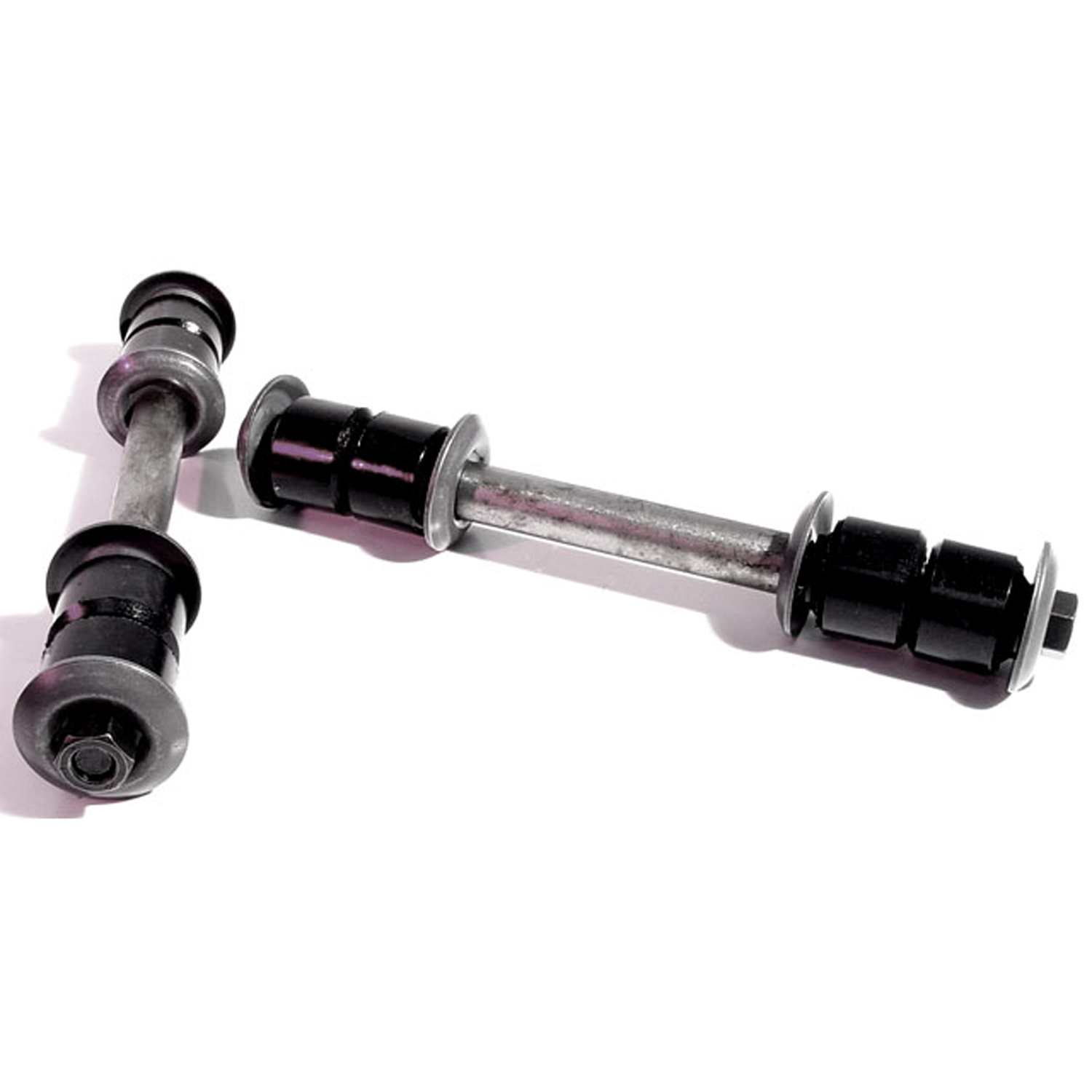 1979 Ford LTD Front Stabilizer End Repair Kit-BNK 21Front Stabilizer End Repair Kit. 22-piece set for two stabilizer bars. Contains all rubber bushings, washers, bolts and nuts, enough for one front end. Set
Why Choose Metro?
For over 100 years, Metro Moulded Parts has been the pinnacle of quality in classic car restoration parts. Our commitment to precision and authenticity in every component ensures a perfect fit and an OEM-level appearance.
- Expert Craftsmanship & Quality: Each part is a testament to our dedication to reliability and perfection, crafted from original designs and thoroughly tested.
- Advanced Technology: We use cutting-edge techniques to create flawless, long-lasting parts that surpass others in performance.
- SuperSoft Sponge – The Ultimate Door Seal: Not only are our door seals 30% softer than competitors', but they're also guaranteed to never leak. They effectively reduce wind and road noise, enhancing your classic car's comfort and driving experience.
- Proudly American: Our parts are a product of American craftsmanship, made in the USA with a spirit of excellence and heritage.
- Unrivaled Warranty: We back our products with a 30-year industry-leading warranty, a testament to our confidence in their quality.
Join us in preserving the legacy of classic cars with parts that are crafted for perfection, not just made.