

Image of 1980 Ford Courier, Note: These illustrations use artistic license and may differ from actual historical models.
Performance Metrics
Fundamental Metrics
Emotional Appeal
MMP Rating
| Engine Specifications | |
|---|---|
| Engine: | 2.0L I4, 2.3L I4 |
| Displacement: | 122-140 cu in. |
| Horsepower: | 74-88 hp |
| Torque: | 112-120 lb-ft |
| Compression Ratio: | 8.2:1 |
| Ignition System: | Electronic |
| Cooling System: | Liquid-cooled |
| Performance Specifications | |
| 0-60 Time: | Estimated 15-20 seconds |
| 1/4 Mile Time: | Estimated 20-25 seconds |
| Top Speed: | 85-90 mph |
| Transmission and Drive | |
| Drive Type: | RWD |
| Transmission Type: | 4-speed manual, 3-speed automatic |
| Fuel and Efficiency | |
| Fuel System Type: | Carburetor |
| MPG: | 20-25 mpg |
| Dimensions and Brakes | |
| Brakes: | Front disc, rear drum |
| Wheelbase: | 109.9 in. |
| Weight: | 2,800-3,000 lbs |
Note: Specifications for classic cars are given to the best of our ability, considering the limited and variant data available.
1980 Ford Courier: Ford’s Japanese-Built Compact Pickup
The 1980 Ford Courier was a small truck with a big job: give American buyers the usefulness of a pickup without the bulk, fuel consumption, and purchase price of a full-size rig. Wearing Ford badges but built in Japan by Toyo Kogyo, the company now known as Mazda, the Courier blended familiar Detroit branding with Mazda engineering. It was a practical, uncomplicated workhorse, and an important stepping stone on the road to Ford’s own Ranger.
By 1980, compact pickups were no longer a novelty. Toyota and Datsun had established a market for economical trucks, and Ford needed a credible competitor. The Courier was its answer, developed through Ford’s partnership with Mazda and based on the Mazda B-Series pickup. One intriguing part of its story is that the truck was commonly imported as a cab-and-chassis, with its cargo bed fitted in the United States. That arrangement helped Ford navigate the high tariff on imported light trucks, often called the “chicken tax.”
Boxy Styling, Built for Work
The Courier’s styling was upright and purposeful. Its squared-off cab, broad grille, rectangular headlamps, and simple body lines gave it the no-nonsense look of a small truck that expected to earn its keep. There was little decorative excess. The short hood and compact footprint made the Courier easier to maneuver and park than a full-size pickup, while its open bed kept it genuinely useful for hauling tools, lumber, camping gear, or household loads.
The main configuration was a regular cab pickup with a roughly six-foot bed. Availability and equipment could vary by market and dealer, but this straightforward cab-and-bed layout is the most familiar and sought-after version today. Buyers could choose from practical paint colors such as white, red, blue, green, tan, and silver, with exact selections varying by region and production details. White and red remain especially recognizable choices on surviving examples.
Inside, the Courier was deliberately basic. Durable vinyl upholstery, hard-wearing trim, and easy-to-clean surfaces suited a truck that might spend the week on a job site. A simple instrument panel provided the essentials, while features such as an AM radio, heater, or upgraded trim depended on the original equipment package. It did not offer modern conveniences such as airbags, electronic driver aids, or a sophisticated infotainment system. Its technology was rooted in simplicity: straightforward controls, mechanical components, and systems that an owner or local mechanic could understand.
Engines and Straightforward Engineering
Engine and equipment combinations varied, but U.S.-market 1980 Couriers were commonly fitted with a small four-cylinder engine. The standard engine was generally a 2.0-liter Mazda-built unit, with a Ford 2.3-liter four-cylinder available in some configurations. Output was modest by modern standards, roughly in the range of 77 to 88 horsepower, depending on engine and specification. Rear-wheel drive was the standard layout, and transmissions included a manual gearbox, with automatic availability depending on configuration.
The Courier was not designed to introduce high technology. Its appeal was the opposite: proven, serviceable hardware in a compact package. That made it a useful alternative for buyers who wanted a pickup but did not need the towing capacity or size of a full-size Ford. It also allowed Ford to compete in a growing segment while developing the model that would eventually replace it.
Where the Courier Fits in Truck History
The Courier’s significance lies less in a single groundbreaking feature than in what it represented. It showed that American buyers would embrace a smaller, more economical pickup, and it gave Ford a foothold in a segment led by Japanese manufacturers. The truck’s Mazda roots also made the Ford-Mazda partnership especially visible to customers: the badge was American, while much of the underlying design and production expertise came from Japan.
In 1983, Ford introduced the Ranger as its homegrown compact pickup, bringing the Courier era to a close in North America. The Courier therefore occupies an important place in Ford truck history as the practical predecessor to a nameplate that would become a mainstay. It was not a miniature F-Series, but a different kind of truck for buyers who valued efficiency and manageable dimensions.
Performance and Road Manners
Performance figures for a 1980 Courier depend on engine, transmission, condition, gearing, and load. As a reasonable period-style estimate, a healthy example might reach 60 mph in roughly 15 to 19 seconds and manage a top speed in the neighborhood of 80 to 90 mph. Those are estimates, not guaranteed factory figures, and a worn engine or heavy cargo could make the truck noticeably slower. The Courier was built to carry useful loads at sensible speeds, not to win stoplight contests.
On the road, the Courier feels narrow, light, and direct compared with a modern pickup. Its compact size makes it easy to place in traffic and convenient on tight streets. The rear-wheel-drive layout and relatively light rear end mean an empty bed can feel unsettled over rough pavement, and a heavy load can change the way it rides. On winding roads, modest power and a truck-oriented suspension encourage a relaxed pace. Expect some body movement over bumps and a firm, work-truck ride rather than the planted comfort of a contemporary crossover.
Behind the wheel, the experience is pleasantly mechanical. The four-cylinder engine works audibly when asked to accelerate, and the driver has to plan merges and hills instead of relying on abundant power. Manual-transmission examples offer an engaging, hands-on feel, while the simple cabin keeps attention on the road. In good condition, a Courier is best enjoyed as a classic utility vehicle: unhurried, useful, and full of period character.
Living With a 1980 Courier
Owners use Couriers as weekend haulers, farm and property trucks, vintage show vehicles, and occasional daily drivers. Their small dimensions make them handy around town, and their simple mechanical layout can make routine work approachable for an experienced home mechanic. Basic maintenance, such as ignition service, brakes, fluids, and suspension repairs, is familiar territory for many classic-truck shops.
Condition matters more than the reputation of the model. Look closely for rust in the cab floors, rocker panels, bed, wheel arches, and frame, especially on trucks that spent decades in wet or salted-road regions. Check for tired suspension parts, worn steering components, cooling-system trouble, and signs of improvised repairs. Engine parts and general service components can often be sourced through classic-truck and Mazda networks, but Courier-specific trim, body panels, and correct original details may take more searching.
Courier Trivia and Common Criticisms
The Courier was not simply a Ford-designed truck assembled overseas. Its close relationship to Mazda’s B-Series is central to its identity, and it helped build a working partnership that continued in different forms after the Courier left the U.S. market. It is also a useful example of how automakers adapted vehicle sourcing and assembly to changing trade rules.
There is no widely recognized high-performance 1980 Courier edition, and no dependable public record identifies a celebrity-owned example or a major speed or endurance record for the model. Its reputation comes from everyday service rather than headline-grabbing achievements. Common criticisms are familiar: limited power, a basic interior, a firm ride, and rust problems on neglected trucks. Those shortcomings are part of the trade-off for a compact, economical pickup built with a straightforward purpose.
Collector Value and Availability
Exact 1980 model-year production figures are not readily established in commonly available public records. A cautious estimate is that Ford sold several tens of thousands of Couriers in the U.S. during the model year, perhaps around 25,000 to 40,000, but that should be treated as an informed estimate rather than a confirmed production total. Many examples spent their lives working, so clean, unmodified survivors are much less common than the original sales volume might suggest.
As a general 2026 market guide, a project truck or rough driver may bring about $1,500 to $4,000. A usable, reasonably presentable example might fall around $4,000 to $9,000, while a clean, well-restored or unusually original truck can reach roughly $10,000 to $18,000 or more depending on region, documentation, and condition. Exceptional trucks may exceed that range, but they are the exception, not the rule. These are broad estimates, and local sales can differ substantially.
Values have generally moved upward for tidy vintage compact pickups, but the Courier remains more affordable than better-known classic trucks. Its strongest prospects are solid bodywork, originality, attractive period colors, and clear maintenance history. The market rewards condition more than ambitious restoration bills, so buyers should inspect carefully before paying a premium.
A Small Truck With a Lasting Role
The 1980 Ford Courier was modest by design: a compact bed, simple cabin, economical four-cylinder power, and manageable dimensions. Yet it mattered. It helped Ford compete in the fast-growing small-pickup market, showcased the company’s partnership with Mazda, and paved the way for the Ranger. For collectors, it offers an accessible slice of truck history and a reminder that a useful pickup does not need to be large to leave a lasting mark.
1980 Ford Courier Catalog of Parts
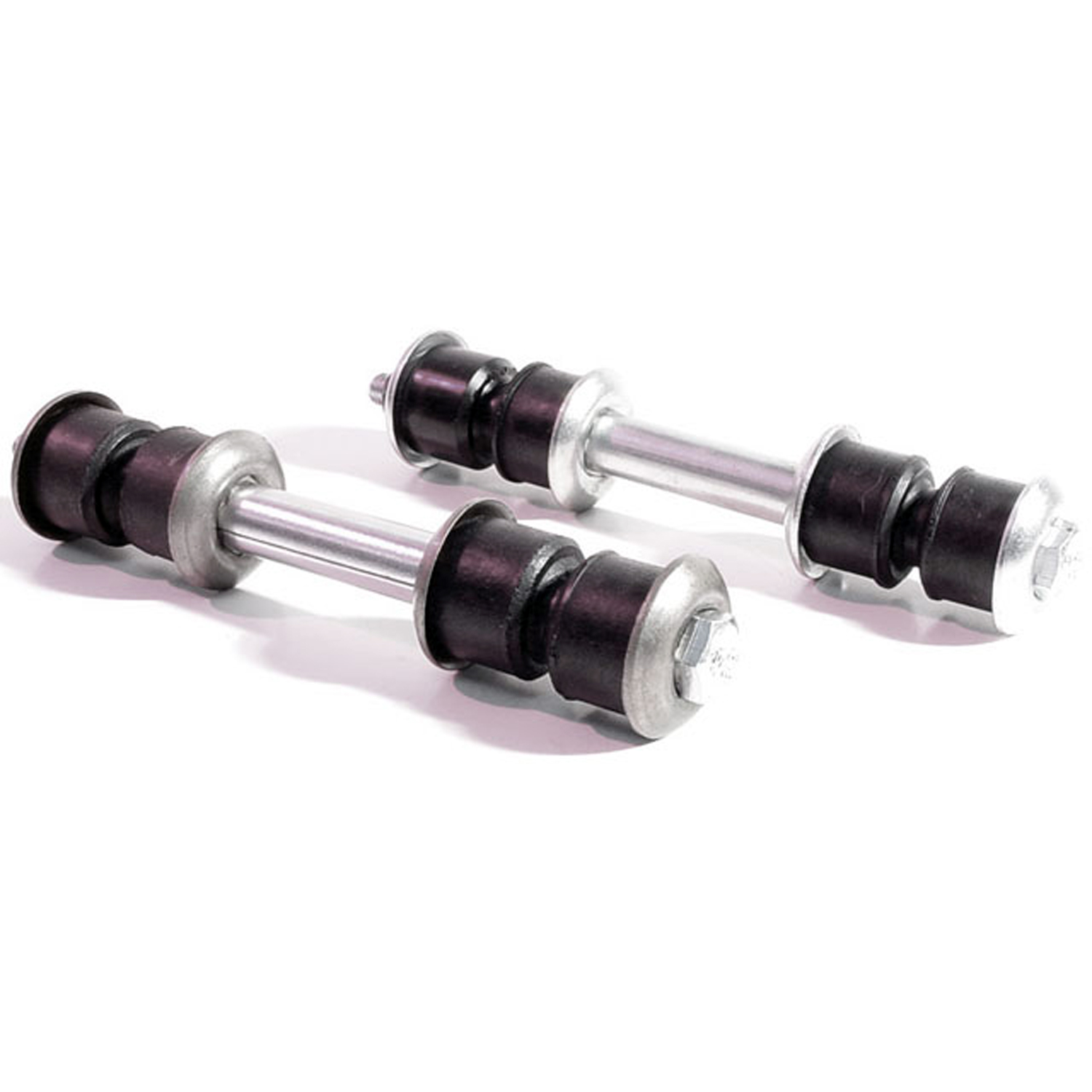 1980 Ford Courier Front Stabilizer End Repair Kit-BNK 24Front Stabilizer End Repair Kit. 22-piece set for two stabilizer bars. Contains all rubber bushings, washers, bolts and nuts, enough for one front end. Set
Why Choose Metro?
For over 100 years, Metro Moulded Parts has been the pinnacle of quality in classic car restoration parts. Our commitment to precision and authenticity in every component ensures a perfect fit and an OEM-level appearance.
- Expert Craftsmanship & Quality: Each part is a testament to our dedication to reliability and perfection, crafted from original designs and thoroughly tested.
- Advanced Technology: We use cutting-edge techniques to create flawless, long-lasting parts that surpass others in performance.
- SuperSoft Sponge – The Ultimate Door Seal: Not only are our door seals 30% softer than competitors', but they're also guaranteed to never leak. They effectively reduce wind and road noise, enhancing your classic car's comfort and driving experience.
- Proudly American: Our parts are a product of American craftsmanship, made in the USA with a spirit of excellence and heritage.
- Unrivaled Warranty: We back our products with a 30-year industry-leading warranty, a testament to our confidence in their quality.
Join us in preserving the legacy of classic cars with parts that are crafted for perfection, not just made.