
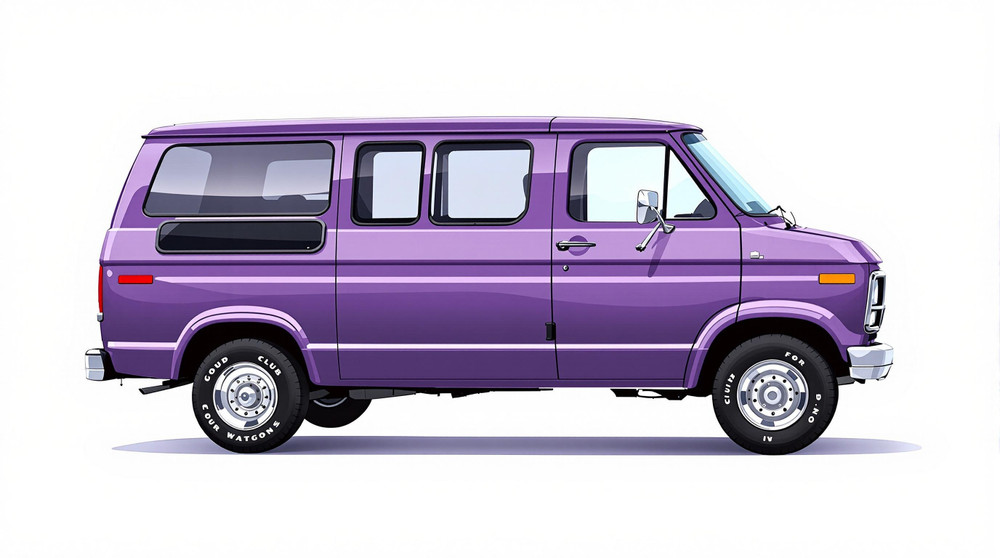
Image of 1980 Ford E-100 Econoline Club Wagon, Note: These illustrations use artistic license and may differ from actual historical models.
Performance Metrics
Fundamental Metrics
Emotional Appeal
MMP Rating
| Engine Specifications | |
|---|---|
| Engine Options: | 4.9L Inline 6, 5.8L V8, 7.5L V8 |
| Displacement Range: | 4.9L - 7.5L |
| Horsepower Range: | 120-225 HP |
| Torque: | 223-357 lb-ft |
| Compression Ratio: | 8.0:1 - 8.4:1 |
| Ignition System: | Distributor ignition |
| Cooling System: | Liquid cooled |
| Performance Specifications | |
| 0-60 Time: | Estimated 12-15 seconds |
| 1/4 Mile Time: | Estimated 18-20 seconds |
| Top Speed: | 85-95 mph |
| Transmission and Drive | |
| Drive Type: | Rear-wheel drive |
| Transmission Type: | 3-speed automatic, 4-speed manual |
| Fuel and Efficiency | |
| Fuel System Type: | Carburetor |
| MPG: | Estimated 10-14 mpg |
| Dimensions and Brakes | |
| Brakes: | Front disc, rear drum |
| Wheelbase: | 124.0 inches |
| Weight: | 4,500-5,500 lbs |
Note: Specifications for classic cars are given to the best of our ability, considering the limited and variant data available.
1980 Ford E-100 Econoline Club Wagon: A Full-Size Van with a Big Personality
The 1980 Ford E-100 Econoline Club Wagon turned the everyday van into a roomy family hauler, a dependable workhorse, and, for many owners, a blank canvas for road-trip adventures. Built by Ford Motor Company, it belonged to the third-generation Econoline family, introduced for 1975. That generation moved away from the earlier cab-forward look, placing the engine farther ahead of the driver and giving the van a more conventional hood and front end.
The Club Wagon was the passenger-oriented version of Ford’s full-size van, while the E-100 designation identified its lighter-duty model. Buyers could choose a practical people mover or a more personalized van, with seating, trim, and convenience options shaped around family travel and recreational use. One point of historical interest: the 1980 Club Wagon came from the same basic vehicle family that helped make the full-size van a fixture of American road culture, from tradespeople’s fleets to custom conversion vans.
Exterior Design and Club Wagon Details
The 1980 Econoline has the square-shouldered, upright proportions that define a classic American van. Its broad, nearly vertical front end, large grille, flat windshield, and long slab sides prioritize space and utility over sleekness. The 1979 model-year refresh brought a more substantial-looking nose, and the 1980 van carried that updated design forward. Depending on configuration, details such as bright trim, wheel covers, side windows, and body-side moldings gave the Club Wagon a more passenger-friendly appearance than a plain cargo van.
The E-100 Club Wagon was generally the shorter, lighter-duty choice in the Econoline range. Ford also offered E-150, E-250, and E-350 versions, with greater carrying capacity and different configurations. The wider Econoline lineup included cargo vans and passenger Club Wagons, while wheelbase, roof, seating, and equipment varied by model and order. A Club Wagon’s side and rear windows distinguished it from a windowless delivery van, and its flexible cabin could be configured for passengers rather than freight.
Factory paint choices varied by year, trim, and order, with colors spanning familiar whites and creams, blues, reds, greens, and earth tones. Neutral shades were common on working vans, while brighter colors and contrasting trim helped give family and recreational examples more personality. Custom conversion companies added another layer of visual variety with two-tone paint, stripes, graphics, and upgraded wheels, making surviving vans look quite different from one another.
Cabin Comfort and Period Technology
Inside, the Club Wagon was designed for practical use. Depending on its specification, it could have multiple rows of seating, durable vinyl or cloth upholstery, carpeting, and trim that was more finished than the hard-wearing interior of a basic cargo van. Materials were functional rather than luxurious by modern standards, but the upright cabin and generous headroom made it easy to move around and helped passengers feel less confined than they might in a conventional station wagon.
Equipment varied, but buyers could find amenities such as power steering, power brakes, air conditioning, an AM or AM/FM radio, and additional passenger-comfort features. Rear heating and other options mattered especially in a van with several rows of seats. These were not advanced electronics in today’s sense: the appeal was straightforward comfort, space, and ease of use. A later aftermarket conversion might add plush upholstery, extra lighting, entertainment equipment, or captain’s chairs, but those additions should not automatically be mistaken for factory equipment.
Why the Econoline Mattered
The Econoline helped establish the full-size American van as a vehicle that could serve both commercial and personal needs. The 1975 redesign was particularly important: moving the engine forward beneath a longer front end created a more conventional driving position and provided a different approach to access and protection than the earlier cab-forward layout. The result was a versatile platform that Ford could adapt for cargo, passenger, and specialty use.
What set the Club Wagon apart was its combination of van-sized interior space and passenger-car-like purpose. It could carry a family, a community group, or a team and their gear, while the E-100’s lighter-duty specification made it a more manageable choice than the heavier Econoline models for some buyers. Its influence is visible in the popularity of later conversion vans and in the continuing appeal of vans as customizable, travel-ready vehicles.
Engine, Speed, and Driving Feel
Engine availability depended on model configuration, equipment, and market. The 4.9-liter (300-cubic-inch) inline-six was a well-known Econoline engine, valued for its torque and straightforward mechanical layout. V8 options were also available across the Econoline range, though the exact choices depended on the E-series model and specification. For a particular van, the original equipment should be verified using its documentation, identification plate, and engine details rather than inferred from the Club Wagon badge alone.
There is no single meaningful factory acceleration figure for every 1980 E-100 Club Wagon, since engine, transmission, axle ratio, passenger load, and condition all affect performance. As a broad real-world estimate, a typical example might take roughly 15 to 20 seconds to reach 60 mph, with top speed often in the neighborhood of 80 to 90 mph. Those are estimates, not guaranteed specifications. The van was built for carrying people and equipment, not quick acceleration or high-speed driving.
Behind the wheel, the Econoline feels substantial and upright. The driver sits high, the windshield gives a wide view ahead, and the large body requires more attention when parking or threading through narrow streets. A six-cylinder engine tends to deliver its power in a steady, workmanlike fashion, while a V8 adds a deeper exhaust note and stronger response. In either case, the engine sound is close at low speeds compared with a modern van, and a healthy example has a distinctly mechanical, old-school character.
On rough pavement, the van’s ride depends heavily on suspension condition, tire choice, load, and seating configuration. It can feel comfortable when properly maintained and carrying a sensible load, but worn shocks, old tires, or a heavy conversion interior can make it bounce or feel unsettled. Its tall sides also catch crosswinds, and winding roads call for smooth steering and moderate speeds. The overall experience is less about precision handling and more about relaxed, deliberate driving.
Living with a 1980 Club Wagon
Today, owners use these vans as weekend cruisers, camper projects, family classics, show vehicles, and occasional daily drivers. A clean Club Wagon can attract attention at a car meet simply because it is less common than a vintage pickup or muscle car. It is also a useful starting point for a period-style conversion, though modern road trips are more comfortable and safer when the van has been carefully inspected and updated where appropriate.
Mechanical repairs are often approachable for an experienced home mechanic. The engines and many service parts are familiar Ford hardware, and the van’s body-on-frame construction gives it a traditional, repairable foundation. However, parts availability is not the same as for a current production vehicle. Some trim, interior, and body-specific pieces can be difficult to find, while rust repair and neglected wiring can turn a seemingly simple project into a major undertaking.
Before buying, inspect the frame and body for corrosion, especially around the lower panels, wheel openings, floor, and structural mounting points. Check the cooling system, transmission operation, steering, brakes, and suspension, and look for evidence of poor-quality conversion work. A van that has spent years carrying heavy loads or sitting outdoors may need more than an engine tune-up. A careful pre-purchase inspection is particularly valuable because cosmetic improvements can hide structural or mechanical problems.
Van Trivia and Common Criticisms
The Club Wagon name identified a passenger-focused Econoline, but it did not guarantee one universal cabin layout. Seating and equipment could vary, and conversion companies often transformed the interior after the van left Ford. That variety is part of the model’s charm, but it also means two 1980 Club Wagons can differ substantially in originality and collector appeal.
There is no widely recognized speed or endurance record associated specifically with the 1980 E-100 Club Wagon. Its historical significance is more everyday than headline-grabbing: it represents the practical full-size van era and the growth of the custom-van scene. Nor is there a single famous celebrity connection that defines this model year. Its most recognizable cultural role is as a versatile family and leisure vehicle, often personalized by its owners.
Common criticisms are easy to understand. The van is thirsty compared with modern vehicles, slow by contemporary standards, and vulnerable to wind due to its height and broad sides. Parking can be challenging, and older examples may have dated brakes, steering feel, and safety equipment. Those drawbacks are part of the trade-off for its space, character, and relatively straightforward mechanical design.
Collector Value and Availability
Values vary sharply with condition, originality, rust, mechanical health, and the quality of any conversion. As a broad 2026 U.S. market guide, a project or rough driver might sell for about $3,000 to $8,000. A usable, presentable example could fall around $8,000 to $18,000, while a well-restored, unusually original, or high-quality period conversion may bring roughly $18,000 to $30,000 or more. Exceptional examples can exceed that range, but asking prices are not the same as completed sale prices.
Exact production figures for the 1980 E-100 Club Wagon are not readily available as a separate, reliable public total. As an informed estimate rather than a Ford-published number, production may have been in the tens of thousands, perhaps around 10,000 to 30,000 examples. That estimate should be treated cautiously because it is difficult to isolate E-100 passenger vans from the much larger Econoline family and its other configurations.
Good examples are available, but clean, original vans are increasingly difficult to find. Prices have benefited from renewed interest in classic vans and nostalgia-driven conversions, although condition remains the strongest influence on value. The model is generally better viewed as an enthusiast vehicle with steady niche appeal than as a guaranteed investment. A solid, well-documented van is likely to be more desirable than a flashy project with hidden rust or questionable modifications.
A Classic Van Built for More Than Cargo
The 1980 Ford E-100 Econoline Club Wagon combined a practical full-size platform with the comfort and flexibility of a passenger van. Its upright styling, spacious cabin, straightforward mechanical character, and broad range of possible configurations made it useful in its own time and appealing to collectors today. It may not be fast or especially economical, but it captures an era when a van could be family transport, work vehicle, and personal project all at once. That versatility is the reason the Club Wagon still has a place in classic Ford history.
1980 Ford E-100 Econoline Club Wagon Catalog of Parts
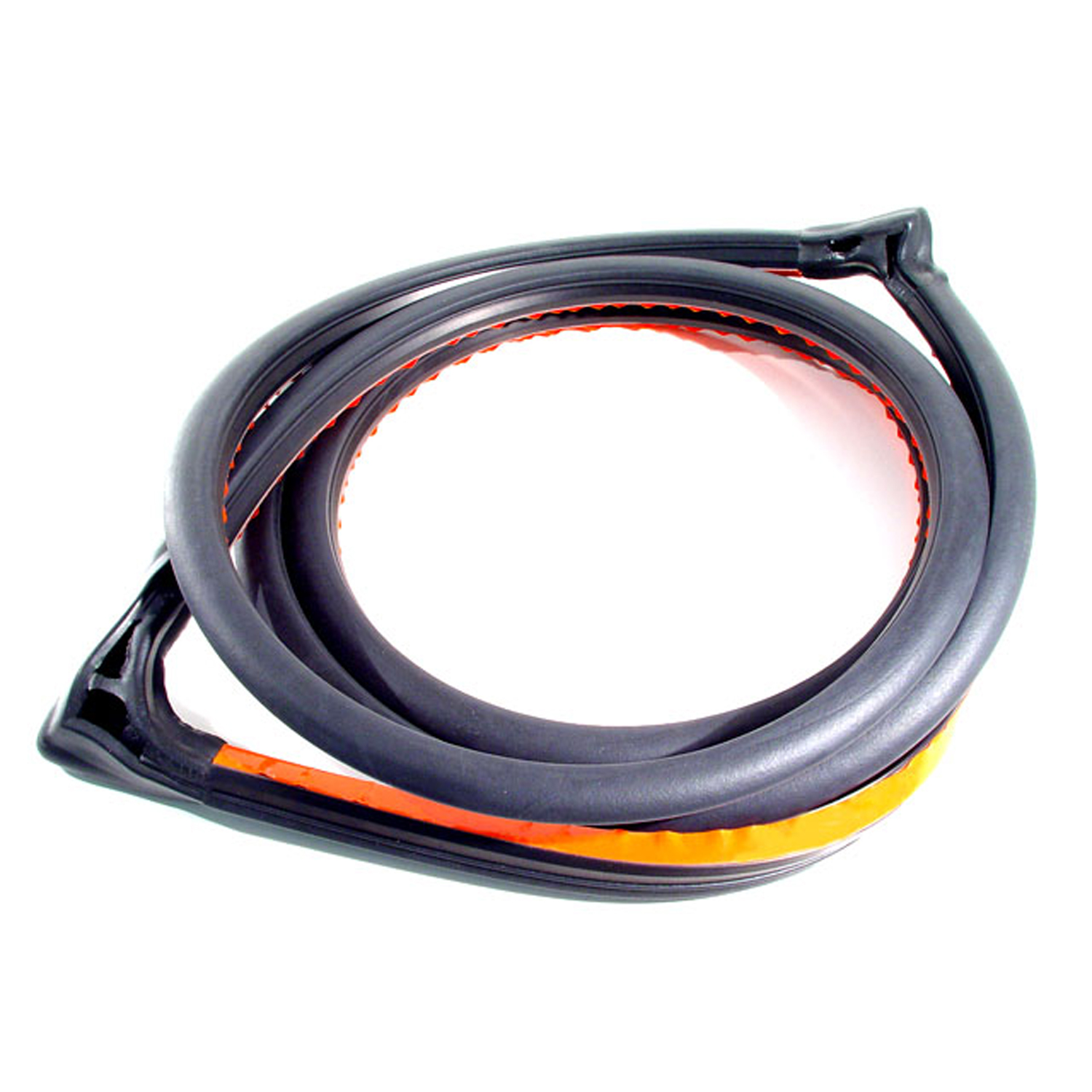 1980 Ford E-100 Econoline Club Wagon Front Side Cargo Door Seal-LM 110-VAFront Side Cargo Door Seal (fits front right side of cargo door). Replaces OEM #E9UZ 1525324 B. For rear (left side) matching seal, see LM 110-VB. Each
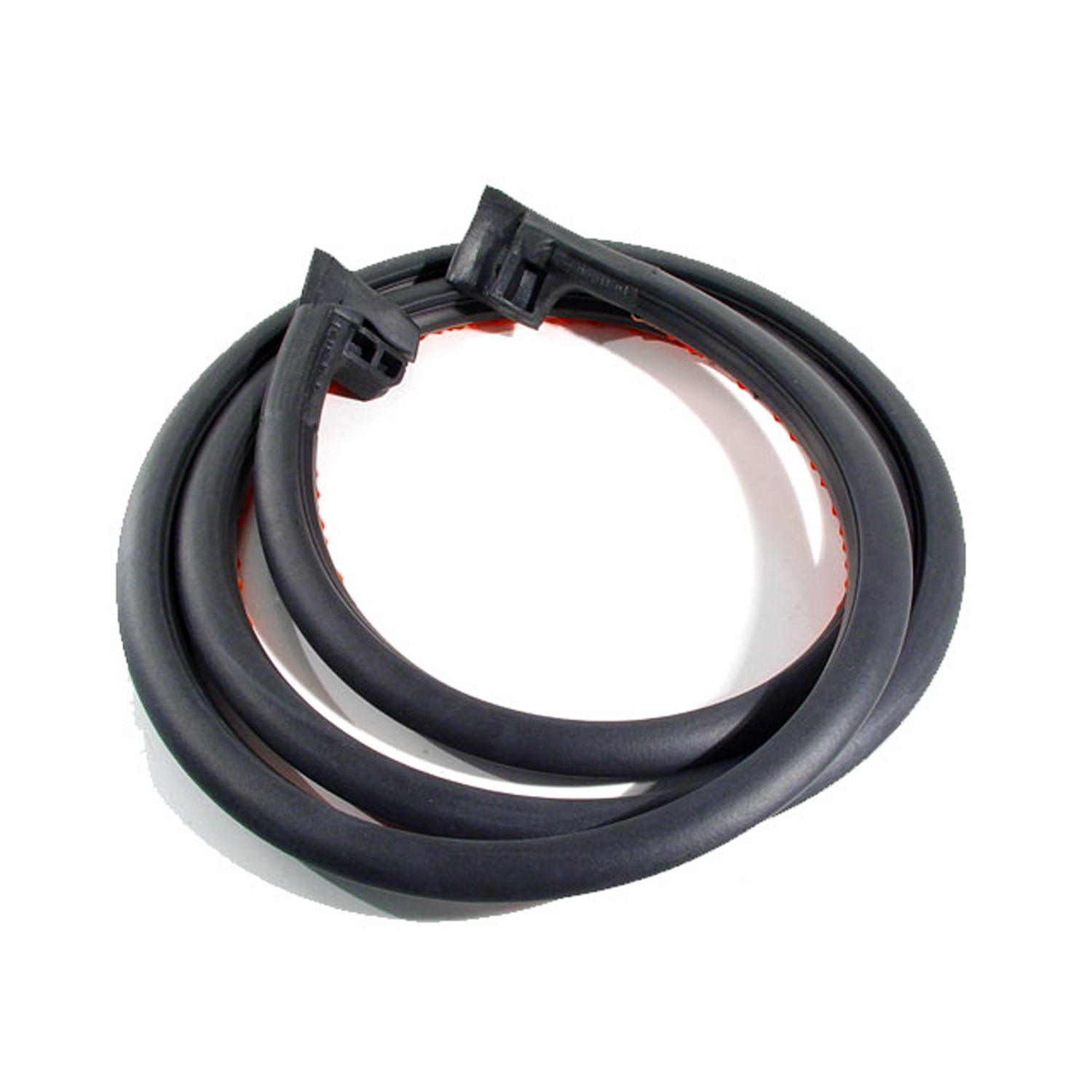 1980 Ford E-100 Econoline Club Wagon Rear Side Cargo Door Seal-LM 110-VBRear Side Cargo Door Seal (fits rear left side of cargo door). Replaces OEM #E9UZ 1525325 B. For front (right side) matching seal, see LM 110-VA. Each
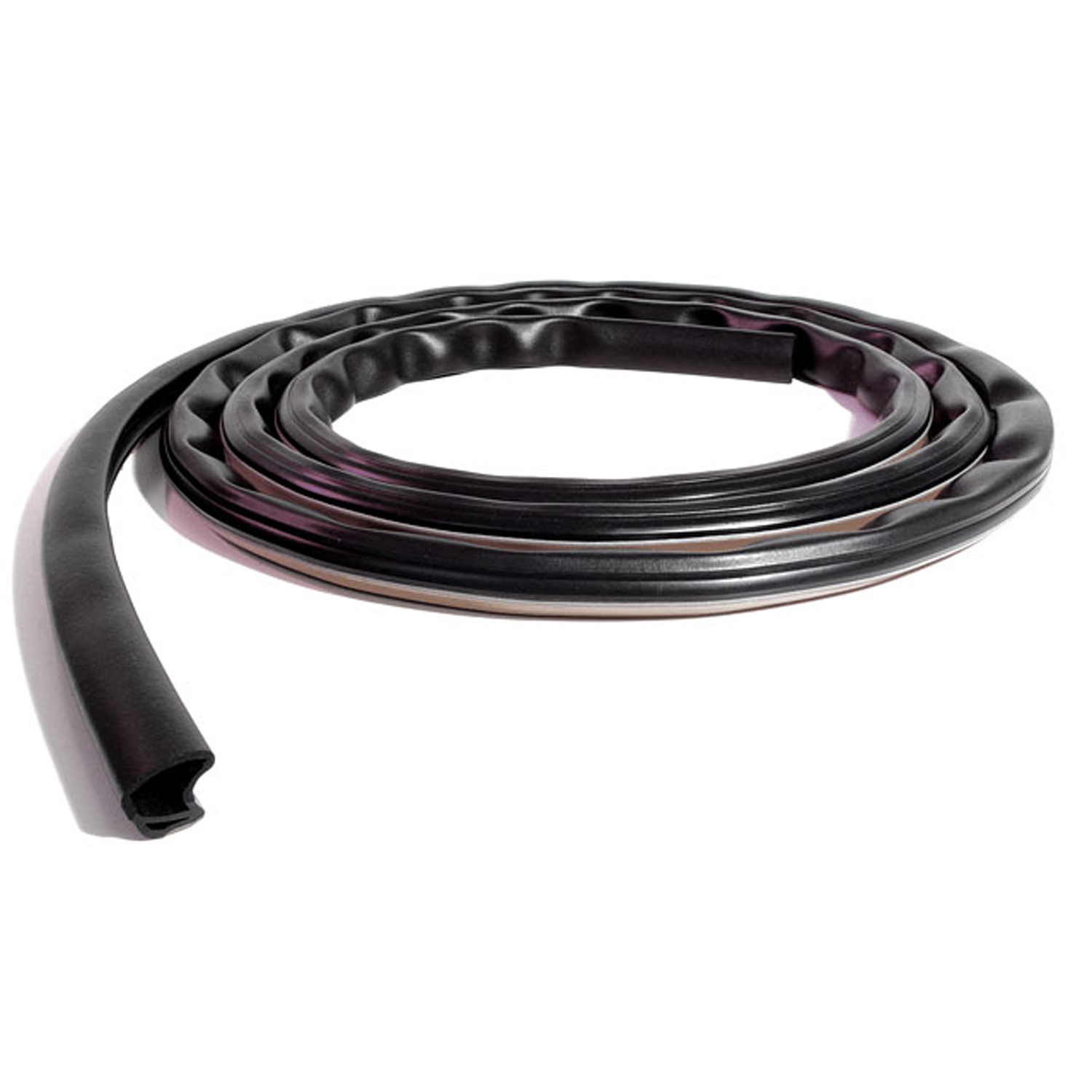 1980 Ford E-100 Econoline Club Wagon Left Front (drivers side) Door Seal. Each-LM 110-VLLeft Front (drivers side) Door Seal. Each
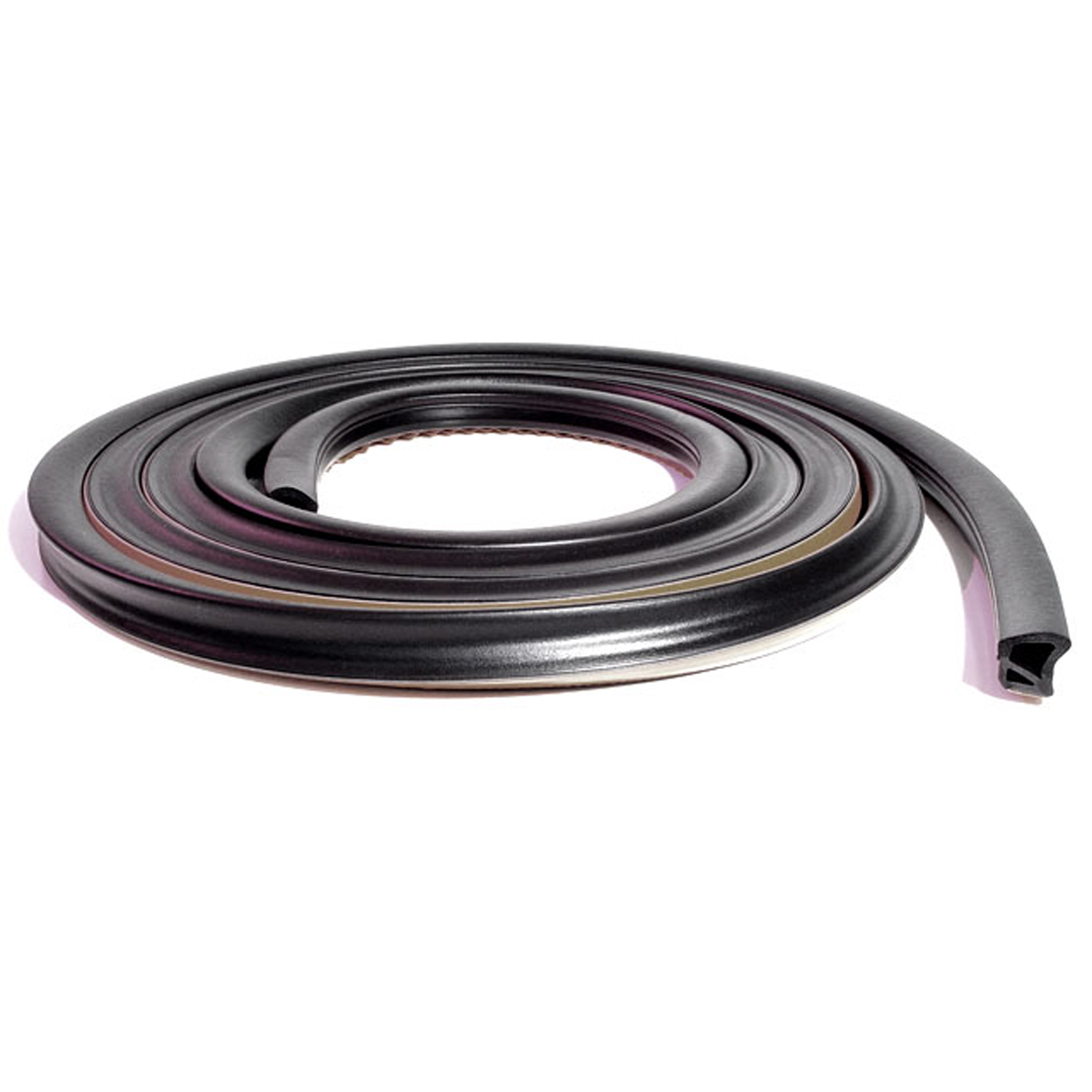 1980 Ford E-100 Econoline Club Wagon Right Front (passenger side) Door Seal. Each-LM 110-VRRight Front (passenger side) Door Seal. Each
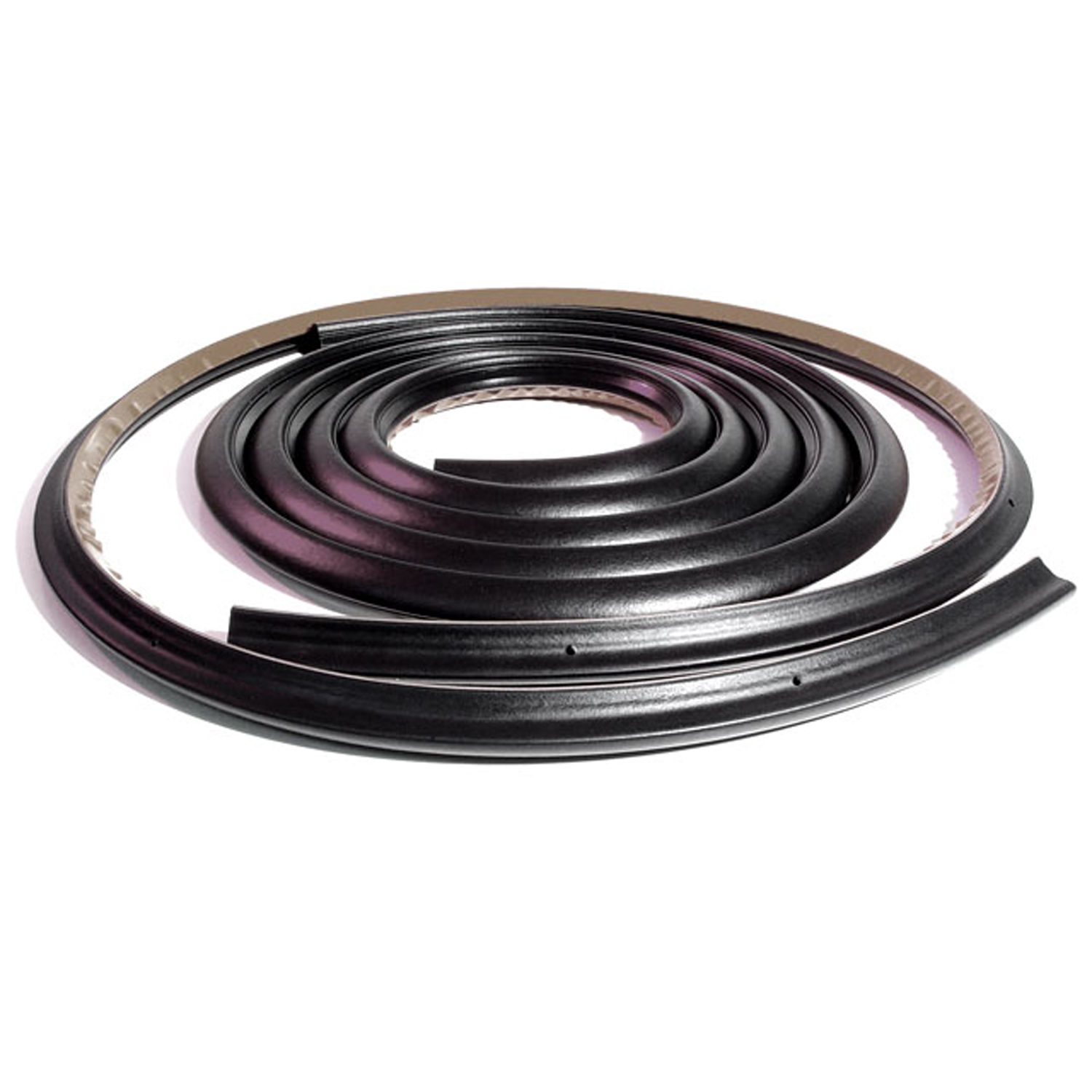 1980 Ford E-100 Econoline Club Wagon Side Slider Door Seal. Each-LM 110-VSSide Slider Door Seal. Each
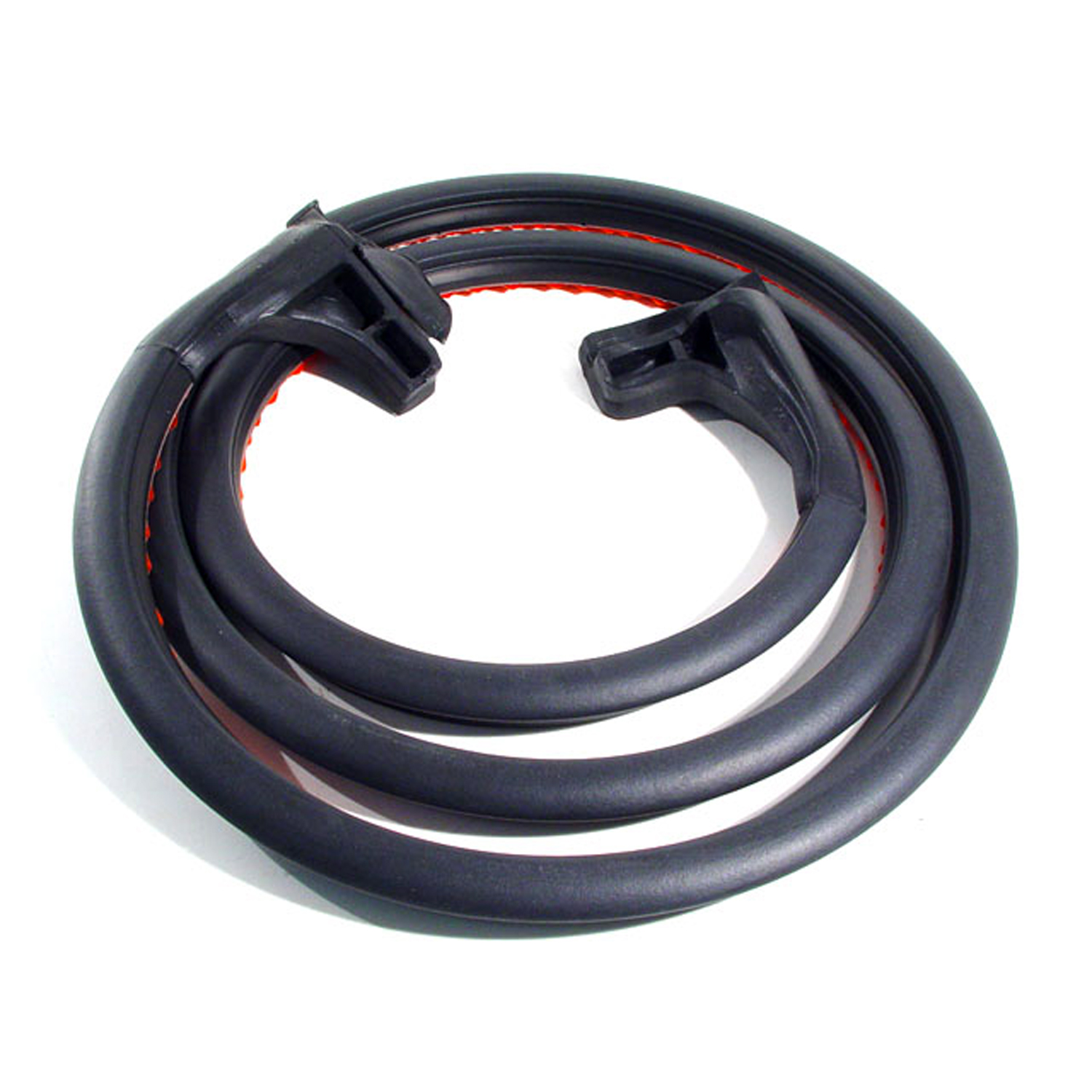 1980 Ford E-100 Econoline Club Wagon Left Rear Door Seal (Drivers Side)-LM 110-VTLeft Rear Door Seal (Drivers Side). Replaces OEM #E9UZ 1543723 A. Each
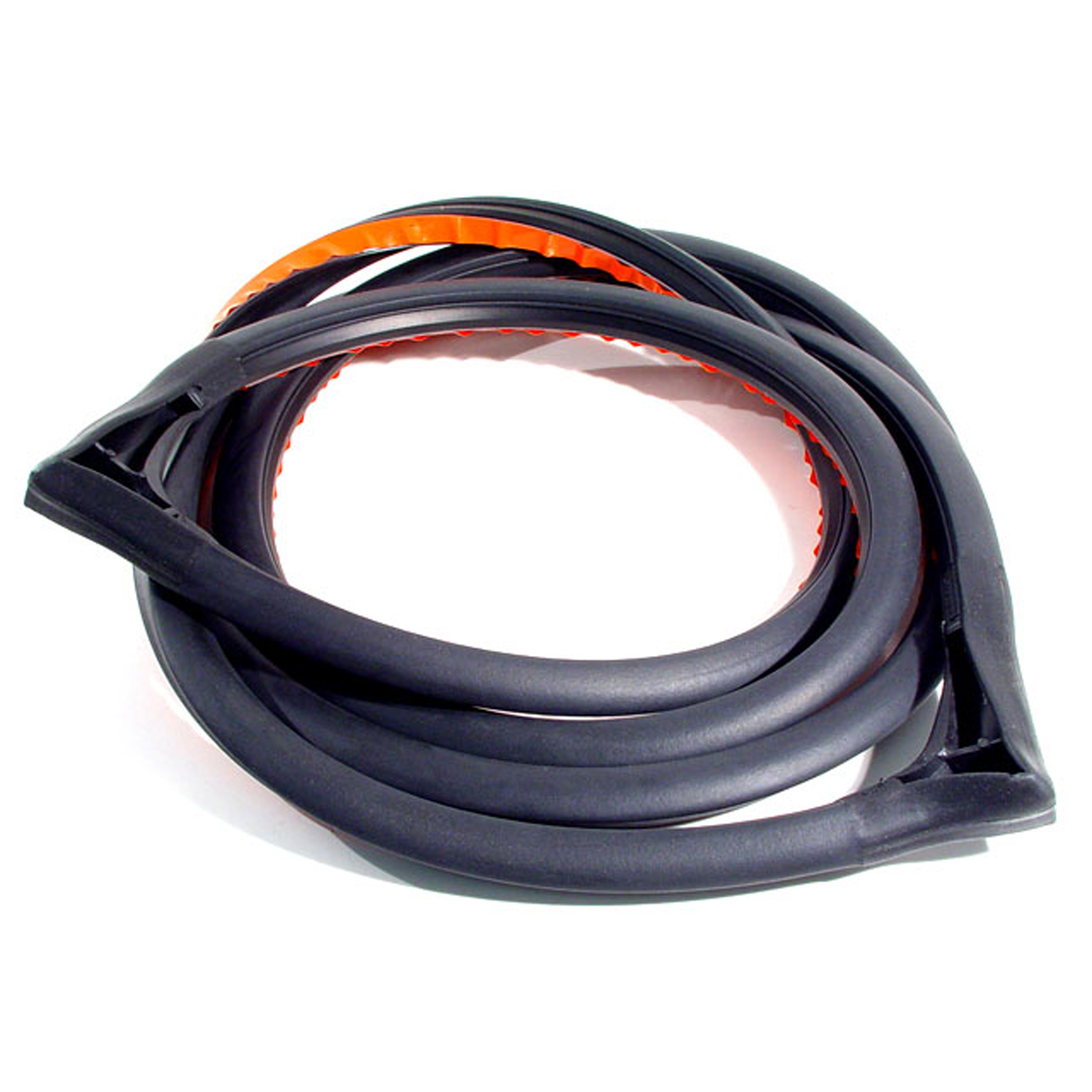 1980 Ford E-100 Econoline Club Wagon Right Rear Door Seal (Passenger Side)-LM 110-VURight Rear Door Seal (Passenger Side). Replaces OEM #F0UZ 1543722 A. Each
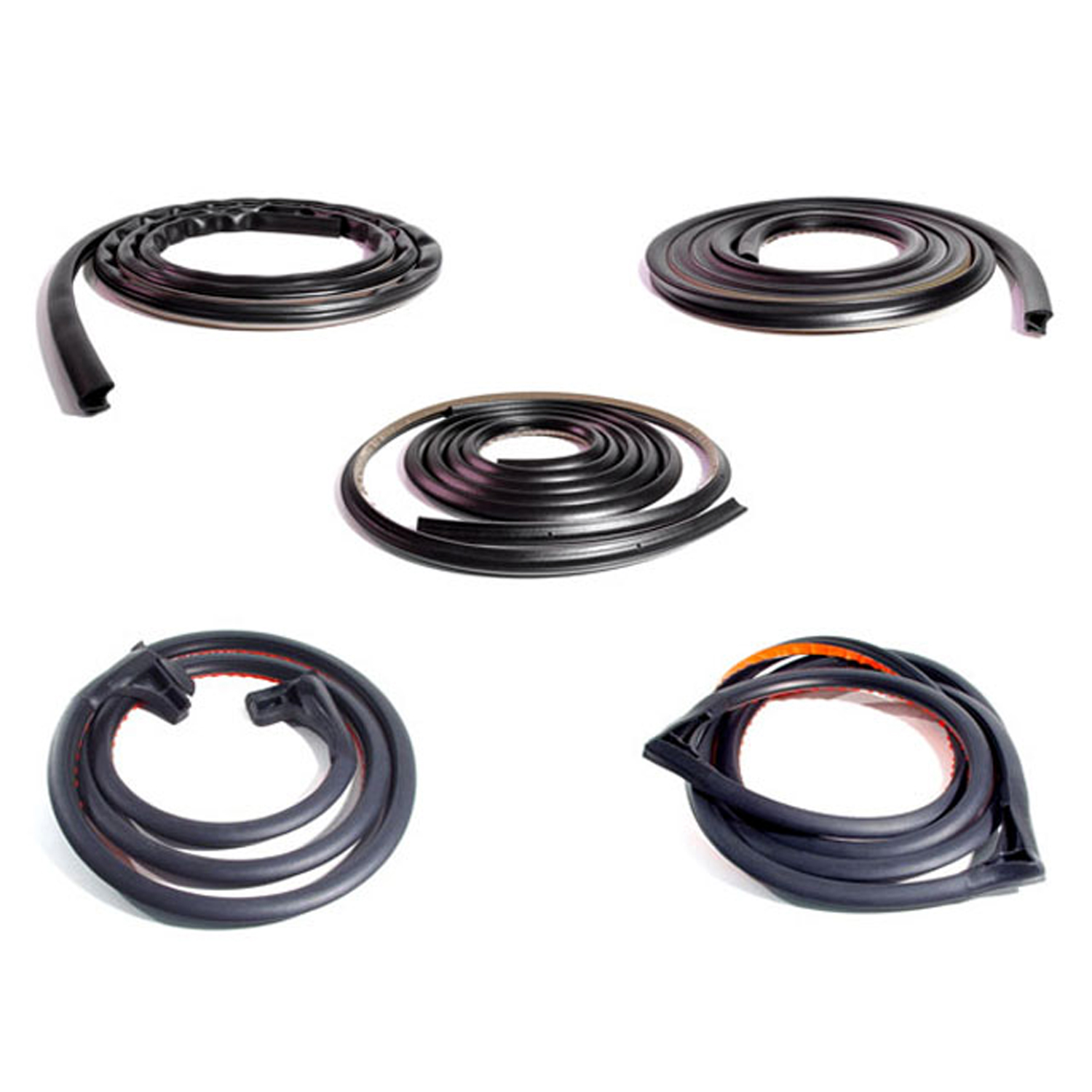 1980 Ford E-100 Econoline Club Wagon Basic Kit, for Models with Side Sliding Door-RKB 3000-100Basic Kit, for Models with Side Sliding Door. Front Left Door (LM 110-VL), Front Right Door (LM 110-VR), Back Left Door (LM 110-VT), Back Right Door (LM 110-VU), Side Sliding Door (LM 110-VS) Seals.
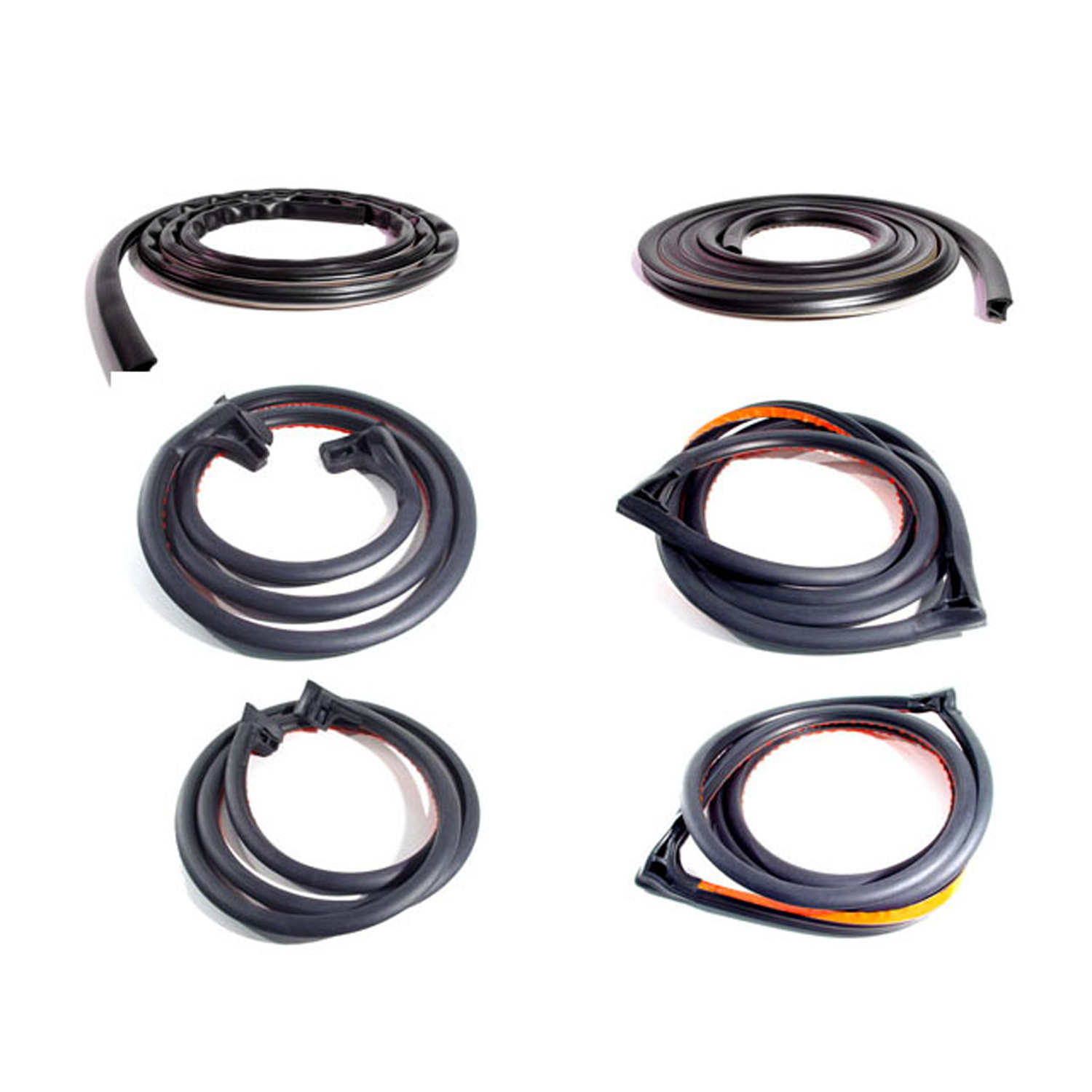 1980 Ford E-100 Econoline Club Wagon Basic Kit, for Models w/Side Cargo Door-RKB 3000-101Basic Kit, for Models w/Side Cargo Door. Front Left LM 110-VL), Front Right LM 110-VR), Back Left LM110-VT), Back Right LM 110-VU), Front Cargo Side (LM 110-VA), Rear Cargo Side (LM 110-VB) Door Seals.
Why Choose Metro?
For over 100 years, Metro Moulded Parts has been the pinnacle of quality in classic car restoration parts. Our commitment to precision and authenticity in every component ensures a perfect fit and an OEM-level appearance.
- Expert Craftsmanship & Quality: Each part is a testament to our dedication to reliability and perfection, crafted from original designs and thoroughly tested.
- Advanced Technology: We use cutting-edge techniques to create flawless, long-lasting parts that surpass others in performance.
- SuperSoft Sponge – The Ultimate Door Seal: Not only are our door seals 30% softer than competitors', but they're also guaranteed to never leak. They effectively reduce wind and road noise, enhancing your classic car's comfort and driving experience.
- Proudly American: Our parts are a product of American craftsmanship, made in the USA with a spirit of excellence and heritage.
- Unrivaled Warranty: We back our products with a 30-year industry-leading warranty, a testament to our confidence in their quality.
Join us in preserving the legacy of classic cars with parts that are crafted for perfection, not just made.