
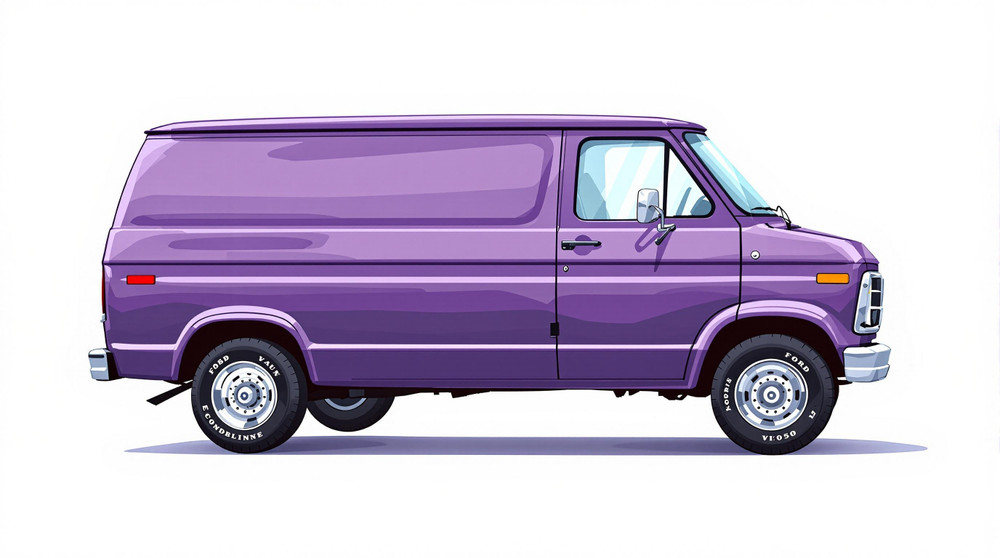
Image of 1980 Ford E-150 Econoline, Note: These illustrations use artistic license and may differ from actual historical models.
Performance Metrics
Fundamental Metrics
Emotional Appeal
MMP Rating
| Engine Specifications | |
|---|---|
| Engine: | 4.9L Inline 6, 5.8L V8, 6.6L V8, 7.5L V8 |
| Displacement: | 4.9L - 7.5L |
| Horsepower: | 115-225 HP |
| Torque: | 223-357 lb-ft |
| Compression Ratio: | 8.0:1 - 8.4:1 |
| Ignition System: | Distributor |
| Cooling System: | Liquid cooled |
| Performance Specifications | |
| 0-60 Time: | Estimated 10-15 seconds |
| 1/4 Mile Time: | Estimated 17-20 seconds |
| Top Speed: | 85-100 mph |
| Transmission and Drive | |
| Drive Type: | Rear wheel drive |
| Transmission Type: | 3-speed automatic, 4-speed manual |
| Fuel and Efficiency | |
| Fuel System Type: | Carburetor |
| MPG: | Estimated 10-14 mpg |
| Dimensions and Brakes | |
| Brakes: | Front disc / Rear drum |
| Wheelbase: | 124.0 inches |
| Weight: | 4,500-5,500 lbs |
Note: Specifications for classic cars are given to the best of our ability, considering the limited and variant data available.
The 1980 Ford E-150 Econoline could be a tradesman’s rolling toolbox, a family shuttle, or the starting point for a custom camper, all depending on how it was ordered. That flexibility made Ford’s full-size van a familiar sight on American roads, and it still gives the E-150 much of its appeal as a classic today.
1980 Ford E-150 Econoline Overview
Built by Ford Motor Company, the E-150 was the half-ton member of the Econoline family. It belonged to the third-generation Econoline platform, introduced for 1975 with a major shift in layout: the engine moved forward from the cab-over position used by earlier vans, and the van adopted a more conventional front-engine design. The change brought a longer hood, a more carlike driving position, and a structure more closely related to Ford’s pickup-truck engineering.
For 1980, Ford gave the Econoline a fresh front-end appearance as the company entered a new decade. The E-150 sat between the lighter-duty E-100 and heavier E-250 and E-350 models. Buyers could choose a practical cargo van or a passenger-oriented version, with trim and equipment ranging from work-ready basics to more comfortable, highly personalized setups.
A useful bit of historical context: 1980 was part of the transition toward the familiar E-series model naming, with designations such as E-150 making the van’s place in Ford’s lineup easier to understand. The Econoline itself was already well established, however, and would continue to evolve into the long-running E-Series that served American businesses and families for decades.
Boxy Styling, Built for Work
The E-150’s styling was straightforward and purposeful. Its broad, nearly upright windshield, squared-off hood, tall roof, and slab-sided body prioritized interior room and easy access over aerodynamic flair. The 1980 front end featured a wide grille and rectangular headlamps, giving the van a clean, unmistakably early-1980s face. Large glass areas helped visibility, while the tall body made it practical to load tools, equipment, furniture, or passengers.
Inside, the materials reflected the van’s intended job. A cargo model might have a simple vinyl seat, durable floor covering, and bare or minimally trimmed walls. Passenger versions could add carpet, more finished side panels, upgraded seating, and convenience equipment. Upholstery varied by trim and order, with vinyl valued for easy cleanup and cloth offering a more comfortable feel. Even a well-equipped example remained functional rather than luxurious by modern standards.
Available equipment depended on the specific build. Power steering, power brakes, air conditioning, an automatic transmission, upgraded radio, and cruise control could make the van easier to live with, but they were not universal. The driving environment was still very much of its era: a large steering wheel, traditional gauges, a tall seating position, and plenty of mechanical feedback. Modern safety features such as airbags and electronic stability control were not part of the package.
Body Styles, Trims, and Colors
The E-150 was offered as a cargo van and in passenger-focused Econoline or Club Wagon configurations. Ford also sold higher-trim passenger versions, including Chateau models, which emphasized comfort and appearance. Wheelbase and body-length availability could vary by configuration, so buyers should check the vehicle’s original equipment information rather than assume every E-150 had the same dimensions.
The cargo van was the classic commercial choice, but passenger vans and conversion vans became some of the most recognizable versions. Conversion companies could add swiveling seats, upgraded upholstery, wood-look trim, curtains, lighting, entertainment equipment, and other custom touches. These conversions were not all factory-built Ford models, which is why two 1980 E-150s can have dramatically different interiors.
Ford offered a range of solid colors, along with choices suited to fleet orders and passenger models. White was a common work-van color, prized by businesses for its practical appearance and broad availability. Today, white, cream, tan, blue, and red examples all have their fans. Original paint and documented factory colors can add interest for collectors, while period two-tone schemes are especially appealing on passenger and conversion vans.
Why the Econoline Mattered
The third-generation Econoline helped establish the template for the modern American full-size van: a front-mounted engine, a body-on-frame platform, trucklike components, and a large, adaptable cabin. Its relationship to Ford’s truck engineering gave it the rugged character expected by businesses, while the van body offered enclosed space that a pickup could not match without a cap or trailer.
That combination made the E-150 useful far beyond commercial fleets. Families could carry a crowd, contractors could organize tools inside, and conversion companies could turn the van into a road-trip cabin. The Econoline’s lasting influence is visible in the way later full-size vans continued to balance cargo capacity, passenger comfort, and a wide range of specialized configurations.
What set it apart was not a single breakthrough gadget. It was the platform’s versatility. One basic vehicle could serve as a delivery van, passenger carrier, camper project, or custom show vehicle, and Ford’s broad dealer and parts network helped make ownership practical across the country.
Engines, Speed, and Road Manners
Engine availability depended on the specific 1980 E-150 configuration and market. Common choices included Ford’s 4.9-liter inline-six and V8 engines such as the 5.0-liter and 5.8-liter. Transmission and axle-ratio choices also affected how the van drove. Many surviving examples have automatic transmissions, but the equipment on an individual vehicle should be verified from its build information or by inspecting the drivetrain.
There is no single reliable factory 0-to-60 mph figure that applies to every E-150. As a broad period-vehicle estimate, a six-cylinder van might take roughly 18 to 22 seconds, while a V8 version could fall around 13 to 18 seconds, depending on load, gearing, engine condition, and transmission. Top speed likewise varied, but many examples would be most comfortable cruising in the 75-to-90-mph range. These are estimates, not guaranteed specifications, and an old van should never be judged by a maximum-speed run.
Behind the wheel, the E-150 feels large, upright, and decidedly trucklike. The high seating position gives a commanding view, but the long hood and wide body require care in tight streets and parking lots. Its front suspension was designed to handle the demands of a substantial vehicle, and the ride is generally more composed when the van is carrying some weight. Empty, it can feel firm over sharp bumps, while body roll is noticeable on winding roads or during quick lane changes.
A V8 adds a familiar low rumble and makes merging or climbing hills less strenuous, though it also brings fuel consumption that reflects the van’s size and age. The steering and braking are less precise than those of a modern minivan, and wind can move the tall body around at highway speed. The reward is a relaxed, mechanical driving experience: big windows, a commanding view, and the solid feeling of piloting a vehicle built to work.
Owning and Maintaining an E-150
Common uses include weekend cruising, vintage-van shows, camper conversions, small-business work, and occasional daily driving. A clean, dependable E-150 can still handle errands or local hauling, but many owners preserve their vans for recreation rather than rely on them for demanding daily commutes. A converted passenger van may be a comfortable road-trip companion, while a basic cargo model makes an appealing foundation for a practical camper build.
Routine service is generally approachable for a home mechanic. The engine bay is accessible from inside the cabin through a removable cover, and many mechanical parts are shared with other Ford trucks or vans of the period. Oil and filter changes, ignition work, brake service, and many suspension repairs are familiar jobs for a competent DIY owner. Parts availability remains reasonably good for common mechanical items, though trim, body-specific pieces, and original interior components can take more searching.
Age is the bigger challenge than complexity. Inspect the frame and body carefully for rust, particularly around the floors, wheel openings, door openings, and lower body panels. Check the engine for leaks, smoke, overheating, and worn cooling-system parts. Transmission behavior, steering play, brake condition, old wiring, and the integrity of any camper conversion deserve close attention. A bargain purchase can quickly become expensive if it needs major rust repair or a full interior restoration.
Notable Facts and Common Complaints
The E-150’s most impressive “record” is its staying power as a vehicle type. Ford’s E-Series remained a fixture in commercial and passenger transportation for generations, although that broader history should not be confused with a special production record for the 1980 E-150 itself. There is no widely recognized speed or endurance record specific to this model year.
Conversion culture is a big part of the Econoline story. In the late 1970s and 1980s, custom vans became a popular way to create a personalized travel vehicle, and the E-150’s roomy cabin made it a natural candidate. Some surviving vans retain period accessories and interiors that are now as much a time capsule as a vehicle.
Common criticisms are familiar to anyone who has driven an old full-size van: heavy fuel use, modest acceleration, substantial body roll, and limited modern crash protection. Visibility is good in many directions, but the size can make maneuvering awkward. Some conversion interiors also sacrifice practicality for decoration, so buyers should check that custom electrical systems and added equipment were installed safely.
Collector Values and Availability
The 1980 E-150 is not rare in the same way as a limited-production muscle car, but condition and configuration make a major difference. Cargo vans that worked hard may be worn or rusty, while original passenger vans, clean factory-trim examples, and well-executed period conversions can be harder to find. Ford did not publish an easily usable production breakdown for every E-150 body style and trim combination. A reasonable, explicitly rough estimate is that tens of thousands of E-150s were built for the 1980 model year, perhaps somewhere in the range of 25,000 to 60,000 across configurations. That is a market estimate, not a verified factory total.
As a broad 2026 U.S. value guide, a project or rough driver may sell for about $2,500 to $6,000. A usable van in sound condition might bring roughly $6,000 to $12,000. Very clean, restored, or especially appealing passenger and conversion examples can reach approximately $15,000 to $25,000 or more. A top-quality custom build could exceed that range, but its value depends heavily on workmanship, documentation, and buyer interest.
Values have benefited from renewed interest in vintage vans and camper projects, but the market is uneven. Exceptional examples have gained attention, while ordinary work vans remain affordable compared with many classic cars. Rust-free structure, original equipment, a documented restoration, and a tasteful conversion generally matter more than simply having a V8. Buyers should compare recent sales of similar-condition vans rather than rely on asking prices alone.
The E-150’s Lasting Appeal
The 1980 Ford E-150 Econoline is a classic defined by usefulness. Its truck-derived construction, roomy body, wide choice of configurations, and straightforward mechanicals made it an adaptable tool for work and travel. It is not fast or delicate, and it asks its driver to respect its size, age, and thirst for fuel.
But few vehicles of its era could change roles so easily. Whether it is hauling equipment, carrying friends to a show, or serving as the base for a weekend camper, the E-150 remains a rolling reminder that a good classic does not need to be glamorous. Sometimes the most enduring vehicle is simply the one ready for whatever comes next.
1980 Ford E-150 Econoline Catalog of Parts
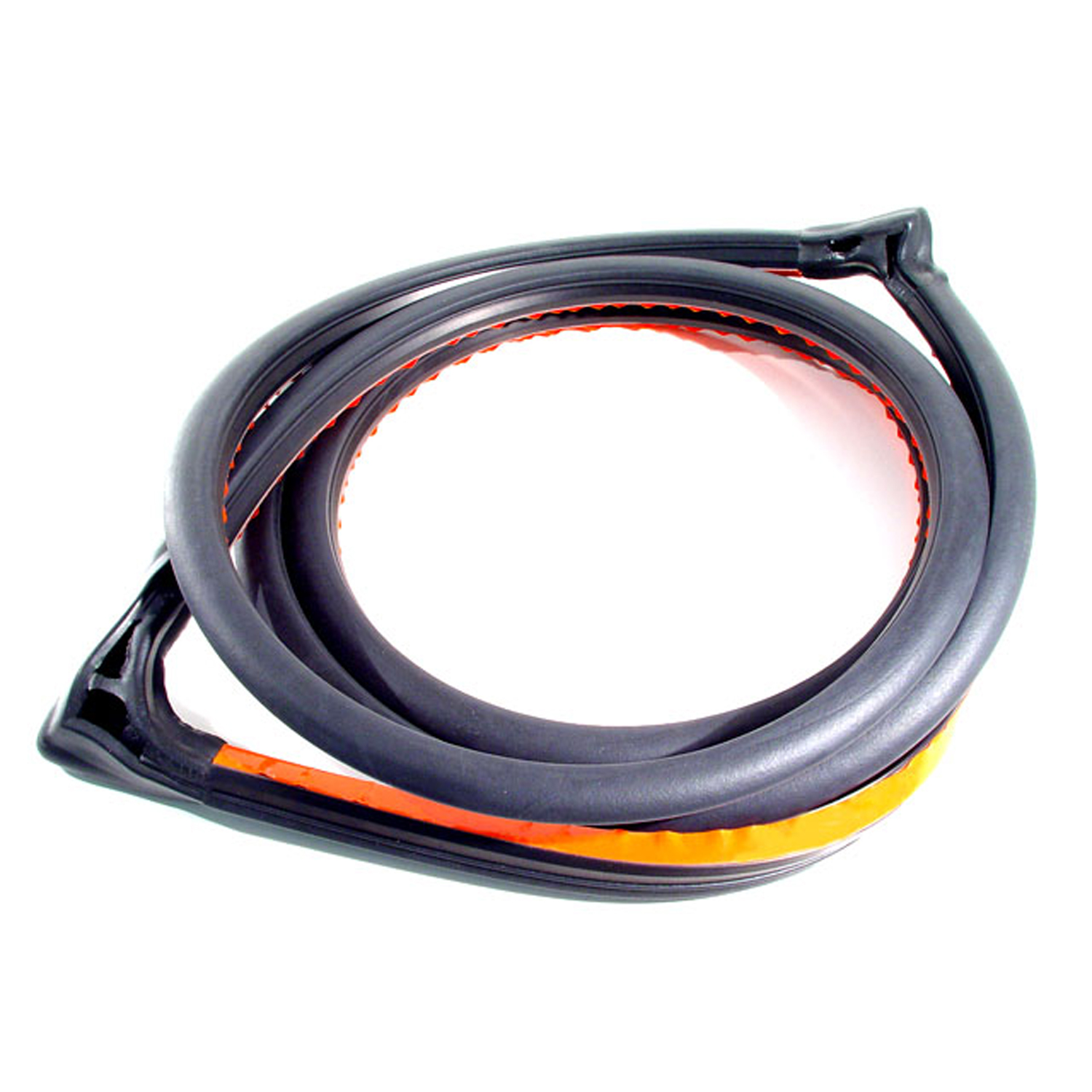 1980 Ford E-150 Econoline Front Side Cargo Door Seal-LM 110-VAFront Side Cargo Door Seal (fits front right side of cargo door). Replaces OEM #E9UZ 1525324 B. For rear (left side) matching seal, see LM 110-VB. Each
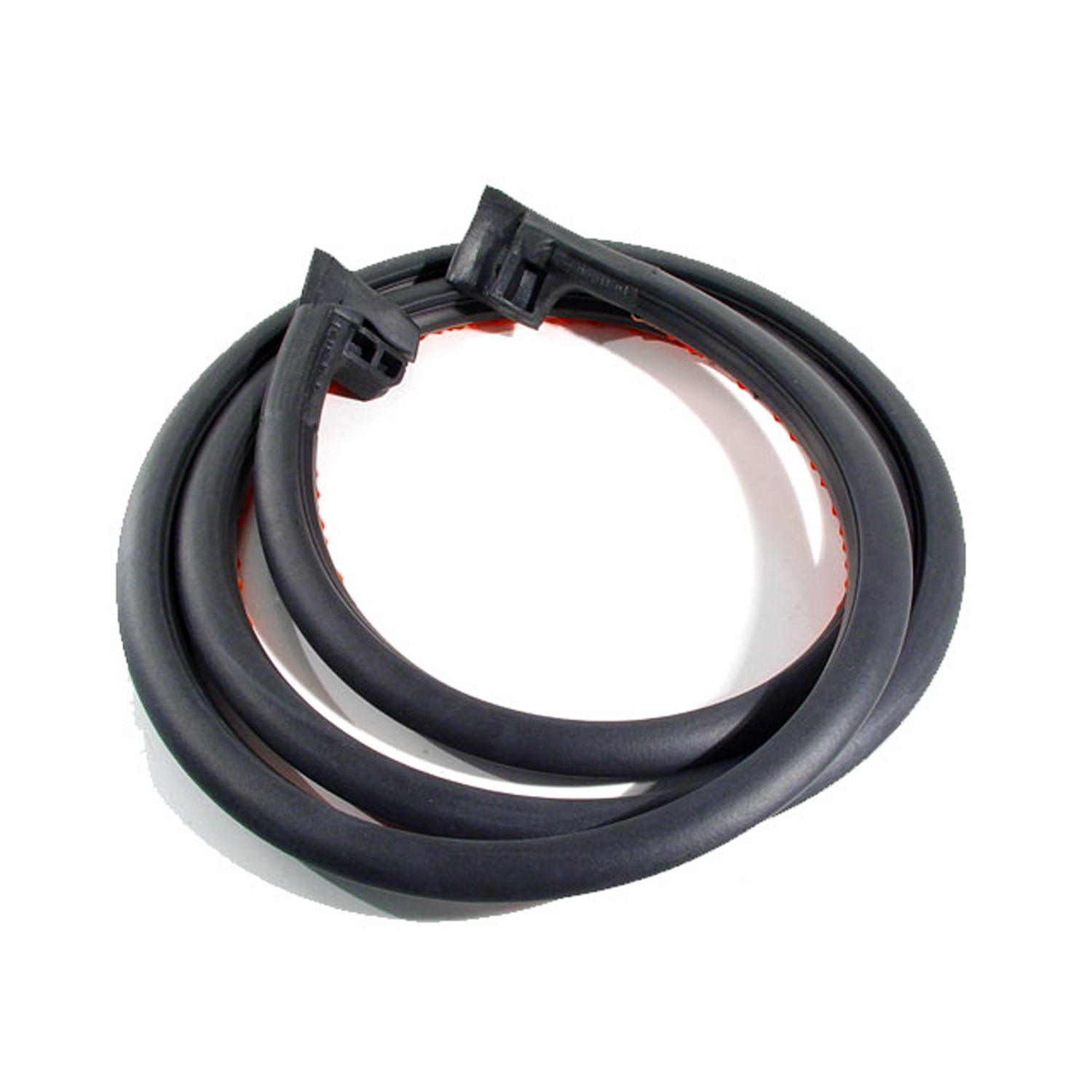 1980 Ford E-150 Econoline Rear Side Cargo Door Seal-LM 110-VBRear Side Cargo Door Seal (fits rear left side of cargo door). Replaces OEM #E9UZ 1525325 B. For front (right side) matching seal, see LM 110-VA. Each
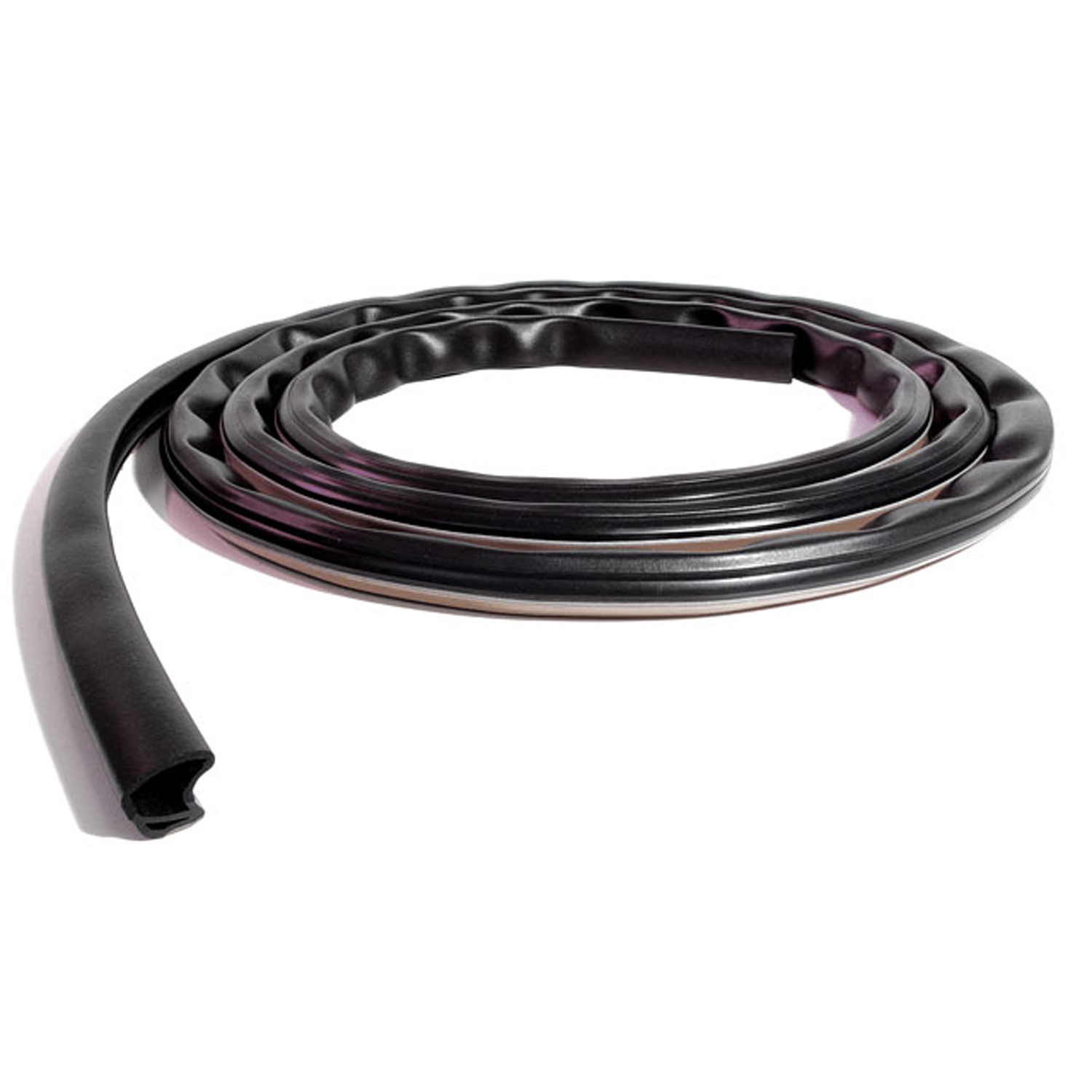 1980 Ford E-150 Econoline Left Front (drivers side) Door Seal. Each-LM 110-VLLeft Front (drivers side) Door Seal. Each
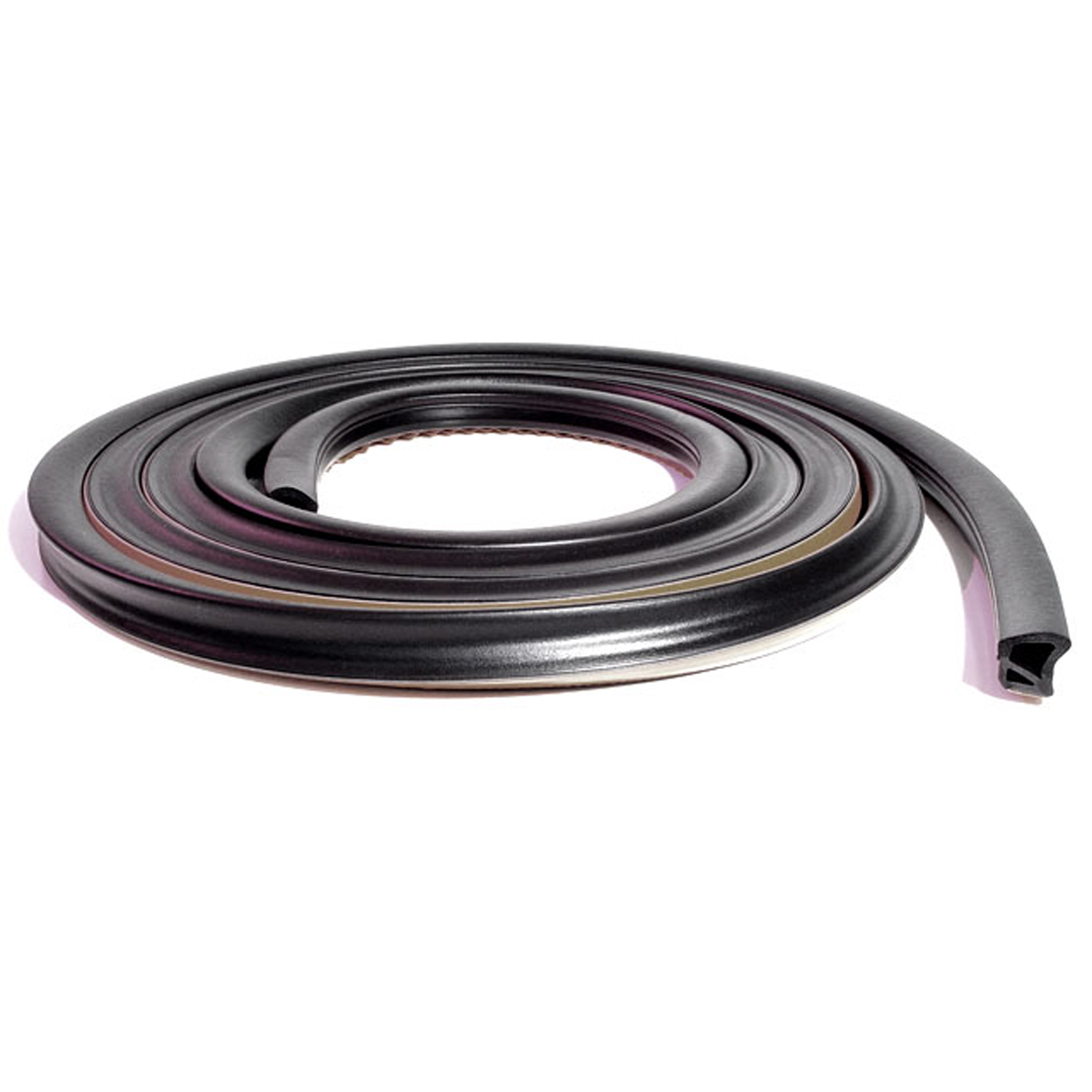 1980 Ford E-150 Econoline Right Front (passenger side) Door Seal. Each-LM 110-VRRight Front (passenger side) Door Seal. Each
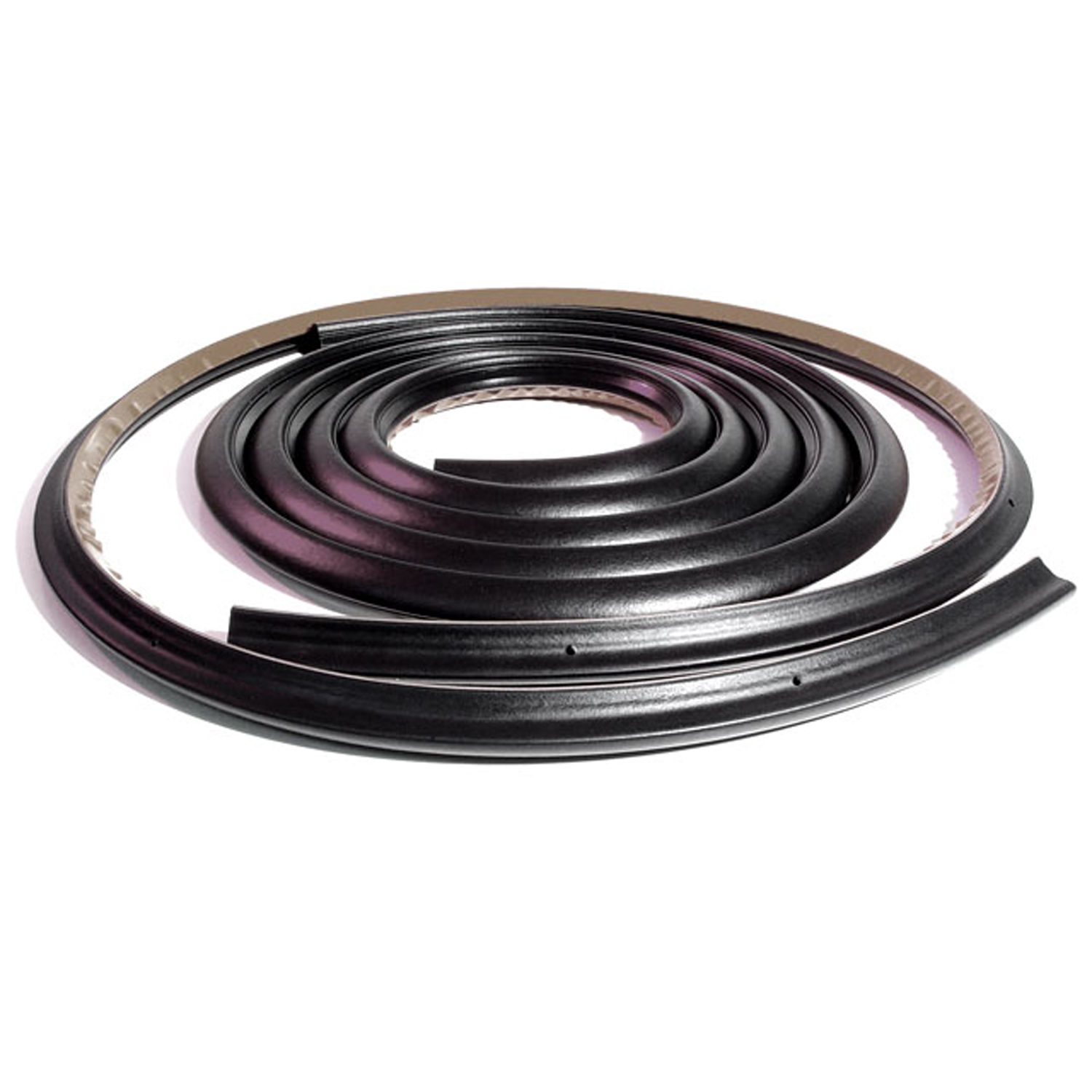 1980 Ford E-150 Econoline Side Slider Door Seal. Each-LM 110-VSSide Slider Door Seal. Each
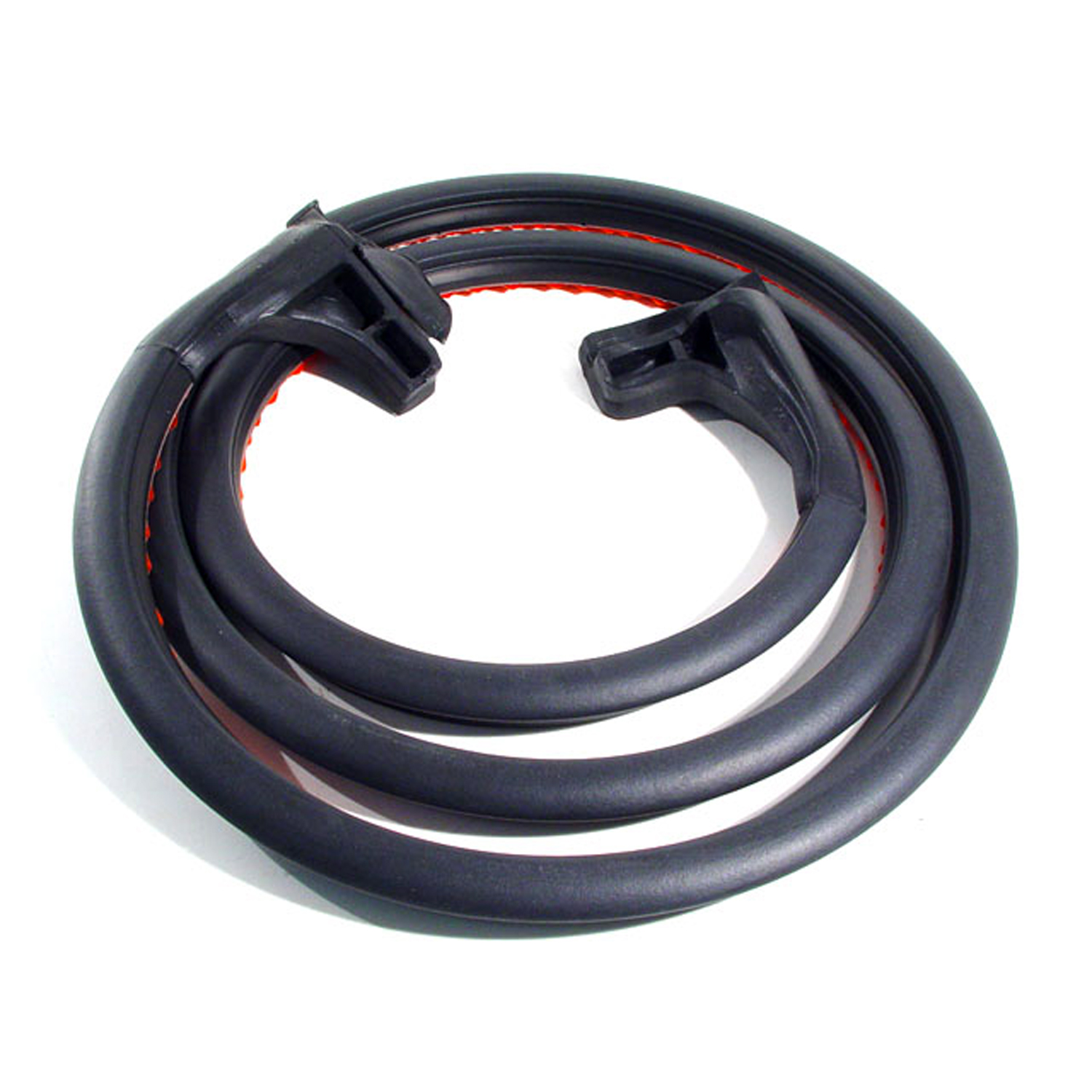 1980 Ford E-150 Econoline Left Rear Door Seal (Drivers Side)-LM 110-VTLeft Rear Door Seal (Drivers Side). Replaces OEM #E9UZ 1543723 A. Each
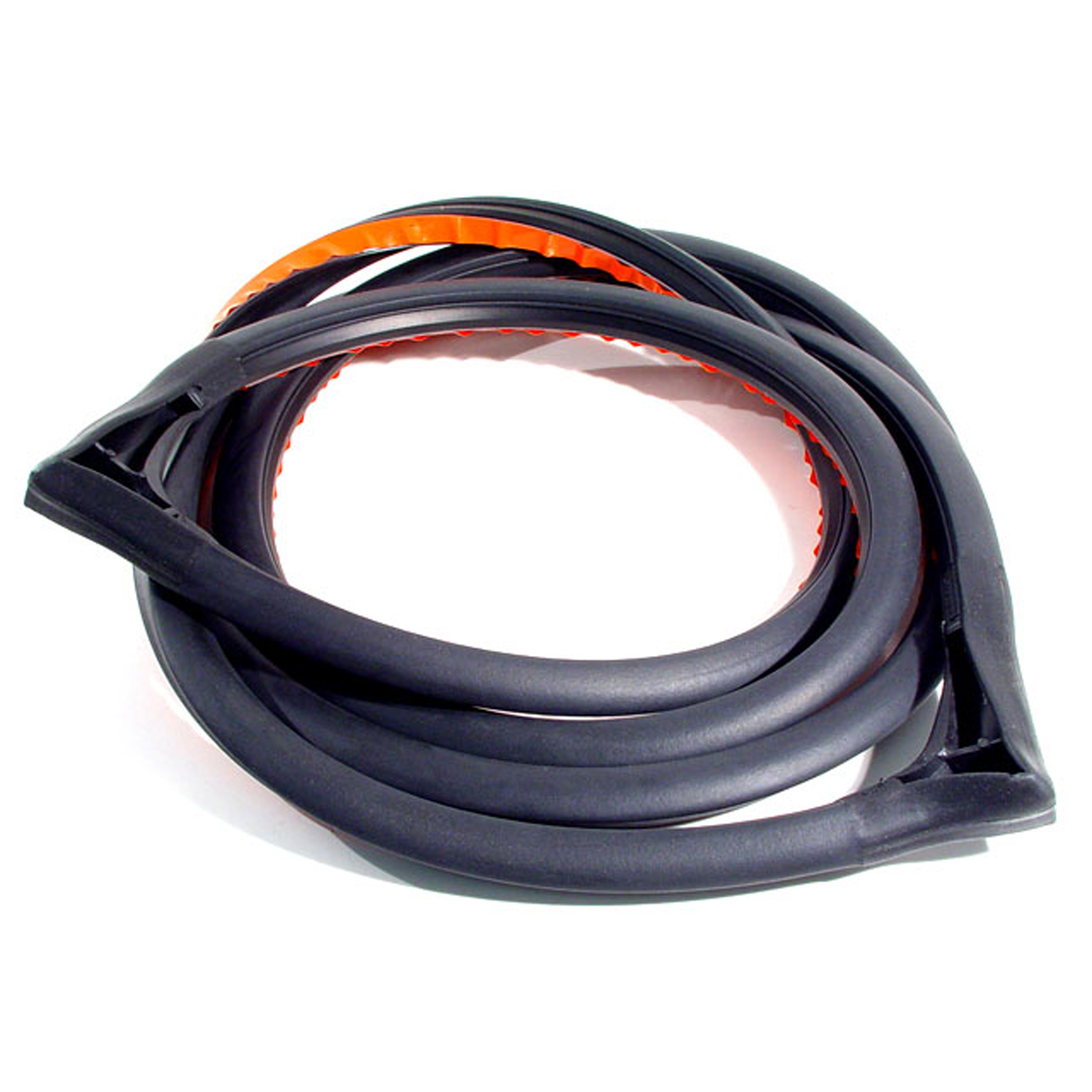 1980 Ford E-150 Econoline Right Rear Door Seal (Passenger Side)-LM 110-VURight Rear Door Seal (Passenger Side). Replaces OEM #F0UZ 1543722 A. Each
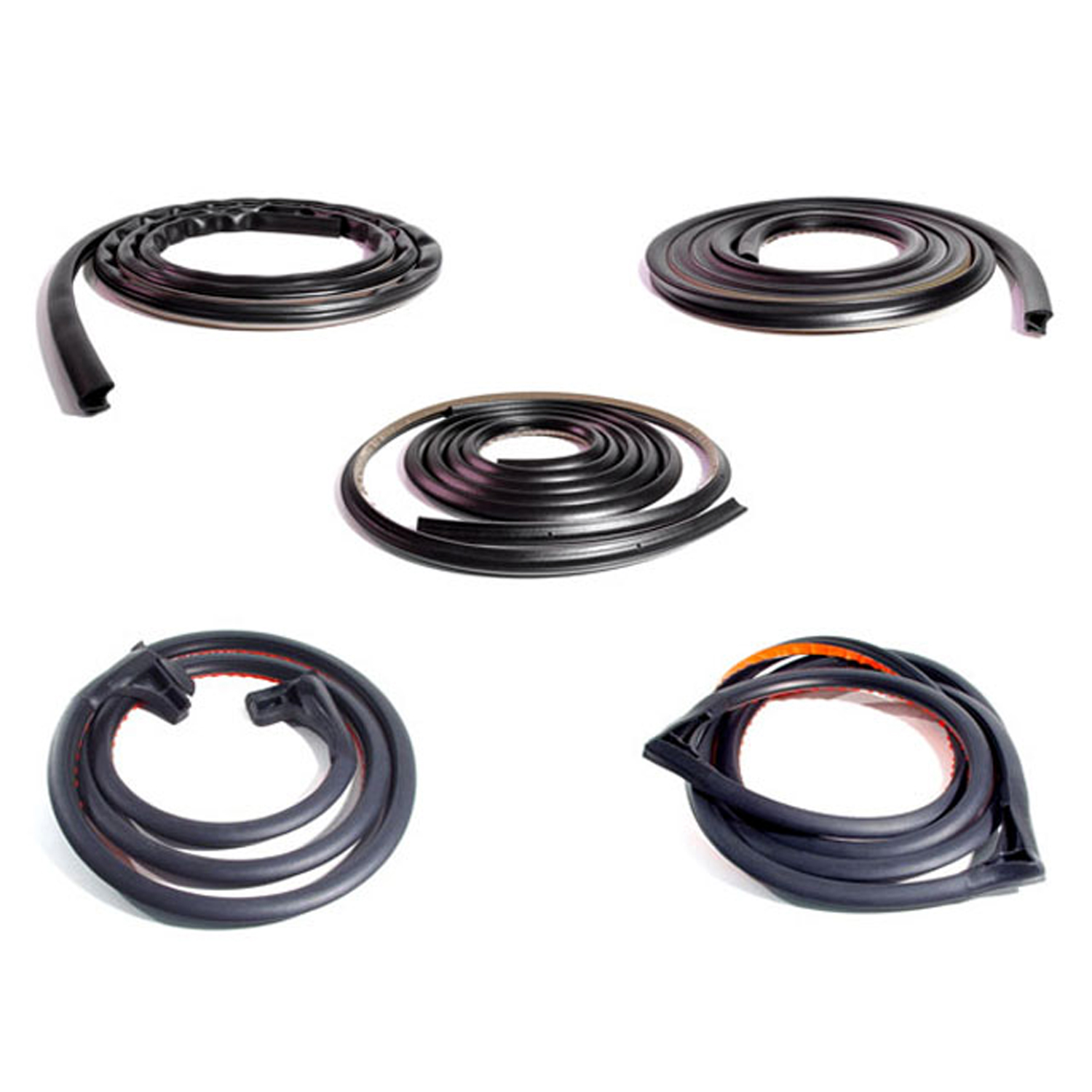 1980 Ford E-150 Econoline Basic Kit, for Models with Side Sliding Door-RKB 3000-100Basic Kit, for Models with Side Sliding Door. Front Left Door (LM 110-VL), Front Right Door (LM 110-VR), Back Left Door (LM 110-VT), Back Right Door (LM 110-VU), Side Sliding Door (LM 110-VS) Seals.
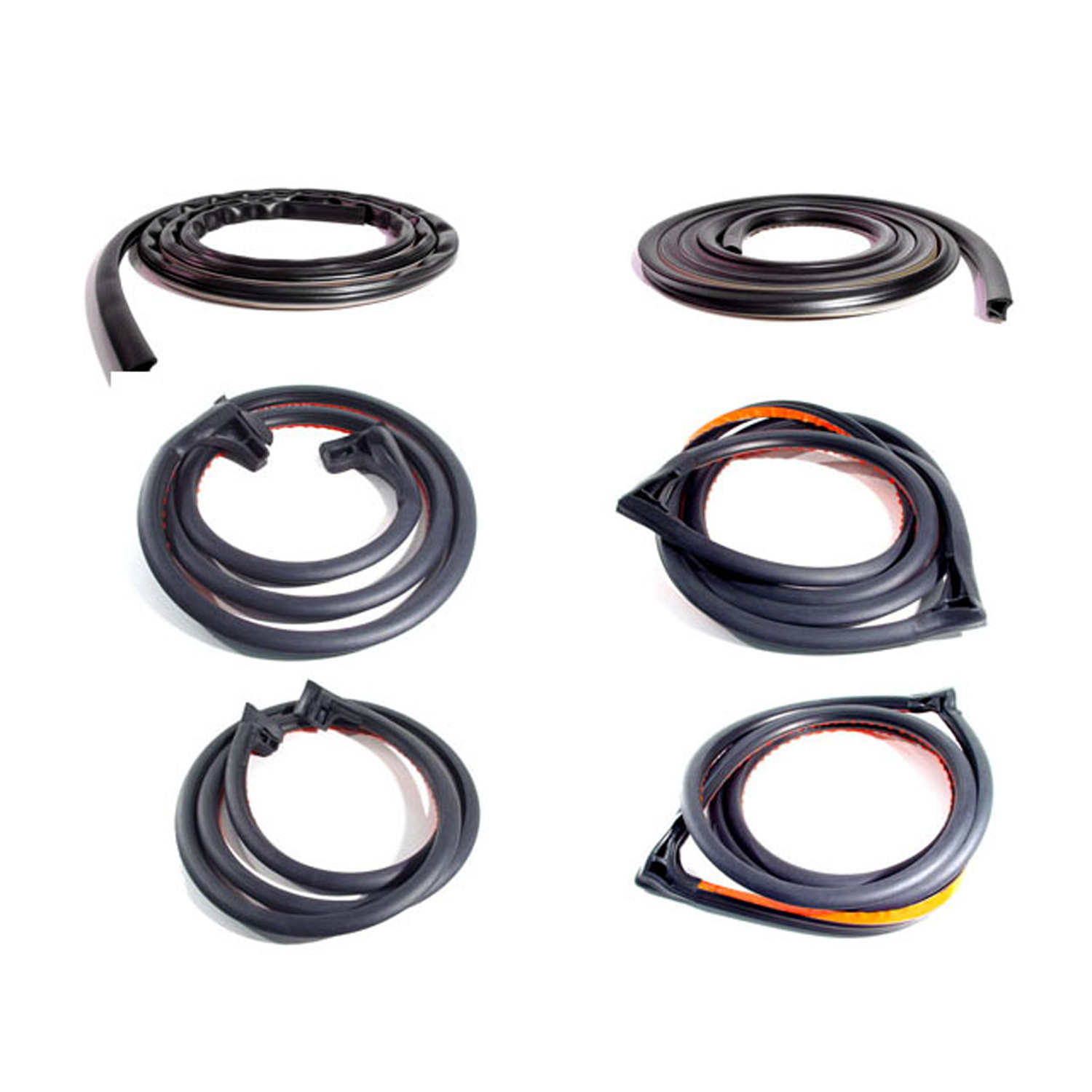 1980 Ford E-150 Econoline Basic Kit, for Models w/Side Cargo Door-RKB 3000-101Basic Kit, for Models w/Side Cargo Door. Front Left LM 110-VL), Front Right LM 110-VR), Back Left LM110-VT), Back Right LM 110-VU), Front Cargo Side (LM 110-VA), Rear Cargo Side (LM 110-VB) Door Seals.
Why Choose Metro?
For over 100 years, Metro Moulded Parts has been the pinnacle of quality in classic car restoration parts. Our commitment to precision and authenticity in every component ensures a perfect fit and an OEM-level appearance.
- Expert Craftsmanship & Quality: Each part is a testament to our dedication to reliability and perfection, crafted from original designs and thoroughly tested.
- Advanced Technology: We use cutting-edge techniques to create flawless, long-lasting parts that surpass others in performance.
- SuperSoft Sponge – The Ultimate Door Seal: Not only are our door seals 30% softer than competitors', but they're also guaranteed to never leak. They effectively reduce wind and road noise, enhancing your classic car's comfort and driving experience.
- Proudly American: Our parts are a product of American craftsmanship, made in the USA with a spirit of excellence and heritage.
- Unrivaled Warranty: We back our products with a 30-year industry-leading warranty, a testament to our confidence in their quality.
Join us in preserving the legacy of classic cars with parts that are crafted for perfection, not just made.