
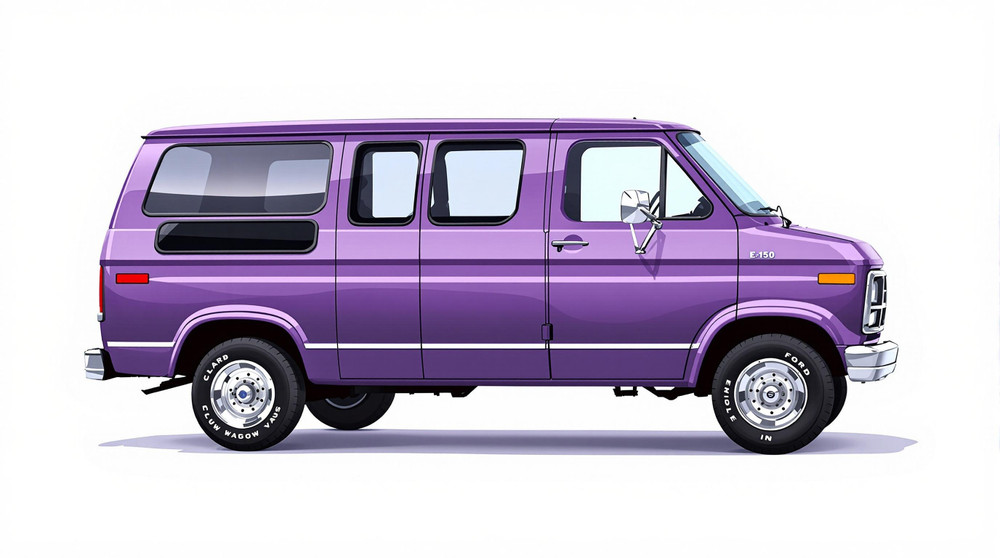
Image of 1980 Ford E-150 Econoline Club Wagon, Note: These illustrations use artistic license and may differ from actual historical models.
Performance Metrics
Fundamental Metrics
Emotional Appeal
MMP Rating
| Engine Specifications | |
|---|---|
| Engine Options: | 4.9L Inline-6, 5.8L V8, 6.6L V8, 7.5L V8 |
| Displacement Range: | 4.9L - 7.5L |
| Horsepower Range: | 115-225 HP |
| Torque: | 223-357 lb-ft |
| Compression Ratio: | 8.0:1 - 8.4:1 |
| Ignition System: | Distributor ignition system |
| Cooling System: | Liquid cooled |
| Performance Specifications | |
| 0-60 Time: | Estimated 12-15 seconds |
| 1/4 Mile Time: | Estimated 18-20 seconds |
| Top Speed: | 85-100 mph |
| Transmission and Drive | |
| Drive Type: | Rear-wheel drive |
| Transmission Type: | 3-speed automatic or 4-speed manual |
| Fuel and Efficiency | |
| Fuel System Type: | Carburetor |
| MPG: | 10-14 MPG |
| Dimensions and Brakes | |
| Brakes: | Front disc / Rear drum brakes |
| Wheelbase: | 124 inches |
| Weight: | 4,500-5,500 lbs |
Note: Specifications for classic cars are given to the best of our ability, considering the limited and variant data available.
1980 Ford E-150 Econoline Club Wagon: A Full-Size Classic
The 1980 Ford E-150 Econoline Club Wagon turned the humble van into a roomy, adaptable family and travel vehicle. Built by Ford in the United States, it belonged to the third-generation Econoline, introduced for 1975 with a larger, stronger body-on-frame design. Its broad cabin, generous cargo space, and truck-based underpinnings made it equally at home carrying a family, a sports team, or a conversion-van interior.
The Club Wagon was the passenger-oriented member of the Econoline family, distinct from the more work-focused cargo van. Its significance lies in how it helped define the American full-size van: a practical vehicle that could also serve as a road-trip lounge, camper base, or personalized weekend cruiser. One especially appealing detail is that the same basic Econoline platform could be ordered for very different lives, from simple people-moving to elaborate, high-roof conversion builds.
Econoline Design and Interior
The E-150 has the unmistakable proportions of a classic full-size van: a tall, nearly vertical body, broad windshield, short front overhang, and sliding side door. Its squared-off lines prioritize cabin space over sleekness. A wide grille and rectangular headlamps give the front end a sturdy, purposeful look, while large windows on Club Wagon models make the passenger cabin feel open and improve visibility. The engine sits ahead of the driver, but part of it is enclosed by a doghouse inside the cabin, a familiar feature of vans from this era.
Inside, the atmosphere depends heavily on trim and equipment. A basic example could be functional and easy to clean, with vinyl upholstery and straightforward fittings. Better-equipped Club Wagons offered more carpeting, cloth trim, decorative panels, upgraded seating, and convenience features. The Chateau package was the plush choice, often associated with richer upholstery and additional comfort appointments. Depending on the order, seating could include front buckets and multiple rear benches. The cabin was spacious by passenger-car standards, though reaching the rear seats and moving around the doghouse could take some getting used to.
Ford offered a range of factory paint colors, including traditional whites, reds, blues, greens, and earth tones, with availability varying by trim and production details. White was a common, practical choice, while bold two-tone treatments and vivid colors gave some vans a more personal look. Conversion companies added their own paint schemes and graphics, so period custom vans can look quite different from a stock Club Wagon.
The Econoline range included cargo and passenger configurations, with wheelbase and body-length choices depending on model and specification. The E-150 Club Wagon is the half-ton passenger version. Its most iconic look today is often a well-preserved Chateau or a period conversion van with upgraded seating, curtains, and cabin trim. Those conversion features were generally supplied by specialist companies rather than being a single standard Ford body style.
Why the 1980 Club Wagon Mattered
By 1980, the Econoline had evolved from its compact, Falcon-based beginnings into a substantial, truck-derived van. The third-generation redesign brought a stronger chassis and more room, supporting passenger, commercial, recreational, and conversion uses on a common platform. That flexibility was a major part of its appeal: buyers could choose a straightforward work van or a comfortable people carrier without stepping into a bus-sized vehicle.
The Club Wagon did not introduce a headline-grabbing technology that transformed the auto industry. Its importance was more practical. It helped normalize the full-size van as a family and leisure vehicle, not just a delivery tool. The roomy interior and adaptable layout made vans attractive for long trips, group transport, and custom conversions. Later generations of Ford’s E-Series continued this versatile formula for decades, a testament to the usefulness of the basic design.
Engines, Speed, and Road Manners
Engine availability depended on the exact model, equipment, and market. Typical E-150 choices included Ford’s 4.9-liter inline-six and small-block V8 options such as the 5.0-liter and 5.8-liter. Larger engines were available in parts of the broader Econoline range, particularly for heavier-duty applications. Three-speed automatic transmissions were common, while manual availability depended on configuration. Because the van is now decades old, the engine and transmission actually fitted to an individual vehicle should be confirmed from its identification information and service history.
Ford did not promote the Club Wagon as a performance vehicle, and period acceleration figures vary with engine, gearing, load, and test conditions. As a broad real-world estimate, a typical 1980 E-150 might take roughly 15 to 22 seconds to reach 60 mph. Top speed could fall in the approximate 85 to 100 mph range, but that is not a sensible cruising target for an old, tall van. Tire condition, brakes, cooling-system health, and safe operating speed matter far more than the theoretical maximum.
On the road, the Club Wagon feels substantial and truck-like. Its body-on-frame construction and period suspension cope well with ordinary pavement, but sharp bumps can send a noticeable jolt through the cabin, especially when the van is lightly loaded or its suspension has worn. The tall body also catches crosswinds, and the long wheelbase and large turning circle call for patience on narrow streets and winding roads. It is comfortable at a relaxed pace, not eager through tight corners.
Behind the wheel, the driver sits upright with a commanding view of traffic. The steering is less precise than that of a modern minivan, and the vehicle’s size takes attention in parking lots. The engine’s low, steady rumble, combined with road and wind noise, is part of the classic-van experience. A healthy example can feel reassuringly simple, but it will not have the quietness, braking performance, or handling sophistication of a modern passenger vehicle.
Living With a 1980 Econoline
Owners use these vans as weekend cruisers, family transport, camper or conversion projects, and vintage show vehicles. Some still serve occasional work duties, although many surviving Club Wagons are now kept for recreation. Their large interiors make them appealing for road trips and custom builds, while their classic styling gives them a strong presence at van gatherings and car shows.
Mechanical upkeep is often manageable for an experienced home mechanic. The engines and systems are from an era when many repairs could be handled with ordinary tools, and parts support remains available for common service items. However, age changes the equation: rust, worn suspension components, old wiring, tired cooling systems, and deteriorated fuel or brake lines can turn an apparently simple purchase into a substantial project. Inspect the frame, floor, body seams, door openings, and windshield surrounds carefully. On a van this old, condition and maintenance records are more important than a low odometer reading.
Classic Van Facts and Common Complaints
The Club Wagon name identifies a passenger-focused Econoline, not a separate luxury-car platform. Many of the lavish interiors associated with classic vans were installed by conversion companies, which means two vans from the same year can have very different equipment and finishes. That variety is part of the fun for collectors, but it also makes it important to distinguish factory features from later modifications.
There is no widely cited production total for the specific combination of 1980 model year, E-150 rating, and Club Wagon trim. A reasonable estimate is that production was in the tens of thousands, perhaps around 15,000 to 35,000 examples, but that is a ballpark estimate rather than a verified factory figure. Surviving vans are less common than the original production numbers suggest, particularly those with sound bodies, complete interiors, and documented histories.
Common criticisms include fuel consumption, wind sensitivity, a large turning circle, and dated braking and handling compared with newer vehicles. Rust and neglected maintenance are also frequent concerns. On the positive side, the van’s straightforward mechanical layout, spacious cabin, and unmistakable period character make it a rewarding classic when bought and maintained carefully. Its appeal is not tied to a celebrated speed record or a single famous historical event; it comes from the many ordinary family trips, workdays, and custom projects these vans made possible.
Collector Values and Market Outlook
Prices vary sharply with rust, mechanical condition, originality, trim, and the quality of any conversion. As a general U.S. market guide, a project needing major work might sell for about $2,000 to $5,000. A usable driver in fair-to-good condition could bring roughly $5,000 to $12,000, while a clean, well-maintained example may reach $12,000 to $20,000. Exceptional restorations or especially attractive period conversions can exceed that range, sometimes reaching $25,000 or more when condition and buyer demand justify it.
The market for classic vans has grown as enthusiasts seek vehicles with personality and usable space, but the 1980 E-150 is still a niche collectible. Clean, original, or thoughtfully restored examples have the best chance of appreciating. Ordinary drivers tend to hold value or rise gradually, while rusty projects and poorly executed conversions can remain difficult to sell. Broad price ranges are only a guide: regional demand and the cost of repairing body corrosion can make a major difference.
A Practical Classic With Plenty of Character
The 1980 Ford E-150 Econoline Club Wagon combines truck-based toughness, generous passenger space, and the unmistakable shape of a classic American van. It is not quick, frugal, or especially nimble, but it offers an adaptable cabin and an engagingly uncomplicated ownership experience. For collectors and road-trip fans, its lasting appeal is simple: the Club Wagon is more than transportation, it is a roomy piece of American automotive history ready for another journey.
1980 Ford E-150 Econoline Club Wagon Catalog of Parts
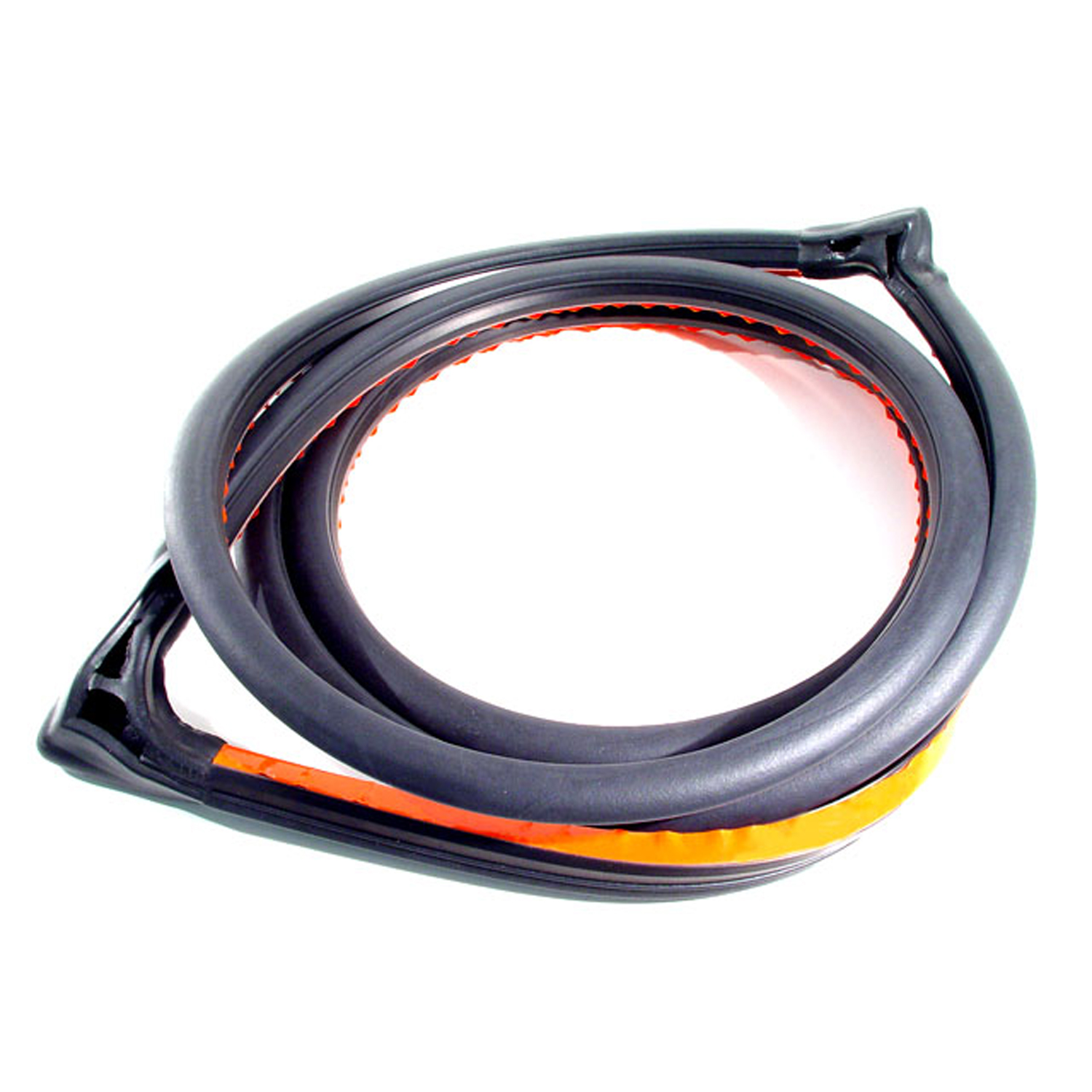 1980 Ford E-150 Econoline Club Wagon Front Side Cargo Door Seal-LM 110-VAFront Side Cargo Door Seal (fits front right side of cargo door). Replaces OEM #E9UZ 1525324 B. For rear (left side) matching seal, see LM 110-VB. Each
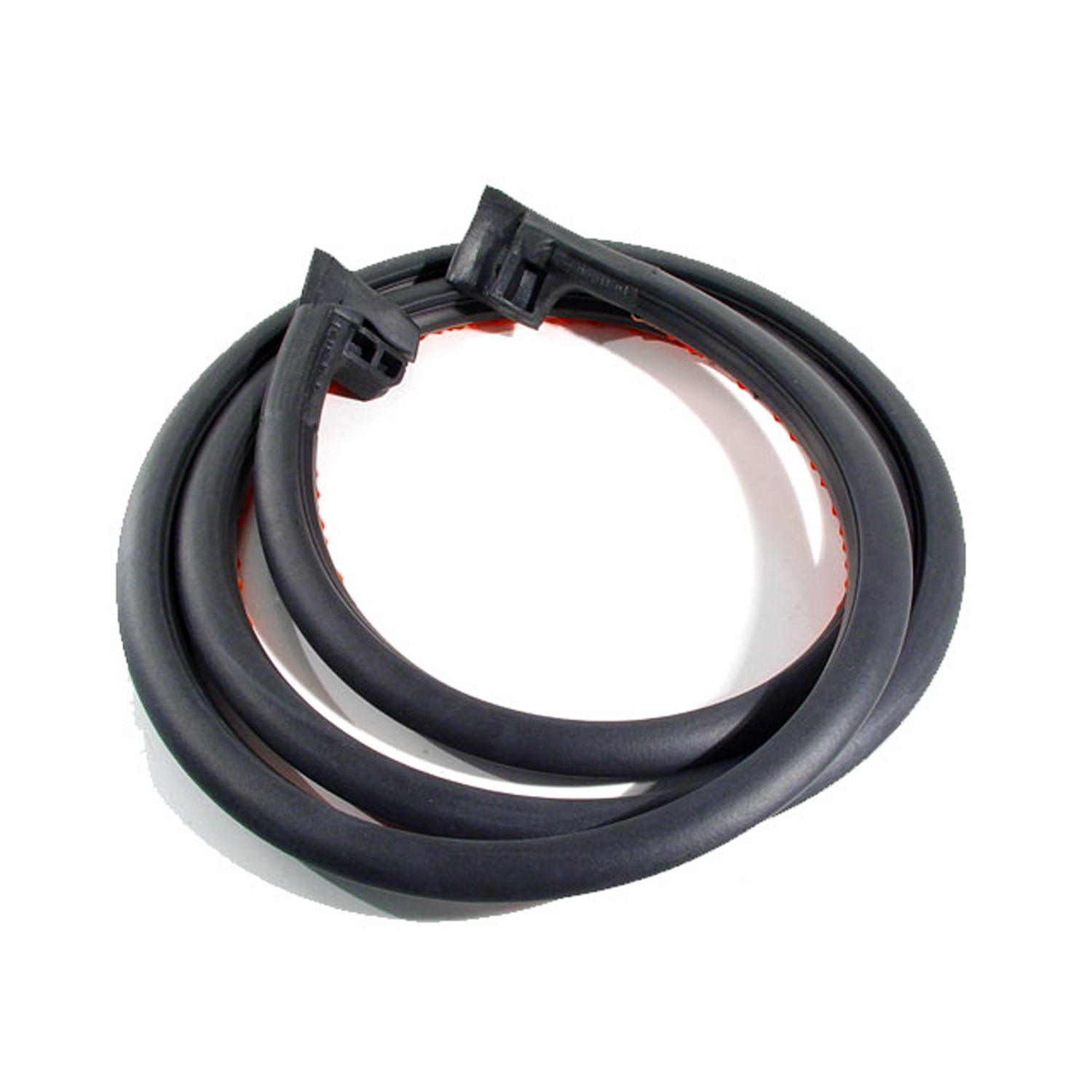 1980 Ford E-150 Econoline Club Wagon Rear Side Cargo Door Seal-LM 110-VBRear Side Cargo Door Seal (fits rear left side of cargo door). Replaces OEM #E9UZ 1525325 B. For front (right side) matching seal, see LM 110-VA. Each
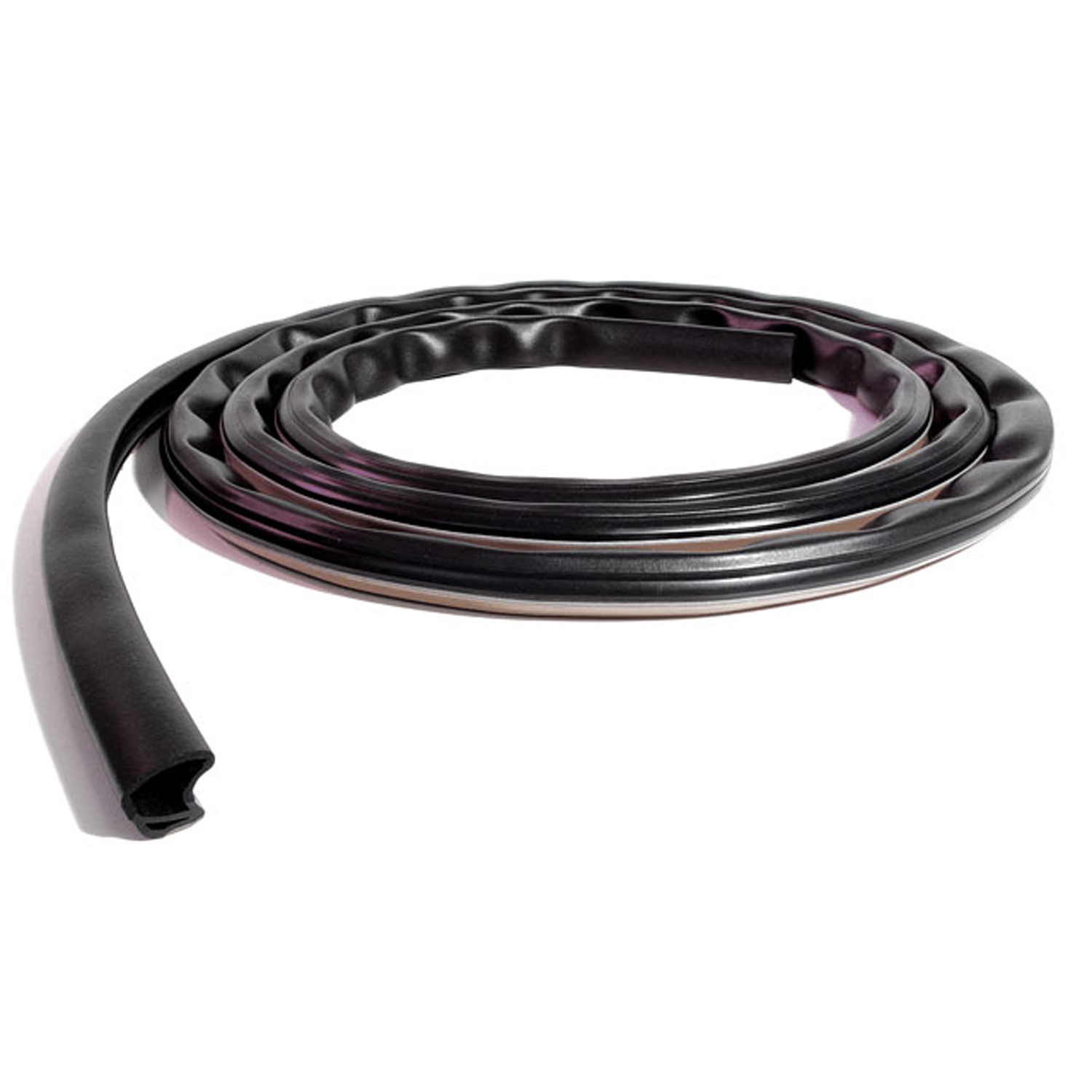 1980 Ford E-150 Econoline Club Wagon Left Front (drivers side) Door Seal. Each-LM 110-VLLeft Front (drivers side) Door Seal. Each
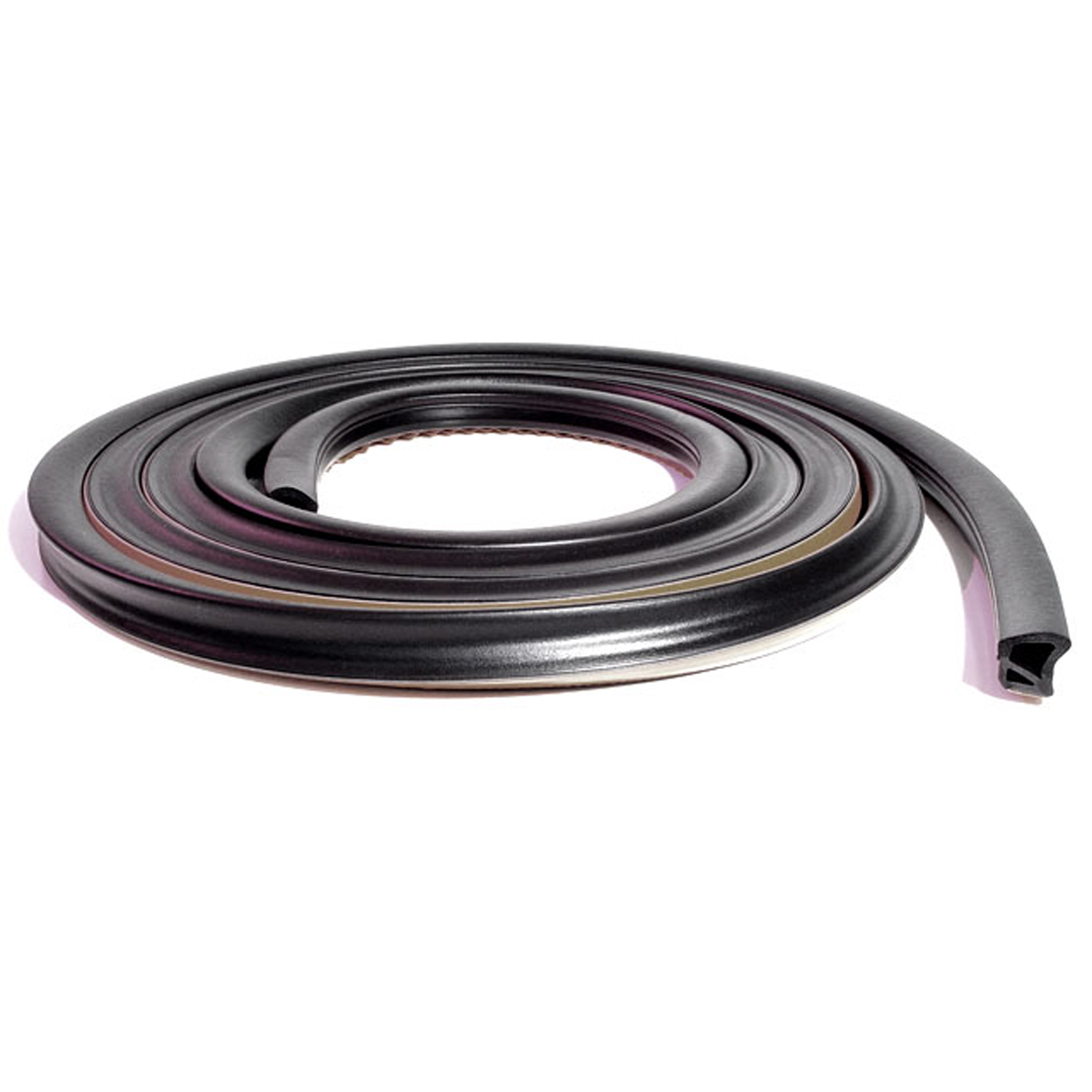 1980 Ford E-150 Econoline Club Wagon Right Front (passenger side) Door Seal. Each-LM 110-VRRight Front (passenger side) Door Seal. Each
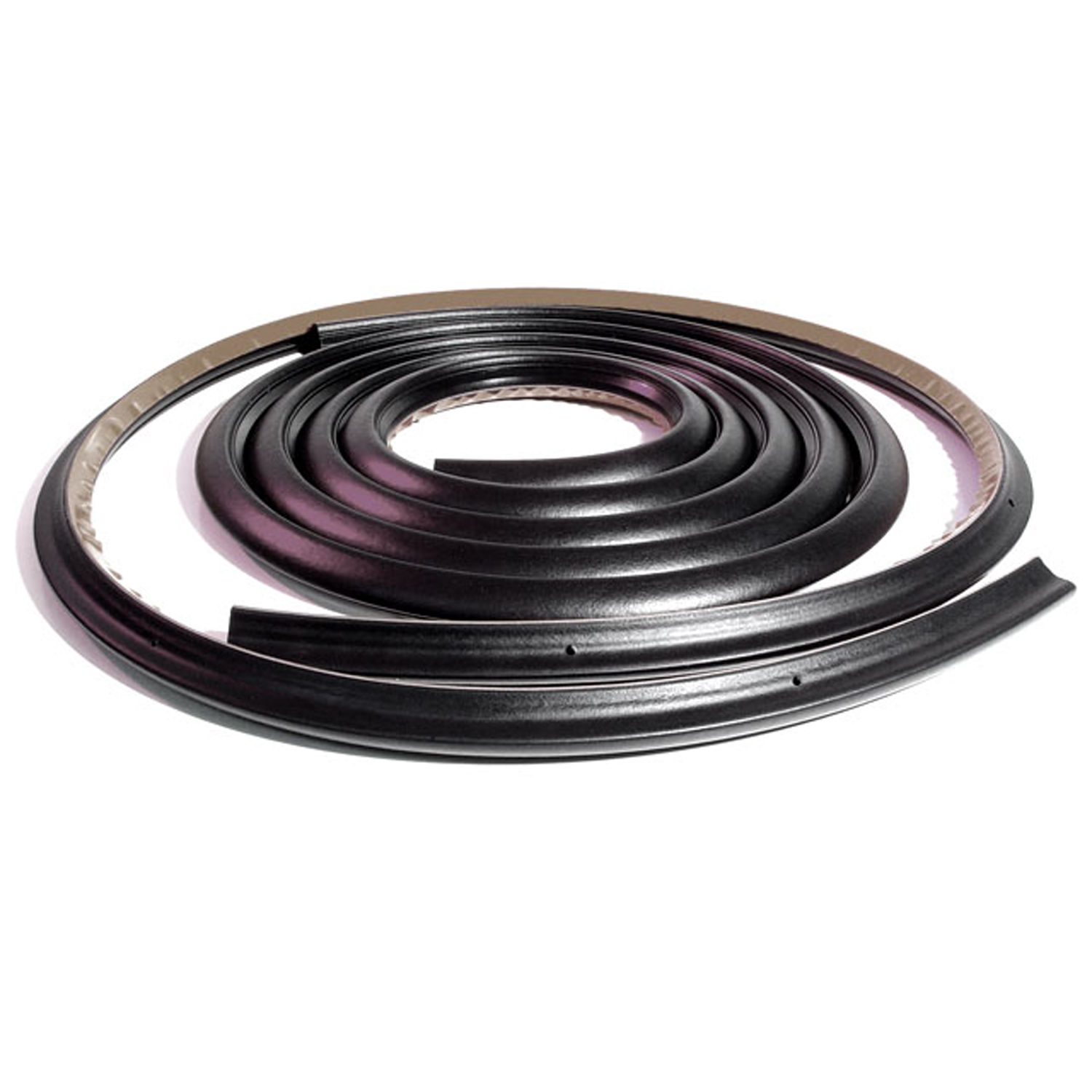 1980 Ford E-150 Econoline Club Wagon Side Slider Door Seal. Each-LM 110-VSSide Slider Door Seal. Each
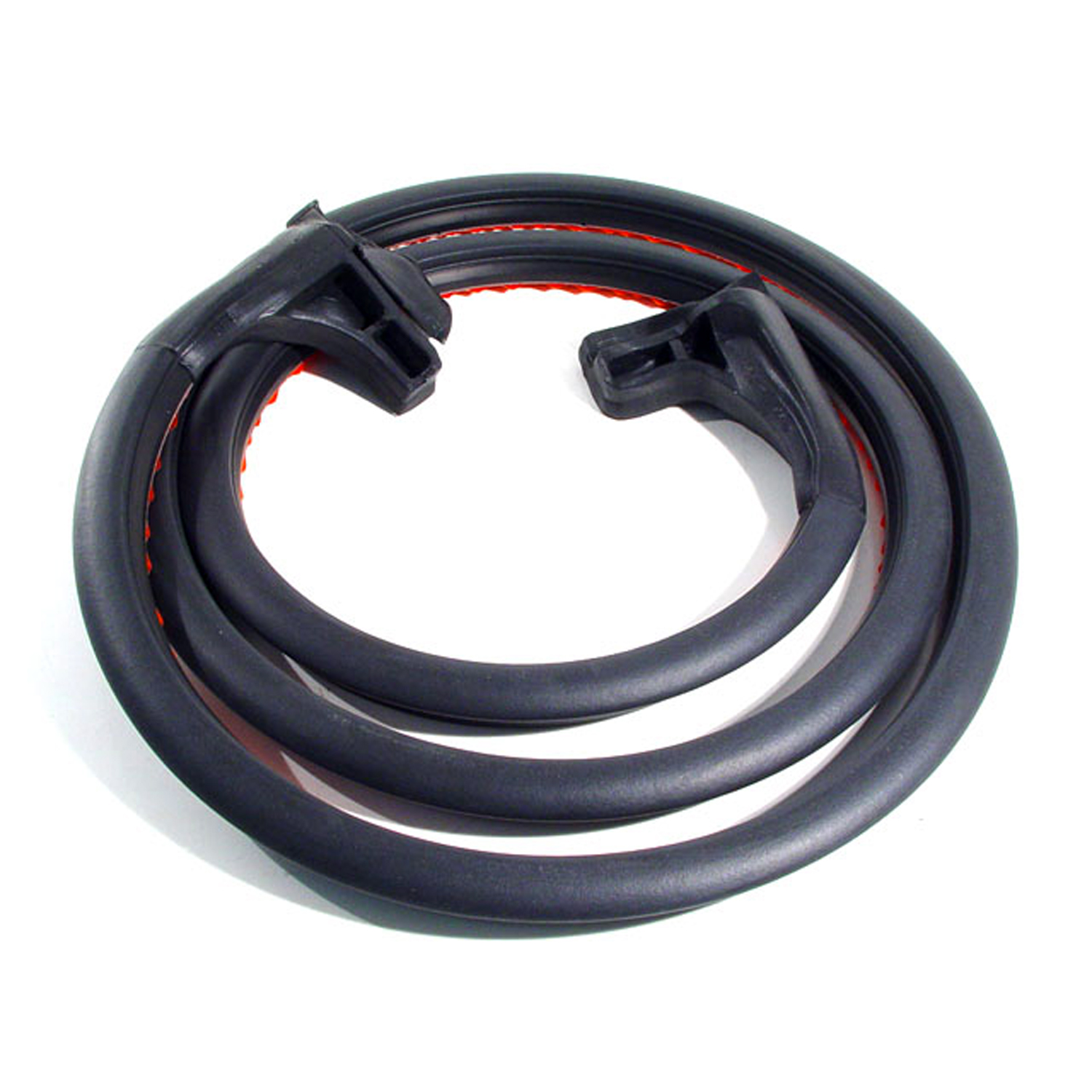 1980 Ford E-150 Econoline Club Wagon Left Rear Door Seal (Drivers Side)-LM 110-VTLeft Rear Door Seal (Drivers Side). Replaces OEM #E9UZ 1543723 A. Each
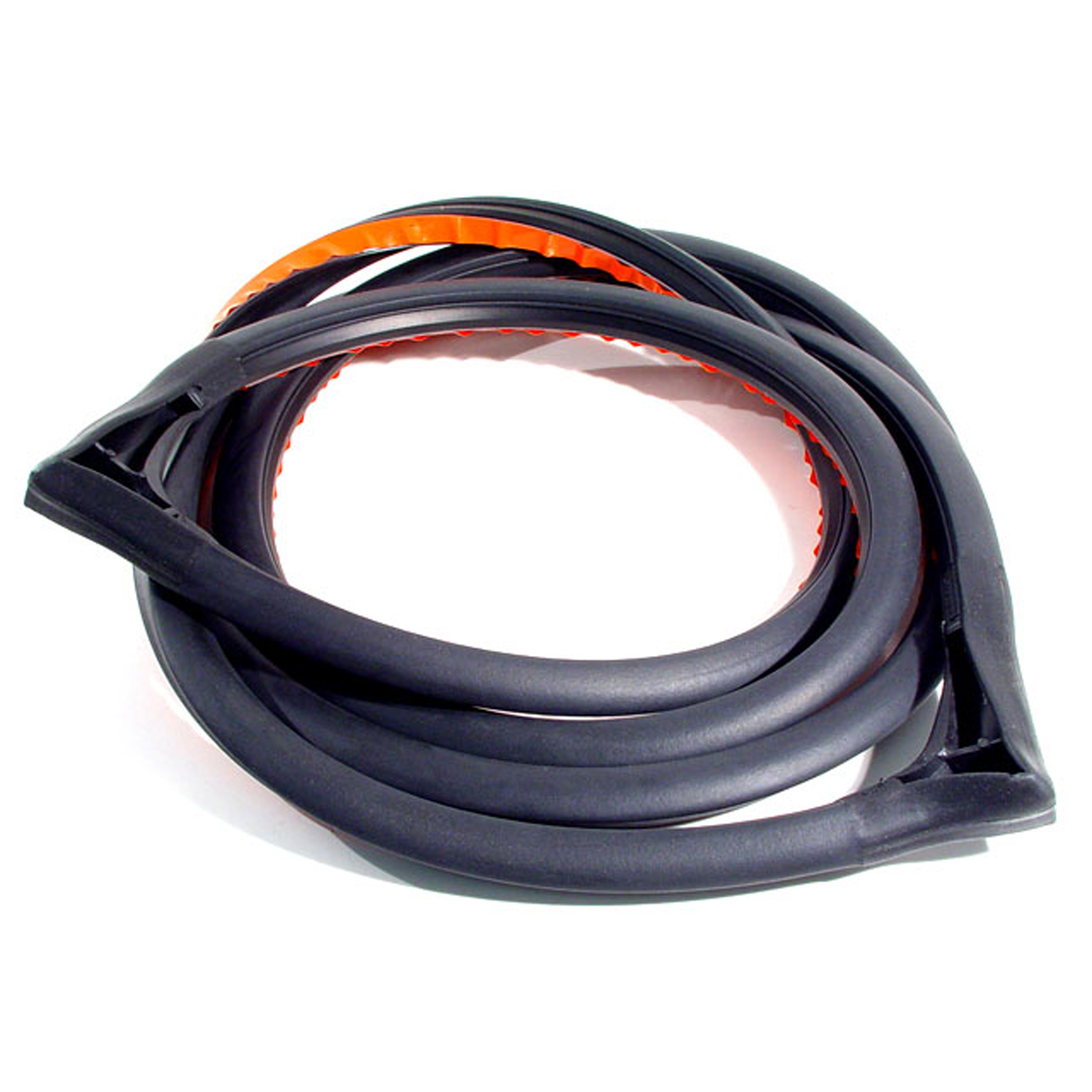 1980 Ford E-150 Econoline Club Wagon Right Rear Door Seal (Passenger Side)-LM 110-VURight Rear Door Seal (Passenger Side). Replaces OEM #F0UZ 1543722 A. Each
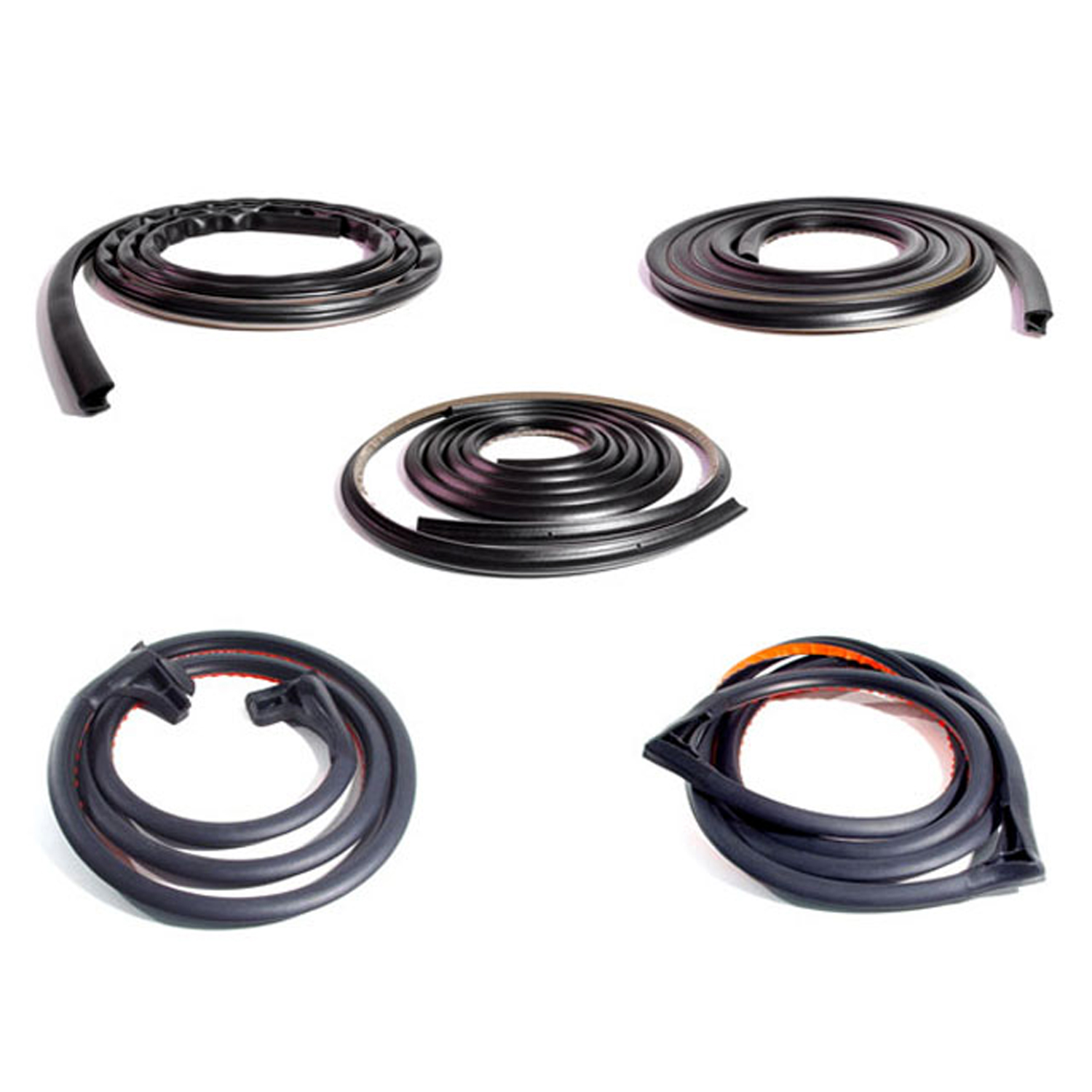 1980 Ford E-150 Econoline Club Wagon Basic Kit, for Models with Side Sliding Door-RKB 3000-100Basic Kit, for Models with Side Sliding Door. Front Left Door (LM 110-VL), Front Right Door (LM 110-VR), Back Left Door (LM 110-VT), Back Right Door (LM 110-VU), Side Sliding Door (LM 110-VS) Seals.
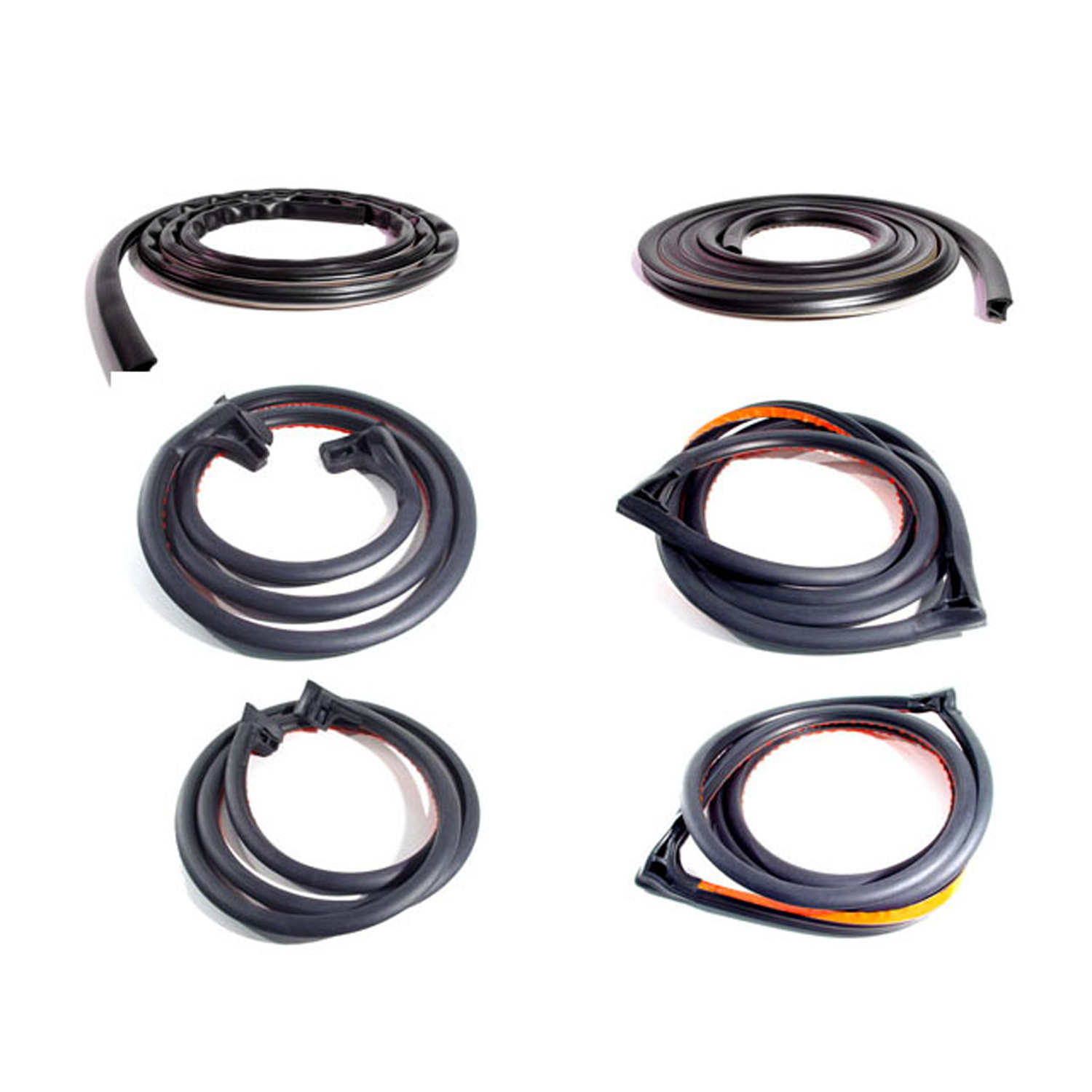 1980 Ford E-150 Econoline Club Wagon Basic Kit, for Models w/Side Cargo Door-RKB 3000-101Basic Kit, for Models w/Side Cargo Door. Front Left LM 110-VL), Front Right LM 110-VR), Back Left LM110-VT), Back Right LM 110-VU), Front Cargo Side (LM 110-VA), Rear Cargo Side (LM 110-VB) Door Seals.
Why Choose Metro?
For over 100 years, Metro Moulded Parts has been the pinnacle of quality in classic car restoration parts. Our commitment to precision and authenticity in every component ensures a perfect fit and an OEM-level appearance.
- Expert Craftsmanship & Quality: Each part is a testament to our dedication to reliability and perfection, crafted from original designs and thoroughly tested.
- Advanced Technology: We use cutting-edge techniques to create flawless, long-lasting parts that surpass others in performance.
- SuperSoft Sponge – The Ultimate Door Seal: Not only are our door seals 30% softer than competitors', but they're also guaranteed to never leak. They effectively reduce wind and road noise, enhancing your classic car's comfort and driving experience.
- Proudly American: Our parts are a product of American craftsmanship, made in the USA with a spirit of excellence and heritage.
- Unrivaled Warranty: We back our products with a 30-year industry-leading warranty, a testament to our confidence in their quality.
Join us in preserving the legacy of classic cars with parts that are crafted for perfection, not just made.