
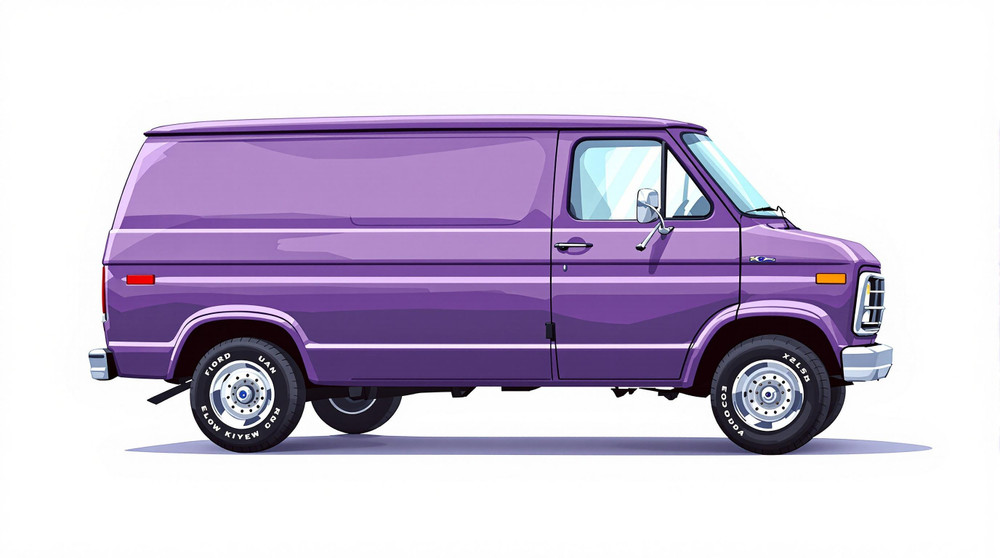
Image of 1980 Ford E-250 Econoline, Note: These illustrations use artistic license and may differ from actual historical models.
Performance Metrics
Fundamental Metrics
Emotional Appeal
MMP Rating
| Engine Specifications | |
|---|---|
| Engine Options: | 4.9L Inline 6, 5.8L V8, 7.5L V8 |
| Displacement Range: | 4.9L - 7.5L |
| Horsepower Range: | 120-225 HP |
| Torque: | 223-355 lb-ft |
| Compression Ratio: | 8.0:1 - 8.4:1 |
| Ignition System: | Distributor ignition system |
| Cooling System: | Liquid cooled |
| Performance Specifications | |
| 0-60 Time: | Estimated 12-15 seconds |
| 1/4 Mile Time: | Estimated 18-20 seconds |
| Top Speed: | 85-95 mph |
| Transmission and Drive | |
| Drive Type: | Rear-wheel drive |
| Transmission Type: | 3-speed automatic, 4-speed manual |
| Fuel and Efficiency | |
| Fuel System Type: | Carburetor |
| MPG: | Estimated 10-14 MPG |
| Dimensions and Brakes | |
| Brakes: | Front disc / Rear drum brakes |
| Wheelbase: | 124.0 inches |
| Weight: | 4,500-5,500 lbs |
Note: Specifications for classic cars are given to the best of our ability, considering the limited and variant data available.
1980 Ford E-250 Econoline: A Work Van Built to Go Anywhere
The 1980 Ford E-250 Econoline was less interested in making a grand entrance than in carrying tools, furniture, families, or an entire camper conversion wherever they needed to go. Built by Ford Motor Company, it belonged to the third-generation Econoline family, introduced for 1975 with a major change in layout: the engine moved ahead of the driver, giving the full-size van a more conventional front end and creating room for a practical, adaptable body.
The 1980 model marked a freshened look for the Econoline, with updated front-end styling and the same sturdy, body-on-frame formula that had made the series a fixture of American roads. Its significance is easy to spot today: the E-Series became a long-running platform for cargo vans, passenger shuttles, recreational vehicles, and emergency-service conversions. One especially appealing detail is that an E-250 could begin life as a plain commercial van and end up as a custom camper, mobile workshop, or family hauler. Ford supplied the foundation; owners and conversion companies supplied the personality.
Square-Jawed Styling and Practical Choices
The E-250 has the proportions of a purpose-built tool. Its upright windshield, broad slab sides, flat roof, and blunt nose prioritize usable space over aerodynamic flair. The 1980 front end gave the van a more squared-off appearance, with a prominent grille and rectangular headlamps on many versions. A heavy-duty bumper, large side mirrors, and simple steel wheels reinforced its working character. Compared with a contemporary passenger car, the van looked almost industrial, which was precisely the point.
Inside, the basic cargo model was designed for hard use. Expect a straightforward dashboard, durable vinyl surfaces, simple controls, and a large engine cover, often called a doghouse, between the front seats. That cover enclosed the front-mounted engine and could make the cabin warm and noisy on a long drive. Passenger-oriented Club Wagon versions and dealer or aftermarket conversions could add carpeting, cloth seating, upgraded trim, and comfort features. Material quality depended heavily on the model and equipment: fleet vans were built to be cleaned and worked in, while passenger and conversion interiors could feel considerably more inviting.
Equipment varied with the original order. Depending on configuration, buyers could find power steering, power brakes, air conditioning, upgraded seating, and an automatic transmission. These were useful conveniences rather than cutting-edge technology. The E-250’s appeal lay in its sturdy construction and adaptability, not electronic gadgets. Its large glass area and high seating position gave the driver a commanding view, although the van’s size demanded care in tight parking spaces.
Ford offered the Econoline in a range of factory colors, from practical whites and fleet-friendly tones to more expressive period shades. Exact paint names and availability depended on the order and market. White was a particularly common choice for commercial vans, while dark blues, reds, greens, and two-tone treatments could give passenger or custom versions more visual impact. Today, an original bright color or well-preserved period paint can make an E-250 stand out among white work vans.
The wider Econoline range included cargo vans, passenger-focused Club Wagon models, and chassis intended for specialized bodies and conversions. Wheelbase and body-length choices varied across the range and by configuration. The E-250 denoted Ford’s three-quarter-ton class, positioning it between lighter-duty E-150 models and heavier E-350 versions. For many buyers, the classic cargo van was the most recognizable E-250: a roomy, enclosed workhorse with a blank canvas of interior space.
Why the Econoline Mattered
The 1980 E-250 was part of a bigger shift in van design. Ford’s 1975-generation Econoline moved away from the earlier forward-control layout, placing the engine ahead of the driver. That change brought a more familiar driving position and helped make the full-size van a flexible platform for longer bodies and specialized conversions. The design also suited businesses that needed a vehicle capable of carrying bulky loads while remaining easier to adapt than a pickup with an open bed.
What set the Econoline apart was the combination of a substantial frame, a broad range of configurations, and a vast network of Ford dealers and parts suppliers. It competed with other American full-size vans, including Chevrolet and Dodge offerings, but Ford’s platform became a particularly durable base for commercial fleets and recreational conversions. The E-Series name continued through multiple generations and remained a familiar sight in service fleets, shuttle operations, and camper builds for decades. The 1980 model did not invent the conversion van, but it was part of the era that made the full-size van a mainstream platform for turning transport into living space.
V8 Character, Trucklike Ride
Engine availability depended on the exact build, emissions equipment, and destination market. Six-cylinder and V8 options were offered across the Econoline range, with larger engines generally chosen for heavier loads or towing. The E-250’s rear-wheel-drive layout and truck-based construction suited commercial work. Many surviving examples have been modified or repowered, so checking the vehicle’s identification information and engine casting details is wise before assuming a particular van is original.
Ford did not publish a single meaningful top-speed or 0-to-60-mph figure for every E-250 configuration. Weight, engine, axle gearing, transmission, tires, and cargo all make a difference. As a broad real-world estimate, a stock example is likely to reach roughly 85 to 95 mph at the top end, while a typical 0-to-60-mph run may take around 15 to 20 seconds. A heavy conversion or loaded cargo van can be slower. These are estimates, not guaranteed factory ratings, and a classic van should never be judged by modern acceleration standards.
On the road, the E-250 feels more like a light truck than a car. Its suspension is built to carry weight, so an empty van can feel firm over sharp bumps, while a properly loaded one may ride more settled. Crosswinds and passing trucks can push at its tall, broad sides, and winding roads call for deliberate steering and sensible speeds. The driver sits high, looks out over a long hood, and works with a large steering wheel and broad turning circle.
The engine’s sound depends on what is under the doghouse, but a V8-powered example typically supplies a low, workmanlike rumble that rises noticeably under acceleration. Road and engine noise are part of the experience, especially in cargo versions with little sound insulation. On a long trip, the E-250 rewards smooth inputs and planning ahead. It is not a sports van; it is a steady, substantial machine that feels most at home when carrying people or equipment.
Living With a Classic E-250
Owners use 1980 E-250s as weekend campers, vintage work vans, mobile businesses, show vehicles, and occasional daily drivers. A sound example can still handle local errands and relaxed highway trips, though its fuel consumption, braking distances, visibility around the rear corners, and lack of modern crash protection deserve respect. Camper and custom conversions are especially popular because the boxy interior offers room for beds, cabinets, storage, or workshop equipment.
Routine service is generally approachable for an owner with basic mechanical skills. The mechanical layout is familiar to many American truck technicians, and common service items such as ignition components, belts, hoses, brakes, and suspension parts are often easier to source than specialized body trim. The engine cover gives access to the front-mounted powertrain, although working in the cabin can be awkward and hot. Before buying, inspect the frame and body carefully for rust, especially around the floor, wheel arches, door openings, and structural mounting points. Also check the cooling system, transmission, steering, brakes, and any wiring added during a conversion.
Reliability depends more on maintenance and condition than on the badge. A neglected cooling system, worn suspension, tired transmission, or decades-old rubber components can turn a seemingly inexpensive van into a long repair list. Conversely, a maintained example with a documented service history can be a straightforward classic to keep on the road. Parts availability is generally reasonable for common mechanical components, but original interior pieces, body trim, and unmodified conversion equipment may take more searching.
Useful E-250 Trivia
The E-250 was not just a cargo carrier. Econoline platforms were adapted for ambulances, buses, delivery vehicles, recreational vehicles, and specialty service bodies. That versatility is one reason the model family became such a familiar part of everyday American life. Many vans that appear highly customized today began as standard Ford commercial vehicles before a conversion company or owner transformed them.
There is no widely recognized 1980 E-250 speed or endurance record, and the model is not associated with a single famous celebrity owner or defining historical event. Its notable achievement was practical: it served as a dependable base for a remarkable variety of jobs and conversions. Common criticisms are equally down to earth. Owners point to thirsty engines, a noisy cabin, a firm ride when unladen, limited modern safety equipment, and the way a tall van catches crosswinds. Those drawbacks are part of the period design, not surprises to overlook.
1980 Ford E-250 Values and Rarity
There is no commonly available production tally that isolates 1980 E-250s by trim, body, engine, and destination. A reasonable but unverified estimate is that Ford built tens of thousands of E-250s for the model year, perhaps in the range of 20,000 to 40,000. Treat that as a broad estimate rather than an official figure. The van itself is not exceptionally rare, but finding one in original, rust-free condition with a complete interior is much harder than finding a modified or heavily worked example.
As a general U.S. market guide, a project or rough-running van may sell for about $2,000 to $5,000. A usable driver in fair-to-good condition might bring roughly $5,000 to $12,000, while a clean, well-maintained example or appealing period conversion could reach $12,000 to $25,000 or more. Exceptional restorations and highly desirable camper builds can exceed that range, but asking prices are not the same as completed sales. Condition, rust, mechanical health, conversion quality, and documentation matter more than the model-year number alone.
Values have risen for many classic vans as interest in vintage campers and practical enthusiast vehicles has grown, but the E-250 remains a condition-sensitive niche. Well-executed conversions and original survivors have the strongest appeal. Ordinary work vans with major rust or incomplete projects are less likely to appreciate quickly, and restoration costs can easily outrun resale value. Buy the example you want to use, and view future value as a bonus rather than a guarantee.
A Working Classic With Room to Make It Your Own
The 1980 Ford E-250 Econoline combines truck-based strength, a roomy and adaptable body, and unmistakable late-1970s-to-early-1980s styling. It was not built for speed or polish, but it helped make the full-size van a versatile part of American work and leisure. Whether preserved as a commercial survivor or rebuilt as a camper, the E-250 remains a reminder that a great vehicle can be defined not only by how it leaves the factory, but by everything its owners make it do next.
1980 Ford E-250 Econoline Catalog of Parts
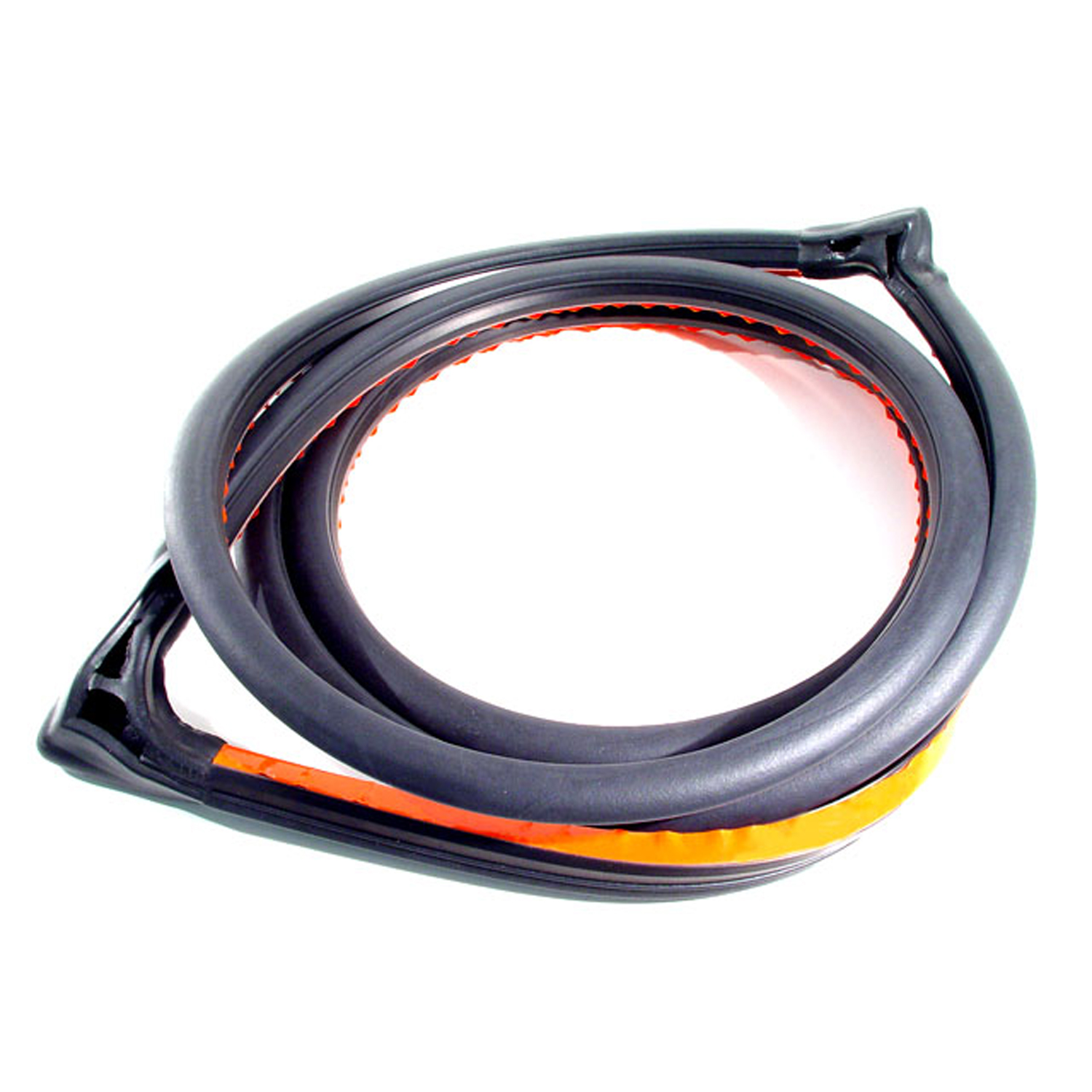 1980 Ford E-250 Econoline Front Side Cargo Door Seal-LM 110-VAFront Side Cargo Door Seal (fits front right side of cargo door). Replaces OEM #E9UZ 1525324 B. For rear (left side) matching seal, see LM 110-VB. Each
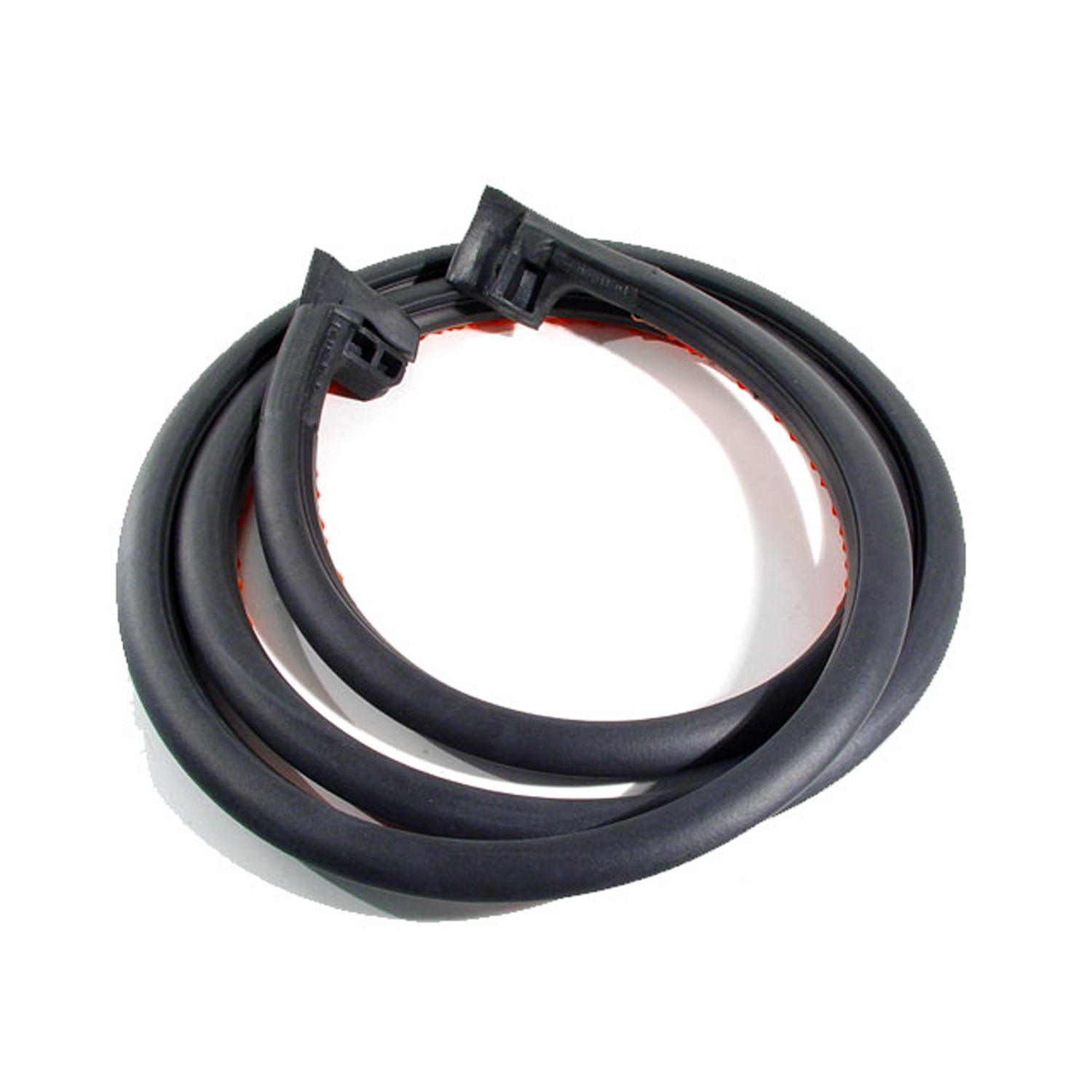 1980 Ford E-250 Econoline Rear Side Cargo Door Seal-LM 110-VBRear Side Cargo Door Seal (fits rear left side of cargo door). Replaces OEM #E9UZ 1525325 B. For front (right side) matching seal, see LM 110-VA. Each
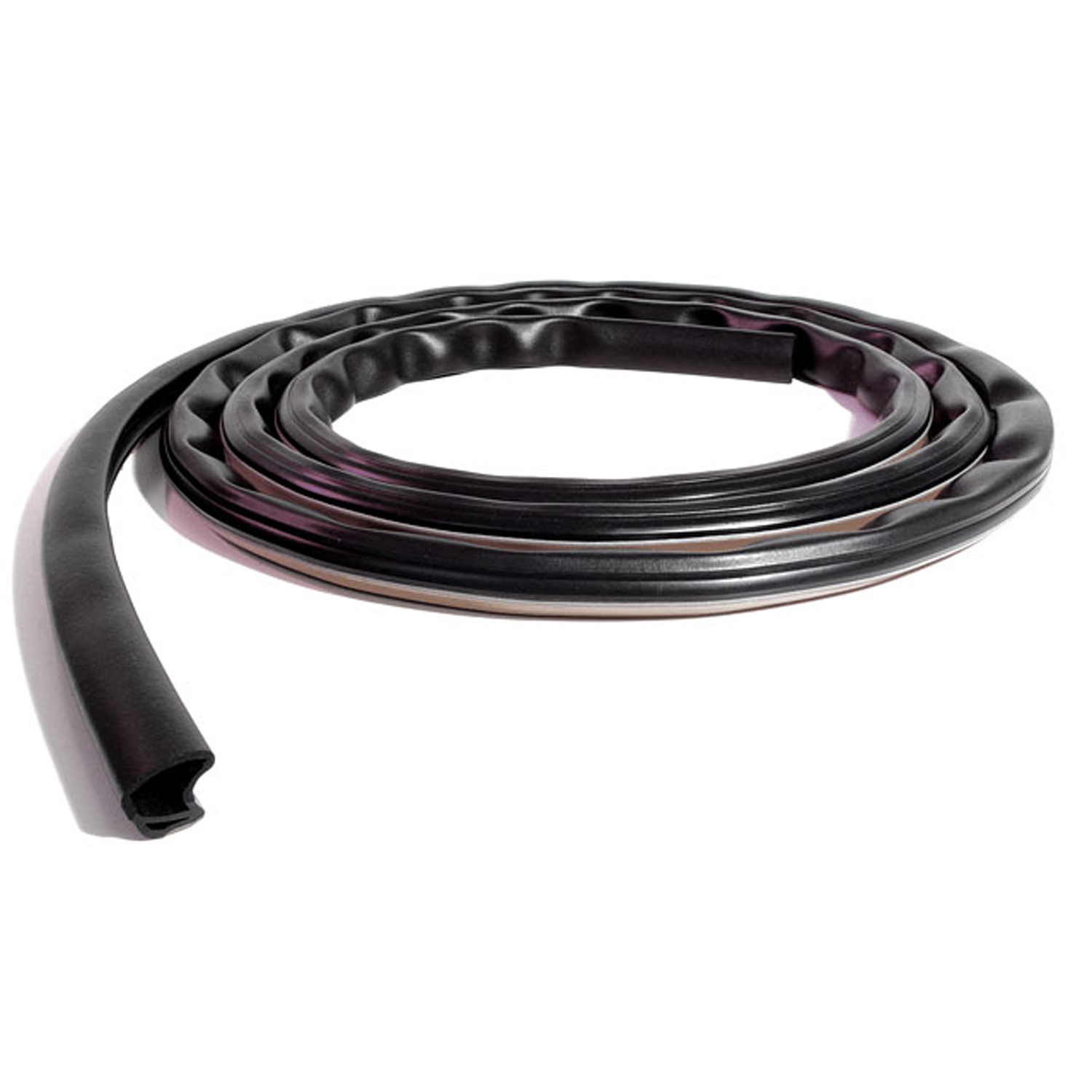 1980 Ford E-250 Econoline Left Front (drivers side) Door Seal. Each-LM 110-VLLeft Front (drivers side) Door Seal. Each
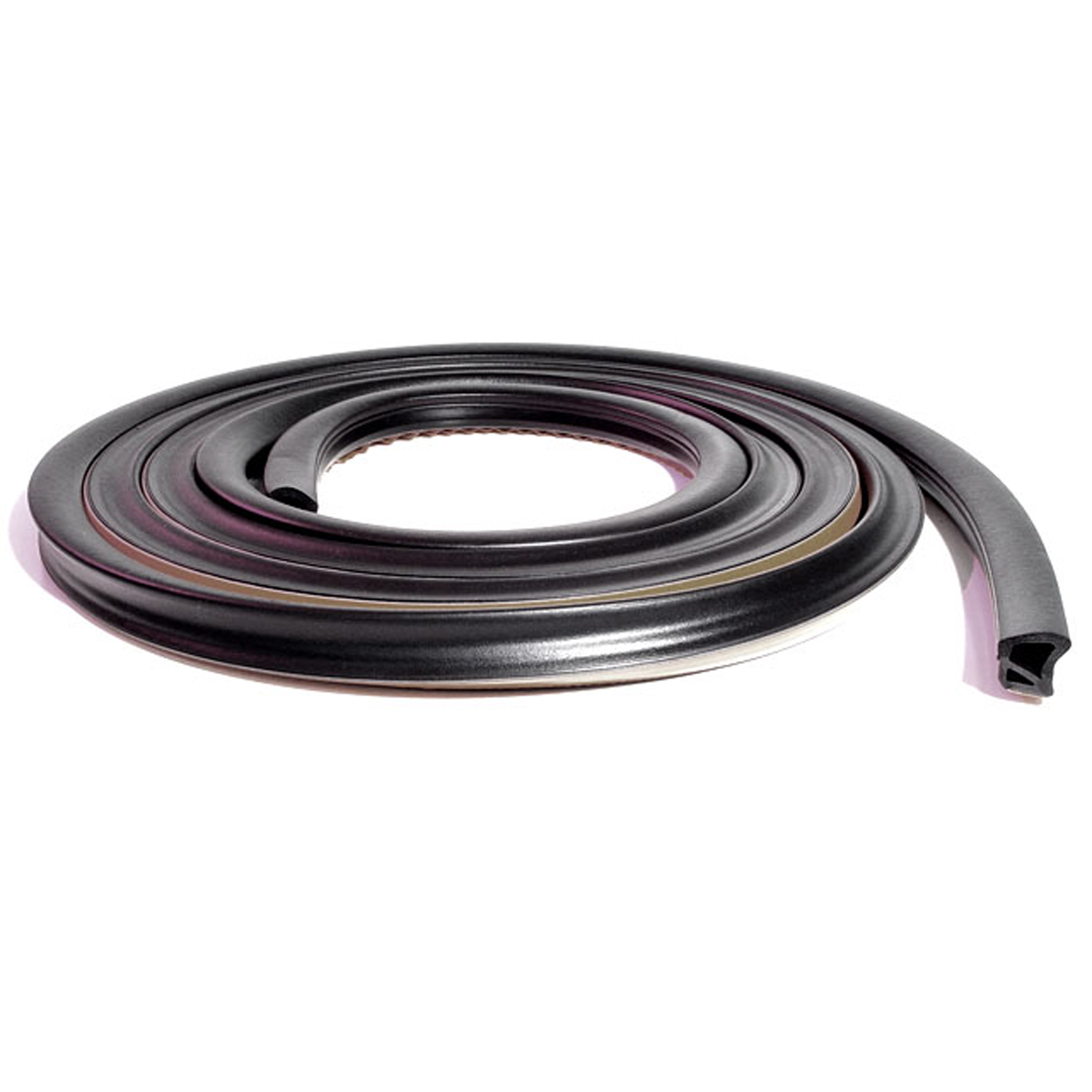 1980 Ford E-250 Econoline Right Front (passenger side) Door Seal. Each-LM 110-VRRight Front (passenger side) Door Seal. Each
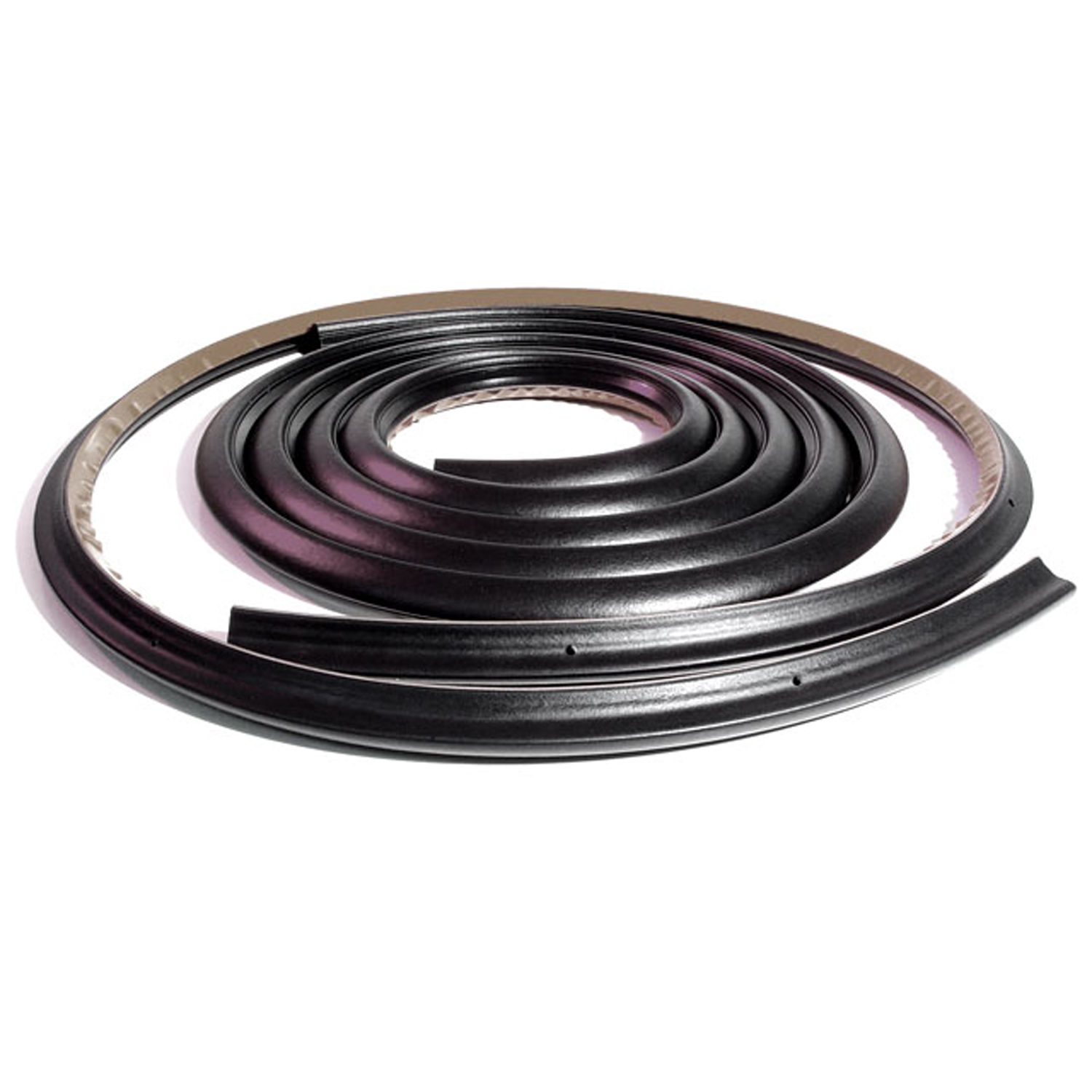 1980 Ford E-250 Econoline Side Slider Door Seal. Each-LM 110-VSSide Slider Door Seal. Each
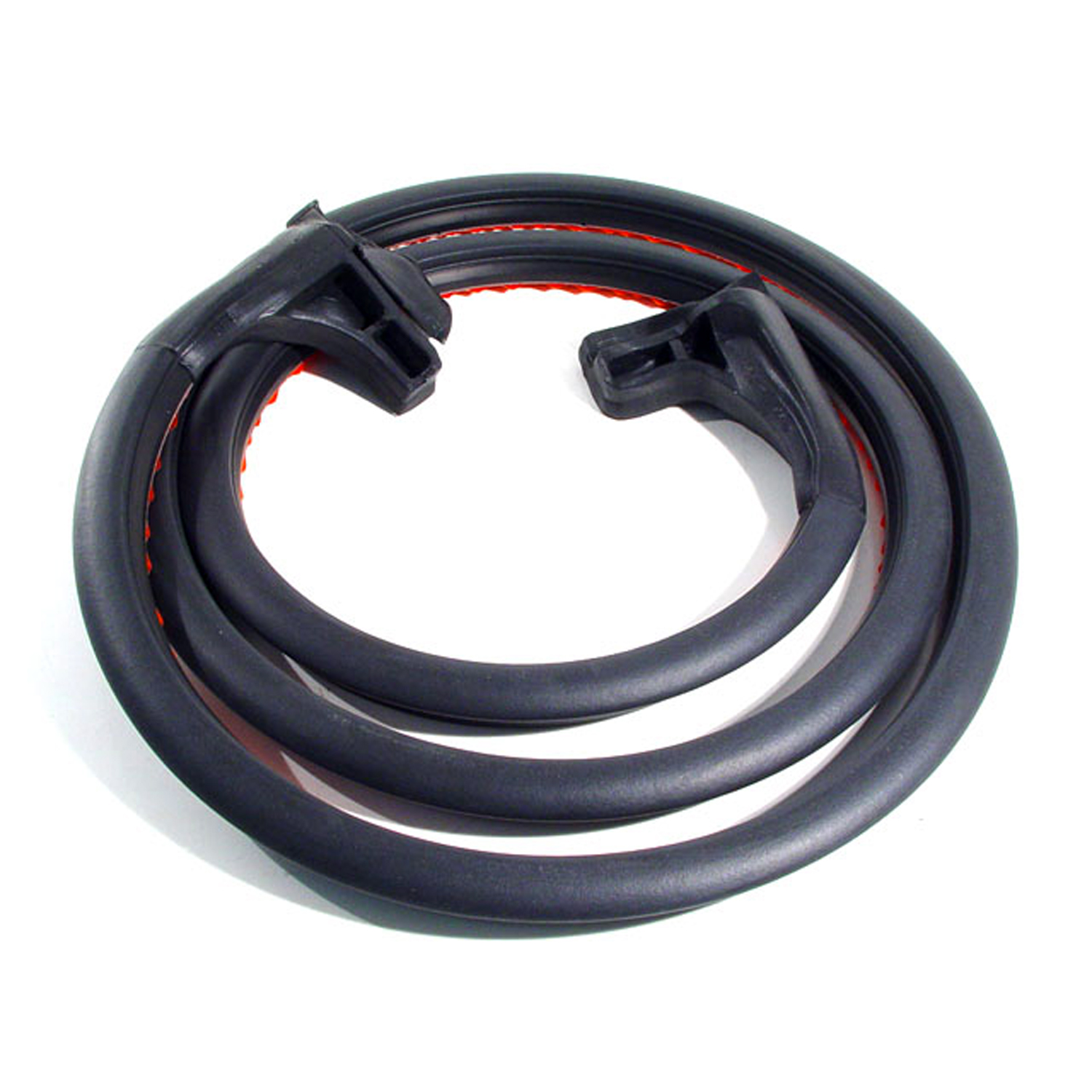 1980 Ford E-250 Econoline Left Rear Door Seal (Drivers Side)-LM 110-VTLeft Rear Door Seal (Drivers Side). Replaces OEM #E9UZ 1543723 A. Each
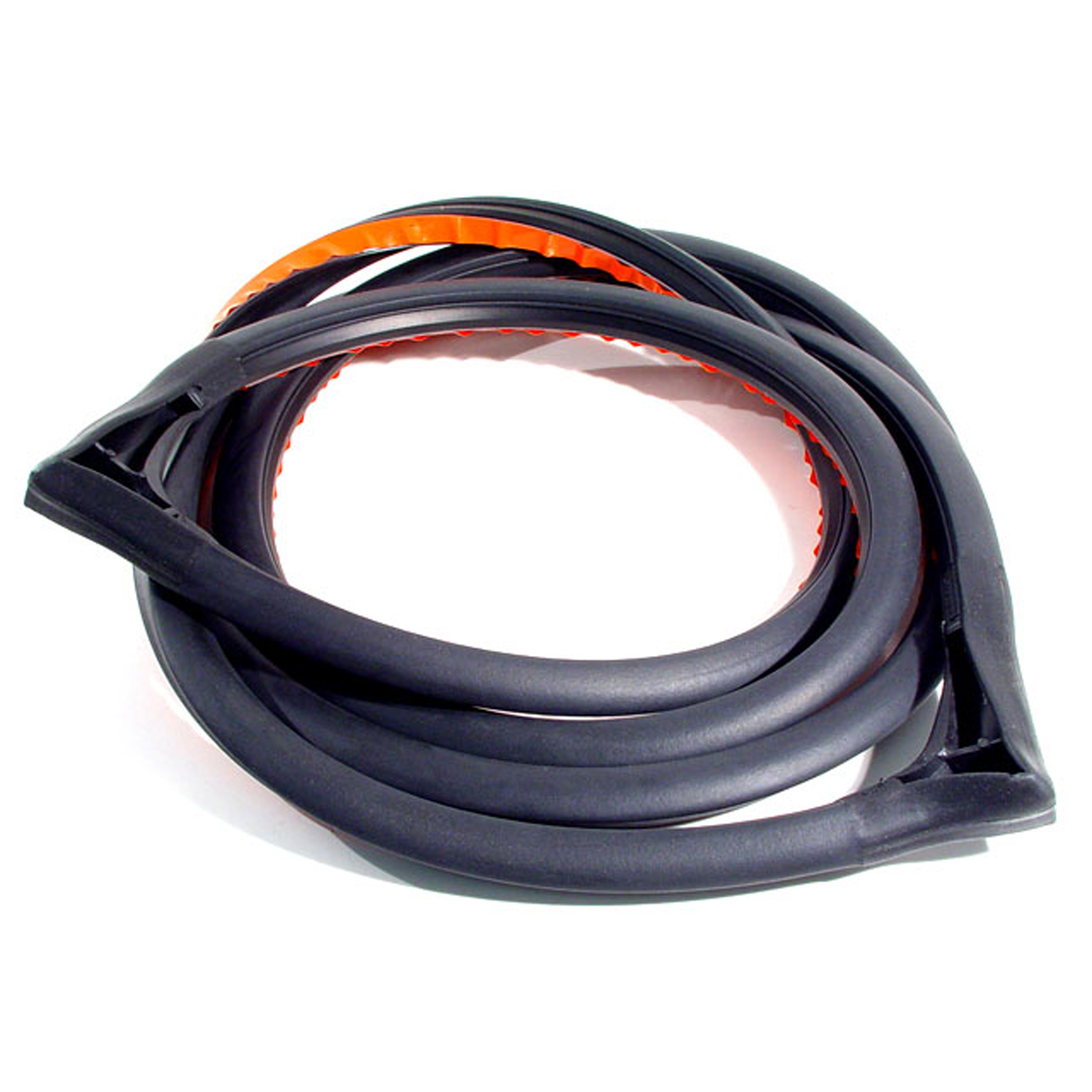 1980 Ford E-250 Econoline Right Rear Door Seal (Passenger Side)-LM 110-VURight Rear Door Seal (Passenger Side). Replaces OEM #F0UZ 1543722 A. Each
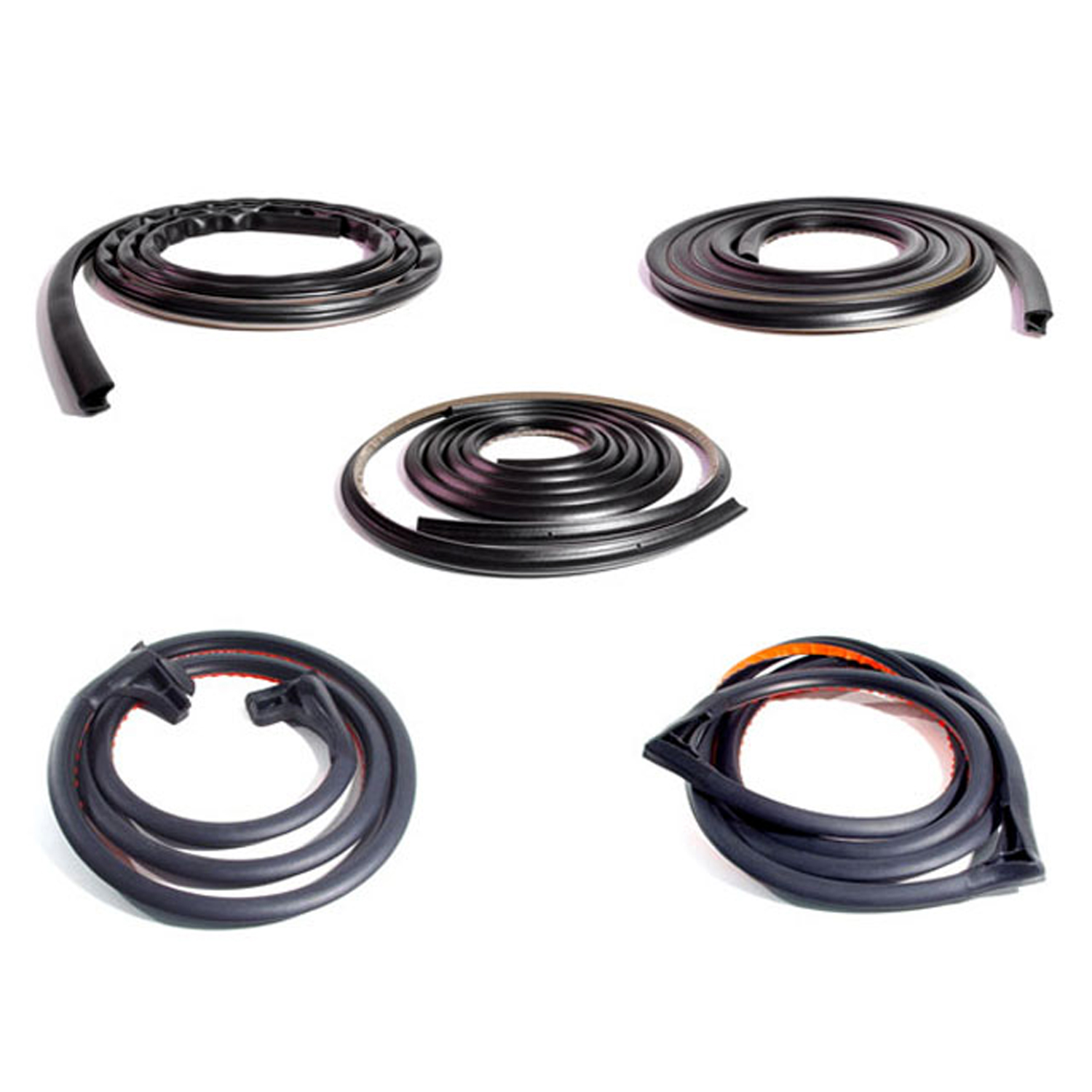 1980 Ford E-250 Econoline Basic Kit, for Models with Side Sliding Door-RKB 3000-100Basic Kit, for Models with Side Sliding Door. Front Left Door (LM 110-VL), Front Right Door (LM 110-VR), Back Left Door (LM 110-VT), Back Right Door (LM 110-VU), Side Sliding Door (LM 110-VS) Seals.
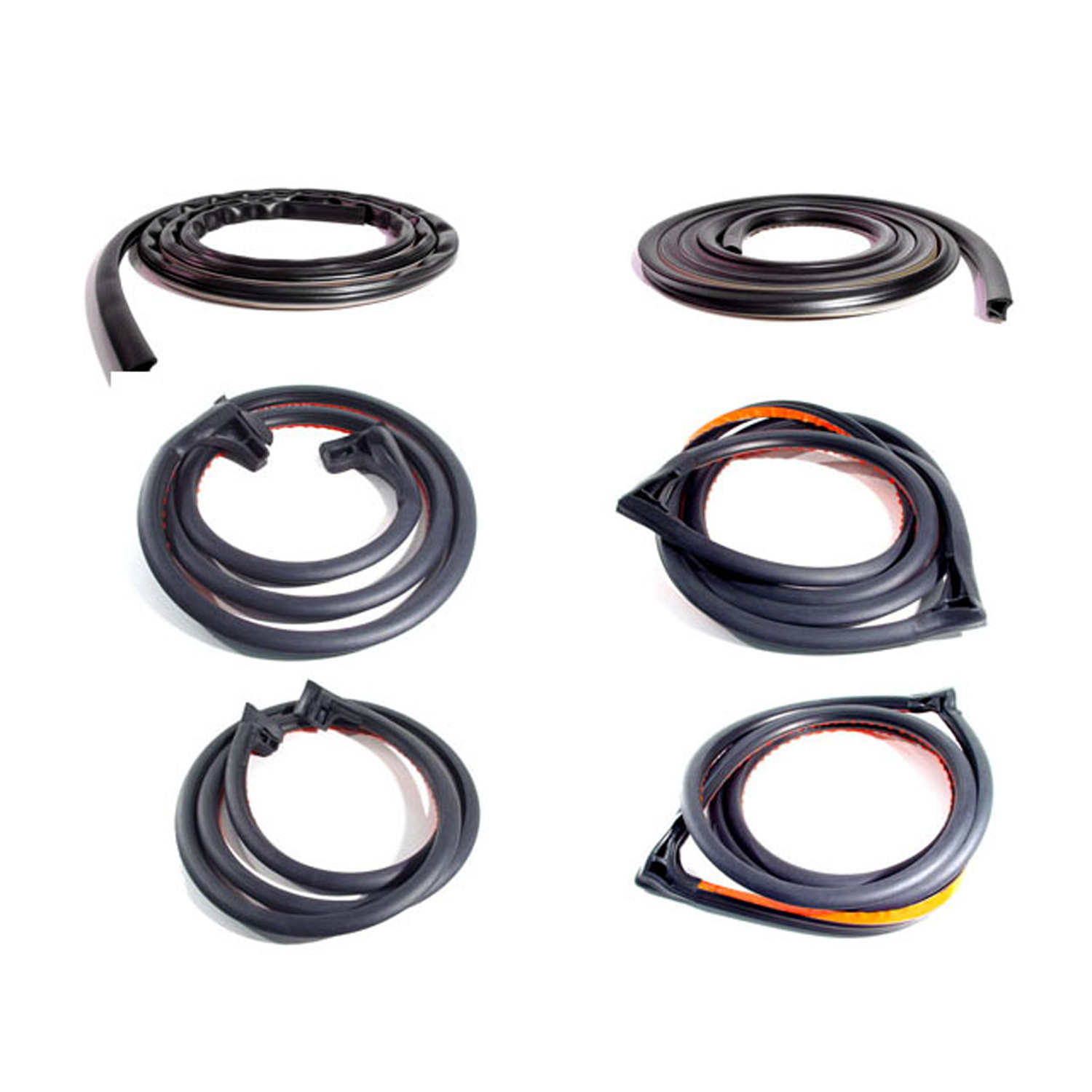 1980 Ford E-250 Econoline Basic Kit, for Models w/Side Cargo Door-RKB 3000-101Basic Kit, for Models w/Side Cargo Door. Front Left LM 110-VL), Front Right LM 110-VR), Back Left LM110-VT), Back Right LM 110-VU), Front Cargo Side (LM 110-VA), Rear Cargo Side (LM 110-VB) Door Seals.
Why Choose Metro?
For over 100 years, Metro Moulded Parts has been the pinnacle of quality in classic car restoration parts. Our commitment to precision and authenticity in every component ensures a perfect fit and an OEM-level appearance.
- Expert Craftsmanship & Quality: Each part is a testament to our dedication to reliability and perfection, crafted from original designs and thoroughly tested.
- Advanced Technology: We use cutting-edge techniques to create flawless, long-lasting parts that surpass others in performance.
- SuperSoft Sponge – The Ultimate Door Seal: Not only are our door seals 30% softer than competitors', but they're also guaranteed to never leak. They effectively reduce wind and road noise, enhancing your classic car's comfort and driving experience.
- Proudly American: Our parts are a product of American craftsmanship, made in the USA with a spirit of excellence and heritage.
- Unrivaled Warranty: We back our products with a 30-year industry-leading warranty, a testament to our confidence in their quality.
Join us in preserving the legacy of classic cars with parts that are crafted for perfection, not just made.