
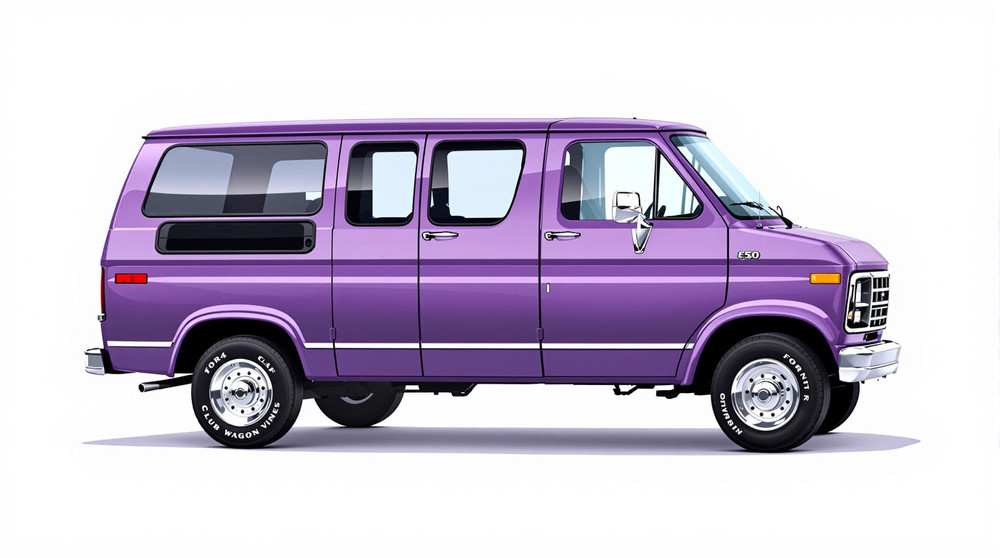
Image of 1980 Ford E-250 Econoline Club Wagon, Note: These illustrations use artistic license and may differ from actual historical models.
Performance Metrics
Fundamental Metrics
Emotional Appeal
MMP Rating
| Engine Specifications | |
|---|---|
| Engine Options: | 4.9L Inline 6, 5.8L V8, 7.5L V8 |
| Displacement Range: | 4.9L - 7.5L |
| Horsepower Range: | 120-225 HP |
| Torque: | 223-355 lb-ft |
| Compression Ratio: | 8.0:1 - 8.4:1 |
| Ignition System: | Distributor ignition system |
| Cooling System: | Liquid cooled |
| Performance Specifications | |
| 0-60 Time: | Estimated 12-15 seconds |
| 1/4 Mile Time: | Estimated 18-20 seconds |
| Top Speed: | 85-95 mph |
| Transmission and Drive | |
| Drive Type: | Rear-wheel drive |
| Transmission Type: | 3-speed automatic, 4-speed manual |
| Fuel and Efficiency | |
| Fuel System Type: | Carburetor |
| MPG: | Estimated 10-14 mpg |
| Dimensions and Brakes | |
| Brakes: | Front disc / Rear drum |
| Wheelbase: | 124.0 inches |
| Weight: | 4,500-5,500 lbs |
Note: Specifications for classic cars are given to the best of our ability, considering the limited and variant data available.
1980 Ford E-250 Club Wagon: The Family Van with Truck Bones
The 1980 Ford E-250 Econoline Club Wagon was built for people who needed more room than a station wagon could offer and more comfort than a basic work van. Part passenger carrier, part heavy-duty truck, it combined generous seating with a rugged body-on-frame foundation. Ford introduced the Econoline in 1961, and by 1980 the model had become a familiar sight at campsites, schools, job sites, and growing conversion-van businesses.
The E-250 was the one-ton model in Ford’s E-Series range, positioned between the lighter E-150 and heavier E-350. The Club Wagon designation identified passenger-oriented versions, which could be ordered with multiple rows of seating and comfort features. A notable detail is that this generation had moved beyond the cab-forward, flat-front look of the earliest Econolines. Its longer, more conventional nose and truck-derived structure gave it a more substantial road presence, while leaving room for a broad range of passenger and commercial configurations.
Exterior Style and Cabin Options
The 1980 E-250 had a broad, upright face, a wide grille, large rectangular headlamps, and a tall windshield that made the van easy to recognize. Its squared-off body was practical rather than sleek, with large side panels, a sliding side door, and rear doors designed for straightforward loading. The long, high roofline was especially useful for passengers, luggage, camping equipment, and later conversion work.
Inside, the Club Wagon could be configured with several rows of bench seats or more comfort-oriented seating, depending on the package and original order. Materials were durable and workmanlike: vinyl was common in lower-cost or utility-minded interiors, while cloth trim and upgraded appointments could make a passenger van feel more welcoming. The cabin emphasized space and easy cleaning over luxury-car detailing. Depending on equipment, buyers could add features such as air conditioning, power steering, power brakes, upgraded upholstery, and a better sound system.
Ford offered a range of factory colors that varied by equipment, region, and model year. White was a particularly common choice for vans, valued for its practical appearance and suitability for commercial use. Red, blue, tan, and other period colors also appeared. Many surviving Club Wagons have since been repainted or customized, so a present-day color does not always reveal the van’s original specification.
The E-Series family included cargo vans, passenger Club Wagons, and chassis or cutaway versions used for specialized bodies. Within the Club Wagon range, the extended passenger configuration was a popular starting point for family travel and camper conversions. The van’s roomy interior made it an appealing blank canvas for raised roofs, cabinets, beds, and elaborate custom interiors.
Why the E-250 Mattered
The 1980 Club Wagon was not a radical technology showcase. Its importance was in how effectively it combined passenger-car convenience with commercial-vehicle toughness. Ford’s truck-based construction gave the E-250 the capacity and durability expected of a working van, while its passenger seating and available comfort options made it useful for families, organizations, and shuttle operators.
That versatility helped define the full-size American van. The same basic vehicle could transport a work crew during the week, carry a large family on vacation, or serve as the foundation for a custom camper. The E-Series also supported a broad ecosystem of conversion companies and specialty upfitters. Its lasting influence is visible in the way modern full-size vans continue to serve both commercial and recreational roles.
Engines, Speed, and Road Manners
Engine availability depended on the exact vehicle specification, emissions requirements, and market. Common choices in this era included Ford’s 300-cubic-inch inline-six, also known as the 4.9-liter, and V8 options such as the 302-cubic-inch 5.0-liter and 351-cubic-inch 5.8-liter. Many E-250s were paired with an automatic transmission, though equipment varied. The inline-six favored simple, steady service, while the V8s offered more useful pulling power for a heavily loaded van.
Performance was modest by modern standards. As a general estimate, a 1980 E-250 with a typical engine and automatic transmission would take roughly 15 to 20 seconds to reach 60 mph. Top speed was approximately 85 to 95 mph, depending on engine, gearing, tires, load, and mechanical condition. These are broad estimates rather than guaranteed factory figures, and a tired or heavily equipped van may be slower. The E-250 was designed to carry people and cargo, not to win a drag race.
Behind the wheel, the van feels substantial. The engine’s sound is close at hand because it sits beneath a removable engine cover, commonly called the doghouse. The steering and braking feel are more truck-like than car-like, and the high seating position gives the driver a commanding view of traffic. A solid rear axle and heavy-duty construction help the van carry a load, but sharp bumps can feel pronounced, especially when it is empty.
On a winding road, the tall body and long wheelbase call for smooth inputs. Crosswinds, passing trucks, and uneven pavement can all make a large van work harder than a car to hold its line. With passengers or cargo aboard, the ride can feel more settled, though weight should always be loaded securely and within the vehicle’s ratings. The best driving experience comes from allowing extra space, anticipating stops, and treating the E-250 as the capable hauler it is.
Living with a 1980 Econoline
Today, an E-250 Club Wagon can serve as a vintage camper, weekend adventure vehicle, family hauler, show van, or occasional-use classic. Some owners keep them close to factory specification, while others embrace the colorful custom-van style associated with the era. It is less suited to modern daily commuting if fuel economy, quietness, and compact parking are priorities.
Mechanical maintenance is generally approachable for an experienced home mechanic. The engines and driveline are from a period when many repairs could be handled with conventional tools, and service parts for common Ford components remain available. The doghouse provides access to the engine, though working in the confined space can be awkward. Before buying, inspect the frame, suspension mounting points, floor, door openings, and body seams for corrosion. Also check the cooling system, transmission, brakes, steering, and electrical accessories. Rust repair and neglected conversion work can become more expensive than routine mechanical maintenance.
Van Culture, Trivia, and Common Complaints
The Club Wagon’s greatest claim to fame is its adaptability. Passenger vans like these became popular platforms for camper and custom conversions, turning a plain factory interior into a rolling lounge, vacation cabin, or road-trip base. The E-Series platform also supported commercial and specialty applications through related chassis and cutaway versions, including shuttle and service vehicles.
There is no widely recognized celebrity connection or major speed record specifically associated with the 1980 E-250 Club Wagon. Its appeal is more everyday than legendary: it was a practical vehicle that helped families, businesses, and conversion shops move people and equipment. Ford’s Econoline line went on to become one of America’s defining full-size van families, with the E-Series name adopted later in its history.
Common criticisms are easy to understand. The van is thirsty compared with a modern vehicle, slow by contemporary standards, and cumbersome in tight parking spaces. Its tall body can be affected by crosswinds, and the engine cover can transmit heat and noise into the cabin. A worn example may also have dated safety equipment and less reassuring crash protection than a modern passenger van. Those drawbacks are part of the ownership calculation, not surprises to discover after purchase.
Collector Values and Market Outlook
Values vary widely according to rust, mechanical condition, interior completeness, originality, and the quality of any conversion. As a broad current-market estimate, a project or rough driver may sell for about $3,000 to $7,000. A usable, presentable example often falls around $8,000 to $18,000, while an unusually clean, well-restored, or thoughtfully converted van may bring $20,000 to $35,000 or more. Highly individualized custom vans can exceed that range, but their value depends heavily on buyer taste and workmanship.
Ford did not make a readily available public production breakdown for the 1980 E-250 Club Wagon alone. The best practical estimate is that production was in the tens of thousands, within a much larger Econoline family that included multiple weight classes, body styles, and commercial configurations. The model is not rare in the same way as a limited-production sports car, but finding a solid, unmodified passenger example with a good interior is increasingly difficult.
Clean, original vans and high-quality period conversions have gained interest as classic-van and vintage-camper enthusiasm has grown. Rough examples remain comparatively affordable because restoration costs can climb quickly, especially when rust or incomplete custom work is involved. Overall, the market favors condition and usability more than mere age, with the best examples showing gradual appreciation rather than a guaranteed rapid rise.
The Appeal of the 1980 Ford E-250 Club Wagon
The 1980 Ford E-250 Econoline Club Wagon brought together generous passenger space, truck-based durability, and the flexibility to become almost anything its owner needed. It was not fast or refined, but it was practical, adaptable, and unmistakably part of the American full-size-van era. For today’s enthusiast, a good one is more than a roomy classic: it is a rolling reminder of a time when one vehicle could be a family bus, a camper, and a workhorse all at once.
1980 Ford E-250 Econoline Club Wagon Catalog of Parts
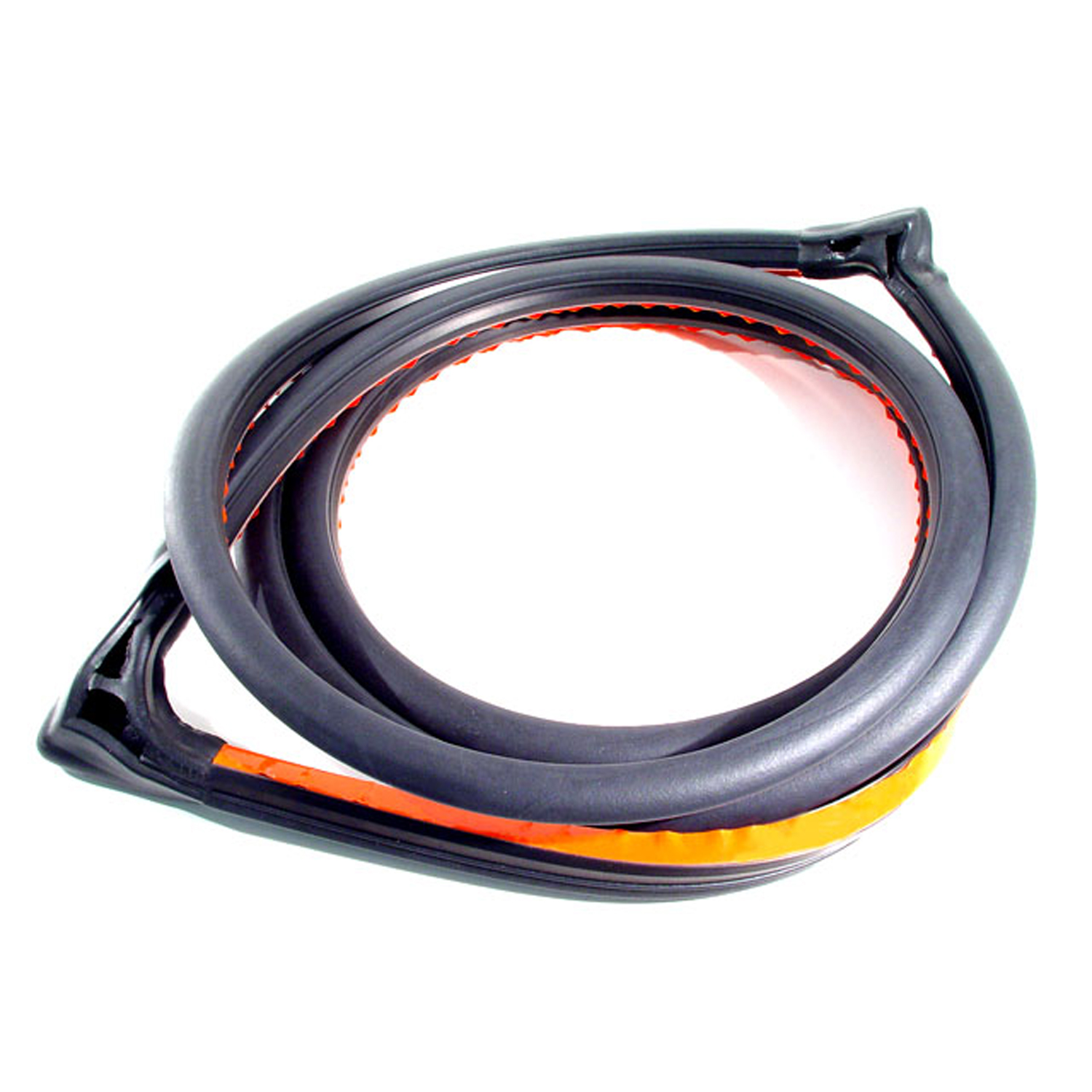 1980 Ford E-250 Econoline Club Wagon Front Side Cargo Door Seal-LM 110-VAFront Side Cargo Door Seal (fits front right side of cargo door). Replaces OEM #E9UZ 1525324 B. For rear (left side) matching seal, see LM 110-VB. Each
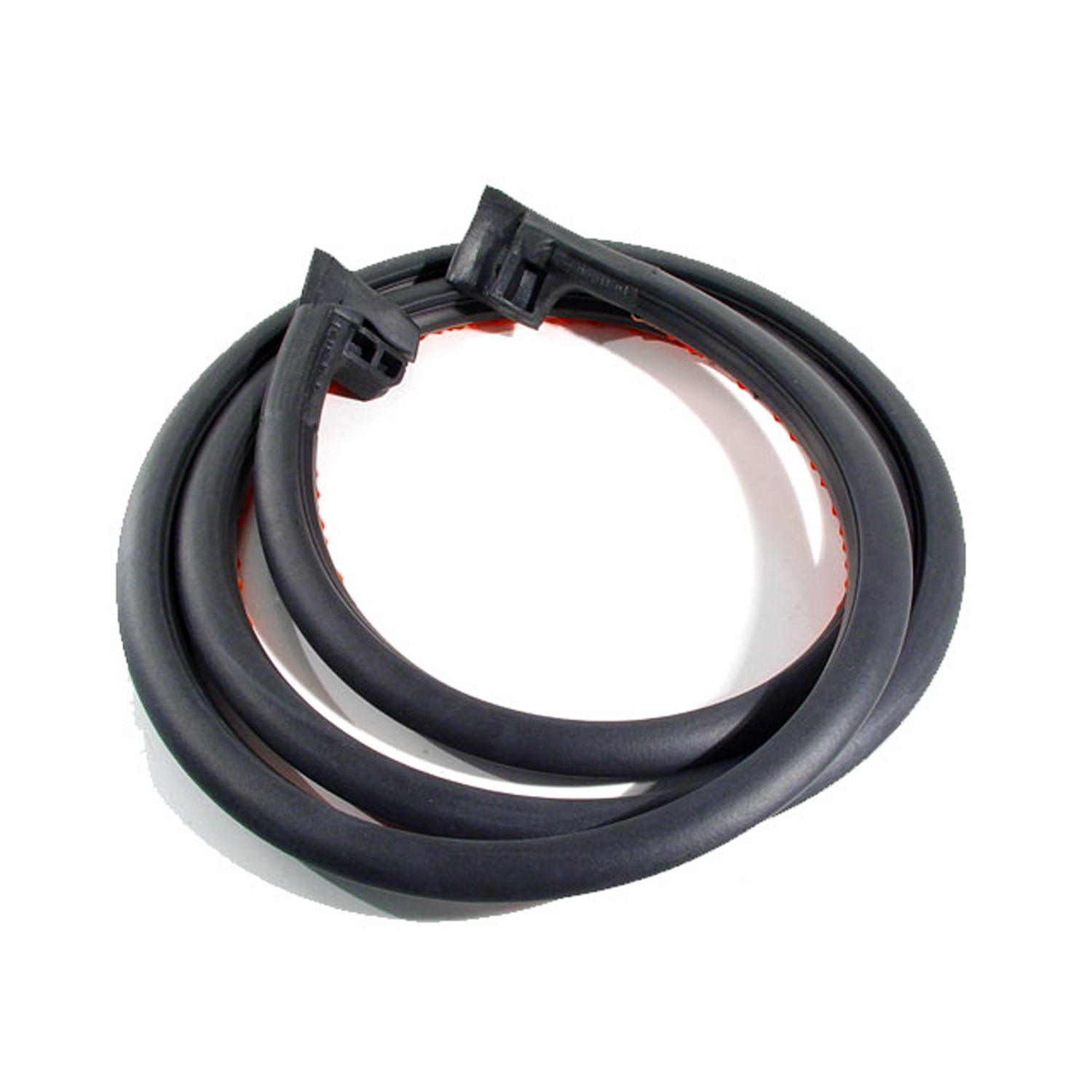 1980 Ford E-250 Econoline Club Wagon Rear Side Cargo Door Seal-LM 110-VBRear Side Cargo Door Seal (fits rear left side of cargo door). Replaces OEM #E9UZ 1525325 B. For front (right side) matching seal, see LM 110-VA. Each
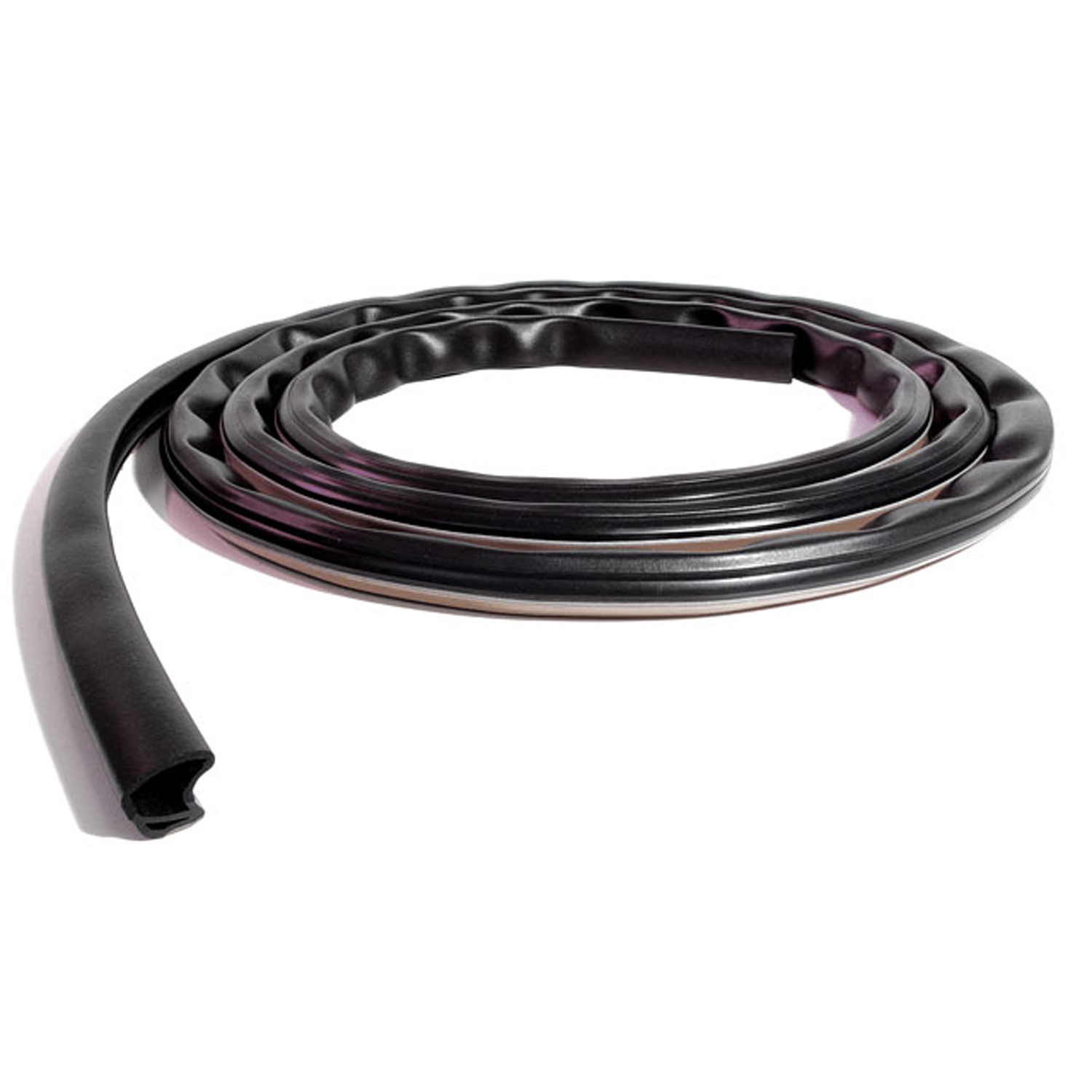 1980 Ford E-250 Econoline Club Wagon Left Front (drivers side) Door Seal. Each-LM 110-VLLeft Front (drivers side) Door Seal. Each
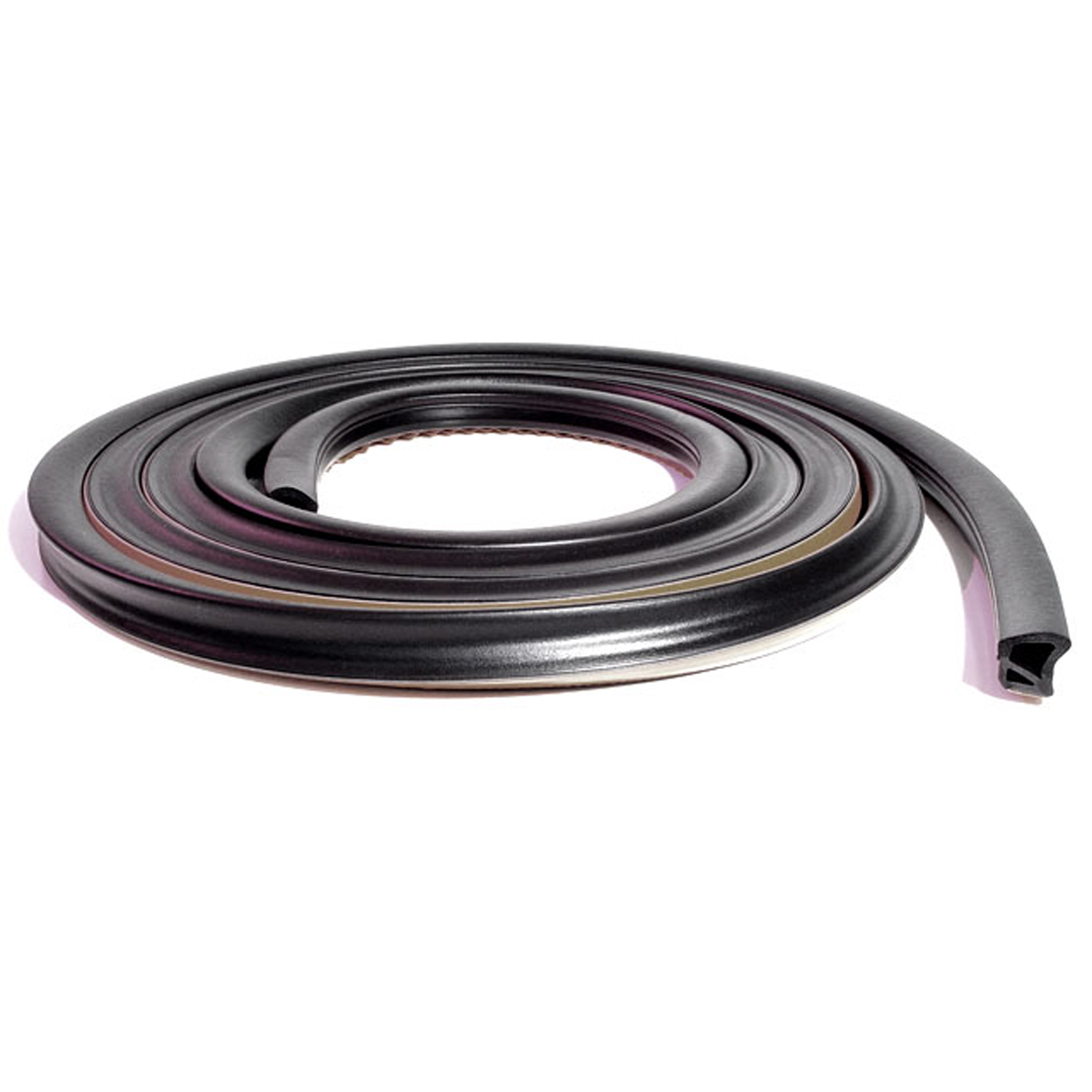 1980 Ford E-250 Econoline Club Wagon Right Front (passenger side) Door Seal. Each-LM 110-VRRight Front (passenger side) Door Seal. Each
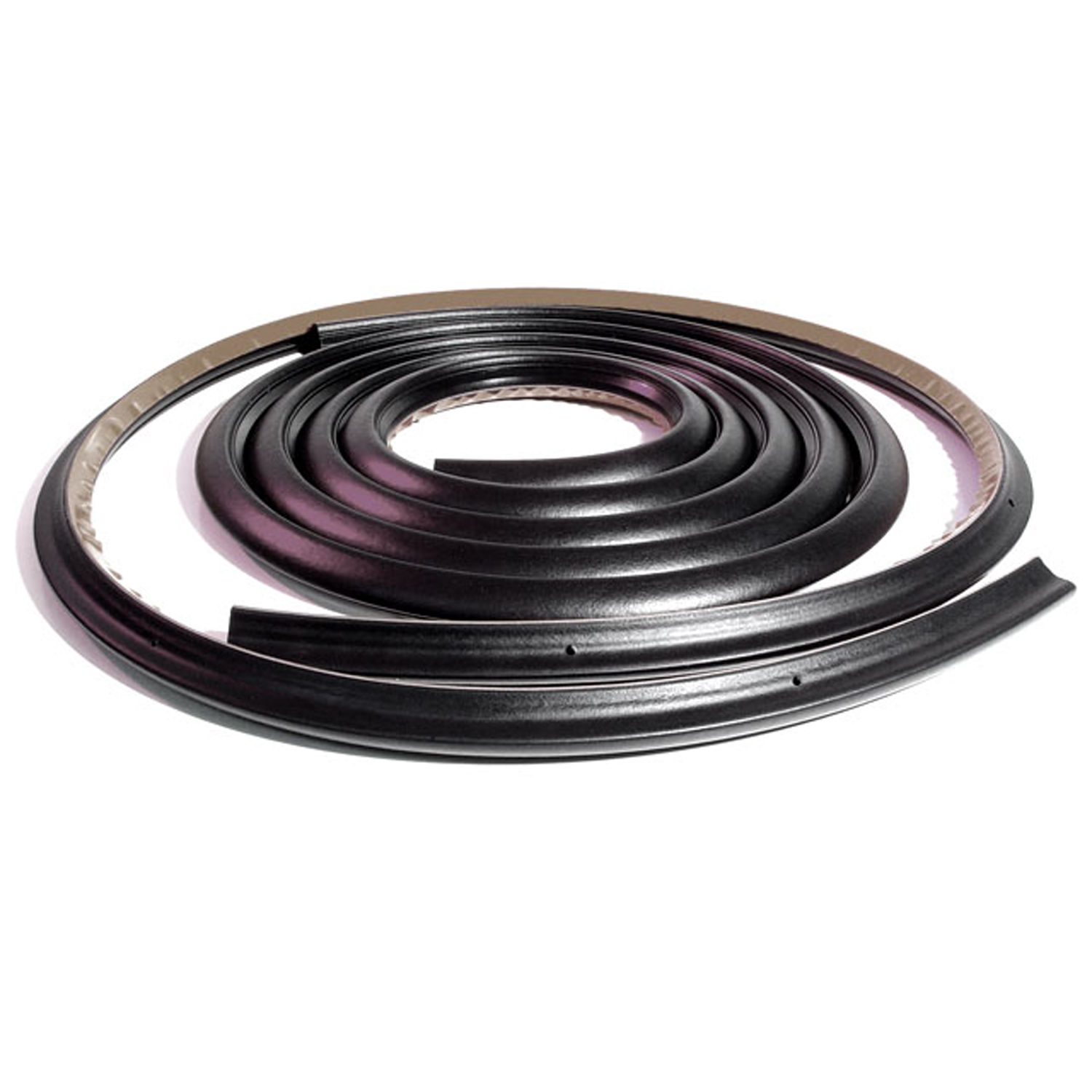 1980 Ford E-250 Econoline Club Wagon Side Slider Door Seal. Each-LM 110-VSSide Slider Door Seal. Each
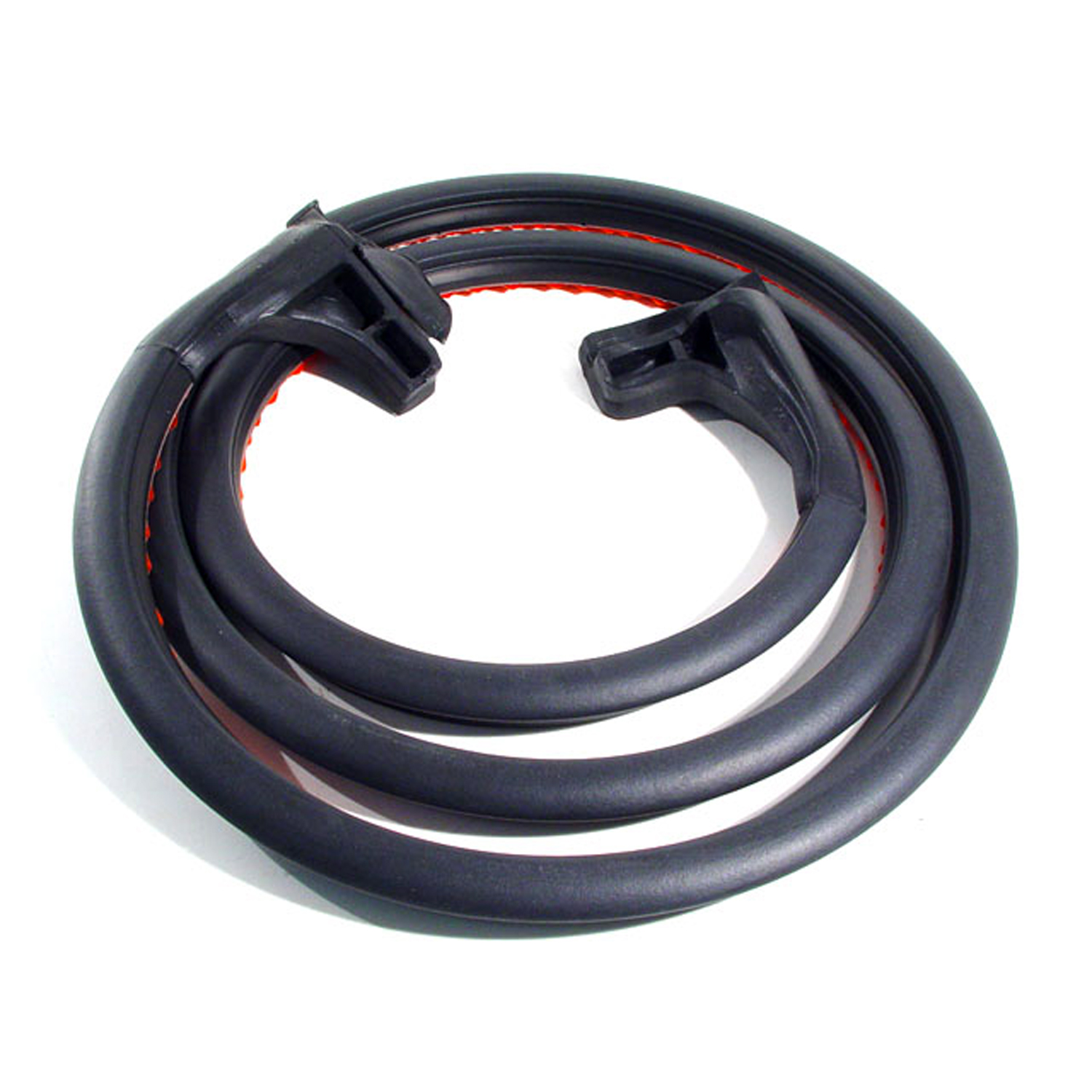 1980 Ford E-250 Econoline Club Wagon Left Rear Door Seal (Drivers Side)-LM 110-VTLeft Rear Door Seal (Drivers Side). Replaces OEM #E9UZ 1543723 A. Each
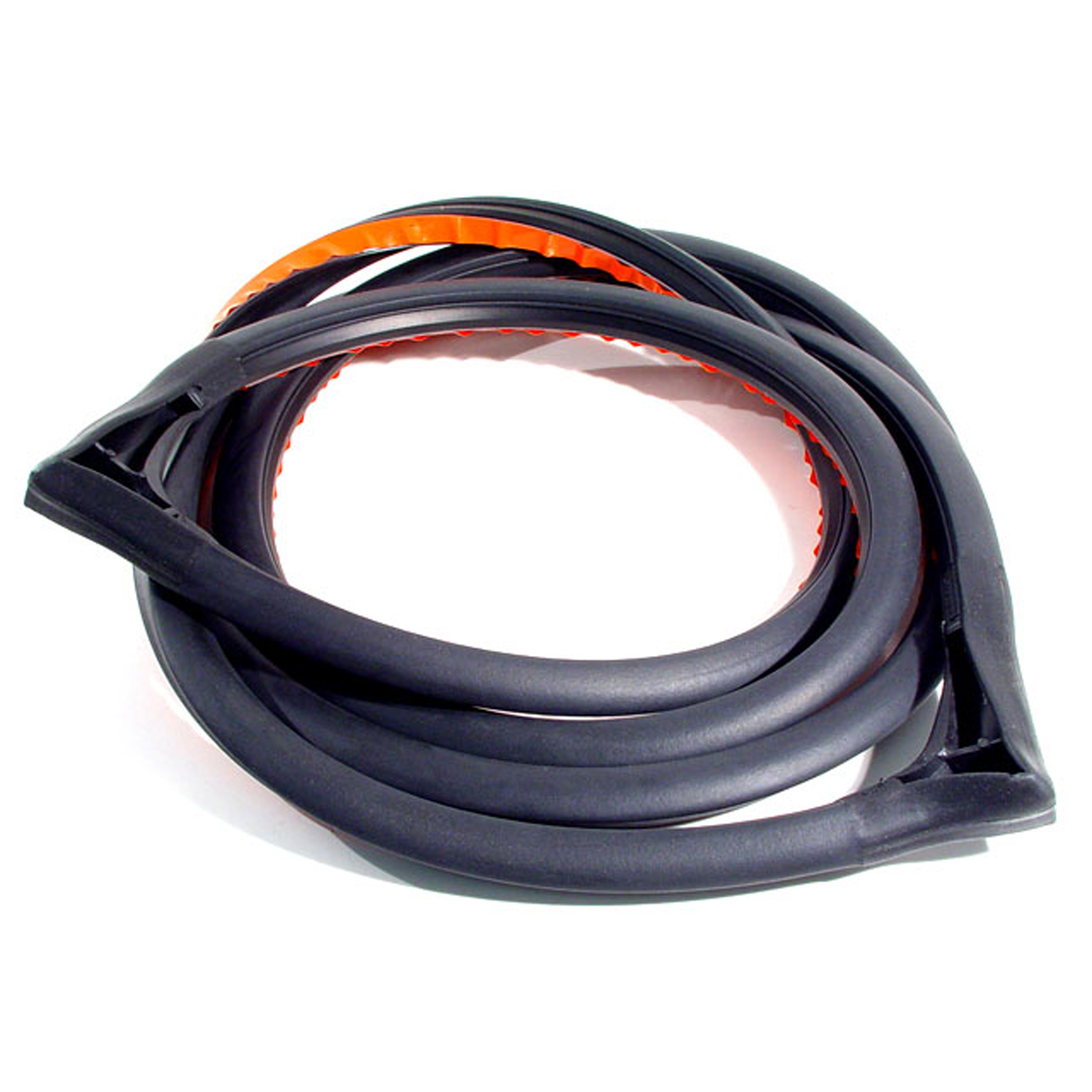 1980 Ford E-250 Econoline Club Wagon Right Rear Door Seal (Passenger Side)-LM 110-VURight Rear Door Seal (Passenger Side). Replaces OEM #F0UZ 1543722 A. Each
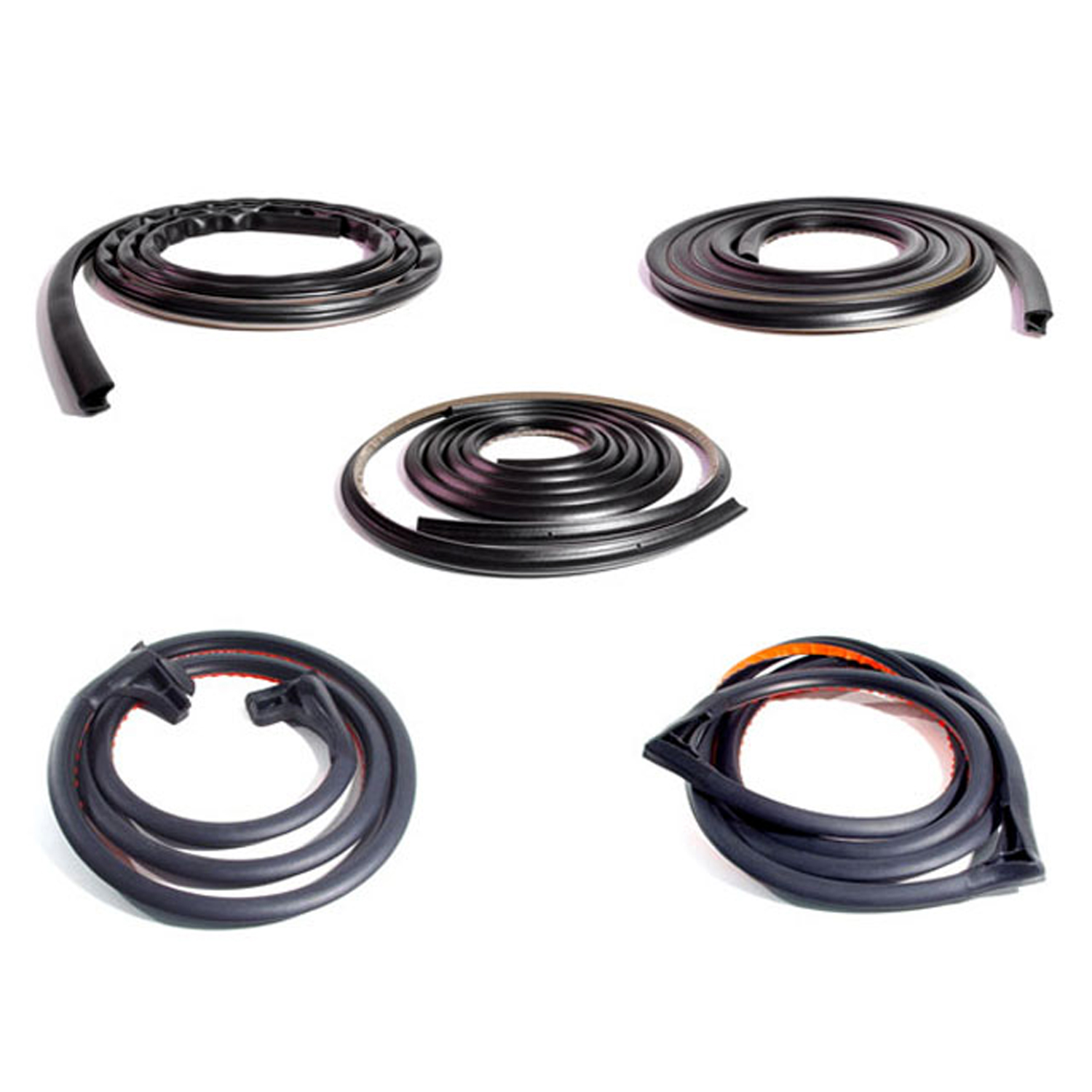 1980 Ford E-250 Econoline Club Wagon Basic Kit, for Models with Side Sliding Door-RKB 3000-100Basic Kit, for Models with Side Sliding Door. Front Left Door (LM 110-VL), Front Right Door (LM 110-VR), Back Left Door (LM 110-VT), Back Right Door (LM 110-VU), Side Sliding Door (LM 110-VS) Seals.
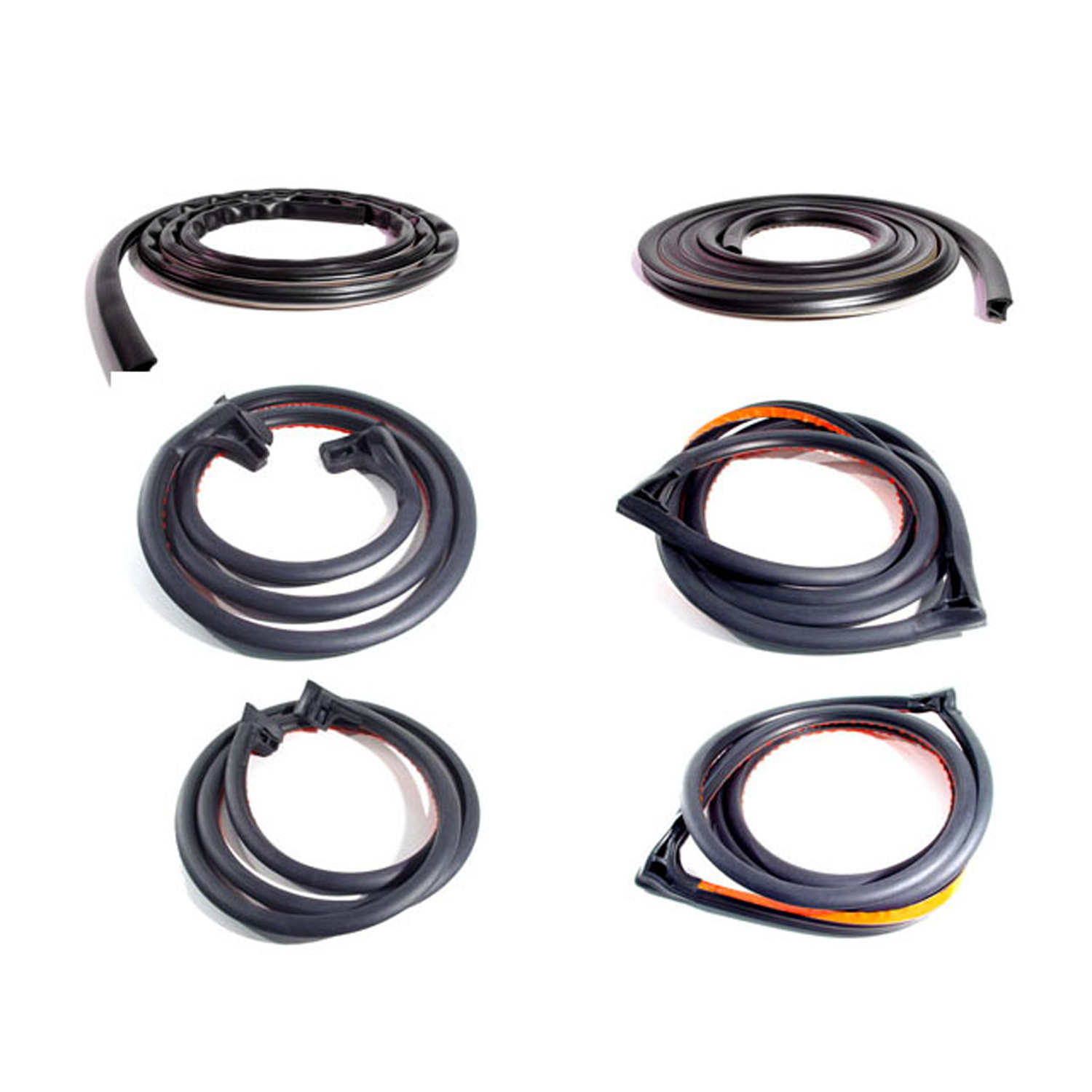 1980 Ford E-250 Econoline Club Wagon Basic Kit, for Models w/Side Cargo Door-RKB 3000-101Basic Kit, for Models w/Side Cargo Door. Front Left LM 110-VL), Front Right LM 110-VR), Back Left LM110-VT), Back Right LM 110-VU), Front Cargo Side (LM 110-VA), Rear Cargo Side (LM 110-VB) Door Seals.
Why Choose Metro?
For over 100 years, Metro Moulded Parts has been the pinnacle of quality in classic car restoration parts. Our commitment to precision and authenticity in every component ensures a perfect fit and an OEM-level appearance.
- Expert Craftsmanship & Quality: Each part is a testament to our dedication to reliability and perfection, crafted from original designs and thoroughly tested.
- Advanced Technology: We use cutting-edge techniques to create flawless, long-lasting parts that surpass others in performance.
- SuperSoft Sponge – The Ultimate Door Seal: Not only are our door seals 30% softer than competitors', but they're also guaranteed to never leak. They effectively reduce wind and road noise, enhancing your classic car's comfort and driving experience.
- Proudly American: Our parts are a product of American craftsmanship, made in the USA with a spirit of excellence and heritage.
- Unrivaled Warranty: We back our products with a 30-year industry-leading warranty, a testament to our confidence in their quality.
Join us in preserving the legacy of classic cars with parts that are crafted for perfection, not just made.