

Image of 1980 Ford E-350 Econoline, Note: These illustrations use artistic license and may differ from actual historical models.
Performance Metrics
Fundamental Metrics
Emotional Appeal
MMP Rating
| Engine Specifications | |
|---|---|
| Engine Options: | 4.9L Inline 6, 5.8L V8, 7.5L V8 |
| Displacement Range: | 4.9L - 7.5L |
| Horsepower Range: | 120-225 HP |
| Torque: | 223-357 lb-ft |
| Compression Ratio: | 8.0:1 - 8.4:1 |
| Ignition System: | Distributor ignition |
| Cooling System: | Liquid cooled |
| Performance Specifications | |
| 0-60 Time: | Estimated 10-15 seconds |
| 1/4 Mile Time: | Estimated 17-20 seconds |
| Top Speed: | 85-100 mph |
| Transmission and Drive | |
| Drive Type: | Rear-wheel drive |
| Transmission Type: | 3-speed automatic, 4-speed manual |
| Fuel and Efficiency | |
| Fuel System Type: | Carburetor |
| MPG: | Estimated 10-14 MPG |
| Dimensions and Brakes | |
| Brakes: | Front disc / Rear drum |
| Wheelbase: | 138 inches |
| Weight: | 4,500-5,500 lbs |
Note: Specifications for classic cars are given to the best of our ability, considering the limited and variant data available.
1980 Ford E-350 Econoline: The One-Ton Van With a Thousand Jobs
The 1980 Ford E-350 Econoline could be a delivery van on Monday, a camper by Friday, and the foundation of an ambulance or shuttle bus the following week. Built by Ford Motor Company, the E-350 was the heavy-duty, one-ton member of the Econoline range, valued less for speed or glamour than for its ability to carry people, equipment, and serious amounts of cargo.
The Econoline story began in 1961, when Ford introduced a compact van related to the Falcon. By 1980, the nameplate had grown into a full-size, front-engine van with a conventional body-on-frame layout. That made the E-Series easier to adapt for commercial and specialty work. A notable twist in its history is that many E-350s left Ford as incomplete chassis-cab or cutaway vehicles, then became motorhomes, buses, utility bodies, and emergency vehicles through other manufacturers. The van was often only the first chapter of its working life.
Big Shoulders, Short Hood
The 1980 Econoline has a practical, unmistakably late-1970s look: a blunt front end, broad windshield, upright sides, and a short hood ahead of the passenger compartment. Its engine sat forward of the cabin, but much of it remained beneath a removable interior engine cover, or doghouse. That layout offered easier service access than an old-style cab-over van while keeping the vehicle compact enough to maneuver in town.
The E-350’s heavier chassis set it apart from lighter-duty Econolines. Depending on configuration, it used reinforced running gear and could be ordered with different wheelbases, body lengths, and rear axle options. Cargo vans prioritized enclosed load space, while Club Wagon passenger models added side windows and seating. Chassis-cab and cutaway versions were especially important for trades and coachbuilders, who could fit them with box bodies, service bodies, shuttle interiors, or recreational-vehicle equipment. For many buyers, the cargo van and the cutaway motorhome were the most recognizable E-350 forms.
Paint choices varied with model, trim, and fleet ordering. White was a common commercial choice, while period Ford palettes also included shades such as blue, red, tan, and darker earth tones. Passenger versions could look more dressed-up with contrasting trim and upholstery. Today, a plain white work van feels every bit as authentic as a carefully preserved two-tone Club Wagon.
A Workaday Cabin With Useful Choices
Inside, the E-350 was built around function. The dashboard was broad and straightforward, with large, legible controls and a driving position that sat high over traffic. Depending on trim and specification, the cabin could have hard-wearing vinyl or cloth upholstery, basic rubber flooring, and a front bench or individual seats. In passenger models, rear seating and trim made the interior more comfortable, though it was still a utilitarian space by modern standards.
Options could add conveniences such as power steering, power brakes, air conditioning, upgraded trim, and an automatic transmission. Equipment varied substantially between a no-frills fleet van and a well-optioned Club Wagon. The materials were chosen to withstand daily use rather than impress a luxury-car buyer, and that simplicity is part of the appeal for owners today: fewer complicated systems, clear access to common service items, and a cabin that can be cleaned or repaired without elaborate procedures.
Engines and Period Technology
Engine availability depended on configuration and market, but the 1980 E-350 could be ordered with a range of Ford gasoline engines, including an inline-six and several V8 choices. Larger V8s suited buyers who needed more pulling power, especially for heavy loads or recreational-vehicle conversions. Transmission choices also varied, with manual gearboxes and Ford automatic transmissions available. Rear-wheel drive was the standard working layout.
By modern standards, the technology was straightforward. Carburetion, conventional ignition, and mechanical controls were familiar to mechanics of the period. Power steering and power-assisted brakes could make a heavily loaded van easier to manage, while the heavy-duty chassis and suspension were designed for payload rather than a plush car-like ride. Emissions equipment was also part of the era’s changing regulatory landscape, and exact components depended on engine and market.
Why the E-350 Mattered
The E-350’s importance was not that it introduced a radical new styling trend. Its strength was adaptability. Ford supplied a sturdy platform that businesses and specialty builders could configure for remarkably different purposes. The same basic van family could serve as a plumber’s service vehicle, a passenger shuttle, a delivery van, or the underpinnings of a motorhome.
That flexibility helped establish the full-size van as a major part of North American working life. The E-350 gave fleet managers a familiar, serviceable vehicle, while its chassis and cutaway versions gave upfitters a widely available base for custom builds. Its influence can still be seen in today’s commercial vans, where manufacturers continue to offer multiple body lengths, payload ratings, and incomplete-vehicle platforms for specialist conversion.
Performance: Built to Haul, Not Hurry
There is no single performance figure for every 1980 E-350. Engine, gearing, body style, axle ratio, transmission, tires, and load all make a significant difference. As a broad period-vehicle estimate, a gasoline E-350 might reach roughly 80 to 90 mph when in sound condition, while a 0-to-60-mph run could take around 14 to 20 seconds. A heavy camper or fully loaded work van could be slower. These are approximate ranges, not a substitute for a test of a specific vehicle.
On the road, the E-350 feels large and purposeful. The elevated driving position gives a commanding view, but the long body and substantial mass demand planning in tight spaces. The front suspension is designed to carry a working vehicle, and the rear axle and leaf springs cope with load better than they smooth out sharp bumps. An empty van can feel firm, while a properly loaded one may ride more settled.
Windy roads and crosswinds remind the driver that this is a tall-sided vehicle. Steering is less car-like than direct, and corners are best taken with patience, especially when carrying cargo or passengers. Under acceleration, the engine’s sound is a familiar blend of induction noise, V8 rumble if so equipped, and the mechanical hum of a working drivetrain. The driver does not so much coax the E-350 as manage its momentum: leave room, look ahead, and let the engine do its job.
Life With an E-350
Owners use these vans as work vehicles, weekend campers, vintage show entries, shuttle buses, and restoration projects. They are not typically chosen for racing or quick commuting. Their appeal lies in space, adaptability, and the charm of an old machine with a clear purpose.
Routine maintenance is familiar territory for a competent home mechanic. Oil and filter changes, ignition service, belts, hoses, brake work, and many engine repairs follow conventional principles. Parts availability is generally helped by the E-Series’ long production history, though some model-specific trim, body panels, and specialized conversion components can be harder to find. Before buying, inspect the frame and body carefully for corrosion, and pay particular attention to brakes, steering, cooling, tires, and any signs of overloading or poorly executed conversion work.
Reliability depends heavily on maintenance and use. A commercial van may have spent years idling, carrying heavy loads, or accumulating hard urban miles. A low odometer reading is not automatically reassuring, and a tidy interior does not prove the chassis is sound. A pre-purchase inspection by a mechanic familiar with older Ford trucks and vans is money well spent.
Useful Trivia and Common Complaints
The E-350’s most interesting “special edition” story is often the vehicle’s second life. Coachbuilders and fleet upfitters transformed the same basic platform into campers, ambulances, buses, and utility vehicles. That means two 1980 E-350s can look and feel like entirely different machines, even if they began with closely related Ford components.
There is no widely recognized 1980 E-350 speed or endurance record that defines the model. Its real achievement was practical: serving in huge numbers of commercial and specialist roles. Ford did not publish a simple, dependable production total for every E-350 body and configuration, so exact model-specific counts are difficult to establish. A reasonable broad estimate is that production was in the tens of thousands, perhaps around 10,000 to 30,000 E-350s across the year’s varied configurations. That is an informed estimate, not a verified factory tally.
Common criticisms are easy to understand. The van is thirsty by modern standards, slow compared with contemporary cars, noisy on the highway, and vulnerable to wind. Its size can make parking awkward, and older examples may have rust, tired suspension, or neglected drivetrain components. Those drawbacks are part of the bargain: the E-350 was engineered first to work, and its best qualities emerge when it is maintained and used for the job it was built to do.
Collector Values and Availability
As of 2026, 1980 E-350 values vary widely with condition, body style, mechanical health, and conversion quality. A rough project or worn commercial van might sell for about $2,000 to $6,000. A usable, presentable example could fall around $6,000 to $15,000. Clean, well-documented vans and desirable camper or passenger conversions may bring roughly $15,000 to $30,000 or more, particularly when the build is safe, complete, and period-appropriate. Exceptional restorations and high-quality custom campers can exceed that range, but they are the exception rather than the rule.
The E-350 is less common as a carefully preserved classic than as a former work vehicle, and the best survivors are not always easy to find. Values have generally strengthened for clean vintage vans and thoughtfully restored campers, while rough examples remain limited by repair costs. The market rewards condition and provenance more than a particular badge: a sound, usable van is usually a better buy than an ambitious project with hidden rust or incomplete conversion work.
A Classic That Earned Its Keep
The 1980 Ford E-350 Econoline was not designed to be glamorous. It was designed to carry, tow, serve, and adapt. Its sturdy platform supported businesses and specialty builders, its simple mechanical layout remains approachable for many owners, and its roomy body gives it a usefulness that still resonates.
More than four decades later, the E-350’s story is written in the work it performed and the lives it carried. Find a sound one, give it careful maintenance, and this old Ford can still prove that a great van is not just transportation. It is a platform for whatever comes next.
1980 Ford E-350 Econoline Catalog of Parts
 1980 Ford E-350 Econoline Brake Pedal Pad. 4-3/4" wide X 2-1/4" long-CB 111-NBrake Pedal Pad. 4-3/4" wide X 2-1/4" long. Replaces OEM #'s BC3Z2457B, D3TZ2457A, D3TZ2457B. Each
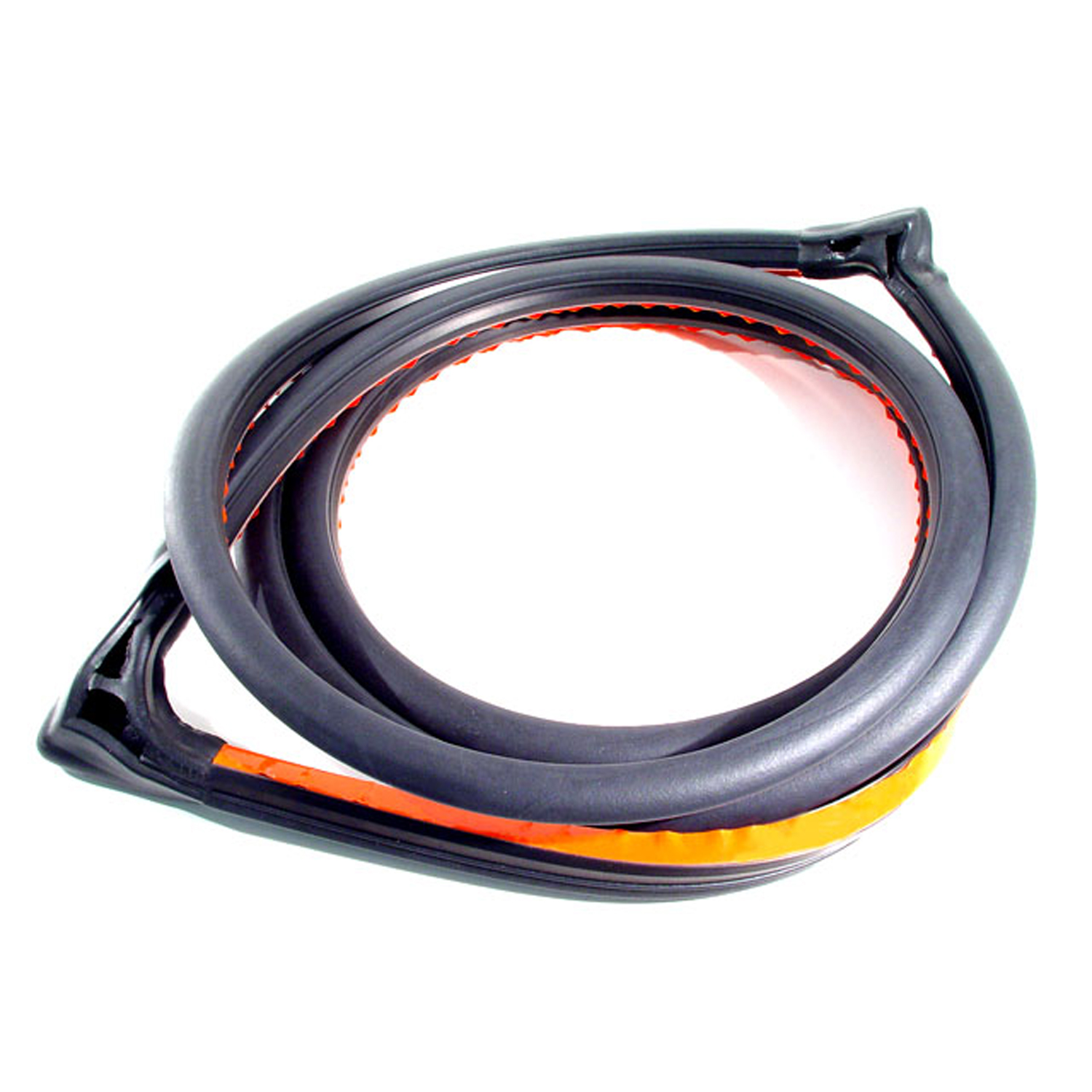 1980 Ford E-350 Econoline Front Side Cargo Door Seal-LM 110-VAFront Side Cargo Door Seal (fits front right side of cargo door). Replaces OEM #E9UZ 1525324 B. For rear (left side) matching seal, see LM 110-VB. Each
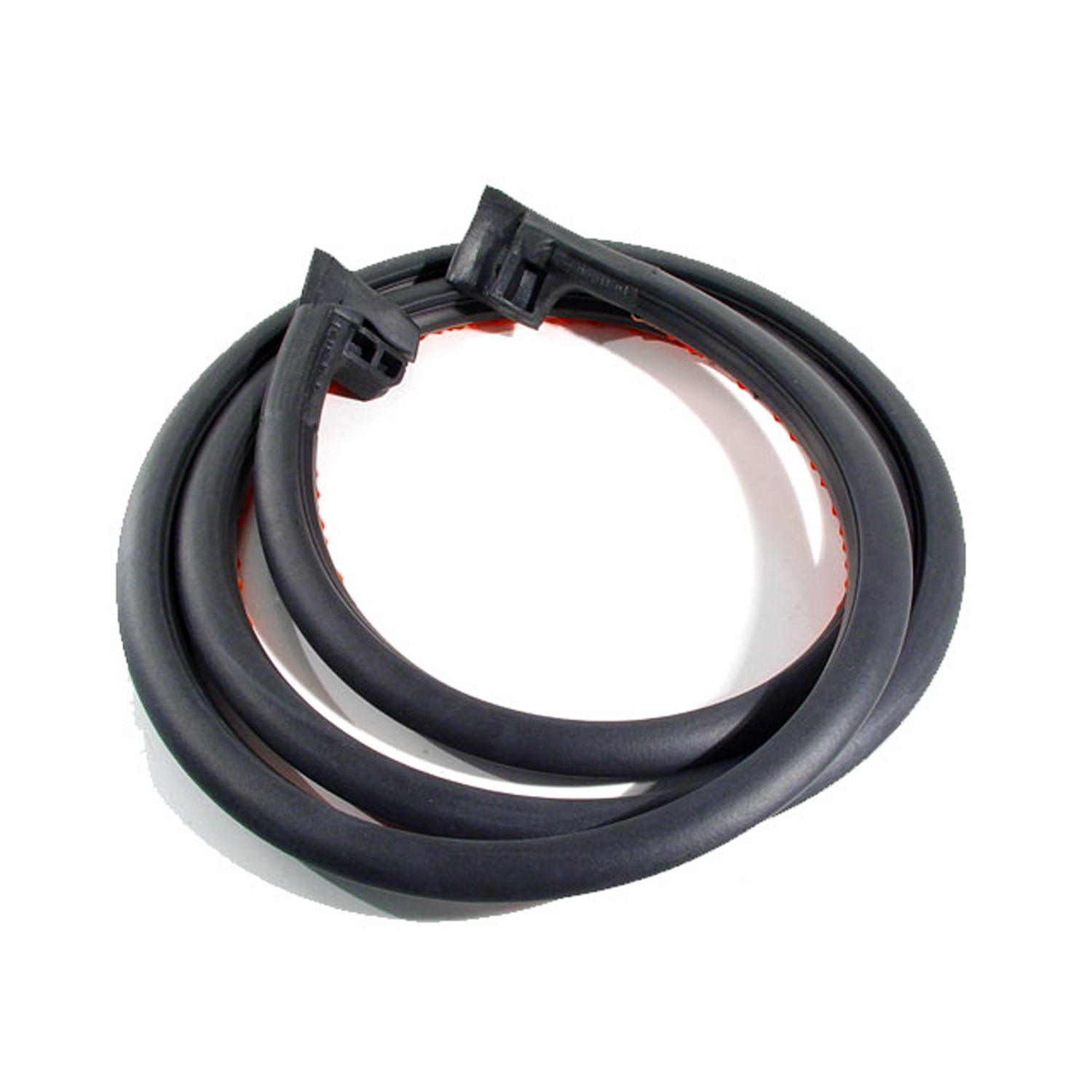 1980 Ford E-350 Econoline Rear Side Cargo Door Seal-LM 110-VBRear Side Cargo Door Seal (fits rear left side of cargo door). Replaces OEM #E9UZ 1525325 B. For front (right side) matching seal, see LM 110-VA. Each
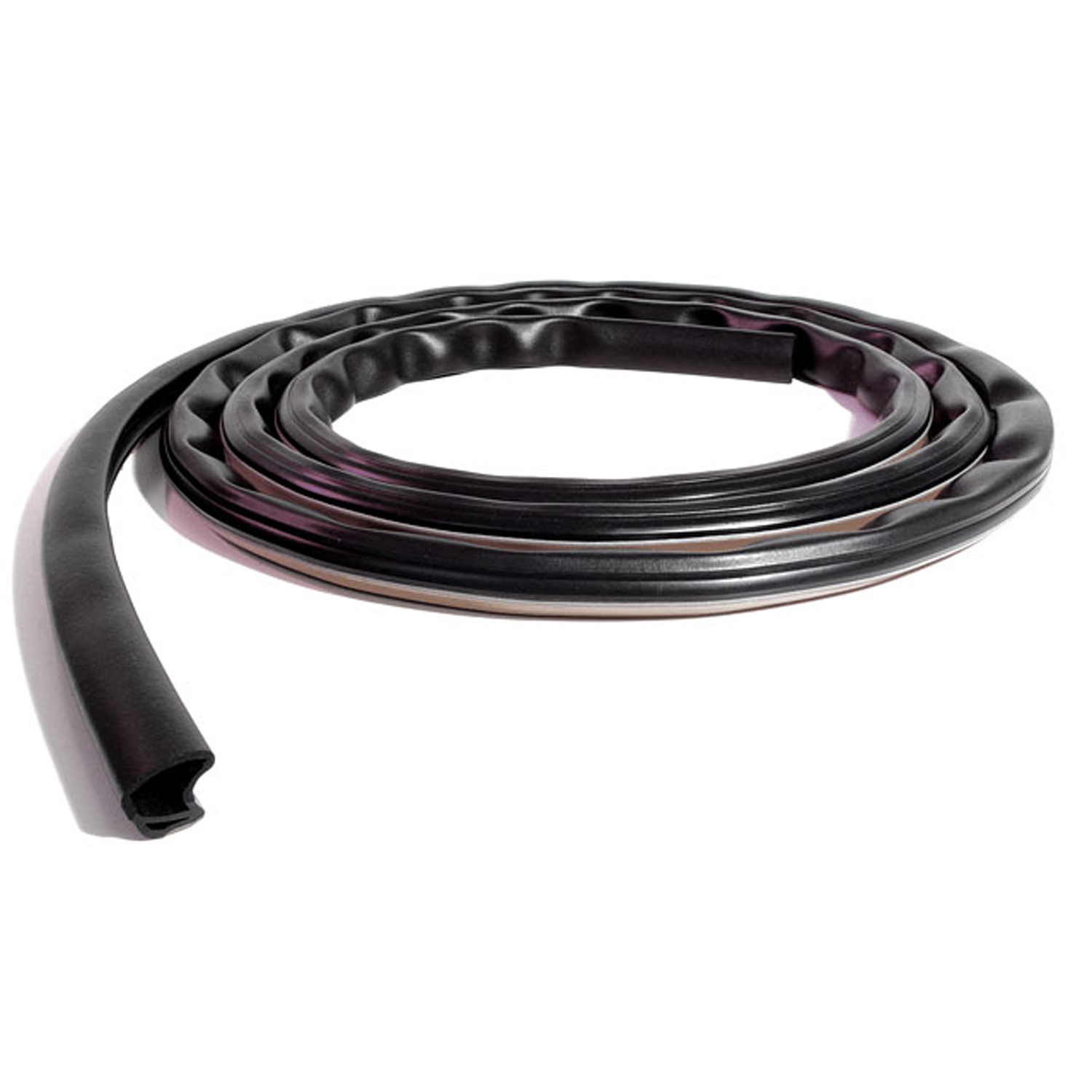 1980 Ford E-350 Econoline Left Front (drivers side) Door Seal. Each-LM 110-VLLeft Front (drivers side) Door Seal. Each
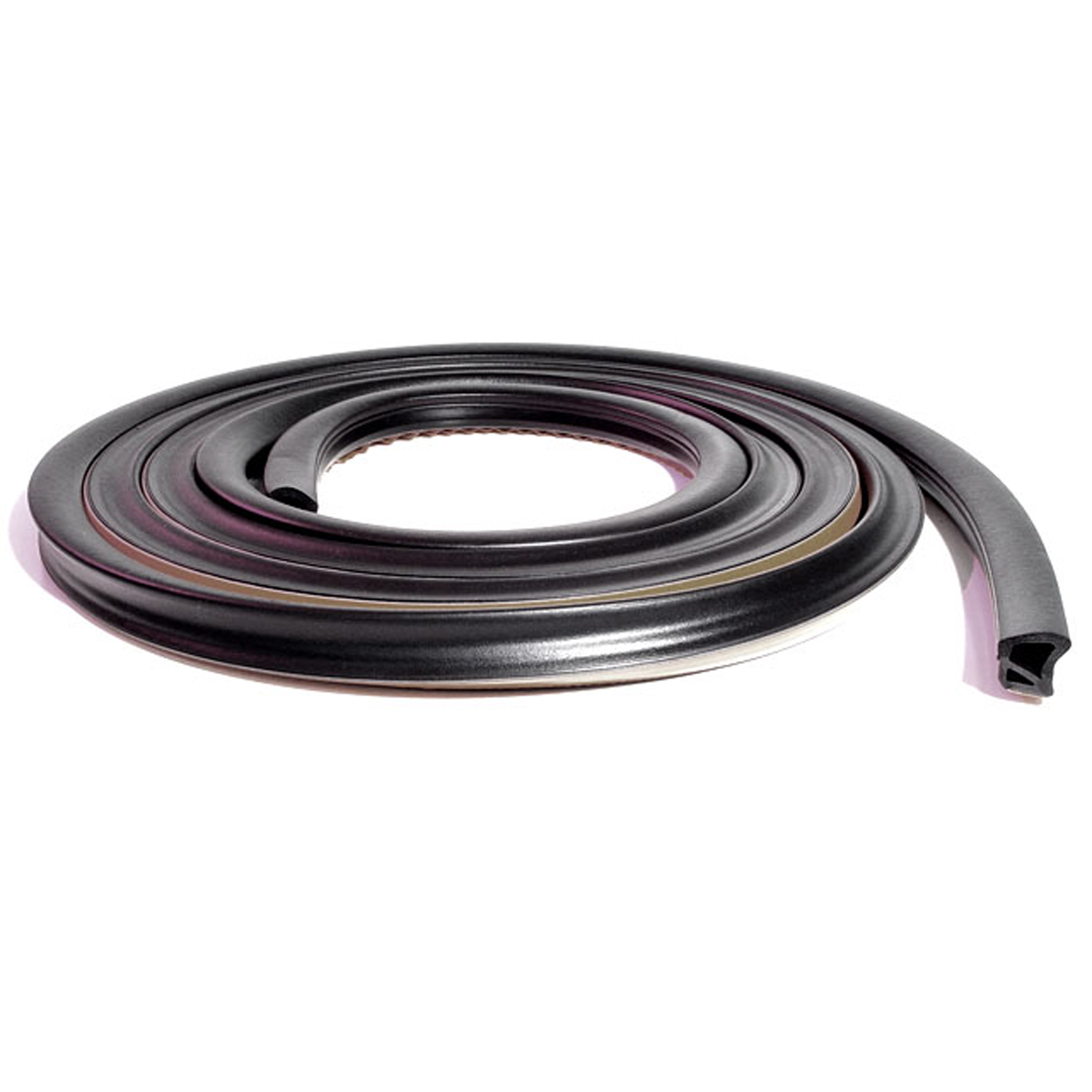 1980 Ford E-350 Econoline Right Front (passenger side) Door Seal. Each-LM 110-VRRight Front (passenger side) Door Seal. Each
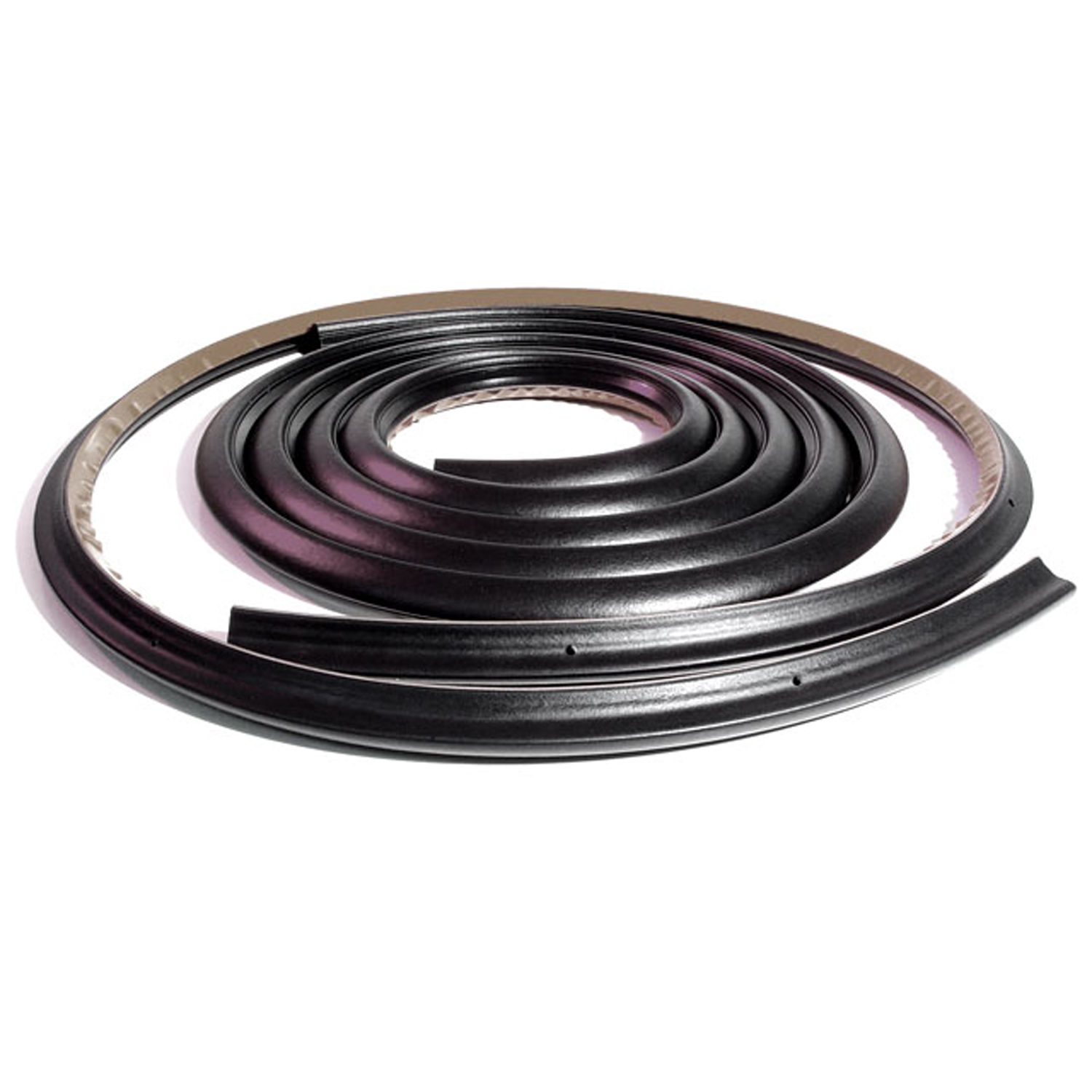 1980 Ford E-350 Econoline Side Slider Door Seal. Each-LM 110-VSSide Slider Door Seal. Each
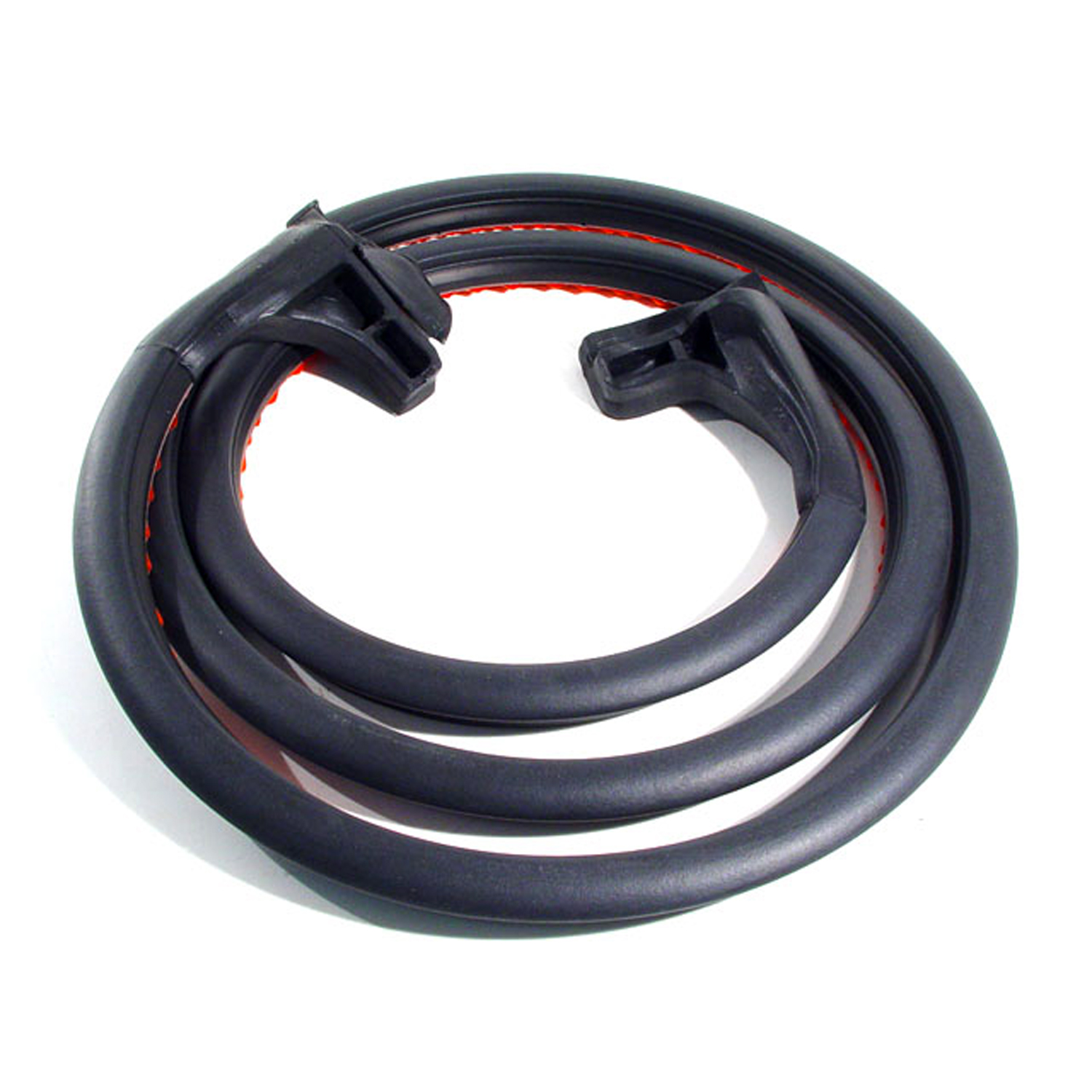 1980 Ford E-350 Econoline Left Rear Door Seal (Drivers Side)-LM 110-VTLeft Rear Door Seal (Drivers Side). Replaces OEM #E9UZ 1543723 A. Each
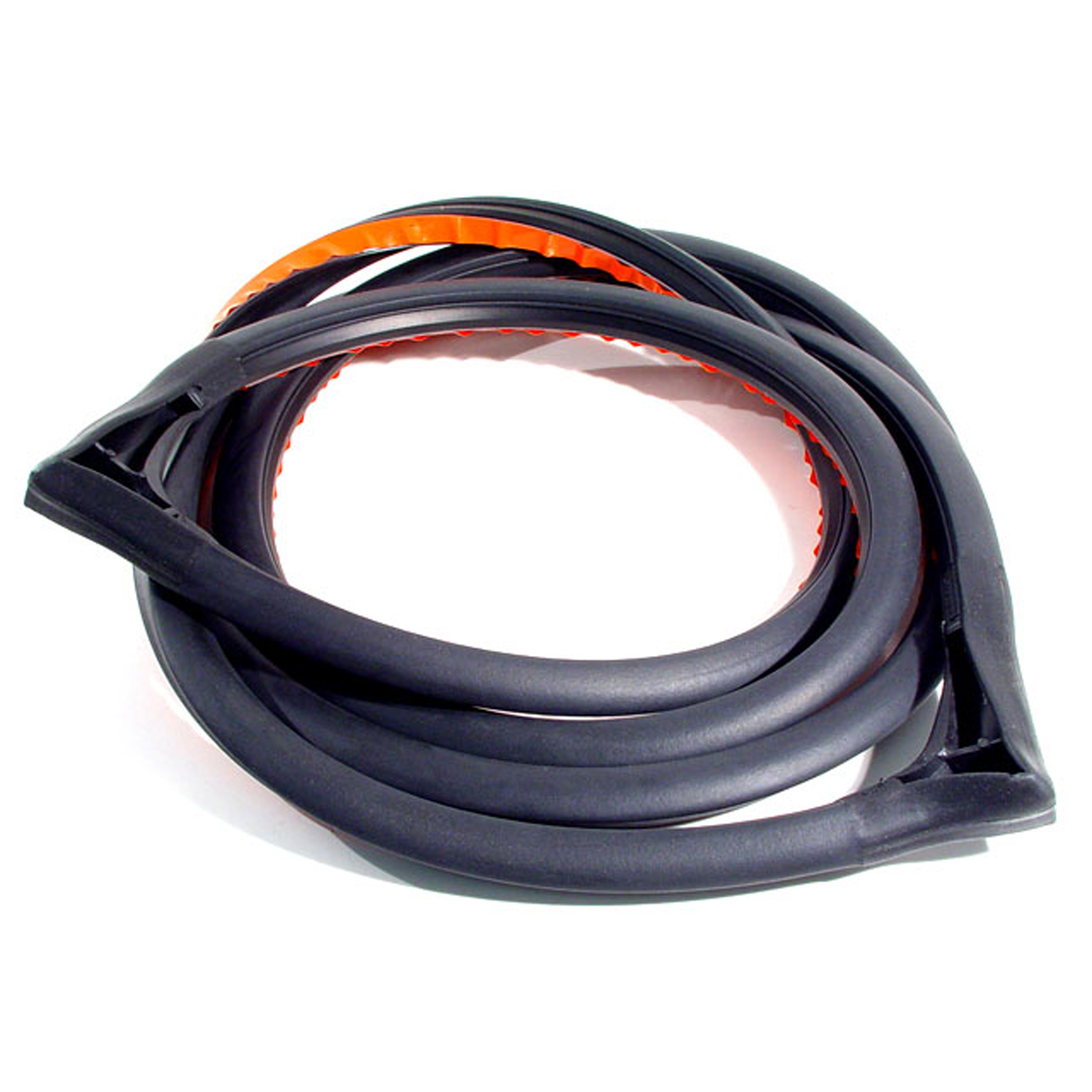 1980 Ford E-350 Econoline Right Rear Door Seal (Passenger Side)-LM 110-VURight Rear Door Seal (Passenger Side). Replaces OEM #F0UZ 1543722 A. Each
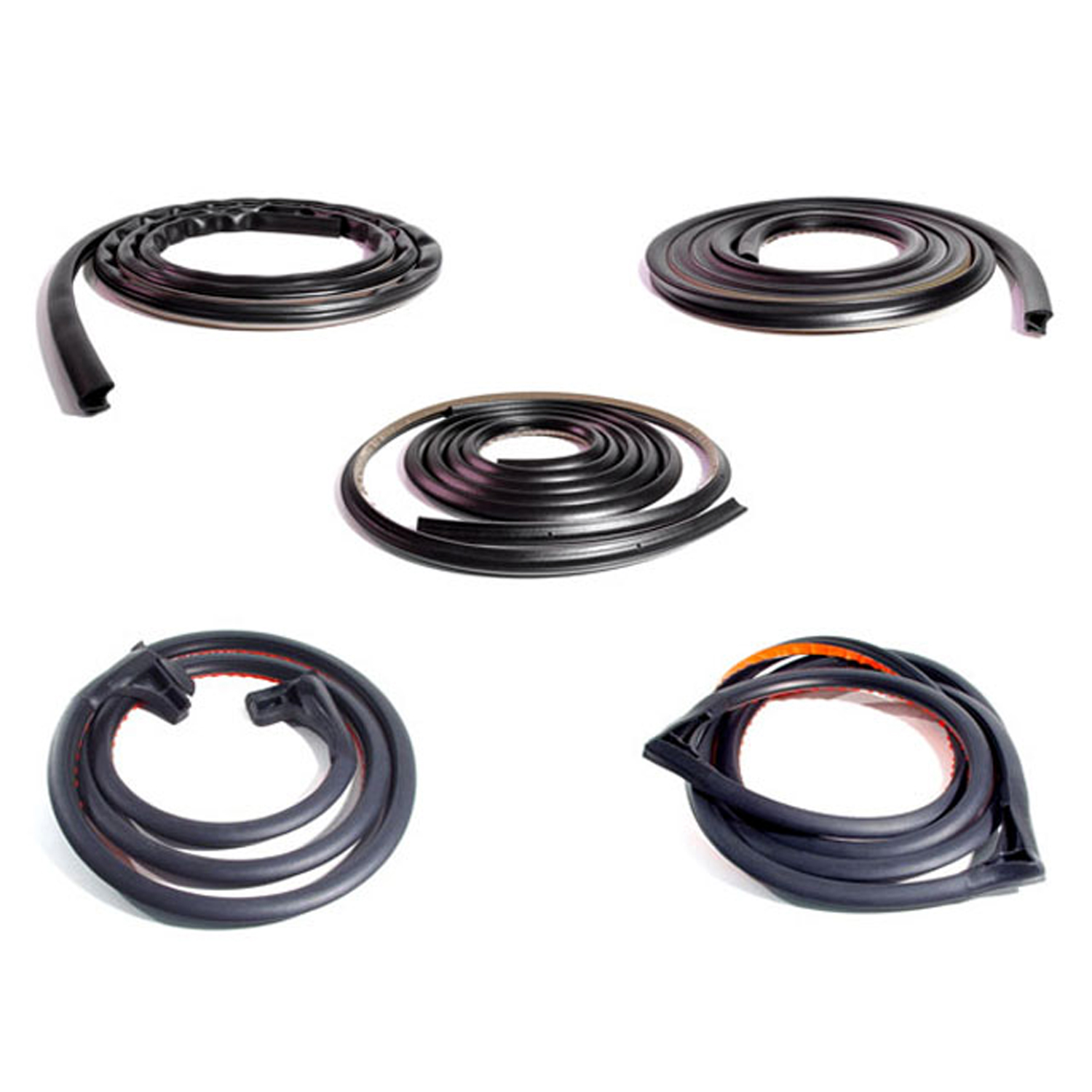 1980 Ford E-350 Econoline Basic Kit, for Models with Side Sliding Door-RKB 3000-100Basic Kit, for Models with Side Sliding Door. Front Left Door (LM 110-VL), Front Right Door (LM 110-VR), Back Left Door (LM 110-VT), Back Right Door (LM 110-VU), Side Sliding Door (LM 110-VS) Seals.
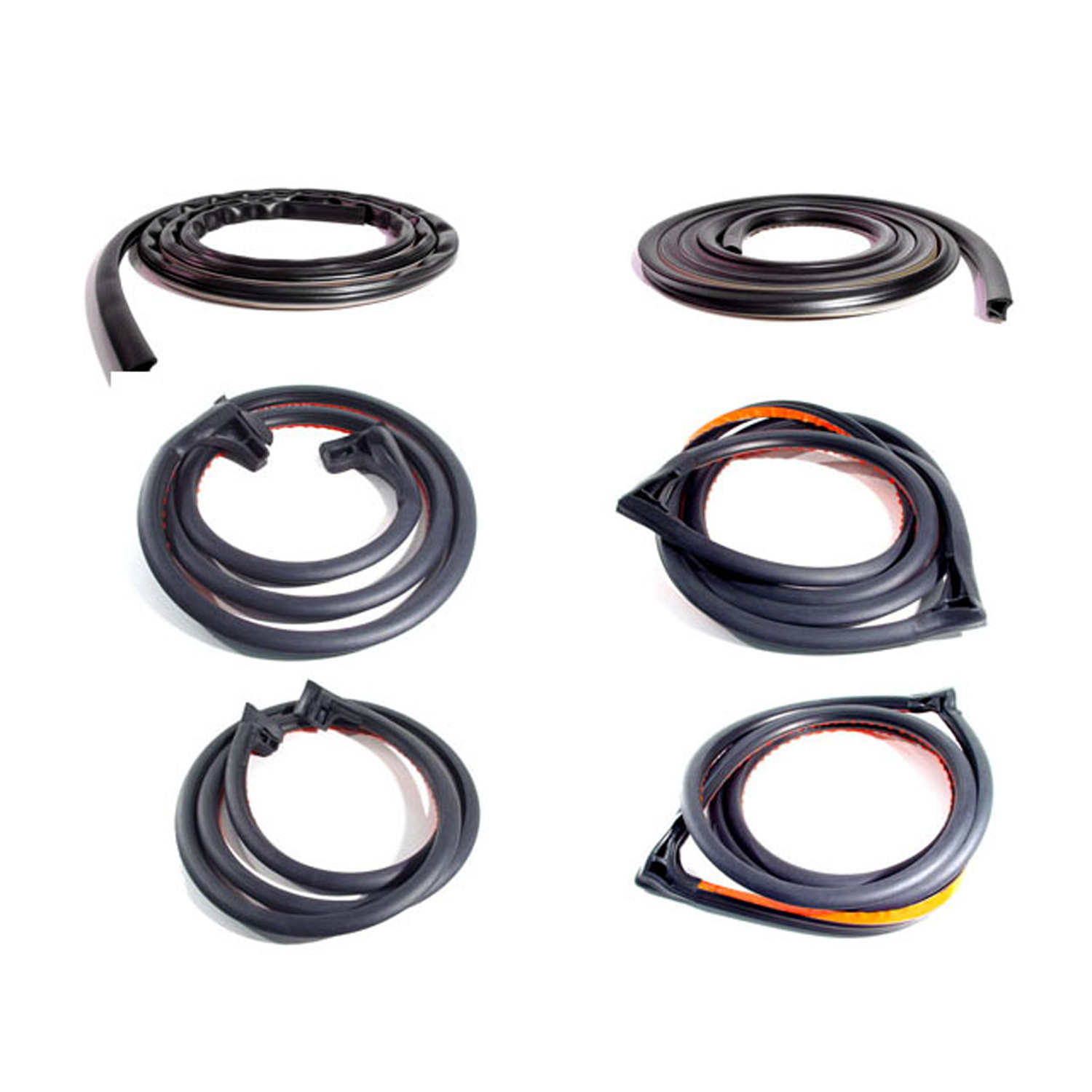 1980 Ford E-350 Econoline Basic Kit, for Models w/Side Cargo Door-RKB 3000-101Basic Kit, for Models w/Side Cargo Door. Front Left LM 110-VL), Front Right LM 110-VR), Back Left LM110-VT), Back Right LM 110-VU), Front Cargo Side (LM 110-VA), Rear Cargo Side (LM 110-VB) Door Seals.
Why Choose Metro?
For over 100 years, Metro Moulded Parts has been the pinnacle of quality in classic car restoration parts. Our commitment to precision and authenticity in every component ensures a perfect fit and an OEM-level appearance.
- Expert Craftsmanship & Quality: Each part is a testament to our dedication to reliability and perfection, crafted from original designs and thoroughly tested.
- Advanced Technology: We use cutting-edge techniques to create flawless, long-lasting parts that surpass others in performance.
- SuperSoft Sponge – The Ultimate Door Seal: Not only are our door seals 30% softer than competitors', but they're also guaranteed to never leak. They effectively reduce wind and road noise, enhancing your classic car's comfort and driving experience.
- Proudly American: Our parts are a product of American craftsmanship, made in the USA with a spirit of excellence and heritage.
- Unrivaled Warranty: We back our products with a 30-year industry-leading warranty, a testament to our confidence in their quality.
Join us in preserving the legacy of classic cars with parts that are crafted for perfection, not just made.