

Image of 1980 Ford Granada, Note: These illustrations use artistic license and may differ from actual historical models.
Performance Metrics
Fundamental Metrics
Emotional Appeal
MMP Rating
| Engine Specifications | |
|---|---|
| Engine Options: | 2.3L I4, 3.3L I6, 4.1L I6, 4.9L V8 |
| Displacement Range: | 140-302 cu in |
| Horsepower Range: | 88-140 hp |
| Torque: | 118-240 lb-ft |
| Compression Ratio: | 8.4:1 - 9.0:1 |
| Ignition System: | Electronic |
| Cooling System: | Liquid-cooled |
| Performance Specifications | |
| 0-60 Time: | 11-15 seconds |
| 1/4 Mile Time: | 18-20 seconds |
| Top Speed: | 100-110 mph |
| Transmission and Drive | |
| Drive Type: | Rear-wheel drive |
| Transmission Type: | 3-speed automatic, 4-speed manual |
| Fuel and Efficiency | |
| Fuel System Type: | Carburetor |
| MPG: | 15-20 mpg |
| Dimensions and Brakes | |
| Brakes: | Front disc, rear drum |
| Wheelbase: | 109.9 inches |
| Weight: | 3,000-3,500 lbs |
Note: Specifications for classic cars are given to the best of our ability, considering the limited and variant data available.
1980 Ford Granada: American Comfort in a Changing Era
The 1980 Ford Granada brought a touch of formal, European-inspired style to the American family car, with a long hood, upright grille, and a comfortable, softly sprung ride. Built by Ford Motor Company, this rear-wheel-drive midsize model was designed for buyers who wanted more polish than a basic economy car without stepping up to a full-size sedan.
The Granada name had already made an impression when Ford introduced the American model for 1975. It arrived during an era of rising fuel costs and growing interest in smaller cars, offering a more compact alternative to traditional big Fords. The 1980 model belongs to the original, Maverick-related generation and was its final year before a redesigned Granada arrived for 1981.
One intriguing detail is that the American Granada shared its name with Ford’s European Granada, but the two were different cars developed for different markets. Ford marketed the U.S. Granada as a refined, almost European-style alternative, and its formal look invited comparisons with luxury imports. Underneath, however, it remained a straightforward American car with familiar mechanicals and a practical rear-drive layout.
Formal Styling and Comfortable Appointments
The 1980 Granada wore crisp, squared-off styling typical of the period. Its upright front end, rectangular headlamps, broad grille, and clean body sides gave it a dignified appearance. A long hood and defined trunk made the sedan look more substantial than its midsize classification suggested. Depending on trim and equipment, brightwork, wheel covers, and a vinyl roof added extra formality.
Inside, the Granada emphasized comfort over sportiness. The cabin offered a broad dashboard, generously padded surfaces, and supportive bench seating in many versions. Buyers could choose cloth or vinyl upholstery, with higher trims typically adding richer fabrics, additional interior trim, and more convenience features. Woodgrain-style accents and velour upholstery were among the period touches that helped give upscale versions a more luxurious feel.
Equipment varied by trim and options. Power steering and power brakes were popular choices, while air conditioning, cruise control, upgraded audio, and other comfort features could make the car a well-equipped highway cruiser. These were useful amenities, but the Granada did not have the electronic driver aids or advanced infotainment systems expected in modern vehicles.
Ford offered the Granada in several body styles, including two-door and four-door sedans and a station wagon. The four-door sedan was the natural choice for family and everyday use, while the two-door appealed to buyers seeking a slightly sportier profile. The wagon added cargo flexibility and remains a less common sight today. Trim names and equipment could vary by body style and market, with upscale Ghia models and sport-oriented equipment packages among the more distinctive choices.
Paint choices reflected the restrained palette popular around 1980: buyers could find shades of white, cream, tan, blue, green, red, and metallic colors, depending on the order guide and trim. Neutral colors suited the Granada’s formal character, while darker blues and greens gave it a particularly period-correct look. Exact paint names and availability varied by production date and region.
Why the Granada Mattered
The Granada’s significance lies less in a single breakthrough than in the way it reflected a change in American car-buying priorities. Ford gave customers a smaller alternative to full-size sedans without asking them to give up a traditional hood-and-trunk shape, rear-wheel drive, or a comfortable ride. It helped establish the appeal of the “personal luxury” look in a more accessible package.
It also stood out from many compact imports and domestic economy cars by offering familiar American serviceability and a broad range of comfort options. The formula was shared across Ford’s lineup: the Mercury Monarch was a close relative, and the Lincoln Versailles used related underpinnings in a more upscale package. The Granada itself was not a technology leader, but it showed how established manufacturers could adapt traditional styling and comfort to a more compact car.
Engines, Acceleration, and Road Manners
For 1980, the Granada was offered with a selection of engines that could include a 2.3-liter four-cylinder, inline-six options, and a 4.9-liter V8, depending on configuration and market. The exact engine lineup and output could vary with emissions equipment and ordering choices. Most Granadas were rear-wheel drive, and a three-speed automatic was a common pairing. A manual transmission was available in some configurations.
Performance figures should be treated as estimates because engine, transmission, axle ratio, vehicle condition, and emissions equipment all make a difference. A V8-powered Granada could reach roughly 100 mph and manage 0–60 mph in about 10 to 12 seconds when new. Six-cylinder versions were generally slower, while four-cylinder cars favored economy over quick acceleration and could take around 15 seconds or more to reach 60 mph.
On the road, the Granada feels like a comfortable American sedan of its era. Its suspension is tuned to absorb bumps and broken pavement rather than carve through corners. The steering is light, especially with power assistance, and the car is easy to maneuver at low speeds. On winding roads, body lean and modest grip encourage a relaxed pace. In strong crosswinds, the upright body can feel more affected than a modern car, and the driver should expect a less precise, more leisurely experience.
The engine character depends on what is under the hood. A four-cylinder is workmanlike, while the sixes provide a more relaxed pace. The V8 adds a deeper exhaust note and stronger low-speed response. Behind the wheel, the Granada’s appeal is its easygoing rhythm: a comfortable seat, soft suspension, and simple controls make it well suited to unhurried trips.
Living With a Granada Today
Today, a 1980 Granada is most often used as a weekend classic, a local-show car, or an occasional driver. A sound example can handle errands and short trips, but many owners prefer to preserve especially clean cars rather than rely on them as year-round transportation. The wagon is particularly useful for owners who want classic styling with extra carrying space.
Mechanical repairs are generally approachable for a home mechanic. The rear-wheel-drive layout and conventional engine choices are familiar to many independent shops, and routine service does not require specialized diagnostic equipment. Parts availability is mixed: common maintenance items and some mechanical components are often obtainable, but trim pieces, interior details, body panels, and model-specific pieces can take more searching.
Rust is a major concern on any inspection. Check the floors, frame rails, lower body panels, wheel arches, trunk, and areas around the windshield and rear window. Also inspect the transmission, cooling system, suspension, steering, and brake components. On a car that has sat for years, aged rubber, electrical faults, and fuel-system problems may matter more than the engine’s reputation.
Granada Trivia and Common Criticisms
The Granada’s formal styling was part of its identity from the start. Ford’s original marketing leaned into the idea that buyers could get a refined, European-influenced appearance at a more accessible price. The model’s resemblance to luxury-car styling became a talking point, even though its engineering and price positioned it firmly in the mainstream market.
There is no widely recognized Granada speed or endurance record, and the 1980 model was not a major factory racing car. Its place in history is more about everyday transportation and Ford’s response to changing tastes than motorsport fame. It also has no single, widely documented celebrity ownership story that defines the model.
Common criticisms include modest performance from the smaller engines, soft handling, and a cabin that can feel dated or basic compared with true luxury cars. Rust and age-related wear are now bigger concerns than the car’s original shortcomings. Supporters counter that its uncomplicated mechanical layout, comfortable ride, and distinctive period styling are exactly what make it appealing today.
Collector Value and Availability
The 1980 Granada remains an affordable and often overlooked classic. As a general U.S. market guide, a project car may sell for roughly $1,000 to $3,000, while a usable driver in fair-to-good condition may bring about $3,000 to $7,000. A clean, well-maintained example can fall in the $7,000 to $12,000 range, with exceptional, unusually original, or especially desirable cars sometimes asking more. These are broad estimates, not formal appraisals, and local demand has a substantial effect.
Exact production figures for the 1980 model can be difficult to pin down across every body style and trim. A reasonable broad estimate is around 150,000 to 200,000 U.S. Granadas for the model year, though surviving examples are much less common than that original volume suggests. Sedans are generally easier to find than clean wagons or unusually well-preserved, highly equipped cars.
Values have generally been steady rather than explosive. The Granada is not yet in the same collector tier as more celebrated muscle cars or luxury models, so condition and originality matter greatly. Prices may gradually improve as interest grows in overlooked late-1970s and early-1980s cars, but rust-free examples with complete trim are likely to be the safest purchases.
A Relaxed Classic With a Distinctive Place in Ford History
The 1980 Ford Granada is a snapshot of an important transition: an American family car shaped by fuel-conscious times but still committed to comfort, rear-wheel drive, and formal styling. It was not a sports sedan or a technological trailblazer. Instead, it offered practical space, familiar mechanicals, and a relaxed driving experience in a package that looked more upscale than its everyday mission.
For today’s enthusiast, that combination is its charm. Find a solid, complete example, and the Granada rewards you with an easygoing ride and a clear connection to an era when American cars were learning to get smaller without giving up their sense of occasion.
1980 Ford Granada Catalog of Parts
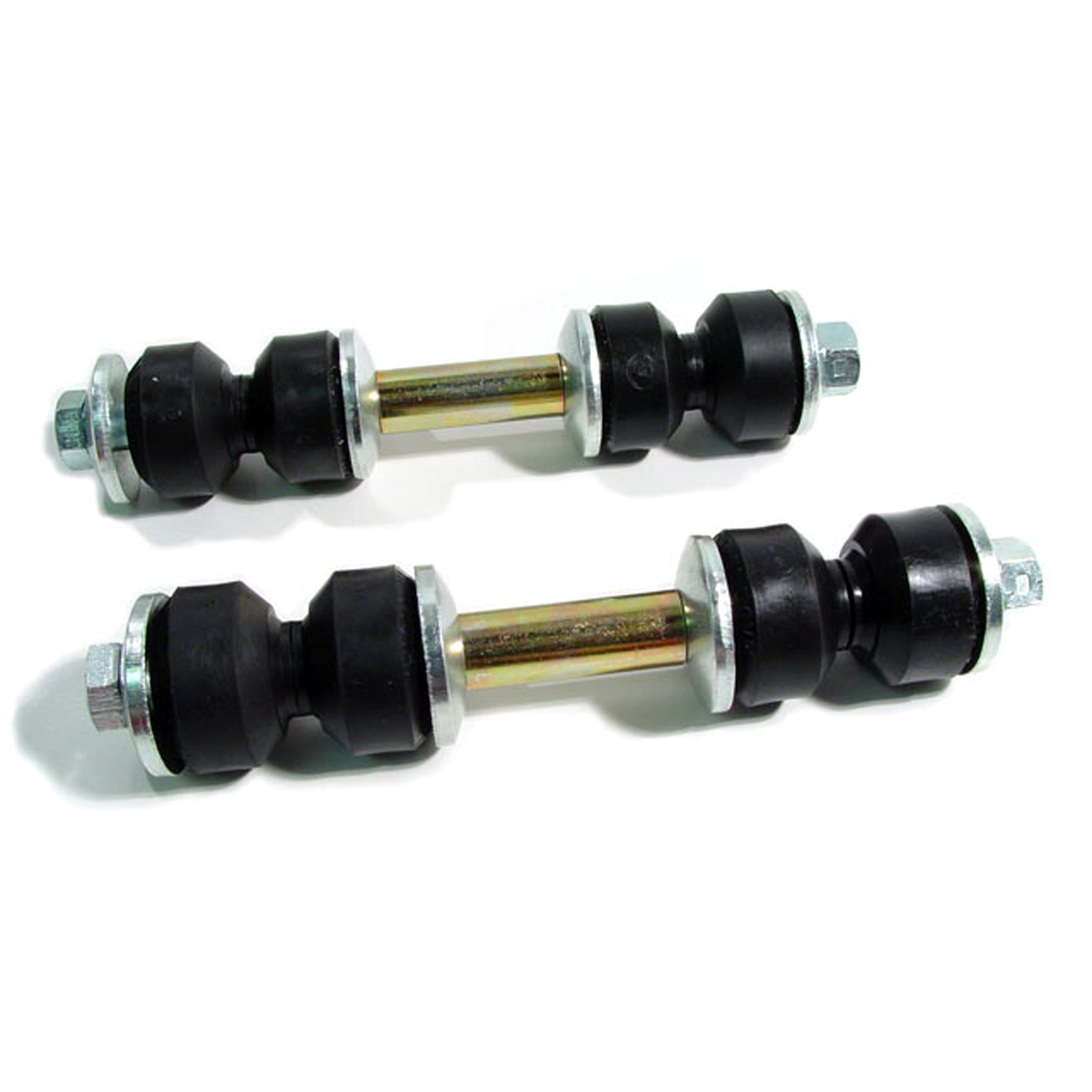 1980 Ford Granada Front Stabilizer End Repair Kit-BNK 22Front Stabilizer End Repair Kit. 22-piece set for two stabilizer bars. Contains all rubber bushings, washers, bolts and nuts, enough for one front end. Set
Why Choose Metro?
For over 100 years, Metro Moulded Parts has been the pinnacle of quality in classic car restoration parts. Our commitment to precision and authenticity in every component ensures a perfect fit and an OEM-level appearance.
- Expert Craftsmanship & Quality: Each part is a testament to our dedication to reliability and perfection, crafted from original designs and thoroughly tested.
- Advanced Technology: We use cutting-edge techniques to create flawless, long-lasting parts that surpass others in performance.
- SuperSoft Sponge – The Ultimate Door Seal: Not only are our door seals 30% softer than competitors', but they're also guaranteed to never leak. They effectively reduce wind and road noise, enhancing your classic car's comfort and driving experience.
- Proudly American: Our parts are a product of American craftsmanship, made in the USA with a spirit of excellence and heritage.
- Unrivaled Warranty: We back our products with a 30-year industry-leading warranty, a testament to our confidence in their quality.
Join us in preserving the legacy of classic cars with parts that are crafted for perfection, not just made.