

Image of 1980 Ford Mustang, Note: These illustrations use artistic license and may differ from actual historical models.
Performance Metrics
Fundamental Metrics
Emotional Appeal
MMP Rating
| Engine Specifications | |
|---|---|
| Engine: | 2.3L I4, 2.8L V6, 4.2L V8 |
| Displacement: | 140-255 cu in. |
| Horsepower: | 88-120 hp |
| Torque: | 118-205 lb-ft |
| Compression Ratio: | 8.4:1 - 8.8:1 |
| Ignition System: | Electronic |
| Cooling System: | Liquid-cooled |
| Performance Specifications | |
| 0-60 Time: | 11-13 seconds |
| 1/4 Mile Time: | 17-19 seconds |
| Top Speed: | 105-110 mph |
| Transmission and Drive | |
| Drive Type: | RWD |
| Transmission Type: | 4-speed manual, 3-speed automatic |
| Fuel and Efficiency | |
| Fuel System Type: | Carburetor |
| MPG: | 20-25 mpg |
| Dimensions and Brakes | |
| Brakes: | Front disc, rear drum |
| Wheelbase: | 100.4 in. |
| Weight: | 2,600-2,800 lbs |
Note: Specifications for classic cars are given to the best of our ability, considering the limited and variant data available.
1980 Ford Mustang: The Fox-Body Finds Its Feet
The 1980 Ford Mustang was a pony car adjusting to a new automotive reality: tighter fuel-economy rules, higher insurance costs, and drivers who wanted style without the appetite of a big V8. Built by Ford on its Fox platform, it combined familiar Mustang attitude with a lighter, more modern chassis. It was part of the third-generation Mustang, introduced for 1979 after the compact Mustang II era.
The timing mattered. The fuel crises of the 1970s had pushed American manufacturers toward smaller, more efficient cars, while new emissions regulations had reduced engine output across the industry. Ford answered with a Mustang that could be ordered as a fuel-conscious four-cylinder, a turbocharged hatchback, or a V8-powered coupe. One telling detail: for 1980, even the V8 was downsized to 4.2 liters, and the familiar 5.0-liter engine was absent from the lineup.
Fox-Body Style and Cabin
The 1980 Mustang wore the crisp, angular shape that helped define the Fox-body generation. Its long hood, short rear deck, upright greenhouse, and clean body sides gave it a purposeful look without the bulk of many contemporary American cars. Rectangular headlights and a neat, restrained grille framed the nose, while the hatchback’s sloping rear glass added a sportier profile and useful cargo access.
Buyers could choose a two-door notchback coupe or a three-door hatchback. The notchback had a more traditional silhouette, but the hatchback became the visual standout, especially in sporty trim. The Cobra package added distinctive graphics and appearance details, giving the car a racier look without making every Cobra a high-performance machine.
Inside, the Mustang was practical rather than luxurious. Depending on trim and options, buyers got cloth or vinyl upholstery, carpeting, a center console, and straightforward dashboard controls. Materials were typical of the period: serviceable plastics and trim, not the rich finishes of a luxury car. A well-kept interior still feels inviting, though sun damage, cracked dashboards, worn seat bolsters, and brittle plastic are common issues in surviving examples.
Options could include air conditioning, power steering, an automatic transmission, upgraded audio, and convenience features such as cruise control. The Mustang’s technology was conventional for 1980, with no modern electronic driver aids. Its appeal came from a relatively light rear-drive layout, familiar mechanicals, and a choice of engines rather than advanced electronics.
Ford offered the car in a range of solid and metallic colors, with period shades spanning red, blue, silver, black, and other subdued or bright finishes. Color availability varied by trim and production details. Bright reds and sporty blues suit the car’s character, while silver and black emphasize its angular lines. Cobra graphics made the more extroverted color combinations especially memorable.
Why the 1980 Mustang Matters
The 1980 Mustang helped establish the Fox-body as a flexible platform that could serve as an economical commuter, a sporty coupe, or the foundation for later performance models. Its relatively low weight and conventional rear-wheel-drive architecture made it easier to adapt than many heavier cars. That combination would become central to the Fox Mustang’s long appeal among enthusiasts and racers.
It also reflected a difficult period for performance cars. Emissions controls and fuel-economy demands had cut power across the industry, and the 1980 Mustang’s 4.2-liter V8 was a modest performer compared with earlier Mustang V8s. Yet Ford kept the model relevant by offering a turbocharged four-cylinder alongside naturally aspirated engines. The approach anticipated a broader shift toward turbocharging as a way to balance power and efficiency.
The 1980 car is sometimes overshadowed by the more powerful 5.0-liter Fox Mustangs that followed. Its importance is different: it shows how Ford kept the Mustang alive and adaptable during a period when traditional muscle-car formulas were under pressure.
Engines, Speed, and Road Manners
Engine availability varied by market and configuration. The lineup included a 2.3-liter four-cylinder, a 3.3-liter inline-six, a 2.3-liter turbocharged four-cylinder, and a 4.2-liter V8. Published output figures can differ slightly by source and specification, but the naturally aspirated 2.3-liter made about 88 horsepower, the six-cylinder about 85 horsepower, the turbo four around 132 horsepower, and the 4.2-liter V8 roughly 119 horsepower.
Those numbers explain why the engine choice makes such a difference. The base four and six are better suited to relaxed driving than rapid acceleration. The 4.2-liter V8 supplies a traditional V8 sound and low-speed character, but it is not the strong performer its displacement might suggest. The turbocharged 2.3-liter is the intriguing choice: it delivers livelier acceleration and a distinctive boost-driven surge, though turbo lag and older engine-management systems make its power less seamless than that of a modern turbo car.
As a general period-performance estimate, a turbo Mustang could reach 60 mph in roughly 9 to 10 seconds, with a top speed around 105 to 110 mph. The V8 version typically needed around 11 to 13 seconds to reach 60 mph and had a top speed near 100 to 105 mph. Naturally aspirated four-cylinder and six-cylinder cars were generally slower. These are approximate figures, not guarantees: transmission, gearing, vehicle condition, altitude, and period road-test methods all affect results.
The Fox platform uses independent front suspension and a solid rear axle with coil springs. On smooth roads, the Mustang feels light and easy to place, with a direct connection between the driver and the car. Broken pavement can reveal a firm, sometimes busy ride, while the live rear axle may skip or hop over rough bumps, particularly under power. On winding roads, the car is more nimble than its long hood suggests, though its original tires, brakes, and suspension are far removed from modern sports-car standards.
From behind the wheel, the experience is uncomplicated and mechanical. The engine note varies from a modest four-cylinder hum to the deeper burble of the V8, and the turbo adds a period-style whistle and rush as boost builds. Steering and braking feel familiar, while the upright seating and clear view over the hood make the car easy to drive in traffic.
Living With a Fox-Body
A 1980 Mustang can be a weekend cruiser, a show car, a restoration project, or a vintage drag-strip candidate. The hatchback is particularly useful because its rear seat folds to create a generous load area. The coupe offers a more traditional look and can make a tidy foundation for a period-correct restoration or a carefully planned performance build.
Routine repairs are generally approachable for an owner with basic mechanical skills. The engines and drivetrains are conventional, and many service parts remain available through classic-Ford suppliers and the broader Mustang community. The turbocharged model needs more specialized attention, especially around its turbocharger, fuel and ignition systems, and aging hoses. As with any car this old, condition matters more than reputation: inspect the cooling system, brakes, suspension, electrical connections, and evidence of previous repairs.
Rust deserves close attention. Check the floor pans, frame rails, torque boxes, lower body areas, and hatch or trunk seams. Also inspect for accident damage and poorly executed modifications. Fox Mustangs have long been popular with hobbyists, so a car that looks original may hide changes to its engine, wiring, suspension, or bodywork.
Trivia, Editions, and Common Complaints
The Cobra package is one of the most recognizable 1980 Mustang appearances, but it was primarily an appearance and equipment package rather than a promise of a particular engine. Buyers should verify a car’s original specification from its documentation and identification details instead of judging by stripes or badges alone.
The turbocharged 2.3-liter is another notable piece of Mustang history. It offered a different route to performance at a time when the V8 had been reduced in output. Today, it gives the 1980 lineup extra interest for collectors who want something less common than a standard four-cylinder or V8 car.
The 1980 Mustang did not set a major speed or endurance record, and its most famous Indianapolis 500 pace-car connection belongs to the 1979 model year, not 1980. Its lasting significance is quieter: it helped carry the Mustang through a challenging era and laid groundwork for the Fox-body performance boom that followed.
Common criticisms include modest power, dated interior materials, wind and road noise, and a ride that can feel unsettled on rough pavement. The 4.2-liter V8 is often criticized for offering V8 sound without the punch enthusiasts expect. Turbo cars can be rewarding, but neglected examples may be more demanding to sort out than simpler versions.
Collector Value and Availability
As a broad 2026 market estimate, an ordinary 1980 Mustang project or rough driver might sell for about $3,000 to $7,000. A solid, usable example could fall around $7,000 to $14,000, while a clean, well-restored car may bring roughly $14,000 to $25,000. Exceptional, documented, low-mileage examples, or especially desirable turbo and Cobra-package cars, can exceed that range. These are general estimates; originality, rust, paperwork, engine configuration, and local demand have a major effect on price.
Exact production totals depend on how body styles and equipment are counted, but the 1980 Mustang’s production is commonly estimated at roughly 270,000 cars. That makes ordinary examples findable, though clean, unmodified survivors are much less common than the overall production figure suggests. Special-looking trim is not automatically rare, so documentation is essential before paying a premium.
Values have strengthened for the best Fox-body Mustangs, especially well-preserved or performance-oriented examples, but the 1980 model generally remains more affordable than later 5.0-liter cars. The market is condition-sensitive rather than uniformly booming. A solid original car is likely to hold its appeal better than a heavily modified or rusty project, while the turbo versions may attract increasing interest from collectors seeking unusual period performance.
A Mustang Built for the Long Road
The 1980 Ford Mustang is not the quickest or most powerful Mustang, but it captures an important moment in the model’s evolution. Its angular Fox-body design, practical hatchback option, range of engines, and straightforward rear-drive character helped keep the Mustang relevant when the old muscle-car formula was fading.
For today’s enthusiast, it offers an accessible classic with room for different kinds of ownership, from careful preservation to weekend cruising. The 1980 Mustang’s real achievement was not overwhelming speed. It was keeping the pony-car spirit alive until better days, and bigger power, arrived.
1980 Ford Mustang Catalog of Parts
 1980 Ford Mustang Door Seal for Sedan or Convertible (Imported)-IS-LM 110-MDoor Seal for Sedan or Convertible (Imported). Fits either side. 154" Long. Each
 1980 Ford Mustang Hatchback Seal (Imported). Replaces OEM #D9ZZ6143720A-IS-TK 67Hatchback Seal (Imported). Replaces OEM #D9ZZ6143720A. Each
 1980 Ford Mustang Trunk Seal (Imported). Fits Coupes and Convertibles-IS-TK 68Trunk Seal (Imported). Fits Coupes and Convertibles. 15' 4-1/2" long. Replaces OEM #D9AZ5443720A. Each
 1980 Ford Mustang T-Top Side Rail Seal. For Left (Drivers) Side. Each-IS-TP 6600-AT-Top Side Rail Seal. For Left (Drivers) Side. Each
 1980 Ford Mustang T-Top Side Rail Seal. For Right (Passenger) Side. Each-IS-TP 6600-BT-Top Side Rail Seal. For Right (Passenger) Side. Each
 1980 Ford Mustang Molded Door Seal-LM 110-MMolded Door Seal. Fits either side of 2 door sedan or convertible. 150-1/2" Long. Each
 1980 Ford Mustang Special Socket Plug. Fits a 1-1/2" hole. Each-SB 48Special Socket Plug. Fits a 1-1/2" hole. Each
 1980 Ford Mustang Hatchback Trunk Seal. Each-TK 10-HHatchback Trunk Seal. Each
 1980 Ford Mustang Trunk Seal, for Sedan and Convertible. Each-TK 10-MTrunk Seal, for Sedan and Convertible. Each
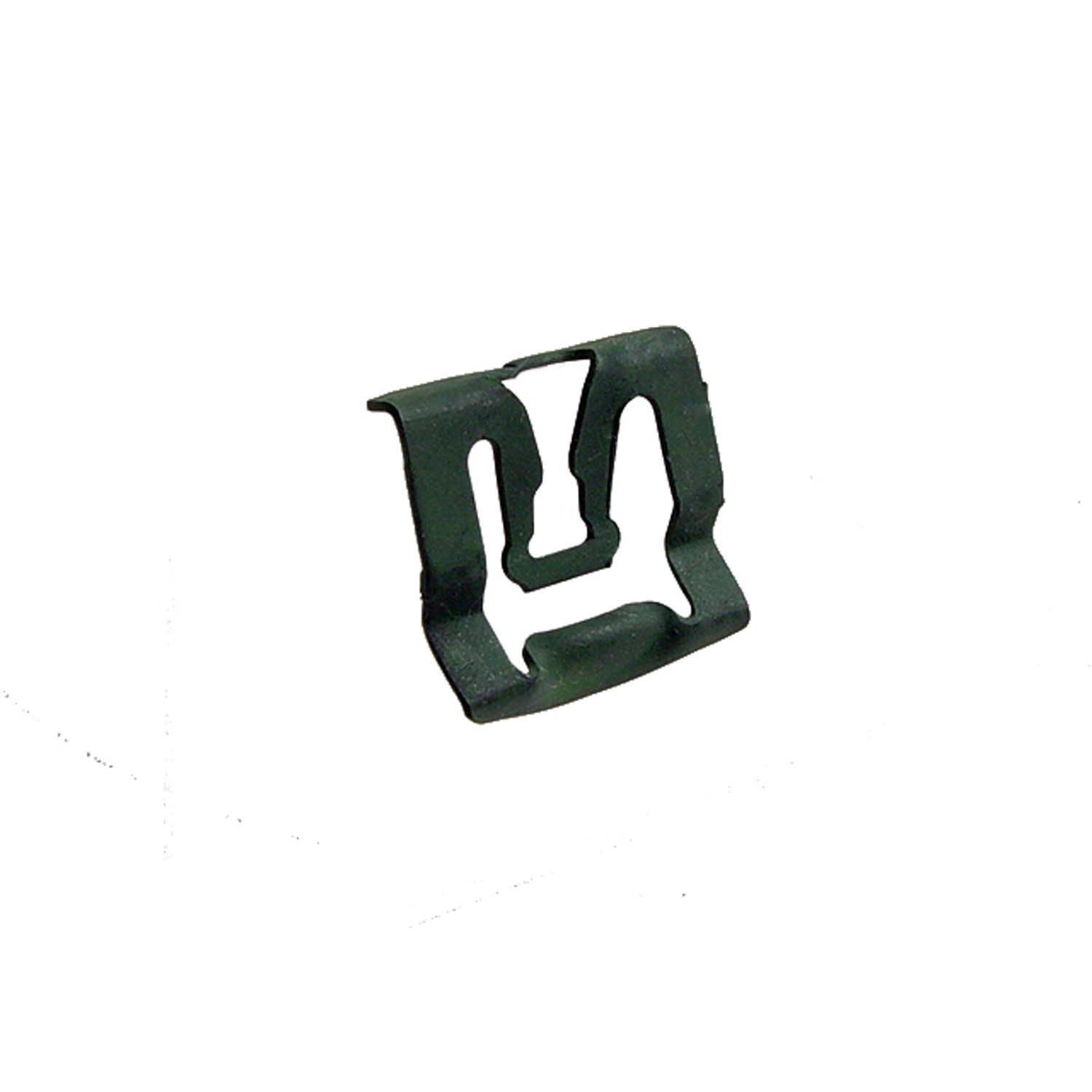 1980 Ford Mustang Windshield Reveal Molding Clip. Made of steel. Each-WF 228-AWindshield Reveal Molding Clip. Made of steel. Each
Why Choose Metro?
For over 100 years, Metro Moulded Parts has been the pinnacle of quality in classic car restoration parts. Our commitment to precision and authenticity in every component ensures a perfect fit and an OEM-level appearance.
- Expert Craftsmanship & Quality: Each part is a testament to our dedication to reliability and perfection, crafted from original designs and thoroughly tested.
- Advanced Technology: We use cutting-edge techniques to create flawless, long-lasting parts that surpass others in performance.
- SuperSoft Sponge – The Ultimate Door Seal: Not only are our door seals 30% softer than competitors', but they're also guaranteed to never leak. They effectively reduce wind and road noise, enhancing your classic car's comfort and driving experience.
- Proudly American: Our parts are a product of American craftsmanship, made in the USA with a spirit of excellence and heritage.
- Unrivaled Warranty: We back our products with a 30-year industry-leading warranty, a testament to our confidence in their quality.
Join us in preserving the legacy of classic cars with parts that are crafted for perfection, not just made.