

Image of 1981 Ford Courier, Note: These illustrations use artistic license and may differ from actual historical models.
Performance Metrics
Fundamental Metrics
Emotional Appeal
MMP Rating
| Engine Specifications | |
|---|---|
| Engine: | 2.0L I4, 2.3L I4 |
| Displacement: | 122-140 cu in. |
| Horsepower: | 74-88 hp |
| Torque: | 101-118 lb-ft |
| Compression Ratio: | 8.2:1 - 8.6:1 |
| Ignition System: | Electronic |
| Cooling System: | Liquid-cooled |
| Performance Specifications | |
| 0-60 Time: | Estimated 15-20 seconds |
| 1/4 Mile Time: | Estimated 20-25 seconds |
| Top Speed: | 85-90 mph |
| Transmission and Drive | |
| Drive Type: | Rear-wheel drive |
| Transmission Type: | 4-speed manual, 3-speed automatic |
| Fuel and Efficiency | |
| Fuel System Type: | Carburetor |
| MPG: | 20-25 mpg |
| Dimensions and Brakes | |
| Brakes: | Front disc, rear drum |
| Wheelbase: | 109.9 in. |
| Weight: | 2,800-3,000 lbs |
Note: Specifications for classic cars are given to the best of our ability, considering the limited and variant data available.
1981 Ford Courier: The Compact Pickup That Bridged Two Brands
The 1981 Ford Courier brought big-truck usefulness to a small, economical package, with Mazda engineering beneath a familiar Ford face. At a time when fuel costs and city streets were encouraging buyers to rethink full-size pickups, the Courier offered a practical alternative: a modest footprint, a usable cargo bed, and straightforward mechanicals.
The Courier was built by Mazda in Japan and sold in North America through Ford dealerships. It was part of a long-running Ford-Mazda arrangement that put a Mazda-based compact pickup into Ford’s lineup. The 1981 model belonged to the Courier’s final generation in the United States. After the 1982 model year, Ford replaced it with the domestically developed Ranger, a shift that made this little truck a bridge between imported compact pickups and Ford’s own compact-truck family.
One intriguing detail is that the Courier was not simply a small Ford designed from the ground up. Its underlying engineering came from Mazda’s B-Series trucks, while Ford supplied the branding and dealership network. That partnership helped Ford compete in a fast-growing segment without having to create a compact pickup from scratch.
Squared-Off Style and Practical Details
The 1981 Courier wore the clean, functional look typical of early-1980s pickups. Its cab was upright and narrow, with a broad, squared grille, simple headlamps, straight body lines, and modest bumpers. The proportions were unmistakably truck-like, but the shorter overall footprint made it easier to park and maneuver than a full-size pickup. Ford badging gave the front end a familiar showroom identity, while the truck’s compact dimensions reflected its Mazda roots.
Inside, the Courier prioritized usefulness over decoration. The cabin was straightforward, with a simple instrument panel, clear gauges, durable door trim, and hard-wearing upholstery. Depending on specification, buyers could find vinyl seating or cloth inserts, along with practical options such as a radio, upgraded trim, and air conditioning. The materials were built for everyday use rather than luxury, and the upright seating position gave the driver a good view over the hood and down the sides of the truck.
Equipment varied by market and trim. Buyers could choose a manual transmission, with automatic transmission availability depending on configuration. Some trucks had basic, work-focused interiors, while others were optioned for more comfortable commuting. The Courier’s technology was conventional for the period: a carbureted four-cylinder engine, mechanical controls, and familiar analog instruments. It did not offer the electronic driver aids or infotainment expected in a modern pickup, but its simple systems were part of its appeal.
Color choices varied by year and region. Period offerings commonly included practical shades such as white, red, blue, silver, and earth-toned browns or tans. White and red are especially recognizable on surviving trucks, though condition and original paint codes matter more to collectors than any single color. The main body style was a regular-cab pickup, offered with different bed configurations depending on the market and equipment. The regular-cab short-bed look is the most familiar and iconic Courier profile.
Why the Courier Mattered
The Courier arrived during the rise of the compact pickup. Japanese manufacturers had established that a smaller truck could serve tradespeople, small businesses, and private owners who did not need a heavy-duty domestic pickup. Ford’s answer was to sell a proven Mazda design through its own dealer network. That approach gave Ford a competitive compact truck while it developed a longer-term product strategy.
What set the Courier apart from many larger American pickups was its scale and efficiency. It was easier to thread through tight streets, used less fuel than a full-size truck, and still offered an open bed for tools, lumber, camping gear, or household projects. It also helped normalize the idea that a pickup could be an everyday vehicle rather than solely a worksite machine.
The Courier’s legacy is closely tied to the Ford Ranger. When the Ranger debuted for 1983, Ford moved from a rebadged imported truck to a compact pickup designed for its own lineup. The Courier therefore occupies a useful place in Ford history: it helped hold the segment while compact trucks became a permanent part of the North American market.
Engine, Speed, and Road Manners
Engine and equipment details can vary by market and production specification. North American 1981 Couriers were generally fitted with a four-cylinder engine, with 2.0-liter Mazda and 2.3-liter Ford engine configurations associated with the Courier range around this period. Output was modest by modern standards, broadly in the neighborhood of 75 to 90 horsepower depending on engine and tune. A four-speed manual was common, while other transmission choices depended on configuration.
Period performance was leisurely. A well-maintained truck typically takes roughly 15 to 20 seconds to reach 60 mph, and a realistic top-speed range is about 80 to 90 mph. These are approximate figures, not a guarantee for every truck: engine choice, gearing, load, altitude, condition, and tire size all make a difference. The Courier was designed to carry practical loads economically, not to win stoplight contests.
On the road, the Courier feels light and direct. Its compact size makes it easy to place in traffic and simple to park, while rear-wheel drive gives it the traditional pickup layout. The front suspension is independent, and the rear uses a solid axle with leaf springs, a combination that suits a working truck. With an empty bed, the rear can hop or feel busy over sharp bumps. Add a sensible load and the ride often settles down.
On winding roads, the Courier feels more nimble than a full-size pickup, though its narrow track, light weight, and period tires call for measured driving. In crosswinds or when passing large vehicles, the compact truck can be pushed around more than a heavier modern pickup. The engine works audibly when asked to accelerate, producing a straightforward four-cylinder growl rather than a refined modern hum. The driver gets a mechanical, connected experience: simple controls, clear feedback, and few layers between the road and the cab.
Living With a 1981 Courier
Today, Couriers suit a range of roles. A solid example can be a weekend runabout, a light-duty work truck, a vintage camping companion, or a compact pickup for car shows. Some owners restore them to factory appearance, while others keep them as honest drivers. They are not common racing platforms, and their appeal is more about period character and utility than high performance.
Routine maintenance is generally approachable for an owner who is comfortable with basic mechanical work. The engine bay is relatively uncomplicated, and many service tasks involve familiar items such as ignition parts, belts, hoses, brakes, and carburetor adjustments. Parts availability is mixed: common wear items may be obtainable through general parts suppliers, but model-specific trim, body panels, and original interior pieces can take more searching. Mazda-based mechanical components may also require careful identification by year and specification.
Rust is the main ownership concern. Inspect the cab corners, floor pans, bed, wheel arches, frame, and areas around the windshield and body seams. Also check for worn suspension components, tired steering parts, and signs of hard work or neglected repairs. A clean, structurally sound Courier is usually a better buy than a cheap truck with serious corrosion, since sheet metal and cosmetic parts can be harder to source than routine mechanical components.
Courier Trivia and Common Criticisms
The Courier’s most notable historical milestone is its place as Ford’s compact pickup immediately before the Ranger arrived. It does not have a widely recognized speed record or endurance achievement, and there is no especially famous celebrity connection that defines the model. Its significance is quieter but real: it helped Ford maintain a presence in the compact-truck market during a period of major change.
Exact production totals for the 1981 model are not consistently published in commonly available references. As a rough estimate, U.S. sales and production for the model year may have been in the tens of thousands, perhaps around 30,000 to 50,000 trucks. That estimate should not be treated as a verified factory figure. The broader Courier range sold in substantial numbers, but surviving examples are now much less visible because many were used hard, exposed to rust, or simply driven until they wore out.
Common criticisms are predictable: modest acceleration, a basic cabin, limited modern safety and comfort features, and a light rear end that can feel unsettled when the bed is empty. The truck’s compact size also limits its payload and towing usefulness compared with larger pickups. Those trade-offs were part of the design brief, not hidden flaws. The Courier was made to be economical and handy, not a heavy-duty hauler.
Collector Value and Market Outlook
The Courier remains an accessible classic compared with many vintage pickups. As a broad U.S. market estimate, a project truck or rough driver might sell for about $1,500 to $4,000. A sound, usable example in decent condition may fall around $4,000 to $8,000, while a clean, well-preserved or carefully restored truck could bring roughly $8,000 to $15,000 or more. Exceptional examples, unusual original specifications, and strong documentation can influence the price, while serious rust can sharply reduce it.
These are approximate ranges rather than a formal valuation. Local demand, originality, engine and transmission configuration, condition, and the quality of any restoration all matter. Couriers are not especially rare as a model, but good survivors are increasingly hard to find. Their small size and straightforward design have attracted interest from compact-truck fans, though they have not generally reached the prices commanded by some Toyota pickups or iconic domestic muscle-era trucks.
Values have generally strengthened for clean, original vintage compact pickups, but the Courier’s market remains selective. The best examples are likely to appreciate gradually as rust-free survivors become scarcer. Rough trucks are more likely to remain affordable projects, especially when restoration costs exceed the value of the finished vehicle.
A Small Truck With a Lasting Role
The 1981 Ford Courier paired Mazda engineering with Ford’s name at a moment when compact pickups were becoming essential to the North American market. It offered simple mechanicals, useful cargo space, easy maneuverability, and a distinctly no-nonsense driving experience. It was not fast or luxurious, but it helped define what a practical small truck could be.
For collectors, the Courier is a rewarding reminder of the years before the Ranger, when Ford relied on a clever international partnership to meet changing buyer needs. Its legacy lives on in every compact pickup that tries to balance everyday comfort with genuine utility.
1981 Ford Courier Catalog of Parts
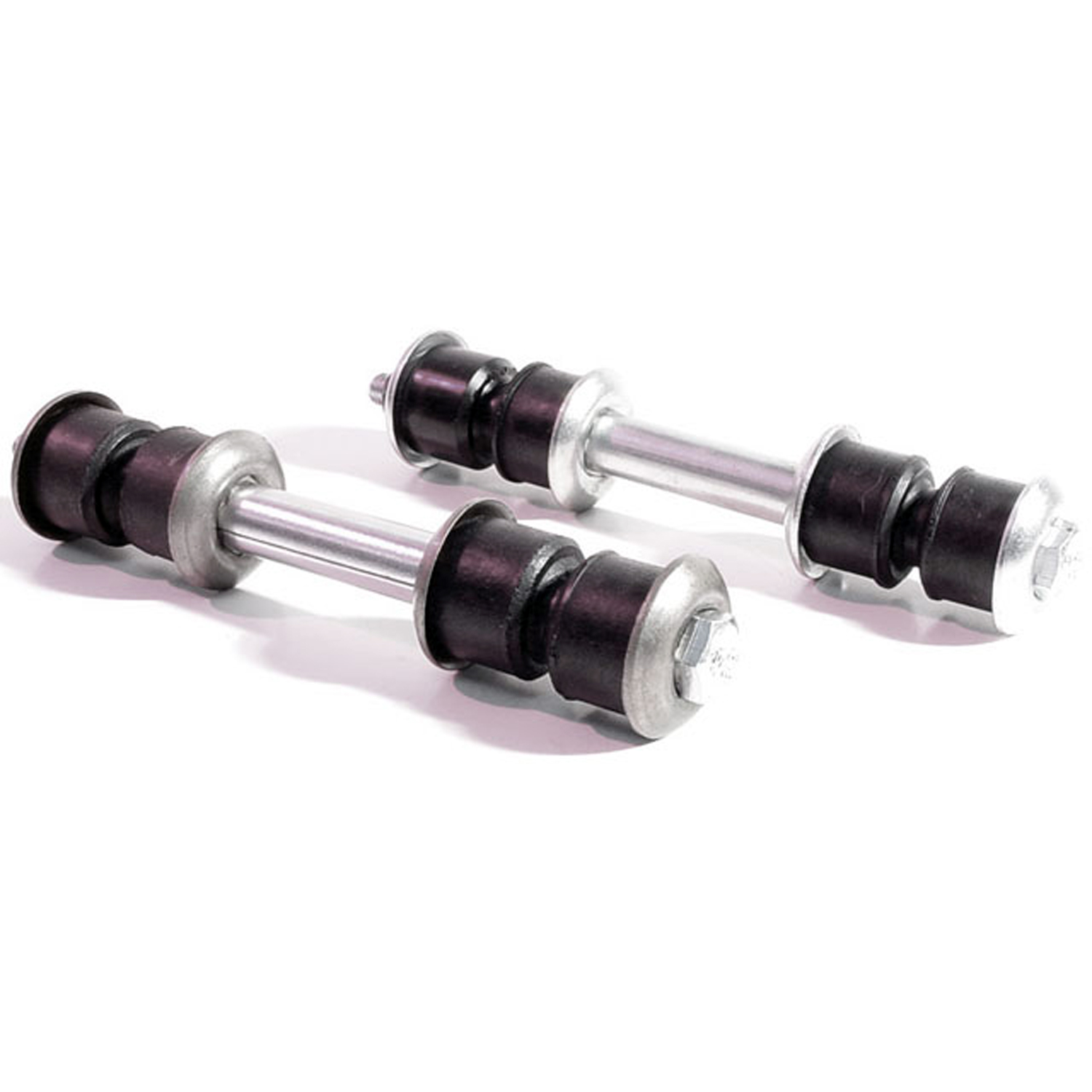 1981 Ford Courier Front Stabilizer End Repair Kit-BNK 24Front Stabilizer End Repair Kit. 22-piece set for two stabilizer bars. Contains all rubber bushings, washers, bolts and nuts, enough for one front end. Set
Why Choose Metro?
For over 100 years, Metro Moulded Parts has been the pinnacle of quality in classic car restoration parts. Our commitment to precision and authenticity in every component ensures a perfect fit and an OEM-level appearance.
- Expert Craftsmanship & Quality: Each part is a testament to our dedication to reliability and perfection, crafted from original designs and thoroughly tested.
- Advanced Technology: We use cutting-edge techniques to create flawless, long-lasting parts that surpass others in performance.
- SuperSoft Sponge – The Ultimate Door Seal: Not only are our door seals 30% softer than competitors', but they're also guaranteed to never leak. They effectively reduce wind and road noise, enhancing your classic car's comfort and driving experience.
- Proudly American: Our parts are a product of American craftsmanship, made in the USA with a spirit of excellence and heritage.
- Unrivaled Warranty: We back our products with a 30-year industry-leading warranty, a testament to our confidence in their quality.
Join us in preserving the legacy of classic cars with parts that are crafted for perfection, not just made.