
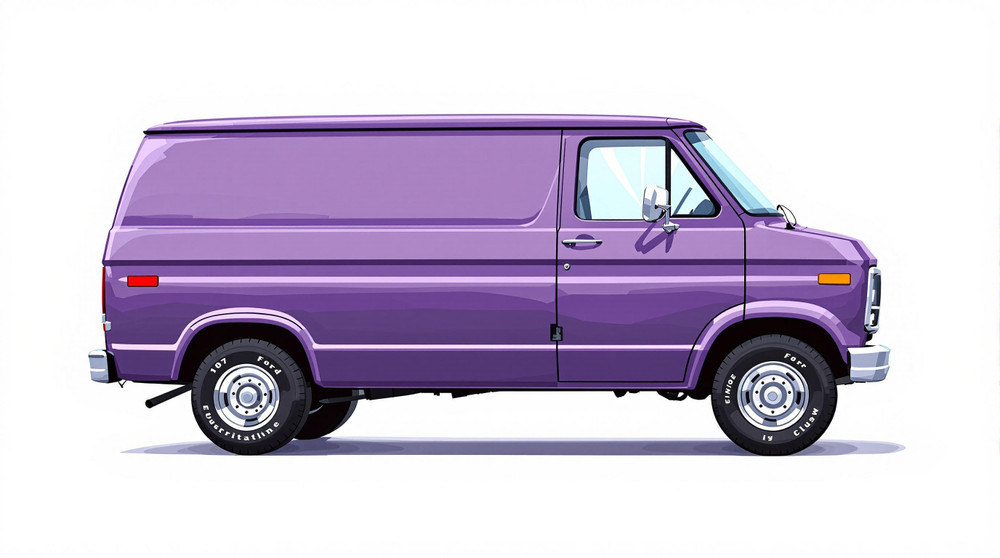
Image of 1981 Ford E-100 Econoline, Note: These illustrations use artistic license and may differ from actual historical models.
Performance Metrics
Fundamental Metrics
Emotional Appeal
MMP Rating
| Engine Specifications | |
|---|---|
| Engine Options: | 4.9L Inline 6, 5.0L V8, 5.8L V8, 6.6L V8, 7.5L V8 |
| Displacement Range: | 4.9L - 7.5L |
| Horsepower Range: | 115-225 HP |
| Torque: | 223-357 lb-ft |
| Compression Ratio: | 8.0:1 - 8.4:1 |
| Ignition System: | Distributor |
| Cooling System: | Liquid cooled |
| Performance Specifications | |
| 0-60 Time: | 11-15 seconds |
| 1/4 Mile Time: | 18-20 seconds |
| Top Speed: | 85-100 mph |
| Transmission and Drive | |
| Drive Type: | Rear-wheel drive |
| Transmission Type: | 3-speed automatic, 4-speed manual |
| Fuel and Efficiency | |
| Fuel System Type: | Carburetor |
| MPG: | 10-15 mpg |
| Dimensions and Brakes | |
| Brakes: | Front disc, rear drum |
| Wheelbase: | 124.0 inches |
| Weight: | 4,500-5,500 lbs |
Note: Specifications for classic cars are given to the best of our ability, considering the limited and variant data available.
1981 Ford E-100 Econoline: A Full-Size Van with Working-Class Roots
The 1981 Ford E-100 Econoline was built for hauling people, tools, and just about anything else that would fit through its wide rear doors. Compact by full-size van standards but unmistakably American in character, it belonged to Ford’s third-generation Econoline family, a line that had evolved from a practical alternative to car-based vans into a durable, truck-based workhorse.
Ford introduced the Econoline in 1961, and by 1981 the formula had matured: a separate body and frame, a front-mounted engine tucked beneath a large interior doghouse, and a range of configurations for business and personal use. The E-100 was the light-duty, half-ton member of the family. Its smaller payload rating made it a natural fit for light commercial work, family transport, and camper conversions.
The year 1981 also marked a significant change in the way Americans bought vehicles. Fuel prices and emissions rules had pushed manufacturers toward more efficient engines, while businesses still needed practical cargo capacity. The E-100 answered with a traditional, adaptable van rather than a sleek new design. One appealing detail is that an Econoline could begin life as a plain cargo hauler and later be transformed into a passenger van, camper, or custom cruiser, giving the model a remarkably broad afterlife.
Square Shoulders and a Practical Cabin
The 1981 E-100 wore the straightforward, squared-off styling that defined late-1970s and early-1980s American vans. Its tall roof, broad sides, upright windshield, and nearly vertical rear doors prioritized usable space over aerodynamic flair. A wide grille and rectangular front lamps gave the nose a purposeful, truck-like face, while the short front end kept the overall shape compact for a full-size van.
Inside, the Econoline was designed around function. The driver sat high, with a commanding view over the hood and a broad windshield that made it easier to judge the van’s corners. The engine doghouse occupied space between the front seats, a familiar feature of conventional vans that also brought engine heat and noise into the cabin. Durable vinyl upholstery and hard-wearing trim were common in work-oriented examples. Better-equipped passenger vans could add upgraded seating, carpeting, trim, and comfort features, depending on the configuration.
Equipment varied with the original order. Power steering and power brakes were available, as were conveniences such as air conditioning and an AM radio. Compared with a modern van, the technology was simple: conventional gauges, physical switches, and no electronic driver aids. That simplicity is part of the appeal today. There is little to distract from the basic business of driving, although the lack of modern safety and comfort features is worth remembering.
Ford offered the E-100 in practical cargo and passenger-oriented forms within the wider Econoline and Club Wagon range. Cargo models used solid side panels or optional windows, while passenger versions brought additional side glass and seating. Conversion companies also turned vans into campers and recreational vehicles. The plain cargo van remains the most recognizable work configuration, while a well-preserved passenger or period camper conversion often attracts extra attention from enthusiasts.
Factory colors varied by year and specification, with solid fleet-friendly shades such as white, red, blue, and earth tones typical of the era. White was a particularly common choice for commercial vans because it suited company graphics and was easy to maintain. Custom two-tone paint and elaborate striping are now strongly associated with the wider van culture of the period, though many such finishes were applied by dealers or conversion shops rather than being unique E-100 factory editions.
Why the E-100 Mattered
The E-100 was not a breakthrough in the way a new sports car might be, but its importance lies in its flexibility. Ford’s full-size van platform served tradespeople, delivery fleets, families, shuttle operators, and recreational vehicle builders. The sturdy body-on-frame construction and broad range of configurations made it easier to adapt the van to different jobs than a more specialized vehicle.
By 1981, the Econoline had helped establish the full-size van as a mainstream American tool and lifestyle vehicle. It offered more enclosed cargo space than a pickup, with the option of carrying passengers in relative comfort. Its truck-based layout also set it apart from smaller, car-derived vans. The E-series would continue to develop over many years, and the Econoline name became so familiar that it remained part of Ford’s commercial-vehicle identity long after this particular generation had passed.
Its lasting influence is practical rather than glamorous: the E-100 helped prove that one basic platform could serve as a work van during the week and a family hauler or camper on the weekend. That versatility is still central to how buyers think about full-size vans.
Engine Choices and Road Manners
Engine availability depended on the exact model and factory configuration. The 4.9-liter inline-six, commonly known as Ford’s 300, was a well-regarded choice for low-speed pulling and everyday durability. V8 options were also available in the Econoline range, with the exact engine depending on specification and market. These were carbureted, truck-oriented powertrains, not modern fuel-injected engines. Transmission and axle gearing also affected how an individual van performed.
Period acceleration figures are not consistent across configurations, and surviving vans may have different engines, transmissions, tires, or conversion weight. As a broad estimate, a stock E-100 might take roughly 14 to 20 seconds to reach 60 mph. A plausible top speed is around 85 to 95 mph, although the van is most comfortable at moderate highway speeds rather than being pushed toward its limit. Those figures should be treated as estimates, not a guarantee for every 1981 E-100.
The driving experience is distinctly old-school. The engine’s low, steady note comes through the doghouse, and the tall seating position gives the driver a commanding view of traffic. Steering and braking feel more substantial than in a modern minivan, and the van’s large turning circle requires planning in tight spaces. Its Twin I-Beam front suspension was designed for truck-like durability, while the body-on-frame construction contributed to a solid, work-ready feel.
On smooth pavement, the E-100 feels planted for a van of its era. Over broken roads, its ride can be firm, especially when lightly loaded; a cargo van with a stiff suspension may bounce more than a passenger model. Crosswinds and winding roads demand attention because the tall body presents a large side area and carries its weight higher than a passenger car. It is capable on ordinary roads, but it rewards measured inputs rather than fast cornering.
Owning and Maintaining a 1981 Econoline
Today, an E-100 can serve as a weekend classic, a work vehicle, a camper project, or a show van. Original commercial vans are often valued for their honest, utilitarian character, while passenger versions and customized examples can make memorable event and road-trip vehicles. It is not a sensible choice for anyone expecting modern fuel economy, quietness, or car-like handling, but it offers a distinctive experience that newer vans cannot quite duplicate.
Mechanical repairs are generally approachable for an experienced home mechanic. The engines and driveline use conventional technology, and many routine service tasks are straightforward. Parts support is reasonably good for common Ford truck components, though trim pieces, body panels, original interior parts, and exact E-100-specific details can take more searching. The engine doghouse can make some service jobs less convenient, and a van’s size can complicate work that would be simple on a smaller vehicle.
Rust and neglect are bigger concerns than the basic design. Inspect the frame, floor, rocker panels, wheel openings, door bottoms, and windshield area carefully. Check the brakes, steering components, cooling system, transmission, and electrical wiring. A van that has spent years as a work vehicle may have hidden damage or makeshift repairs, while a camper conversion can conceal leaks beneath interior panels. A thorough inspection is especially important because restoration costs can quickly exceed the value of an ordinary example.
Van-Culture Trivia and Common Complaints
The Econoline’s appeal stretched well beyond commercial fleets. During the 1970s and early 1980s, custom vans became a recognizable part of American popular culture, with plush interiors, bold paint, shag carpeting, and elaborate graphics. Not every E-100 received that treatment, but the model family was an ideal canvas for the trend. Today, period-correct custom vans can draw more attention than a standard work van, especially at classic-car gatherings.
There is no widely recognized 1981 E-100 speed, endurance, or production record that defines the model. Nor is it known for a single celebrity-owned edition. Its significance is more grounded: millions of people encountered Econolines through work, family travel, deliveries, and recreation. Ford did not publish an easily accessible production total specifically for every E-100 configuration, so precise model-year numbers are difficult to verify.
Common criticisms are familiar to anyone who has driven an older full-size van: heavy steering in poorly maintained examples, modest acceleration, high fuel consumption by modern standards, wind sensitivity, and a noisy cabin. The engine doghouse can also make the front seating area feel warm. Those drawbacks are part of the trade-off for a durable, spacious vehicle built with straightforward mechanical systems.
Collector Value and Market Outlook
Values vary widely according to rust, mechanical condition, body style, originality, and the quality of any conversion. As a general U.S. market guide, a rough project might sell for about $2,000 to $6,000. A usable driver in fair-to-good condition could fall around $7,000 to $15,000, while a clean, well-restored, or appealingly customized example may bring roughly $18,000 to $35,000 or more. Exceptional camper conversions and show-quality builds can exceed that range, but they are not representative of ordinary vans.
The E-100 is less common on the collector market than many passenger cars, partly because commercial vehicles were often used hard and scrapped when their working lives ended. Still, it is not a rare exotic. Clean examples appear intermittently, with solid, unmodified vans becoming harder to find than project vehicles. A precise 1981 E-100 production figure is not readily documented; as a cautious working estimate rather than a factory statistic, perhaps 15,000 to 30,000 may have been built. That estimate is uncertain because production records are not consistently separated by model, body style, and configuration.
Prices for classic vans have generally benefited from renewed interest in period campers and custom builds, but condition remains the deciding factor. The E-100 is not usually an investment-grade collectible, and rough examples can remain inexpensive. The best prospects are rust-free vans with documented history, appealing original details, or professional conversions. In other words, buy the van you want to use, and treat any future appreciation as a bonus.
A Practical Classic with Plenty of Personality
The 1981 Ford E-100 Econoline combines a simple, truck-based design with the flexibility that made Ford’s full-size vans so useful. Its square styling, conventional engines, roomy body, and adaptable layouts made it a natural choice for businesses and families alike. It is slow by modern standards, thirsty compared with newer vans, and less refined than a contemporary passenger vehicle, but it is also approachable, durable, and full of character.
Whether restored as a clean cargo van, revived as a camper, or kept as a working classic, the E-100 tells an unmistakably American story of utility and reinvention. It was built to carry the load, and decades later, that honest purpose is exactly what makes it memorable.
1981 Ford E-100 Econoline Catalog of Parts
 1981 Ford E-100 Econoline Brake Pedal Pad. 4-3/4" wide X 2-1/4" long-CB 111-NBrake Pedal Pad. 4-3/4" wide X 2-1/4" long. Replaces OEM #'s BC3Z2457B, D3TZ2457A, D3TZ2457B. Each
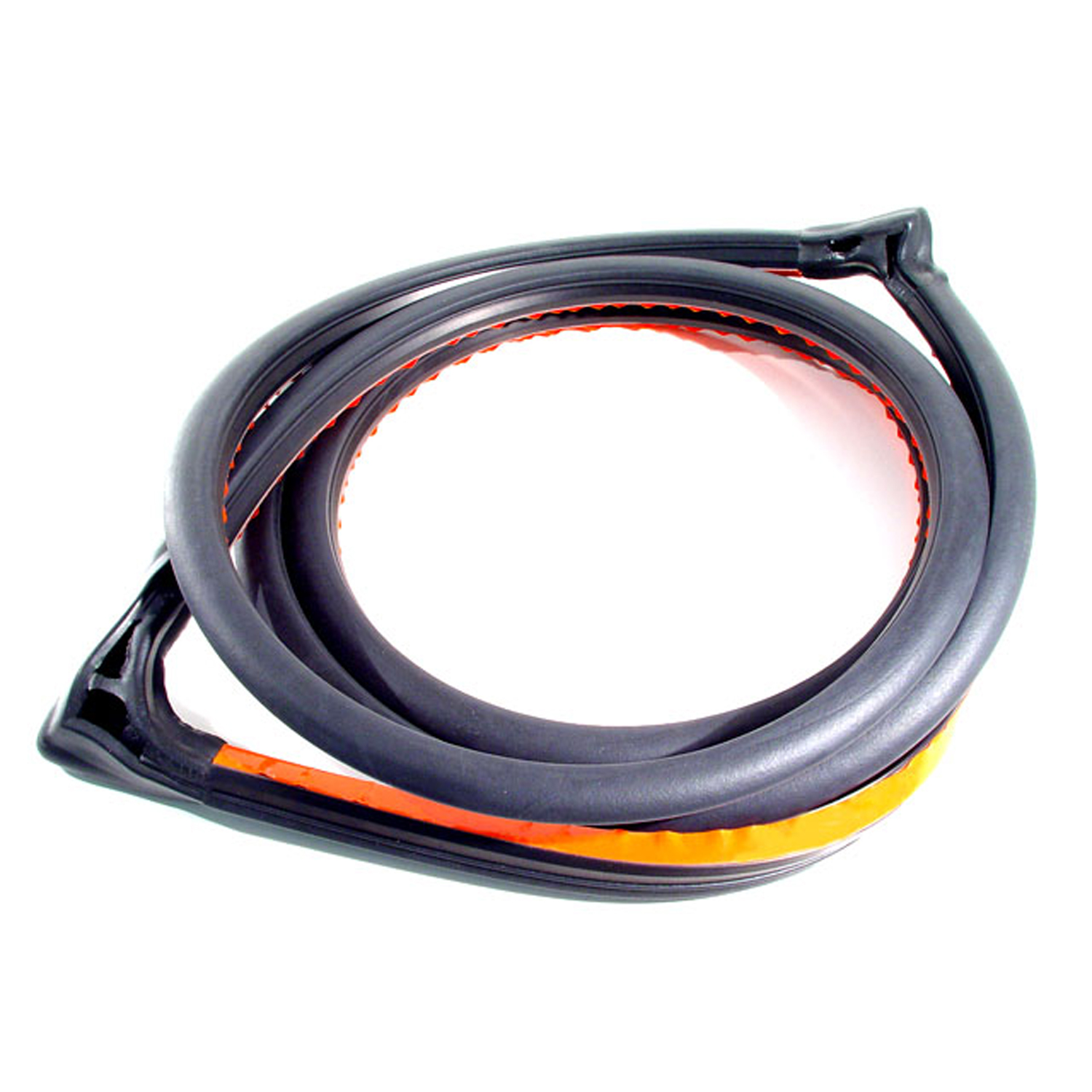 1981 Ford E-100 Econoline Front Side Cargo Door Seal-LM 110-VAFront Side Cargo Door Seal (fits front right side of cargo door). Replaces OEM #E9UZ 1525324 B. For rear (left side) matching seal, see LM 110-VB. Each
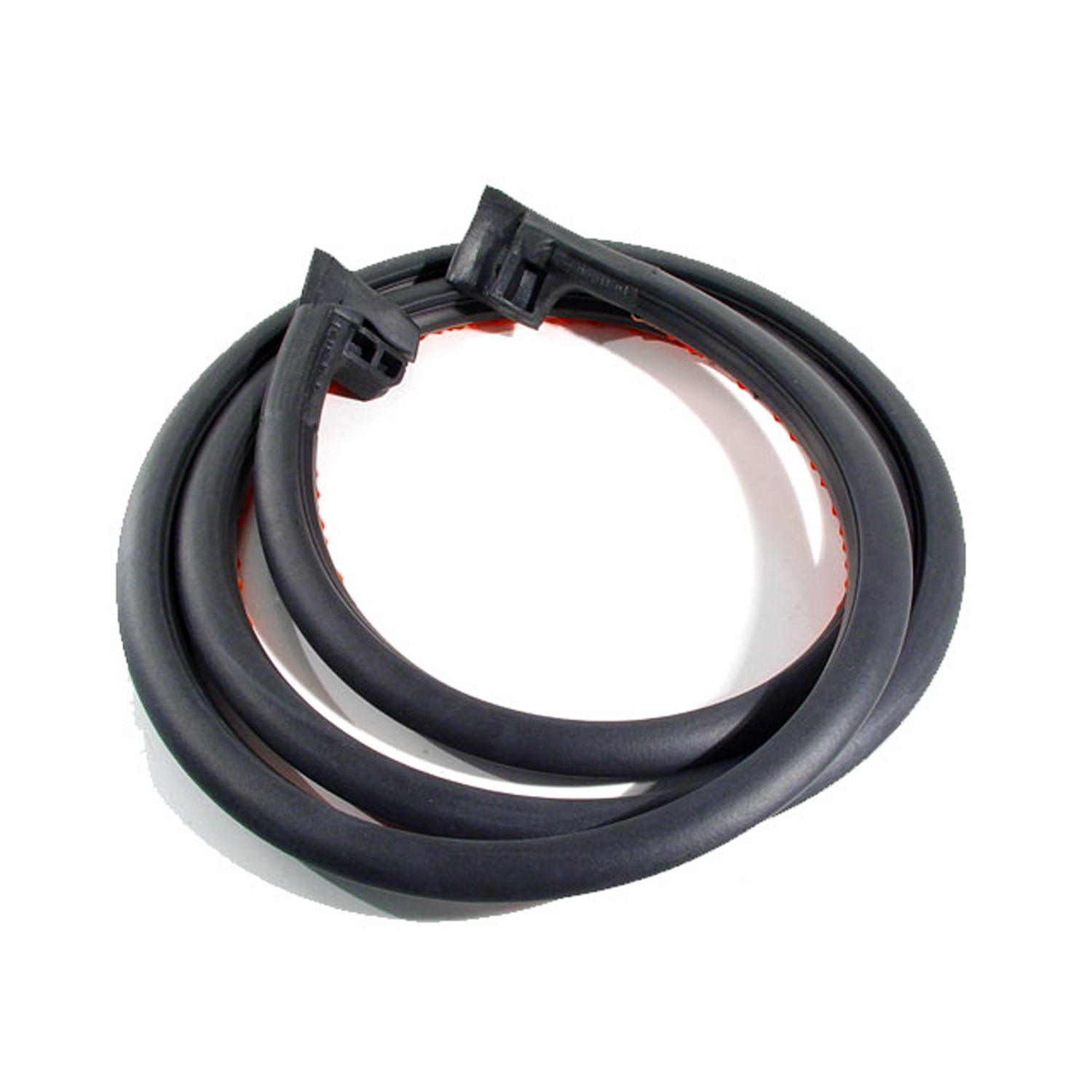 1981 Ford E-100 Econoline Rear Side Cargo Door Seal-LM 110-VBRear Side Cargo Door Seal (fits rear left side of cargo door). Replaces OEM #E9UZ 1525325 B. For front (right side) matching seal, see LM 110-VA. Each
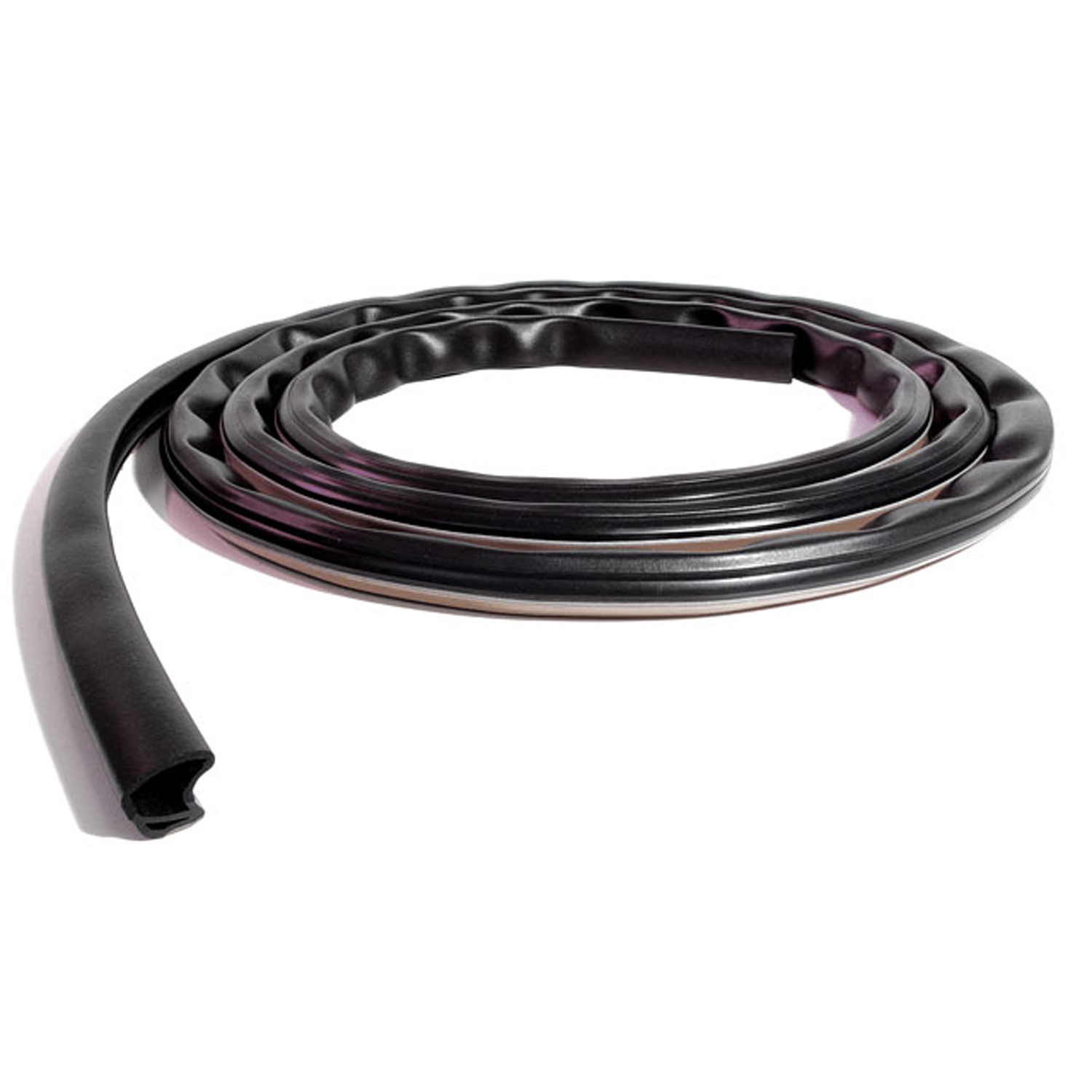 1981 Ford E-100 Econoline Left Front (drivers side) Door Seal. Each-LM 110-VLLeft Front (drivers side) Door Seal. Each
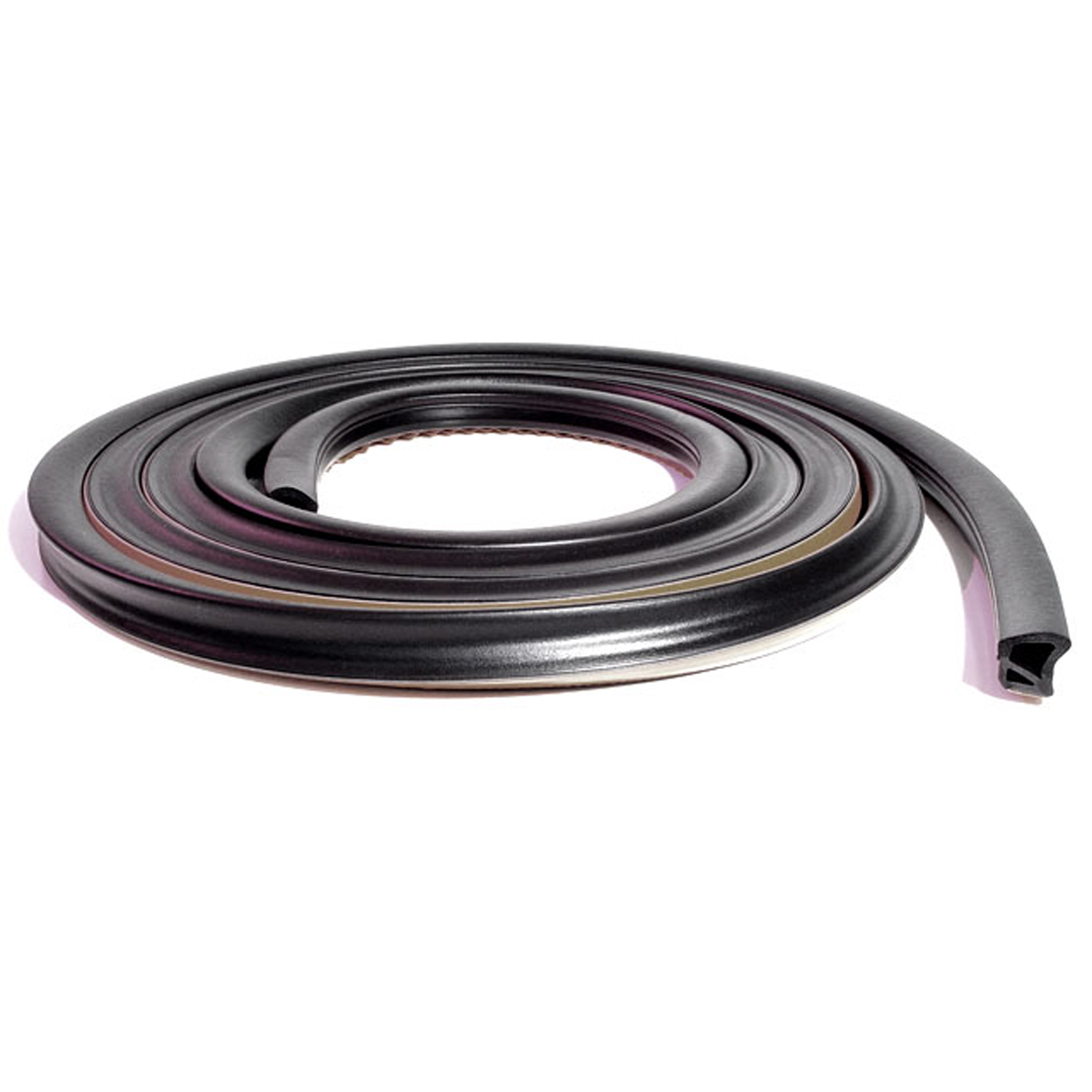 1981 Ford E-100 Econoline Right Front (passenger side) Door Seal. Each-LM 110-VRRight Front (passenger side) Door Seal. Each
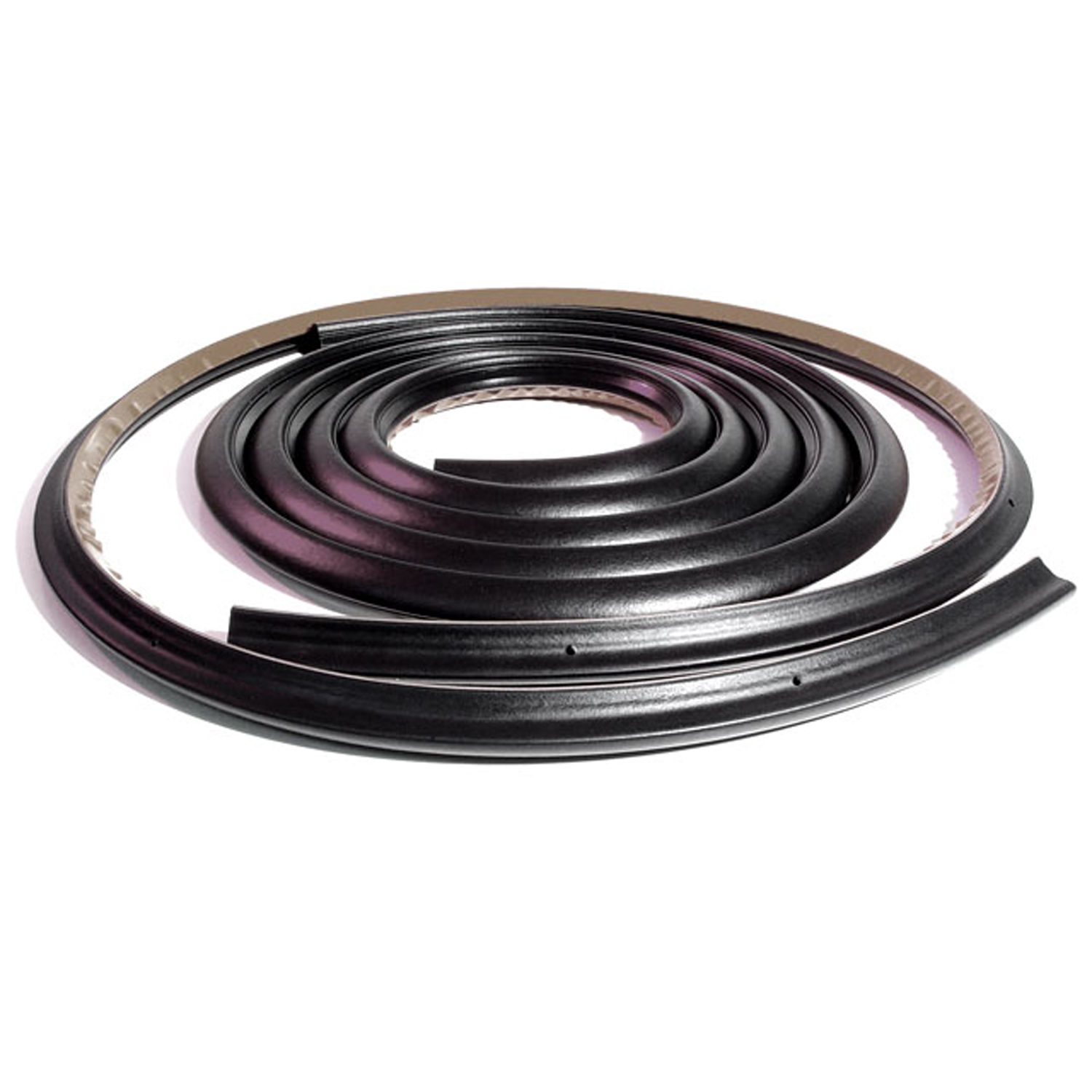 1981 Ford E-100 Econoline Side Slider Door Seal. Each-LM 110-VSSide Slider Door Seal. Each
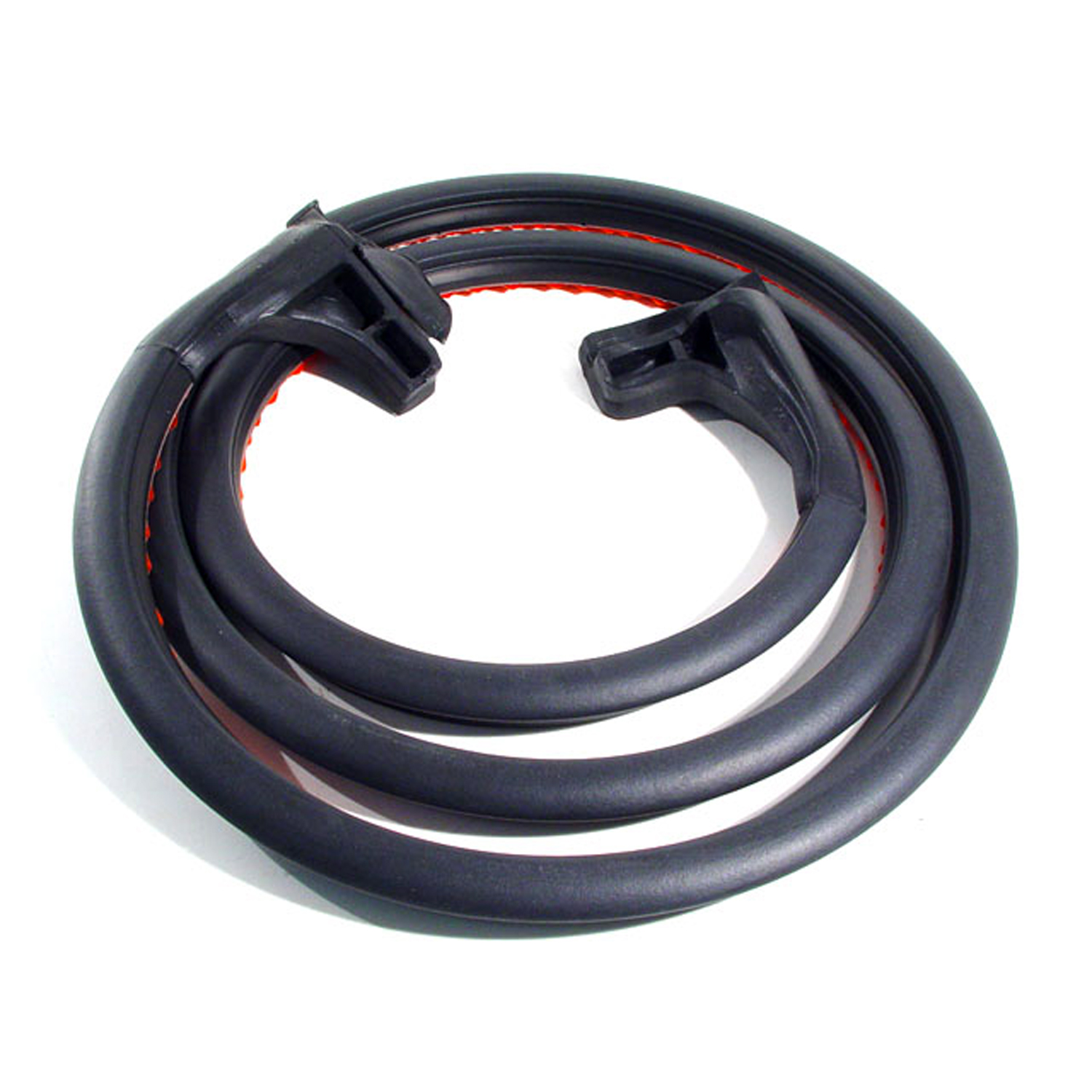 1981 Ford E-100 Econoline Left Rear Door Seal (Drivers Side)-LM 110-VTLeft Rear Door Seal (Drivers Side). Replaces OEM #E9UZ 1543723 A. Each
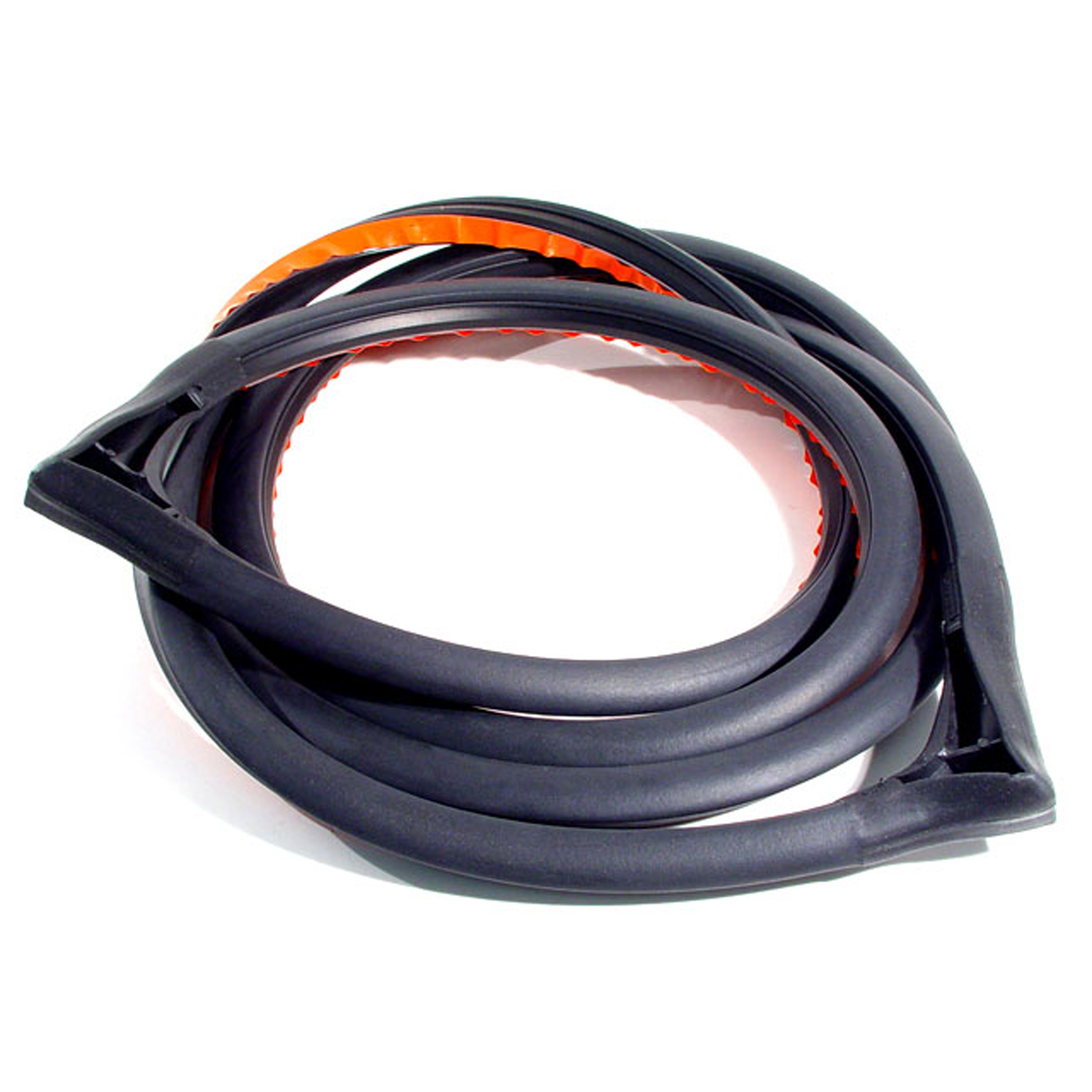 1981 Ford E-100 Econoline Right Rear Door Seal (Passenger Side)-LM 110-VURight Rear Door Seal (Passenger Side). Replaces OEM #F0UZ 1543722 A. Each
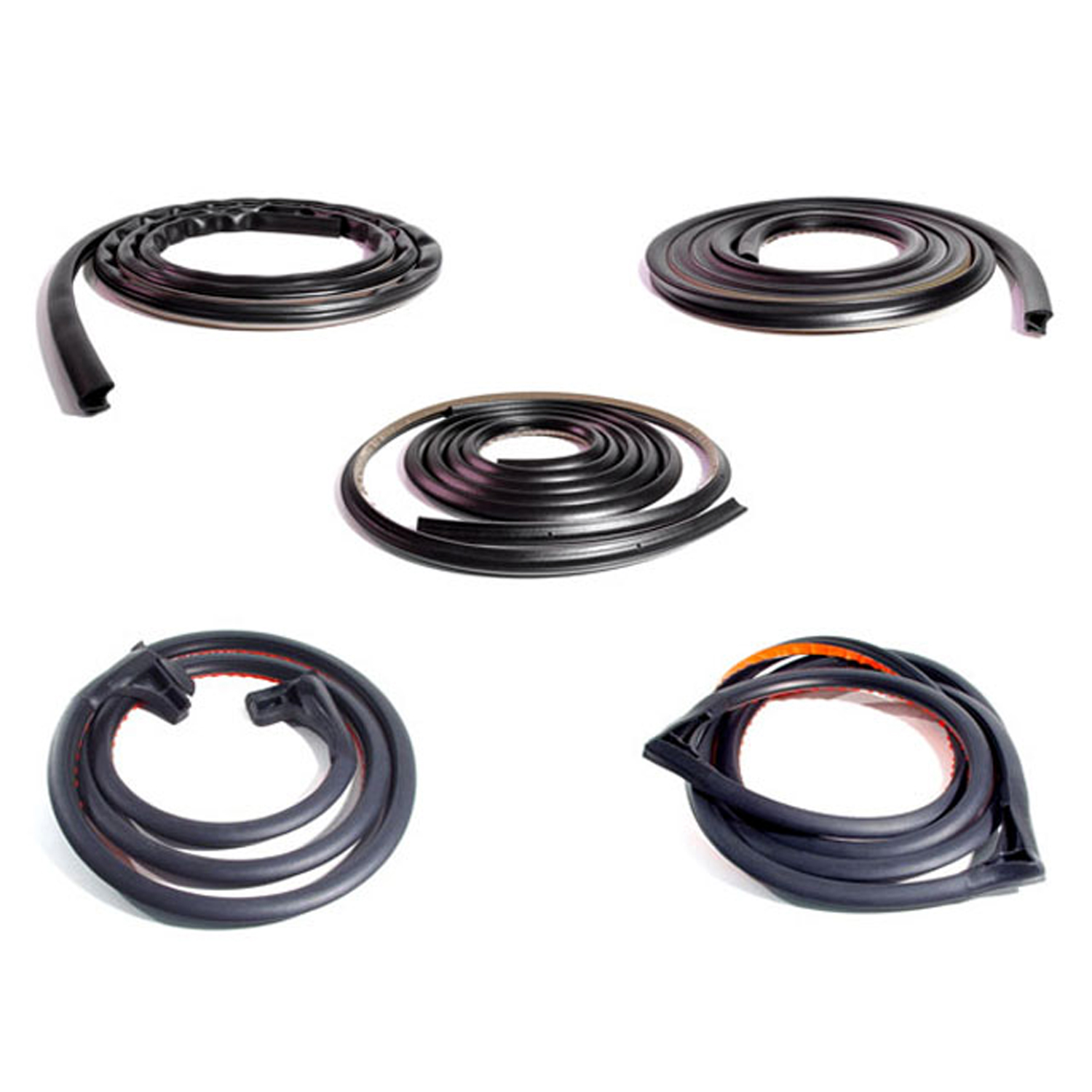 1981 Ford E-100 Econoline Basic Kit, for Models with Side Sliding Door-RKB 3000-100Basic Kit, for Models with Side Sliding Door. Front Left Door (LM 110-VL), Front Right Door (LM 110-VR), Back Left Door (LM 110-VT), Back Right Door (LM 110-VU), Side Sliding Door (LM 110-VS) Seals.
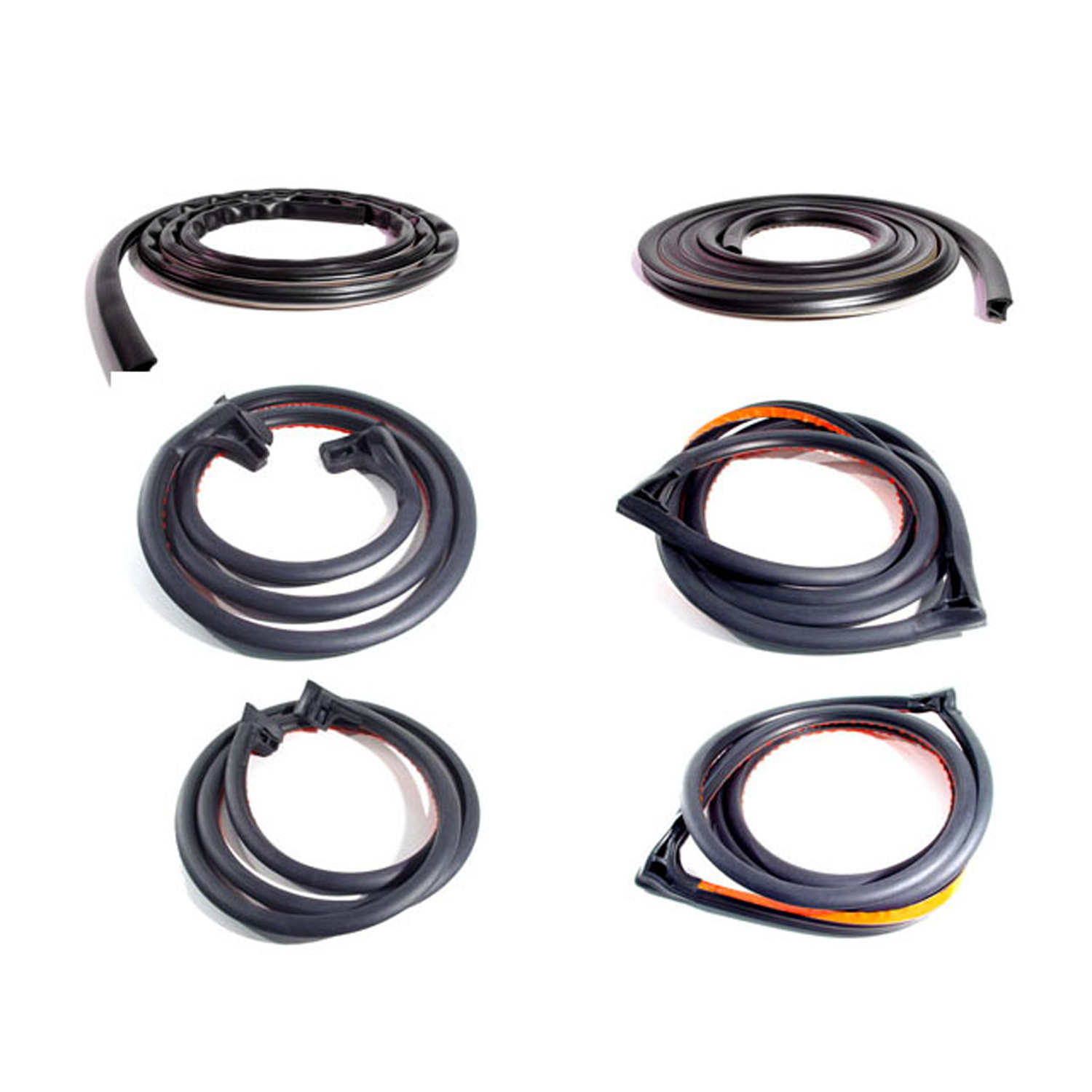 1981 Ford E-100 Econoline Basic Kit, for Models w/Side Cargo Door-RKB 3000-101Basic Kit, for Models w/Side Cargo Door. Front Left LM 110-VL), Front Right LM 110-VR), Back Left LM110-VT), Back Right LM 110-VU), Front Cargo Side (LM 110-VA), Rear Cargo Side (LM 110-VB) Door Seals.
Why Choose Metro?
For over 100 years, Metro Moulded Parts has been the pinnacle of quality in classic car restoration parts. Our commitment to precision and authenticity in every component ensures a perfect fit and an OEM-level appearance.
- Expert Craftsmanship & Quality: Each part is a testament to our dedication to reliability and perfection, crafted from original designs and thoroughly tested.
- Advanced Technology: We use cutting-edge techniques to create flawless, long-lasting parts that surpass others in performance.
- SuperSoft Sponge – The Ultimate Door Seal: Not only are our door seals 30% softer than competitors', but they're also guaranteed to never leak. They effectively reduce wind and road noise, enhancing your classic car's comfort and driving experience.
- Proudly American: Our parts are a product of American craftsmanship, made in the USA with a spirit of excellence and heritage.
- Unrivaled Warranty: We back our products with a 30-year industry-leading warranty, a testament to our confidence in their quality.
Join us in preserving the legacy of classic cars with parts that are crafted for perfection, not just made.