
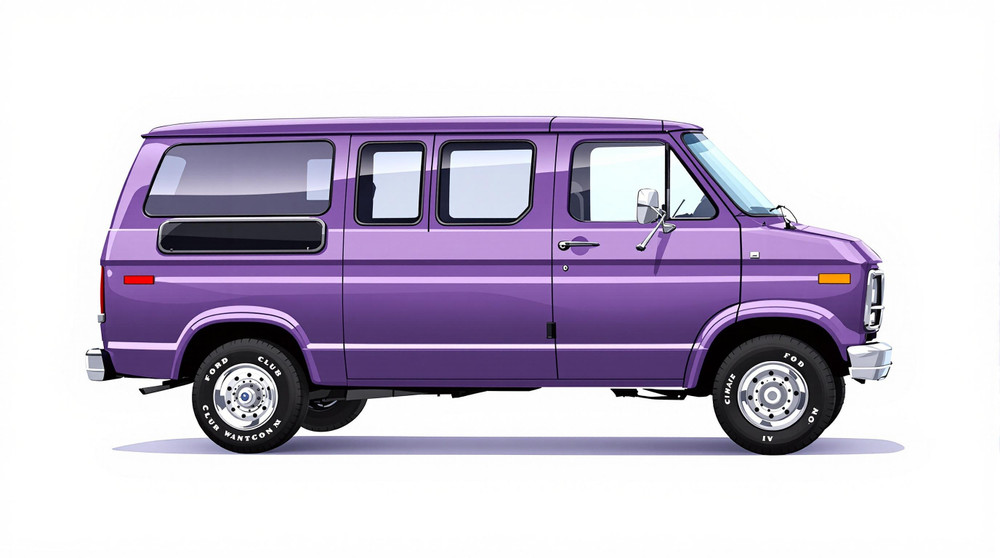
Image of 1981 Ford E-100 Econoline Club Wagon, Note: These illustrations use artistic license and may differ from actual historical models.
Performance Metrics
Fundamental Metrics
Emotional Appeal
MMP Rating
| Engine Specifications | |
|---|---|
| Engine Options: | 4.9L Inline 6, 5.8L V8, 6.6L V8, 7.5L V8 |
| Displacement Range: | 4.9L - 7.5L |
| Horsepower Range: | 115-225 HP |
| Torque: | 223-357 lb-ft |
| Compression Ratio: | 8.0:1 - 8.4:1 |
| Ignition System: | Distributor |
| Cooling System: | Liquid cooled |
| Performance Specifications | |
| 0-60 Time: | Estimated 12-15 seconds |
| 1/4 Mile Time: | Estimated 18-20 seconds |
| Top Speed: | 85-95 mph |
| Transmission and Drive | |
| Drive Type: | Rear-wheel drive |
| Transmission Type: | 3-speed automatic, 4-speed manual |
| Fuel and Efficiency | |
| Fuel System Type: | Carburetor |
| MPG: | Estimated 10-14 mpg |
| Dimensions and Brakes | |
| Brakes: | Front disc, rear drum |
| Wheelbase: | 124.0 inches |
| Weight: | 4,500-5,000 lbs |
Note: Specifications for classic cars are given to the best of our ability, considering the limited and variant data available.
1981 Ford E-100 Econoline Club Wagon: The Full-Size Van With Big Plans
With its blunt nose, broad windshield, and room for a family, a work crew, or a weekend’s worth of gear, the 1981 Ford E-100 Econoline Club Wagon made versatility look wonderfully straightforward. It was the passenger-carrying version of Ford’s full-size Econoline van, built by the Ford Motor Company in the United States and part of a nameplate that had been serving families and businesses since 1961.
The E-100 badge identified the van’s lighter-duty, half-ton class, while Club Wagon distinguished passenger-oriented models from cargo-focused Econolines. By 1981, the design belonged to the third-generation Econoline introduced for 1975. That larger, more conventional van had a hood and a front-mounted engine, a major change from the cab-over layout of the original Econoline. One useful result: routine engine access was less of a contortion act than it had been in the first-generation vans, though the engine still occupied a prominent doghouse inside the cabin.
The Club Wagon’s appeal was simple but significant. It offered a flexible, car-like way for more people to travel together at a time when families, shuttle operators, clubs, and small businesses were discovering the usefulness of full-size vans. It was not a purpose-built performance icon. Its distinction was being adaptable enough to become nearly anything its owner needed.
Square-Jawed Styling and a Practical Cabin
The 1981 Econoline had a sturdy, upright look: a short hood, tall slab sides, large glass areas, and a broad grille framed by rectangular headlamps. Its proportions prioritized cabin space and visibility over sleekness. The squared-off body also gave owners and conversion companies a generous, nearly blank canvas for graphics, windows, racks, or custom interiors.
Inside, the Club Wagon was designed for use rather than luxury-car ambience. Depending on trim and equipment, buyers could find durable vinyl or cloth upholstery, practical door panels, carpet or more easily cleaned flooring, and straightforward controls. The cabin’s standout feature was its space. Seating layouts could be configured for passengers, and the large interior made it popular for family travel and conversion projects. On some versions, the engine cover between the front seats was impossible to ignore: it took up space and could add heat and mechanical noise, but it was part of the van’s familiar working character.
Equipment varied with trim and options. Power steering, power brakes, air conditioning, upgraded audio, and other comfort features could make a Club Wagon much more pleasant on long trips, but they were not universal. Its technology was conventional for the period: carbureted engines, mechanical controls, and straightforward electrical systems rather than today’s engine computers and driver-assistance features. That relative simplicity is one reason many owners still find older Econolines approachable to maintain.
Ford offered a range of factory paint colors that changed with trim and ordering choices. Period-appropriate shades included whites, reds, blues, browns, and other subdued or earthy tones, with exact names and availability depending on the paint chart and market. White was a familiar choice for fleet and commercial use, while brighter colors and two-tone treatments gave personal and conversion vans more personality. Original paint codes and trim combinations are worth checking against the vehicle’s door label and factory documentation.
Club Wagon Trims and Body Choices
The Econoline family included cargo vans, passenger Club Wagons, and cutaway versions intended for specialized bodies. The E-100 was the lighter-duty designation, while heavier E-series models served buyers who needed greater payload or towing capacity. Within the passenger range, trim and equipment levels could vary; better-appointed versions such as the Club Wagon Chateau added a more finished, comfort-focused feel.
Passenger vans came with different seating arrangements and equipment, and the exact configuration depended on the original order. The most recognizable Club Wagon formula was the windowed full-size van with multiple rows of seats, a layout that made it equally useful for a large family, a church group, or a small shuttle service. Conversion companies often took that basic platform further with upgraded upholstery, cabinetry, raised roofs, or elaborate entertainment equipment. Those conversions are a separate part of the van’s story and should not be confused with factory trim.
Why the Econoline Mattered
The 1981 Club Wagon was part of a model line that helped establish the modern American full-size van as an everyday passenger vehicle, not merely a delivery tool. The 1975-generation Econoline’s hood-forward layout and larger body made it more comfortable and practical for many users than the original cab-over design. Its body-on-frame construction, conventional front-engine arrangement, and broad range of configurations also made the platform useful to fleets and specialist builders.
That adaptability was the Econoline’s lasting influence. Ford’s van could be ordered as basic transportation, equipped as a passenger carrier, or sent to an upfitter for a specialized interior. The same basic idea continues in modern full-size vans: one sturdy platform serving commercial, passenger, recreational, and custom roles. The 1981 model may not have introduced a headline-grabbing technology, but it represents the mature, highly adaptable van format that became a familiar part of American roads.
Engines, Speed, and the Feel on the Road
Engine availability depended on model, market, and order. Common power choices in the lighter Econoline range included Ford’s 4.9-liter (300-cubic-inch) inline-six and 5.0-liter (302-cubic-inch) V8. Larger V8s were available elsewhere in the Econoline family, but should not be assumed to have been fitted to every E-100. These were carbureted engines, paired with a manual or automatic transmission depending on the vehicle’s original specification.
Period vans were built to carry people and cargo rather than accelerate like passenger cars. Exact performance figures vary with engine, gearing, load, and condition, and reliable factory test figures for every E-100 Club Wagon configuration are not readily available. As a practical estimate, a six-cylinder example might take roughly 18 to 22 seconds to reach 60 mph, while a V8 could be closer to 14 to 18 seconds. A healthy, lightly loaded van might reach approximately 80 to 90 mph, though gearing, tires, and mechanical condition make top speed highly variable. These are broad estimates, not guaranteed specifications or a recommendation to test an old van at maximum speed.
On the road, the Club Wagon feels substantial and upright. Its Twin-I-Beam front suspension and rear leaf springs were designed for durability and load carrying, so it tends to ride more like a sturdy truck than a modern minivan. It can absorb ordinary road imperfections well, especially when in good condition and carrying a sensible load, but worn suspension components can make it wander or feel unsettled. On curving roads, the tall body and weight call for measured steering inputs. Crosswinds and passing trucks are more noticeable than they would be in a low-slung car.
The engine’s sound is part of the experience. The inline-six delivers a steady, workmanlike rumble, while a V8 adds a deeper note under acceleration. With the engine cover close by, mechanical sounds and heat are more present in the cabin than in a modern vehicle. The high seating position gives the driver a commanding view, but the long, boxy body takes practice in tight parking lots and narrow streets. Driving one is less about carving corners and more about settling into its broad, deliberate rhythm.
Ownership, Maintenance, and Everyday Use
Owners have used Club Wagons as family transport, airport shuttles, work vans, camper platforms, and show vehicles. Today, many survive as weekend cruisers or conversion projects, though a well-maintained example can still handle regular duties. The E-100’s lower-duty rating makes it important to match the van’s condition and equipment to the job. A decades-old vehicle should not be assumed safe or suitable for heavy towing simply because it looks robust.
Maintenance is generally approachable for an experienced home mechanic. The carbureted engines and conventional driveline do not require modern diagnostic equipment, and many service procedures are familiar to independent shops. Parts availability is often reasonable for common mechanical items, though original trim, interior pieces, and E-100-specific details can take more searching. Before buying, inspect the frame and body for rust, especially around the floors, wheel openings, seams, and windshield area. Also check the cooling system, transmission, brakes, steering components, tires, and the condition of any conversion equipment.
Fuel economy is a common criticism. A full-size van with an older carbureted engine is not especially thrifty, and a heavy conversion or large load makes matters worse. Other typical complaints include engine-cover heat and noise, a broad profile that catches crosswinds, and limited safety equipment compared with a modern van. Seat belts and other equipment vary by build and configuration, so a buyer should verify what is actually present rather than assume every surviving example is identical.
Van Trivia and Common Misconceptions
The Econoline name reaches back to 1961, when Ford introduced its compact van based on Falcon components. The 1981 Club Wagon was a much larger and more mature descendant, but it carried forward the original idea of offering one practical platform for a wide variety of users. Another bit of useful trivia: a van advertised as a “Club Wagon” may have been substantially altered after leaving Ford, so its current interior does not necessarily reflect its factory specification.
There is no widely recognized 1981 E-100 Club Wagon speed record or special production edition that defines the model. Nor is there a dependable public production total specifically for E-100 Club Wagons. The broader Econoline family was produced in substantial numbers, but the exact count for this model-year, weight class, and passenger configuration is not easy to establish. Any precise figure for the 1981 E-100 Club Wagon should be treated cautiously unless supported by Ford production records.
The van’s lasting cultural image owes much to the broader custom-van scene, where full-size Ford vans became canvases for elaborate paint, interiors, and recreational conversions. That does not mean every Club Wagon was a custom van, but it helps explain why these vehicles attract both practical buyers and enthusiasts. Their most persistent criticism remains the same one owners encounter on the road: they are large, thirsty, and not especially quick. Their counterargument is equally clear: few vehicles of the era offered so much usable space and flexibility in one package.
Collector Values and Market Outlook
The 1981 E-100 Club Wagon is not generally rare in the same sense as a limited-production sports car. The challenge is finding a solid, relatively original passenger van with intact trim, sound floors, and a documented history. Rust, hard commercial use, and extensive modifications have reduced the number of well-preserved examples. A precise production estimate is unavailable, so assigning a reliable model-specific count would be guesswork.
As a broad U.S. market estimate for 2026, a rough project or heavily worn van might sell for about $2,000 to $5,000. A usable driver in fair-to-good condition could fall around $6,000 to $15,000. A clean, original, or professionally restored example may bring roughly $18,000 to $30,000 or more, while a high-quality custom conversion can exceed that range depending on workmanship and equipment. These are general estimates, not a formal appraisal; rust, mechanical condition, originality, and local demand have a major effect on price.
Values have benefited from renewed interest in vintage vans and road-trip conversions, but the market remains uneven. Exceptional examples can appreciate, while ordinary high-mileage vans may remain affordable and can be expensive to restore properly. Buyers usually pay most for sound structure, a complete interior, and credible documentation, not simply for a long list of custom modifications. An original, well-preserved Club Wagon is increasingly appealing because restoring missing trim and factory details can be harder than repairing common mechanical parts.
A Practical Classic With Room to Roam
The 1981 Ford E-100 Econoline Club Wagon combines simple mechanicals, truck-like construction, and a cabin built around space. It was not fast, economical, or especially nimble, but it delivered the flexibility that made the Econoline name a fixture of American transportation. For collectors, its appeal lies in originality and condition; for drivers, it offers a roomy, hands-on alternative to modern vans.
More than four decades on, the Club Wagon still makes its purpose unmistakable: load it with people, gear, or a new idea, and let the road decide what kind of van it becomes.
1981 Ford E-100 Econoline Club Wagon Catalog of Parts
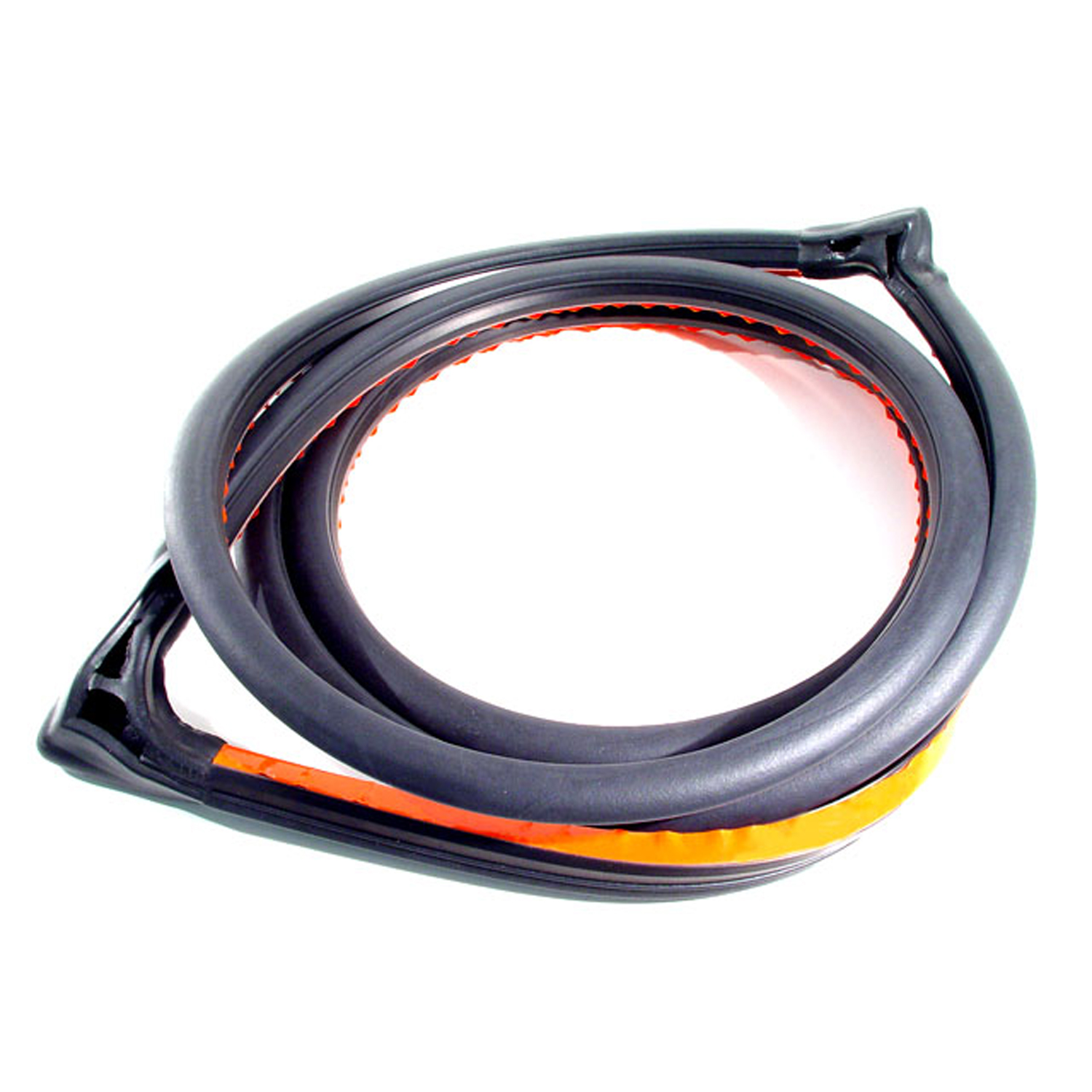 1981 Ford E-100 Econoline Club Wagon Front Side Cargo Door Seal-LM 110-VAFront Side Cargo Door Seal (fits front right side of cargo door). Replaces OEM #E9UZ 1525324 B. For rear (left side) matching seal, see LM 110-VB. Each
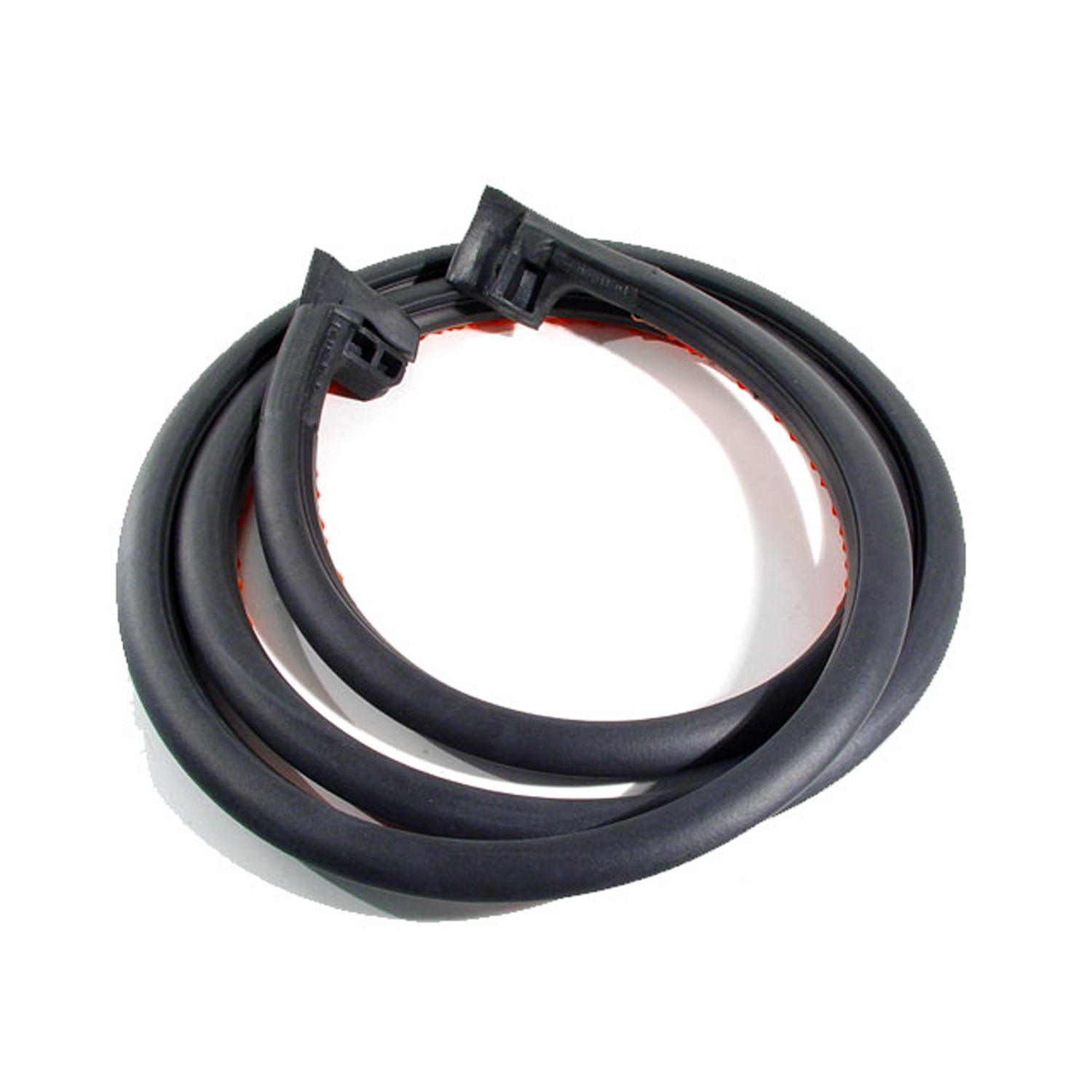 1981 Ford E-100 Econoline Club Wagon Rear Side Cargo Door Seal-LM 110-VBRear Side Cargo Door Seal (fits rear left side of cargo door). Replaces OEM #E9UZ 1525325 B. For front (right side) matching seal, see LM 110-VA. Each
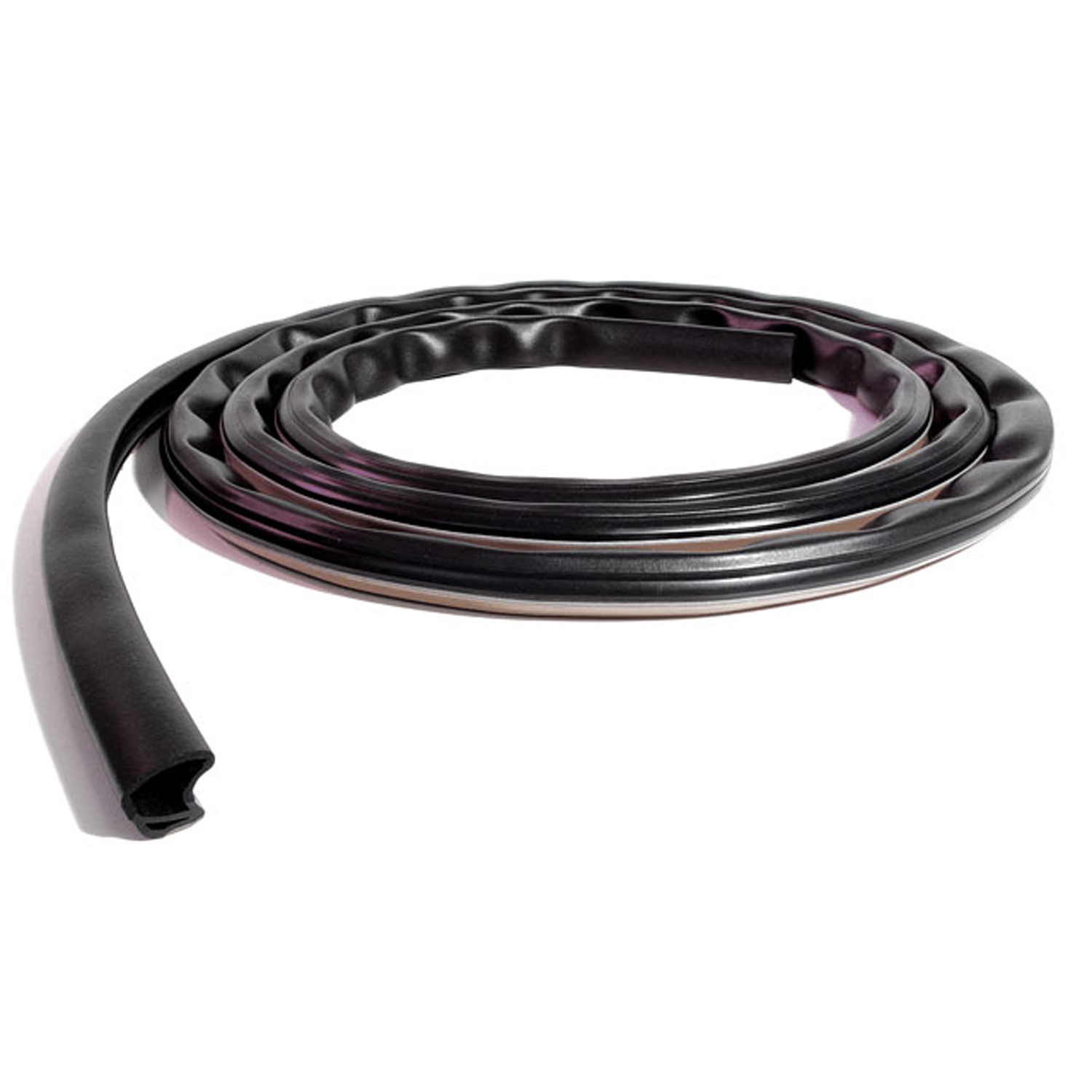 1981 Ford E-100 Econoline Club Wagon Left Front (drivers side) Door Seal. Each-LM 110-VLLeft Front (drivers side) Door Seal. Each
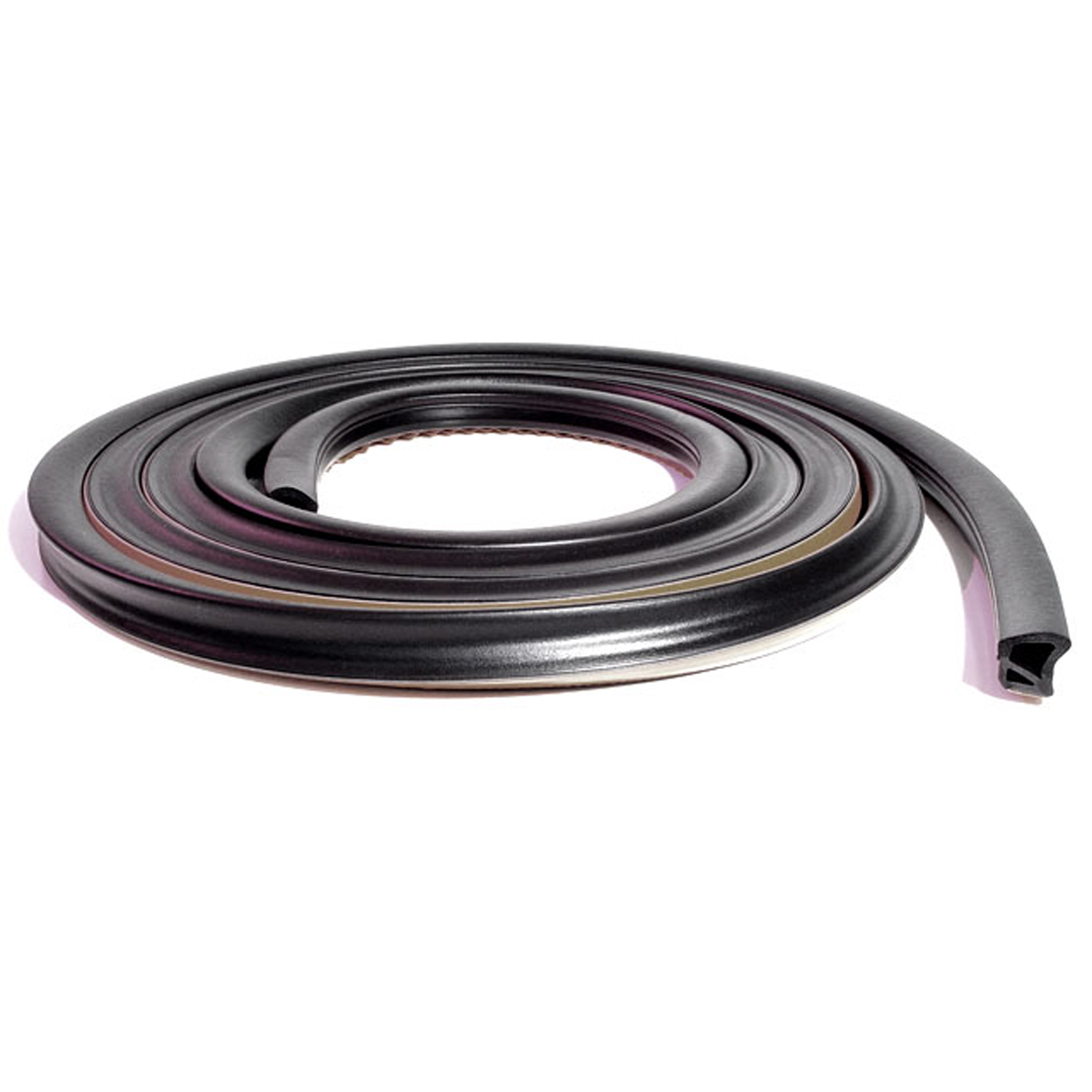 1981 Ford E-100 Econoline Club Wagon Right Front (passenger side) Door Seal. Each-LM 110-VRRight Front (passenger side) Door Seal. Each
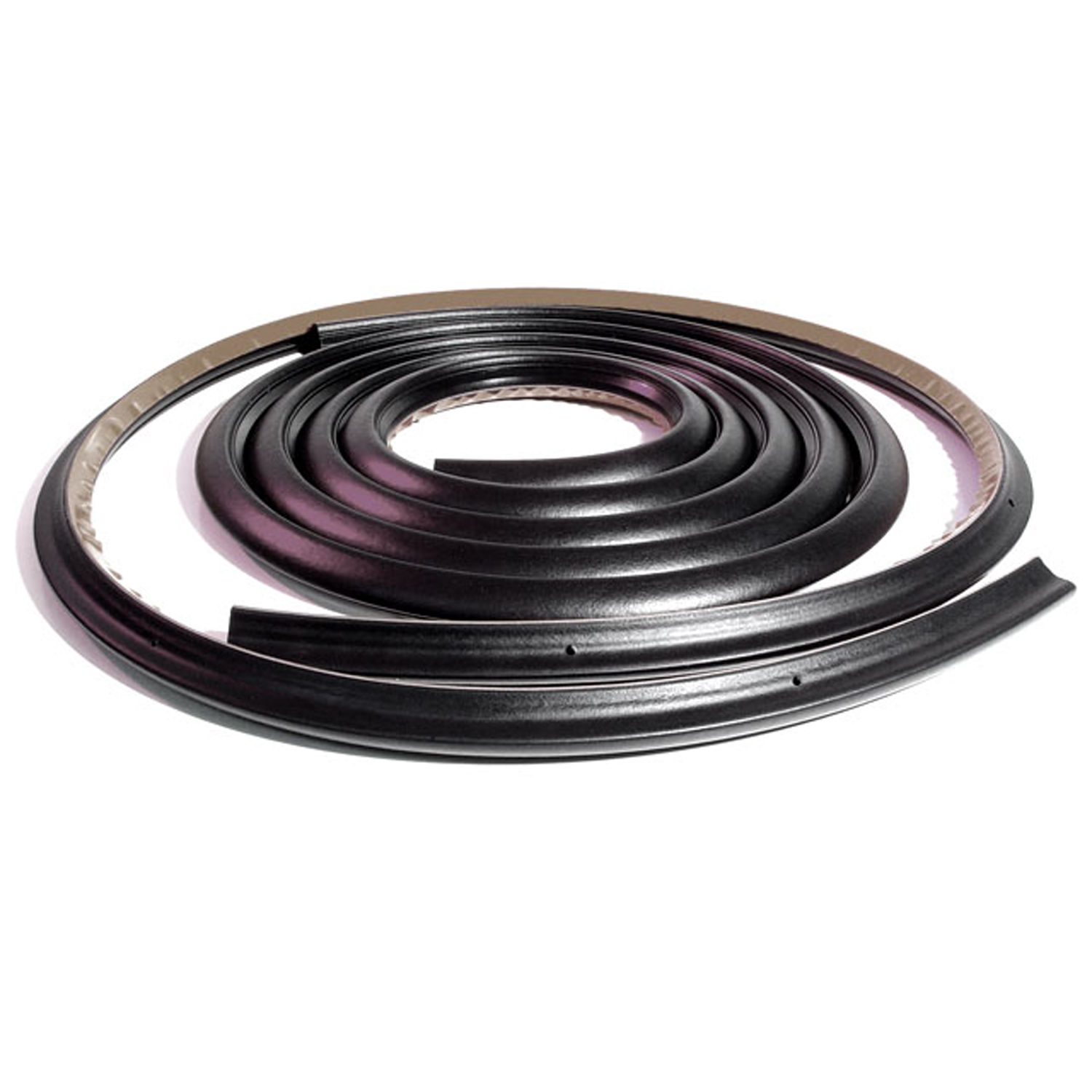 1981 Ford E-100 Econoline Club Wagon Side Slider Door Seal. Each-LM 110-VSSide Slider Door Seal. Each
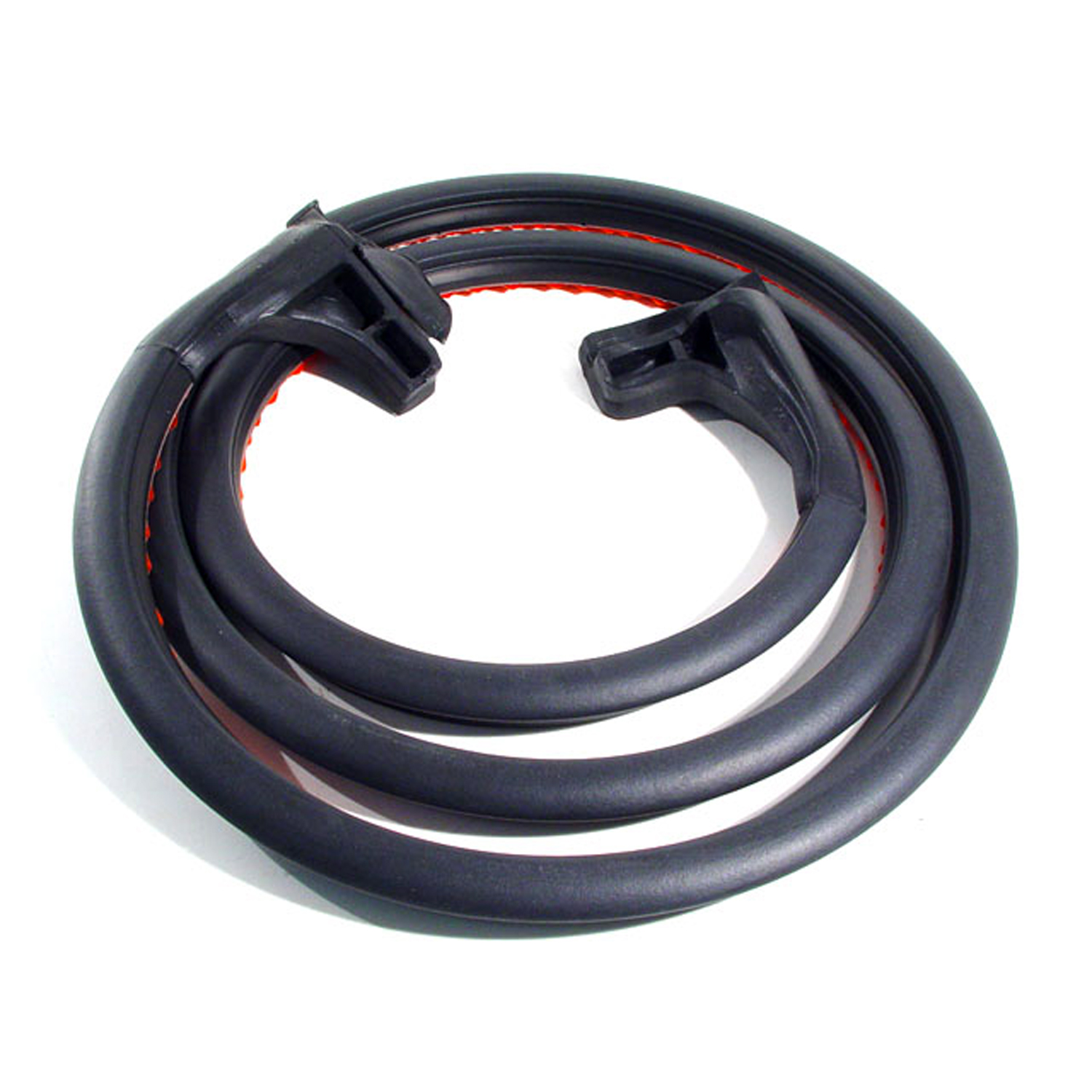 1981 Ford E-100 Econoline Club Wagon Left Rear Door Seal (Drivers Side)-LM 110-VTLeft Rear Door Seal (Drivers Side). Replaces OEM #E9UZ 1543723 A. Each
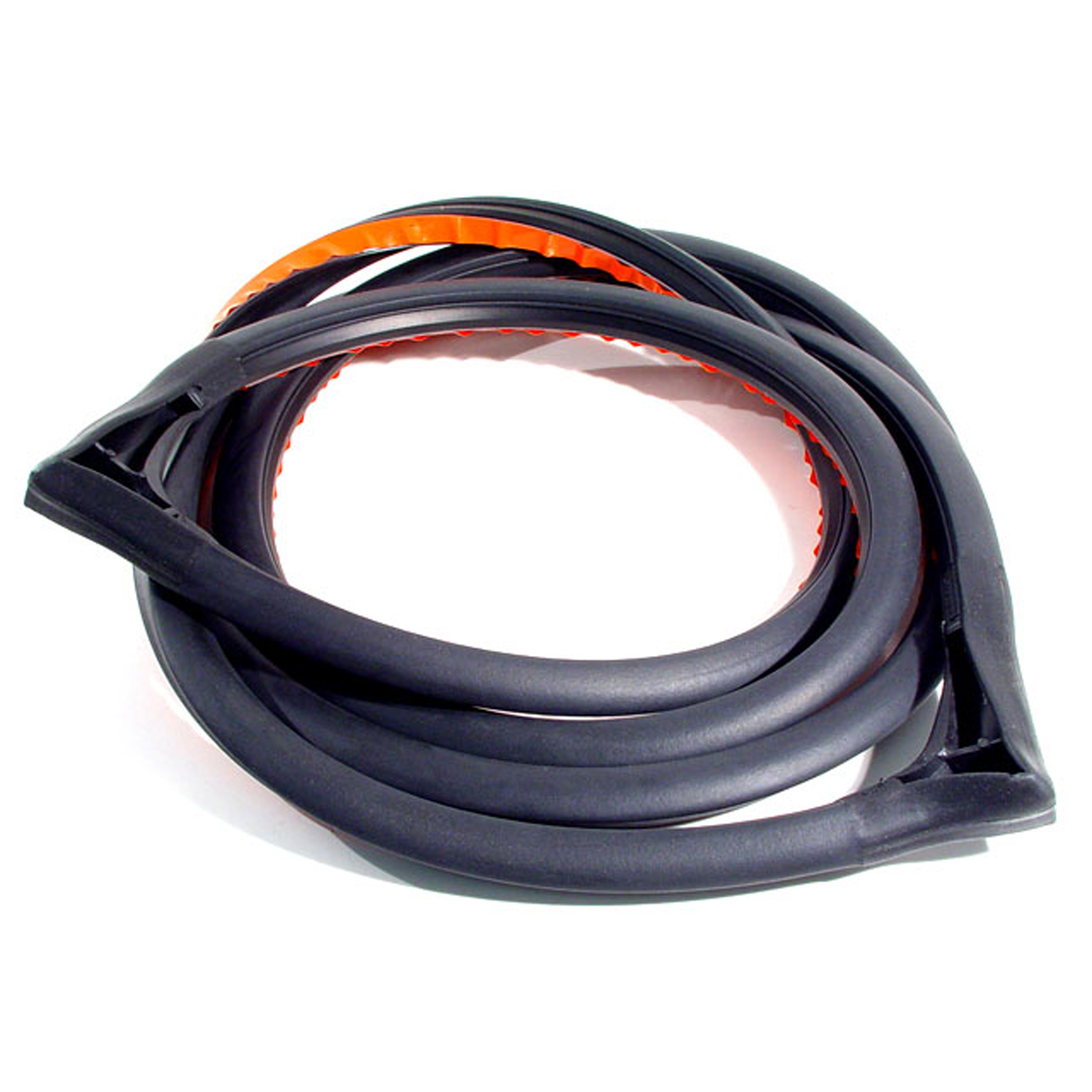 1981 Ford E-100 Econoline Club Wagon Right Rear Door Seal (Passenger Side)-LM 110-VURight Rear Door Seal (Passenger Side). Replaces OEM #F0UZ 1543722 A. Each
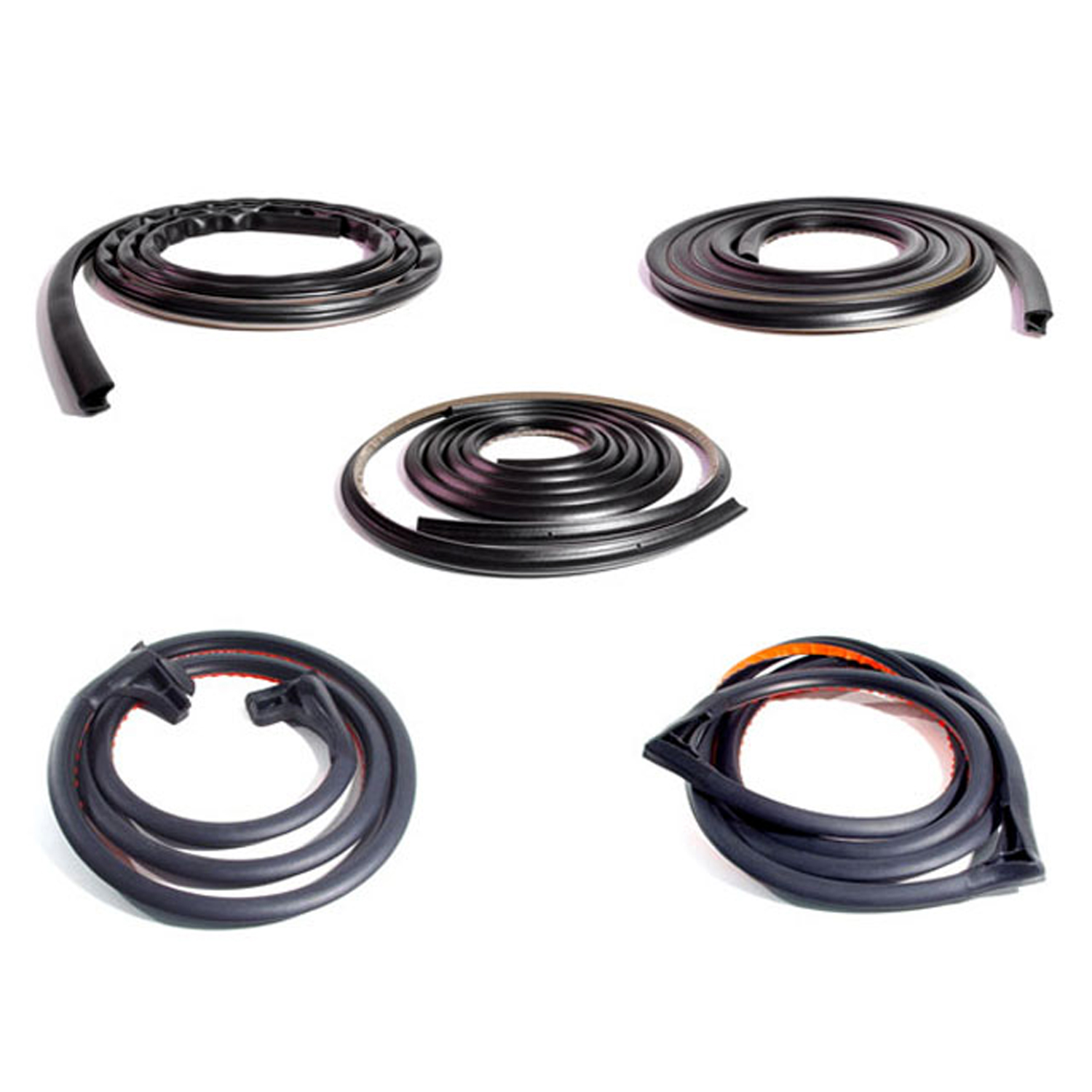 1981 Ford E-100 Econoline Club Wagon Basic Kit, for Models with Side Sliding Door-RKB 3000-100Basic Kit, for Models with Side Sliding Door. Front Left Door (LM 110-VL), Front Right Door (LM 110-VR), Back Left Door (LM 110-VT), Back Right Door (LM 110-VU), Side Sliding Door (LM 110-VS) Seals.
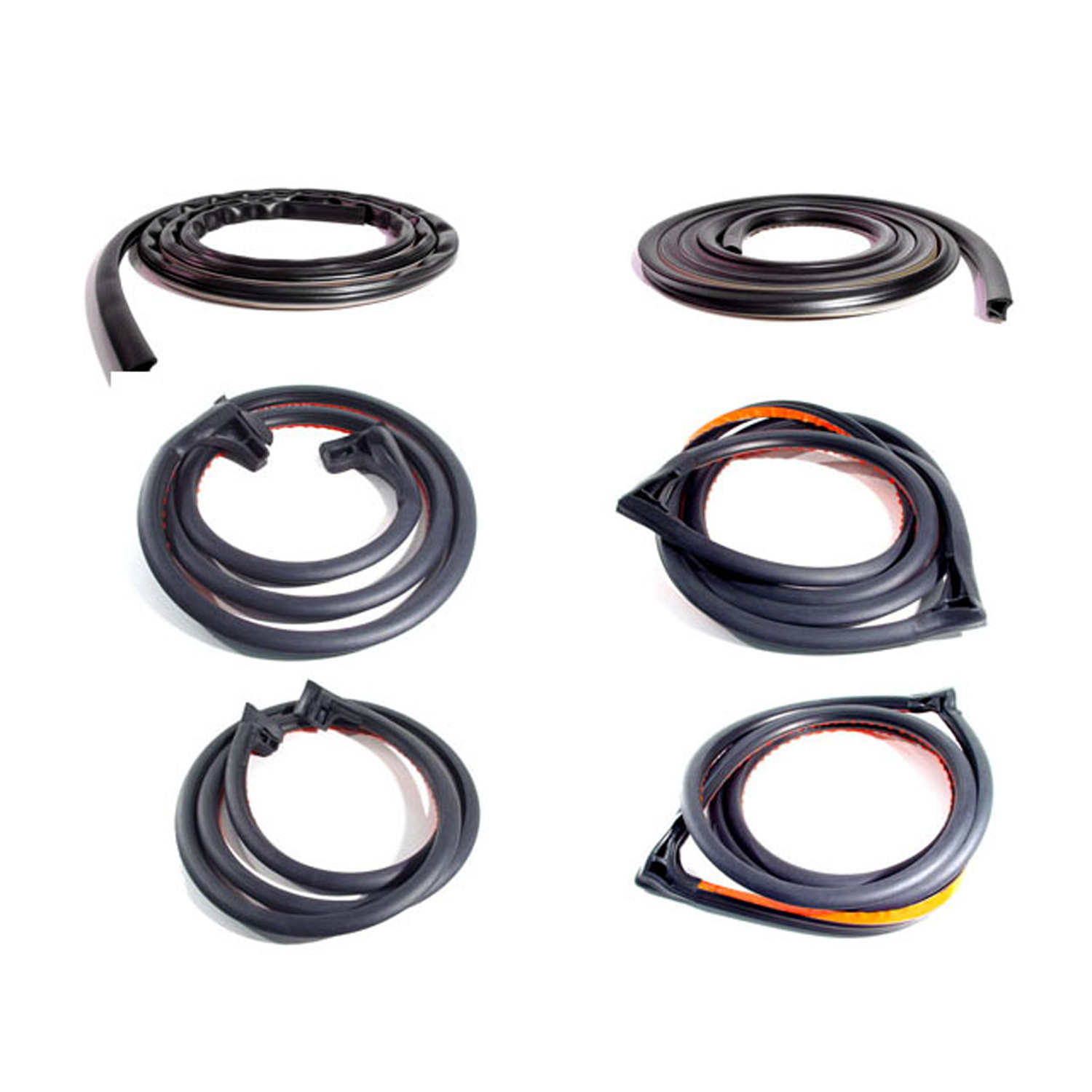 1981 Ford E-100 Econoline Club Wagon Basic Kit, for Models w/Side Cargo Door-RKB 3000-101Basic Kit, for Models w/Side Cargo Door. Front Left LM 110-VL), Front Right LM 110-VR), Back Left LM110-VT), Back Right LM 110-VU), Front Cargo Side (LM 110-VA), Rear Cargo Side (LM 110-VB) Door Seals.
Why Choose Metro?
For over 100 years, Metro Moulded Parts has been the pinnacle of quality in classic car restoration parts. Our commitment to precision and authenticity in every component ensures a perfect fit and an OEM-level appearance.
- Expert Craftsmanship & Quality: Each part is a testament to our dedication to reliability and perfection, crafted from original designs and thoroughly tested.
- Advanced Technology: We use cutting-edge techniques to create flawless, long-lasting parts that surpass others in performance.
- SuperSoft Sponge – The Ultimate Door Seal: Not only are our door seals 30% softer than competitors', but they're also guaranteed to never leak. They effectively reduce wind and road noise, enhancing your classic car's comfort and driving experience.
- Proudly American: Our parts are a product of American craftsmanship, made in the USA with a spirit of excellence and heritage.
- Unrivaled Warranty: We back our products with a 30-year industry-leading warranty, a testament to our confidence in their quality.
Join us in preserving the legacy of classic cars with parts that are crafted for perfection, not just made.