
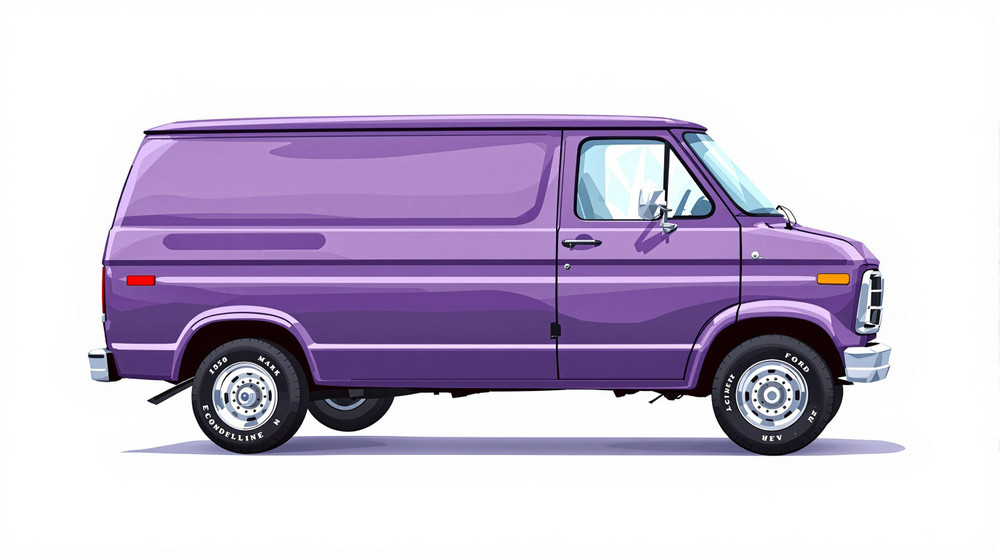
Image of 1981 Ford E-150 Econoline, Note: These illustrations use artistic license and may differ from actual historical models.
Performance Metrics
Fundamental Metrics
Emotional Appeal
MMP Rating
| Engine Specifications | |
|---|---|
| Engine Options: | 4.9L Inline 6, 5.8L V8, 6.6L V8, 7.5L V8 |
| Displacement Range: | 4.9L - 7.5L |
| Horsepower Range: | 115-225 HP |
| Torque: | 223-357 lb-ft |
| Compression Ratio: | 8.0:1 - 8.4:1 |
| Ignition System: | Distributor ignition |
| Cooling System: | Liquid cooled |
| Performance Specifications | |
| 0-60 Time: | Estimated 10-15 seconds |
| 1/4 Mile Time: | Estimated 17-20 seconds |
| Top Speed: | 85-100 mph |
| Transmission and Drive | |
| Drive Type: | Rear-wheel drive |
| Transmission Type: | 3-speed automatic, 4-speed manual |
| Fuel and Efficiency | |
| Fuel System Type: | Carburetor |
| MPG: | Estimated 10-14 mpg |
| Dimensions and Brakes | |
| Brakes: | Front disc / Rear drum |
| Wheelbase: | 124.0 inches |
| Weight: | 4,500-5,500 lbs |
Note: Specifications for classic cars are given to the best of our ability, considering the limited and variant data available.
1981 Ford E-150 Econoline: The Full-Size Van That Did It All
The 1981 Ford E-150 Econoline was less about turning heads at a stoplight and more about getting people, tools, campers, or weekend plans where they needed to go. Built by Ford as part of its full-size E-Series van line, it combined a sturdy body-on-frame platform with a roomy, customizable interior. More than four decades later, the E-150 remains a familiar sight in classic van circles, work-truck collections, and camper conversions.
The Econoline name dates to 1961, when Ford introduced a compact van based on its Falcon passenger car. By 1981, the model had grown into a larger, more capable vehicle. This third-generation design arrived for 1975, bringing a conventional body-on-frame layout and a broader range of passenger, cargo, and conversion uses. A notable twist in the Econoline story is just how many lives one van could lead: the same basic platform might start as a plain cargo hauler and later become a family shuttle, tradesman’s work van, or custom camper.
Square Shoulders and a Practical Cabin
The E-150’s styling is straightforward and distinctly late-1970s to early-1980s. A tall, upright body gives the van its substantial presence, while a broad grille, simple rectangular lamps, and a nearly vertical windshield put function ahead of ornament. Its short hood helps distinguish it from a conventional pickup, and large side panels provide plenty of room for business lettering, windows, or conversion work.
Inside, the standard cabin was built for durability rather than luxury. Vinyl upholstery, hard-wearing trim, and simple controls suited the van’s working roots and were relatively easy to clean. Depending on configuration, buyers could add cloth seating, carpeting, air conditioning, an AM/FM radio, and other comfort features. Passenger versions offered multiple seating arrangements, while cargo models prioritized open floor space and access for equipment.
Technology was modest by modern standards, but useful for the period. Power steering and power brakes were available, as were automatic transmissions and convenience features that made a large van easier to manage. The high seating position gave the driver a commanding view of the road, though the long body and large blind spots still demanded care when parking or changing lanes.
Ford offered the Econoline in a range of factory colors, from restrained whites, tans, and blues to brighter period shades. White was especially common on commercial vans because it was practical for fleets and easy to letter. The E-Series also came in cargo and passenger configurations, with different roof, window, seating, and wheelbase arrangements depending on the model and intended use. The cargo van became an iconic blank canvas, especially for tradespeople and conversion companies.
Why the Econoline Mattered
The 1981 E-150 was not a radical engineering experiment. Its importance came from how effectively it served a wide range of buyers. The full-size, body-on-frame design offered the strength and adaptability that businesses, families, and conversion companies wanted. In an era when the recreational-vehicle market and custom van scene were both thriving, a sturdy van that could be tailored to nearly any job had obvious appeal.
Compared with smaller vans, the Econoline offered more interior volume and a more substantial platform. Compared with a pickup, it protected cargo from weather and provided a single enclosed space for passengers or equipment. Its long-running design also helped establish the E-Series as a dependable choice for fleets and specialist conversions. The same basic idea remains central to modern full-size vans: build a useful platform first, then configure it for the customer’s needs.
Engines, Speed, and Road Manners
Depending on equipment and market, a 1981 E-150 could be ordered with engines including Ford’s 4.9-liter inline-six, the 5.0-liter V8, and the 5.8-liter V8. Exact availability and output varied with the vehicle’s configuration and emissions equipment. These engines were tuned for usable low-speed pulling power rather than sports-car performance, and many vans were paired with an automatic transmission. Some were fitted with manual gearboxes.
Performance depended heavily on engine, axle gearing, transmission, passenger or cargo load, and any camper or conversion equipment. As a broad estimate, a typical V8 E-150 might reach 0 to 60 mph in roughly 14 to 20 seconds, while a heavily loaded van or one with the six-cylinder could take longer. Top speed was generally in the neighborhood of 80 to 90 mph, although these vans were far happier cruising at moderate highway speeds than being pushed to their limits. These are estimates, not a single factory figure for every 1981 E-150.
On the road, the E-150 feels big, upright, and unmistakably truck-based. Its suspension is designed to carry weight, so an empty van can feel firm over broken pavement, while a loaded one often rides more smoothly. The tall body catches crosswinds, and winding roads call for measured steering inputs rather than quick, car-like changes of direction. Drivers sit high and have a broad view ahead, but the van’s size makes mirrors essential.
From behind the wheel, the engine’s low, steady growl and the slight mechanical sounds of an older truck are part of the experience. Steering is less precise than in a modern passenger vehicle, and braking distances and handling require extra respect, especially when loaded. The reward is a relaxed, purposeful drive that feels more like operating a useful piece of equipment than piloting a conventional car.
Living With an E-150
Owners use 1981 E-150s as weekend cruisers, work vehicles, camper projects, show vans, and occasional daily drivers. Original cargo vans are attractive to people who want a straightforward restoration or a practical classic, while passenger models and conversions offer a more social, road-trip-ready experience. The van is not a natural choice for racing, but it can certainly make an eventful arrival.
Routine maintenance is generally approachable for an owner with basic mechanical skills. The engines and driveline use familiar, older-school components, and the large engine bay can make some service jobs easier than they would be on a tightly packaged modern vehicle. Parts availability is reasonably good for common service items, though trim, interior pieces, and model-specific body parts can take more searching.
Age is the bigger challenge than complexity. Buyers should inspect the frame, floor, lower body panels, wheel arches, and windshield area for corrosion. They should also check the cooling system, transmission behavior, steering and suspension components, brake lines, and the condition of any conversion wiring. A poorly executed camper or custom interior can add considerable work, so a clean, well-documented van is often a better buy than a flashy project.
Little-Known Econoline Notes
The E-150 designation identifies the lighter-duty version of Ford’s full-size E-Series range, positioned below the heavier E-250 and E-350 models. The Econoline’s original compact roots are easy to forget when looking at the much larger 1981 van, but that growth reflects how the name evolved from a small delivery vehicle into a broad commercial and passenger-van family.
There is no widely cited public production total specifically for 1981 E-150 vans, separate from other E-Series models and configurations. A reasonable but unverified estimate would place production in the tens of thousands, perhaps around 40,000 to 70,000 units. That should be treated as a ballpark guess, not a confirmed Ford figure. The model’s availability in several configurations also means that surviving examples vary considerably in rarity and desirability.
One common criticism is fuel consumption. A heavy, tall van with a V8 is not an economical modern commuter, particularly in city traffic. Owners also note the wind sensitivity, large turning circle, and limited visibility immediately around the body. Those drawbacks are part of the bargain for a vehicle that offers a spacious interior and substantial utility.
Collector Values and Availability
As a general 2026 market estimate, a running but rough 1981 E-150 might sell for around $3,000 to $7,000. A solid, usable example could bring approximately $7,000 to $15,000, while an unusually clean original van or a high-quality, desirable conversion might reach $18,000 to $30,000 or more. Condition, rust, mechanical health, documentation, and the quality of any modifications matter more than the badge alone. These are broad estimates, and local markets can differ significantly.
Survivors are available, but finding an unmodified van with little corrosion is harder than finding a project or a customized example. Prices for clean classic vans have generally strengthened as interest in vintage campers and utility vehicles has grown. The E-150 is not uniformly appreciating, however: a rough project can remain inexpensive, while a thoughtfully restored or well-built camper may command a premium. Originality and sound construction are key to long-term appeal.
A Useful Classic With Room to Roam
The 1981 Ford E-150 Econoline earned its place through versatility, not glamour. Its full-size design, straightforward mechanicals, and adaptable interior made it equally at home hauling tools, carrying passengers, or heading out on a camping trip. It has the familiar quirks of an old van, including thirsty engines and wind-sensitive handling, but it also offers a kind of space and purpose that is increasingly rare.
For classic-vehicle fans, the E-150 is more than a box on wheels. It is a durable snapshot of an era when one practical platform could become a workhorse, a family hauler, or a home on the road.
1981 Ford E-150 Econoline Catalog of Parts
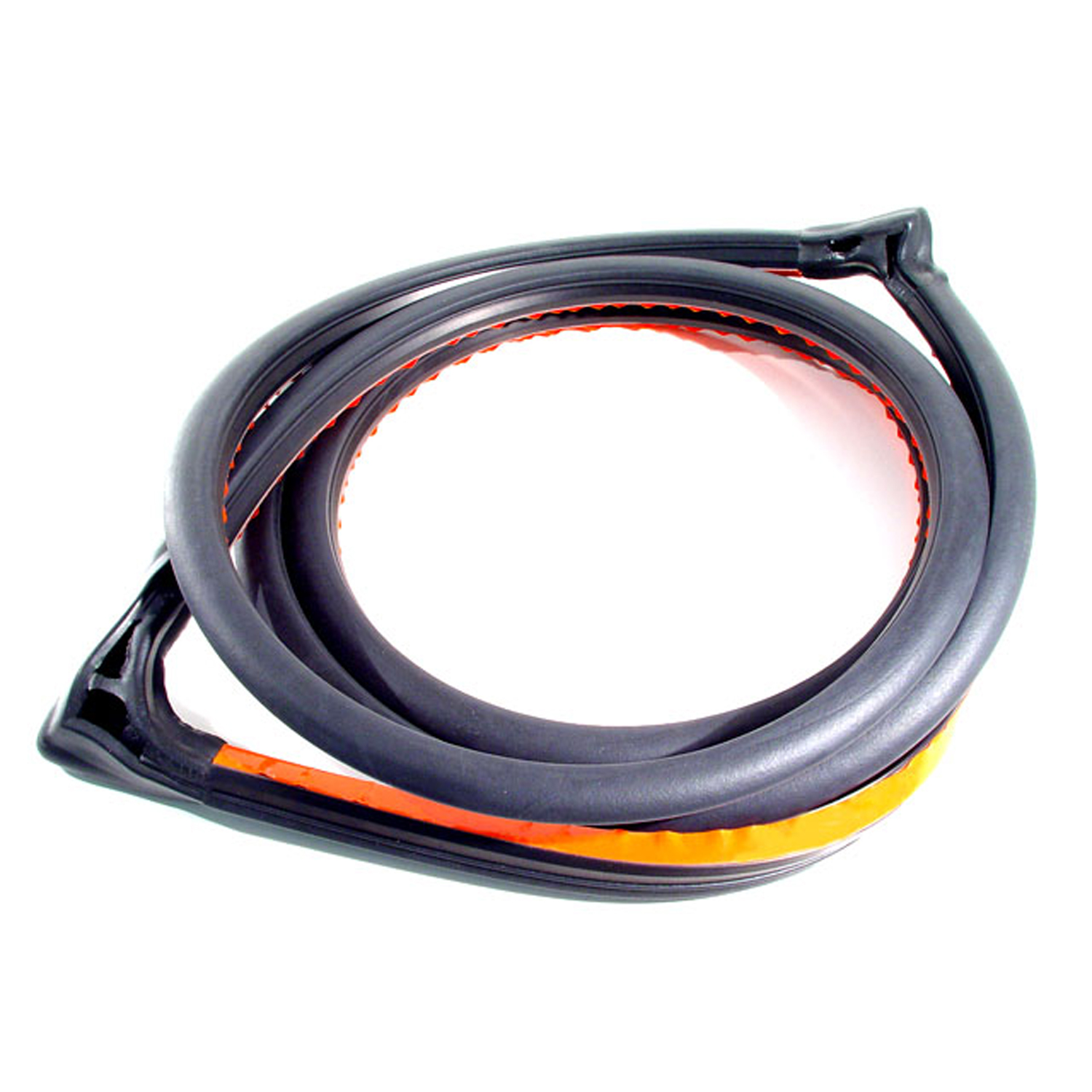 1981 Ford E-150 Econoline Front Side Cargo Door Seal-LM 110-VAFront Side Cargo Door Seal (fits front right side of cargo door). Replaces OEM #E9UZ 1525324 B. For rear (left side) matching seal, see LM 110-VB. Each
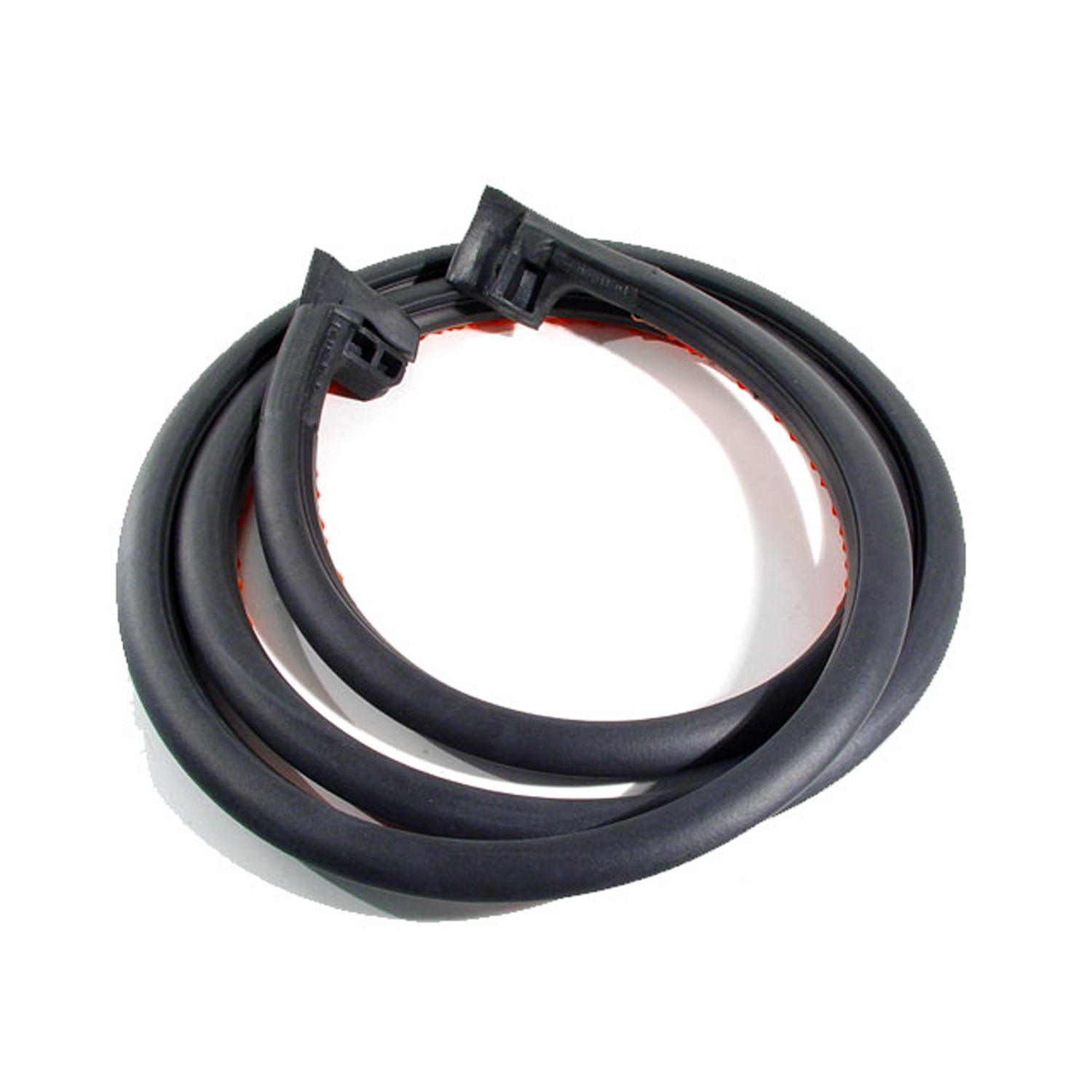 1981 Ford E-150 Econoline Rear Side Cargo Door Seal-LM 110-VBRear Side Cargo Door Seal (fits rear left side of cargo door). Replaces OEM #E9UZ 1525325 B. For front (right side) matching seal, see LM 110-VA. Each
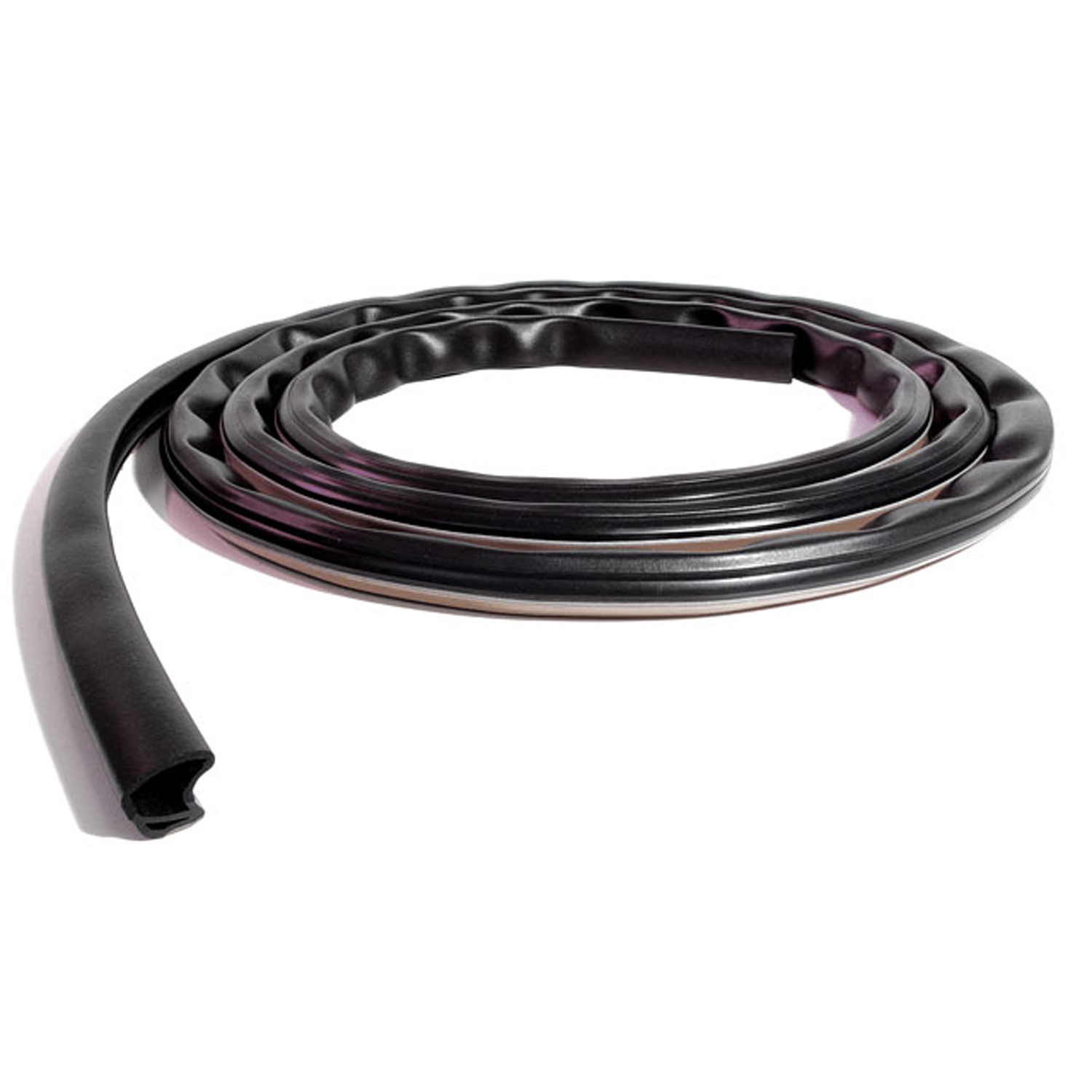 1981 Ford E-150 Econoline Left Front (drivers side) Door Seal. Each-LM 110-VLLeft Front (drivers side) Door Seal. Each
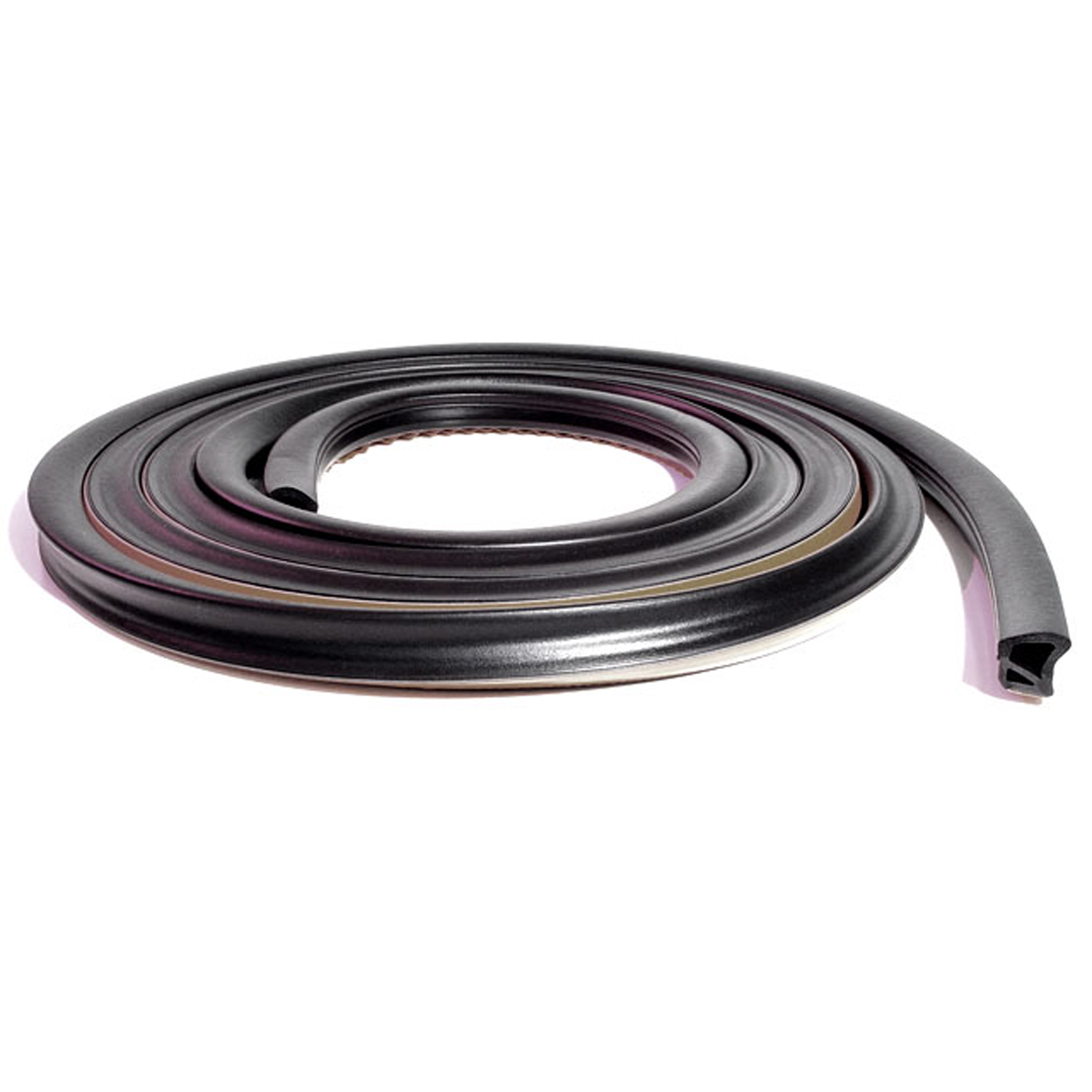 1981 Ford E-150 Econoline Right Front (passenger side) Door Seal. Each-LM 110-VRRight Front (passenger side) Door Seal. Each
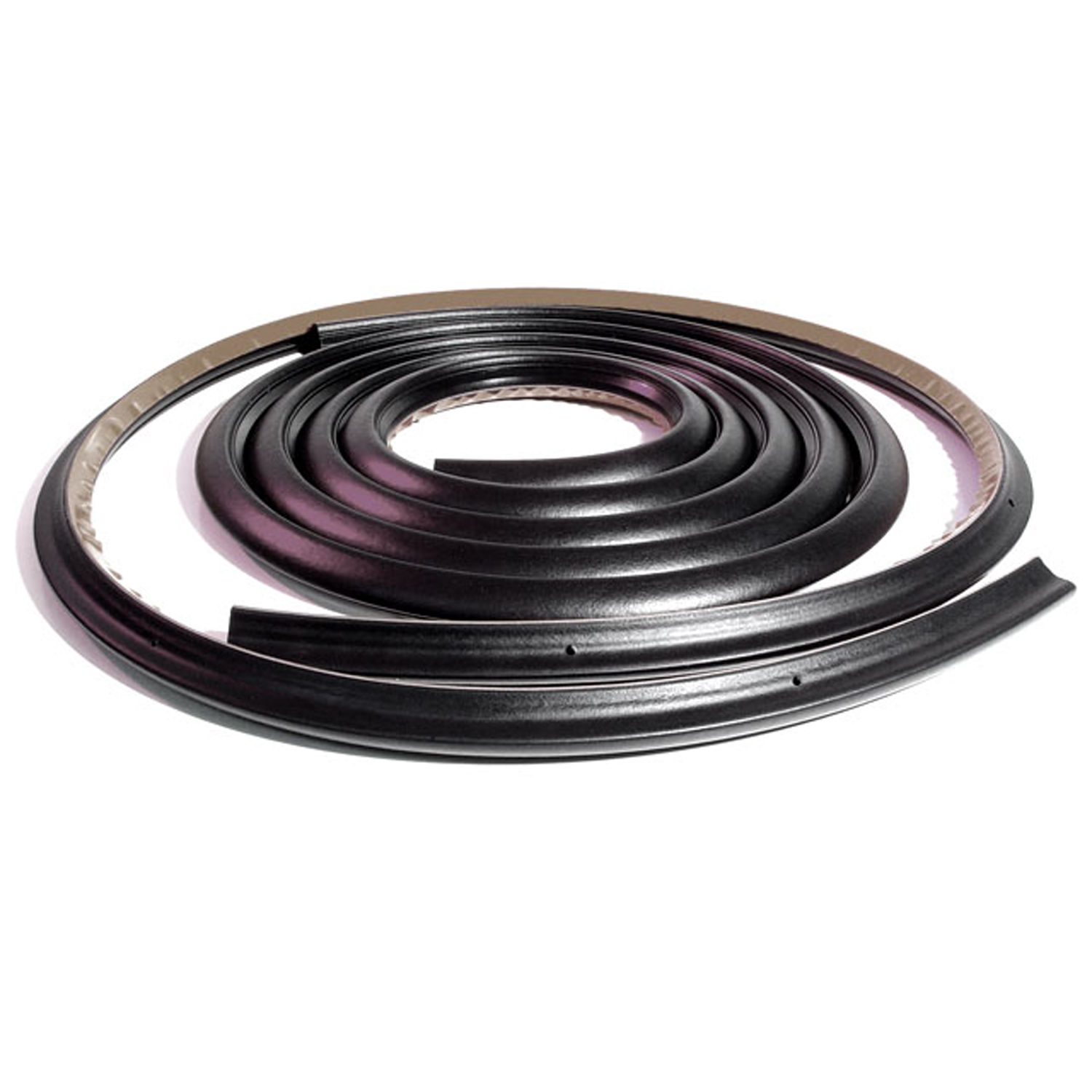 1981 Ford E-150 Econoline Side Slider Door Seal. Each-LM 110-VSSide Slider Door Seal. Each
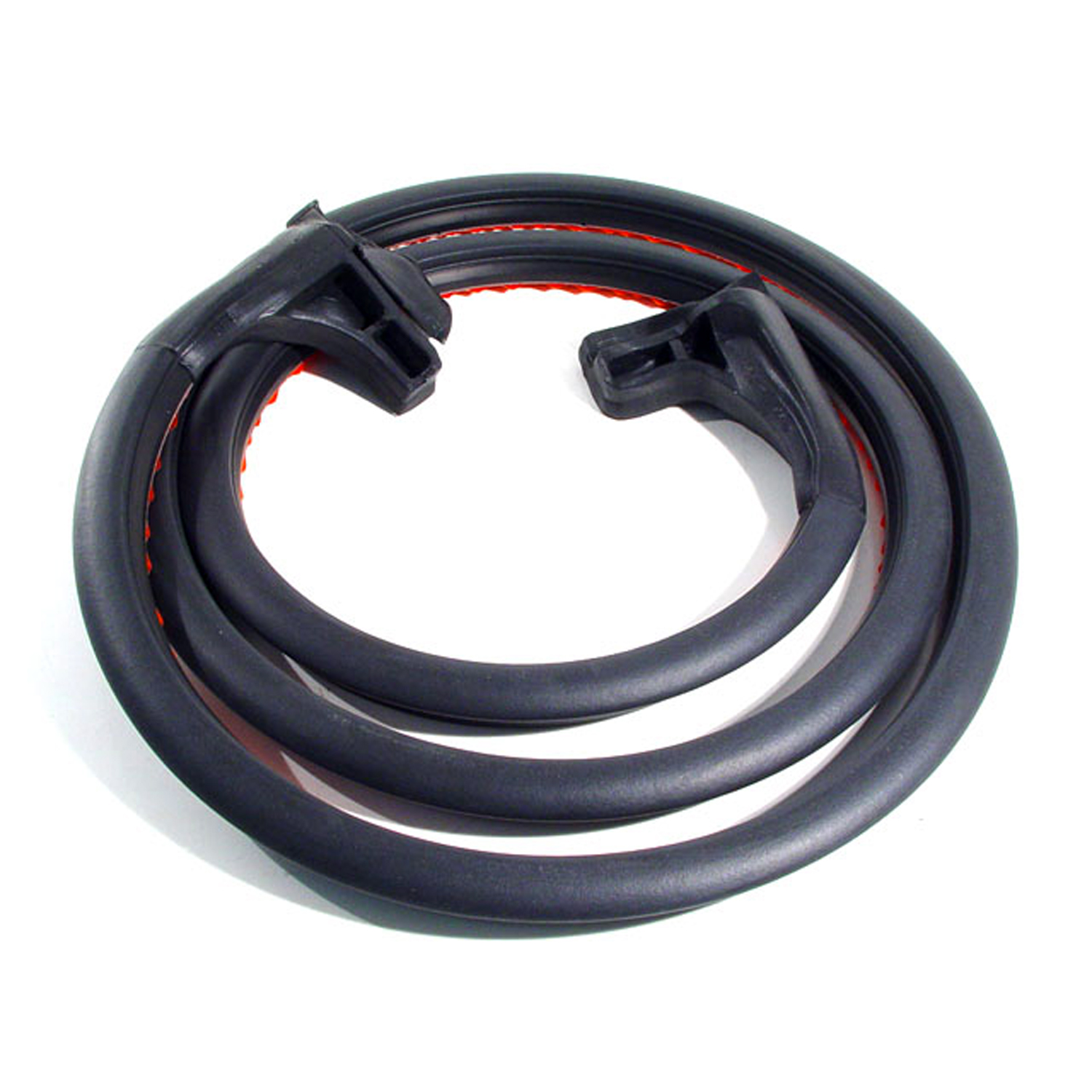 1981 Ford E-150 Econoline Left Rear Door Seal (Drivers Side)-LM 110-VTLeft Rear Door Seal (Drivers Side). Replaces OEM #E9UZ 1543723 A. Each
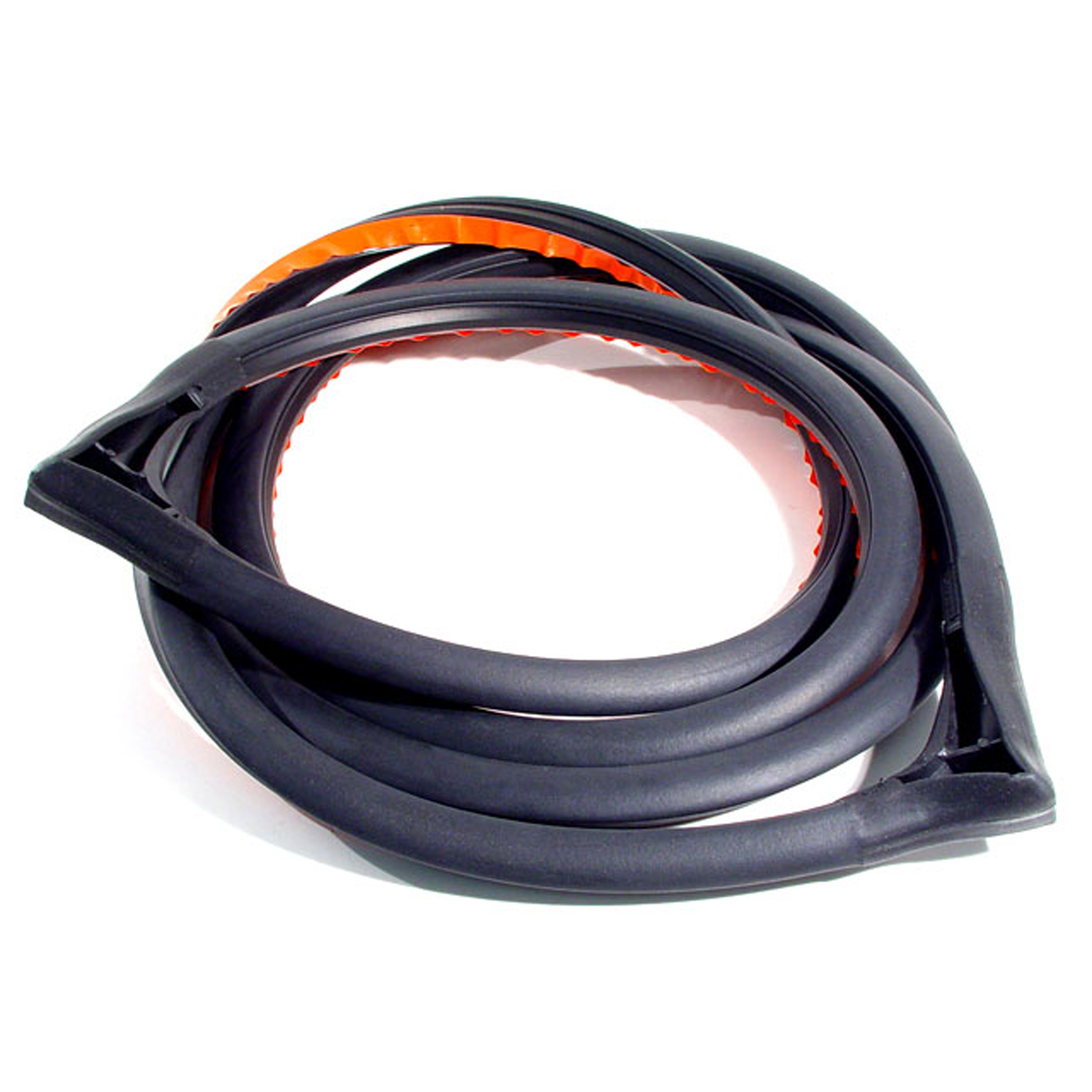 1981 Ford E-150 Econoline Right Rear Door Seal (Passenger Side)-LM 110-VURight Rear Door Seal (Passenger Side). Replaces OEM #F0UZ 1543722 A. Each
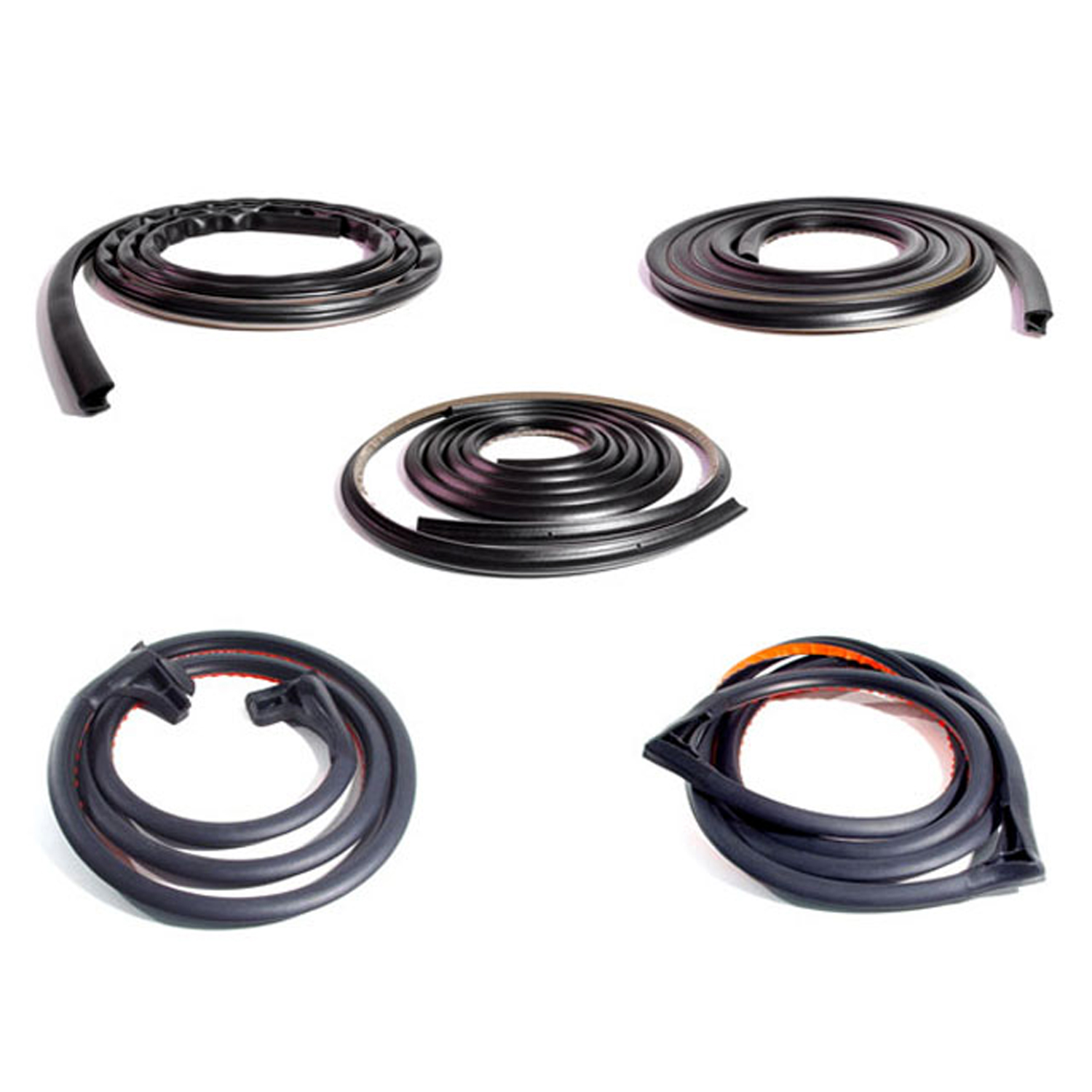 1981 Ford E-150 Econoline Basic Kit, for Models with Side Sliding Door-RKB 3000-100Basic Kit, for Models with Side Sliding Door. Front Left Door (LM 110-VL), Front Right Door (LM 110-VR), Back Left Door (LM 110-VT), Back Right Door (LM 110-VU), Side Sliding Door (LM 110-VS) Seals.
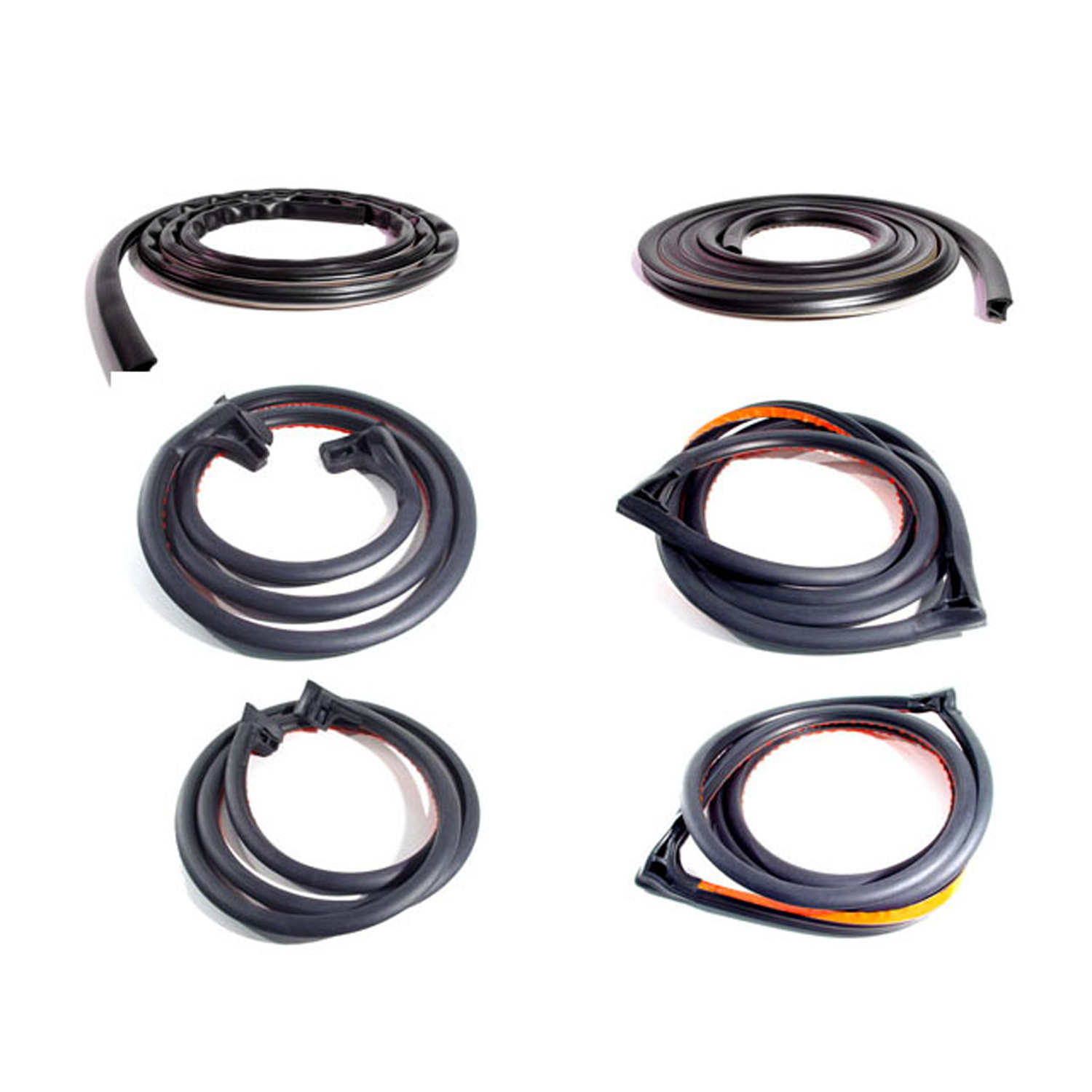 1981 Ford E-150 Econoline Basic Kit, for Models w/Side Cargo Door-RKB 3000-101Basic Kit, for Models w/Side Cargo Door. Front Left LM 110-VL), Front Right LM 110-VR), Back Left LM110-VT), Back Right LM 110-VU), Front Cargo Side (LM 110-VA), Rear Cargo Side (LM 110-VB) Door Seals.
Why Choose Metro?
For over 100 years, Metro Moulded Parts has been the pinnacle of quality in classic car restoration parts. Our commitment to precision and authenticity in every component ensures a perfect fit and an OEM-level appearance.
- Expert Craftsmanship & Quality: Each part is a testament to our dedication to reliability and perfection, crafted from original designs and thoroughly tested.
- Advanced Technology: We use cutting-edge techniques to create flawless, long-lasting parts that surpass others in performance.
- SuperSoft Sponge – The Ultimate Door Seal: Not only are our door seals 30% softer than competitors', but they're also guaranteed to never leak. They effectively reduce wind and road noise, enhancing your classic car's comfort and driving experience.
- Proudly American: Our parts are a product of American craftsmanship, made in the USA with a spirit of excellence and heritage.
- Unrivaled Warranty: We back our products with a 30-year industry-leading warranty, a testament to our confidence in their quality.
Join us in preserving the legacy of classic cars with parts that are crafted for perfection, not just made.