
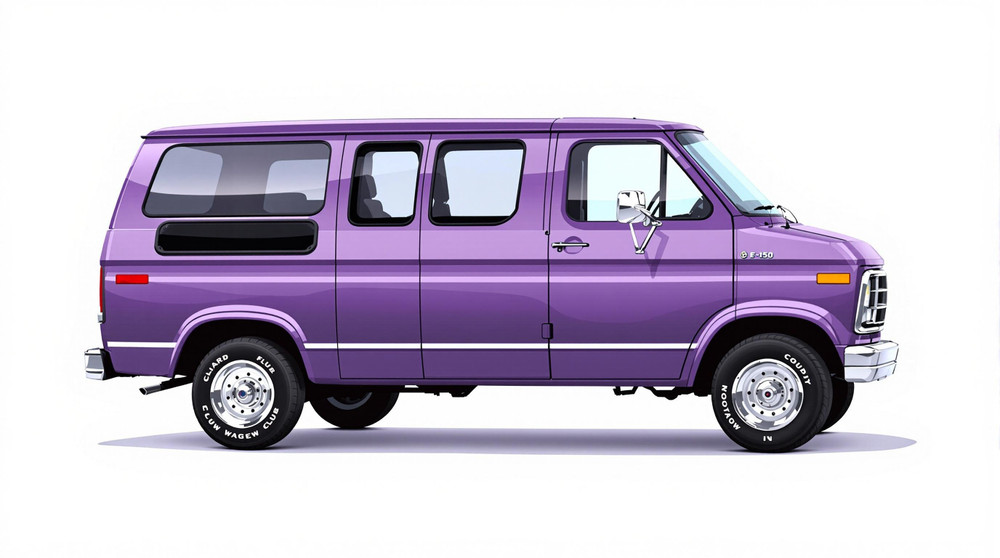
Image of 1981 Ford E-150 Econoline Club Wagon, Note: These illustrations use artistic license and may differ from actual historical models.
Performance Metrics
Fundamental Metrics
Emotional Appeal
MMP Rating
| Engine Specifications | |
|---|---|
| Engine Options: | 4.9L Inline-6, 5.8L V8, 6.6L V8, 7.5L V8 |
| Displacement Range: | 4.9L - 7.5L |
| Horsepower Range: | 115-225 HP |
| Torque: | 223-357 lb-ft |
| Compression Ratio: | 8.0:1 - 8.4:1 |
| Ignition System: | Distributor |
| Cooling System: | Liquid cooled |
| Performance Specifications | |
| 0-60 Time: | 11-15 seconds |
| 1/4 Mile Time: | 18-20 seconds |
| Top Speed: | 85-100 mph |
| Transmission and Drive | |
| Drive Type: | Rear-wheel drive |
| Transmission Type: | 3-speed automatic, 4-speed manual |
| Fuel and Efficiency | |
| Fuel System Type: | Carburetor |
| MPG: | 10-14 MPG |
| Dimensions and Brakes | |
| Brakes: | Front disc / Rear drum |
| Wheelbase: | 124 inches |
| Weight: | 4,500-5,500 lbs |
Note: Specifications for classic cars are given to the best of our ability, considering the limited and variant data available.
1981 Ford E-150 Club Wagon: A Full-Size Van with Staying Power
The 1981 Ford E-150 Econoline Club Wagon could carry a family, a football team, or the contents of a small apartment, all while looking ready for a long stretch of highway. Built by Ford in the United States, it was the passenger-carrying version of the E-Series full-size van, a line that had become a fixture of American roads, worksites, and weekend getaways.
The Econoline name dated to 1961, but the 1981 model belonged to the third-generation design introduced for 1975. Its conventional front-engine layout and substantial body-on-frame construction made it a practical alternative to the smaller, rear-engine vans that had helped define the previous decade. One appealing detail: the Club Wagon was not just a windowed work van. In higher trims, it could be ordered as a genuinely comfortable passenger vehicle, complete with multiple rows of seats and upscale interior touches.
Exterior Design and Interior Comfort
The E-150’s shape was straightforward and purposeful. A broad, upright windshield, nearly vertical sides, and a tall roof made the cabin easy to access and gave the van its unmistakable full-size profile. The front end had a blunt, squared-off look, with a prominent grille, rectangular headlamps, and a long hood section that housed the engine ahead of the driver. Large side windows on Club Wagon models helped distinguish them from cargo vans and improved visibility for passengers.
Ford offered the Club Wagon in different lengths and trim levels, with seating and equipment varying by configuration. Depending on the build, buyers could choose practical lower-trim interiors or more richly appointed versions such as the XLT and Chateau. The latter could include carpeting, upgraded upholstery, woodgrain-style trim, and extra convenience features. Materials were durable and easy to clean, though not especially luxurious by modern standards. Even a well-equipped example still feels like a hardworking vehicle first and a lounge on wheels second.
Paint choices varied with trim and production details, but period colors ranged from traditional white and red to blues, tans, browns, and metallic shades. White was a particularly common choice for vans, while two-tone paint and coordinated interior colors helped give some passenger models a more distinctive, family-friendly appearance. Factory colors and trim combinations should be confirmed against the vehicle’s original documentation, since vans were also frequently repainted or customized.
Club Wagon was the passenger-oriented body style, while the broader Econoline range also included cargo vans and chassis-cab versions. The E-150 was the half-ton model, positioned below the heavier E-250 and E-350. Among passenger versions, longer-wheelbase and better-equipped Club Wagons became especially popular for family travel and conversion-van projects.
Technology and Engineering for 1981
By today’s standards, the E-150’s technology was simple. Its strengths were conventional engineering and useful space rather than electronic gadgets. The driver faced straightforward instrumentation and familiar controls, while the engine sat beneath a large interior doghouse cover between the front seats. That layout made the mechanicals accessible for service, although it also brought engine heat and noise into the cabin.
Depending on equipment and market, buyers could select from Ford’s period engine range, which included a 4.9-liter inline-six and V8 options such as the 5.0-liter and 5.8-liter. Exact availability varied by configuration, emissions requirements, and region, so the original build sheet or VIN data is the best way to verify a particular van. Power went to the rear wheels, commonly through an automatic transmission. Power steering and power brakes were available, and were valuable options on a vehicle of this size.
The E-Series’ body-on-frame construction was well suited to carrying passengers, towing, and supporting conversion equipment. Its front suspension was designed for the demands of a full-size van, while the solid rear axle delivered familiar truck-like durability. The result was not delicate or sophisticated, but it was practical and adaptable.
Why the Econoline Mattered
The 1981 Club Wagon arrived at a time when full-size vans were evolving beyond basic commercial transport. Families wanted room for road trips, businesses needed flexible people movers, and customizers were turning vans into rolling recreation rooms. Ford’s E-Series could answer all three needs, with a common platform that supported passenger, cargo, recreational, and commercial uses.
What set the Econoline apart was its combination of useful capacity, a conventional front-engine layout, and a wide range of configurations. It was easier to adapt than a car-based wagon and more approachable for many buyers than a large bus-style vehicle. The E-Series also became a major foundation for the conversion-van market, where high-top roofs, swivel seats, plush upholstery, entertainment equipment, and custom cabinetry transformed ordinary vans into distinctive long-distance cruisers.
The Club Wagon’s influence is part of a broader story rather than a single revolutionary invention. It helped make the full-size passenger van a familiar choice for families, hotels, teams, and shuttle operators. The E-Series name has endured in Ford’s commercial vehicle business, although passenger Club Wagon models are no longer part of the modern lineup.
Performance and Road Manners
Performance depends heavily on the engine, axle ratio, transmission, tire condition, and how much the van is carrying. A lightly loaded V8 E-150 will feel markedly livelier than a six-cylinder example loaded with passengers and luggage. As a period full-size van, it was built for usable low-speed pulling power and steady cruising, not quick launches.
There is no single reliable 0-to-60 mph figure for every 1981 E-150 Club Wagon configuration. As a broad estimate, many examples take roughly 14 to 20 seconds, with engine choice and vehicle load making a substantial difference. Top speed is likewise configuration-dependent; a reasonable general estimate is around 80 to 90 mph, though sustained high-speed driving is not the van’s strong suit and should never be attempted in a vehicle with questionable tires, brakes, or steering.
On the road, the Club Wagon feels large, upright, and distinctly truck-like. It absorbs ordinary road imperfections reasonably well, especially when the suspension and tires are in good condition, but sharp bumps can unsettle a lightly loaded rear end. In crosswinds and on exposed highways, the tall body catches air and asks the driver for steady steering corrections. Tight, winding roads require patience: the van’s size, weight, and relatively high center of gravity favor smooth inputs over abrupt cornering.
The driving experience has plenty of character. A V8 produces a low, familiar burble that can be heard through the engine cover, while the engine and road noise become more noticeable at highway speeds. The steering is not sports-car precise, and parking takes planning, but the large windows give the driver a commanding view. A well-maintained example feels calm and capable when driven within its limits.
Living with a 1981 Club Wagon
Today, these vans are most often used as weekend cruisers, camper or conversion projects, family haulers, vintage event vehicles, and occasional daily drivers. Their size and fuel consumption make them less convenient for modern commuting, especially in crowded cities, but the flexible cabin remains useful for camping, hauling gear, or carrying a group.
Routine repairs are generally approachable for an owner with basic mechanical experience. The engines and driveline use familiar, largely mechanical technology, and many service tasks are less complicated than on a modern vehicle. Access can be the catch: the doghouse provides useful access from inside the cab, but working around a large engine in a warm, crowded space is not always comfortable. Rust, aging wiring, worn suspension parts, cooling-system problems, and tired brakes deserve careful attention.
Parts availability is generally reasonable for common mechanical components, though trim pieces, original upholstery, model-specific interior parts, and unmodified body panels can take more effort to find. Before buying, inspect the frame, floor, rocker panels, wheel openings, and windshield area for corrosion. Also check for signs of poor-quality conversion work, overloaded suspension, and neglected cooling or transmission service.
Fun Facts and Common Misconceptions
The E-150 Club Wagon belongs to the same broad era that produced the custom conversion van boom. Some vans gained raised roofs, elaborate interior treatments, and accessories that made them recognizable even from across a parking lot. The extent of customization can make two vans with the same model designation feel like completely different vehicles.
A common piece of pop-culture confusion is the van from The A-Team. The famous black van with a red stripe was a GMC Vandura, not a Ford Econoline. Ford Club Wagons did, however, appear widely in everyday life as family, hotel, and shuttle vehicles. There is no single major speed or endurance record associated with the 1981 E-150 Club Wagon. Its claim to fame is practical versatility and long-term visibility on American roads, rather than motorsport achievement.
Criticisms are familiar: substantial fuel use, slow acceleration, wide turning circles, and wind sensitivity. The driving position and simple equipment can also feel dated. Those drawbacks are part of the package, and they are worth weighing honestly before treating one as everyday transportation.
Collector Value and Availability
There is no widely published production breakdown for every 1981 E-150 Club Wagon trim and configuration. As a best-guess estimate, perhaps 15,000 to 35,000 E-150 Club Wagons were built for the U.S. market that year, but that range is speculative rather than a verified factory total. Surviving examples are much harder to count, and condition varies dramatically because many spent decades in commercial service or were modified as conversions.
As a general U.S. market guide, a project van with significant rust or mechanical needs might sell for roughly $2,000 to $6,000. A usable, roadworthy example could fall around $8,000 to $18,000, while a clean, original, well-documented, or professionally restored van might reach approximately $20,000 to $35,000 or more. Exceptional conversions can ask higher prices, but elaborate modifications do not always increase resale value. These are broad estimates, not a formal appraisal, and location, condition, originality, and paperwork make a major difference.
Values have generally benefited from renewed interest in vintage vans and nostalgic road-trip vehicles, but the market remains niche. Clean, unmodified examples are becoming harder to find, which can support gradual appreciation. However, a rough van is still a rough van: rust repair and restoration costs can quickly exceed its market value. Buyers should prioritize sound structure, good mechanical condition, and a clear history over flashy accessories.
A Practical Classic with Room to Roam
The 1981 Ford E-150 Econoline Club Wagon was not designed to be fast or fashionable. Its appeal came from a durable platform, generous passenger space, and the freedom to tailor it for work, family travel, or recreation. Today, it offers a vivid link to the golden age of the full-size American van, with plenty of character and a cabin large enough to make every trip feel like an outing.
For collectors and drivers who value usefulness as much as nostalgia, the Club Wagon remains a memorable classic: a big, honest Ford built to take people places.
1981 Ford E-150 Econoline Club Wagon Catalog of Parts
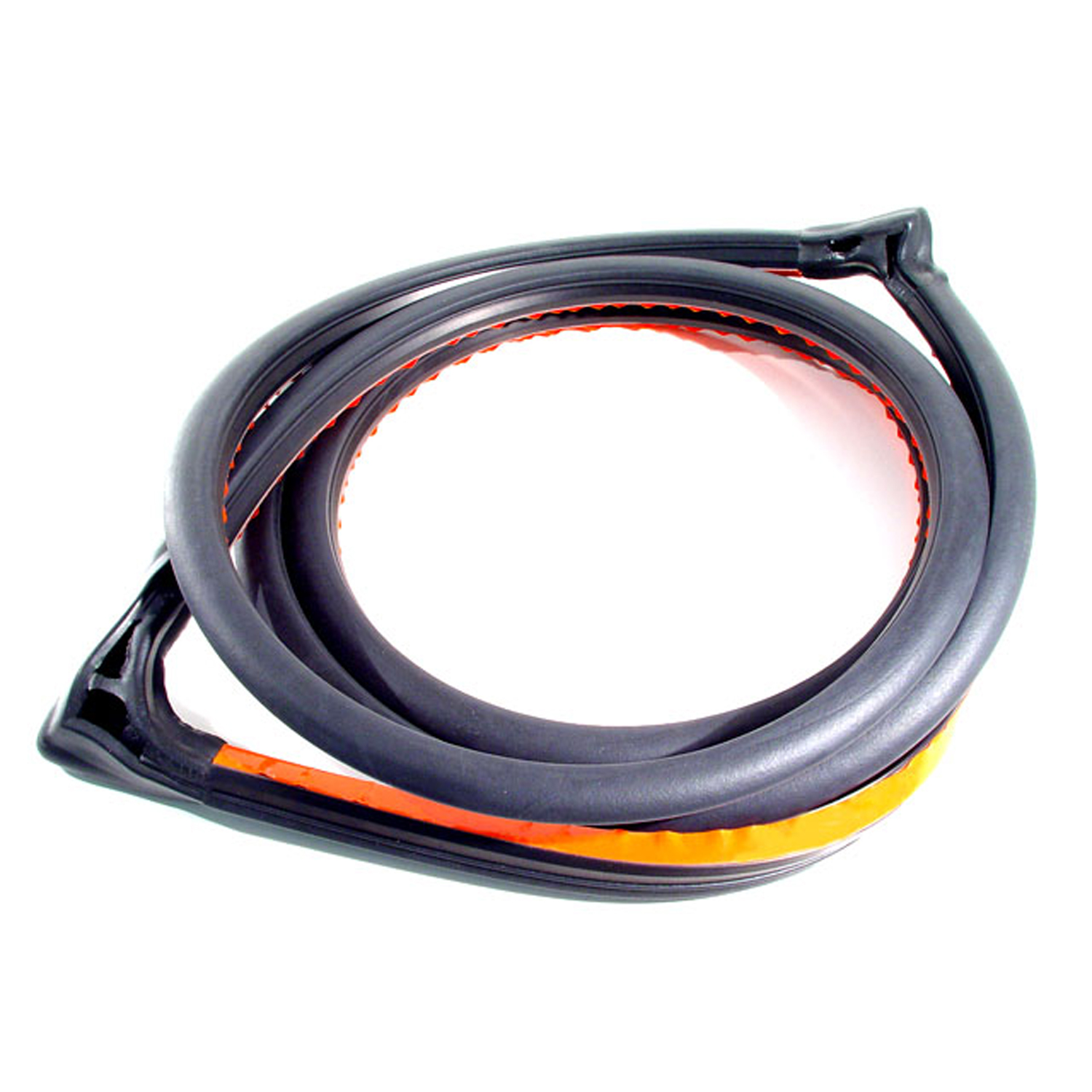 1981 Ford E-150 Econoline Club Wagon Front Side Cargo Door Seal-LM 110-VAFront Side Cargo Door Seal (fits front right side of cargo door). Replaces OEM #E9UZ 1525324 B. For rear (left side) matching seal, see LM 110-VB. Each
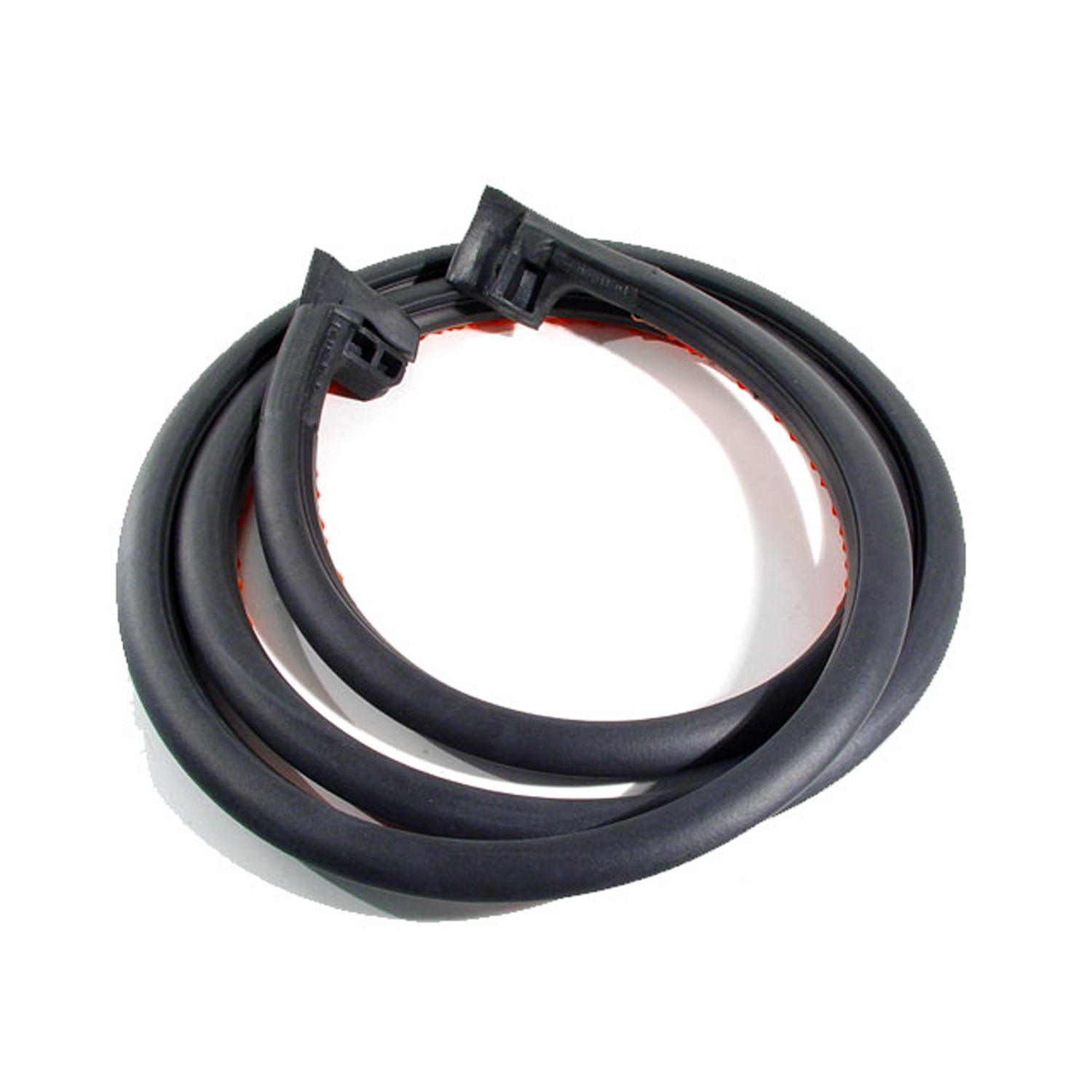 1981 Ford E-150 Econoline Club Wagon Rear Side Cargo Door Seal-LM 110-VBRear Side Cargo Door Seal (fits rear left side of cargo door). Replaces OEM #E9UZ 1525325 B. For front (right side) matching seal, see LM 110-VA. Each
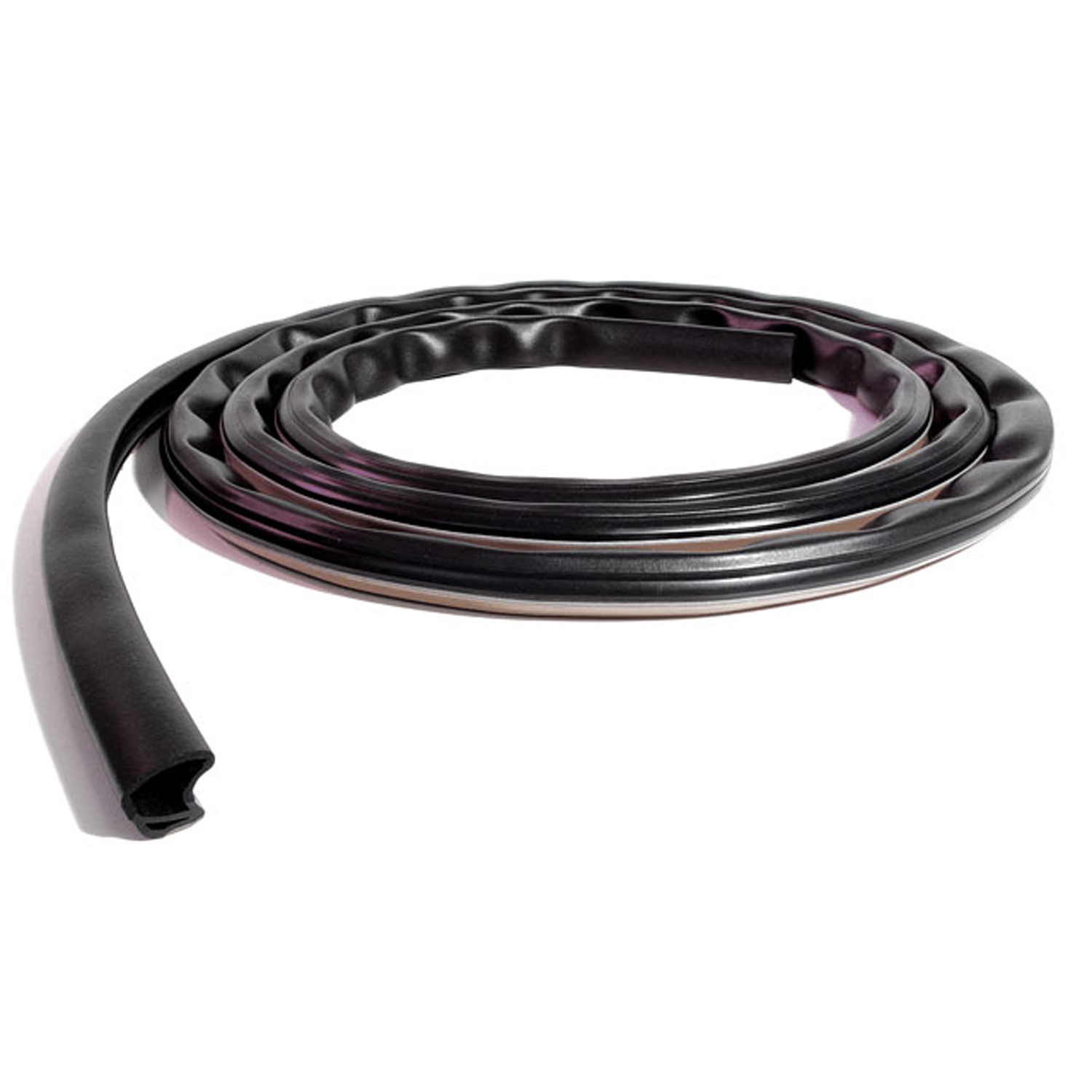 1981 Ford E-150 Econoline Club Wagon Left Front (drivers side) Door Seal. Each-LM 110-VLLeft Front (drivers side) Door Seal. Each
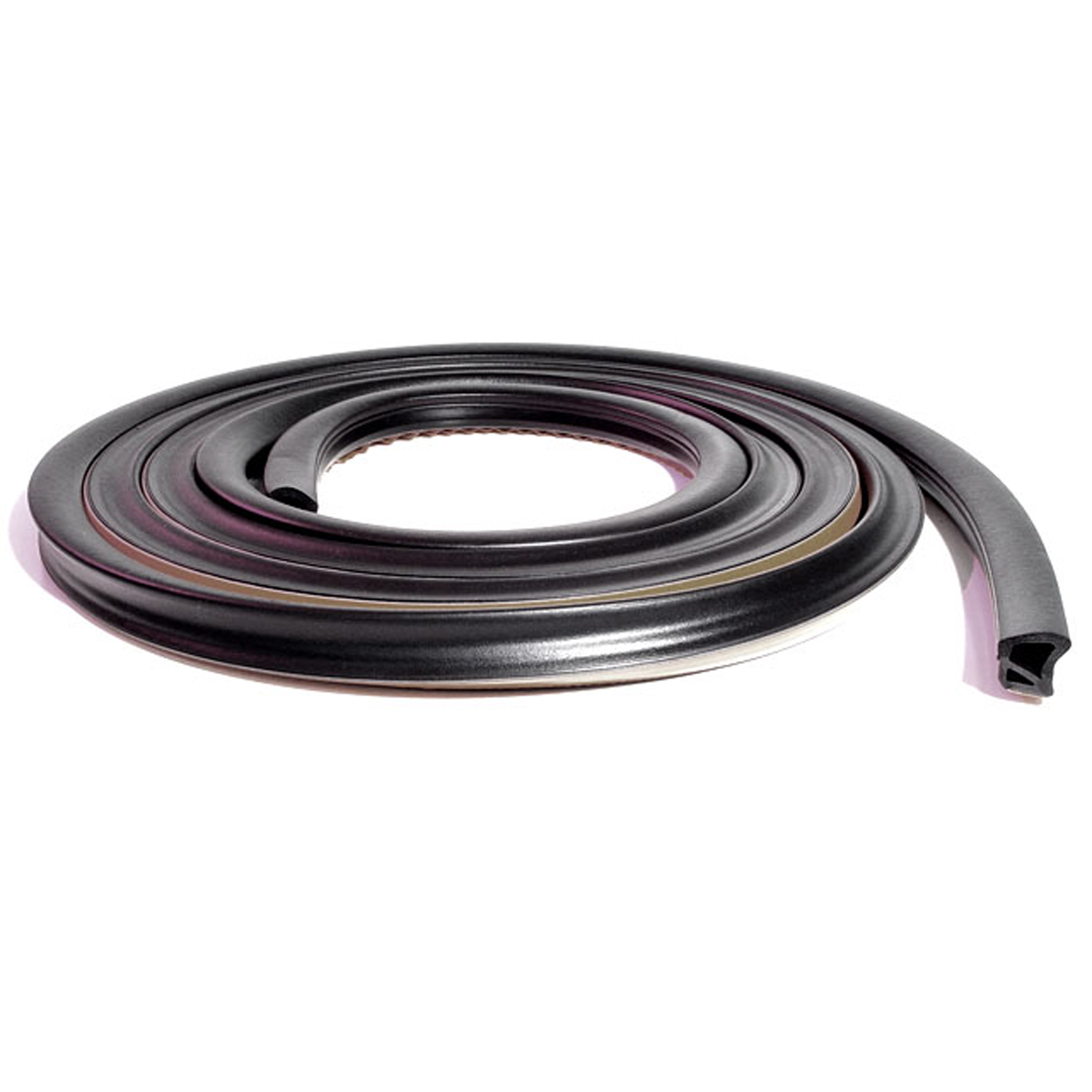 1981 Ford E-150 Econoline Club Wagon Right Front (passenger side) Door Seal. Each-LM 110-VRRight Front (passenger side) Door Seal. Each
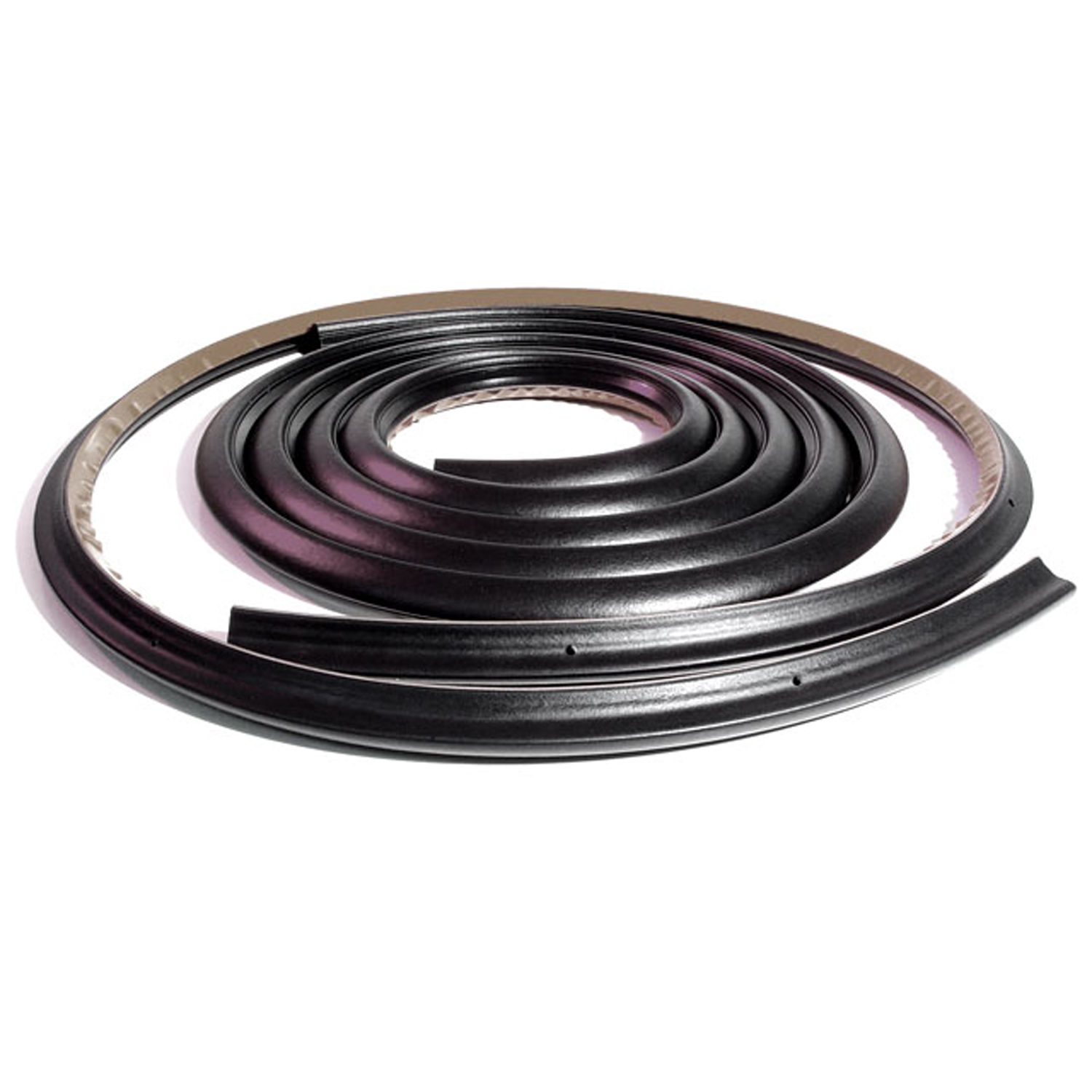 1981 Ford E-150 Econoline Club Wagon Side Slider Door Seal. Each-LM 110-VSSide Slider Door Seal. Each
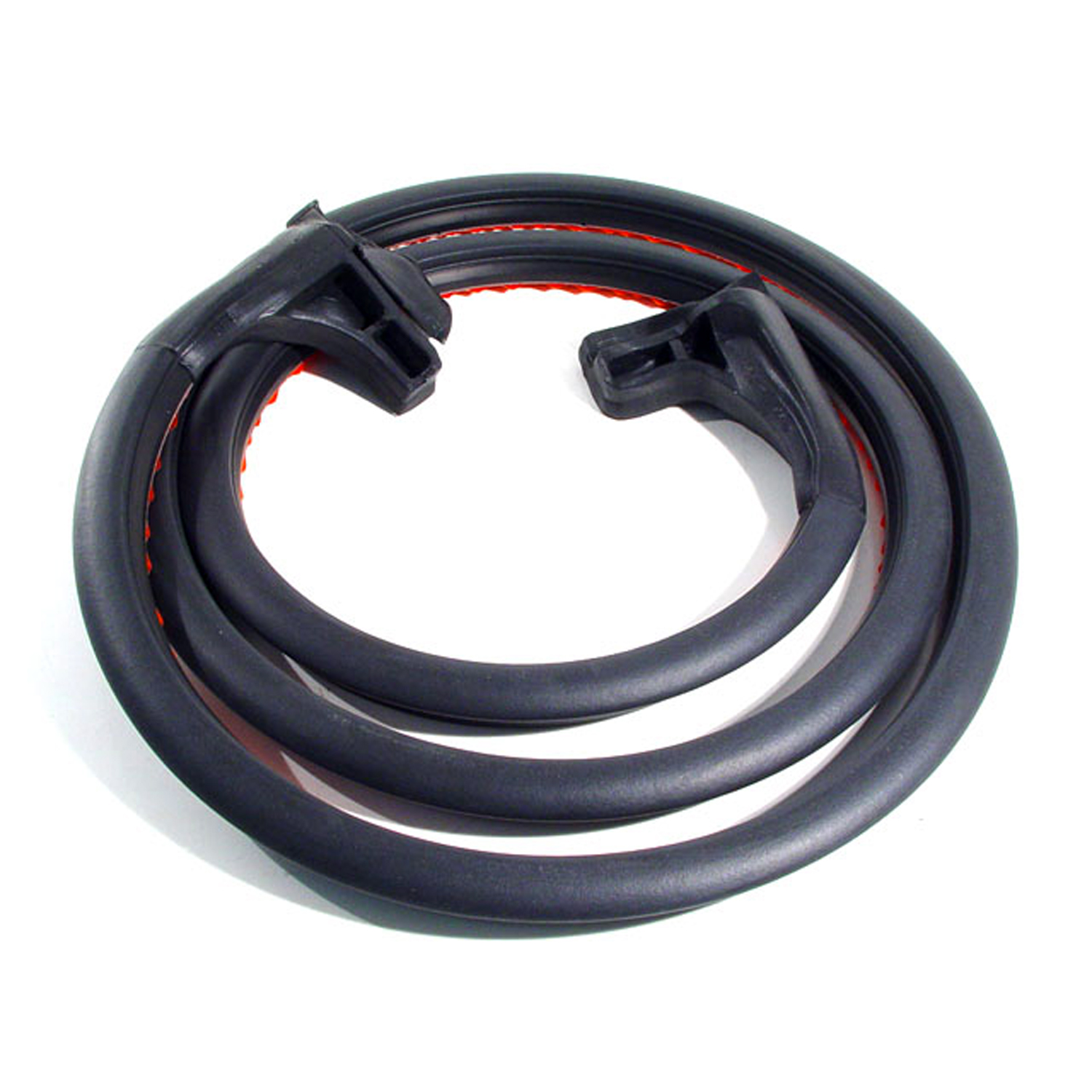 1981 Ford E-150 Econoline Club Wagon Left Rear Door Seal (Drivers Side)-LM 110-VTLeft Rear Door Seal (Drivers Side). Replaces OEM #E9UZ 1543723 A. Each
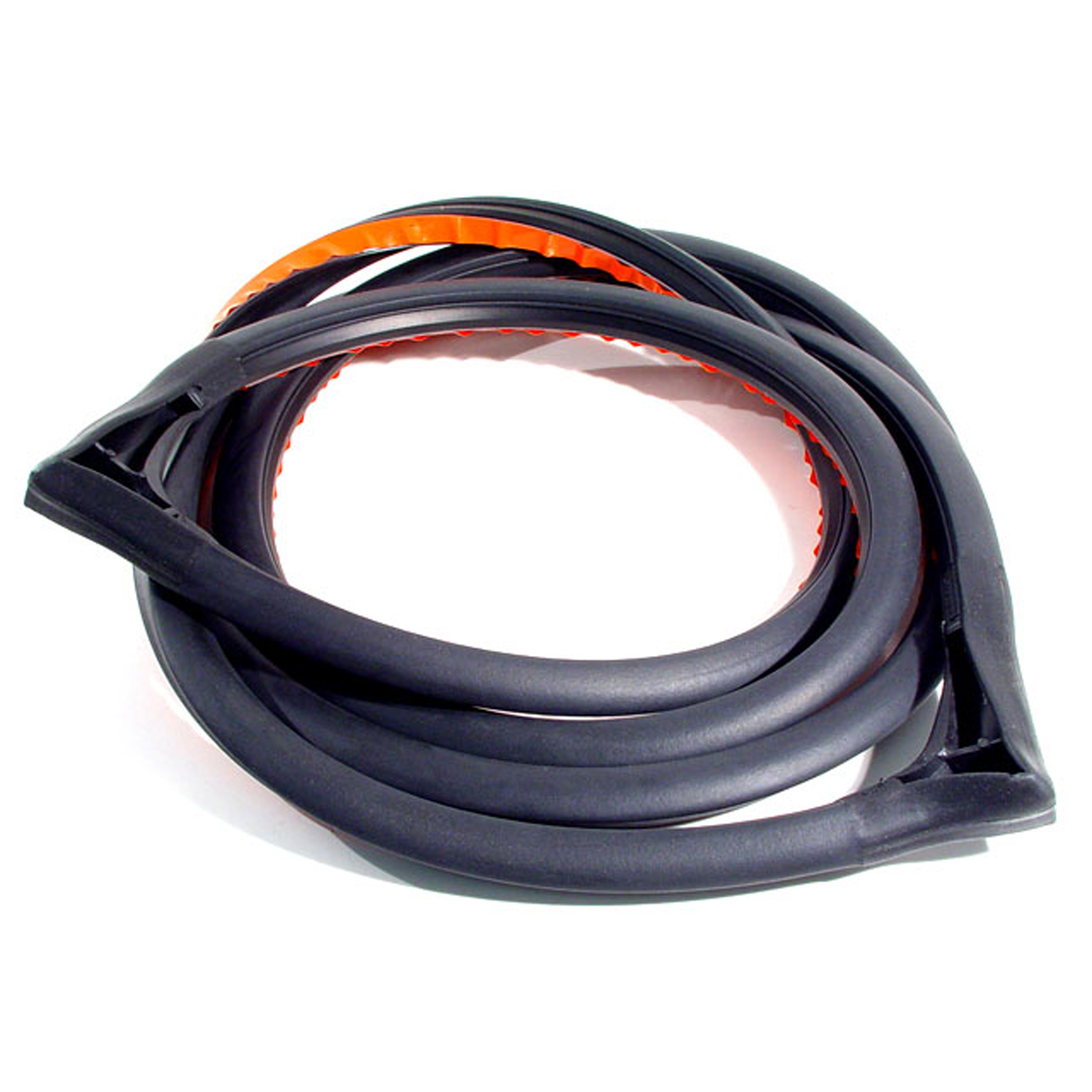 1981 Ford E-150 Econoline Club Wagon Right Rear Door Seal (Passenger Side)-LM 110-VURight Rear Door Seal (Passenger Side). Replaces OEM #F0UZ 1543722 A. Each
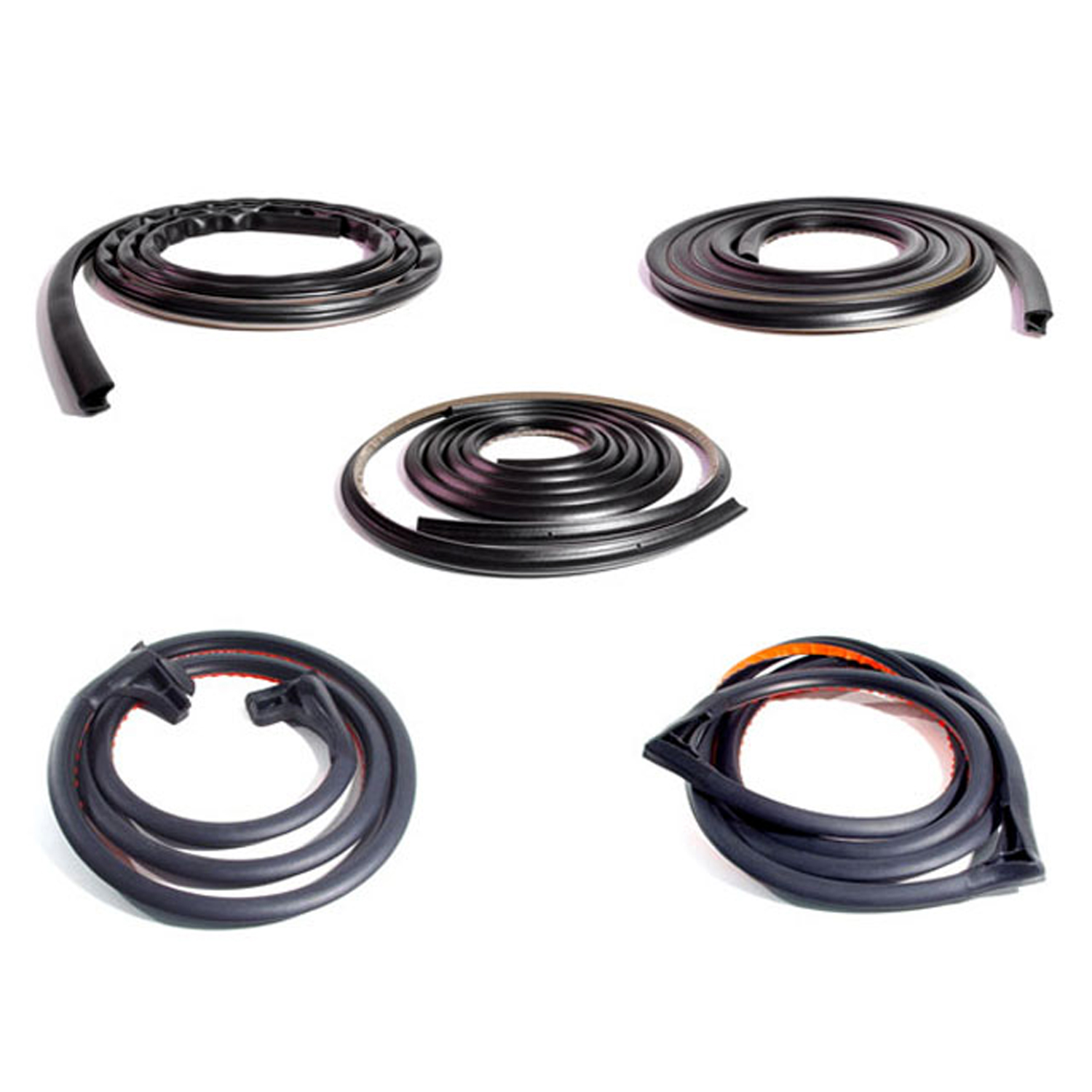 1981 Ford E-150 Econoline Club Wagon Basic Kit, for Models with Side Sliding Door-RKB 3000-100Basic Kit, for Models with Side Sliding Door. Front Left Door (LM 110-VL), Front Right Door (LM 110-VR), Back Left Door (LM 110-VT), Back Right Door (LM 110-VU), Side Sliding Door (LM 110-VS) Seals.
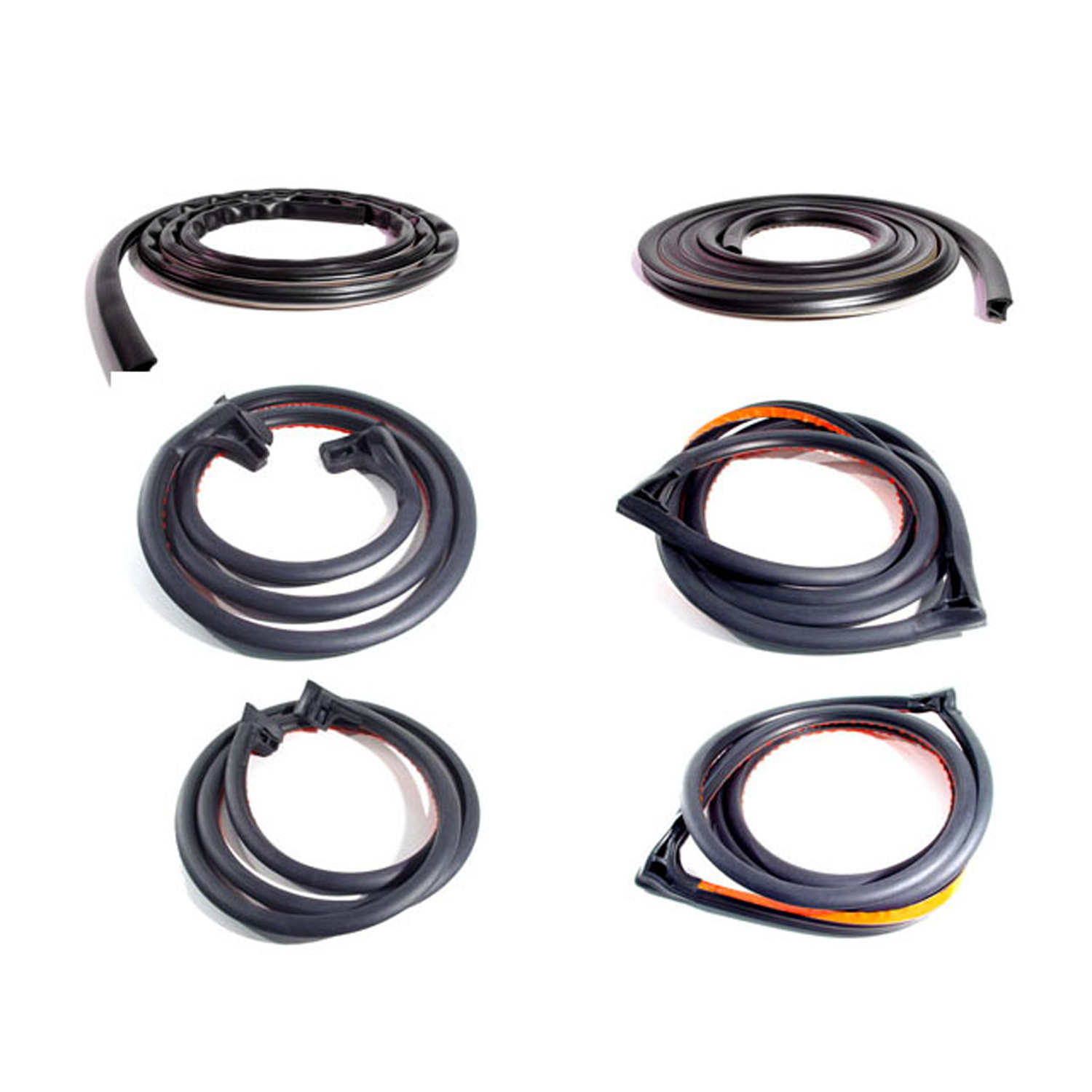 1981 Ford E-150 Econoline Club Wagon Basic Kit, for Models w/Side Cargo Door-RKB 3000-101Basic Kit, for Models w/Side Cargo Door. Front Left LM 110-VL), Front Right LM 110-VR), Back Left LM110-VT), Back Right LM 110-VU), Front Cargo Side (LM 110-VA), Rear Cargo Side (LM 110-VB) Door Seals.
Why Choose Metro?
For over 100 years, Metro Moulded Parts has been the pinnacle of quality in classic car restoration parts. Our commitment to precision and authenticity in every component ensures a perfect fit and an OEM-level appearance.
- Expert Craftsmanship & Quality: Each part is a testament to our dedication to reliability and perfection, crafted from original designs and thoroughly tested.
- Advanced Technology: We use cutting-edge techniques to create flawless, long-lasting parts that surpass others in performance.
- SuperSoft Sponge – The Ultimate Door Seal: Not only are our door seals 30% softer than competitors', but they're also guaranteed to never leak. They effectively reduce wind and road noise, enhancing your classic car's comfort and driving experience.
- Proudly American: Our parts are a product of American craftsmanship, made in the USA with a spirit of excellence and heritage.
- Unrivaled Warranty: We back our products with a 30-year industry-leading warranty, a testament to our confidence in their quality.
Join us in preserving the legacy of classic cars with parts that are crafted for perfection, not just made.