
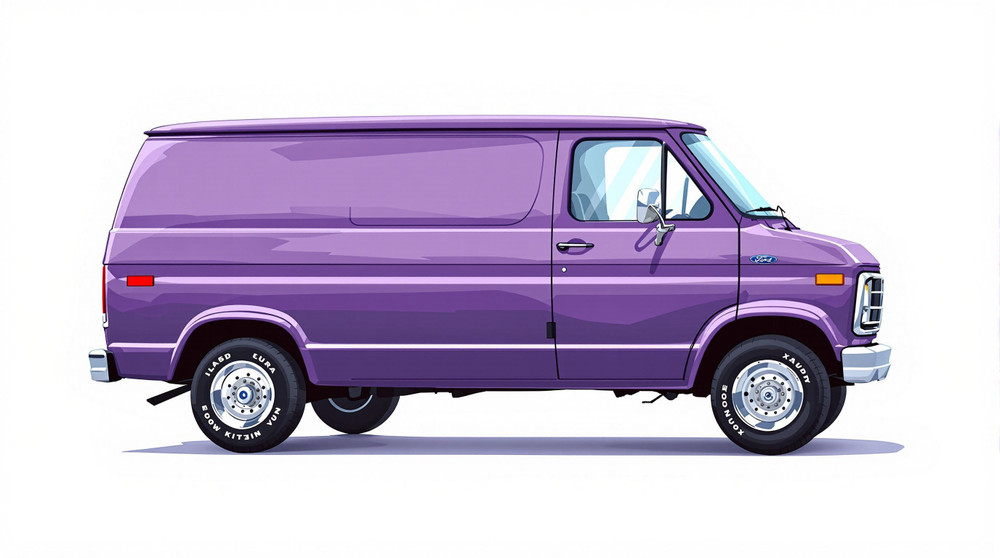
Image of 1981 Ford E-250 Econoline, Note: These illustrations use artistic license and may differ from actual historical models.
Performance Metrics
Fundamental Metrics
Emotional Appeal
MMP Rating
| Engine Specifications | |
|---|---|
| Engine Options: | 4.9L Inline 6, 5.8L V8, 7.5L V8 |
| Displacement Range: | 300-460 cubic inches |
| Horsepower Range: | 115-225 HP |
| Torque: | 223-357 lb-ft |
| Compression Ratio: | 8.0:1 - 8.4:1 |
| Ignition System: | Electronic |
| Cooling System: | Liquid-cooled |
| Performance Specifications | |
| 0-60 Time: | Estimated 12-15 seconds |
| 1/4 Mile Time: | Estimated 18-20 seconds |
| Top Speed: | 85-95 mph |
| Transmission and Drive | |
| Drive Type: | Rear-wheel drive |
| Transmission Type: | 3-speed automatic, 4-speed manual |
| Fuel and Efficiency | |
| Fuel System Type: | Carburetor |
| MPG: | Estimated 10-14 mpg |
| Dimensions and Brakes | |
| Brakes: | Front disc, rear drum |
| Wheelbase: | 124 inches |
| Weight: | 4,500-5,500 lbs |
Note: Specifications for classic cars are given to the best of our ability, considering the limited and variant data available.
1981 Ford E-250 Econoline: A Full-Size Van Built to Work
The 1981 Ford E-250 Econoline was less interested in making a grand entrance than in carrying the tools, people, and weekend plans of an entire generation. A three-quarter-ton version of Ford’s full-size van, it combined truck-style construction with a roomy, adaptable body, making it a familiar sight at job sites, in family driveways, and beneath the paint of countless custom van conversions.
Ford’s Econoline name began in 1961, when the company introduced a compact van inspired by the practical, cab-forward layout of European vans. By 1981, the Econoline had grown into a larger, more conventional American workhorse. The model belonged to the third-generation E-Series, introduced for 1975 and given a substantial redesign for 1980. Ford Motor Company built the E-250 for buyers who needed more capacity than a light-duty van but did not require the heavier E-350 chassis.
A curious detail of the era is that a van like the E-250 could begin life as a plain cargo hauler and end up as a plush camper, a passenger shuttle, or a rolling custom lounge. Its appeal was not tied to one job. The platform’s real trick was how easily it could be adapted to many.
Square Shoulders and a Practical Interior
The 1981 E-250 wore the squared-off styling that defined many American trucks and vans of the period. Its tall roof, slab-sided body, upright windshield, and broad rear doors made the most of the available space. At the front, a short hood and large grille gave it a more modern profile than the earlier, more cab-forward Econolines. Rectangular headlamps and clean, simple body lines varied somewhat by trim and equipment, but the overall look was unmistakably purposeful.
The cabin was designed around durability rather than luxury. Work-oriented vans commonly had hard-wearing vinyl upholstery, straightforward door panels, and a robust dashboard with large, easy-to-read gauges. Better-equipped passenger versions could offer cloth seating and more comfortable trim. The high driving position gave the driver a commanding view, while the engine cover, often called the doghouse, occupied part of the cab between the front seats. It was a practical arrangement, though it could make the cabin feel warm and close when the engine was working hard.
Available equipment depended on how the van was ordered. Power steering and power brakes were common conveniences, while air conditioning, cruise control, upgraded radios, carpeting, passenger seating, and rear heating could be selected on suitable configurations. These were useful additions, but the E-250 remained fundamentally a straightforward vehicle: sturdy controls, easy-to-clean surfaces, and space that could be tailored to the owner’s needs.
Ford offered a range of factory paint colors, with fleet-friendly whites and light colors especially common. Reds, blues, greens, browns, and metallic shades also appeared, with exact color names and availability varying by market and order. White became a popular choice for commercial fleets because it was practical to maintain and easy to letter with a company’s name. Custom vans often went in the opposite direction, wearing bold graphics, two-tone paint, or elaborate murals added after leaving the factory.
Body Styles and Van Conversions
The E-Series family included cargo vans, passenger-oriented Club Wagon models, and chassis configurations intended for specialized commercial bodies. The E-250 cargo van was the quintessential work version, typically fitted with a large, open load area and fewer rear-side windows. Buyers could choose different wheelbase and roof arrangements across the broader lineup, while window, seat, and trim choices helped determine whether a particular van was better suited to freight, passengers, or conversion work.
One of the most recognizable forms was the high-roof custom conversion. Conversion companies took Ford vans and added raised roofs, captain’s chairs, carpet, lighting, entertainment equipment, and sometimes sleeping or storage features. These conversions were not all factory Ford packages, so the quality and equipment can differ dramatically from one surviving example to another. The plain cargo van, however, was the E-250’s most enduring identity: a blank, durable canvas for work and reinvention.
Why the E-250 Mattered
The E-250 was not a radical design exercise, but it reflected a major shift in what a full-size van could be. By the late 1970s and early 1980s, vans were no longer just delivery vehicles. Businesses used them as mobile workshops, families bought passenger versions, and the custom-van scene turned them into expressions of personal style. Ford’s redesigned 1980 body gave the Econoline a more contemporary appearance while retaining the sturdy, truck-derived foundation buyers expected.
That combination of utility and adaptability was the E-Series’ lasting contribution. Its body-on-frame construction suited commercial work and specialized upfits, while the roomy interior made it appealing for passenger and recreational use. The E-Series nameplate continued for decades, eventually becoming one of America’s most familiar full-size van lines. The 1981 E-250 sits in an important part of that story, representing the mature, squared-off work van that could be ordered as basic transportation or transformed into something entirely different.
Compared with smaller vans, the E-250 offered more room and greater carrying capability. Compared with a pickup, it protected cargo from the weather and provided an enclosed space that could be outfitted for a specific trade. Its formula was not flashy, but it was effective enough to influence generations of commercial and recreational vans.
Engines, Road Manners, and Performance
Engine availability varied with configuration and market, but the 1981 E-Series could be ordered with Ford inline-six and V8 powerplants. The 4.9-liter, or 300-cubic-inch, inline-six was known for its useful low-speed torque and straightforward mechanical layout. V8 choices included small- and larger-displacement engines, with the 5.0-liter, 5.8-liter, and 7.5-liter units appearing in period E-Series applications depending on the order and specification. The exact engine, transmission, axle ratio, and emissions equipment should be confirmed on an individual van rather than assumed from its badges.
Manual and automatic transmissions were offered across the range, again depending on engine and configuration. Many surviving vans are automatics. In a working vehicle, the transmission and axle gearing mattered as much as peak horsepower: a van set up for heavy loads or towing could feel very different from a lightly equipped passenger model.
There is no single meaningful factory 0-to-60 mph figure for every 1981 E-250. As a period full-size van with substantial weight and the aerodynamics of a tall box, acceleration was leisurely by modern standards. A reasonable real-world estimate is roughly 13 to 20 seconds to reach 60 mph, depending on engine, gearing, load, and condition. A six-cylinder van or a heavily laden example would generally be toward the slower end. Top speed also varied, but roughly 80 to 95 mph is a sensible estimate for a healthy, suitably geared van. These are broad estimates, not guaranteed test results for every engine combination.
On the road, the E-250 feels like a truck adapted for people and cargo. Its Twin-I-Beam-style independent front suspension helps it cope with uneven pavement, while the long wheelbase and substantial mass can make it feel settled on ordinary highways. Broken pavement and sharp bumps still remind the driver that this is a work vehicle, particularly when the van is lightly loaded. Add cargo, and the ride can become more composed, though braking distances and cornering behavior deserve extra respect.
Crosswinds are a more noticeable challenge. The tall body catches the breeze, and the driver may need to make regular steering corrections on exposed roads. Winding routes call for measured inputs rather than quick changes of direction. Behind the wheel, the view over traffic is excellent, the steering feels heavier and less precise than in a modern van, and the engine’s voice comes from close by beneath the doghouse. The experience is direct, mechanical, and pleasantly uncomplicated, provided the driver remembers that this is a large, old-fashioned vehicle, not a modern crossover.
Living With a 1981 E-250
Owners use surviving E-250s as work vans, camper projects, vintage display vehicles, weekend cruisers, and practical transport for hobbies. A clean cargo van can still earn its keep, but many enthusiasts prefer to preserve one or convert it for camping. Show-quality custom vans attract attention for their period interiors and graphics, while stock-looking commercial examples appeal to fans of original work vehicles.
Routine maintenance is generally approachable for an experienced home mechanic. The engines are conventional by modern standards, and many service parts remain available through classic Ford specialists and general parts suppliers. The large engine bay is useful, although access to some components can be awkward because of the cab-mounted doghouse. Age-related problems are often more important than model-specific mysteries: rust, deteriorated rubber, tired suspension parts, worn steering components, cooling-system issues, and neglected brakes can turn a seemingly inexpensive van into a major project.
Inspect the frame, floor pans, lower body seams, wheel openings, windshield area, and the floor beneath the doghouse. Check that the engine does not overheat in traffic, that the transmission shifts consistently, and that the brakes stop the van straight. In a conversion, examine electrical additions, roof modifications, seat mounts, and plumbing or propane systems carefully. A well-maintained E-250 can be durable, but a heavy van with decades of deferred maintenance should not be mistaken for a bargain simply because it starts.
Useful Trivia and Common Complaints
The E-250’s most remarkable claim is not a speed record or a famous race win. It is adaptability. The same basic platform served tradespeople, delivery fleets, passenger transport operators, and custom-conversion companies. E-Series vans also became a regular part of American television and film scenery, usually playing the role of the dependable work van or mysterious custom ride rather than a celebrated star vehicle.
There is no widely documented 1981 E-250 celebrity edition or special production run that defines the model. Individual vans may have famous owners or local histories, but those stories need to be verified vehicle by vehicle. Likewise, public production figures broken down neatly by 1981 E-250 body style, engine, and trim are difficult to establish. As a broad estimate only, production may have been in the tens of thousands, perhaps around 20,000 to 40,000 E-250 examples for the model year. That is a reasoned estimate, not an official Ford count.
Common criticisms are easy to understand: fuel consumption is high by modern standards, acceleration is modest, and the van’s height makes it sensitive to wind. The driving position and doghouse can also make the cabin feel warm, while a large turning circle and dated braking feel require patience. For many owners, though, those compromises are outweighed by the generous space, robust construction, and simple mechanical character.
Collector Value and Market Outlook
Values depend heavily on rust, mechanical condition, originality, engine, and the quality of any conversion. As a broad 2026 U.S. market estimate, a project van or rough driver might sell for about $2,000 to $7,000. A running, reasonably solid example could bring approximately $8,000 to $20,000. A carefully restored van or a high-quality, desirable period conversion may reach $20,000 to $40,000 or more, though custom interiors can be highly personal and do not always return their full build cost at resale.
The 1981 E-250 is not exceptionally rare in the sense of a limited-production performance car, but clean, original examples are becoming harder to find. Many were used heavily, modified, or scrapped after years of commercial service. Values for decent survivors have generally strengthened as interest in vintage vans and simple camper platforms has grown. The market remains condition-sensitive, however, and ordinary worn examples are still depreciating in practical value as repairs accumulate. The best candidates for appreciation are solid, well-documented vans with quality workmanship and a clear, appealing configuration.
A Classic Van With Room to Become Anything
The 1981 Ford E-250 Econoline stands out for what it made possible. Its truck-based strength, broad engine choices, roomy body, and adaptable layout gave owners a dependable platform for work, travel, and self-expression. It was not fast, delicate, or especially economical, but it was built to be useful, and that usefulness gave it a long life beyond the showroom.
More than four decades later, the E-250 remains a vivid slice of American automotive culture: part commercial tool, part family hauler, and part blank canvas. Few classic vehicles can carry a toolbox on Monday and a camper interior on Friday with quite the same unassuming confidence.
1981 Ford E-250 Econoline Catalog of Parts
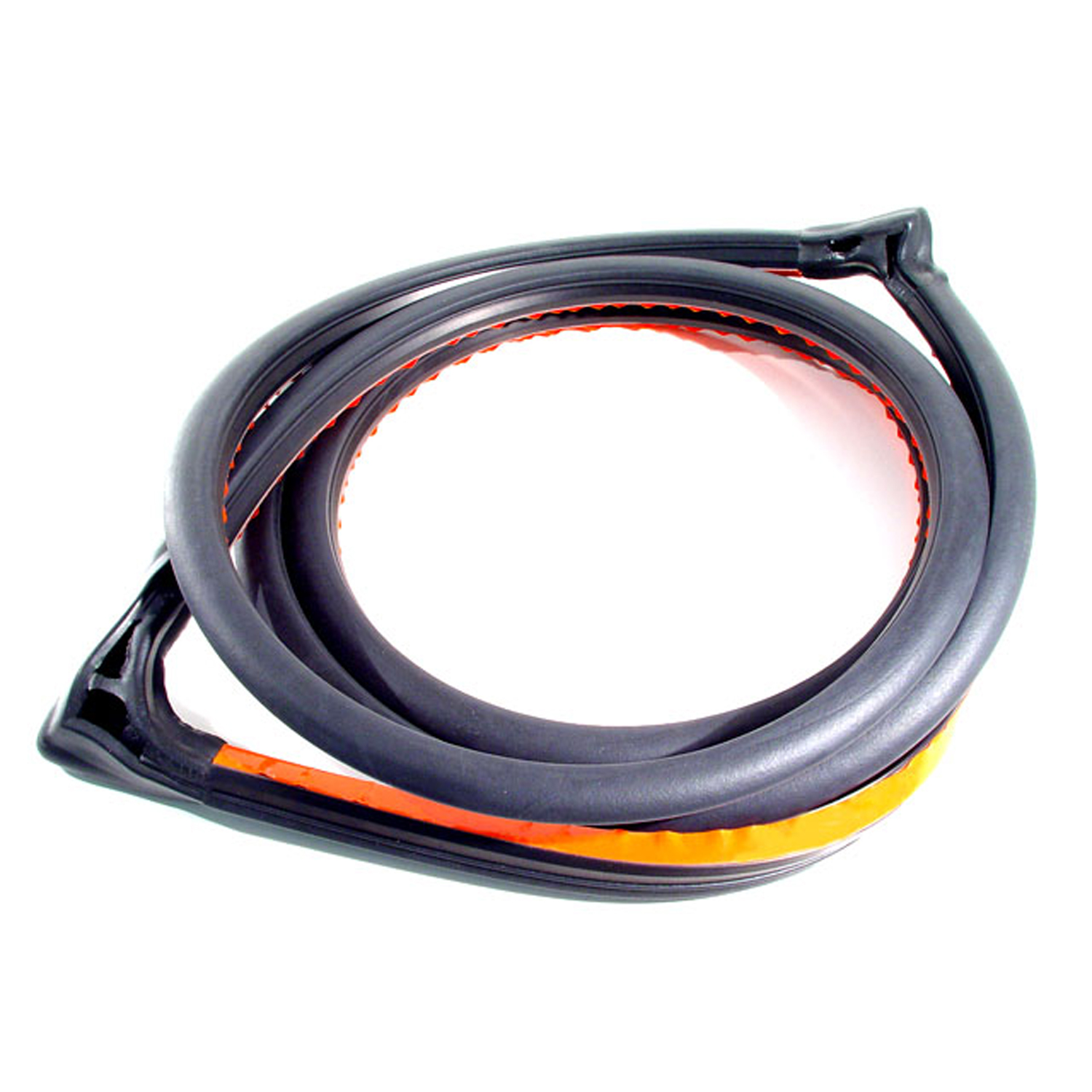 1981 Ford E-250 Econoline Front Side Cargo Door Seal-LM 110-VAFront Side Cargo Door Seal (fits front right side of cargo door). Replaces OEM #E9UZ 1525324 B. For rear (left side) matching seal, see LM 110-VB. Each
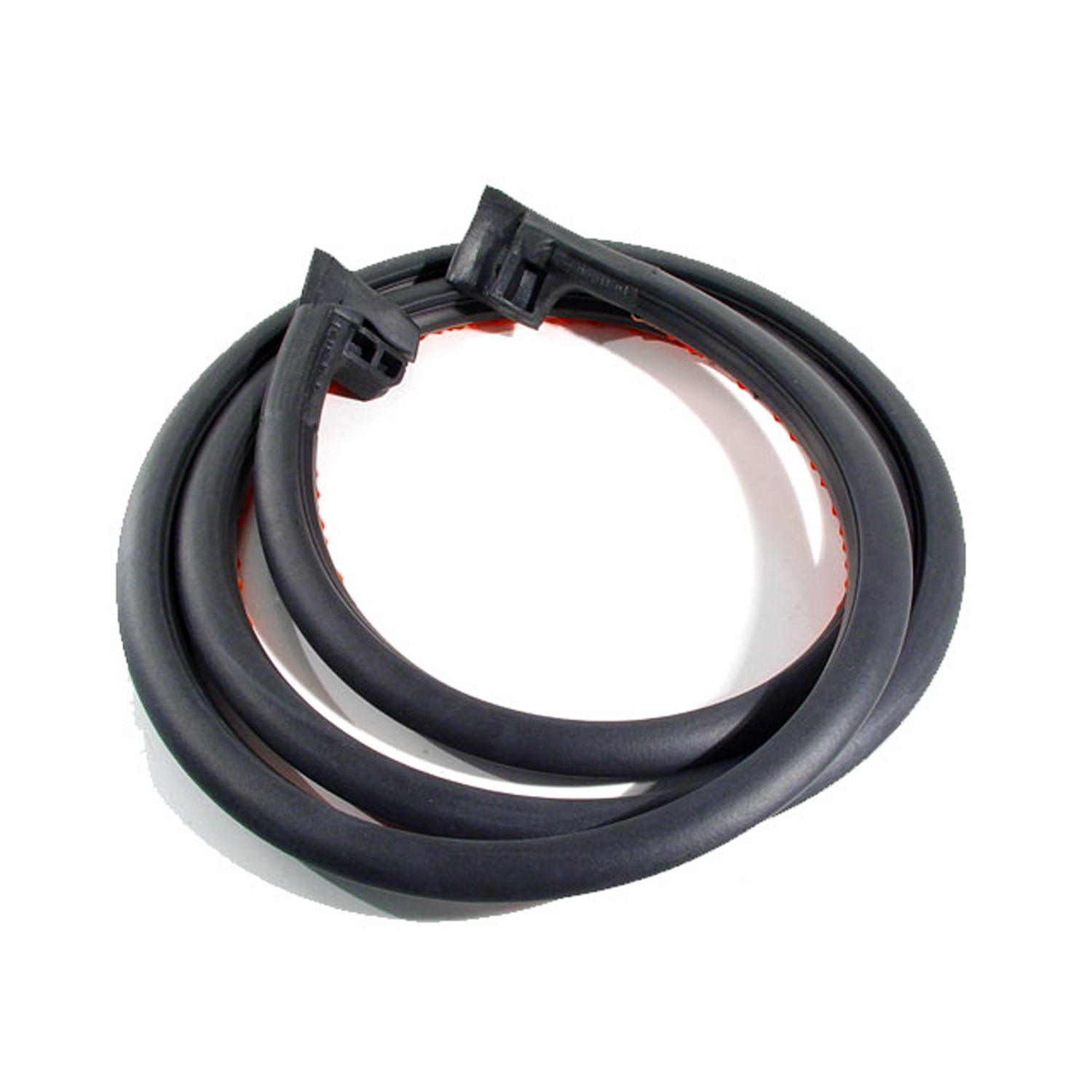 1981 Ford E-250 Econoline Rear Side Cargo Door Seal-LM 110-VBRear Side Cargo Door Seal (fits rear left side of cargo door). Replaces OEM #E9UZ 1525325 B. For front (right side) matching seal, see LM 110-VA. Each
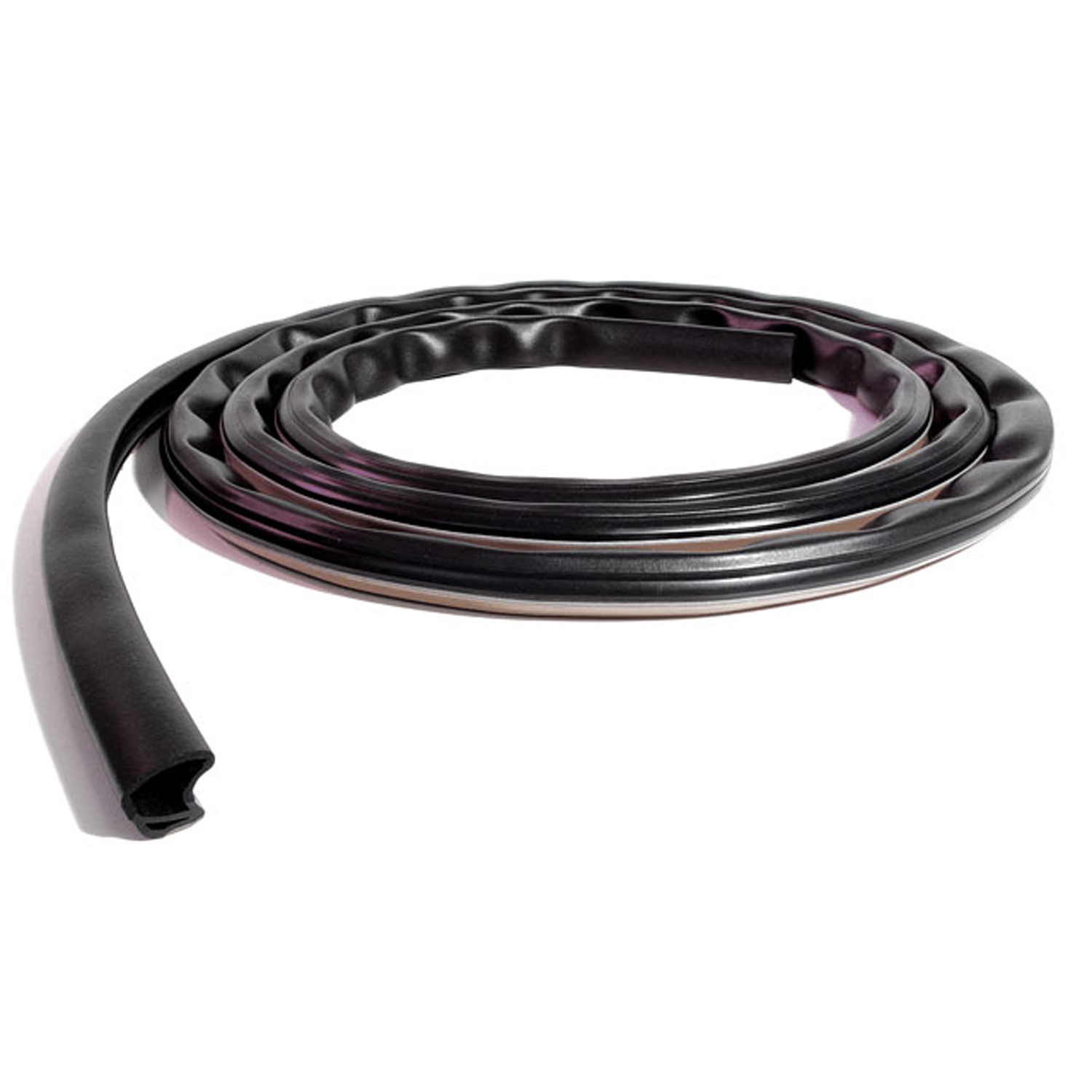 1981 Ford E-250 Econoline Left Front (drivers side) Door Seal. Each-LM 110-VLLeft Front (drivers side) Door Seal. Each
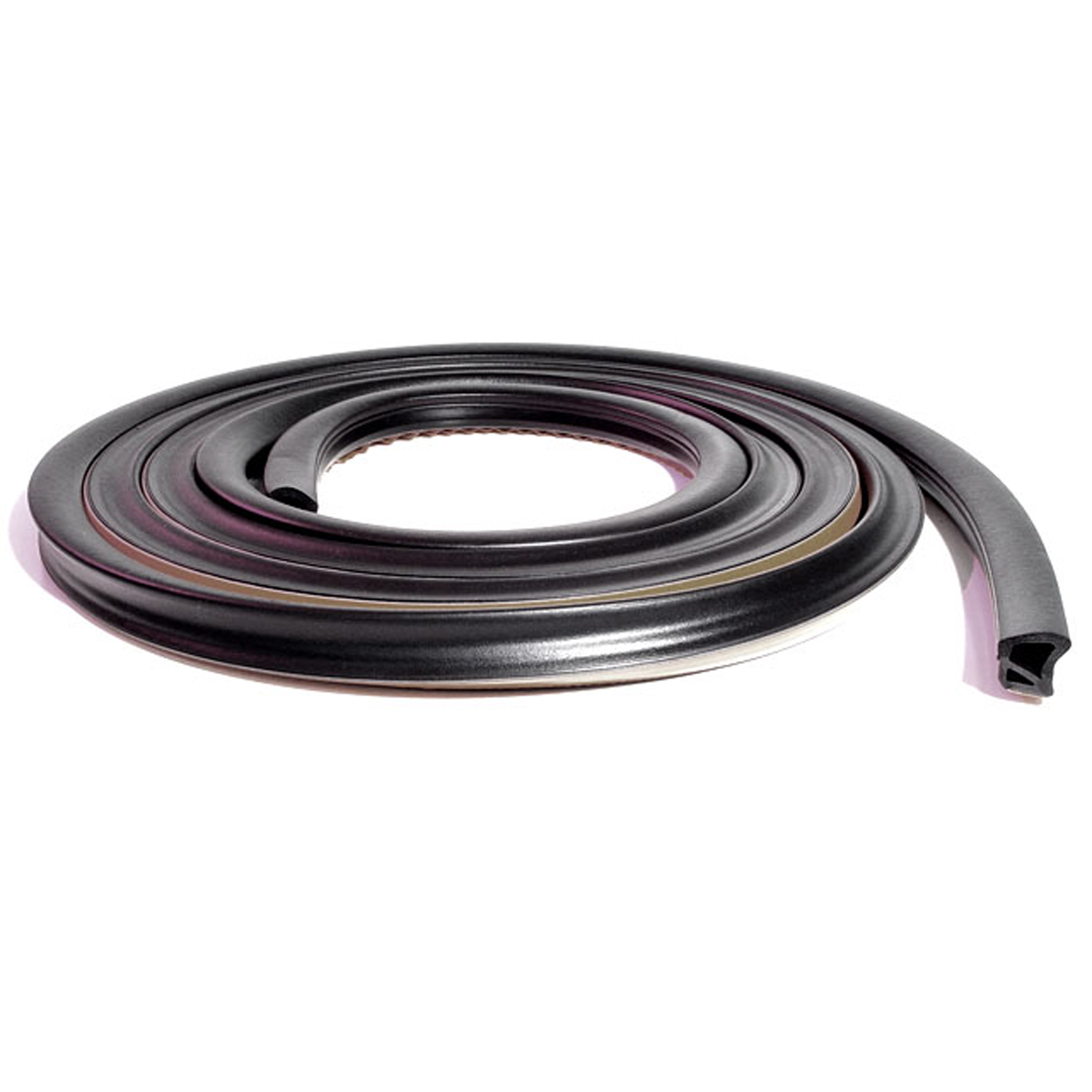 1981 Ford E-250 Econoline Right Front (passenger side) Door Seal. Each-LM 110-VRRight Front (passenger side) Door Seal. Each
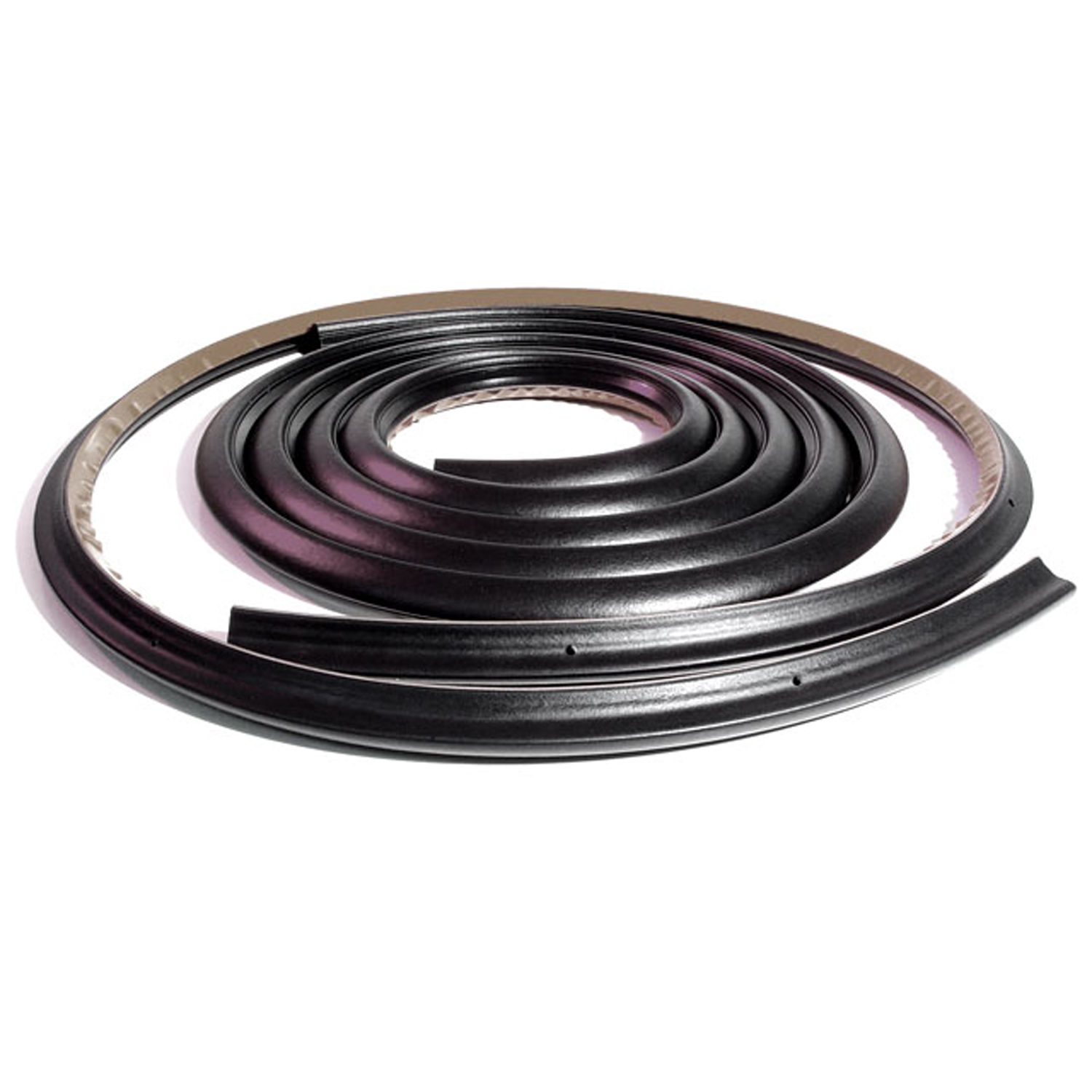 1981 Ford E-250 Econoline Side Slider Door Seal. Each-LM 110-VSSide Slider Door Seal. Each
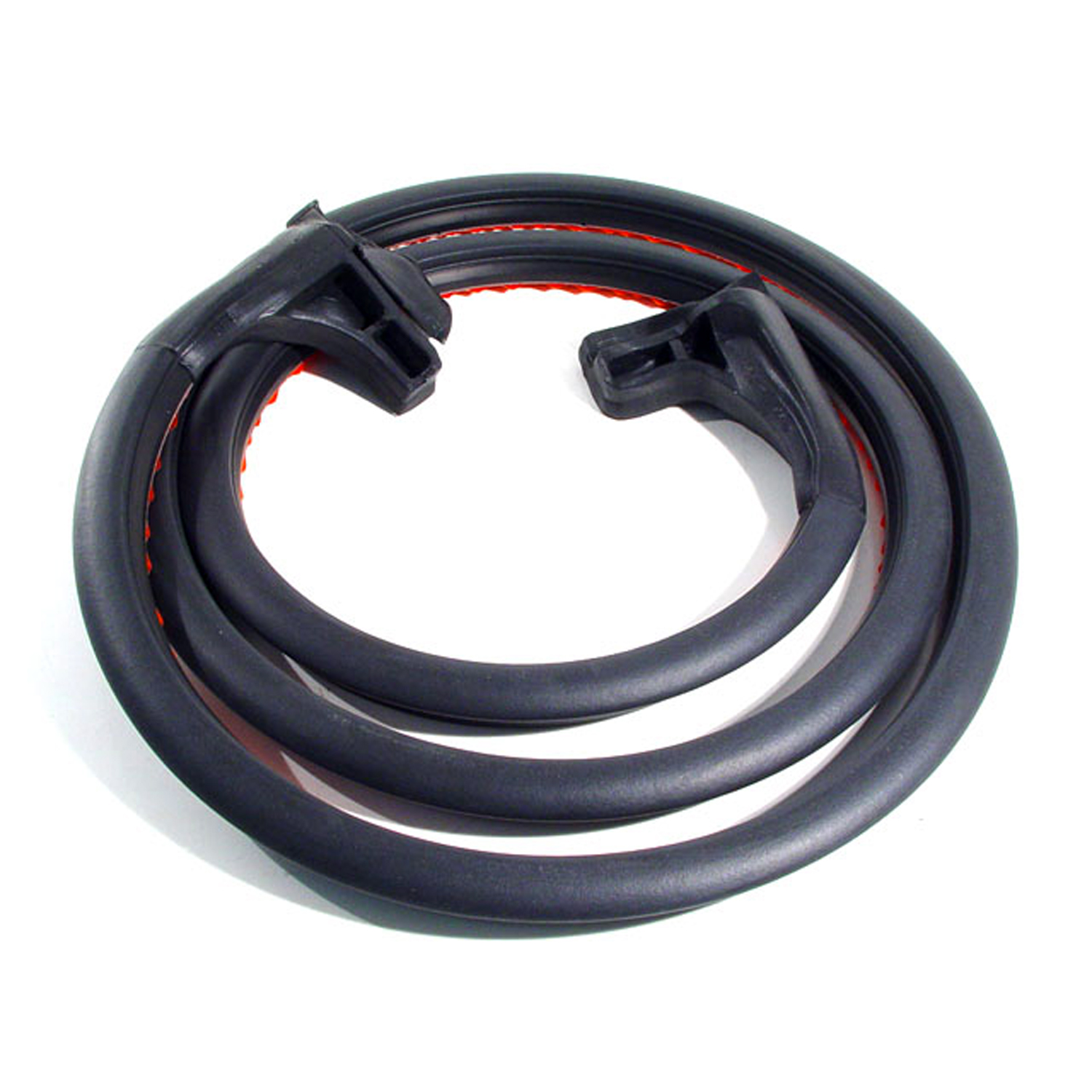 1981 Ford E-250 Econoline Left Rear Door Seal (Drivers Side)-LM 110-VTLeft Rear Door Seal (Drivers Side). Replaces OEM #E9UZ 1543723 A. Each
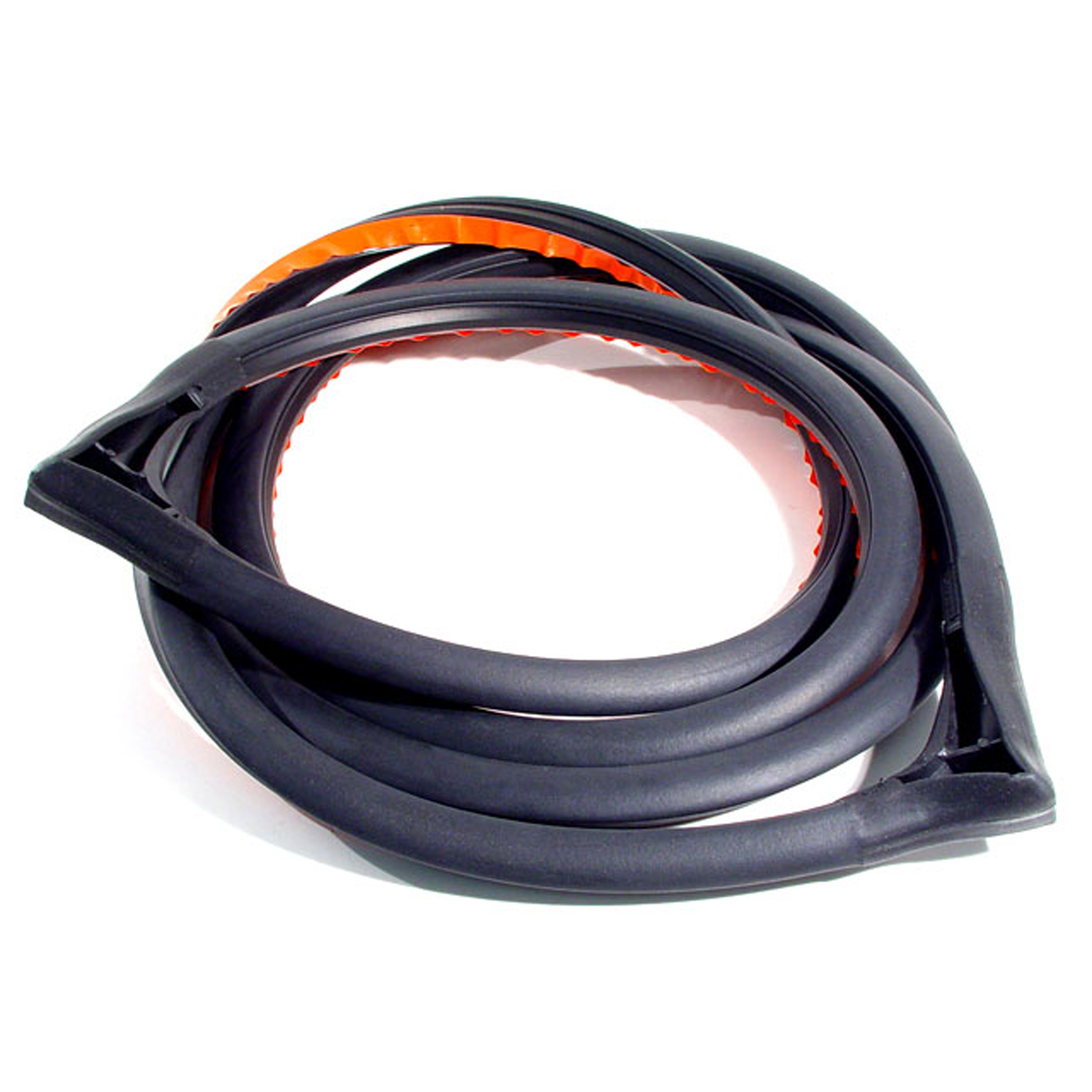 1981 Ford E-250 Econoline Right Rear Door Seal (Passenger Side)-LM 110-VURight Rear Door Seal (Passenger Side). Replaces OEM #F0UZ 1543722 A. Each
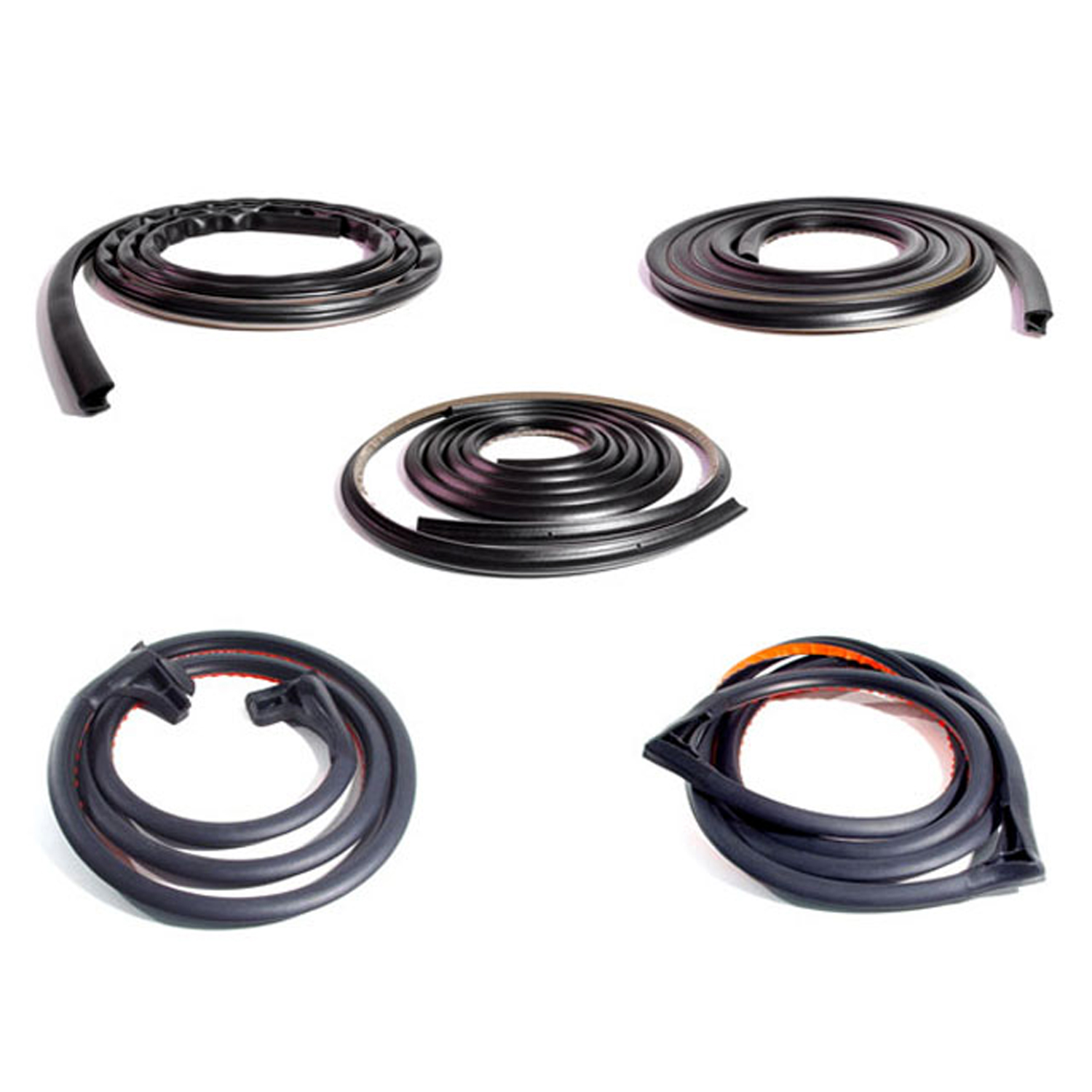 1981 Ford E-250 Econoline Basic Kit, for Models with Side Sliding Door-RKB 3000-100Basic Kit, for Models with Side Sliding Door. Front Left Door (LM 110-VL), Front Right Door (LM 110-VR), Back Left Door (LM 110-VT), Back Right Door (LM 110-VU), Side Sliding Door (LM 110-VS) Seals.
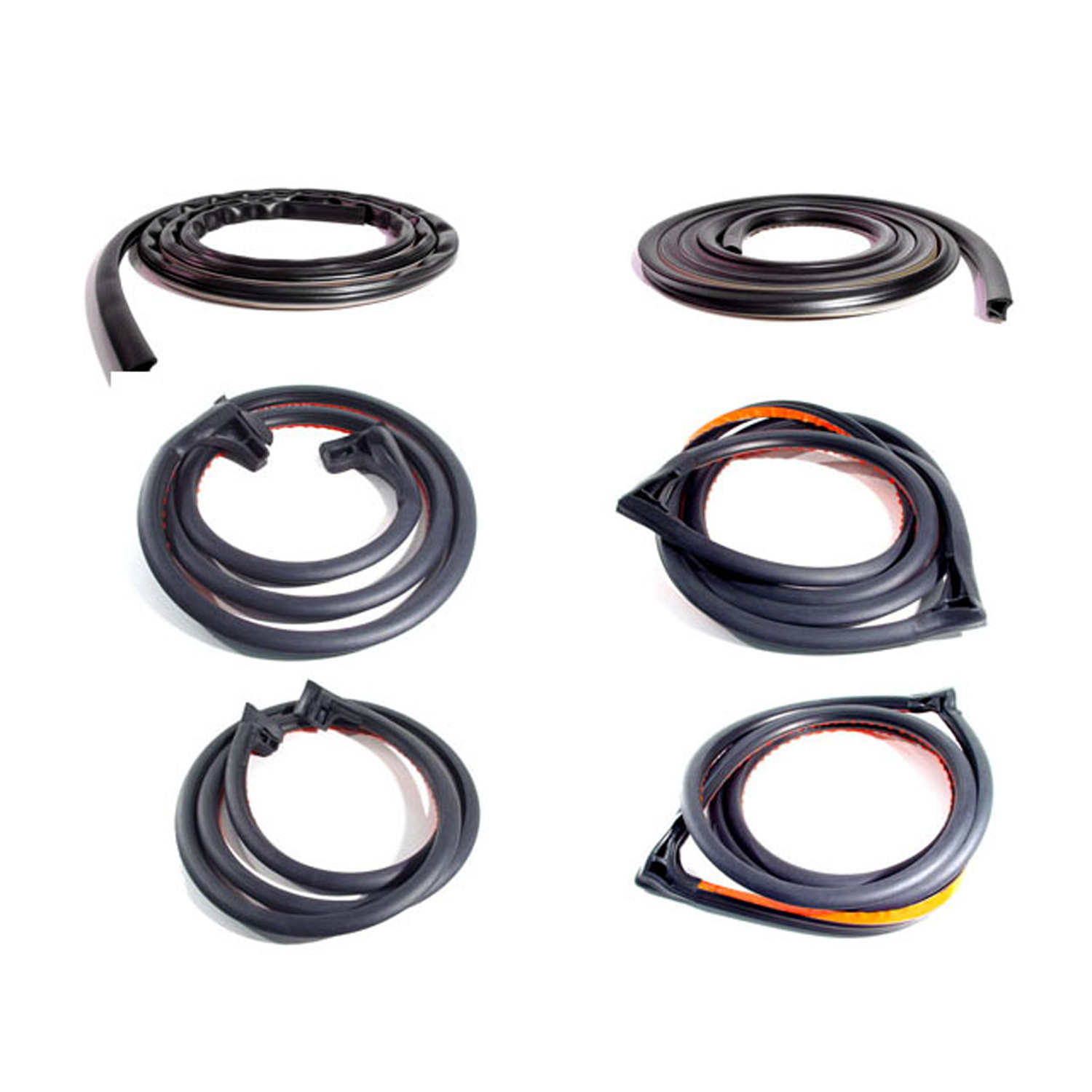 1981 Ford E-250 Econoline Basic Kit, for Models w/Side Cargo Door-RKB 3000-101Basic Kit, for Models w/Side Cargo Door. Front Left LM 110-VL), Front Right LM 110-VR), Back Left LM110-VT), Back Right LM 110-VU), Front Cargo Side (LM 110-VA), Rear Cargo Side (LM 110-VB) Door Seals.
Why Choose Metro?
For over 100 years, Metro Moulded Parts has been the pinnacle of quality in classic car restoration parts. Our commitment to precision and authenticity in every component ensures a perfect fit and an OEM-level appearance.
- Expert Craftsmanship & Quality: Each part is a testament to our dedication to reliability and perfection, crafted from original designs and thoroughly tested.
- Advanced Technology: We use cutting-edge techniques to create flawless, long-lasting parts that surpass others in performance.
- SuperSoft Sponge – The Ultimate Door Seal: Not only are our door seals 30% softer than competitors', but they're also guaranteed to never leak. They effectively reduce wind and road noise, enhancing your classic car's comfort and driving experience.
- Proudly American: Our parts are a product of American craftsmanship, made in the USA with a spirit of excellence and heritage.
- Unrivaled Warranty: We back our products with a 30-year industry-leading warranty, a testament to our confidence in their quality.
Join us in preserving the legacy of classic cars with parts that are crafted for perfection, not just made.