
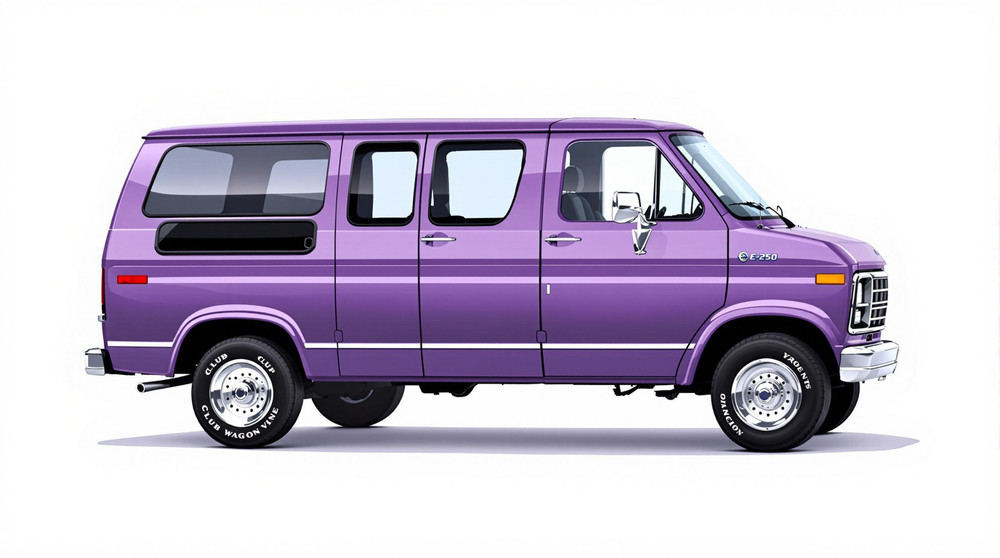
Image of 1981 Ford E-250 Econoline Club Wagon, Note: These illustrations use artistic license and may differ from actual historical models.
Performance Metrics
Fundamental Metrics
Emotional Appeal
MMP Rating
| Engine Specifications | |
|---|---|
| Engine Options: | 4.9L Inline 6, 5.8L V8, 7.5L V8 |
| Displacement Range: | 4.9L - 7.5L |
| Horsepower Range: | 115-245 HP |
| Torque: | 223-362 lb-ft |
| Compression Ratio: | 8.0:1 - 8.4:1 |
| Ignition System: | Distributor ignition |
| Cooling System: | Liquid cooled |
| Performance Specifications | |
| 0-60 Time: | Estimated 10-15 seconds |
| 1/4 Mile Time: | Estimated 17-22 seconds |
| Top Speed: | 85-100 mph |
| Transmission and Drive | |
| Drive Type: | Rear-wheel drive |
| Transmission Type: | 3-speed automatic, 4-speed manual |
| Fuel and Efficiency | |
| Fuel System Type: | Carburetor |
| MPG: | Estimated 10-14 mpg |
| Dimensions and Brakes | |
| Brakes: | Front disc / Rear drum |
| Wheelbase: | 124.0 inches |
| Weight: | 4,500-5,500 lbs |
Note: Specifications for classic cars are given to the best of our ability, considering the limited and variant data available.
1981 Ford E-250 Econoline Club Wagon: A Classic Van Guide
The 1981 Ford E-250 Econoline Club Wagon was built to carry a crowd, a load of luggage, or a small business’s worth of gear, all in a sturdy, unmistakably American package. It came from Ford, whose Econoline line had been serving families and fleets since 1961. By 1981, the van had evolved from a compact, cab-forward workhorse into a roomier, more conventional full-size vehicle, and the Club Wagon brought passenger comfort to that practical foundation.
The 1981 model arrived just after a major redesign for the Econoline range. Ford had updated the van for 1980 with a more modern front end and chassis, making the E-Series better suited to changing expectations for comfort and road manners. A memorable detail of the Club Wagon’s story is how naturally it bridged two worlds: it could be a family people-mover during the week, then a camper, shuttle, or road-trip headquarters with a few changes to its interior.
Exterior Design and Club Wagon Trims
The E-250 has the square-shouldered shape that defines a classic American van: a tall roofline, broad slab sides, a nearly vertical rear end, and a blunt nose with a short hood ahead of the windshield. Compared with the smaller E-150, the E-250 was the heavier-duty choice, built on a robust chassis intended for greater carrying capacity. Its straightforward proportions were more about useful space than aerodynamic flair, but the large windows and upright stance gave the Club Wagon a welcoming, roomy look.
Depending on configuration, the Econoline was available in different wheelbase and body-length combinations. Club Wagon versions were passenger-oriented, with seating and trim that distinguished them from bare-bones cargo vans. The upscale Chateau package, where offered, added a more finished passenger-compartment atmosphere, while other trim levels favored simpler, hard-wearing appointments. Exact combinations varied by order and market, so original brochures and vehicle build information are useful when identifying a particular van.
Ford offered a range of period colors, with availability changing by paint code and trim. White, tan, brown, blue, red, and other solid colors were typical choices for vans of the era. White and light commercial colors were common on fleet vehicles, while two-tone paint, decorative stripes, and woodgrain-style treatments helped some Club Wagons look more like family cruisers than work vans. The most striking surviving examples often combine a factory color with period-correct graphics or trim.
Interior Space and Period Features
The Club Wagon’s main attraction was its cabin. Depending on seating configuration, it could accommodate a large group, with passenger capacity commonly reaching the upper single digits or more. Seat layouts varied, and many vans were ordered with removable or rearrangeable seating, making the interior adaptable for passengers, cargo, or travel equipment. Buyers should check the vehicle’s original configuration and present-day seat-belt arrangements rather than assume every example has the same capacity.
Materials were practical rather than luxurious by modern standards. Expect vinyl or cloth upholstery, durable molded trim, and hard-wearing surfaces designed to tolerate family use and commercial duty. Better-equipped versions could add more decorative upholstery, carpeting, upgraded interior trim, and comfort features. Decades of use matter greatly: sun exposure, leaks, and heavy passenger traffic can leave seat fabric, headliners, and interior panels in rough condition.
Technology was straightforward. Depending on equipment, a 1981 Club Wagon could have power steering, power brakes, air conditioning, an AM/FM radio, and other comfort options. It did not have today’s electronic driver aids, infotainment screens, or sophisticated climate controls. Its notable engineering feature was the updated E-Series chassis introduced for 1980, including Ford’s Twin I-Beam front suspension design. That suspension used paired beams to provide independent movement at the front wheels, an approach intended to balance load-carrying ability with improved ride over older solid-axle arrangements.
Engines, Performance, and Road Manners
Engine availability depended on the exact E-250 configuration, emissions specification, and original order. Period gasoline choices in the Econoline range included Ford’s 300-cubic-inch inline-six, a 302-cubic-inch V8, and a 351-cubic-inch V8. The inline-six was known for its sturdy, workmanlike character, while the V8s offered more power for heavier loads and highway use. A three-speed automatic was a common pairing; manual transmissions were available in some configurations. Check the engine code, transmission, and door-jamb information on any specific van rather than relying on a generic model listing.
These vans were not quick by modern standards. Depending on engine, gearing, body length, passenger load, and mechanical condition, a 0-to-60-mph run could take roughly 14 to 20 seconds or longer. A lightly loaded V8 van would generally feel more relaxed than a six-cylinder example working hard with a full cabin. Top speed is similarly dependent on configuration, but about 85 to 95 mph is a reasonable broad estimate for a healthy, appropriately geared example. These are estimates, not guaranteed factory test figures, and a vintage van should not be pushed to its limit.
On the road, the E-250 feels substantial and upright. The high seating position gives the driver a commanding view, while the long body and considerable weight make it feel very different from a modern minivan. The Twin I-Beam front suspension can absorb ordinary road imperfections capably, but worn steering and suspension parts can make an old van wander or feel loose. Tall sides catch crosswinds, and the long wheelbase requires planning on narrow streets, tight turns, and windy roads.
The engine’s character is part of the appeal. A six-cylinder produces a steady, hardworking rumble, while a V8 adds a deeper note under acceleration. The automatic transmission and large cabin encourage an unhurried pace. A Club Wagon is happiest cruising rather than sprinting, and its steering, braking distances, and body roll call for a smooth, anticipatory driving style.
Why the E-250 Club Wagon Mattered
The Econoline helped establish the full-size van as a flexible platform for American life and business. Unlike a passenger car adapted to carry extra people, it offered a tall, box-shaped cabin with room for multiple seating rows, luggage, tools, or conversion equipment. The E-250 Club Wagon added a passenger-friendly version to that formula while retaining the heavier-duty character that made the E-250 useful for demanding service.
Its 1980-era redesign kept the Econoline competitive against rivals such as the Chevrolet G-Series and Dodge Ram Van. The updated front styling and chassis improvements made it a more modern-driving vehicle without abandoning the van’s central virtues: space, simple mechanical systems, and a body that could be configured for many jobs. That adaptable format remains influential. Today’s passenger vans, camper conversions, and shuttle vehicles still rely on the same basic idea of a durable platform with a large, configurable interior.
Living With a 1981 Econoline
Owners use these vans as weekend cruisers, family haulers, camper-conversion projects, mobile workshops, and show vehicles. Some stay close to their original passenger-van form, while others receive period-inspired paint, modernized interiors, or carefully planned camper fittings. The Club Wagon’s room and relatively simple construction make it a natural candidate for customization, but thoughtful restorations preserve its original seating and trim when possible.
Routine maintenance is familiar to many classic-car owners: regular oil and filter changes, cooling-system service, ignition tune-ups, brake inspections, and attention to belts, hoses, and fluids. The engines and transmissions are generally straightforward for an experienced home mechanic, and many service parts remain obtainable. Body and interior pieces can be harder to find, especially trim specific to passenger models. Rust deserves close inspection around the frame, floor, wheel arches, door bottoms, and windshield area. A neglected cooling system or worn steering components can also turn an inexpensive van into a costly project.
Reliability depends more on condition and maintenance than on the badge. A well-kept E-250 can be a dependable classic, but age brings its own checklist: tired suspension bushings, brake and fuel-system wear, electrical faults, and deteriorated rubber seals. Before buying, inspect the chassis carefully and arrange a mechanical assessment, especially if the van has been stored for a long time or modified for camping.
Trivia, Reputation, and Common Complaints
The Econoline name dates to 1961, and the 1981 Club Wagon belongs to the long-running third-generation E-Series family, which began in 1975 and received its substantial redesign for the 1980 model year. The E-Series platform’s longevity is itself a notable achievement: Ford continued developing the line for decades, and it became a familiar sight in passenger, delivery, recreation, and public-service roles.
There is no widely recognized, dedicated celebrity edition of the 1981 E-250 Club Wagon, and exact production totals for this specific model, trim, and configuration are not commonly published. As a rough estimate only, production may have been in the low tens of thousands when counting E-250 Club Wagons across configurations, but that is not a verified factory figure. The broader Econoline population was much larger, and surviving Club Wagons are harder to count because many were converted, heavily used, or scrapped.
Common criticisms are familiar to anyone who has driven a vintage full-size van: modest acceleration, substantial fuel consumption, wind sensitivity, a large turning circle, and limited modern safety equipment. The high driving position and generous cabin are strengths, but they do not make the van nimble. Its long service life also means that some examples have been subjected to hard commercial use or low-quality conversions.
Collector Value and Market Outlook
Values vary widely with rust, mechanical condition, originality, seating, engine, and the quality of any conversion. As a broad current-market estimate, a project van may sell for about $2,000 to $5,000. A usable driver with sound structure could bring roughly $6,000 to $14,000, while a clean, well-restored, or especially attractive example may reach $18,000 to $30,000 or more. These are guide ranges rather than appraisals; exceptional custom builds can exceed them, while rusty or incomplete vans may fall below them.
The model is uncommon enough to attract attention at vintage-van gatherings, but it is not rare in the same way as a limited-production sports car. Market values have generally benefited from renewed interest in classic vans and camper conversions, especially for rust-free vehicles with appealing colors and intact interiors. The trend is strongest for presentable survivors and professionally completed builds. Rough project vans remain price-sensitive because bodywork, upholstery, and restoration labor can quickly exceed the purchase price.
The Last Word on the 1981 Club Wagon
The 1981 Ford E-250 Econoline Club Wagon combines the hard-working bones of a full-size van with the space and seating of a passenger vehicle. Its boxy design, flexible cabin, straightforward mechanicals, and place in Ford’s long-running E-Series story make it more than a nostalgic people-mover. For collectors and drivers alike, a good Club Wagon is a rolling reminder of when one practical van could serve a family, a business, and a road trip all at once.
1981 Ford E-250 Econoline Club Wagon Catalog of Parts
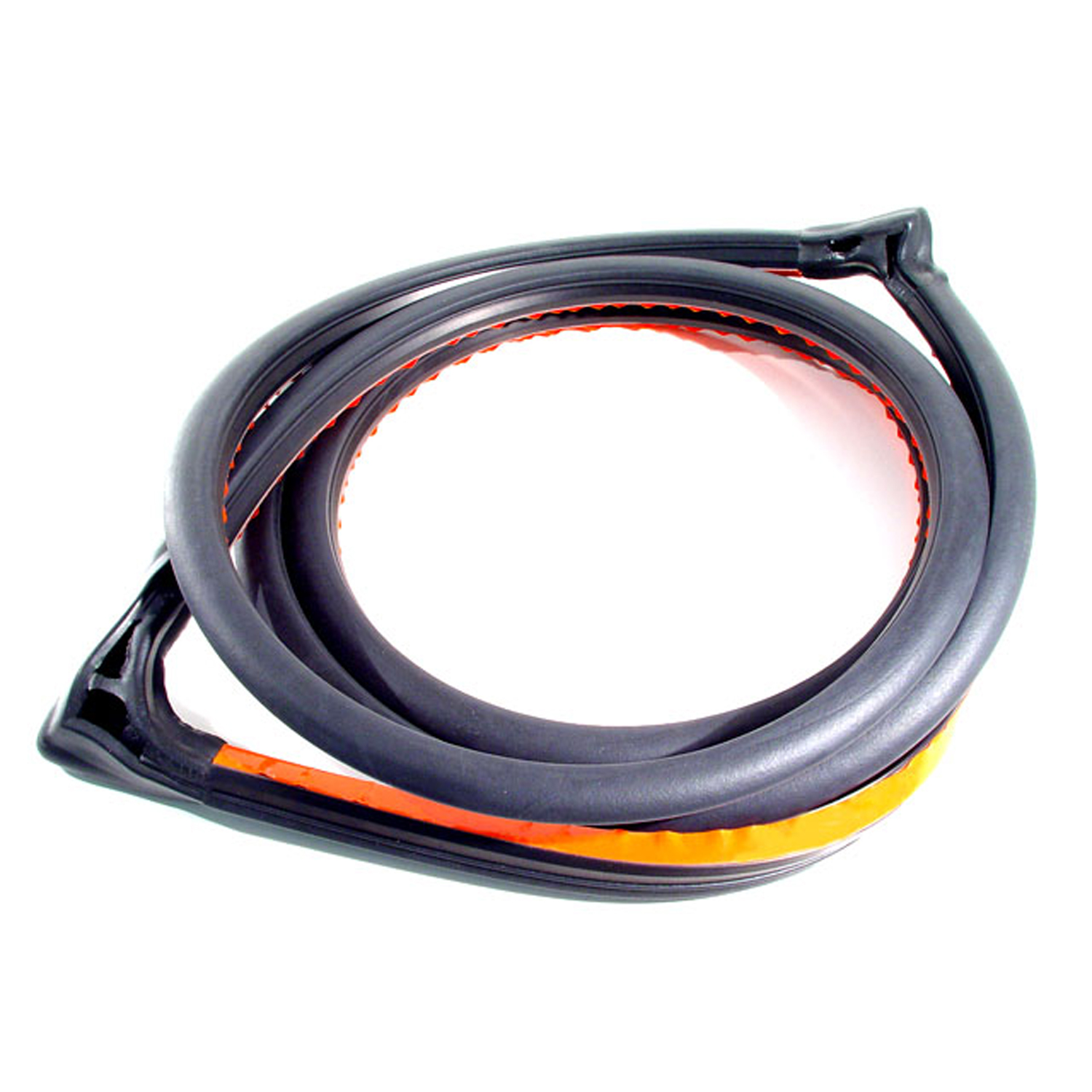 1981 Ford E-250 Econoline Club Wagon Front Side Cargo Door Seal-LM 110-VAFront Side Cargo Door Seal (fits front right side of cargo door). Replaces OEM #E9UZ 1525324 B. For rear (left side) matching seal, see LM 110-VB. Each
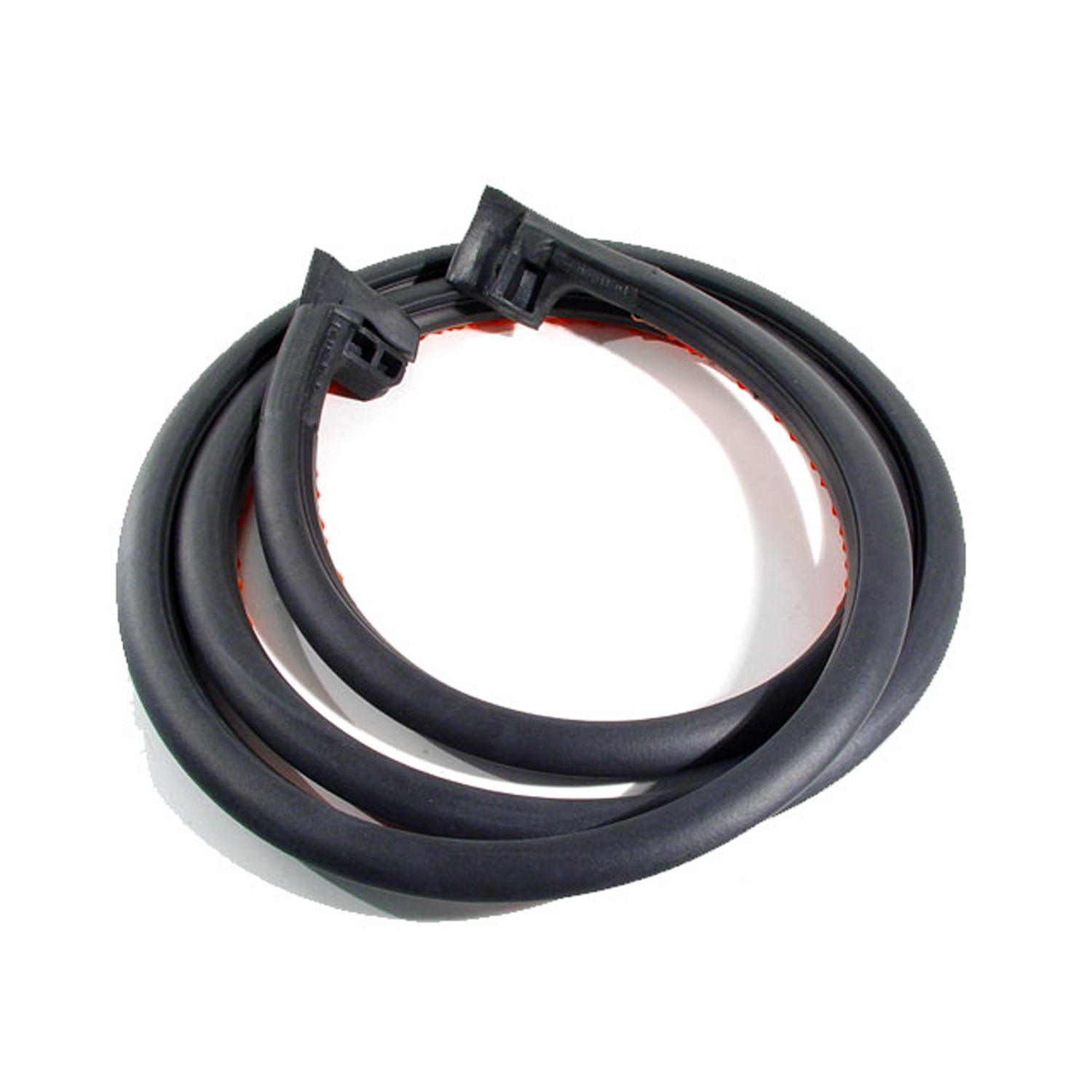 1981 Ford E-250 Econoline Club Wagon Rear Side Cargo Door Seal-LM 110-VBRear Side Cargo Door Seal (fits rear left side of cargo door). Replaces OEM #E9UZ 1525325 B. For front (right side) matching seal, see LM 110-VA. Each
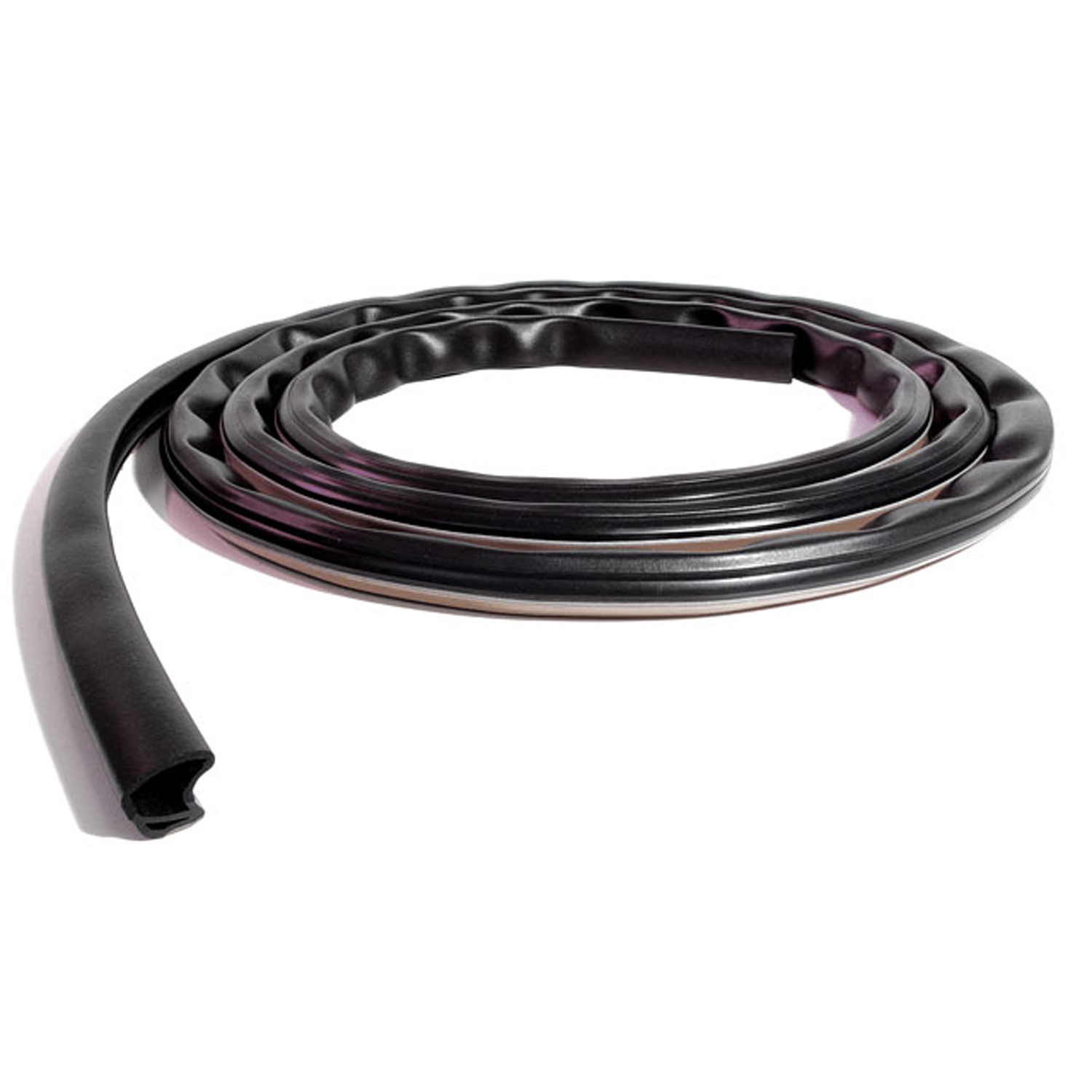 1981 Ford E-250 Econoline Club Wagon Left Front (drivers side) Door Seal. Each-LM 110-VLLeft Front (drivers side) Door Seal. Each
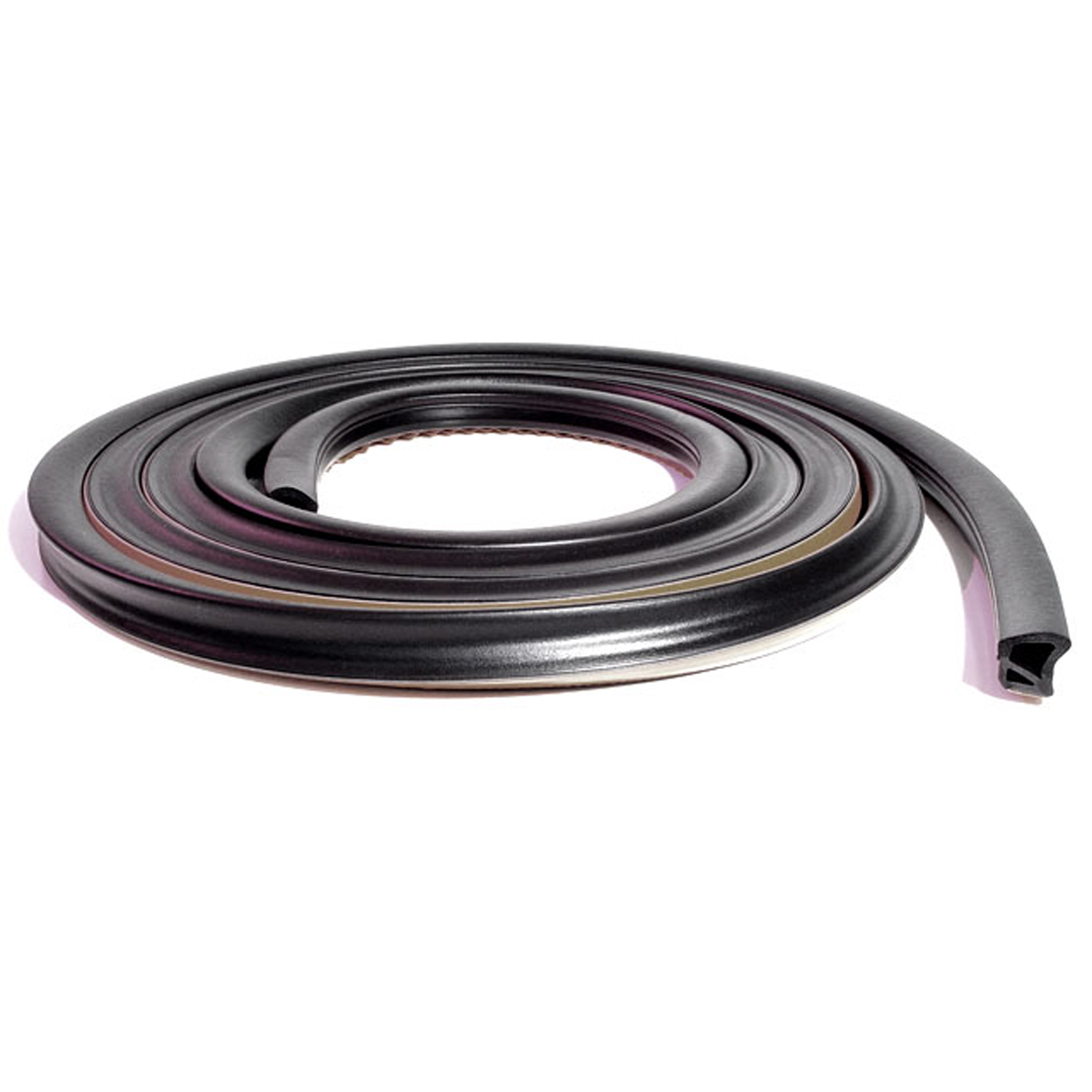 1981 Ford E-250 Econoline Club Wagon Right Front (passenger side) Door Seal. Each-LM 110-VRRight Front (passenger side) Door Seal. Each
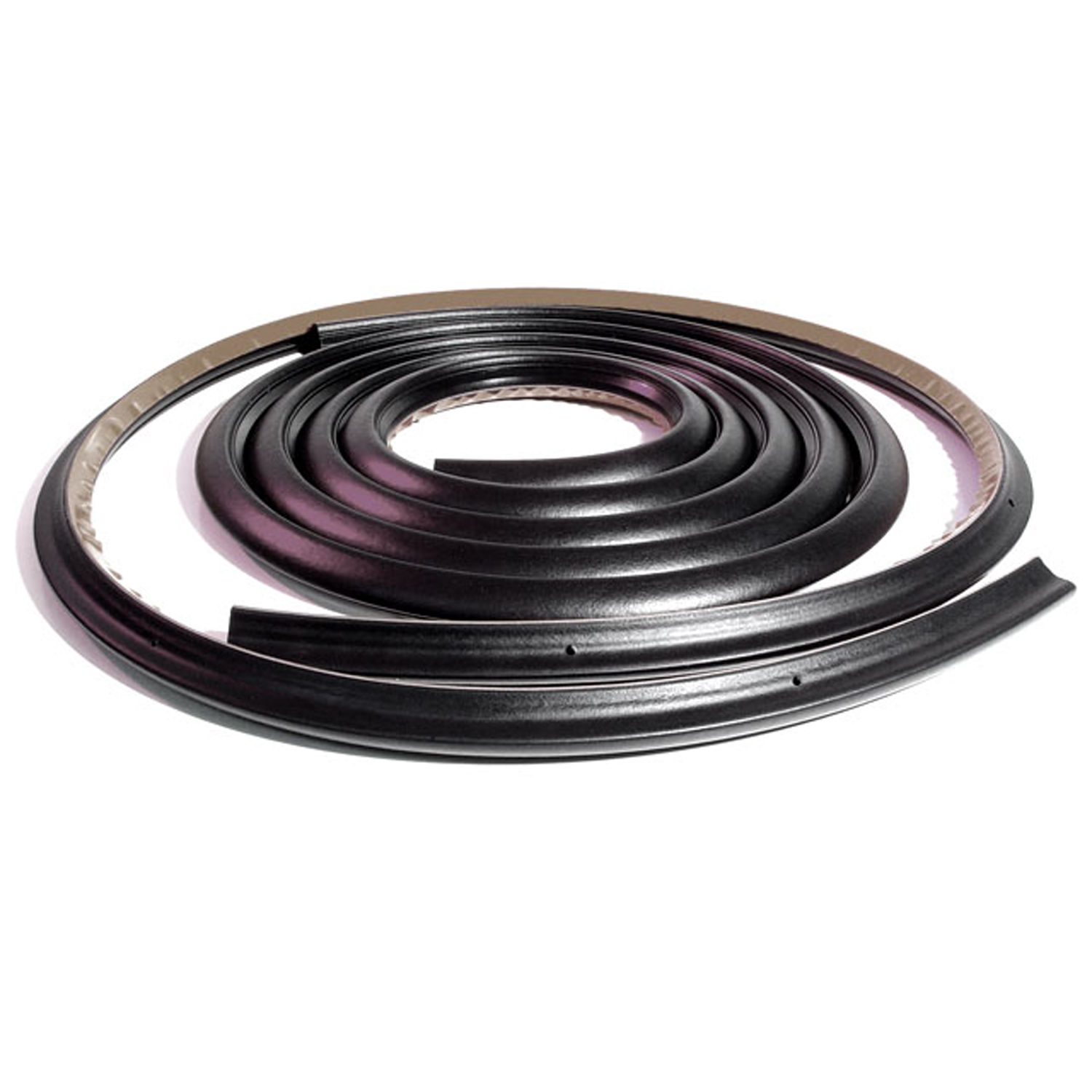 1981 Ford E-250 Econoline Club Wagon Side Slider Door Seal. Each-LM 110-VSSide Slider Door Seal. Each
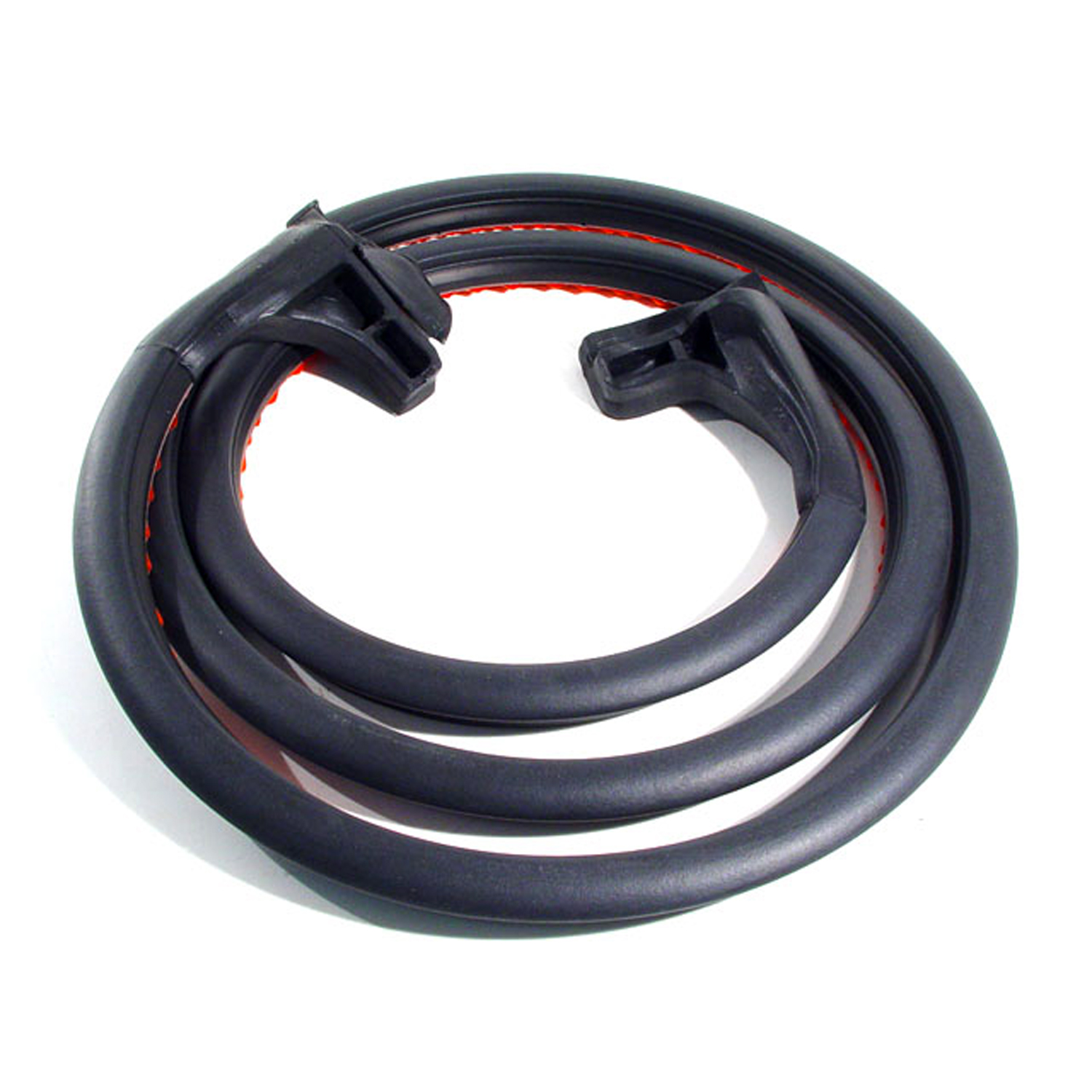 1981 Ford E-250 Econoline Club Wagon Left Rear Door Seal (Drivers Side)-LM 110-VTLeft Rear Door Seal (Drivers Side). Replaces OEM #E9UZ 1543723 A. Each
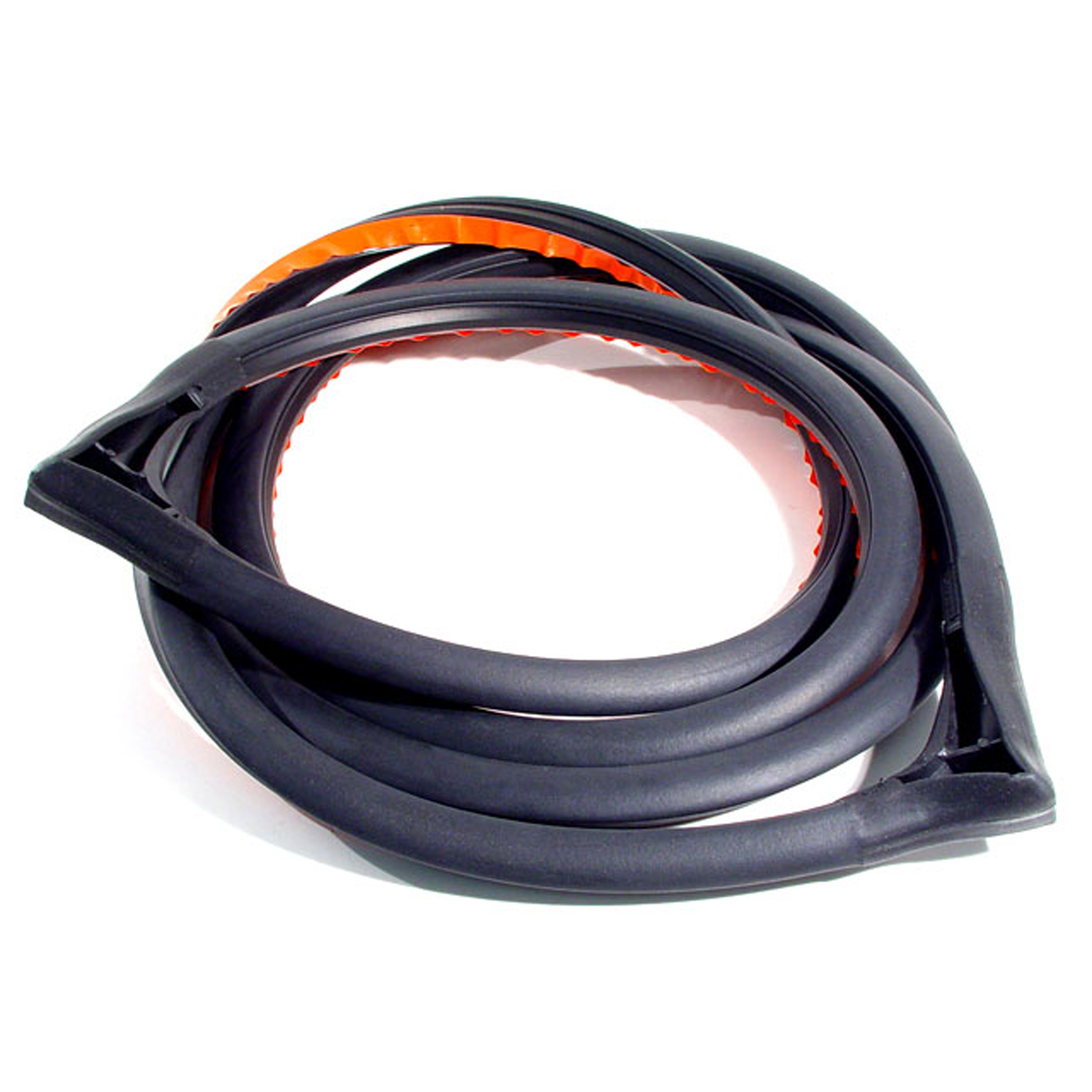 1981 Ford E-250 Econoline Club Wagon Right Rear Door Seal (Passenger Side)-LM 110-VURight Rear Door Seal (Passenger Side). Replaces OEM #F0UZ 1543722 A. Each
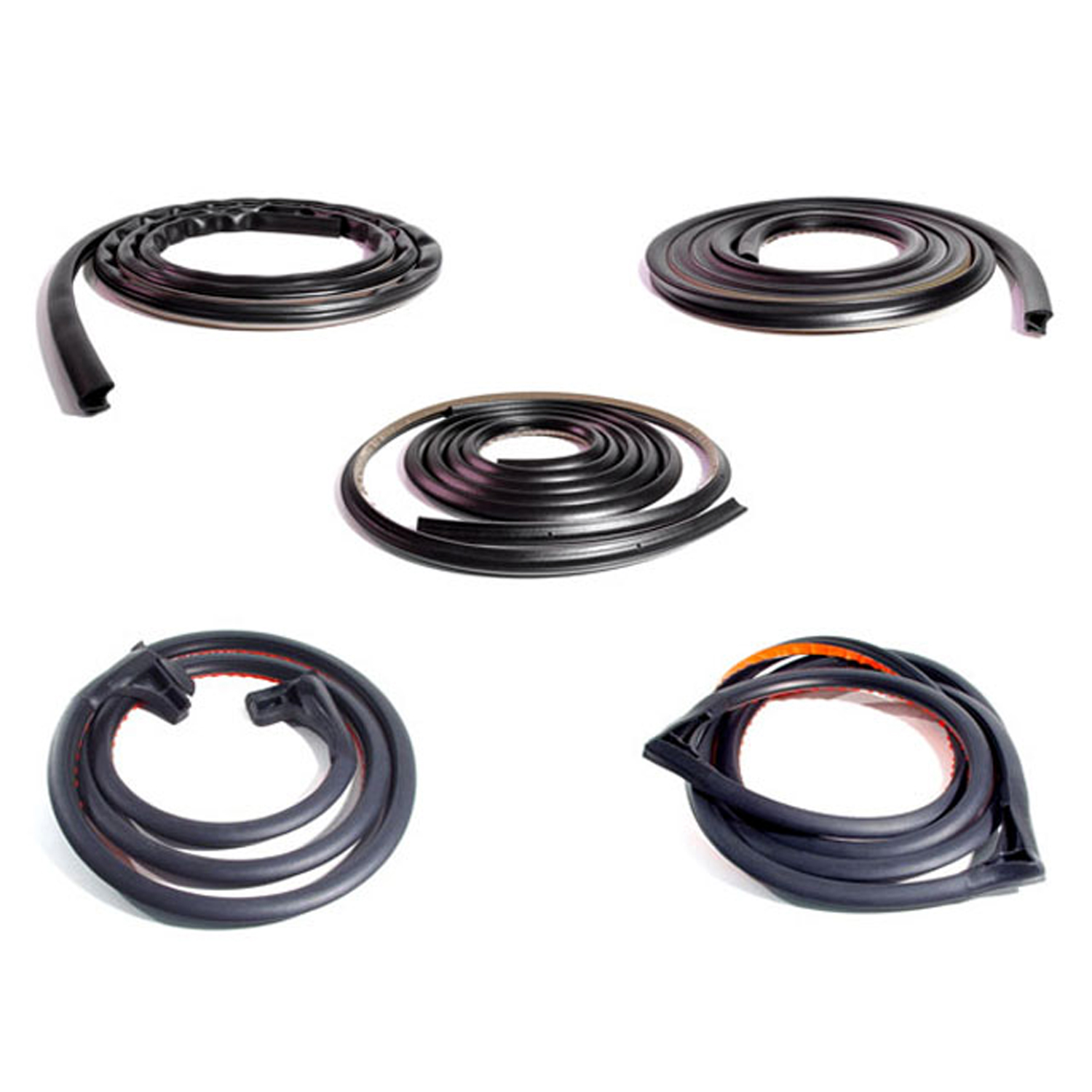 1981 Ford E-250 Econoline Club Wagon Basic Kit, for Models with Side Sliding Door-RKB 3000-100Basic Kit, for Models with Side Sliding Door. Front Left Door (LM 110-VL), Front Right Door (LM 110-VR), Back Left Door (LM 110-VT), Back Right Door (LM 110-VU), Side Sliding Door (LM 110-VS) Seals.
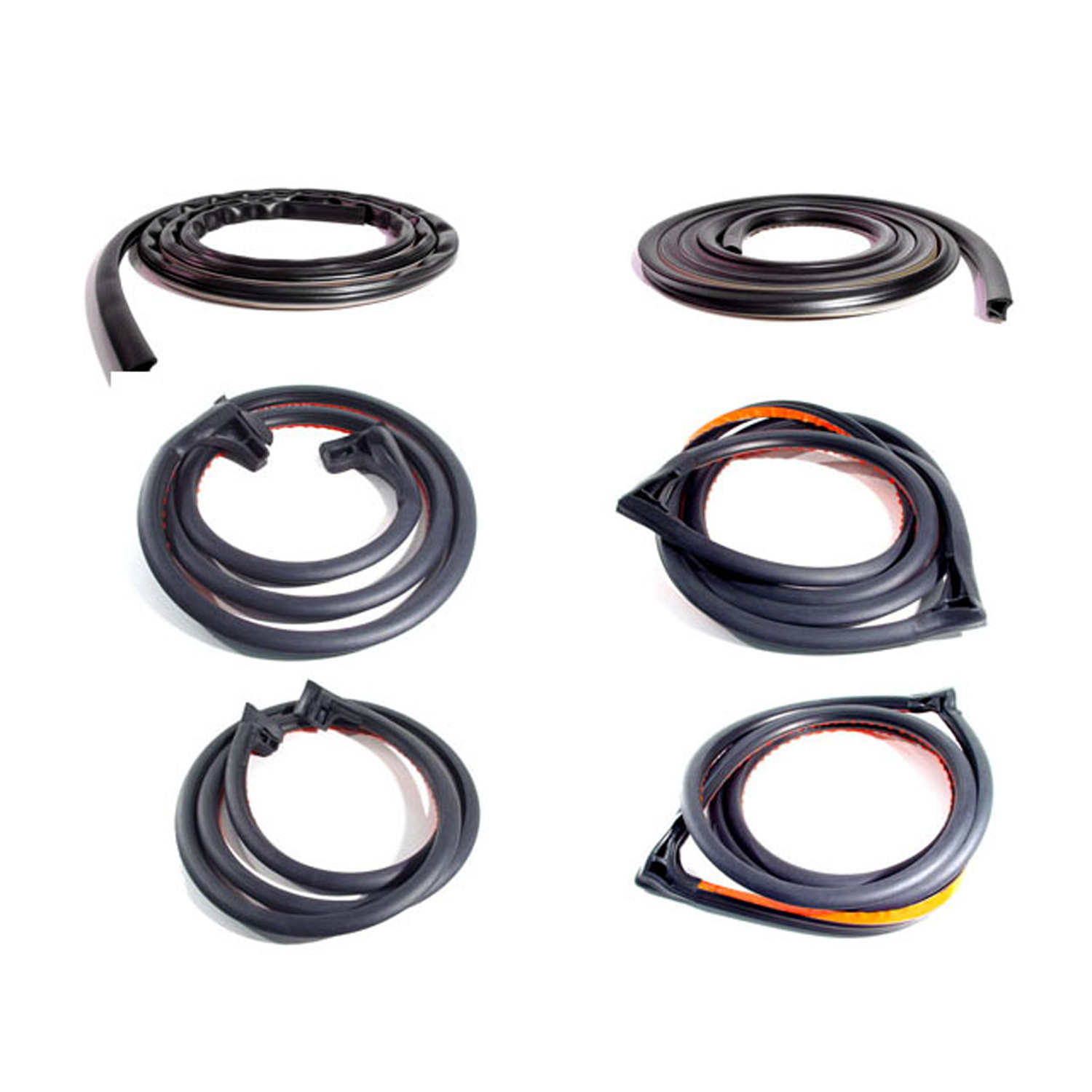 1981 Ford E-250 Econoline Club Wagon Basic Kit, for Models w/Side Cargo Door-RKB 3000-101Basic Kit, for Models w/Side Cargo Door. Front Left LM 110-VL), Front Right LM 110-VR), Back Left LM110-VT), Back Right LM 110-VU), Front Cargo Side (LM 110-VA), Rear Cargo Side (LM 110-VB) Door Seals.
Why Choose Metro?
For over 100 years, Metro Moulded Parts has been the pinnacle of quality in classic car restoration parts. Our commitment to precision and authenticity in every component ensures a perfect fit and an OEM-level appearance.
- Expert Craftsmanship & Quality: Each part is a testament to our dedication to reliability and perfection, crafted from original designs and thoroughly tested.
- Advanced Technology: We use cutting-edge techniques to create flawless, long-lasting parts that surpass others in performance.
- SuperSoft Sponge – The Ultimate Door Seal: Not only are our door seals 30% softer than competitors', but they're also guaranteed to never leak. They effectively reduce wind and road noise, enhancing your classic car's comfort and driving experience.
- Proudly American: Our parts are a product of American craftsmanship, made in the USA with a spirit of excellence and heritage.
- Unrivaled Warranty: We back our products with a 30-year industry-leading warranty, a testament to our confidence in their quality.
Join us in preserving the legacy of classic cars with parts that are crafted for perfection, not just made.