
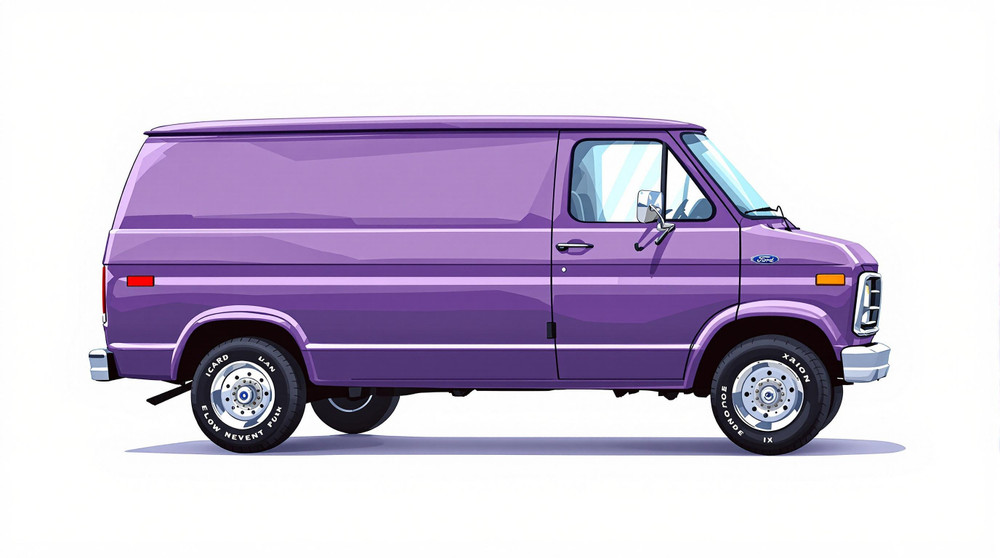
Image of 1981 Ford E-350 Econoline, Note: These illustrations use artistic license and may differ from actual historical models.
Performance Metrics
Fundamental Metrics
Emotional Appeal
MMP Rating
| Engine Specifications | |
|---|---|
| Engine Options: | 4.9L Inline 6, 5.8L V8, 7.5L V8 |
| Displacement Range: | 4.9L - 7.5L |
| Horsepower Range: | 120-210 HP |
| Torque: | 223-388 lb-ft |
| Compression Ratio: | 8.0:1 - 8.4:1 |
| Ignition System: | Electronic |
| Cooling System: | Liquid-cooled |
| Performance Specifications | |
| 0-60 Time: | Estimated 10-15 seconds |
| 1/4 Mile Time: | Estimated 17-22 seconds |
| Top Speed: | 85-100 mph |
| Transmission and Drive | |
| Drive Type: | Rear-wheel drive |
| Transmission Type: | 3-speed automatic, 4-speed manual |
| Fuel and Efficiency | |
| Fuel System Type: | Carburetor |
| MPG: | Estimated 10-15 mpg |
| Dimensions and Brakes | |
| Brakes: | Front disc / Rear drum |
| Wheelbase: | 138 inches |
| Weight: | 4,500-5,500 lbs |
Note: Specifications for classic cars are given to the best of our ability, considering the limited and variant data available.
1981 Ford E-350 Econoline: The One-Ton Van That Could Do It All
The 1981 Ford E-350 Econoline was built for jobs that ordinary vans could not handle: hauling heavy equipment, carrying a full passenger load, or serving as the foundation for a custom camper. Big, practical, and unmistakably American, it belonged to Ford’s long-running E-Series family, a line that became a familiar sight in trades, fleets, schools, and motorhome parks.
Ford introduced the Econoline in 1961, initially as a compact van related to the Falcon. By 1981, the model had grown into a full-size, body-on-frame vehicle, with the engine positioned ahead of the driver rather than tucked under a cab-over nose. The E-350 was the heavy-duty, one-ton member of the range. It shared its basic shape with lighter Econolines but was designed for greater payloads and more demanding commercial work.
One useful bit of context: the 1981 E-350 arrived during an era shaped by fuel-economy concerns and tightening emissions requirements. That made its continued availability with large-displacement V8 power especially appealing to buyers who needed muscle more than maximum fuel economy. Today, its mix of straightforward mechanicals and adaptable chassis is a major part of its classic-van appeal.
Square-Nosed Styling and Work-Ready Design
The E-350’s styling is all function, with a broad upright front, a tall windshield, slab-sided body panels, and a large grille framed by simple rectangular headlamps. Its flat sides offered generous room for company lettering, while the squared-off rear made the van easy to load and convert. The look is less sleek than modern vans, but that boxy shape is precisely what gives the Econoline its practical charm.
Inside, the cabin was durable rather than luxurious. Depending on trim and equipment, buyers could find vinyl or cloth seating, a straightforward instrument panel, rubber floor coverings, and hard-wearing trim suited to commercial use. The engine cover, often called the doghouse, occupied space between the front seats and gave the van its distinctive cockpit layout. It also made routine engine access possible from inside the vehicle, although working around the cover could feel cramped.
Available equipment varied with trim, body style, and fleet order. Power steering and power brakes were common choices on heavier examples, while air conditioning, an automatic transmission, and an AM/FM radio could make a van more comfortable. The technology was uncomplicated by modern standards: conventional gauges, simple controls, and mechanical systems that most independent shops could understand and service.
Factory colors changed from year to year, but buyers could choose from practical fleet shades and more personal colors, including white, red, blue, and earth tones. White was a particularly common commercial choice because it suited fleet branding and was easy to maintain. Passenger and custom vans often wore more expressive paint, two-tone schemes, or aftermarket graphics.
Cargo, Passenger, and Cutaway Configurations
The Econoline range was available in cargo-van and passenger-oriented forms, including Club Wagon models. Buyers could also choose different wheelbases and roof configurations, depending on the model and application. The E-350 name identified the heavy-duty chassis class, not one single interior layout. A bare cargo van, a passenger van, and a commercial chassis with a specialized body could all share the E-350 designation.
Cutaway versions were especially important. Ford supplied the front cab and chassis, leaving body builders to install a box body, shuttle-bus body, ambulance body, or recreational-vehicle coachwork. For private buyers, the most iconic form is often the high-roof or raised-roof camper conversion, although many raised roofs and elaborate interiors were added by aftermarket companies rather than supplied as a standard Ford configuration.
Why the E-350 Mattered
The 1981 E-350 was not a revolutionary design, but its significance lies in how effectively it served as a platform. Ford’s full-size van offered a conventional front-engine layout, a sturdy frame, and the payload capacity needed by businesses and body builders. That combination helped make the Econoline a dependable base for everything from delivery fleets to recreational vehicles.
Compared with smaller vans, the E-350 could be ordered for substantially heavier work. Compared with a conventional pickup, it enclosed cargo and passengers in one weather-protected space. Its body-on-frame construction also made it easier for specialist companies to adapt the vehicle for a particular job. The E-Series became a fixture of North American commercial life, and later generations continued the same basic formula for decades.
Its influence is less about introducing a single headline technology and more about refining the full-size van as a flexible tool. The E-350 helped establish the familiar pattern of a standard cab and chassis that could be sold as a cargo van, passenger carrier, or starting point for a custom-built vehicle.
Engines, Speed, and Road Manners
Engine availability depended on the exact E-Series configuration and market. The 1981 lineup included gasoline engines such as Ford’s 4.9-liter inline-six and V8 options in the 5.0-, 5.8-, and 7.5-liter range. The largest V8 was attractive for heavy loads and larger conversions, while smaller engines could suit lighter-duty use. A specific E-350’s engine should always be confirmed from its door data plate, build records, or a direct inspection, since decades of work and engine swaps can complicate the story.
Performance figures for a 1981 E-350 are not one-size-fits-all. Body style, engine, axle ratio, transmission, tires, and load all make a difference, and period road tests did not cover every configuration. As a broad real-world estimate, a gasoline-powered example might take roughly 13 to 20 seconds to reach 60 mph. A lightly loaded van with a strong V8 would be quicker than a fully equipped camper or a loaded commercial model. Top speed could fall in the approximate 80 to 95 mph range, but gearing, condition, and load matter greatly. These are estimates, not Ford’s guaranteed specifications, and the E-350 is best treated as a working vehicle rather than a high-speed cruiser.
On the road, the van feels substantial. The driver sits high, the view forward is broad, and the steering is slower and less precise than in a modern passenger car. Its heavy-duty suspension is built to carry weight, so an empty van can feel firm over potholes and expansion joints. With a load, the ride often settles down. The tall body is also sensitive to crosswinds, and a full-size van requires attention on gusty highways and narrow roads.
A V8 gives the E-350 a deep, workmanlike rumble, with engine noise entering the cabin through the doghouse. The inline-six is generally more modest in sound and output. Either way, the experience is direct: the driver feels the vehicle’s size, hears its mechanical character, and has to plan braking and lane changes with more care than in a modern crossover.
Living With a 1981 Econoline
These vans have served as work trucks, delivery vehicles, passenger shuttles, emergency-service vehicles, mobile workshops, and campers. Today, surviving examples are also used as weekend cruisers, vintage business displays, and show vehicles. A clean, lightly modified cargo van can be appealing on its own, while a well-built camper conversion offers a very different kind of classic-vehicle experience.
Mechanical service is often manageable for an experienced home mechanic. The engines and drivetrains are from an era with fewer electronic controls, and many routine parts remain available through classic-Ford suppliers and general parts stores. The E-350’s size and weight are the main practical challenges: lifting equipment, adequate workspace, and heavy-duty tires are important. Some engine work is also less convenient because of the interior doghouse and tight packaging.
Rust deserves close attention. Inspect the floors, frame, wheel arches, lower body panels, door seams, and the areas around windows and roof conversions. Also check the transmission, steering and suspension components, brakes, cooling system, and driveline. A neglected heavy van can be expensive to put right, and a worn-out camper conversion may hide water damage beneath its interior panels. On the positive side, the vehicle’s simple construction and broad parts support make many repairs less daunting than on a modern van.
Notable Details and Common Criticisms
The Econoline’s most notable “special edition” stories often involve aftermarket builders rather than rare Ford factory trims. Conversion companies transformed standard vans into campers, luxury passenger vehicles, and custom cruisers, sometimes with raised roofs, elaborate upholstery, and distinctive exterior graphics. These conversions are part of the model’s history, but their quality varies widely, so buyers should evaluate the workmanship and condition rather than relying on the conversion name alone.
There is no widely recognized land-speed or endurance record associated specifically with the 1981 E-350. Its achievement was more everyday than glamorous: the Econoline became a common working platform across North America. Its boxy profile also made it a natural choice for memorable custom vans and commercial vehicles, though an individual van’s appearance in a film, television program, or public event should be verified before treating it as a documented piece of history.
Common criticisms are familiar to anyone who has driven an old full-size van: fuel consumption can be high, handling is truck-like, the ride can be choppy when empty, and the tall body catches wind. The doghouse can make the cabin warm and noisy, while parking and maneuvering in tight spaces take practice. These are not surprises so much as the trade-offs that came with a vehicle designed to carry people and equipment reliably.
Collector Value and Market Outlook
There is no simple production figure for every 1981 E-350 configuration, since Ford’s total figures do not always separate cargo vans, Club Wagons, cutaways, chassis, and body-builder conversions in an easy-to-compare way. As a rough estimate rather than an archival count, perhaps 25,000 to 50,000 E-350 examples of various body types were built for the model year. The exact number of surviving, usable examples is much lower, but ordinary work vans are not exceptionally rare.
Condition and configuration drive value. A running but rough project might sell for around $2,500 to $6,000. A sound, usable van could bring roughly $6,000 to $15,000, while a clean, well-restored example or a carefully executed camper conversion may reach $15,000 to $30,000 or more. Exceptional restorations and highly desirable conversions can exceed that range, but they are the exception. These are broad U.S. market estimates, and local demand, rust, documentation, and mechanical condition can move the price substantially.
Ordinary commercial survivors have generally remained affordable compared with more celebrated classic vehicles. Interest has strengthened for vintage campers and clean custom vans, so the best examples may appreciate slowly. However, the market is selective: a costly conversion does not automatically add equal value, and a rusty or poorly modified van can remain difficult to sell. The strongest purchases tend to be structurally sound, mechanically honest examples with clear records and modifications that can be reversed or properly documented.
A Heavy-Duty Classic With Lasting Purpose
The 1981 Ford E-350 Econoline combined a tough one-ton platform with the flexibility to become almost anything its first owner needed: a cargo hauler, passenger van, shuttle, or motorhome base. It was not quick, quiet, or delicate, but its simple mechanical character and adaptable body helped make the Econoline an enduring part of American motoring.
More than four decades later, the E-350 remains compelling because it still feels like a tool built for a real job. Find a solid example, give it the maintenance it deserves, and this square-shouldered Ford can keep carrying its story down the road.
1981 Ford E-350 Econoline Catalog of Parts
 1981 Ford E-350 Econoline Brake Pedal Pad. 4-3/4" wide X 2-1/4" long-CB 111-NBrake Pedal Pad. 4-3/4" wide X 2-1/4" long. Replaces OEM #'s BC3Z2457B, D3TZ2457A, D3TZ2457B. Each
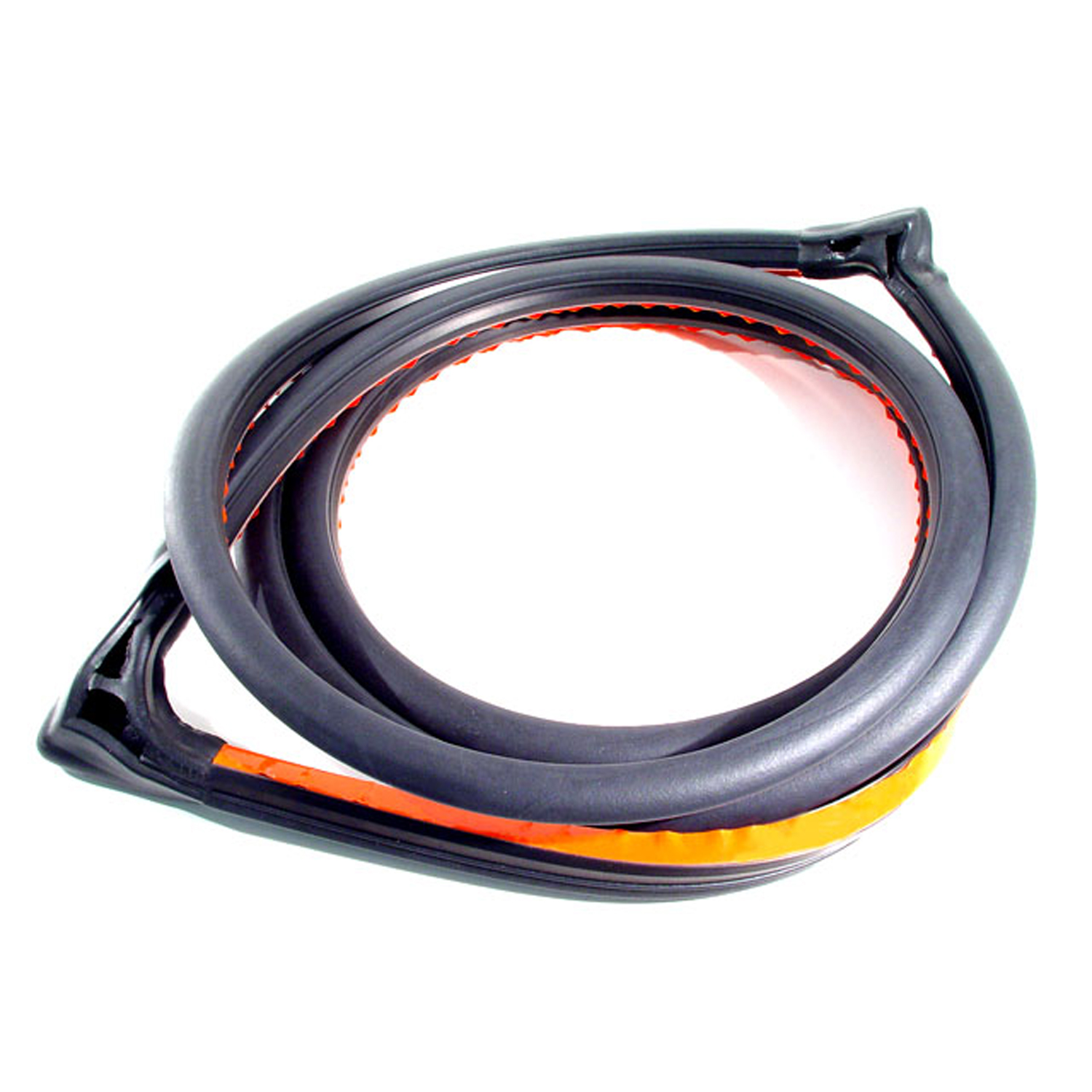 1981 Ford E-350 Econoline Front Side Cargo Door Seal-LM 110-VAFront Side Cargo Door Seal (fits front right side of cargo door). Replaces OEM #E9UZ 1525324 B. For rear (left side) matching seal, see LM 110-VB. Each
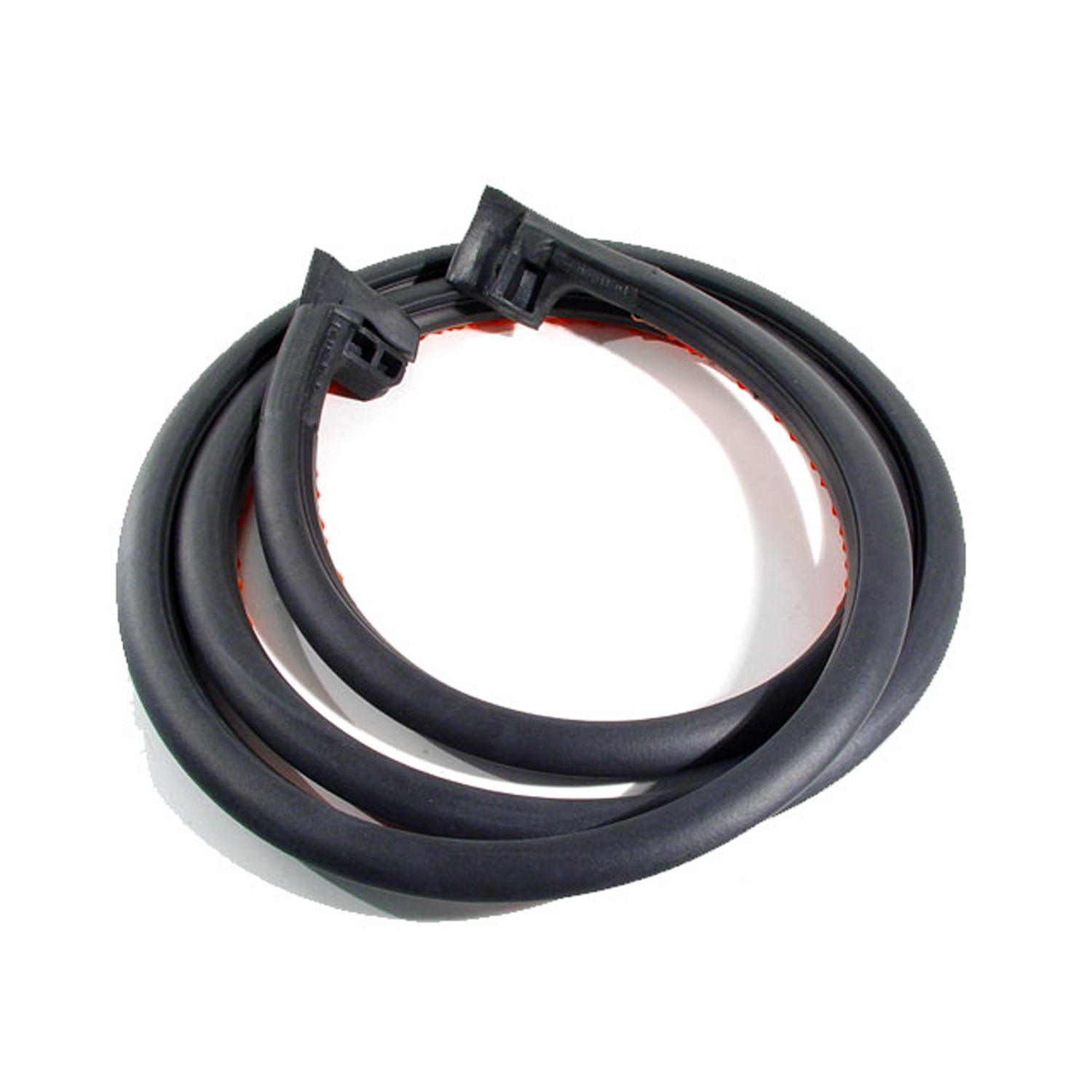 1981 Ford E-350 Econoline Rear Side Cargo Door Seal-LM 110-VBRear Side Cargo Door Seal (fits rear left side of cargo door). Replaces OEM #E9UZ 1525325 B. For front (right side) matching seal, see LM 110-VA. Each
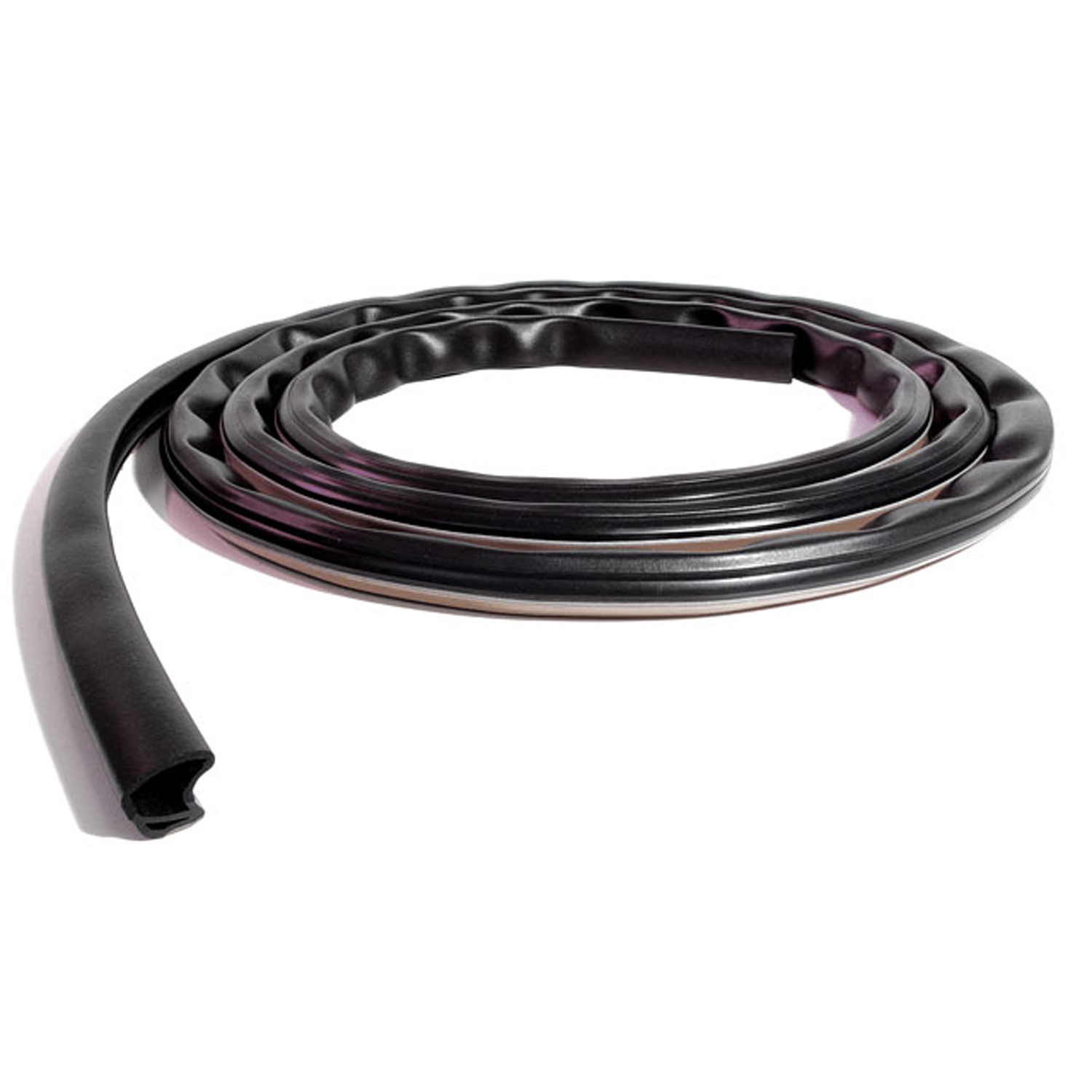 1981 Ford E-350 Econoline Left Front (drivers side) Door Seal. Each-LM 110-VLLeft Front (drivers side) Door Seal. Each
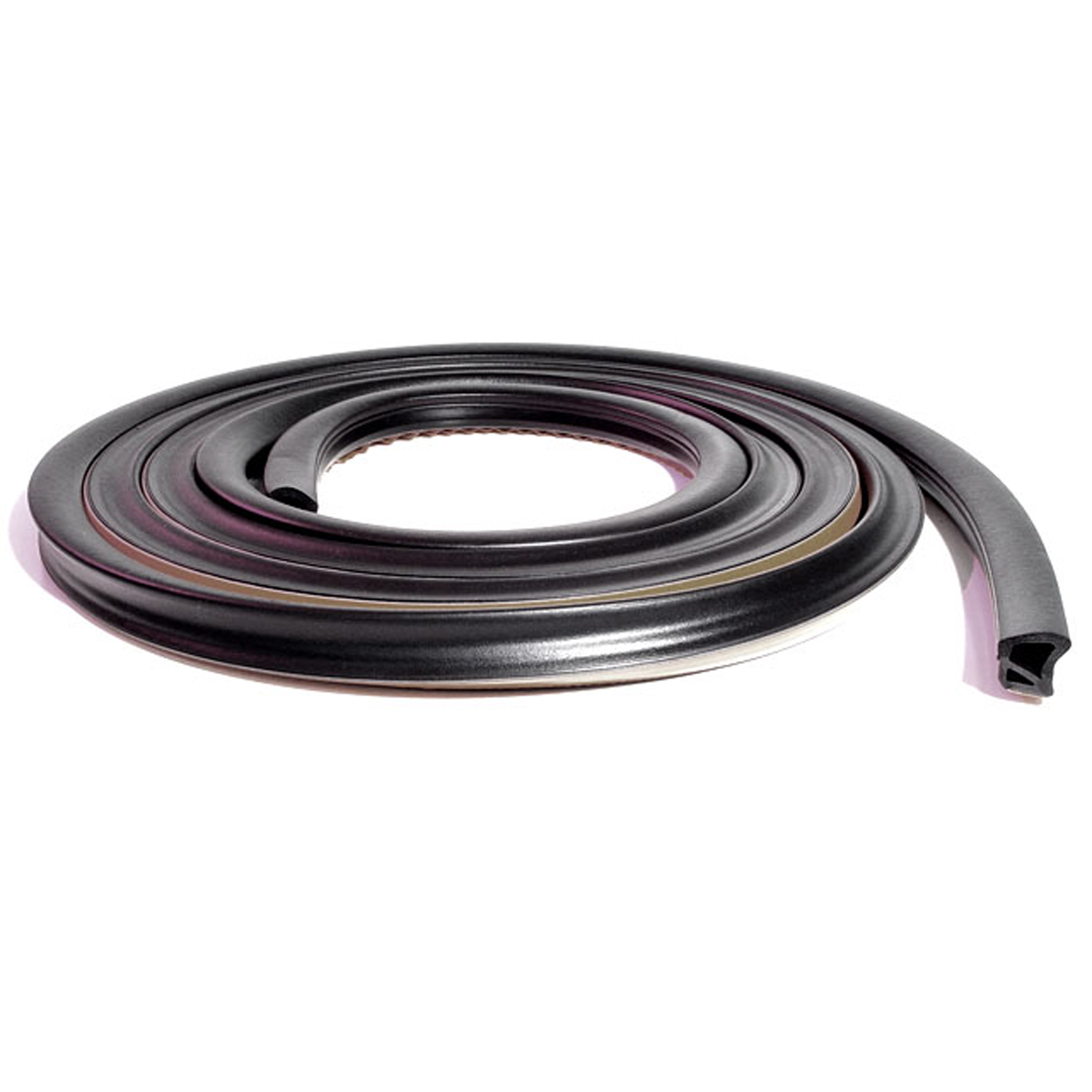 1981 Ford E-350 Econoline Right Front (passenger side) Door Seal. Each-LM 110-VRRight Front (passenger side) Door Seal. Each
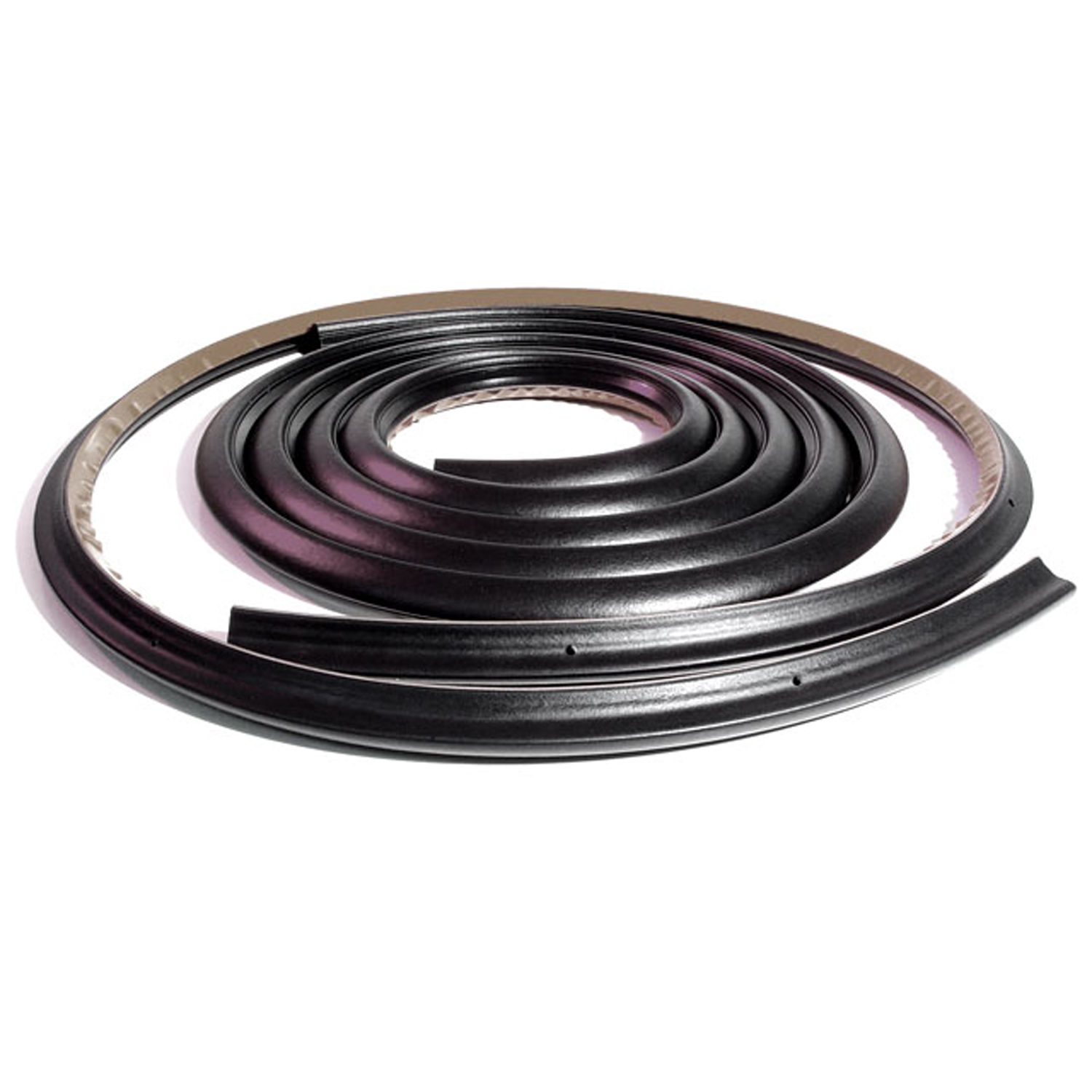 1981 Ford E-350 Econoline Side Slider Door Seal. Each-LM 110-VSSide Slider Door Seal. Each
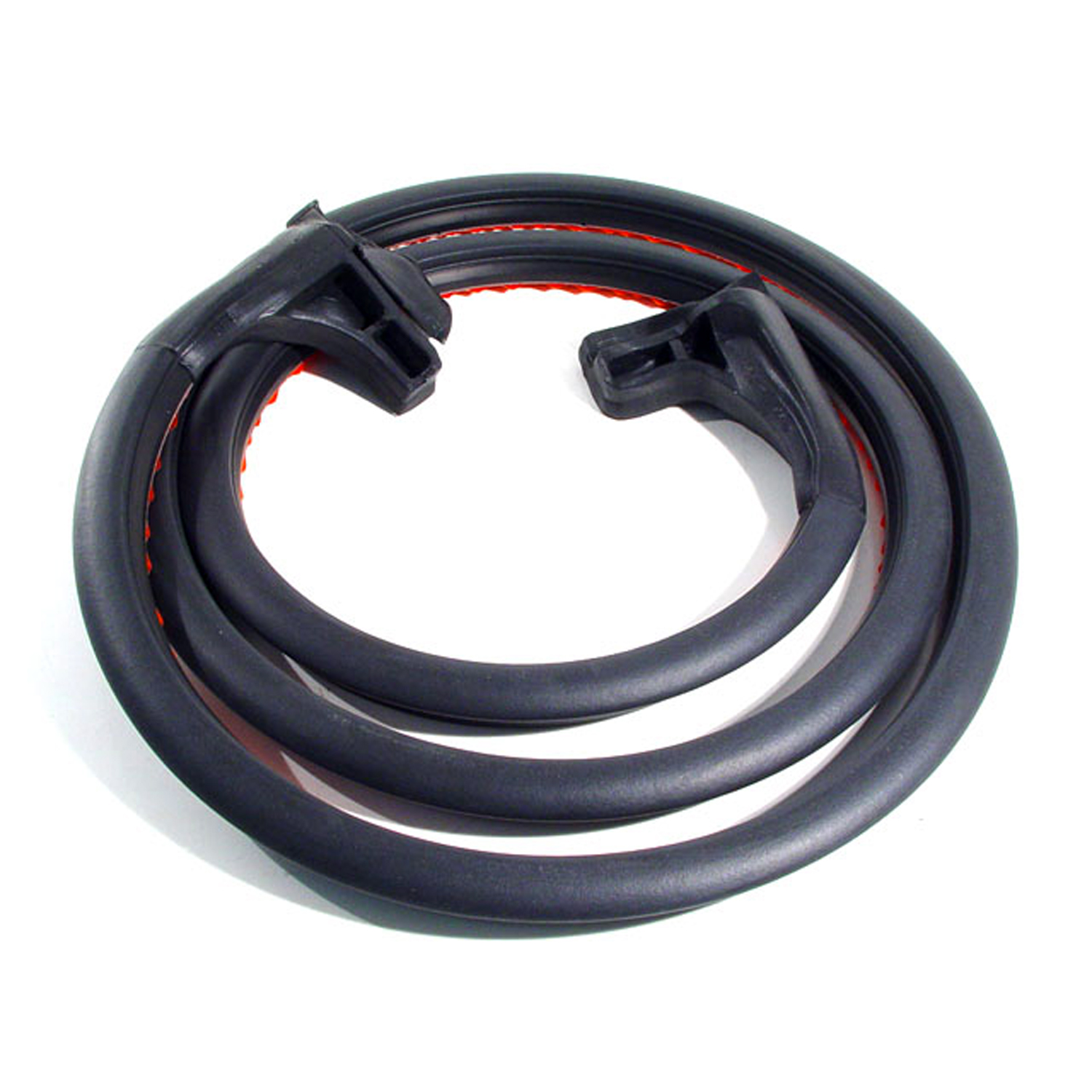 1981 Ford E-350 Econoline Left Rear Door Seal (Drivers Side)-LM 110-VTLeft Rear Door Seal (Drivers Side). Replaces OEM #E9UZ 1543723 A. Each
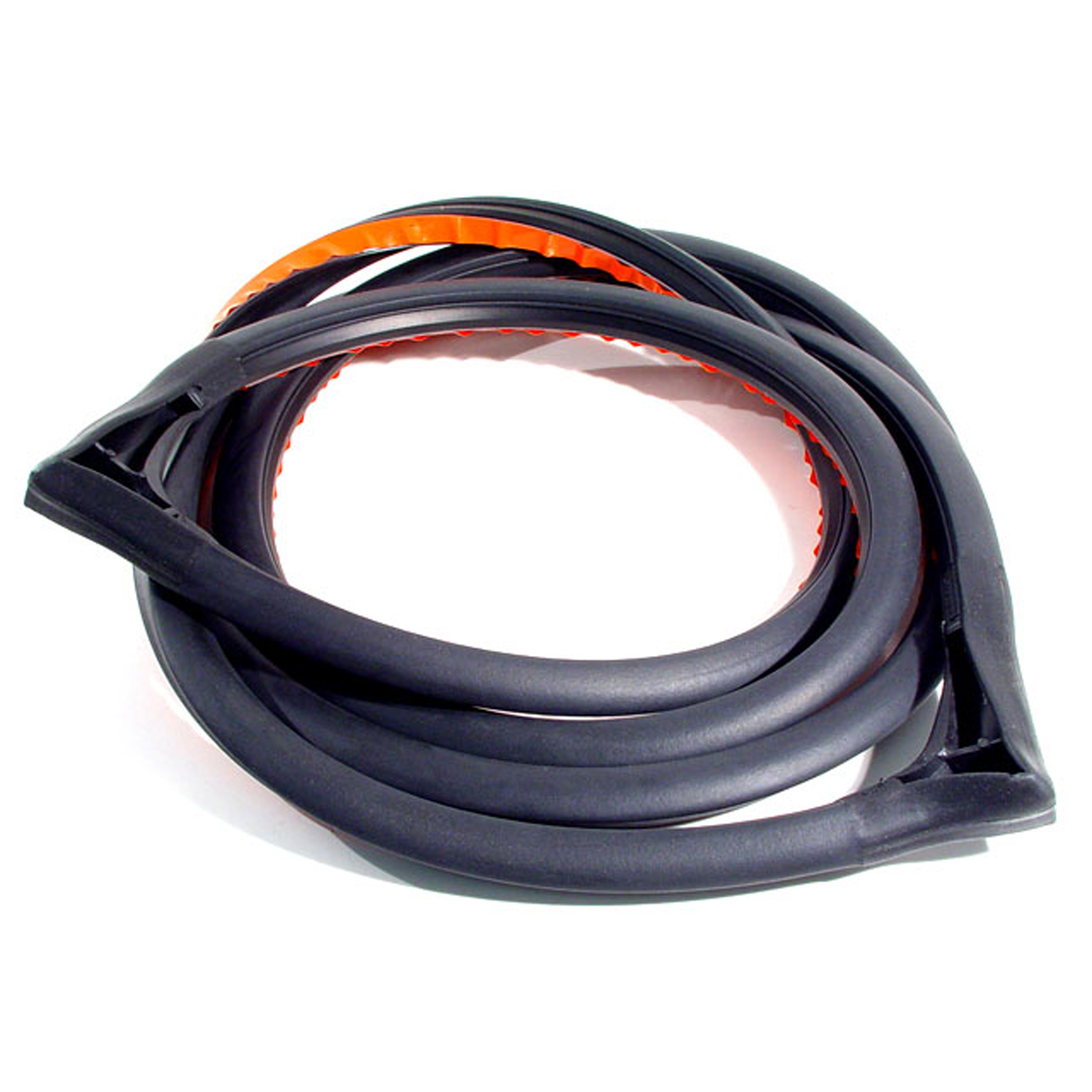 1981 Ford E-350 Econoline Right Rear Door Seal (Passenger Side)-LM 110-VURight Rear Door Seal (Passenger Side). Replaces OEM #F0UZ 1543722 A. Each
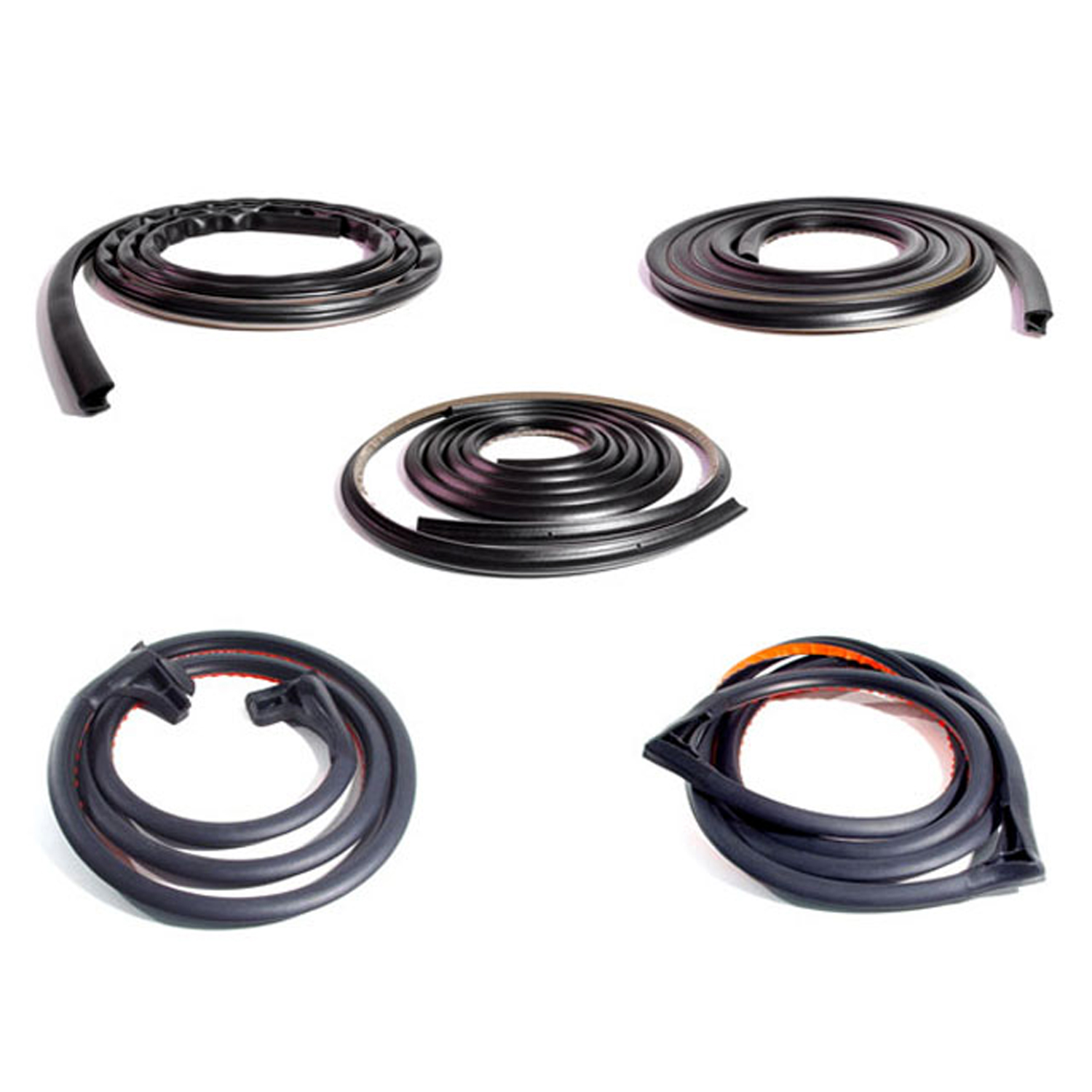 1981 Ford E-350 Econoline Basic Kit, for Models with Side Sliding Door-RKB 3000-100Basic Kit, for Models with Side Sliding Door. Front Left Door (LM 110-VL), Front Right Door (LM 110-VR), Back Left Door (LM 110-VT), Back Right Door (LM 110-VU), Side Sliding Door (LM 110-VS) Seals.
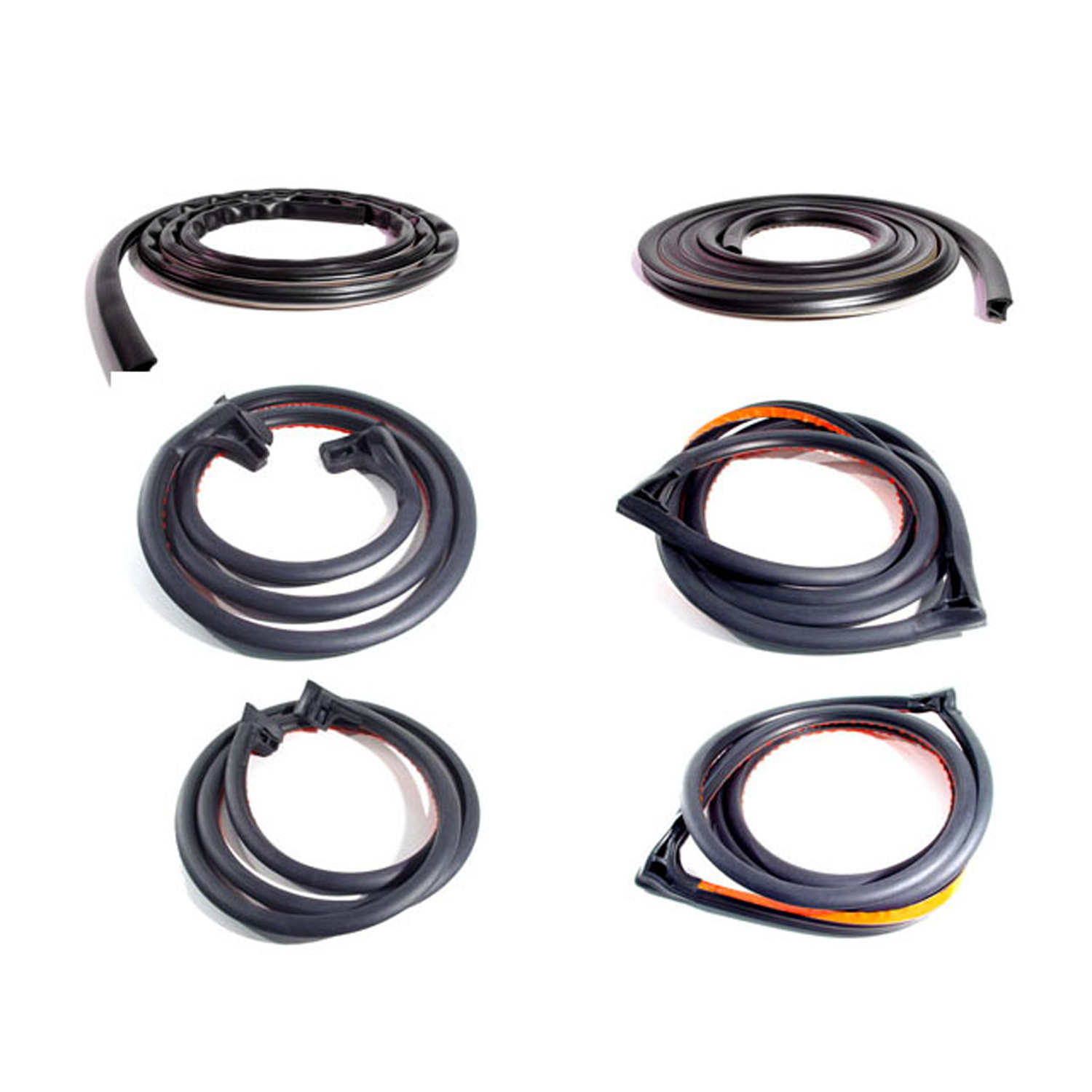 1981 Ford E-350 Econoline Basic Kit, for Models w/Side Cargo Door-RKB 3000-101Basic Kit, for Models w/Side Cargo Door. Front Left LM 110-VL), Front Right LM 110-VR), Back Left LM110-VT), Back Right LM 110-VU), Front Cargo Side (LM 110-VA), Rear Cargo Side (LM 110-VB) Door Seals.
Why Choose Metro?
For over 100 years, Metro Moulded Parts has been the pinnacle of quality in classic car restoration parts. Our commitment to precision and authenticity in every component ensures a perfect fit and an OEM-level appearance.
- Expert Craftsmanship & Quality: Each part is a testament to our dedication to reliability and perfection, crafted from original designs and thoroughly tested.
- Advanced Technology: We use cutting-edge techniques to create flawless, long-lasting parts that surpass others in performance.
- SuperSoft Sponge – The Ultimate Door Seal: Not only are our door seals 30% softer than competitors', but they're also guaranteed to never leak. They effectively reduce wind and road noise, enhancing your classic car's comfort and driving experience.
- Proudly American: Our parts are a product of American craftsmanship, made in the USA with a spirit of excellence and heritage.
- Unrivaled Warranty: We back our products with a 30-year industry-leading warranty, a testament to our confidence in their quality.
Join us in preserving the legacy of classic cars with parts that are crafted for perfection, not just made.