
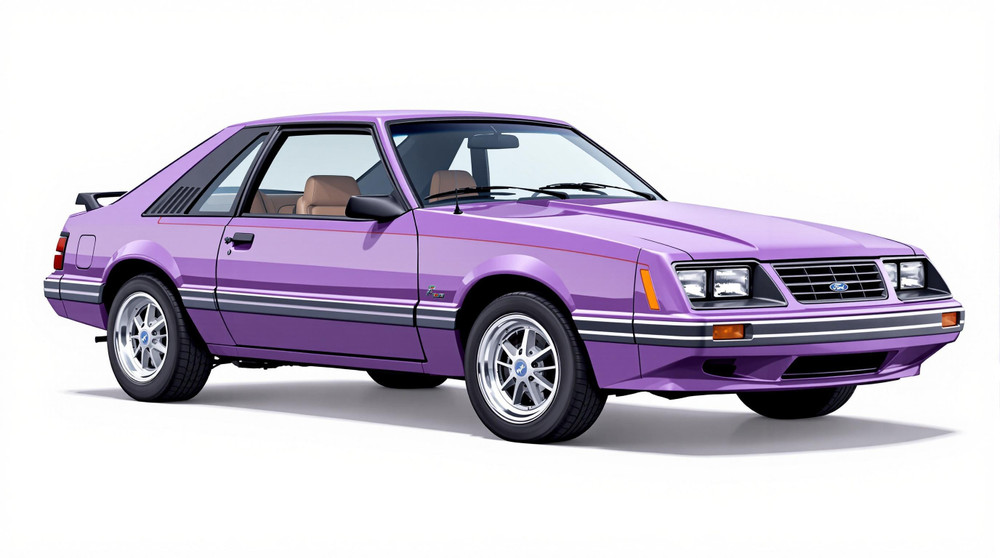
Image of 1981 Ford Mustang, Note: These illustrations use artistic license and may differ from actual historical models.
Performance Metrics
Fundamental Metrics
Emotional Appeal
MMP Rating
| Engine Specifications | |
|---|---|
| Engine Options: | 2.3L 4-cylinder, 3.3L 6-cylinder, 4.2L V8 |
| Displacement Range: | 140-255 cu in. |
| Horsepower Range: | 88-115 HP |
| Torque: | 118-195 lb-ft |
| Compression Ratio: | 8.4:1 - 9.0:1 |
| Ignition System: | Electronic |
| Cooling System: | Liquid-cooled |
| Performance Specifications | |
| 0-60 Time: | 11-15 seconds |
| 1/4 Mile Time: | 17-20 seconds |
| Top Speed: | 105-110 mph |
| Transmission and Drive | |
| Drive Type: | Rear-wheel drive |
| Transmission Type: | 3-speed automatic, 4-speed manual |
| Fuel and Efficiency | |
| Fuel System Type: | Carburetor |
| MPG: | 20-25 MPG |
| Dimensions and Brakes | |
| Brakes: | Front disc, rear drum |
| Wheelbase: | 100.4 inches |
| Weight: | 2,600-2,800 lbs |
Note: Specifications for classic cars are given to the best of our ability, considering the limited and variant data available.
1981 Ford Mustang: A Fox-Body at a Turning Point
The 1981 Ford Mustang had a split personality: it carried the famous Mustang name, yet it was a practical, compact Fox-body coupe shaped by an era of fuel concerns and strict emissions rules. Built by Ford, it belonged to the third generation of Mustangs, introduced for 1979, and helped keep the nameplate alive while the company prepared for a stronger performance revival.
By 1981, the Mustang was smaller and lighter than the big, powerful cars that had made the name famous in the late 1960s. Its rear-wheel-drive layout and shared Fox platform gave Ford a flexible foundation for everything from everyday transportation to sporty V8 models. The year is a notable bridge in Mustang history: the 5.0-liter V8 was available, but the familiar GT performance identity would not return until 1982.
One unusual Fox-body footnote is the McLaren M81 Mustang Turbo. Developed with McLaren Cars around 1980, this dramatically modified, turbocharged Mustang was built in very small numbers, commonly cited as 10 production cars. It was not a regular 1981 trim package, but it shows how far the Fox platform could be pushed beyond the showroom lineup.
Fox-Body Styling and Cabin
The 1981 Mustang traded the long-hood proportions of its classic predecessors for a squared-off, aerodynamic shape. Its low nose, sharply angled windshield, clean body sides, and broad rear quarters gave it a distinctly late-1970s look. Rectangular headlamps and slim bumpers emphasized its tidy dimensions, while the hatchback’s sloping rear glass made the car look more athletic and added useful cargo access.
Two body styles were offered: a two-door notchback coupe and a three-door hatchback. The hatchback is often the most recognizable Fox-body silhouette, with its lift-up rear glass and folding rear seat making it a practical choice as well as a sporty one. The notchback had a more formal roofline and a traditional trunk, giving it a slightly more reserved appearance.
Trim choices included base models, the more comfort-oriented Ghia, and the sporty Cobra. The Cobra brought performance-themed details such as distinctive graphics, a front air dam, rear spoiler, and sportier visual trim. Equipment varied, so original cars can differ in details such as wheels, interior appointments, and convenience features.
Inside, the Mustang was functional rather than luxurious. The dashboard was broad and angular, with clear gauges and controls placed within easy reach. Depending on trim and options, buyers could get cloth or vinyl upholstery, upgraded seating, carpeting, a center console, and an AM/FM radio or cassette player. The Ghia generally offered a more comfortable, dressed-up cabin. Materials were typical of the period: durable and easy to clean, but with plenty of hard plastic that can feel basic by modern standards.
Ford offered the Mustang in a range of colors that varied by trim and interior combination. Common period choices included red, blue, black, white, silver, and tan or cream shades. Bright reds and blues suited the sporty versions, while white, silver, and darker colors gave the car a subtler look. Today, original paint and correctly matched interior colors can make a well-preserved example especially appealing to collectors.
Technology for Everyday Driving
The Fox platform used a unibody structure, independent front suspension with MacPherson struts, and a solid rear axle. Rack-and-pinion steering gave the car a more direct feel than older recirculating-ball systems, while front disc brakes and rear drums were standard engineering for the class and era. The setup was relatively simple, lightweight, and straightforward to service.
Available equipment could include air conditioning, power steering, power brakes, cruise control, and upgraded audio. Emissions controls and fuel-saving measures were also part of the package. This was not a modern computer-managed car: engine systems were comparatively simple, but emissions hardware and carburetion could still require patient diagnosis as the cars age.
Why the 1981 Mustang Matters
The 1981 Mustang is important less as a peak-performance model than as part of the transition that kept the Mustang relevant. Its Fox platform combined rear-wheel drive with relatively modest size and weight, creating a versatile base Ford could develop over many years. The same basic architecture would support increasingly powerful Mustangs through later decades.
It also reflects the challenges facing American performance cars at the time. Fuel economy and emissions regulations had reduced output across much of the industry, and the Mustang’s engine choices ranged from modest four- and six-cylinder options to V8s that were less potent than their predecessors. Against that backdrop, the car’s relatively light structure and available 5.0-liter V8 helped preserve the ingredients enthusiasts wanted: a front engine, rear-wheel drive, and room for performance upgrades.
What set the Fox Mustang apart from many contemporaries was its adaptability. It could serve as an economical coupe, a comfortable Ghia, or a sporty Cobra, and its conventional mechanical layout made it approachable for owners and independent shops. Its lasting influence is clear in the long life of the Fox-body platform and in the Mustang’s return to stronger V8 performance during the 1980s.
Engines, Speed, and Road Feel
Engine availability depended on trim and equipment. The lineup included a 2.3-liter four-cylinder and a 3.3-liter inline-six, along with V8 choices. The 4.2-liter V8 emphasized relaxed, low-speed torque, while the 5.0-liter, 302-cubic-inch V8 was the more desirable performance option on selected models, including Cobra configurations. Exact output figures varied by engine and specification; period estimates for the 5.0-liter are around 157 horsepower.
Performance varied considerably. A 5.0-liter car in good tune could reach 0 to 60 mph in roughly 8 to 9 seconds, with a top speed in the neighborhood of 110 to 115 mph. These are approximate figures, and test results depended on gearing, transmission, condition, and testing methods. Four- and six-cylinder versions were noticeably slower, better suited to commuting than hard acceleration.
On the road, the Mustang feels light and compact by modern standards. The front suspension handles ordinary pavement competently, though short, sharp bumps can make the rear axle hop or feel unsettled, especially on rough roads. The solid rear axle is simple and durable, but it cannot match the composure of a modern independent rear suspension over broken pavement. On a winding road, the car rewards smooth inputs. Steering is direct, but body roll and period tires remind the driver that this is an early-1980s car, not a contemporary sports coupe.
A V8 Mustang brings a low, familiar rumble and a stronger shove at low revs. The four-cylinder and six-cylinder versions are quieter and more economical, but less dramatic. With a manual transmission, the driver has a more involved connection to the car; automatic versions are easier in traffic but less engaging. A well-maintained example can still feel lively, especially when compared with heavier cars from the same period.
Ownership, Maintenance, and Reliability
Today, a 1981 Mustang can be a weekend cruiser, a restoration project, a local show car, or the basis for a modified street machine. The hatchback is handy for light hauling, while the notchback has a simpler, more conventional coupe profile. Original, unmodified cars are increasingly attractive to collectors, but modified Fox-body Mustangs remain popular with enthusiasts who enjoy upgrading suspension, brakes, and engines.
Mechanical repairs are generally accessible for a capable home mechanic. The engine bay is less crowded than in many modern cars, and replacement parts for common Fox-body components are widely available. Before buying, check the engine, transmission, differential, brakes, steering, and cooling system, along with the condition of any emissions equipment. Rust deserves close attention around floorpans, frame rails, lower body panels, and hatch areas. Worn interior trim and weather seals can also take time to source in good condition.
Reliability depends heavily on maintenance and previous modifications. Age-related problems such as dried seals, brittle wiring, tired suspension bushings, carburetor issues, and deteriorated fuel lines are common concerns. A stock car with a clear service history is usually a safer starting point than a heavily modified example with unknown workmanship.
Rare Details and Common Complaints
The McLaren M81 is the standout rarity connected to the Fox Mustang’s early years. Its turbocharged four-cylinder engine and wide-bodied appearance make it a fascinating contrast to the more familiar V8 Cobra. Because it is a separate, limited-run McLaren project rather than a standard 1981 Mustang trim, buyers should verify documentation carefully when one is offered for sale.
Ford sold roughly 182,000 Mustangs for the 1981 model year, making ordinary examples far from production rarities. Exact totals can vary among published historical summaries, and individual trim or engine combinations are much harder to find than the overall model-year number suggests. There is no widely recognized speed or endurance record that defines the standard 1981 Mustang.
Common criticisms are easy to understand: base engines can feel underpowered, cabin plastics are not especially upscale, and the car’s performance depends greatly on which engine it has. Some drivers also find the ride choppy on rough pavement. Those shortcomings are part of its period character, but they are worth considering if you expect modern comfort or performance from a stock example.
1981 Mustang Values and Availability
As a general U.S. market estimate for 2026, an ordinary 1981 Mustang needing work may sell for about $2,500 to $5,000. A usable driver often falls around $5,000 to $10,000, while a clean, well-maintained car may bring roughly $10,000 to $18,000. Excellent, highly original examples and desirable Cobra or 5.0-liter cars can command approximately $18,000 to $30,000 or more, depending on condition, documentation, and market demand. A genuine McLaren M81 is a separate, exceptionally rare collector car and should not be valued like a standard Mustang.
These figures are broad estimates, not guaranteed asking or sale prices. Rust, originality, engine specification, and the quality of any restoration can make a substantial difference. Standard 1981 Mustangs are available through online listings, classic-car dealers, and enthusiast groups, but finding an unmodified car with strong documentation is harder than finding a project or modified example.
Values for ordinary cars have generally risen gradually rather than surged. Interest in Fox-body Mustangs has grown as enthusiasts look back to the generation that helped launch the 1980s performance revival. The best-preserved and most distinctive versions are likely to hold the strongest collector interest, while rough base models remain affordable entry points.
A Practical Mustang with a Lasting Legacy
The 1981 Ford Mustang was not the most powerful Mustang, but it was an important one. Its Fox-body design delivered a versatile rear-wheel-drive platform, practical body styles, and an available V8 at a time when performance was under pressure. Add straightforward mechanicals, unmistakable period styling, and a place in the Mustang’s recovery story, and the 1981 model becomes more than just an inexpensive classic. It is a snapshot of how Ford kept the Mustang moving forward when the road ahead was far from easy.
1981 Ford Mustang Catalog of Parts
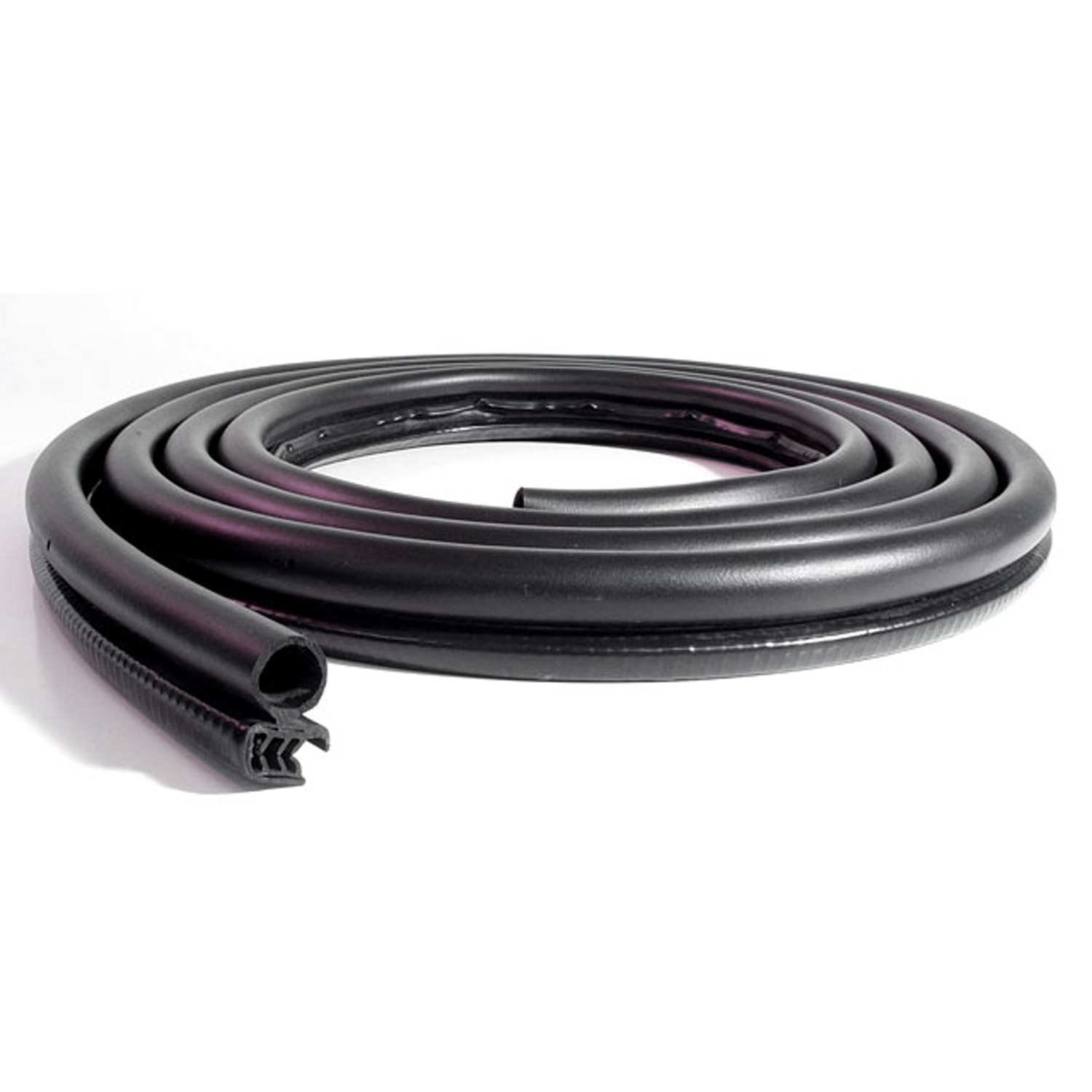 1981 Ford Mustang Door Seal for Sedan or Convertible (Imported)-IS-LM 110-MDoor Seal for Sedan or Convertible (Imported). Fits either side. 154" Long. Each
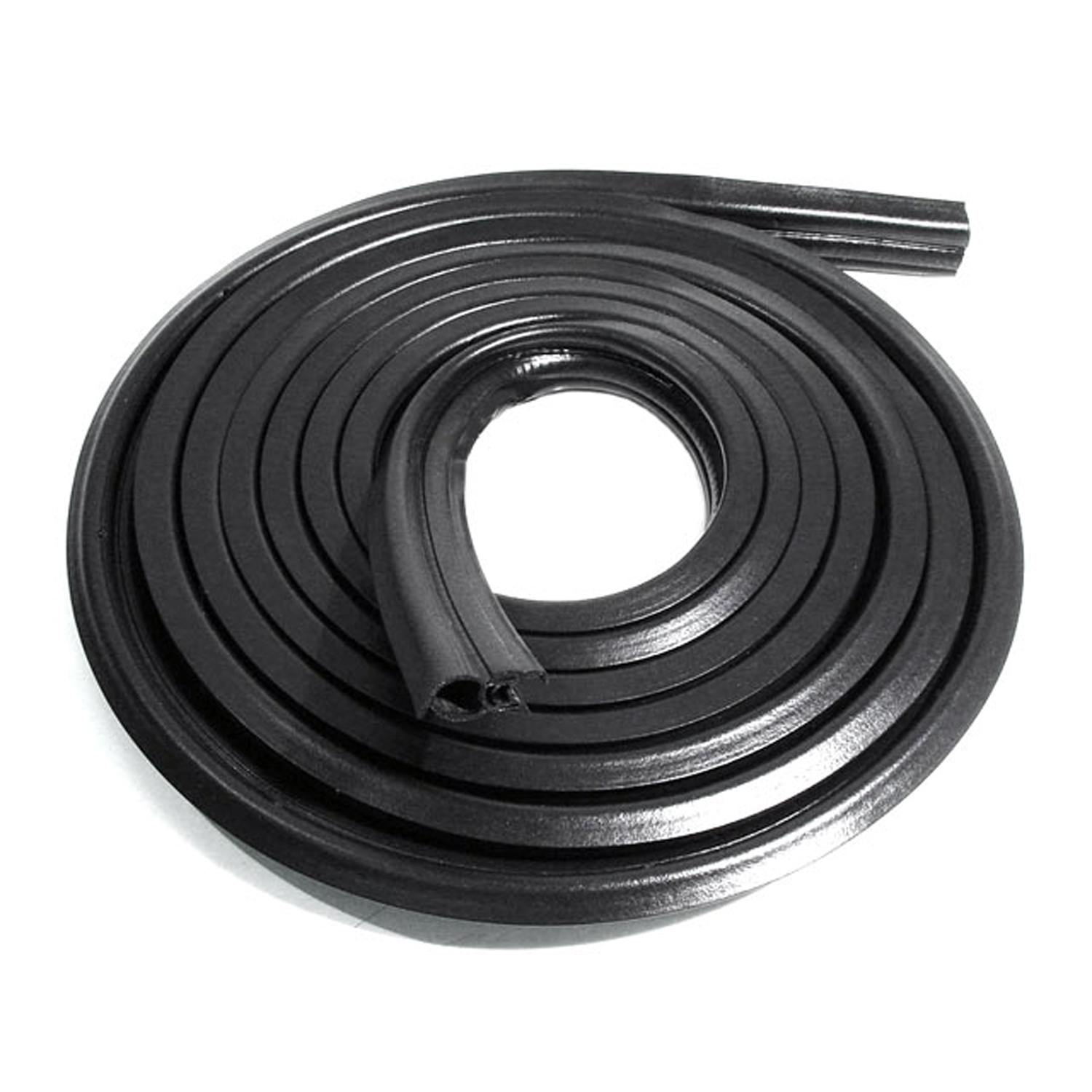 1981 Ford Mustang Hatchback Seal (Imported). Replaces OEM #D9ZZ6143720A-IS-TK 67Hatchback Seal (Imported). Replaces OEM #D9ZZ6143720A. Each
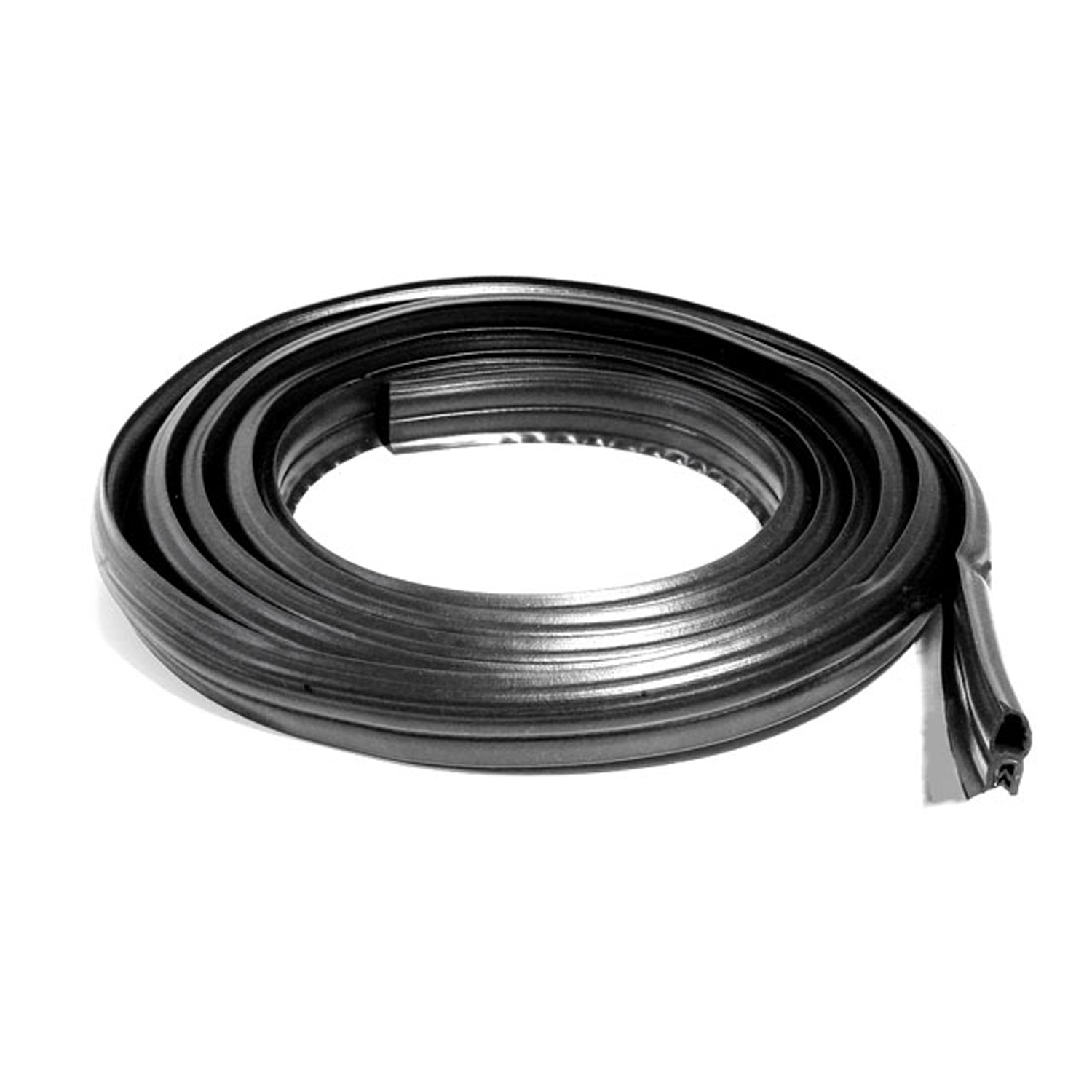 1981 Ford Mustang Trunk Seal (Imported). Fits Coupes and Convertibles-IS-TK 68Trunk Seal (Imported). Fits Coupes and Convertibles. 15' 4-1/2" long. Replaces OEM #D9AZ5443720A. Each
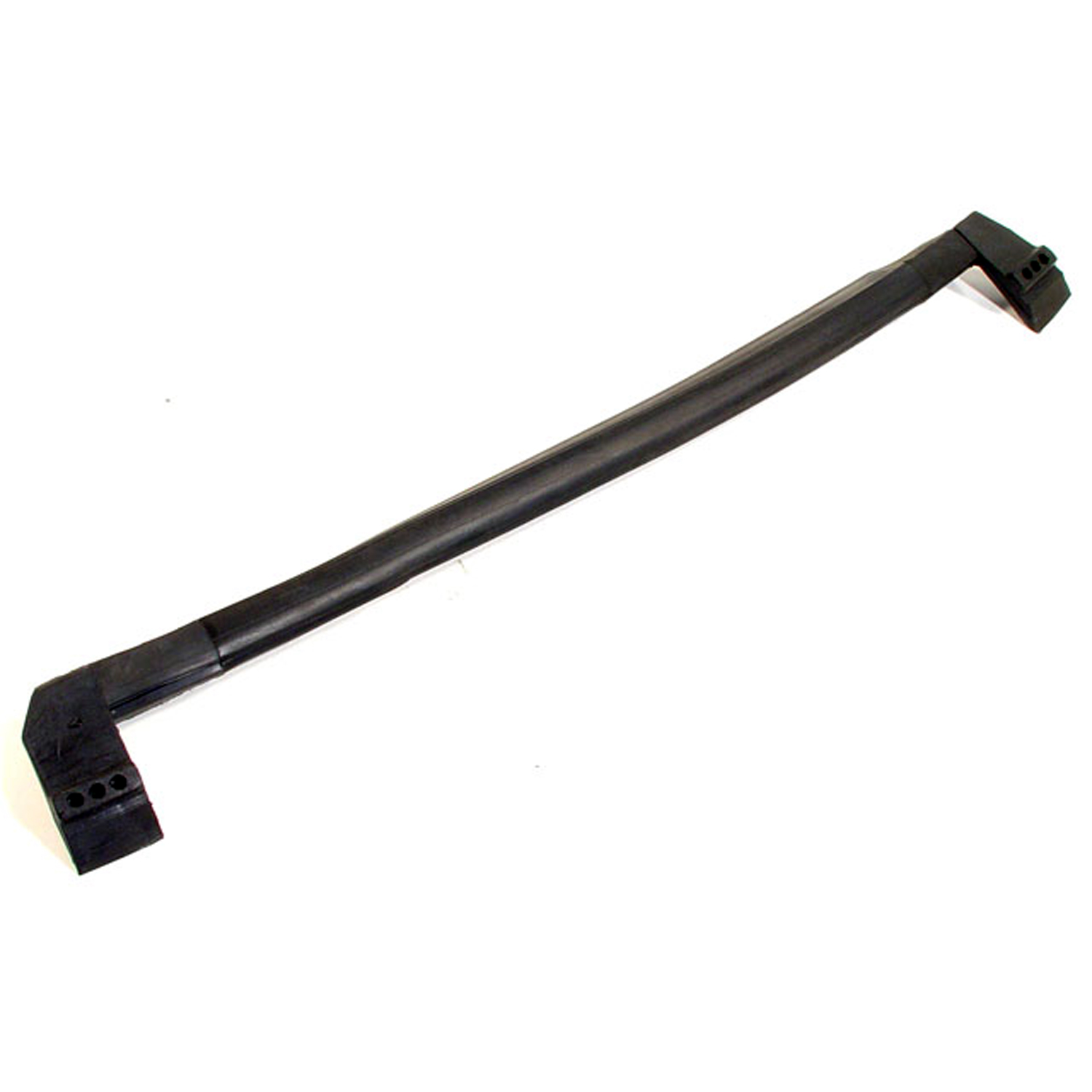 1981 Ford Mustang T-Top Side Rail Seal. For Left (Drivers) Side. Each-IS-TP 6600-AT-Top Side Rail Seal. For Left (Drivers) Side. Each
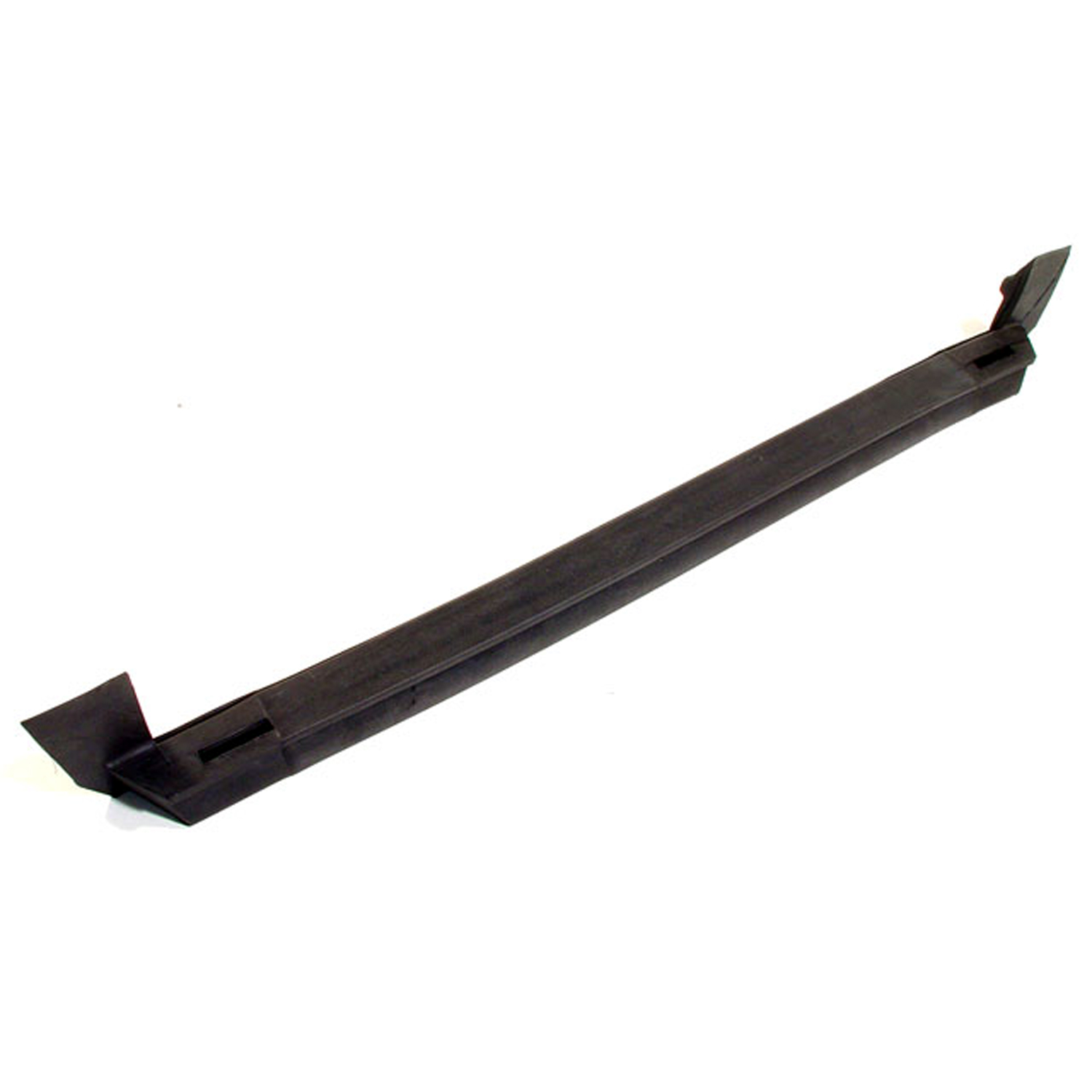 1981 Ford Mustang T-Top Side Rail Seal. For Right (Passenger) Side. Each-IS-TP 6600-BT-Top Side Rail Seal. For Right (Passenger) Side. Each
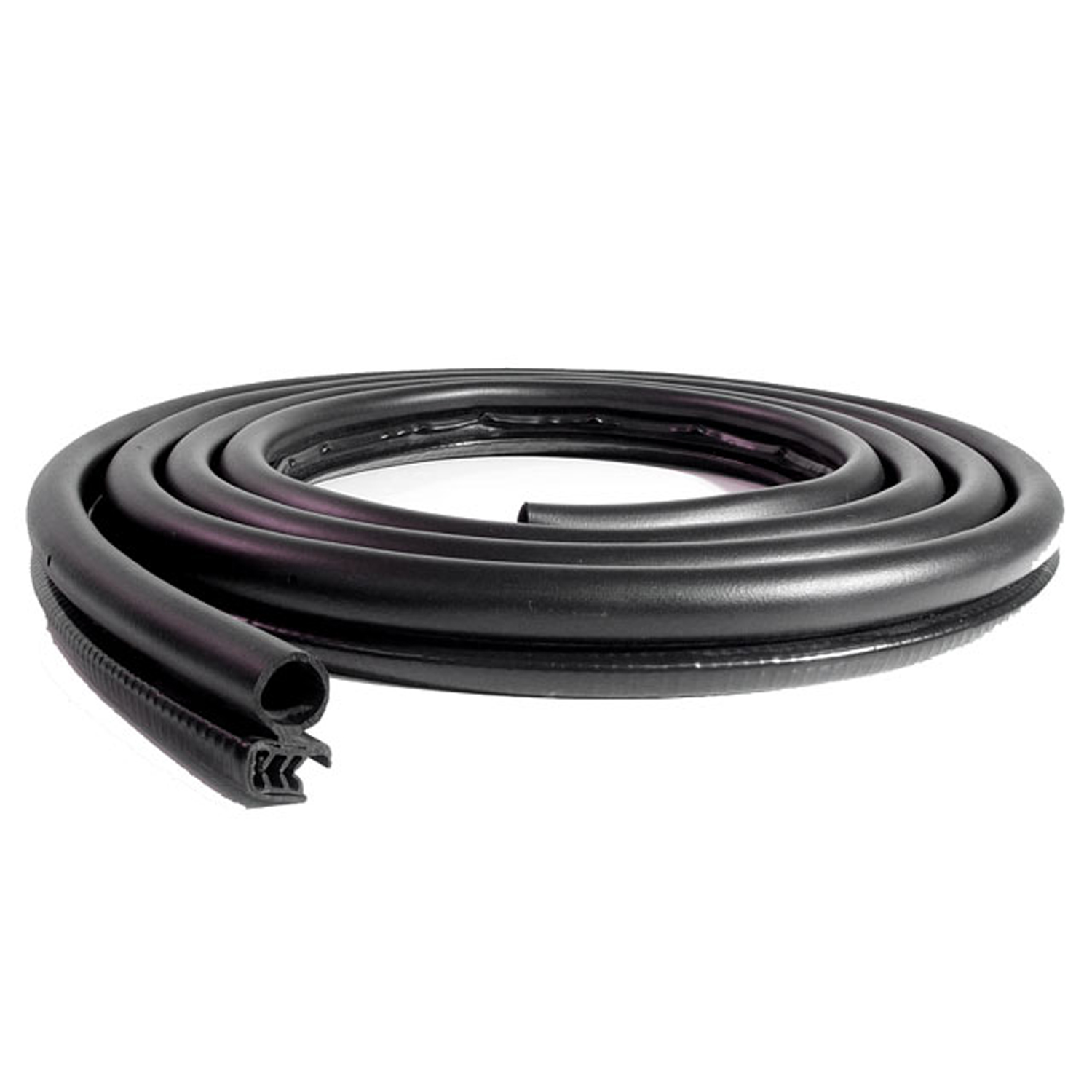 1981 Ford Mustang Molded Door Seal-LM 110-MMolded Door Seal. Fits either side of 2 door sedan or convertible. 150-1/2" Long. Each
 1981 Ford Mustang Special Socket Plug. Fits a 1-1/2" hole. Each-SB 48Special Socket Plug. Fits a 1-1/2" hole. Each
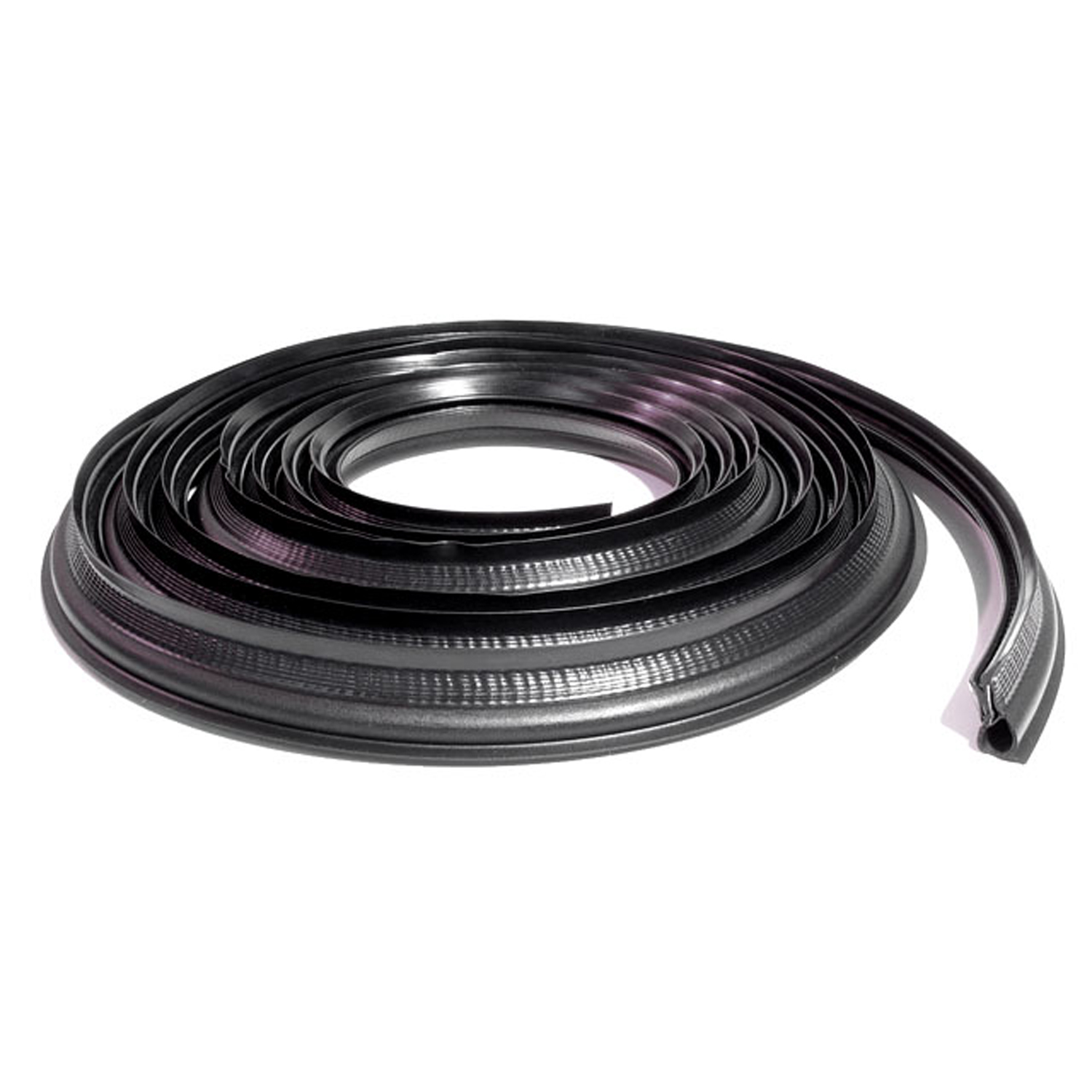 1981 Ford Mustang Hatchback Trunk Seal. Each-TK 10-HHatchback Trunk Seal. Each
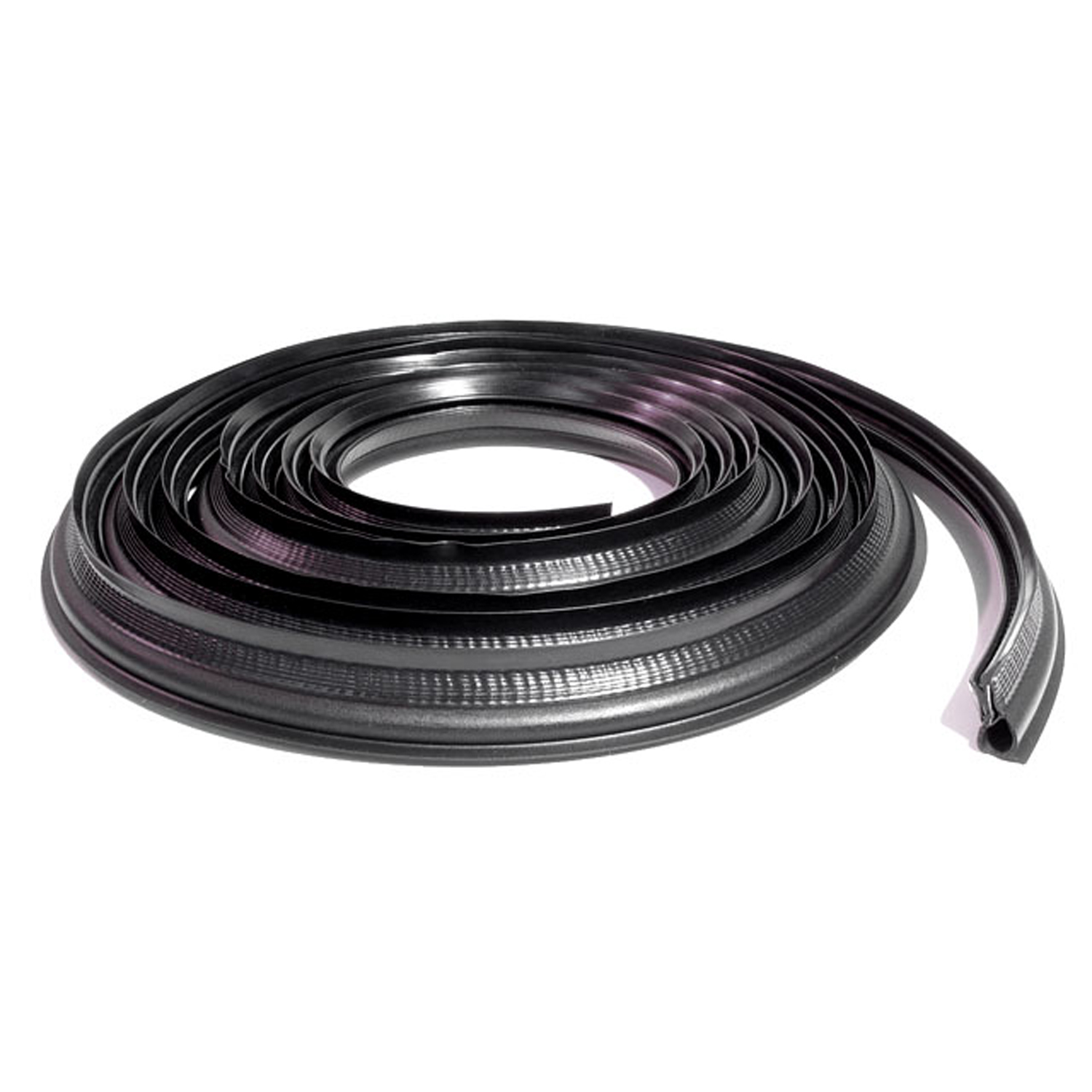 1981 Ford Mustang Trunk Seal, for Sedan and Convertible. Each-TK 10-MTrunk Seal, for Sedan and Convertible. Each
Why Choose Metro?
For over 100 years, Metro Moulded Parts has been the pinnacle of quality in classic car restoration parts. Our commitment to precision and authenticity in every component ensures a perfect fit and an OEM-level appearance.
- Expert Craftsmanship & Quality: Each part is a testament to our dedication to reliability and perfection, crafted from original designs and thoroughly tested.
- Advanced Technology: We use cutting-edge techniques to create flawless, long-lasting parts that surpass others in performance.
- SuperSoft Sponge – The Ultimate Door Seal: Not only are our door seals 30% softer than competitors', but they're also guaranteed to never leak. They effectively reduce wind and road noise, enhancing your classic car's comfort and driving experience.
- Proudly American: Our parts are a product of American craftsmanship, made in the USA with a spirit of excellence and heritage.
- Unrivaled Warranty: We back our products with a 30-year industry-leading warranty, a testament to our confidence in their quality.
Join us in preserving the legacy of classic cars with parts that are crafted for perfection, not just made.