

Image of 1982 Ford Courier, Note: These illustrations use artistic license and may differ from actual historical models.
Performance Metrics
Fundamental Metrics
Emotional Appeal
MMP Rating
| Engine Specifications | |
|---|---|
| Engine: | 2.0L I4, 2.3L I4 |
| Displacement: | 122-140 cu in. |
| Horsepower: | 74-88 hp |
| Torque: | 101-118 lb-ft |
| Compression Ratio: | 8.6:1 |
| Ignition System: | Electronic |
| Cooling System: | Liquid-cooled |
| Performance Specifications | |
| 0-60 Time: | Estimated 15-20 seconds |
| 1/4 Mile Time: | Estimated 20-25 seconds |
| Top Speed: | 85-90 mph |
| Transmission and Drive | |
| Drive Type: | Rear-wheel drive |
| Transmission Type: | 4-speed manual, 3-speed automatic |
| Fuel and Efficiency | |
| Fuel System Type: | Carburetor |
| MPG: | 20-25 mpg |
| Dimensions and Brakes | |
| Brakes: | Front disc, rear drum |
| Wheelbase: | 104.9 in. |
| Weight: | 2,800-3,000 lbs |
Note: Specifications for classic cars are given to the best of our ability, considering the limited and variant data available.
1982 Ford Courier: The Compact Truck That Bridged Two Eras
Before the Ford Ranger became a household name, the 1982 Ford Courier carried Ford’s compact-truck ambitions on its modest shoulders. Small, economical, and unmistakably practical, it was a Ford by badge but a Mazda by engineering: a clever partnership that gave Ford a capable pickup while the company developed its own homegrown successor.
The Courier was built by Mazda, then known as Toyo Kogyo, and sold by Ford in North America. It shared its basic mechanical foundation with Mazda’s B-Series compact pickups, including the B2000. The arrangement began in the 1970s, when American buyers were increasingly interested in smaller trucks that cost less to run than full-size pickups. By 1982, the Courier was in its final year in the United States. The Ford Ranger arrived for the 1983 model year and took over its role.
That end-of-the-line status gives the 1982 Courier a small but meaningful place in Ford history. It was the last Courier sold in the U.S. before the Ranger era began. Its most intriguing detail is also its central one: despite the Ford name on the grille, the truck was assembled around Mazda-developed hardware, making it an early, visible example of a Ford-Mazda partnership.
Compact Pickup Design and Cab Features
The Courier wore its purpose plainly. Its squared-off cab, upright windshield, simple grille, and straight body lines gave it the honest, work-first appearance common to compact pickups of the period. It was smaller and less imposing than a full-size Ford truck, but its conventional proportions made it look like a proper pickup rather than a passenger car with a cargo bed attached.
Most U.S.-market 1982 Couriers were regular-cab, rear-wheel-drive pickups with an open cargo bed. Bed length, equipment, and trim could vary by market and configuration, but the familiar single-cab layout was the model’s signature. Buyers could choose practical trim levels, including work-oriented versions and better-equipped examples, while options such as a bed liner, step bumper, or auxiliary equipment helped tailor the truck to its job.
Inside, the Courier favored durability over decoration. Expect a straightforward dashboard, clear, easy-to-read gauges, simple controls, and a wide bench seat in many examples. Vinyl upholstery and hard-wearing plastics were common, with carpeting and nicer trim depending on equipment. The materials were basic, but that was part of the appeal: the cabin was easy to clean and designed to tolerate daily use rather than impress passengers with luxury.
Paint choices varied with trim and market, but period colors commonly included white, red, blue, silver, tan, and darker earthy shades. White and red remain especially recognizable on surviving work trucks, while two-tone paint and sportier graphics can give an example more visual character. Exact color availability should be checked against the truck’s original-market documentation and paint code.
Technology for a Working Truck
By modern standards, the Courier’s equipment was refreshingly simple. Its engines used conventional carburetion, and a manual transmission was a natural fit for the truck’s work-focused character. Depending on specification, buyers could also find an automatic transmission, power-assisted features, and an AM radio. Equipment differed by market and trim, so not every 1982 Courier had the same setup.
The chassis followed familiar compact-pickup practice, with a front suspension designed for road manners and a rear leaf-spring setup suited to carrying loads. Front disc brakes and rear drum brakes were typical. There were no touchscreens, electronic drive modes, or complicated driver aids to troubleshoot. The Courier’s technology was mechanical, visible, and comparatively accessible to a hands-on owner.
Why the Ford Courier Mattered
The Courier belongs to the wave of compact pickups that gained popularity as fuel prices and buyer priorities shifted during the 1970s. Trucks such as the Toyota Hilux and Datsun pickups showed that many owners did not need the size or operating costs of a full-size American pickup. Ford needed a credible small truck of its own, and its Mazda relationship provided a practical route to market.
What set the Courier apart was not radical technology or class-leading power. It was the combination of Ford’s dealer network and badge with Mazda’s compact-truck engineering. That strategy let Ford compete in a growing segment while the company prepared a truck designed specifically for its own lineup. The Courier did not directly become the Ranger, but it served as a bridge between Ford’s imported compact pickup and the purpose-built Ranger that followed.
Its legacy is also a reminder that automakers have long used partnerships to fill gaps in their product ranges. The Courier made that arrangement tangible: a familiar Ford emblem on a truck whose roots lay with another manufacturer. For enthusiasts, that mix of American branding and Japanese engineering is a large part of its charm.
Engine, Speed, and Road Manners
Engine offerings depended on market and specification. U.S. Couriers were commonly associated with Mazda’s 2.0-liter four-cylinder, while some configurations and markets offered a 2.3-liter four-cylinder. Exact output figures vary among published specifications and equipment levels, but these were modest engines intended for economy and everyday utility, not fast acceleration. Transmission choices typically included a manual, with an automatic available on some versions.
Period performance figures are not consistent enough to treat one number as universal. As a practical estimate, a typical 1982 Courier may take roughly 15 to 20 seconds to reach 60 mph, with top speed in the neighborhood of 80 to 90 mph, depending on engine, gearing, condition, tires, and load. These are estimates rather than guaranteed factory figures. The Courier was built to haul modest loads and commute economically, not to win a drag race.
On the road, its compact size and relatively light weight make it easier to place in traffic and park than a full-size pickup. The rear leaf springs can feel firm when the bed is empty, particularly over sharp bumps, while a moderate load can settle the ride. On winding roads, the truck feels more upright and less composed than a modern crossover, and an unloaded rear end can be lively on uneven pavement. Crosswinds and passing trucks are noticeable, as they are in many small pickups of this era.
The driving experience is refreshingly direct. The engine works audibly when asked to accelerate, the transmission encourages deliberate gear changes, and the driver feels closely connected to the truck’s mechanical rhythm. Expect a simple, slightly busy ride by modern standards, but also good visibility, manageable dimensions, and the satisfaction of operating a straightforward machine.
Living With a 1982 Courier
Couriers have served as commuters, farm and job-site runabouts, small business trucks, and weekend project vehicles. Today, they are most often enjoyed as casual classics, vintage work trucks, or budget-friendly restoration projects. Their compact dimensions suit errands and light hauling, but age and limited safety equipment make them less appealing as high-speed daily transportation than a modern vehicle.
Routine maintenance is generally approachable for an owner comfortable with basic mechanical work. Oil changes, ignition service, brakes, and many common engine jobs use conventional methods and tools. The simple layout is a major advantage, though age brings its own challenges: fuel-system wear, electrical issues, rust, tired suspension parts, and previous repairs can all demand attention. Mazda-specific components and trim may take more searching than common Ford service items, so inspect a truck carefully before buying.
Rust deserves particular scrutiny. Check the cab corners, floor, bed, frame, and areas around suspension and body mounts. Also verify that the engine and transmission match the truck’s documentation, since decades of repairs and swaps can blur the original specification. A mechanically sound Courier can be an enjoyable, low-key classic; a neglected one can quickly turn into a parts hunt.
Courier Trivia and Common Complaints
The Courier’s most memorable piece of trivia is its manufacturer identity: Ford sold it, but Mazda built the underlying truck. That arrangement helped Ford compete in the compact segment until the Ranger was ready. The 1982 model is especially notable as the Courier’s final U.S. model year before the Ranger replaced it.
There is no widely recognized record-setting achievement attached to the 1982 Courier, nor is it known for a famous celebrity-owned special edition. Its significance is more everyday than headline-grabbing: it represents an important shift toward smaller, more economical pickups in the American market. Buyers valued it for utility and cost-consciousness, not speed records or luxury-car glamour.
Common criticisms are straightforward. The Courier is slow by modern standards, the cabin is basic, and the ride can be choppy when the bed is empty. Rust and age-related wear are now bigger concerns than the truck’s original design. Its limited comfort and safety features also make it less suitable for buyers expecting a modern daily driver. On the other hand, those same mechanical simplicities are part of what makes it approachable and appealing as a classic.
1982 Ford Courier Values and Rarity
There is no readily available, universally accepted production total for the 1982 Ford Courier across all markets. As a rough estimate, U.S. production or sales for the model year may have been in the tens of thousands, perhaps around 15,000 to 30,000 trucks. Treat that as an informed ballpark rather than an official figure; Ford-badged Courier totals should not be confused with the much broader production of related Mazda B-Series trucks.
Survivors are not especially rare in the sense of a limited-edition collector vehicle, but clean, original examples are increasingly hard to find. Many spent decades as inexpensive work trucks, and rust, heavy use, and modifications have reduced the supply of well-preserved examples. Parts availability is mixed: general service items are often manageable, while correct body trim and model-specific pieces may require patience.
As a broad current-market guide, a project or rough driver might sell for roughly $2,000 to $5,000. A usable, presentable truck could bring about $6,000 to $12,000, while an unusually clean, well-documented, or carefully restored example may exceed $15,000. Actual prices vary considerably with location, rust, mechanical condition, originality, and buyer demand.
Values have generally risen from the Courier’s former status as a low-cost used pickup, but it remains a niche classic rather than a blue-chip investment. The best examples are likely to hold interest as compact-truck nostalgia grows, while rough trucks may remain inexpensive because restoration costs can quickly outweigh market value. Buy the condition and history, not the promise of a quick profit.
The Last Courier Before the Ranger
The 1982 Ford Courier combined Mazda engineering, Ford’s North American reach, and the practical appeal of a compact pickup. Its styling was straightforward, its performance modest, and its equipment deliberately simple. Yet that very simplicity helped it fill a real need at a time when American buyers were discovering the advantages of smaller trucks.
As the final U.S. Courier before the Ranger arrived, the 1982 model marks the close of one chapter in Ford truck history and the start of another. It may not be the fastest or rarest classic pickup, but it is an honest survivor from the moment compact trucks moved from alternative choice to essential part of the American road.
1982 Ford Courier Catalog of Parts
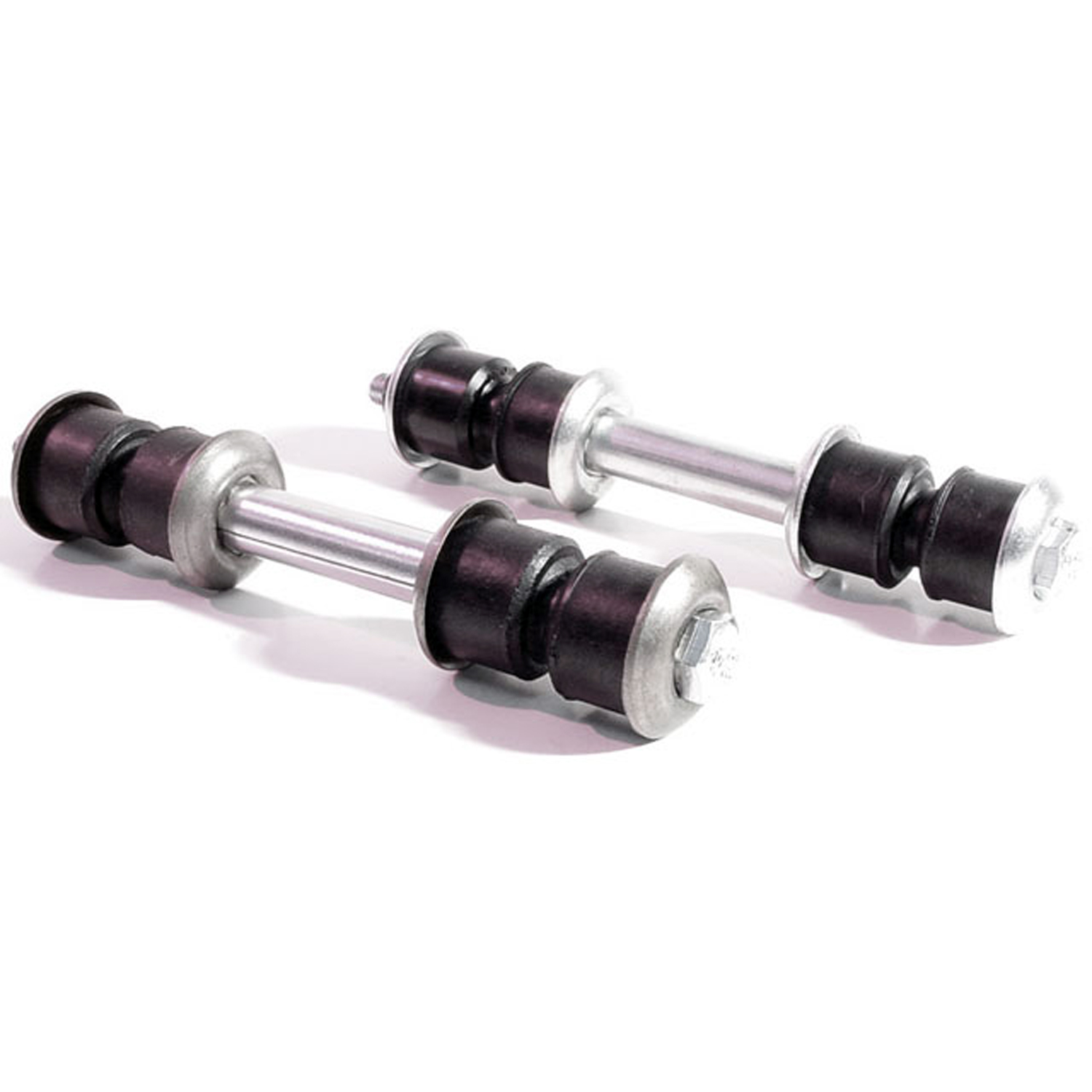 1982 Ford Courier Front Stabilizer End Repair Kit-BNK 24Front Stabilizer End Repair Kit. 22-piece set for two stabilizer bars. Contains all rubber bushings, washers, bolts and nuts, enough for one front end. Set
Why Choose Metro?
For over 100 years, Metro Moulded Parts has been the pinnacle of quality in classic car restoration parts. Our commitment to precision and authenticity in every component ensures a perfect fit and an OEM-level appearance.
- Expert Craftsmanship & Quality: Each part is a testament to our dedication to reliability and perfection, crafted from original designs and thoroughly tested.
- Advanced Technology: We use cutting-edge techniques to create flawless, long-lasting parts that surpass others in performance.
- SuperSoft Sponge – The Ultimate Door Seal: Not only are our door seals 30% softer than competitors', but they're also guaranteed to never leak. They effectively reduce wind and road noise, enhancing your classic car's comfort and driving experience.
- Proudly American: Our parts are a product of American craftsmanship, made in the USA with a spirit of excellence and heritage.
- Unrivaled Warranty: We back our products with a 30-year industry-leading warranty, a testament to our confidence in their quality.
Join us in preserving the legacy of classic cars with parts that are crafted for perfection, not just made.