
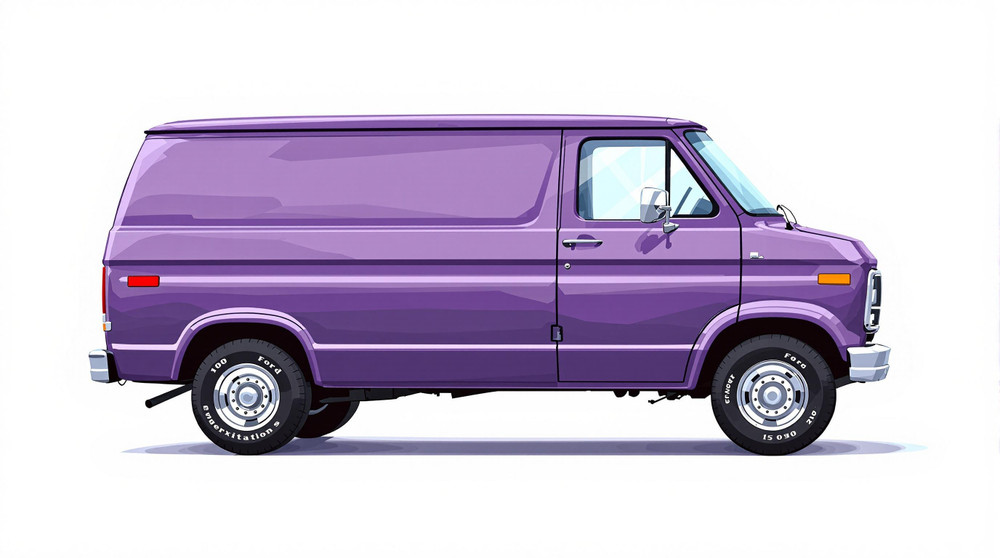
Image of 1982 Ford E-100 Econoline, Note: These illustrations use artistic license and may differ from actual historical models.
Performance Metrics
Fundamental Metrics
Emotional Appeal
MMP Rating
| Engine Specifications | |
|---|---|
| Engine: | 4.9L Inline 6, 5.8L V8, 6.6L V8, 7.5L V8 |
| Displacement: | 4.9L - 7.5L |
| Horsepower: | 120-210 HP |
| Torque: | 223-357 lb-ft |
| Compression Ratio: | 8.0:1 - 8.4:1 |
| Ignition System: | Distributor ignition |
| Cooling System: | Liquid cooled |
| Performance Specifications | |
| 0-60 Time: | Estimated 10-15 seconds |
| 1/4 Mile Time: | Estimated 17-20 seconds |
| Top Speed: | 85-100 mph |
| Transmission and Drive | |
| Drive Type: | Rear wheel drive |
| Transmission Type: | 3-speed automatic, 4-speed manual |
| Fuel and Efficiency | |
| Fuel System Type: | Carburetor |
| MPG: | 10-15 mpg |
| Dimensions and Brakes | |
| Brakes: | Front disc, rear drum |
| Wheelbase: | 124.0 inches |
| Weight: | 4,500-5,500 lbs |
Note: Specifications for classic cars are given to the best of our ability, considering the limited and variant data available.
1982 Ford E-100 Econoline: A Classic American Work Van
The 1982 Ford E-100 Econoline was built for a simple but demanding job: carry people, tools, or cargo day after day without fuss. Its square profile and broad front end made it a familiar sight on American roads, from contractor fleets to family driveways. Produced by Ford as part of the long-running Econoline line, the E-100 was the light-duty member of the E-Series, offering van practicality in a size that was easier to maneuver than heavier commercial models.
The Econoline name dates to 1961, when Ford introduced a compact van based on its Falcon platform. By 1982, the design had evolved considerably. The third-generation body, introduced for 1975, gave the van a more conventional front-engine layout and a wider, sturdier platform. One useful bit of trivia: “E-100” referred to the van’s light-duty classification, not its engine size. The model’s appeal was its adaptability. The same basic vehicle could serve as a plain cargo hauler, a passenger van, or the foundation for a camper or specialty conversion.
Square-Shouldered Styling and Practical Options
The E-100’s exterior was all function, but it had a sturdy, unmistakable presence. Its flat sides, upright windshield, broad grille, and nearly vertical rear doors made the most of the interior space. The front end looked more like a small truck than a car, while the short nose and large glass area helped the driver judge the van’s position in traffic and at loading docks. Depending on the body and equipment, buyers could choose rear doors or a side cargo door, with windows added for passenger and specialty configurations.
Inside, the cargo version was deliberately plain. Durable vinyl, hard-wearing trim, and an easy-to-clean floor suited commercial use better than luxury appointments would have. Passenger versions could offer more comfortable seating and trim, while upscale Club Wagon packages brought a more finished cabin. The engine cover, or doghouse, sat between the front seats and was a defining feature of the driving position. It brought the engine close to the occupants, making routine access possible from inside the van, but also contributed heat and engine noise to the cabin.
Available colors varied with body style, trim, and fleet ordering. White was a popular commercial choice, joined by practical reds, blues, greens, and earth tones. Fleet buyers often favored simple, easy-to-match colors, while passenger and custom vans were more likely to wear brighter paint or contrasting two-tone schemes. Exact paint names and availability depended on the order and market.
The range included cargo vans, passenger-oriented Club Wagons, and cutaway or incomplete-vehicle chassis used by conversion companies and commercial builders. The cargo van was the classic workhorse. Club Wagon versions were aimed at families and group transport, while camper and custom conversions added beds, cabinetry, raised roofs, and other equipment. For many buyers, the most iconic E-100 was the straightforward panel-sided cargo van: simple, useful, and ready to be fitted out for a particular job.
Why the Econoline Mattered
The 1982 E-100 was not a radical technological showcase. Its significance came from how effectively it served a broad range of needs. The 1975 redesign had moved the Econoline away from the early compact, cab-forward formula toward a wider, more conventional front-engine van. That layout improved access to the engine and made the platform suitable for heavier-duty work, passenger transport, and a growing conversion market.
Ford’s van formula also helped establish the full-size American van as a flexible vehicle rather than a specialist delivery tool. Businesses could order a basic cargo van, families could choose a passenger model, and converters could transform the same chassis into a camper or mobile workshop. The E-100 shared its basic character with the heavier E-150 and E-250 models, but its lighter-duty positioning made it attractive to owners who did not need the capacity of a larger van.
Compared with many contemporary vans, the Econoline’s strengths were its familiar truck-like construction, broad parts support, and wide range of configurations. Its lasting influence is visible in the way modern full-size vans continue to serve delivery fleets, tradespeople, shuttle operators, and conversion enthusiasts.
Performance, Ride, and Road Manners
Engine availability depended on the exact model and equipment. The E-100 was commonly fitted with Ford’s 4.9-liter inline-six, with a 5.0-liter V8 available in some configurations. Heavier E-Series models could be ordered with larger engines, but those should not automatically be assumed to have been available in every E-100. Transmission choices and axle ratios also affected how a particular van performed.
Period acceleration figures are not consistent across body styles and powertrains, and a decades-old example may perform very differently from a new vehicle. As a broad estimate, a six-cylinder E-100 might take roughly 16 to 20 seconds to reach 60 mph, while a V8 version could be quicker, often in the neighborhood of 14 to 18 seconds. Top speed was generally around 85 to 95 mph, though these vans were designed for useful low- and midrange pulling power, not sustained high-speed driving.
On the road, the E-100 feels substantial and upright. The driver sits high, looks out through a broad windshield, and steers a vehicle with a much larger turning circle and broader body than a passenger car. A load in the back can settle the ride, while an empty van may hop or feel firm over sharp bumps. Crosswinds and gusts from passing trucks are more noticeable than in a low-slung car, and winding roads call for measured steering and conservative cornering.
Under acceleration, the engine’s voice comes from close by, especially when the doghouse insulation has aged or been removed. The sound is a familiar mix of mechanical rumble and tire noise, with a V8 offering a deeper note than the six-cylinder. The overall experience is direct and uncomplicated: the driver feels the vehicle’s size, load, and road surface rather than being insulated from them by modern refinement.
Living With an E-100
In period, the E-100 was commonly used for deliveries, trades, service work, and passenger transport. Today, it can still be a practical classic for local hauling, a weekend camper conversion, a mobile workshop, or a vintage show vehicle. It is less suited to daily high-speed commuting than a modern van, but its character and flexible interior make it appealing to owners who enjoy using their classics rather than simply storing them.
Mechanical repairs are generally approachable for an experienced home mechanic. The engines and basic systems are familiar Ford designs, and many service parts remain available through classic-parts suppliers, general parts stores, and donor vehicles. Access is not always as easy as it is in a conventional pickup because the engine sits beneath the doghouse, and rust repair can be more difficult than routine mechanical work.
When inspecting one, pay close attention to corrosion around the floors, lower body panels, wheel arches, door openings, and frame. Check the doghouse and its seals, cooling system, brakes, steering components, and transmission operation. Older vans may also have improvised wiring or incomplete camper conversions. A van that has spent years carrying heavy loads can show wear in its suspension, drivetrain, and rear structure, so a careful inspection matters more than a fresh coat of paint.
Notable Details and Common Criticisms
The E-100’s most distinctive piece of cabin architecture is the engine doghouse. It is both a practical service feature and a reminder of the van’s close-coupled layout. Another appealing detail is the way the Econoline could be ordered as a blank canvas: a basic van could become a delivery vehicle, passenger hauler, camper, or custom cruiser without changing its fundamental platform.
There is no widely recognized E-100 production speed record or single famous historical event that defines the 1982 model. Econolines were common working vehicles, so their story is less about a headline-grabbing achievement and more about decades of everyday service. They also appeared frequently in popular culture as utility vans, service vehicles, and custom vans, though a particular screen appearance should be verified before being attributed to a specific 1982 E-100.
Common criticisms are easy to understand. The cabin can be noisy and warm, fuel economy is modest by modern standards, and the tall body can be tiring in crosswinds. An old example may also have vague steering, tired suspension, or brakes that feel less confident than modern systems. These are practical limitations rather than surprises: the E-100 was built as a sturdy utility vehicle, not a quiet touring car.
Collector Values and Availability
There is no readily available, definitive production total for the 1982 E-100 alone, broken down by engine, body style, and trim. As a cautious estimate rather than a factory figure, production of E-100 vans may have reached the tens of thousands, perhaps somewhere in the range of 20,000 to 40,000 in North America. The estimate is broad because Ford’s public production totals are generally easier to find for the wider Econoline line than for individual E-100 configurations.
Availability depends heavily on location and condition. Plain cargo vans that worked hard are more likely to need body repairs, while passenger models and well-preserved conversions can be harder to find in original condition. As of 2026, a project vehicle might sell for roughly $1,500 to $4,000. A usable driver in fair condition could fall around $4,000 to $8,000, while a clean, well-maintained example may bring $8,000 to $15,000. High-quality restorations or desirable camper and custom builds can exceed that range, sometimes reaching $15,000 to $25,000 or more, depending on workmanship and buyer demand.
These are general market estimates, not guaranteed sale prices. Rust, mechanical condition, documentation, originality, and the quality of any conversion all make a major difference. Values for clean vintage vans have benefited from renewed interest in classic camping and period-correct custom vehicles. The E-100 is not typically a blue-chip collectible, but its usable character and distinctive shape have helped good examples hold attention better than ordinary old work vans.
A Working Van With a Long Afterlife
The 1982 Ford E-100 Econoline combined straightforward mechanicals, a spacious body, and a remarkable range of uses. Its design favored durability and adaptability over comfort or speed, and that practical approach helped make the Econoline a familiar part of American life. Today, a sound example can still haul, camp, or turn heads at a show, carrying its original working spirit into a new era.
It may not be the fastest or most refined classic on the road, but the E-100 has something more enduring: the ability to become whatever its owner needs. That versatility is what made it a useful van in 1982 and what makes it worth seeking out today.
1982 Ford E-100 Econoline Catalog of Parts
 1982 Ford E-100 Econoline Brake Pedal Pad. 4-3/4" wide X 2-1/4" long-CB 111-NBrake Pedal Pad. 4-3/4" wide X 2-1/4" long. Replaces OEM #'s BC3Z2457B, D3TZ2457A, D3TZ2457B. Each
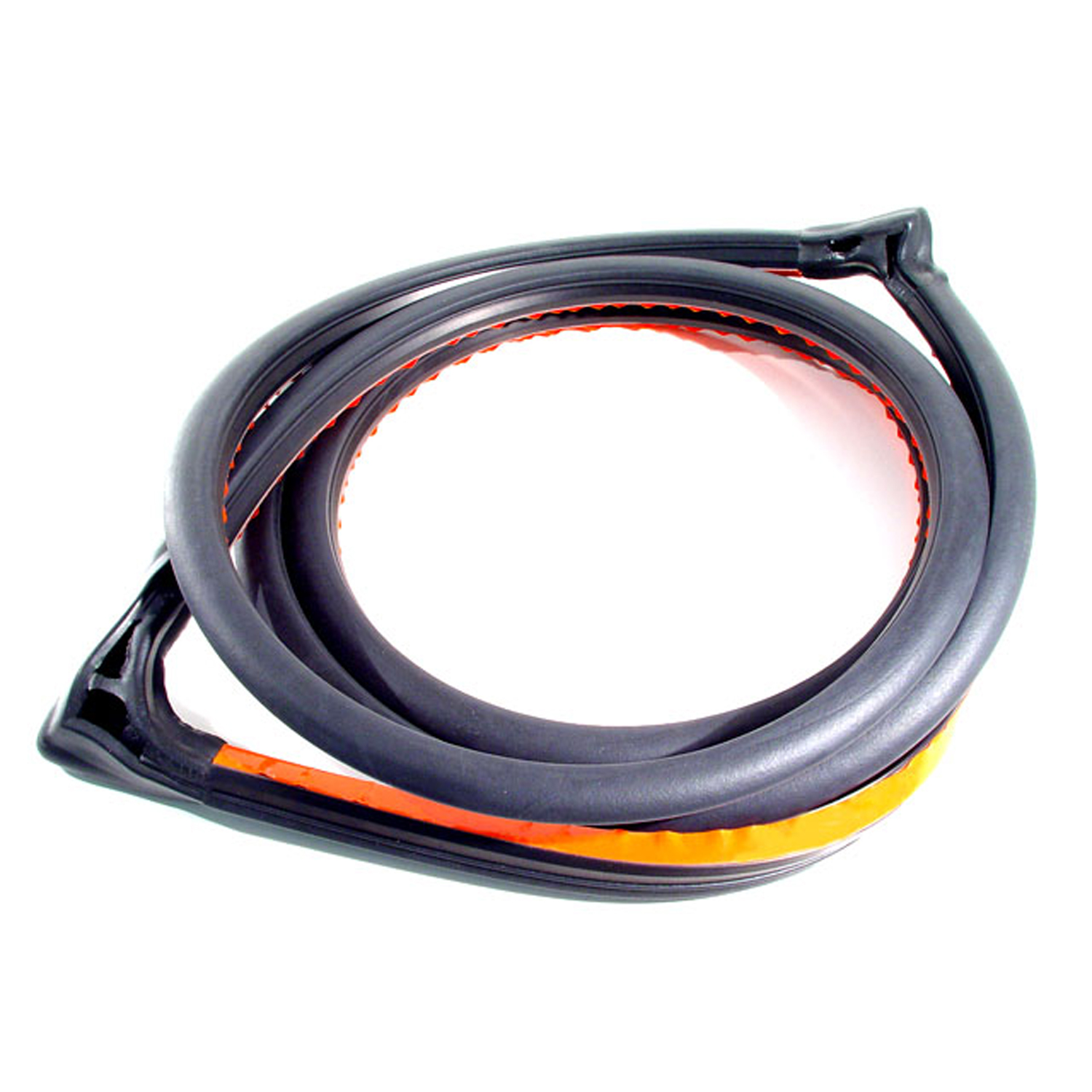 1982 Ford E-100 Econoline Front Side Cargo Door Seal-LM 110-VAFront Side Cargo Door Seal (fits front right side of cargo door). Replaces OEM #E9UZ 1525324 B. For rear (left side) matching seal, see LM 110-VB. Each
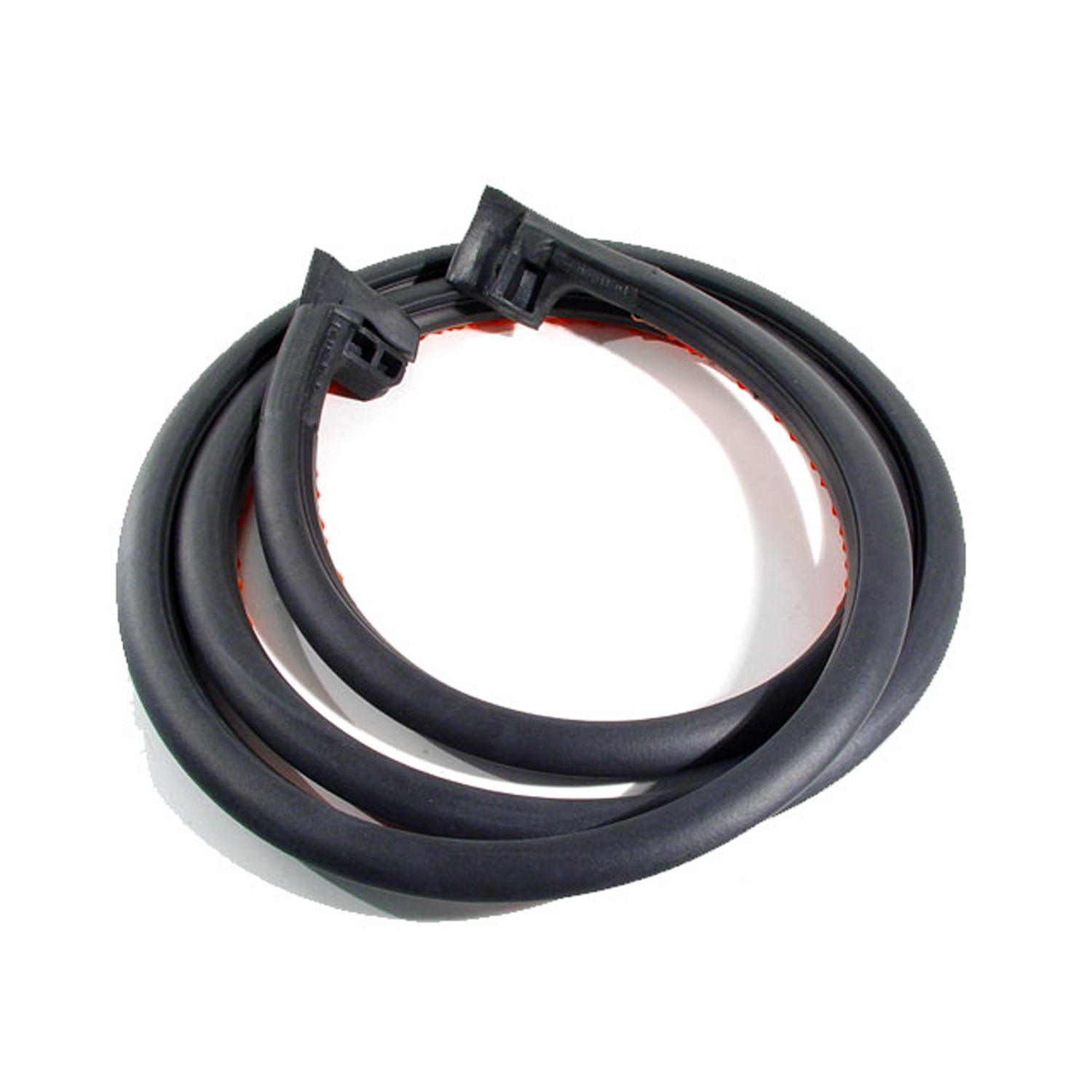 1982 Ford E-100 Econoline Rear Side Cargo Door Seal-LM 110-VBRear Side Cargo Door Seal (fits rear left side of cargo door). Replaces OEM #E9UZ 1525325 B. For front (right side) matching seal, see LM 110-VA. Each
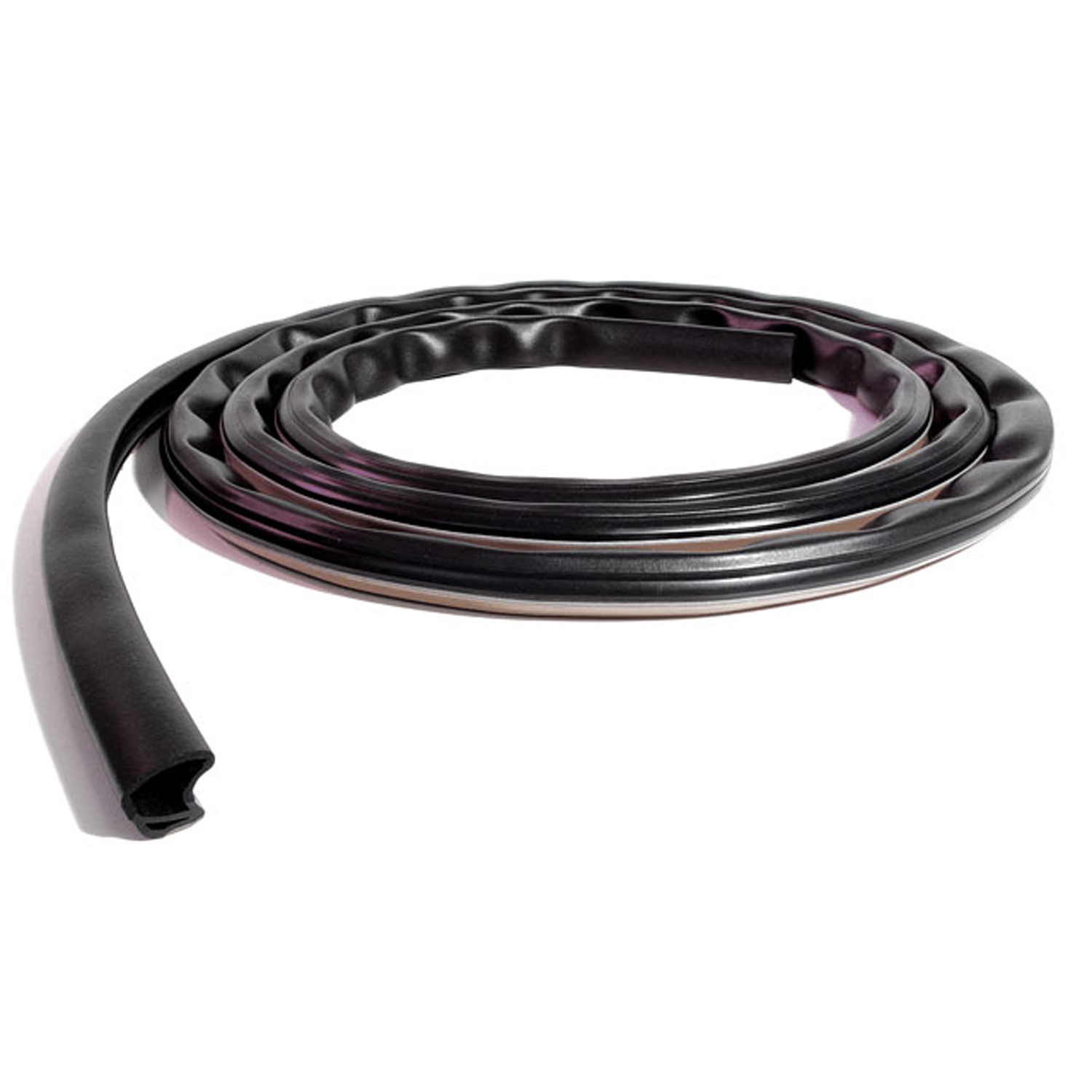 1982 Ford E-100 Econoline Left Front (drivers side) Door Seal. Each-LM 110-VLLeft Front (drivers side) Door Seal. Each
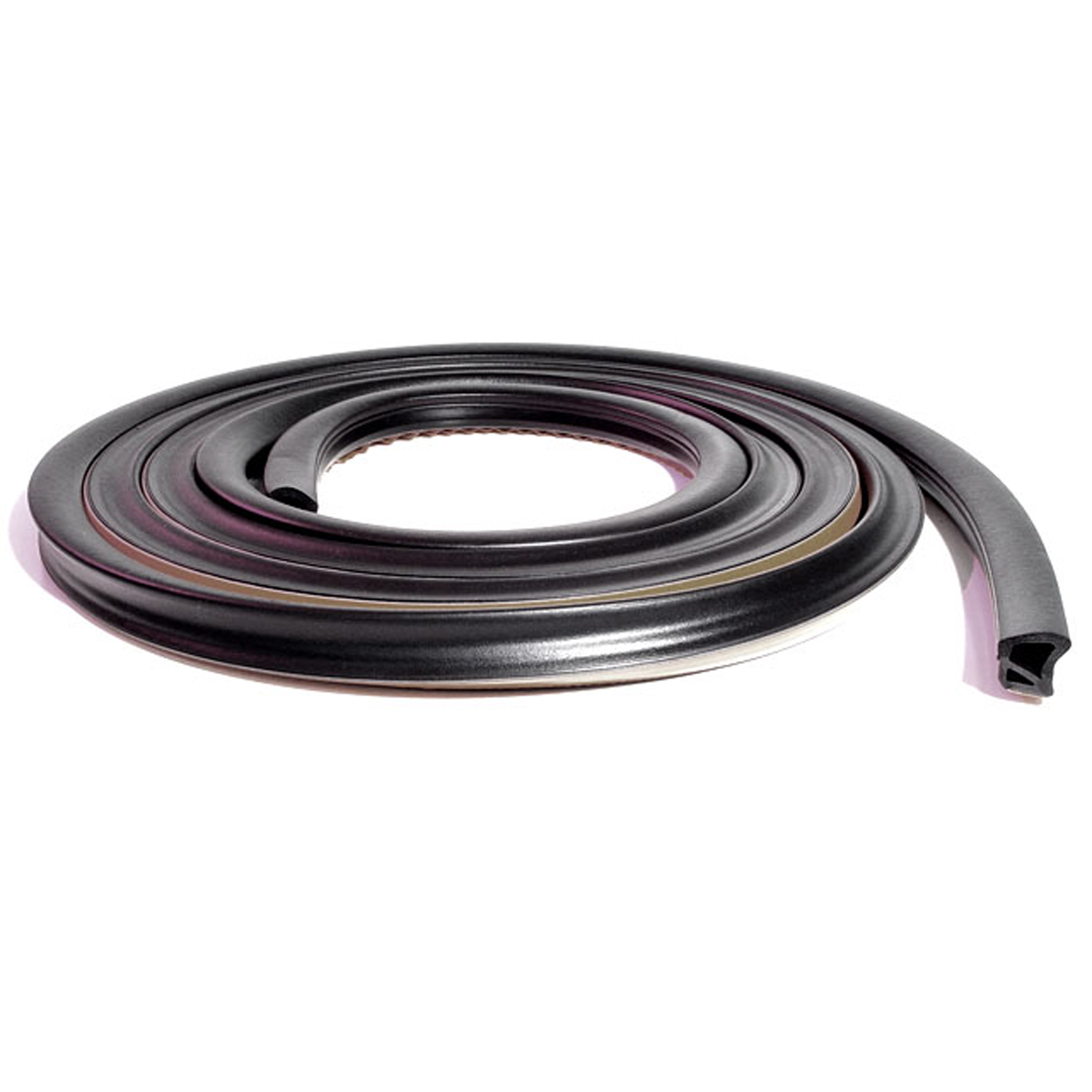 1982 Ford E-100 Econoline Right Front (passenger side) Door Seal. Each-LM 110-VRRight Front (passenger side) Door Seal. Each
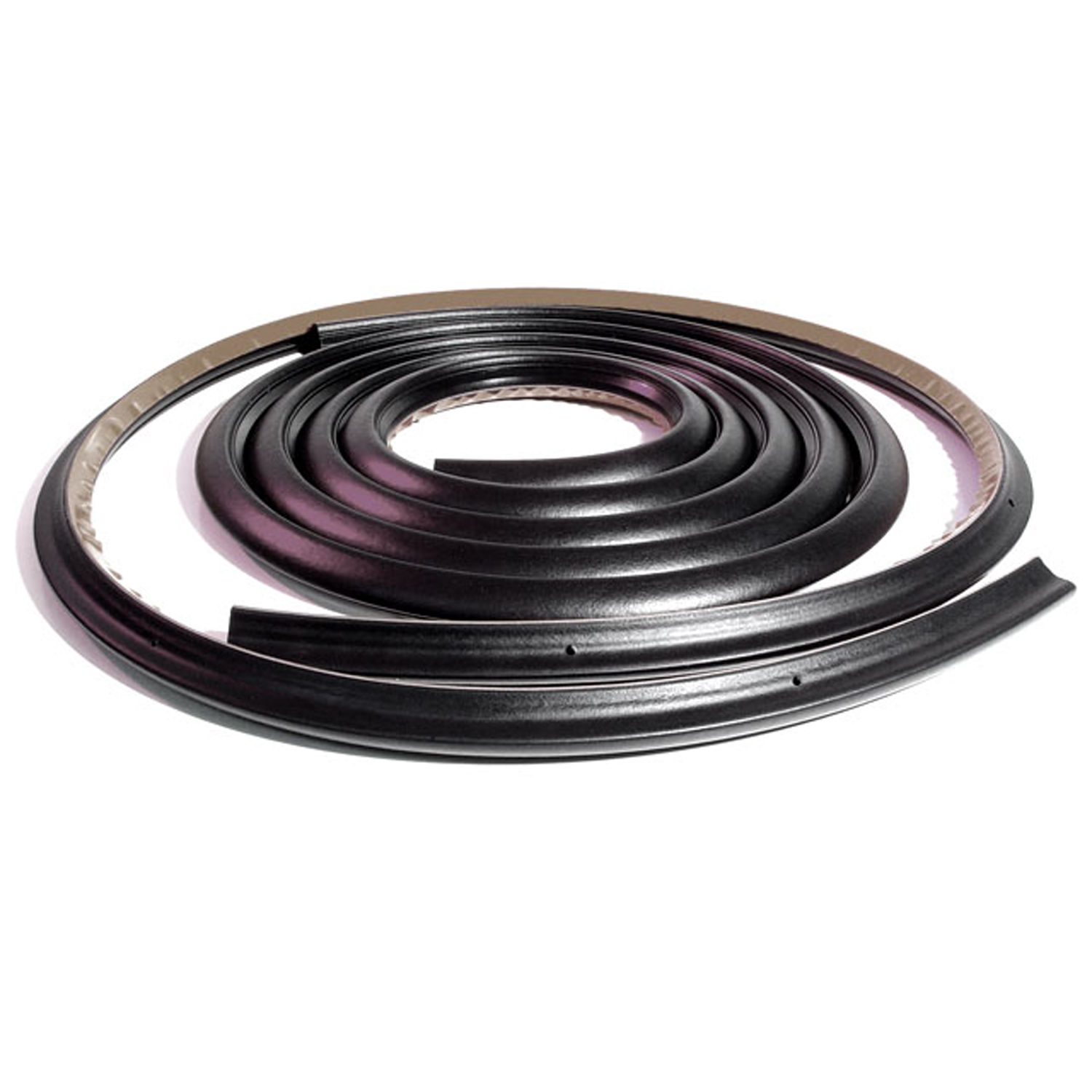 1982 Ford E-100 Econoline Side Slider Door Seal. Each-LM 110-VSSide Slider Door Seal. Each
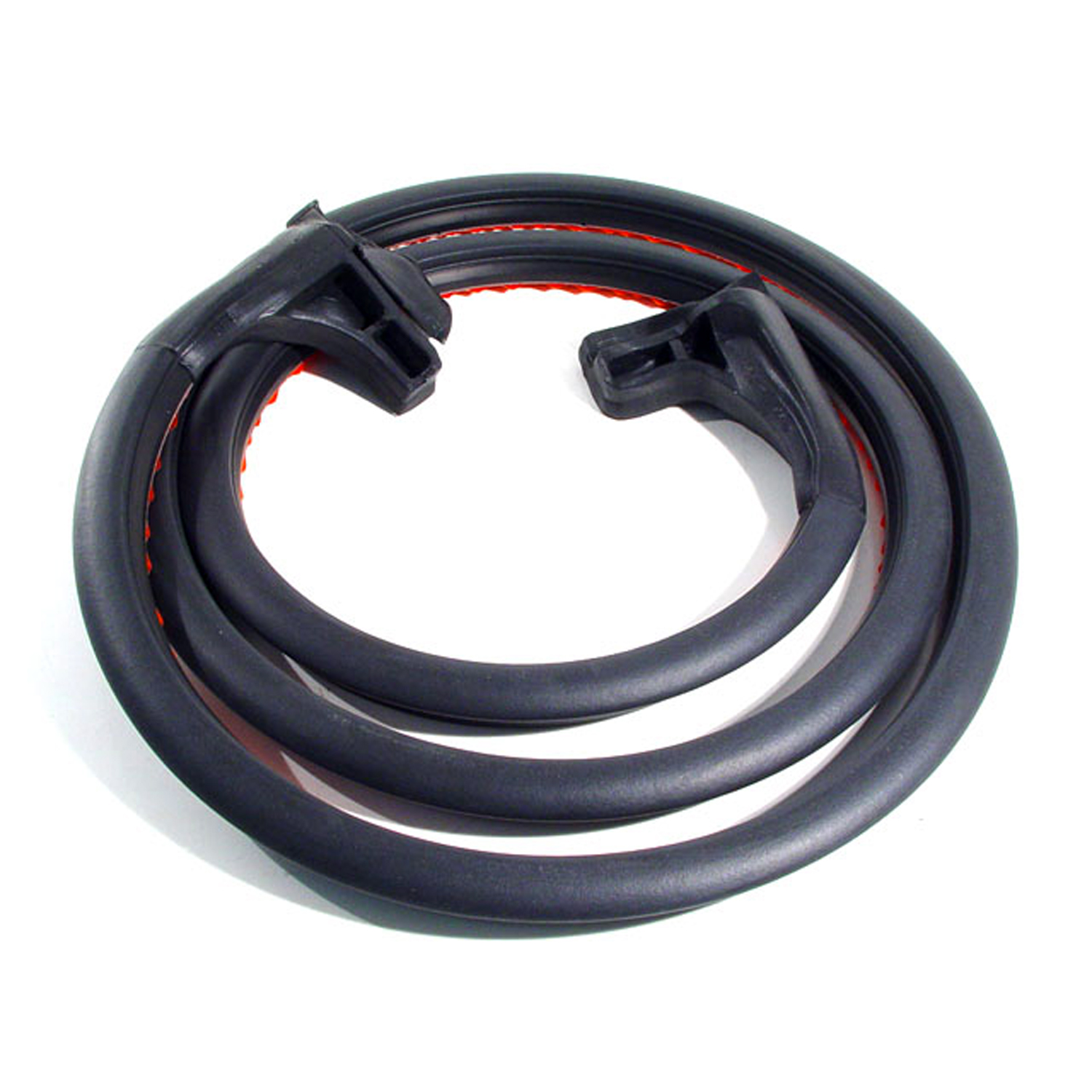 1982 Ford E-100 Econoline Left Rear Door Seal (Drivers Side)-LM 110-VTLeft Rear Door Seal (Drivers Side). Replaces OEM #E9UZ 1543723 A. Each
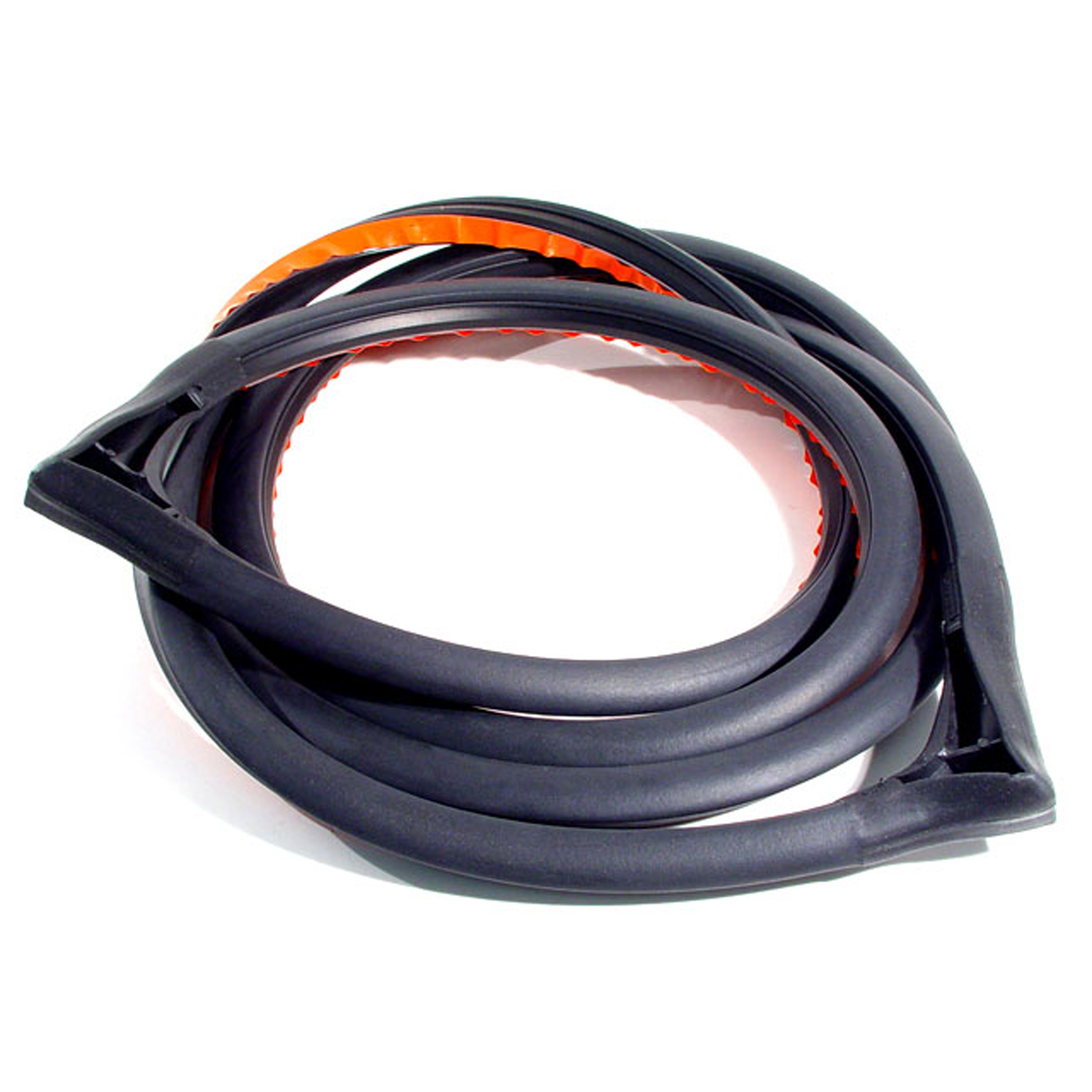 1982 Ford E-100 Econoline Right Rear Door Seal (Passenger Side)-LM 110-VURight Rear Door Seal (Passenger Side). Replaces OEM #F0UZ 1543722 A. Each
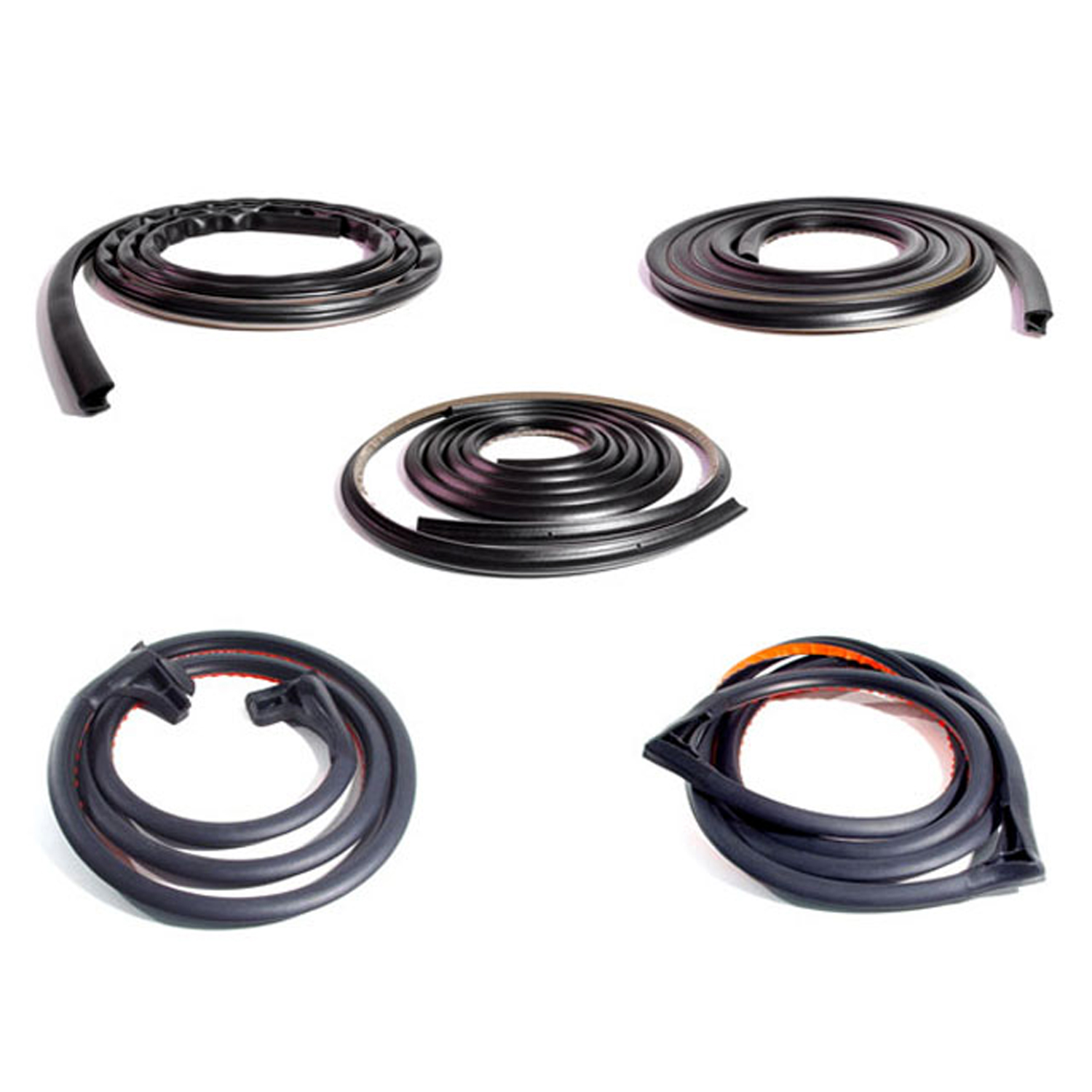 1982 Ford E-100 Econoline Basic Kit, for Models with Side Sliding Door-RKB 3000-100Basic Kit, for Models with Side Sliding Door. Front Left Door (LM 110-VL), Front Right Door (LM 110-VR), Back Left Door (LM 110-VT), Back Right Door (LM 110-VU), Side Sliding Door (LM 110-VS) Seals.
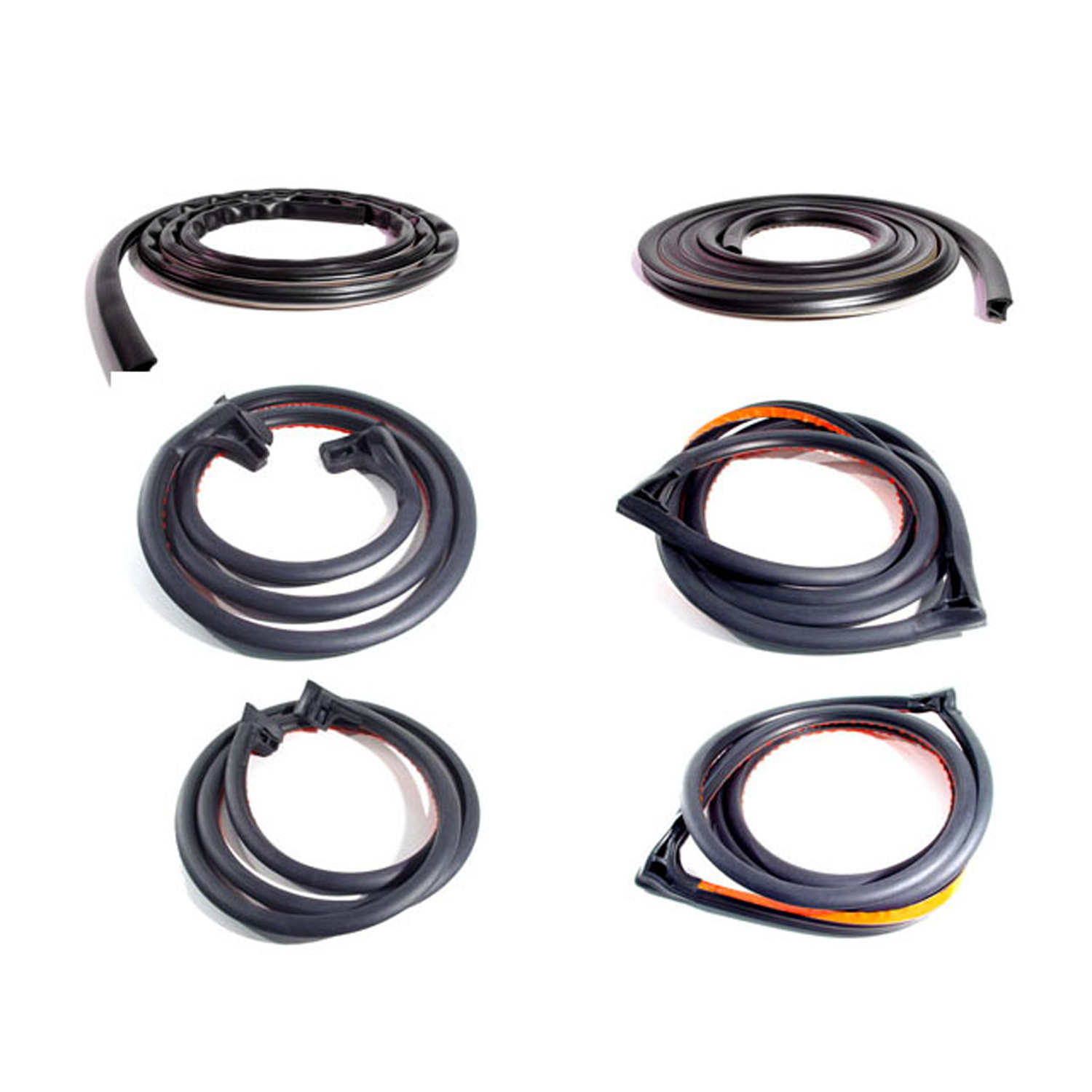 1982 Ford E-100 Econoline Basic Kit, for Models w/Side Cargo Door-RKB 3000-101Basic Kit, for Models w/Side Cargo Door. Front Left LM 110-VL), Front Right LM 110-VR), Back Left LM110-VT), Back Right LM 110-VU), Front Cargo Side (LM 110-VA), Rear Cargo Side (LM 110-VB) Door Seals.
Why Choose Metro?
For over 100 years, Metro Moulded Parts has been the pinnacle of quality in classic car restoration parts. Our commitment to precision and authenticity in every component ensures a perfect fit and an OEM-level appearance.
- Expert Craftsmanship & Quality: Each part is a testament to our dedication to reliability and perfection, crafted from original designs and thoroughly tested.
- Advanced Technology: We use cutting-edge techniques to create flawless, long-lasting parts that surpass others in performance.
- SuperSoft Sponge – The Ultimate Door Seal: Not only are our door seals 30% softer than competitors', but they're also guaranteed to never leak. They effectively reduce wind and road noise, enhancing your classic car's comfort and driving experience.
- Proudly American: Our parts are a product of American craftsmanship, made in the USA with a spirit of excellence and heritage.
- Unrivaled Warranty: We back our products with a 30-year industry-leading warranty, a testament to our confidence in their quality.
Join us in preserving the legacy of classic cars with parts that are crafted for perfection, not just made.