
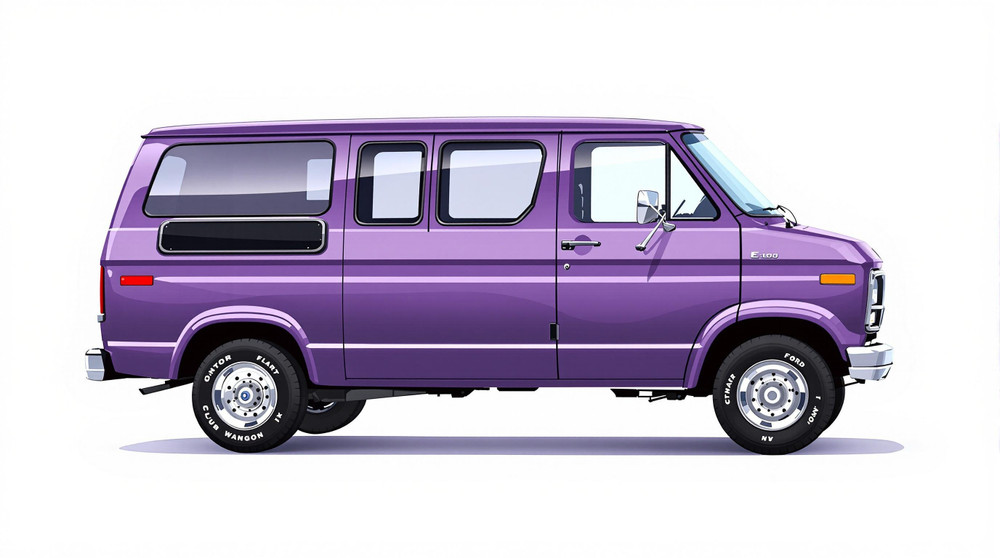
Image of 1982 Ford E-100 Econoline Club Wagon, Note: These illustrations use artistic license and may differ from actual historical models.
Performance Metrics
Fundamental Metrics
Emotional Appeal
MMP Rating
| Engine Specifications | |
|---|---|
| Engine Options: | 4.9L Inline 6, 5.8L V8, 6.6L V8, 7.5L V8 |
| Displacement Range: | 4.9L - 7.5L |
| Horsepower Range: | 120-210 HP |
| Torque: | 223-357 lb-ft |
| Compression Ratio: | 8.0:1 - 8.4:1 |
| Ignition System: | Distributor |
| Cooling System: | Liquid cooled |
| Performance Specifications | |
| 0-60 Time: | Estimated 12-15 seconds |
| 1/4 Mile Time: | Estimated 18-20 seconds |
| Top Speed: | 85-95 mph |
| Transmission and Drive | |
| Drive Type: | Rear wheel drive |
| Transmission Type: | 3-speed automatic, 4-speed manual |
| Fuel and Efficiency | |
| Fuel System Type: | Carburetor |
| MPG: | Estimated 10-14 mpg |
| Dimensions and Brakes | |
| Brakes: | Front disc, rear drum |
| Wheelbase: | 124.0 inches |
| Weight: | 4,500-5,500 lbs |
Note: Specifications for classic cars are given to the best of our ability, considering the limited and variant data available.
1982 Ford E-100 Econoline Club Wagon: A Classic Van Guide
The 1982 Ford E-100 Econoline Club Wagon was built for people who needed more room than a station wagon could offer, without giving up the usefulness of a truck. It came from Ford’s long-running Econoline line, a family of vans introduced in 1961 and developed into a fixture of American family travel, business fleets, and custom-van culture. In 1982, the E-100 Club Wagon combined a practical, truck-based platform with passenger seating and the unmistakable square-shouldered look of a full-size Ford van.
One intriguing detail is that “Club Wagon” identified the passenger-focused Econoline, rather than a separate model line. Its roots were work-oriented, but the same sturdy platform could be ordered with side windows, multiple rows of seats, and more comfortable trim. That dual nature is a big part of the van’s appeal today: it can feel like a family time capsule, a useful classic, or the starting point for a custom conversion.
Boxy Ford Styling and Club Wagon Trim
The 1982 E-100 has the straightforward, upright shape that defined full-size American vans of its era. A broad hood and blunt front end give it a more conventional truck-like profile than the cab-forward vans Ford sold in the Econoline’s earliest years. The rectangular grille, large headlights, simple bumpers, and flat sides put function ahead of ornament. On a Club Wagon, rows of side windows distinguish the passenger model from a mostly panel-sided cargo van, while the sliding side door and rear doors make access practical.
Inside, the layout is spacious and uncomplicated. The engine sits forward under the hood, but part of its enclosure, commonly called the doghouse, rises into the front cabin. The driver gets a large steering wheel, simple gauges, and broad, upright seating rather than a carlike cockpit. Materials depended on trim and equipment: base versions tended toward durable vinyl and hard-wearing surfaces, while better-equipped Club Wagons could have more comfortable cloth upholstery, upgraded carpeting, additional trim, and passenger conveniences. This was not luxury-car craftsmanship, but the cabin was designed to tolerate passengers, luggage, and years of use.
Ford offered the Econoline in cargo-van and passenger-van forms, with the Club Wagon serving as the passenger-oriented version. Trim levels and equipment varied, and better-appointed versions such as the Chateau could add a more finished interior. Seating layouts also depended on configuration, so surviving vans may have different combinations of benches and individual seats. The E-100 represented the lighter-duty end of the range, while larger E-series models offered greater carrying capacity.
Factory paint choices varied by year, trim, and order. Period vans appeared in traditional whites, creams, blues, reds, greens, browns, and two-tone combinations. White was a practical and common choice for fleet use, while brighter colors and contrasting stripes helped personalized passenger vans stand out. Original paint codes and trim combinations are worth checking against the vehicle’s identification and build information when assessing authenticity.
1982 Equipment and Technology
By 1982, the Econoline was a mature design rather than a showcase for cutting-edge electronics. Its technology was practical: power steering and power brakes were available, and buyers could choose different engine and transmission combinations depending on the vehicle’s build. Many examples used a carbureted engine, with electronic ignition and emissions-control equipment reflecting the regulations of the period. These systems were more complex than the simplest older engines, but they remained mechanically accessible compared with modern computer-managed vehicles.
Ford’s focus was on durability, serviceability, and configuration. A Club Wagon could be ordered to carry people and their luggage, while the related cargo vans served trades, delivery fleets, and conversion companies. That adaptability mattered more to most buyers than advanced electronics or sporty handling.
Why the Econoline Mattered
The 1982 Club Wagon belongs to the third generation of Econolines, introduced for the 1975 model year. Ford had moved away from the original compact, cab-forward concept toward a larger van with its engine ahead of the driver and a more conventional truck chassis. The change made the Econoline better suited to heavier loads, larger engines, passenger service, and recreational conversions.
That truck-based construction set the E-series apart from smaller vans and many passenger cars. The Econoline could be configured as a basic work vehicle, a family hauler, or the foundation for a camper or custom interior. Its influence is easy to see in the way American vans came to serve several markets at once: commercial transport, institutional fleets, family travel, and leisure vehicles. The Club Wagon made that versatility visible in a passenger-friendly form.
It was not a revolutionary design in 1982, and that was part of its strength. Ford had refined a familiar formula into a robust, widely adaptable platform. The E-series name continued in commercial use long after this particular generation disappeared, underscoring the lasting value of the basic idea: a roomy body, truck-like underpinnings, and plenty of ways to tailor the vehicle to its job.
Engine, Speed, and Road Manners
Exact specifications depend on the vehicle’s original engine, transmission, axle gearing, and current condition. The E-100 range was associated with Ford’s 4.9-liter inline-six, also known as the 300-cubic-inch six, and V8 options were available within the broader Econoline family. Equipment varied by market and configuration, so buyers should verify what is actually fitted rather than assume every Club Wagon left the factory with the same powertrain. Automatic transmissions were common, while manual-transmission availability depended on the specific configuration.
Performance is best understood in period-van terms. A sound, lightly loaded example with a healthy V8 might reach 60 mph in roughly 14 to 17 seconds. A six-cylinder van, a heavily loaded example, or one with tall gearing could take closer to 18 to 22 seconds. A realistic top-speed estimate is around 85 to 95 mph, though many examples are more comfortable cruising below that range. These are broad estimates, not guaranteed factory test figures, and age, gearing, tires, and mechanical condition make a substantial difference.
On the road, the E-100 feels substantial and purposeful. The engine produces a low, steady rumble, and the automatic transmission tends to favor relaxed progress over quick responses. The tall body and relatively upright seating give the driver a commanding view, but the van’s size is always present. It takes more room to turn and park than a passenger car, and the steering can feel slow by modern standards.
Its suspension is built to carry weight, not to flatten a winding road. Over bumps, an unloaded van can feel firm or bouncy, while added passengers and cargo often settle the ride. On windy roads and in crosswinds, the tall sides catch air, so steady steering inputs and sensible speeds are important. Braking distances and cornering confidence depend heavily on tire condition, suspension wear, and whether the van is carrying a load.
Living With a 1982 Club Wagon
Owners use these vans as weekend cruisers, family travel vehicles, camper projects, show vehicles, and practical haulers. A stock Club Wagon can be especially appealing to enthusiasts who want a period-correct passenger van rather than a heavily modified conversion. Others add modern seat coverings, insulation, sound deadening, or camping equipment while preserving the original exterior character.
Routine repairs are generally approachable for a mechanically confident owner. The engines and chassis use familiar, conventional components, and many service tasks do not require specialized diagnostic equipment. The main challenge is often finding parts for the body, interior, and trim rather than understanding the mechanical systems. Before buying, inspect the frame and underside for rust, along with the floors, wheel arches, door bottoms, windshield area, and seams where water can collect. Check the brakes, steering, cooling system, transmission, and electrical accessories carefully.
Reliability depends more on maintenance and condition than on the badge. A well-serviced six-cylinder can be a durable choice, while a V8 may suit owners who regularly travel with passengers or gear. Either way, an old van needs age-related items checked: rubber hoses, belts, fuel lines, brake components, tires, and cooling-system parts. A pre-purchase inspection by a mechanic familiar with older American vehicles can prevent an inexpensive-looking project from becoming a major restoration.
Van Trivia and Common Criticisms
The Econoline’s versatility helped make it a favorite foundation for conversion vans. Companies could turn the basic passenger or cargo van into a road-trip lounge with upgraded seating, carpeting, lighting, and other comforts. The 1982 E-100 Club Wagon was not a dedicated luxury model, but it shared the practical architecture that made those conversions possible.
There is no widely recognized speed, endurance, or sales record specific to the 1982 E-100 Club Wagon, and celebrity ownership claims should be treated cautiously unless supported by documentation. Its more meaningful distinction is its place in the broader story of the American full-size van: a vehicle equally at home carrying a family, a work crew, or the beginnings of a camper build.
Common criticisms are familiar to anyone who has driven an older full-size van. Fuel economy is modest, acceleration is unhurried, and the high body can be affected by wind. Parking and maneuvering require more space than a modern minivan, and the cabin can be noisy at highway speeds. Those drawbacks come with the van’s strengths: generous space, simple construction, and a driving character that feels distinctly different from a modern people mover.
Collector Value and Availability
Production figures for the 1982 E-100 Club Wagon alone are not commonly published, so any model-specific total should be treated as an estimate. The Econoline was produced in large numbers, but the surviving population of clean, lightly modified E-100 Club Wagons is much smaller than the overall production figure suggests. For a rough scale, a reasonable guess is that several thousand to perhaps the low tens of thousands were built for the model year, though this is not a verified factory total.
In the U.S. market, a project van with significant rust or mechanical needs might sell for roughly $2,000 to $5,000. A usable driver in sound condition could fall around $6,000 to $12,000. A clean, well-kept example with a desirable interior and documented maintenance may bring about $12,000 to $20,000, with exceptional restorations or professionally finished conversions sometimes asking more. Actual sale prices vary with rust, originality, engine, trim, location, and the quality of any modifications.
Values have generally benefited from growing interest in vintage vans, but the 1982 E-100 Club Wagon is still a niche collectible rather than a blue-chip classic. Clean originals and tasteful conversions are likely to hold attention better than neglected projects. The market rewards condition and character, especially when a van retains its original seats, trim, and period details. Values have edged upward for the best examples, but ordinary vehicles remain priced according to their usefulness and condition as much as collector demand.
Why the 1982 E-100 Club Wagon Still Appeals
The 1982 Ford E-100 Econoline Club Wagon brings together the essential qualities of a classic American van: a practical truck-based platform, a roomy passenger cabin, straightforward mechanicals, and a shape that is instantly recognizable. It is not quick or particularly refined, but it offers a flexible, honest kind of motoring that modern vehicles rarely replicate.
Whether preserved as a family-era survivor or adapted for weekend adventures, the Club Wagon tells a story about how one basic Ford platform served work, travel, and recreation. Its appeal is simple: it has room for people, room for plans, and the unmistakable presence of a van built to go its own way.
1982 Ford E-100 Econoline Club Wagon Catalog of Parts
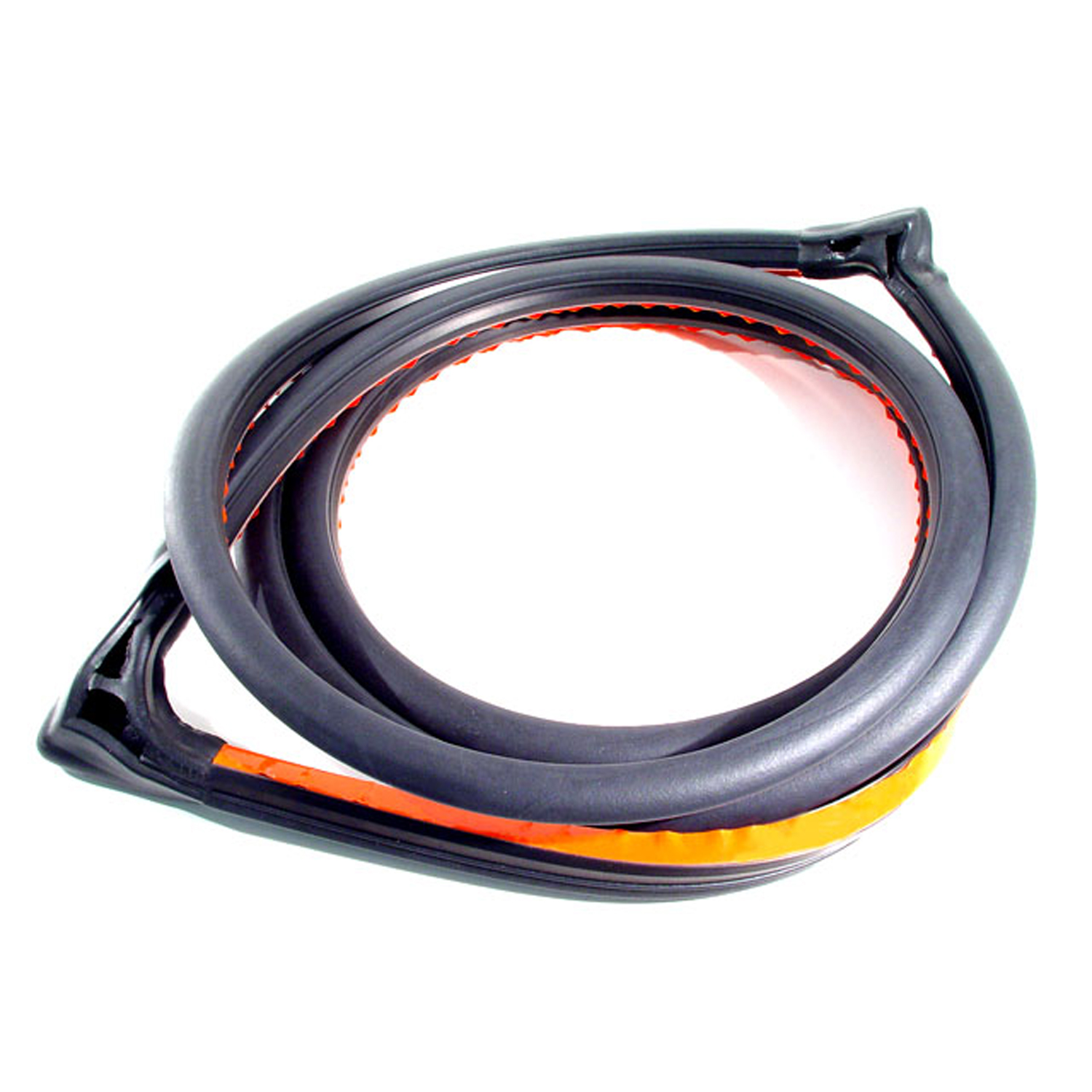 1982 Ford E-100 Econoline Club Wagon Front Side Cargo Door Seal-LM 110-VAFront Side Cargo Door Seal (fits front right side of cargo door). Replaces OEM #E9UZ 1525324 B. For rear (left side) matching seal, see LM 110-VB. Each
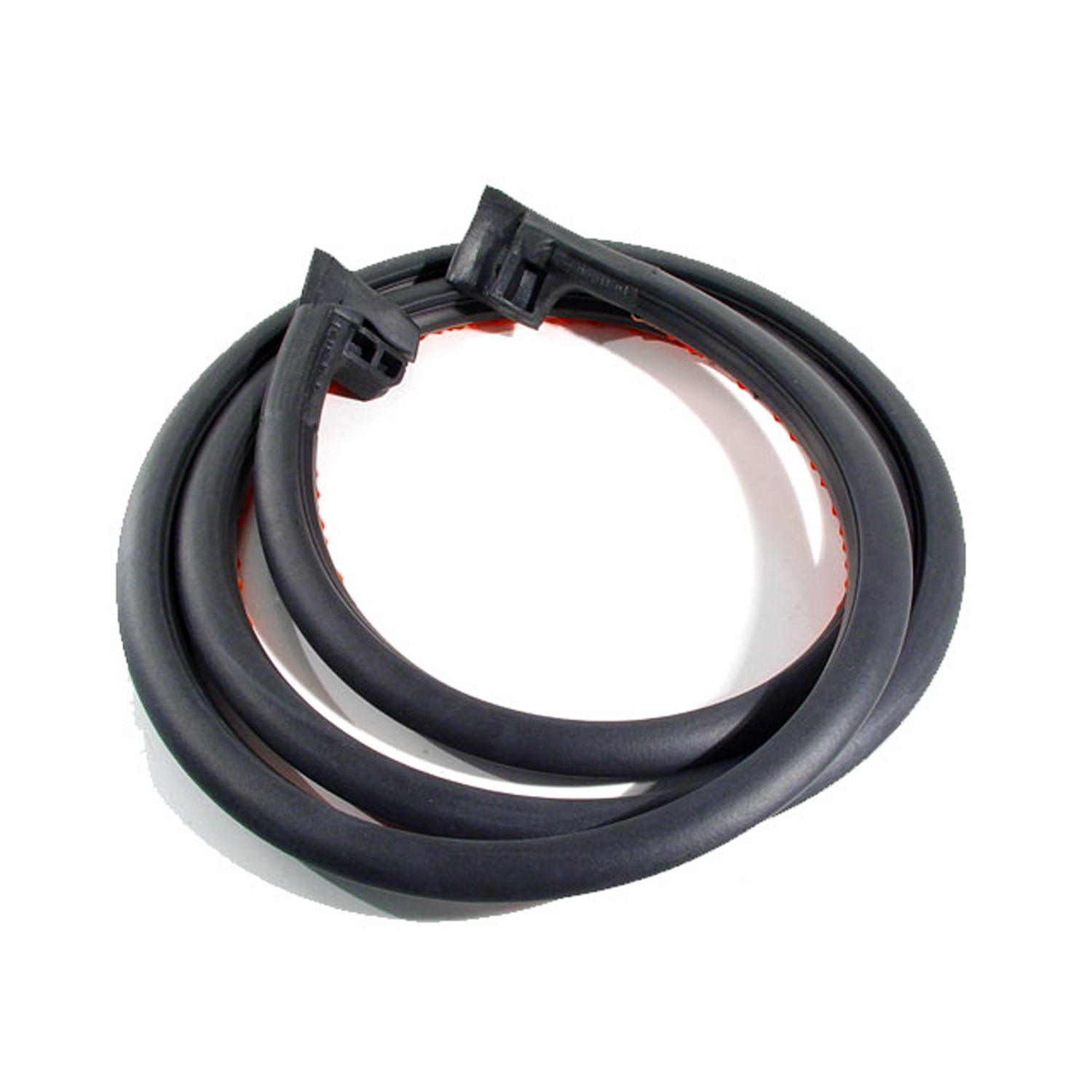 1982 Ford E-100 Econoline Club Wagon Rear Side Cargo Door Seal-LM 110-VBRear Side Cargo Door Seal (fits rear left side of cargo door). Replaces OEM #E9UZ 1525325 B. For front (right side) matching seal, see LM 110-VA. Each
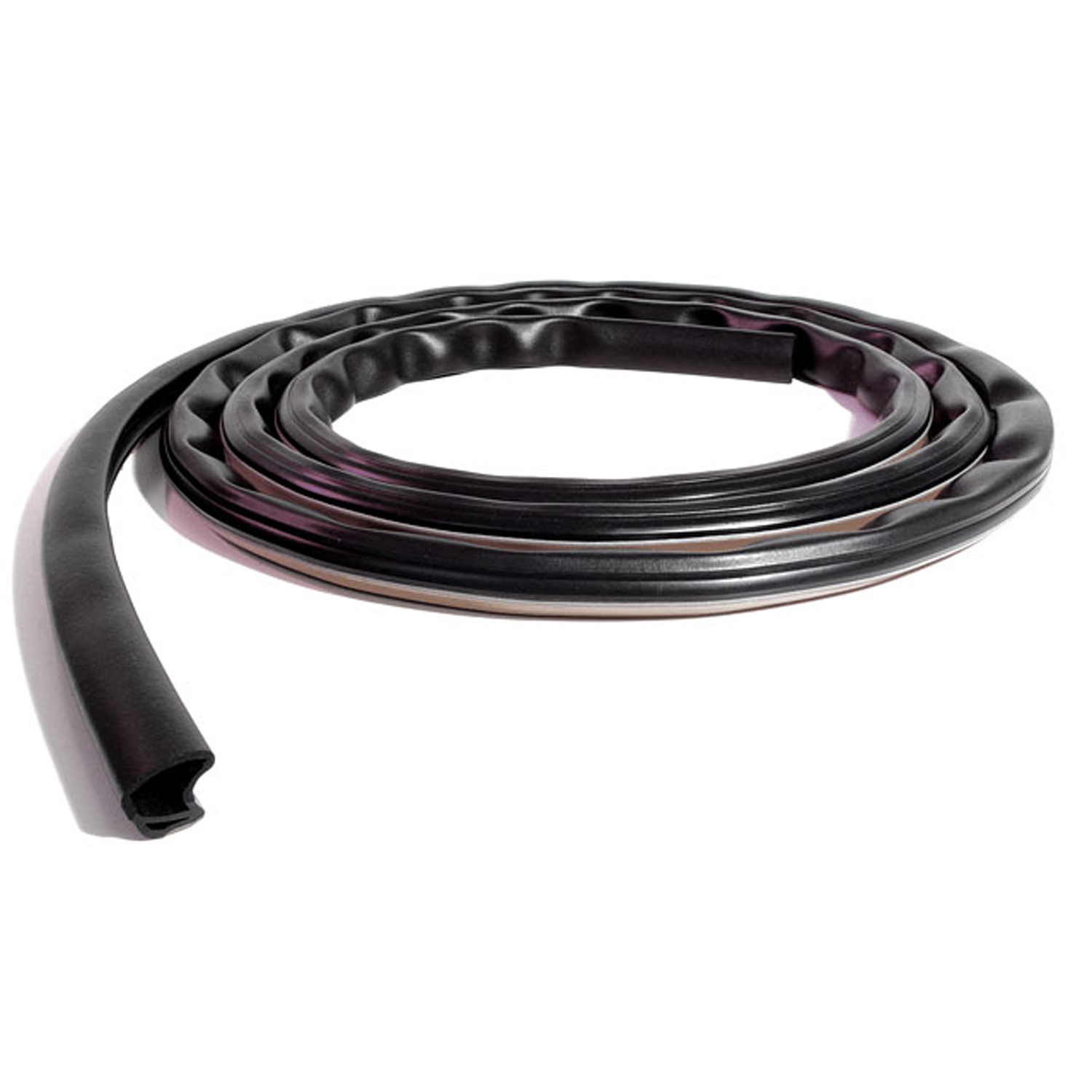 1982 Ford E-100 Econoline Club Wagon Left Front (drivers side) Door Seal. Each-LM 110-VLLeft Front (drivers side) Door Seal. Each
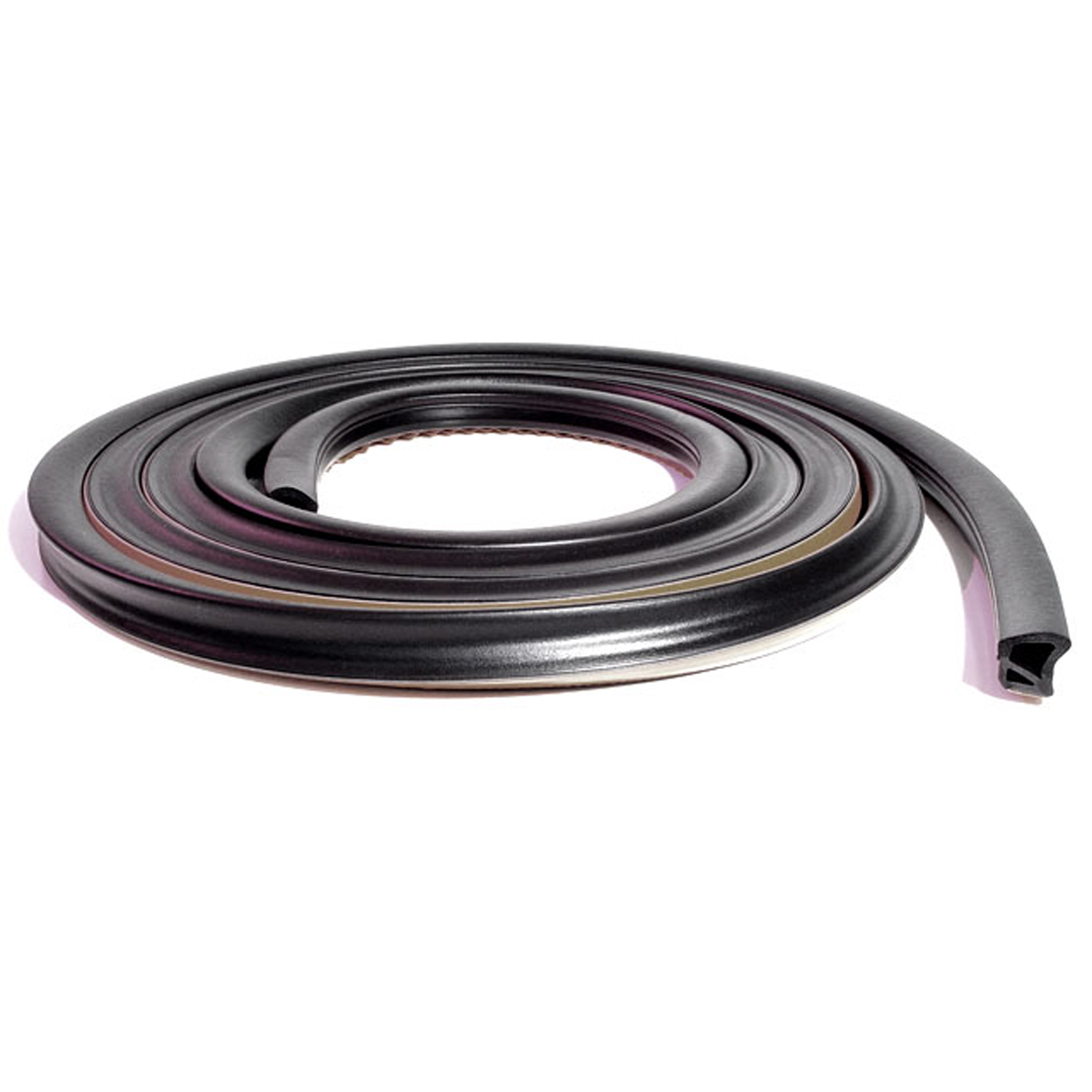 1982 Ford E-100 Econoline Club Wagon Right Front (passenger side) Door Seal. Each-LM 110-VRRight Front (passenger side) Door Seal. Each
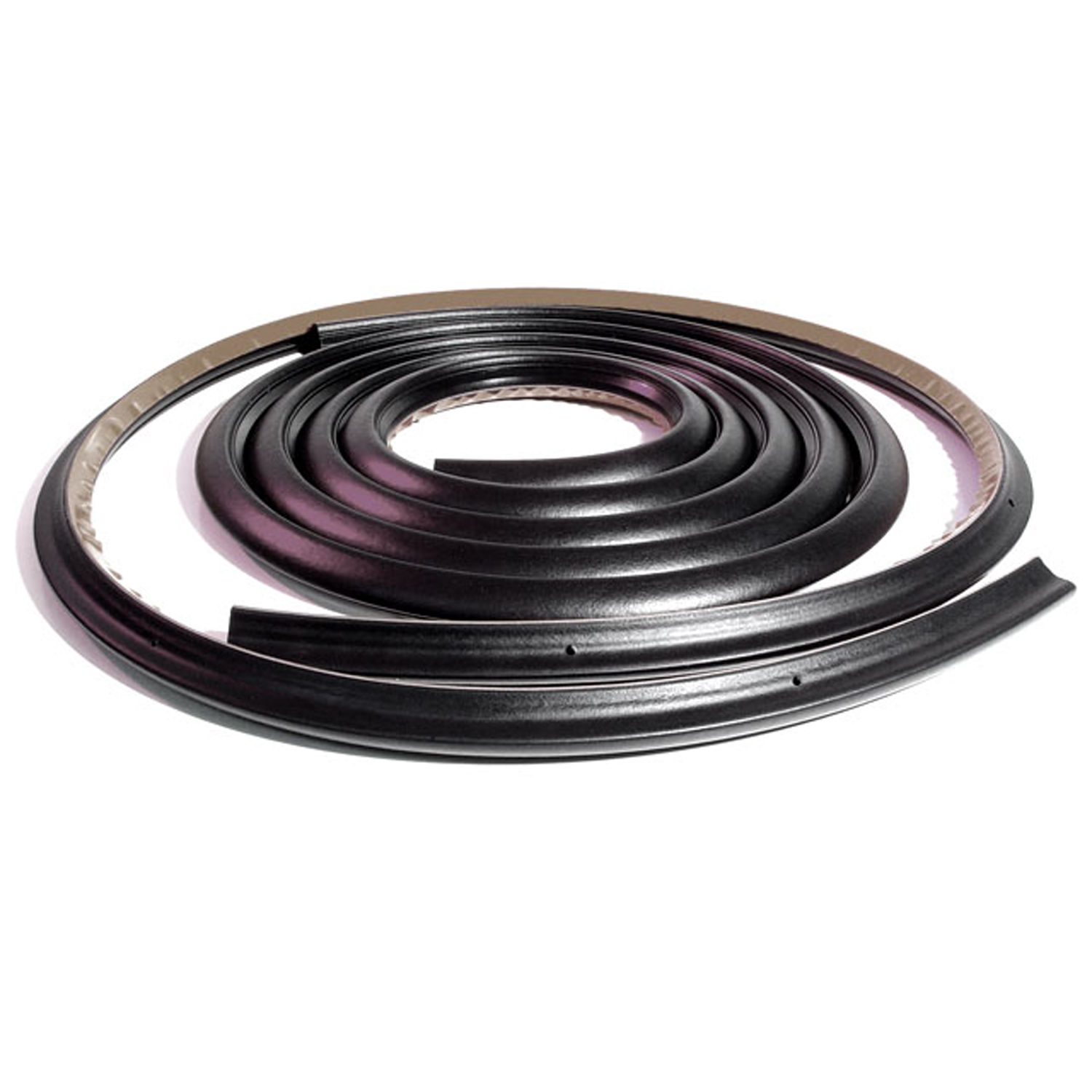 1982 Ford E-100 Econoline Club Wagon Side Slider Door Seal. Each-LM 110-VSSide Slider Door Seal. Each
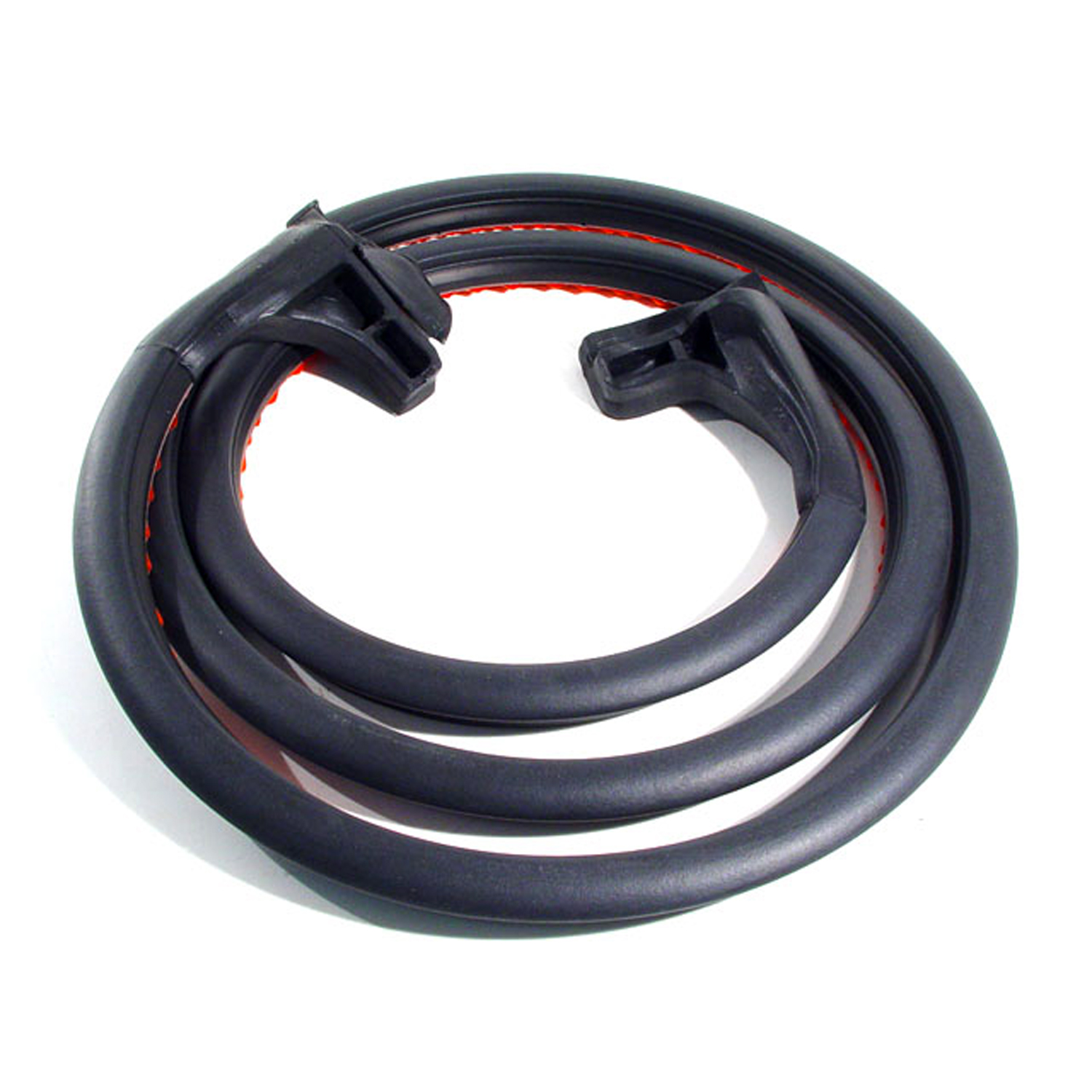 1982 Ford E-100 Econoline Club Wagon Left Rear Door Seal (Drivers Side)-LM 110-VTLeft Rear Door Seal (Drivers Side). Replaces OEM #E9UZ 1543723 A. Each
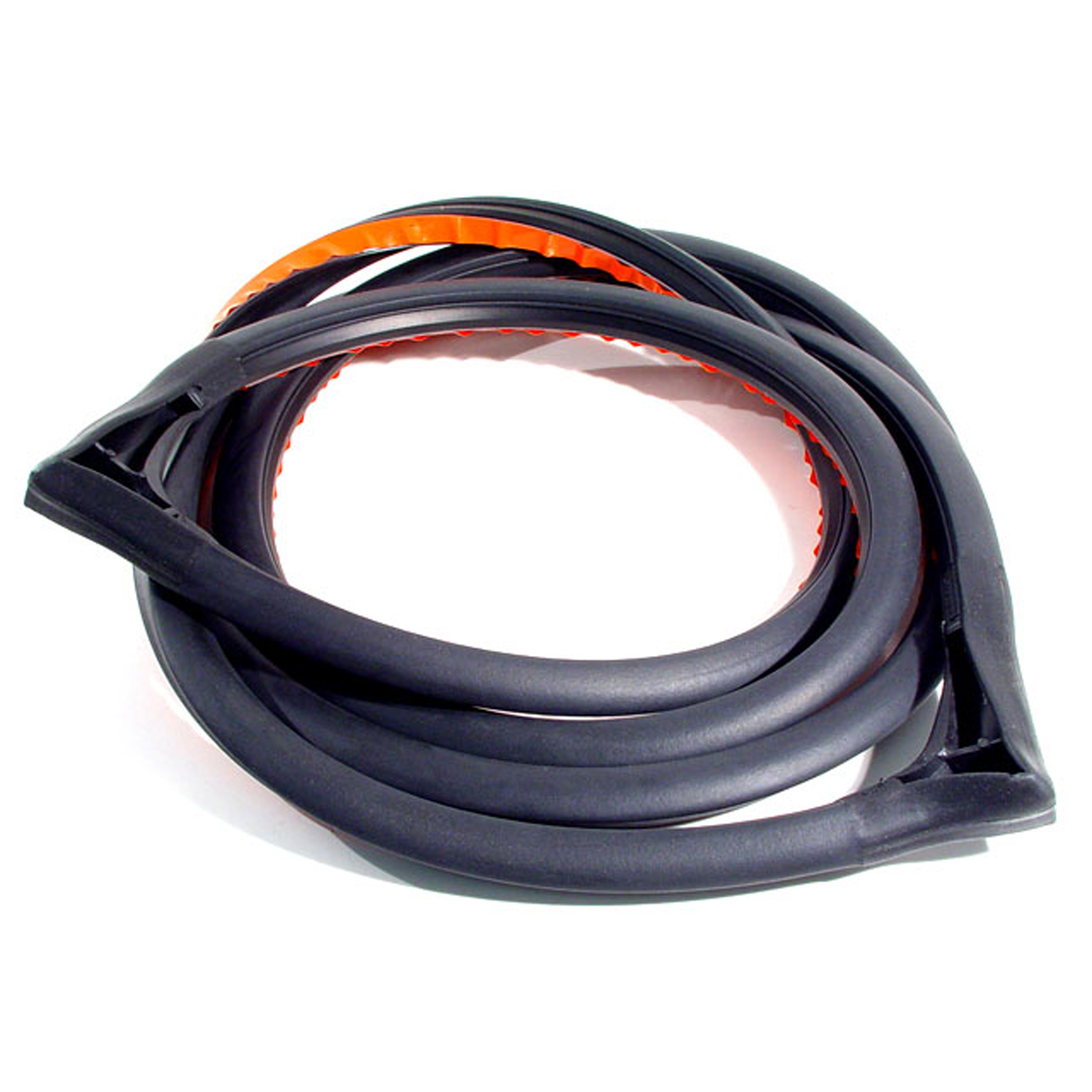 1982 Ford E-100 Econoline Club Wagon Right Rear Door Seal (Passenger Side)-LM 110-VURight Rear Door Seal (Passenger Side). Replaces OEM #F0UZ 1543722 A. Each
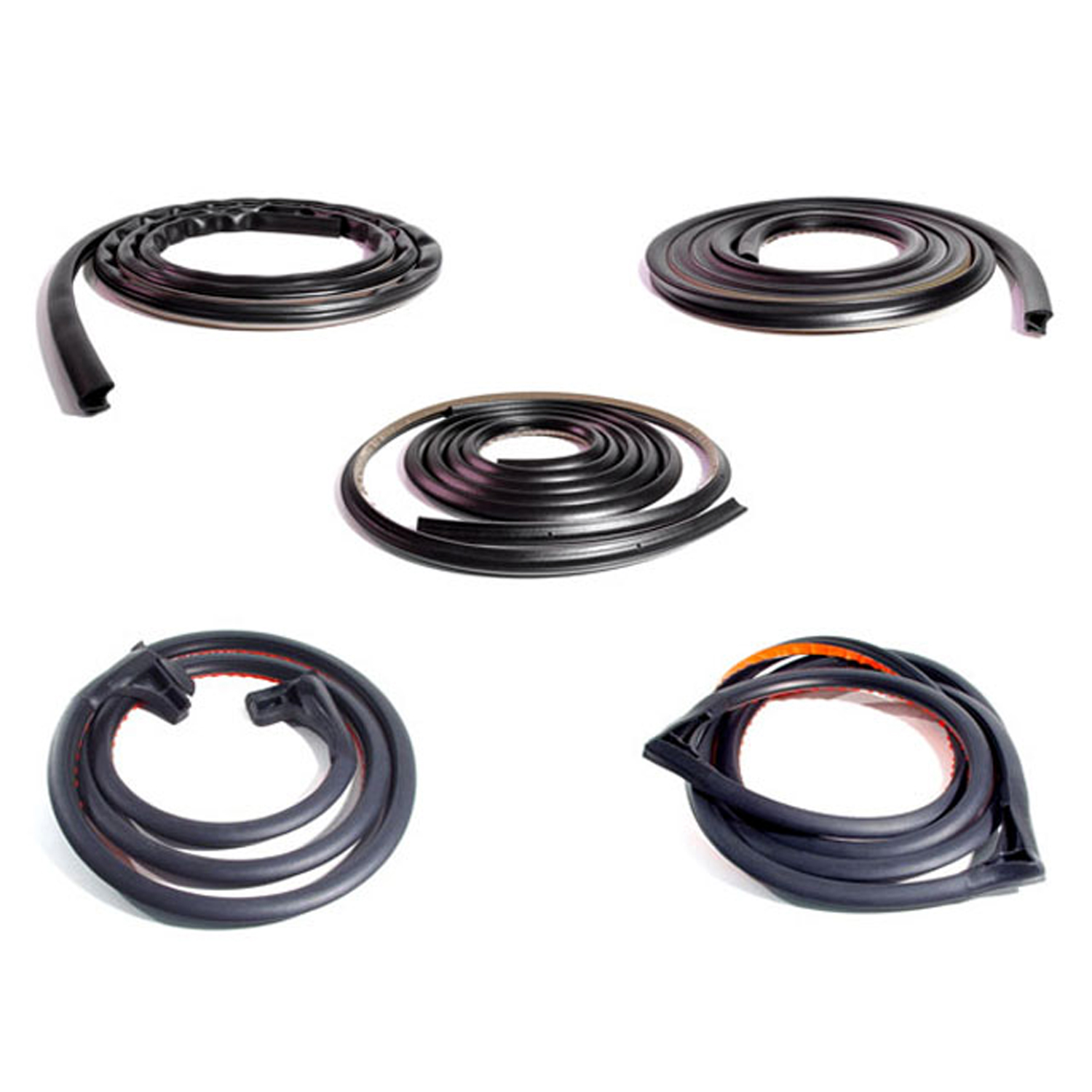 1982 Ford E-100 Econoline Club Wagon Basic Kit, for Models with Side Sliding Door-RKB 3000-100Basic Kit, for Models with Side Sliding Door. Front Left Door (LM 110-VL), Front Right Door (LM 110-VR), Back Left Door (LM 110-VT), Back Right Door (LM 110-VU), Side Sliding Door (LM 110-VS) Seals.
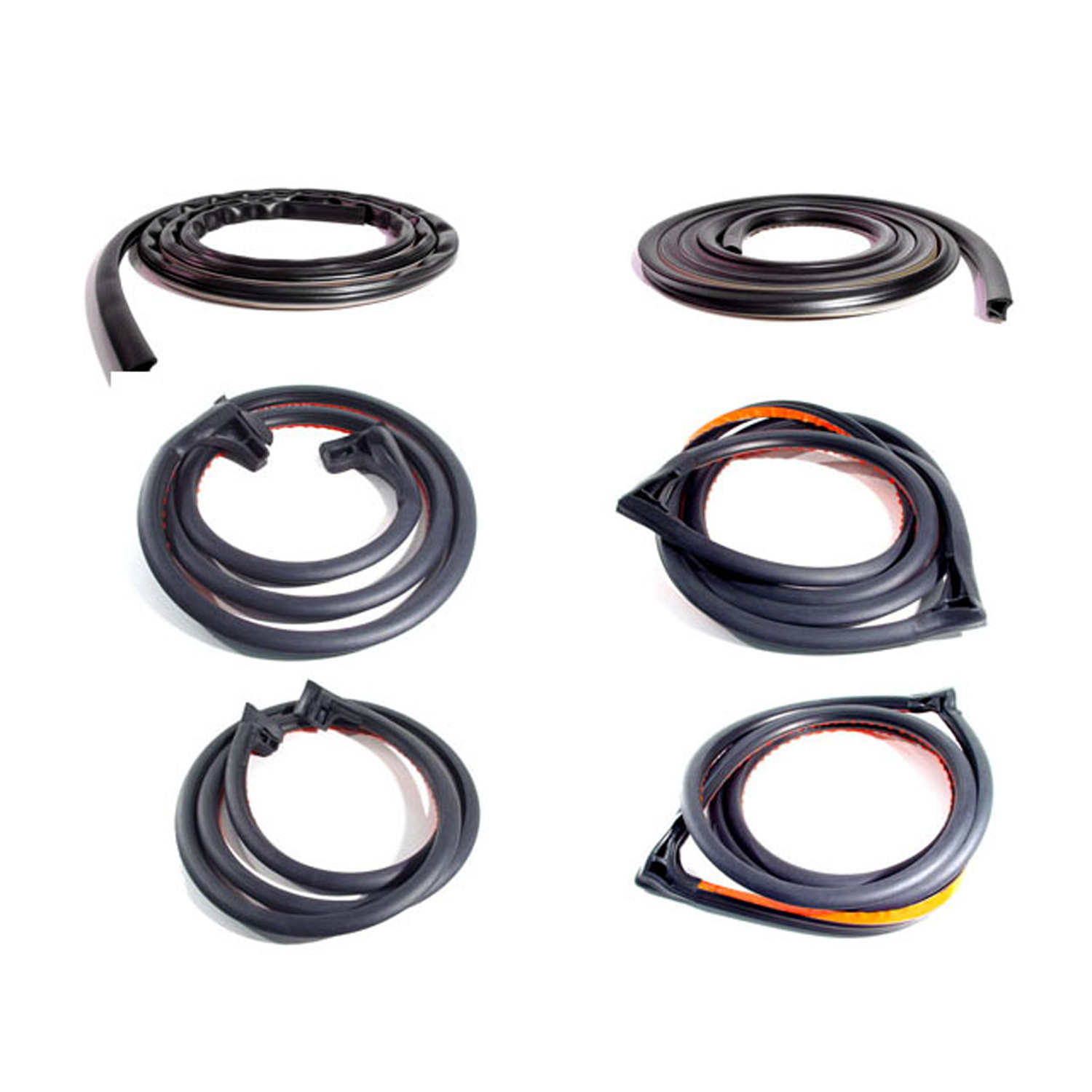 1982 Ford E-100 Econoline Club Wagon Basic Kit, for Models w/Side Cargo Door-RKB 3000-101Basic Kit, for Models w/Side Cargo Door. Front Left LM 110-VL), Front Right LM 110-VR), Back Left LM110-VT), Back Right LM 110-VU), Front Cargo Side (LM 110-VA), Rear Cargo Side (LM 110-VB) Door Seals.
Why Choose Metro?
For over 100 years, Metro Moulded Parts has been the pinnacle of quality in classic car restoration parts. Our commitment to precision and authenticity in every component ensures a perfect fit and an OEM-level appearance.
- Expert Craftsmanship & Quality: Each part is a testament to our dedication to reliability and perfection, crafted from original designs and thoroughly tested.
- Advanced Technology: We use cutting-edge techniques to create flawless, long-lasting parts that surpass others in performance.
- SuperSoft Sponge – The Ultimate Door Seal: Not only are our door seals 30% softer than competitors', but they're also guaranteed to never leak. They effectively reduce wind and road noise, enhancing your classic car's comfort and driving experience.
- Proudly American: Our parts are a product of American craftsmanship, made in the USA with a spirit of excellence and heritage.
- Unrivaled Warranty: We back our products with a 30-year industry-leading warranty, a testament to our confidence in their quality.
Join us in preserving the legacy of classic cars with parts that are crafted for perfection, not just made.