
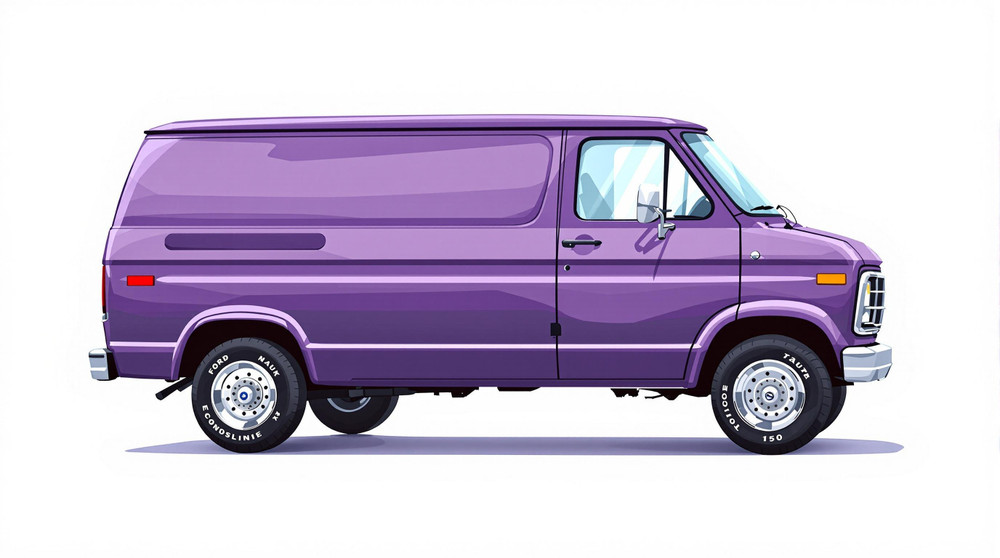
Image of 1982 Ford E-150 Econoline, Note: These illustrations use artistic license and may differ from actual historical models.
Performance Metrics
Fundamental Metrics
Emotional Appeal
MMP Rating
| Engine Specifications | |
|---|---|
| Engine Options: | 4.9L Inline 6, 5.8L V8, 6.6L V8, 7.5L V8 |
| Displacement Range: | 4.9L - 7.5L |
| Horsepower Range: | 120-210 HP |
| Torque: | 223-357 lb-ft |
| Compression Ratio: | 8.0:1 - 8.4:1 |
| Ignition System: | Distributor ignition system |
| Cooling System: | Liquid cooled |
| Performance Specifications | |
| 0-60 Time: | Estimated 10-15 seconds |
| 1/4 Mile Time: | Estimated 17-20 seconds |
| Top Speed: | 85-100 mph |
| Transmission and Drive | |
| Drive Type: | Rear-wheel drive |
| Transmission Type: | 3-speed automatic, 4-speed manual |
| Fuel and Efficiency | |
| Fuel System Type: | Carburetor |
| MPG: | Estimated 10-15 mpg |
| Dimensions and Brakes | |
| Brakes: | Front disc / rear drum |
| Wheelbase: | 124.0 inches |
| Weight: | 4,500-5,500 lbs |
Note: Specifications for classic cars are given to the best of our ability, considering the limited and variant data available.
1982 Ford E-150 Econoline: A Classic American Van Guide
The 1982 Ford E-150 Econoline was built for work, family travel, and just about anything that could fit behind its broad front seats. A half-ton member of Ford’s full-size E-Series, it combined truck-based construction with a roomy van body at a time when vans were becoming as popular for weekend adventures as for commercial fleets. Its appeal today is straightforward: it is practical, recognizable, and endlessly adaptable.
Ford’s Econoline story began in 1961 with a compact, forward-control van. By 1982, the name had evolved into a much larger, front-engine, rear-wheel-drive platform. The third-generation design, introduced for 1975 and still in production in 1982, put the engine ahead of the driver rather than beneath the front seats. That layout gave the van a more conventional driving position and helped make room for the V8 engines and heavier-duty hardware buyers wanted.
One intriguing detail is how much of the E-150’s character came from its truck roots. It was not a car wearing a van body. Its body-on-frame construction, rear-wheel drive, and load-focused suspension made it a working vehicle first, even as passenger models and custom conversions turned it into a comfortable road-trip companion.
Boxy Styling, Built for a Purpose
The 1982 Econoline wore the square-shouldered shape that defined American vans of the era. A tall, flat roof and nearly vertical sides maximized interior space, while the broad windshield and large side windows helped the driver judge the van’s considerable dimensions. At the front, a wide grille, rectangular headlamps, and simple bumper gave it a familiar, no-nonsense Ford truck appearance.
Its proportions were functional rather than sleek. The short hood, upright cabin, and expansive body sides made the E-150 easy to load and customize, but also left it more exposed to crosswinds than a passenger car. Depending on configuration, buyers could choose a standard or extended-length body, with cargo and passenger layouts providing very different uses for the same basic platform.
Ford offered a broad range of factory paint colors, though exact choices depended on trim and order. White was especially common on fleet and commercial vans, while buyers could also order more colorful solid finishes. Two-tone paint, graphics, plush upholstery, and elaborate custom interiors were often added by conversion companies, making many surviving vans look very different from the Ford-built version.
Cabin Choices and Van Configurations
The E-150 was available as a cargo van or as a passenger-oriented Econoline Club Wagon. Cargo versions emphasized a large, open load area, with relatively simple trim and fewer passenger amenities. Club Wagon models added seating, interior trim, and convenience features for families, clubs, and shuttle operators. Higher trim packages, including Chateau versions in the Club Wagon range, could bring a more finished cabin with upgraded upholstery and comfort equipment.
Materials reflected the vehicle’s intended job. Work vans typically used durable, easy-to-clean surfaces rather than luxury-car finishes. Passenger models could be more inviting, with carpeting, upholstered seats, decorative trim, and additional sound insulation. Custom conversion vans took that idea much further. Depending on the conversion company and specification, an E-150 might gain captain’s chairs, a rear bench that folded into a bed, curtains, cabinetry, upgraded sound systems, or decorative lighting.
Options varied by model and equipment package. Power steering and power brakes were common conveniences, and air conditioning was an important choice for a vehicle with a large cabin and substantial glass area. The dashboard was straightforward and relatively easy to understand, with conventional gauges and controls rather than complex electronic displays. That simplicity is part of the van’s charm, and one reason many owners can still learn their way around it without a specialist’s diagnostic equipment.
Engines and Period Technology
Ford offered the E-150 with a choice of six-cylinder and V8 power, depending on configuration and market. The 4.9-liter inline-six, commonly known as the 300, was valued for its ruggedness and useful low-speed torque. V8 options included engines such as the 5.0-liter and 5.8-liter, giving buyers more power for passenger loads, highway travel, or heavier equipment. Engine and transmission availability changed with specification, so buyers looking at a particular van should verify its equipment from its identification tags and service records.
Most E-150s used an automatic transmission, while manual transmissions were available in some configurations. The automatic suited the van’s stop-and-go work and made a fully loaded vehicle easier to manage. Underneath, the body-on-frame construction and truck-style suspension prioritized durability and load carrying. Up front, Ford’s Twin I-Beam arrangement was part of the period’s distinctive Ford truck engineering; the rear used a solid axle with leaf springs.
By 1982, emissions controls and electronic ignition were part of the modern vehicle landscape, though the E-150’s overall technology remained refreshingly mechanical by today’s standards. It did not have modern driver aids or sophisticated infotainment. Instead, its innovations were practical: a front-engine layout, a spacious cabin, available comfort equipment, and a robust platform that could be adapted to many jobs.
Why the Econoline Mattered
The 1982 E-150 arrived during a period when vans were moving beyond purely commercial duties. Families, tradespeople, small businesses, outdoor enthusiasts, and conversion companies all saw value in a vehicle that could carry people and cargo without requiring a full-size bus or truck. The Econoline’s flexible body styles helped Ford serve those very different customers with one basic platform.
Its most important distinction was its combination of van packaging and conventional truck engineering. The front-mounted engine and rear-wheel-drive layout gave it a more familiar driving position than the original Econoline, while the separate frame supported work-oriented use and made many repairs and modifications approachable. The design also helped establish the formula for the full-size American van: a broad, tall body, a truck-based chassis, and a choice between stripped-down cargo duty and passenger comfort.
The E-Series nameplate has endured through decades of changing automotive trends. Although the 1982 model was not a revolutionary one-year design, it represents the mature form of a van concept that proved remarkably useful. Ford’s later E-Series vehicles continued to serve fleets, shuttle operators, and conversion firms, while the older vans became familiar sights at campgrounds, job sites, and custom-van gatherings.
Performance and the Driving Experience
Performance depends heavily on engine, axle gearing, transmission, body length, and how much the van is carrying. A lightly loaded E-150 with a V8 feels more relaxed than a cargo van with the inline-six working hard under a full payload. As a broad period-performance estimate, expect a 0-to-60-mph time somewhere around 15 to 20 seconds, with some heavier or less powerful examples taking longer. A practical top-speed estimate is roughly 80 to 90 mph, though the van is much happier cruising at moderate highway speeds than being pushed to its limit.
Those figures should be treated as approximate rather than as a single factory specification. A 44-year-old van may have different gearing, a replacement engine, altered tires, or decades of wear that change its performance considerably. A road test of a specific example is more informative than a number copied from a brochure.
Behind the wheel, the E-150 feels large, upright, and distinctly truck-like. The engine’s low rumble comes through the cabin, especially under acceleration, while the automatic transmission tends to prioritize steady, dependable progress over quick shifts. The driving position gives a commanding view of the road, but the driver must account for the van’s length, width, and rear blind spots when changing lanes or backing up.
The suspension is designed to carry weight, not to deliver sports-car precision. An empty van may feel firm or bouncy over broken pavement, while a properly loaded one can settle into a more composed rhythm. On winding roads, body roll and slower steering response encourage a measured pace. Strong crosswinds can move the tall body around, and wet or slippery surfaces demand care because the E-150 is rear-wheel drive. In return, its truck-based structure feels sturdy and well suited to hauling.
Living With a 1982 E-150
Owners use these vans as work vehicles, weekend campers, family haulers, show vehicles, and rolling restoration projects. A cargo E-150 can still be useful for light-duty hauling, while a Club Wagon or conversion van has space for road trips and camping. Some owners preserve them in factory form; others install modern seats, insulation, lighting, or drivetrain components to make them more comfortable for regular use.
Routine maintenance is familiar to anyone who has worked on older American trucks. Oil changes, belts, hoses, ignition components, brakes, suspension parts, and cooling-system service are generally straightforward. The large engine bay and conventional mechanical layout can make many jobs accessible to a home mechanic, although the van’s size and weight mean that proper lifting equipment and safe work practices are essential.
Parts availability is generally a strength. The Econoline shares many mechanical components with Ford trucks of the period, and common service parts remain available through classic-car suppliers and general parts retailers. Specific trim pieces, body panels, interior components, and clean conversion-van fittings can be much harder to find.
Rust is a major inspection point. Check the floor, rocker panels, wheel openings, lower body seams, door bottoms, and frame, especially on vans that spent years in road-salt regions. Also inspect for overheating, worn steering components, transmission trouble, brake issues, and poorly executed conversion wiring. Reliability often comes down to maintenance history and the quality of previous repairs, rather than simply the odometer reading.
Trivia, Reputation, and Common Complaints
The E-150 was not a limited-production performance model, and no single rare factory edition defines the 1982 model year. Its most memorable special versions were often created by independent conversion firms. These could range from subtle passenger upgrades to flamboyant custom vans with bold paint, plush seating, and elaborate interiors. Because conversion work varied widely, two vans with the same Ford badge can have very different equipment and value.
There is no widely recognized speed or endurance record associated specifically with the 1982 E-150. Nor is the model especially tied to one defining historical event. Its claim to fame is more everyday: it became part of the working and recreational landscape of the United States, serving businesses during the week and families or campers on the weekend.
Common criticisms are easy to understand from a modern perspective. Fuel economy is poor by current standards, acceleration is modest, and the tall body can feel unsettled in strong crosswinds. Parking takes practice, cabin noise can be substantial, and safety equipment is limited compared with a contemporary van. Conversion interiors can also hide electrical, plumbing, or structural work that was not installed to factory standards. On the positive side, the same simple construction and generous interior space that make the van feel dated also make it useful and characterful.
Collector Value and Market Outlook
The 1982 E-150 is not rare in the way a limited-edition sports car is rare, but clean examples are becoming harder to find. Many were worked hard, exposed to weather, or modified extensively, so condition matters more than a specific factory option. Cargo vans with heavy wear are common, while rust-free examples, original Club Wagons, and well-preserved conversions attract more attention.
As a broad U.S. market estimate for 2026, a rough project or non-running example might sell for about $1,000 to $4,000. A usable driver with sound structure could fall around $4,000 to $10,000. Clean, well-maintained passenger vans and attractive conversions may bring approximately $10,000 to $20,000, while exceptional restorations or particularly desirable, professionally finished conversions can exceed that range. These are general estimates, not guaranteed prices. Rust, mechanical condition, documentation, conversion quality, and regional demand can move a sale substantially.
There is no dependable public production breakdown for the 1982 E-150 alone. As a cautious estimate, production was likely in the tens of thousands for the model year, rather than a small collector-scale run. Any exact figure would be speculative unless supported by Ford production records. In today’s market, E-150 values are generally driven more by nostalgia, condition, and usefulness than by investment demand. Well-kept examples have gained attention as classic vans and campers, but ordinary worn vans remain affordable. Appreciation is possible for standout vehicles, though it is far from guaranteed.
Is the 1982 Ford E-150 Worth Owning?
The 1982 Ford E-150 Econoline is a useful piece of American automotive history: a truck-based van with room for work, travel, passengers, or a custom interior. Its square styling, straightforward mechanicals, broad parts support, and many possible configurations make it appealing to classic-vehicle fans who want something more practical than a weekend-only show car.
Buy carefully, prioritize a solid body and frame, and budget for age-related maintenance and fuel costs. The best examples are not simply the shiniest ones, but the vans with sound structure, honest mechanical condition, and thoughtful modifications. More than four decades after leaving the factory, the E-150 still does what a great van should: carry a lot, adapt to its owner, and make every trip feel like part of the adventure.
1982 Ford E-150 Econoline Catalog of Parts
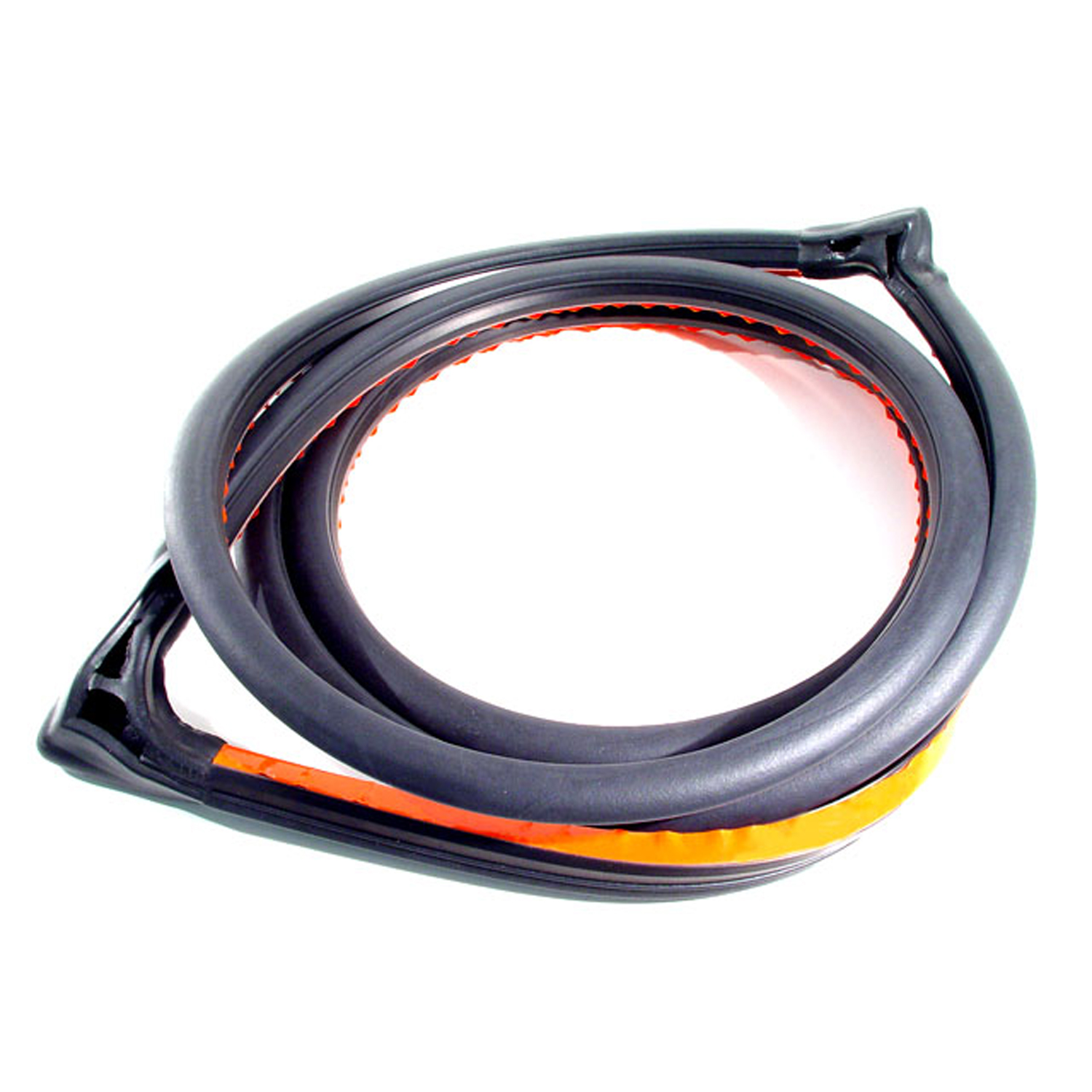 1982 Ford E-150 Econoline Front Side Cargo Door Seal-LM 110-VAFront Side Cargo Door Seal (fits front right side of cargo door). Replaces OEM #E9UZ 1525324 B. For rear (left side) matching seal, see LM 110-VB. Each
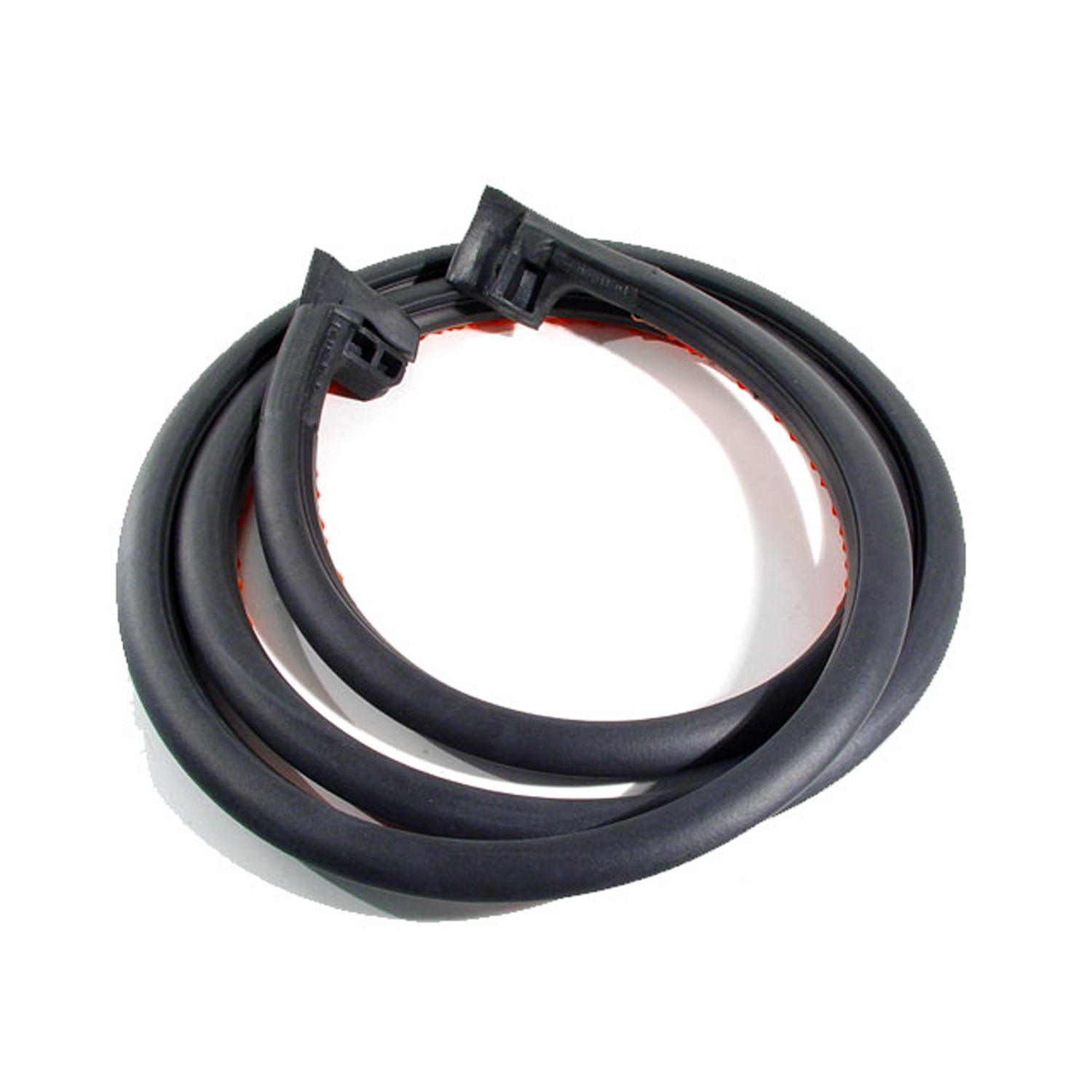 1982 Ford E-150 Econoline Rear Side Cargo Door Seal-LM 110-VBRear Side Cargo Door Seal (fits rear left side of cargo door). Replaces OEM #E9UZ 1525325 B. For front (right side) matching seal, see LM 110-VA. Each
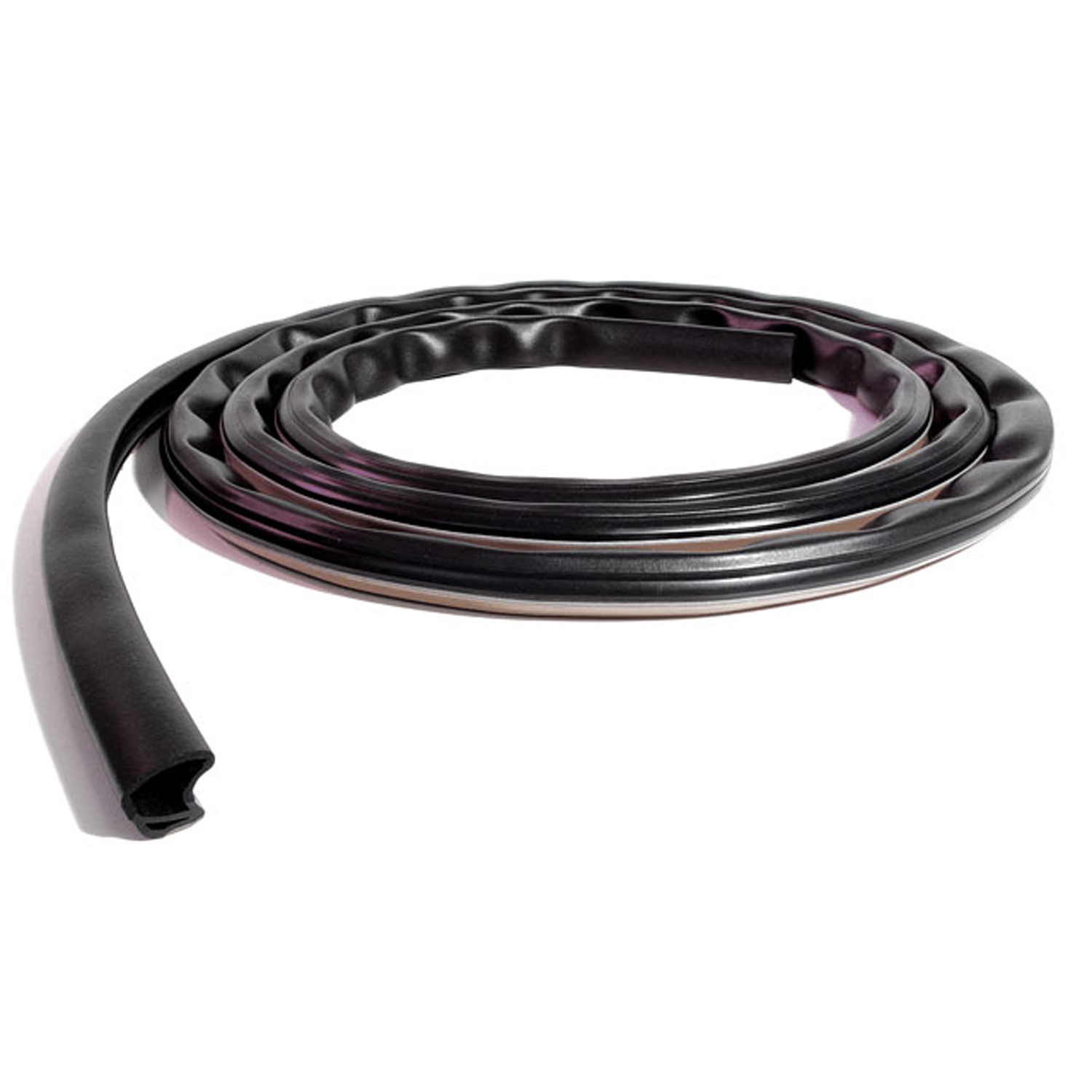 1982 Ford E-150 Econoline Left Front (drivers side) Door Seal. Each-LM 110-VLLeft Front (drivers side) Door Seal. Each
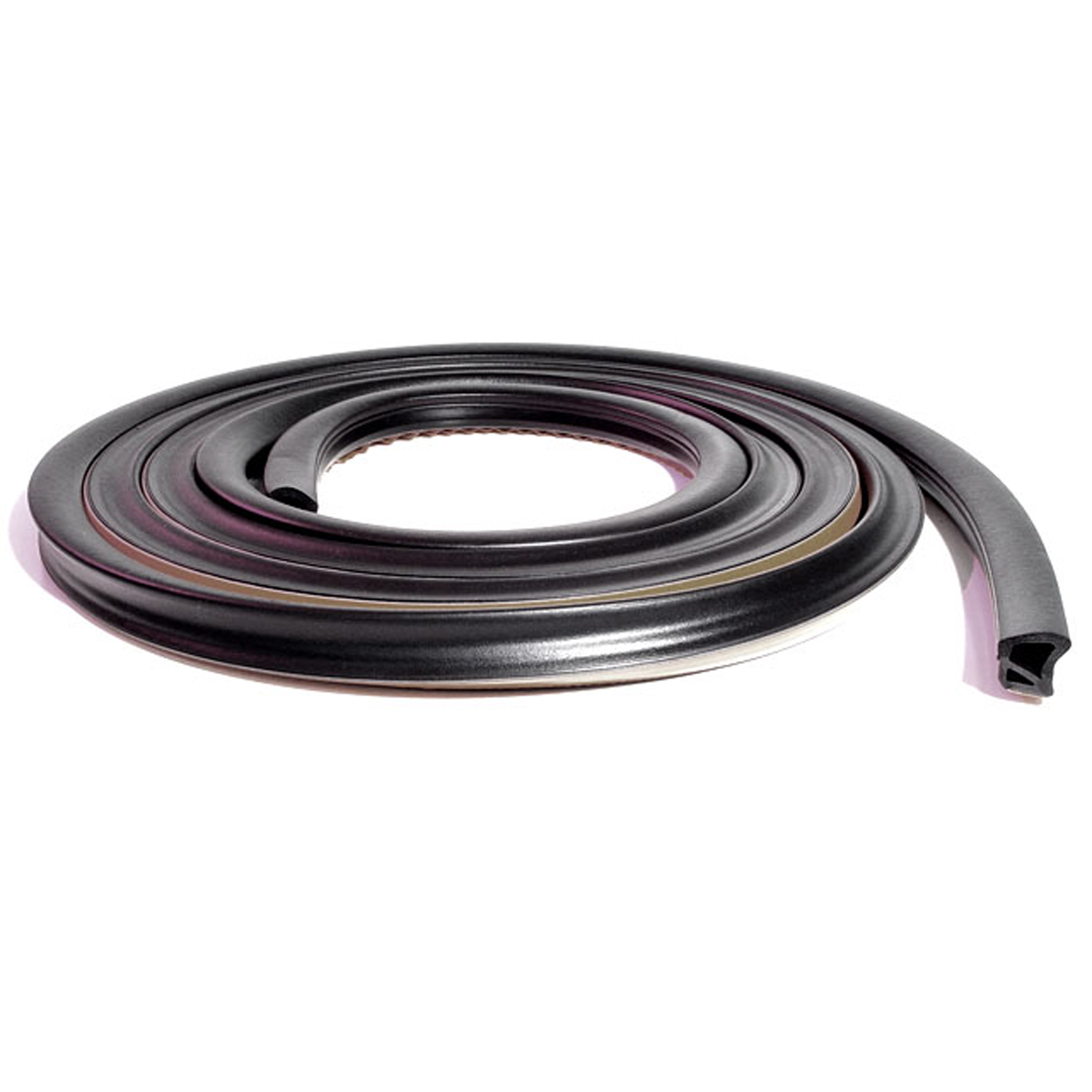 1982 Ford E-150 Econoline Right Front (passenger side) Door Seal. Each-LM 110-VRRight Front (passenger side) Door Seal. Each
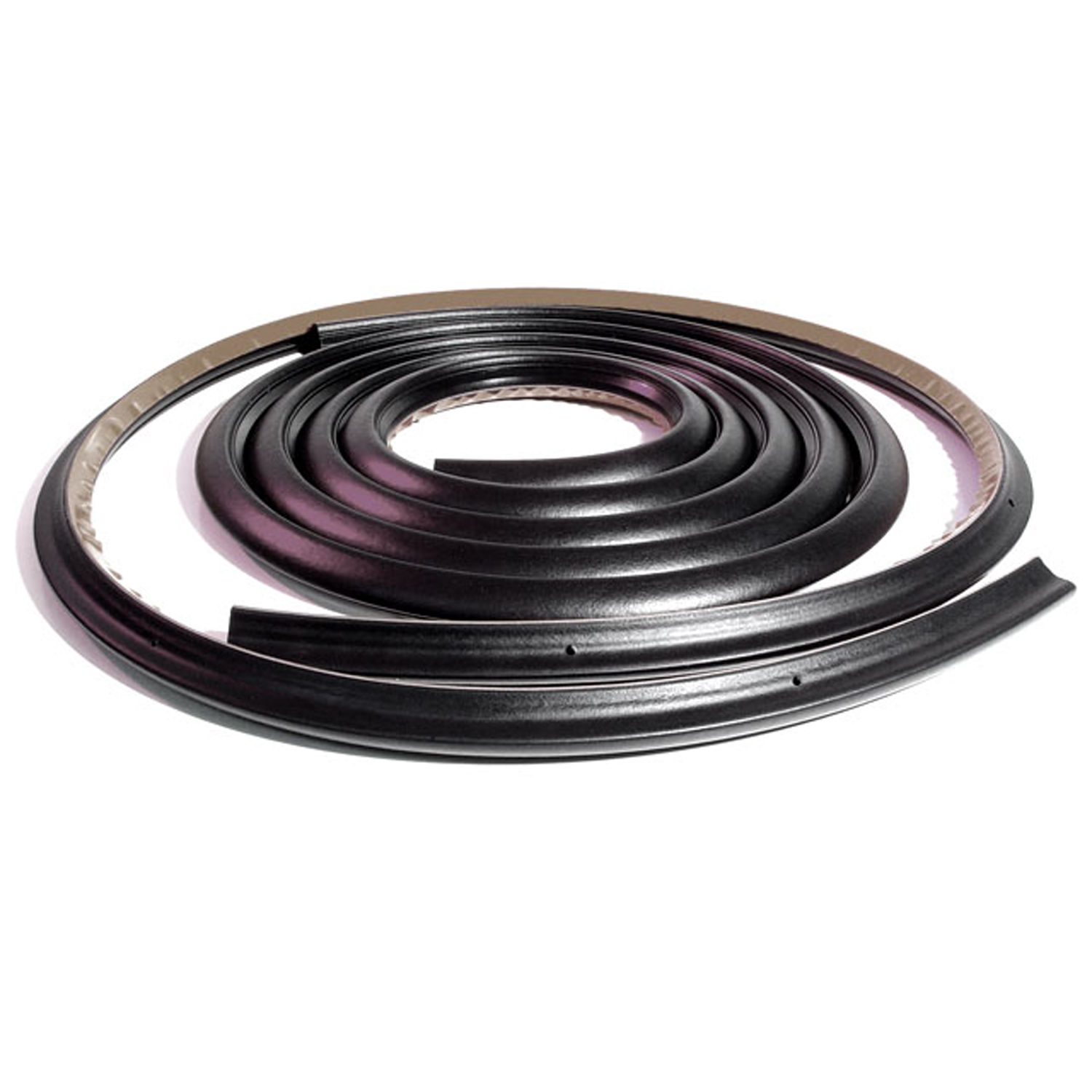 1982 Ford E-150 Econoline Side Slider Door Seal. Each-LM 110-VSSide Slider Door Seal. Each
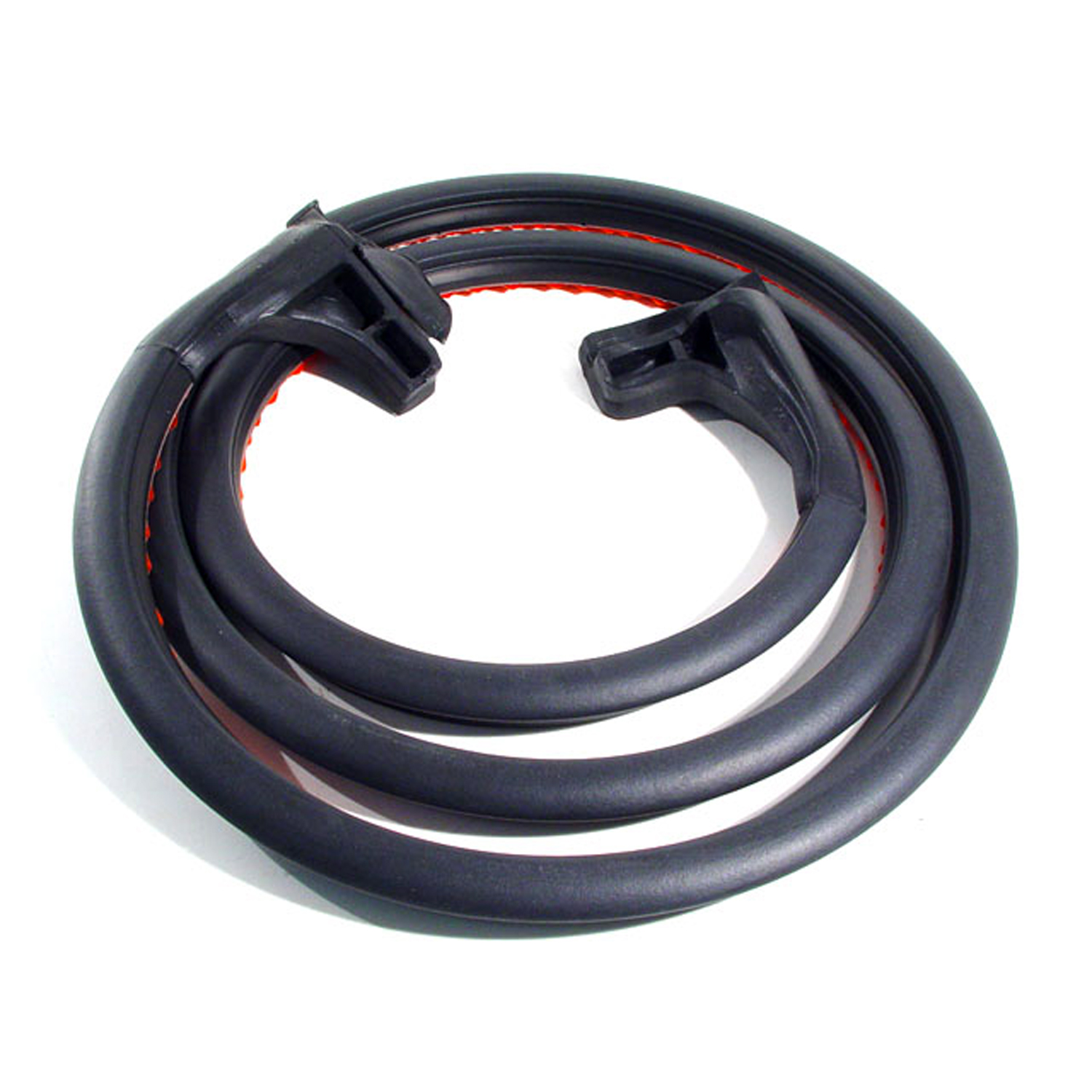 1982 Ford E-150 Econoline Left Rear Door Seal (Drivers Side)-LM 110-VTLeft Rear Door Seal (Drivers Side). Replaces OEM #E9UZ 1543723 A. Each
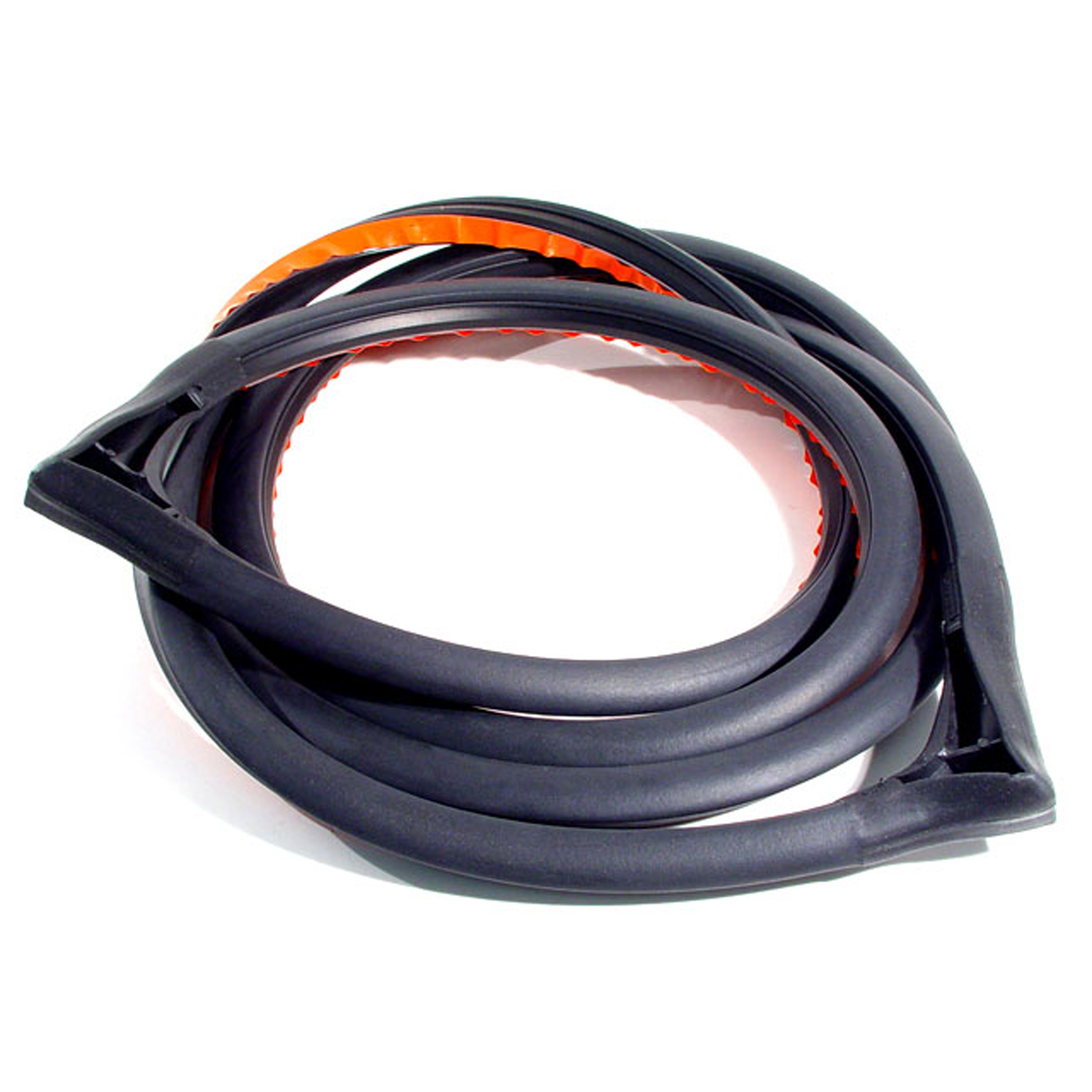 1982 Ford E-150 Econoline Right Rear Door Seal (Passenger Side)-LM 110-VURight Rear Door Seal (Passenger Side). Replaces OEM #F0UZ 1543722 A. Each
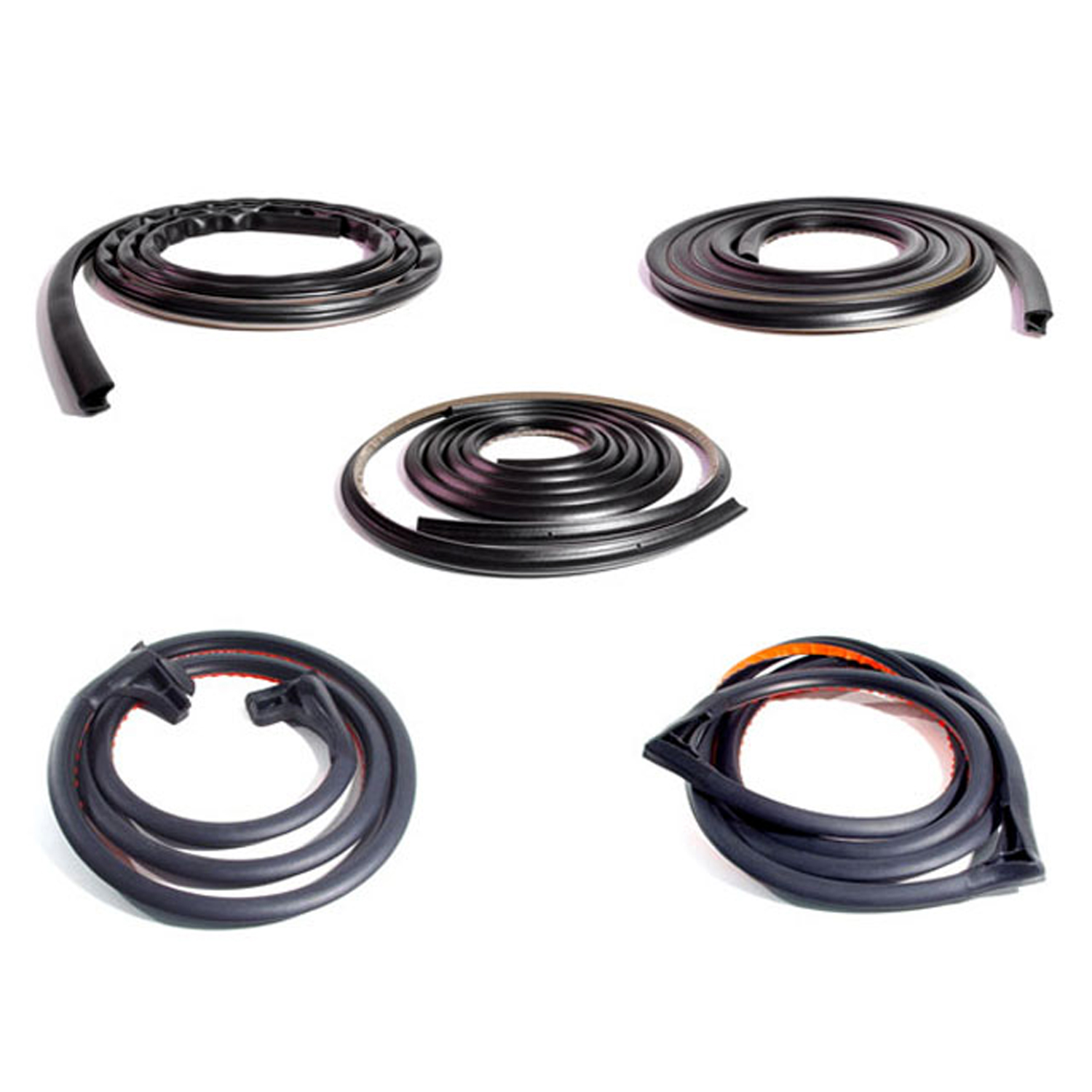 1982 Ford E-150 Econoline Basic Kit, for Models with Side Sliding Door-RKB 3000-100Basic Kit, for Models with Side Sliding Door. Front Left Door (LM 110-VL), Front Right Door (LM 110-VR), Back Left Door (LM 110-VT), Back Right Door (LM 110-VU), Side Sliding Door (LM 110-VS) Seals.
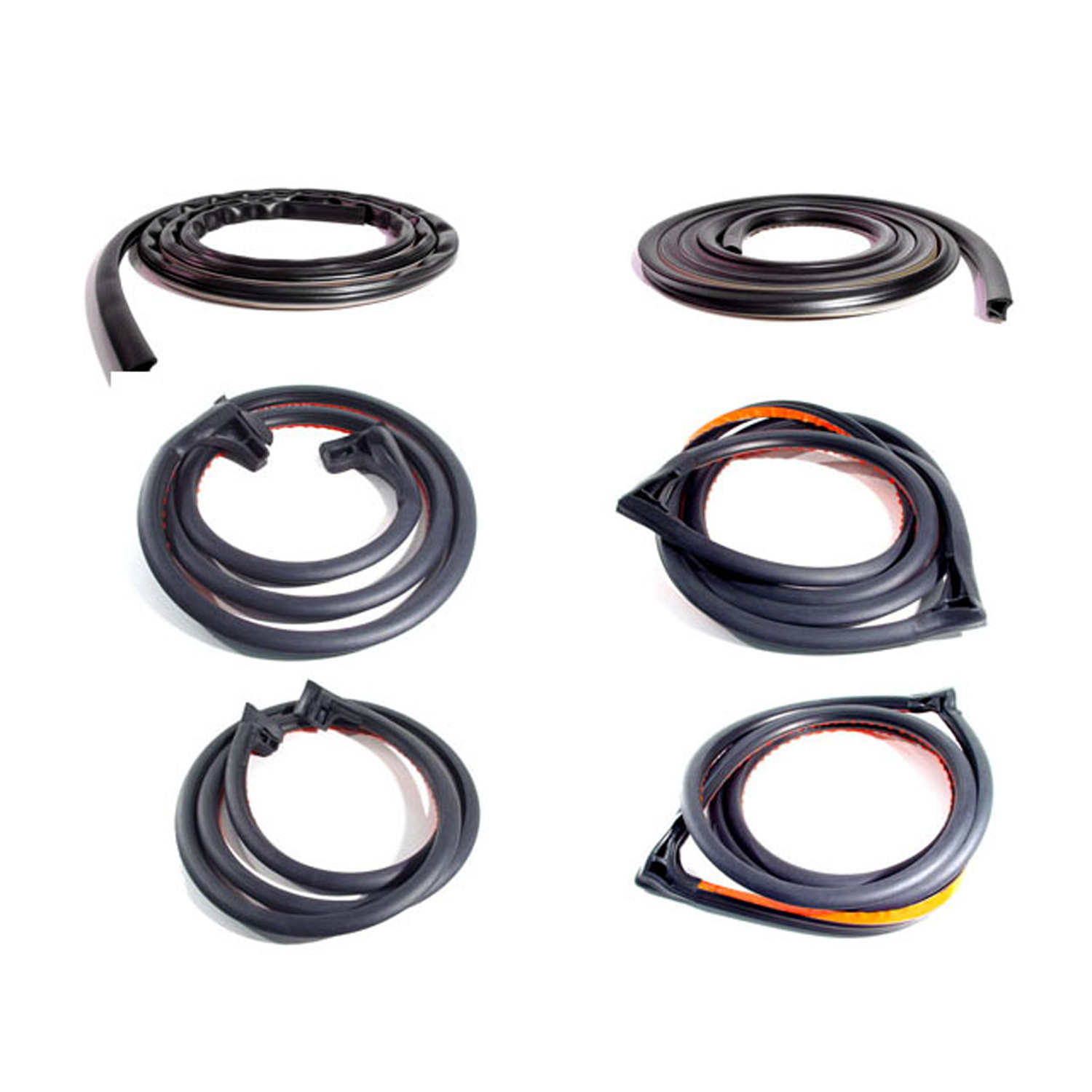 1982 Ford E-150 Econoline Basic Kit, for Models w/Side Cargo Door-RKB 3000-101Basic Kit, for Models w/Side Cargo Door. Front Left LM 110-VL), Front Right LM 110-VR), Back Left LM110-VT), Back Right LM 110-VU), Front Cargo Side (LM 110-VA), Rear Cargo Side (LM 110-VB) Door Seals.
Why Choose Metro?
For over 100 years, Metro Moulded Parts has been the pinnacle of quality in classic car restoration parts. Our commitment to precision and authenticity in every component ensures a perfect fit and an OEM-level appearance.
- Expert Craftsmanship & Quality: Each part is a testament to our dedication to reliability and perfection, crafted from original designs and thoroughly tested.
- Advanced Technology: We use cutting-edge techniques to create flawless, long-lasting parts that surpass others in performance.
- SuperSoft Sponge – The Ultimate Door Seal: Not only are our door seals 30% softer than competitors', but they're also guaranteed to never leak. They effectively reduce wind and road noise, enhancing your classic car's comfort and driving experience.
- Proudly American: Our parts are a product of American craftsmanship, made in the USA with a spirit of excellence and heritage.
- Unrivaled Warranty: We back our products with a 30-year industry-leading warranty, a testament to our confidence in their quality.
Join us in preserving the legacy of classic cars with parts that are crafted for perfection, not just made.