
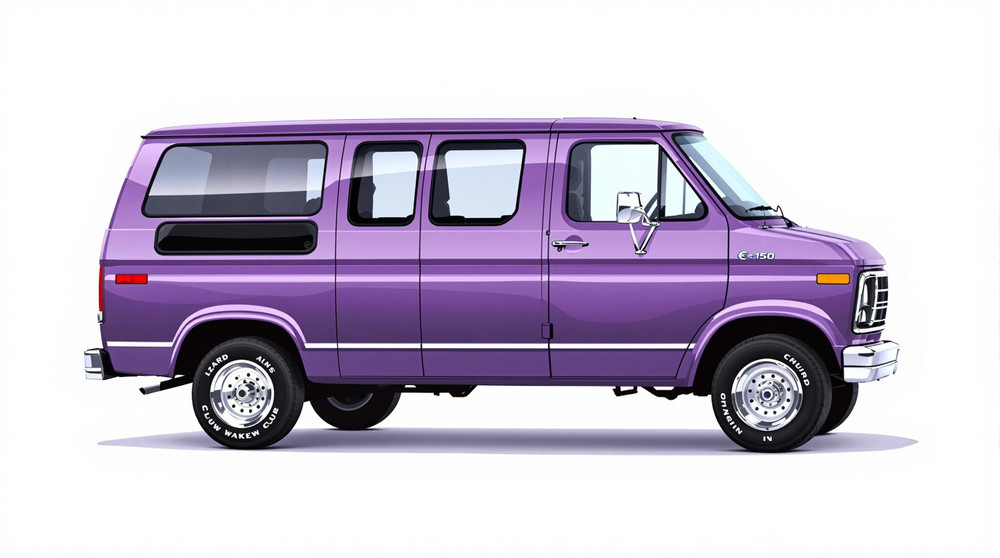
Image of 1982 Ford E-150 Econoline Club Wagon, Note: These illustrations use artistic license and may differ from actual historical models.
Performance Metrics
Fundamental Metrics
Emotional Appeal
MMP Rating
| Engine Specifications | |
|---|---|
| Engine Options: | 4.9L Inline 6, 5.8L V8, 6.6L V8 |
| Displacement Range: | 4.9L - 6.6L |
| Horsepower Range: | 120-180 HP |
| Torque: | 220-315 lb-ft |
| Compression Ratio: | 8.0:1 - 8.4:1 |
| Ignition System: | Distributor ignition |
| Cooling System: | Liquid cooled |
| Performance Specifications | |
| 0-60 Time: | Estimated 12-15 seconds |
| 1/4 Mile Time: | Estimated 18-20 seconds |
| Top Speed: | 85-95 mph |
| Transmission and Drive | |
| Drive Type: | Rear-wheel drive |
| Transmission Type: | 3-speed automatic, 4-speed manual |
| Fuel and Efficiency | |
| Fuel System Type: | Carburetor |
| MPG: | Estimated 10-14 mpg |
| Dimensions and Brakes | |
| Brakes: | Front disc / Rear drum |
| Wheelbase: | 124 inches |
| Weight: | 4,500-5,000 lbs |
Note: Specifications for classic cars are given to the best of our ability, considering the limited and variant data available.
1982 Ford E-150 Club Wagon: The Full-Size Van That Did It All
Before SUVs became the default family road-trip machines, a Ford E-150 Club Wagon could carry a crowd, their luggage, and plenty of ambition. Built by Ford Motor Company, the 1982 model combined the company’s full-size Econoline van platform with passenger-friendly seating and trim. It could serve as a family hauler, a hotel shuttle, a camping rig, or the starting point for a custom van conversion.
The Club Wagon name identified passenger-oriented Econolines, distinguishing them from cargo-focused vans. The 1982 model belonged to the third-generation E-Series, introduced for 1975 and substantially redesigned for 1980. Its squared-off shape reflected the era’s appetite for practical, durable vehicles, while its roomy cabin suited the growing market for recreational travel and customized vans. A particularly interesting detail is that the same basic E-Series architecture proved so adaptable that it remained in production, with major updates, for decades.
Square-Nosed Styling and Club Wagon Comfort
The 1982 E-150 has the unmistakable proportions of a classic American full-size van: a broad, nearly vertical windshield, tall roof, upright sides, and a blunt front end. Its squared hood and rectangular grille give it a purposeful, almost architectural look. The short front overhang and large glass area help the driver judge the van’s corners, although its height and width still demand attention in tight parking lots.
Inside, the Club Wagon’s defining feature is space. Depending on trim and ordering choices, it could be configured with multiple rows of seats, making it useful for transporting a family or a group. Materials varied from practical vinyl and durable cloth to more richly trimmed interiors. Higher-spec versions, including the upscale Chateau, could add plush upholstery, carpeting, decorative trim, and convenience features that made the van feel more like a lounge on wheels than a work vehicle.
Available equipment depended on the specific van, but power steering, power brakes, air conditioning, an automatic transmission, and an AM/FM radio were among the comfort and convenience options buyers could find. Rear air conditioning was especially welcome in a passenger van with a large cabin. Technology was straightforward by modern standards: carbureted engines and conventional ignition systems were typical, and the driving experience relied more on mechanical simplicity than electronic assistance.
Ford offered a range of exterior colors, with choices varying by trim and production details. White and other light colors were practical favorites for fleets and hot climates, while period shades of blue, red, brown, silver, and two-tone combinations gave privately owned Club Wagons more personality. The most iconic versions today are often the richly trimmed passenger vans and customized examples with bold paint, graphics, and upgraded interiors.
E-150 Body Styles and Options
The E-150 was the half-ton member of Ford’s Econoline range. Buyers could choose a passenger-focused Club Wagon or a more utilitarian cargo van, with body length and equipment varying across the broader E-Series lineup. Within the Club Wagon family, seating, trim, windows, and comfort equipment helped create everything from basic people-movers to well-appointed touring vans.
For many enthusiasts, the classic Club Wagon is the multi-row passenger version, especially a well-equipped Chateau or a period-correct custom conversion. Conversion companies could add swivel seats, carpeting, cabinets, upgraded lighting, and entertainment equipment. These conversions were not all identical, so two vans that look similar outside may have very different interiors and equipment.
Why the Econoline Mattered
Ford’s Econoline story began in 1961, when the original compact van adapted ideas from the Falcon. By 1982, the E-Series had grown into a more substantial, front-engine van designed to handle passenger duty, commercial work, and recreational use. The 1980 redesign gave the platform a more modern, squared-off body and updated mechanical layout, while retaining the rugged, serviceable character buyers expected.
The E-150 Club Wagon helped make the full-size van a credible alternative to the station wagon for large families and group travel. Its generous interior could be rearranged for people or gear, and its tall body made custom conversions possible in ways a conventional car could not match. That flexibility helped fuel the custom van scene of the 1970s and 1980s, when owners transformed ordinary vans into highly personalized road-trip machines.
What set the Club Wagon apart was not one headline-grabbing invention. It was the combination of usable passenger space, a broad range of configurations, and a platform that could be maintained by Ford dealers and independent shops across the country. Its lasting influence is visible in the modern passenger van and camper-van markets, where flexible interiors remain a major selling point.
Engines, Speed, and Road Manners
Engine availability varied with configuration and market, but E-150 buyers could generally find a 4.9-liter inline-six, a 5.0-liter V8, or a 5.8-liter V8. The inline-six emphasized straightforward, dependable work, while the V8s offered more muscle for carrying passengers and luggage. Exact horsepower and torque figures depend on engine, emissions equipment, and drivetrain specification, so original documentation or the vehicle’s identification information is the best guide to a particular van.
Expect relaxed rather than sporty performance. As a broad estimate, a lightly loaded example in good mechanical condition may reach 60 mph in roughly 14 to 20 seconds, depending on engine, transmission, axle gearing, and vehicle weight. Top speed is similarly configuration-dependent, but approximately 85 to 95 mph is a reasonable general estimate. These are period-van estimates, not factory guarantees, and a heavily loaded or tired example will be slower.
On the road, the E-150 feels substantial. The engine’s low-speed pull and the automatic transmission’s steady shifts suit cruising and carrying a full cabin better than hard acceleration. From the driver’s seat, the view over the hood is commanding, and the large windows make the van feel airy. The engine note varies by powertrain, but a V8 delivers the familiar low, workmanlike rumble that suits the vehicle’s character.
The suspension is tuned for a heavy, useful vehicle, not sports-car precision. It can absorb ordinary road imperfections, though an empty van may feel firm or bouncy compared with a modern minivan. On a winding road, the tall body leans and responds more slowly to steering input. Crosswinds can also push the broad-sided van around, so a smooth hand on the wheel and sensible speed make for a more comfortable drive. Tires, shocks, springs, and alignment have a major effect on how a decades-old example behaves.
Living With a 1982 Club Wagon
Today, an E-150 Club Wagon is most often used as a weekend cruiser, vintage camper, family project, or show vehicle. Some remain in work or shuttle service, while others have been converted for camping and long-distance travel. It is not an ideal choice for someone seeking modern fuel economy, compact parking, or contemporary crash protection, but it offers a distinctive, spacious alternative to a modern crossover.
Mechanical repairs are generally approachable for an owner with basic tools and experience. The engines and drivetrains are conventional, and many service items are familiar to older-Ford specialists. Parts availability is generally good for common mechanical components, though trim pieces, interior-specific Club Wagon parts, and rust-free body panels can take more searching. Before buying, inspect the frame and underbody, floor pans, wheel arches, door openings, and windshield area for corrosion. Also check the cooling system, transmission behavior, steering, brakes, and the condition of any added conversion equipment.
Reliability depends heavily on maintenance and condition rather than the badge alone. A neglected cooling system, aging fuel components, worn suspension, or decades of improvised wiring can turn a simple van into a substantial project. A well-maintained example, by contrast, can be rewarding to own precisely because its basic systems are comparatively easy to understand and repair.
Van Culture, Trivia, and Common Complaints
The Club Wagon belongs to the same era that made custom vans a recognizable part of American popular culture. Owners personalized them with elaborate paint, plush upholstery, carpeting, curtains, and entertainment gear. Not every 1982 Club Wagon was a custom van, of course, but the platform’s boxy shape and spacious cabin made it a natural canvas for the trend.
There is no widely recognized speed, endurance, or production record attached specifically to the 1982 E-150 Club Wagon, and celebrity ownership claims are often difficult to verify. Its more meaningful distinction is its everyday versatility: passenger vans like this served families, hotels, organizations, and businesses, while the same basic platform could be adapted for cargo or recreational use.
Common criticisms are familiar to owners of full-size vans from the period: thirsty fuel consumption, slow acceleration, large blind spots, a wide turning circle, and less refined handling than a car. Rust and worn interiors are frequent concerns on surviving examples. Still, many enthusiasts value the very qualities that critics might call old-fashioned: simple mechanicals, a commanding driving position, and room for a crowd.
Collector Value and Availability
Ford did not publish an easy-to-reference production total for the exact 1982 E-150 Club Wagon configuration, and the model’s many engines, trims, and options make a precise count difficult. A reasonable educated guess is that production ran into the thousands, potentially reaching the tens of thousands across all E-150 Club Wagon configurations. That estimate should not be mistaken for a verified factory figure.
Values vary widely with rust, mechanical condition, originality, trim, and the quality of any conversion. As a broad current-market guide, a project or rough driver might sell for about $2,000 to $5,000. A usable, presentable example could fall around $5,000 to $12,000, while a clean, well-maintained van or desirable Chateau may bring roughly $12,000 to $20,000. Exceptional restorations and high-quality period conversions can exceed that range, especially when their workmanship and documentation are strong.
The market is niche, but interest in vintage vans and camper conversions has supported values for clean examples. Prices have generally been strongest for rust-free, well-preserved, or thoughtfully converted vans, while ordinary worn examples remain much more affordable. The trend is best described as selective appreciation: condition and configuration matter far more than simply being an old Ford van.
Final Take on the 1982 Ford E-150 Club Wagon
The 1982 Ford E-150 Econoline Club Wagon is a spacious, adaptable slice of American motoring history. Its square styling, conventional mechanicals, flexible seating, and conversion-friendly cabin made it equally at home carrying a family, a work crew, or a custom interior. It is not quick or delicate, and it asks for room on the road, but it rewards owners with character and remarkable utility.
More than four decades later, the Club Wagon still makes its purpose clear the moment its wide doors open: bring the people, bring the gear, and let the road trip begin.
1982 Ford E-150 Econoline Club Wagon Catalog of Parts
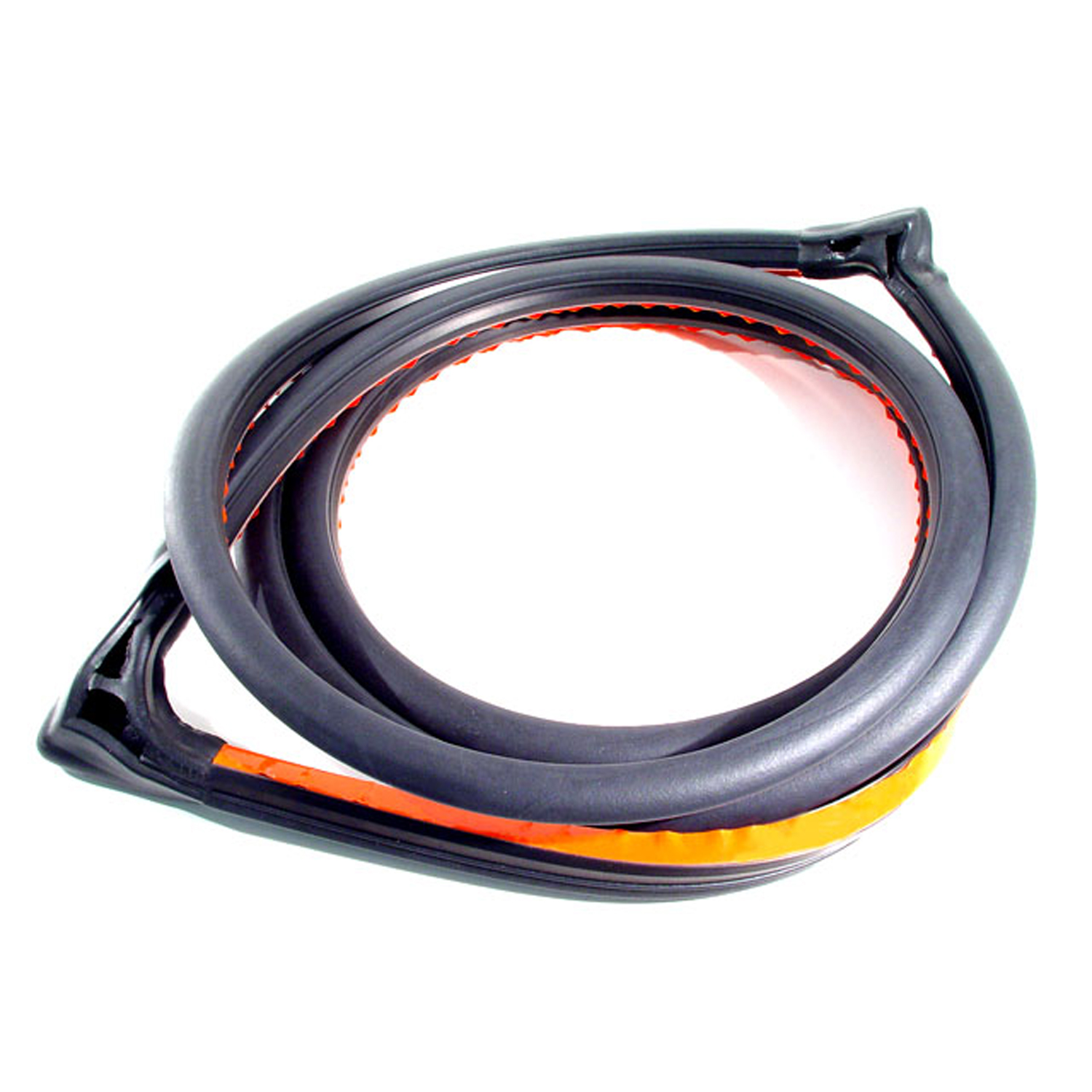 1982 Ford E-150 Econoline Club Wagon Front Side Cargo Door Seal-LM 110-VAFront Side Cargo Door Seal (fits front right side of cargo door). Replaces OEM #E9UZ 1525324 B. For rear (left side) matching seal, see LM 110-VB. Each
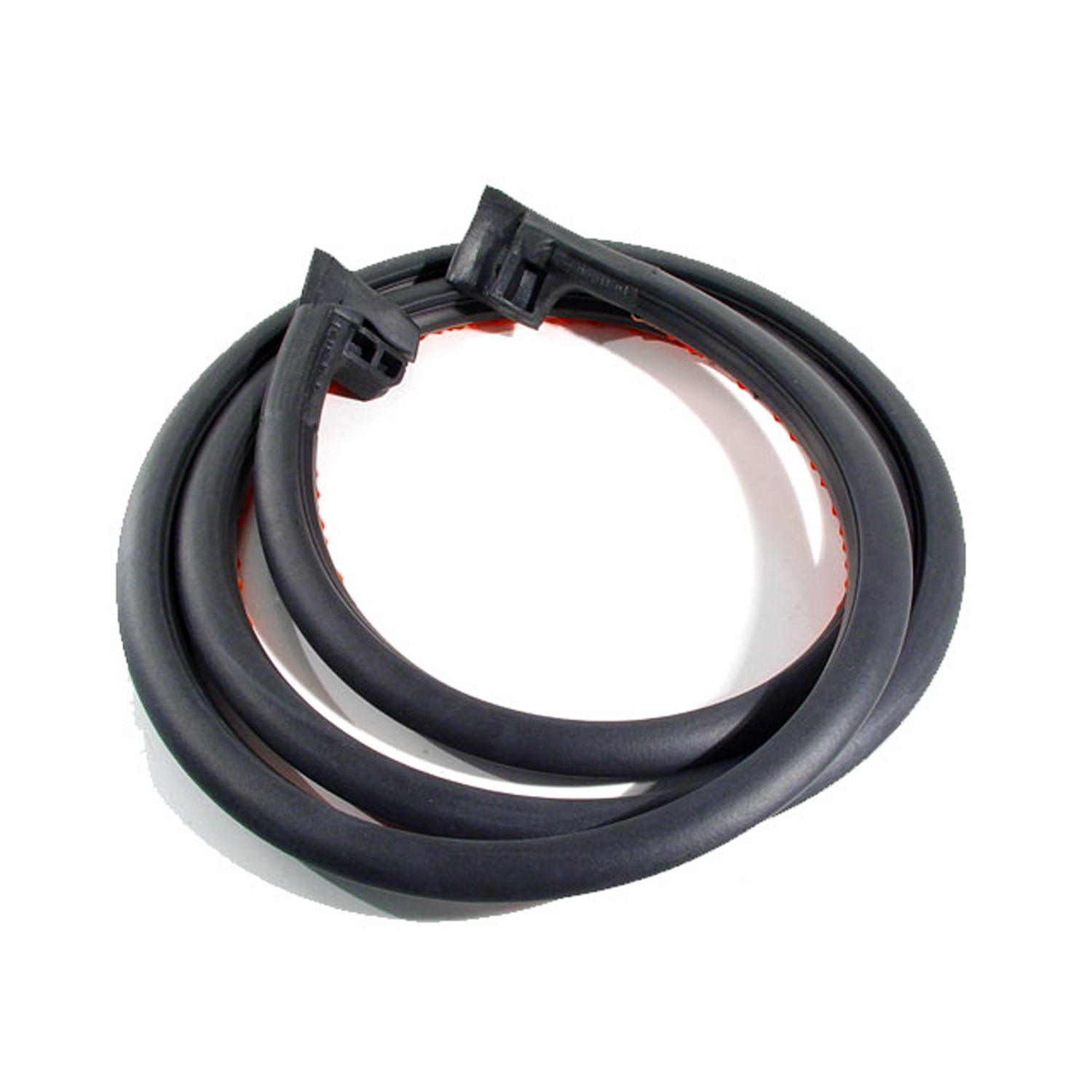 1982 Ford E-150 Econoline Club Wagon Rear Side Cargo Door Seal-LM 110-VBRear Side Cargo Door Seal (fits rear left side of cargo door). Replaces OEM #E9UZ 1525325 B. For front (right side) matching seal, see LM 110-VA. Each
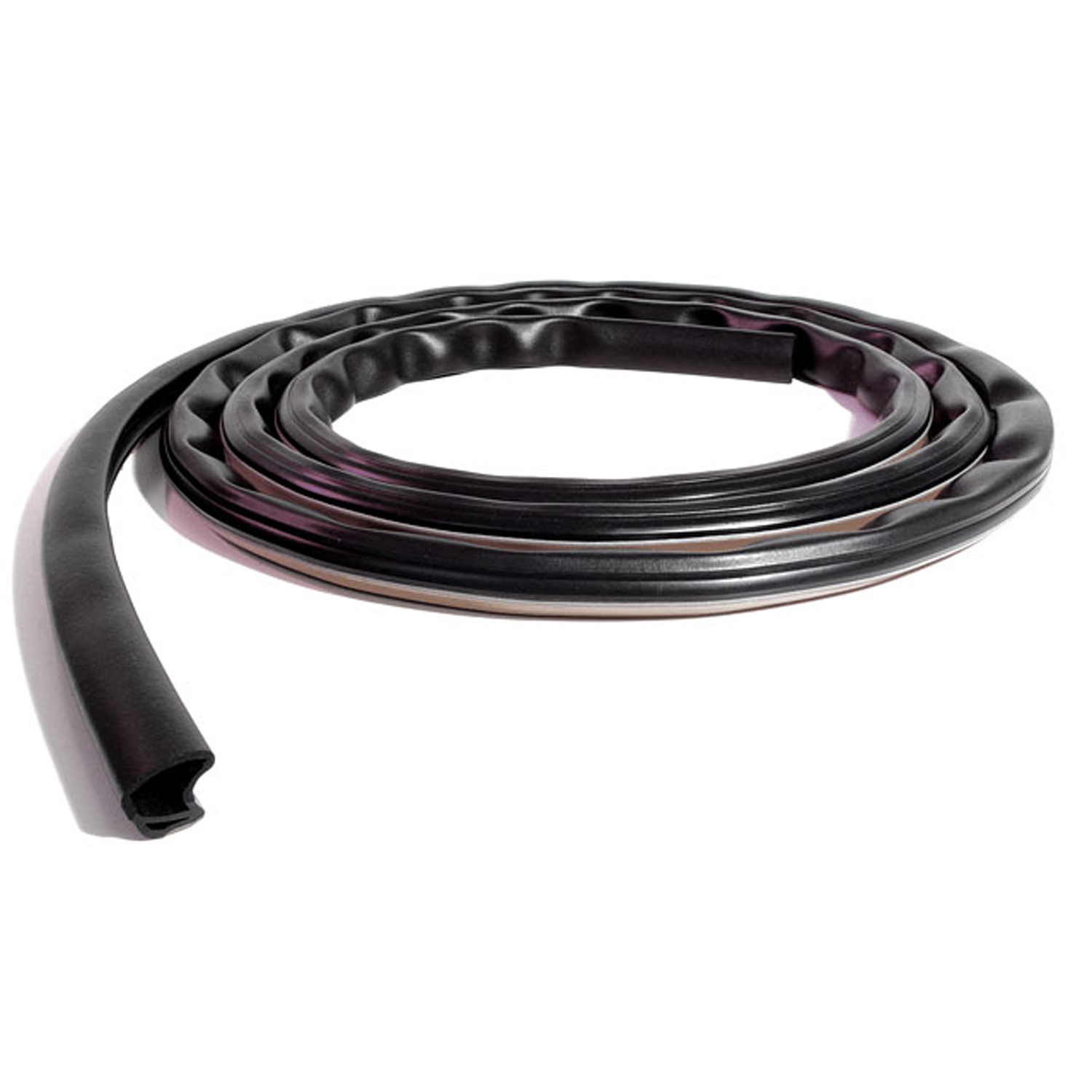 1982 Ford E-150 Econoline Club Wagon Left Front (drivers side) Door Seal. Each-LM 110-VLLeft Front (drivers side) Door Seal. Each
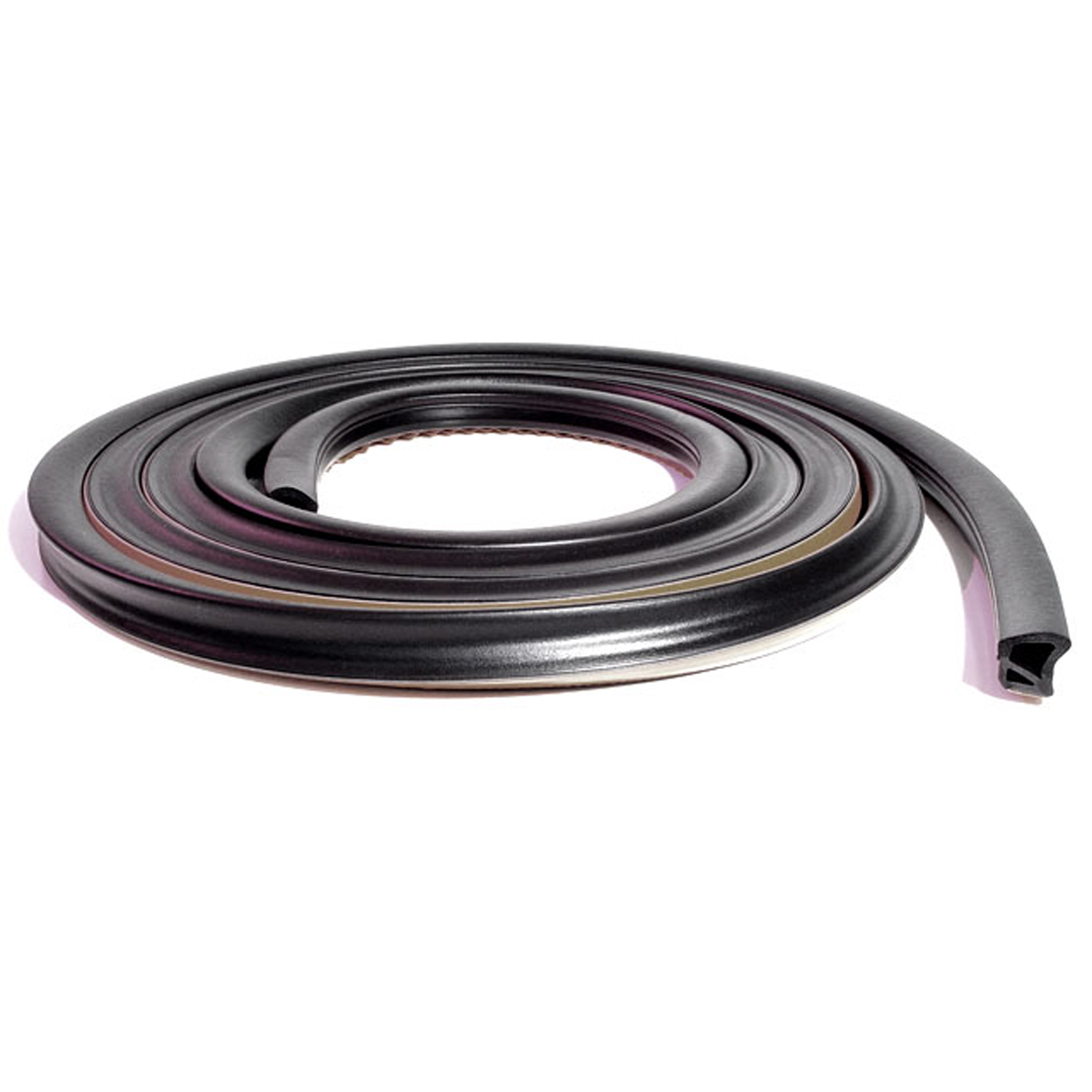 1982 Ford E-150 Econoline Club Wagon Right Front (passenger side) Door Seal. Each-LM 110-VRRight Front (passenger side) Door Seal. Each
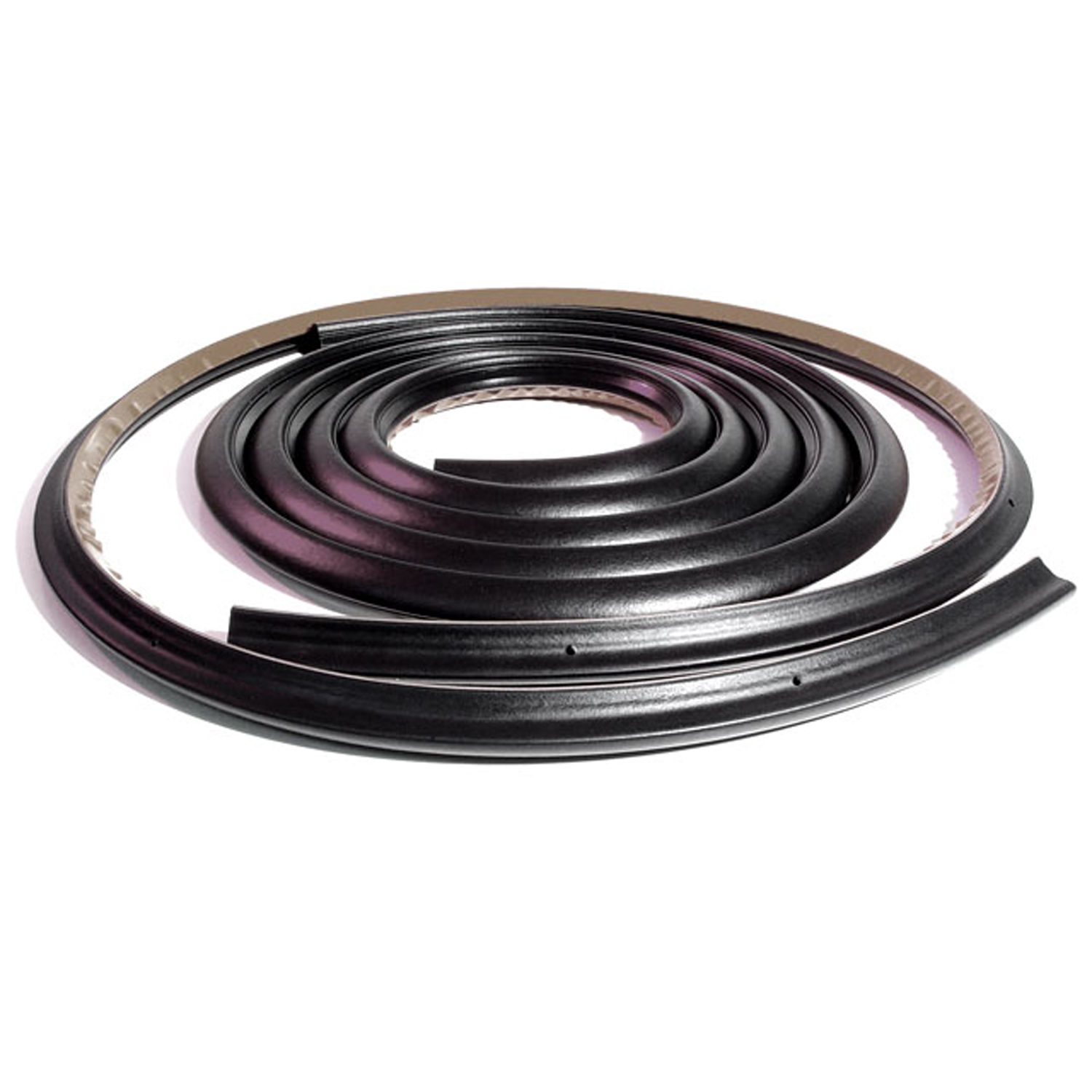 1982 Ford E-150 Econoline Club Wagon Side Slider Door Seal. Each-LM 110-VSSide Slider Door Seal. Each
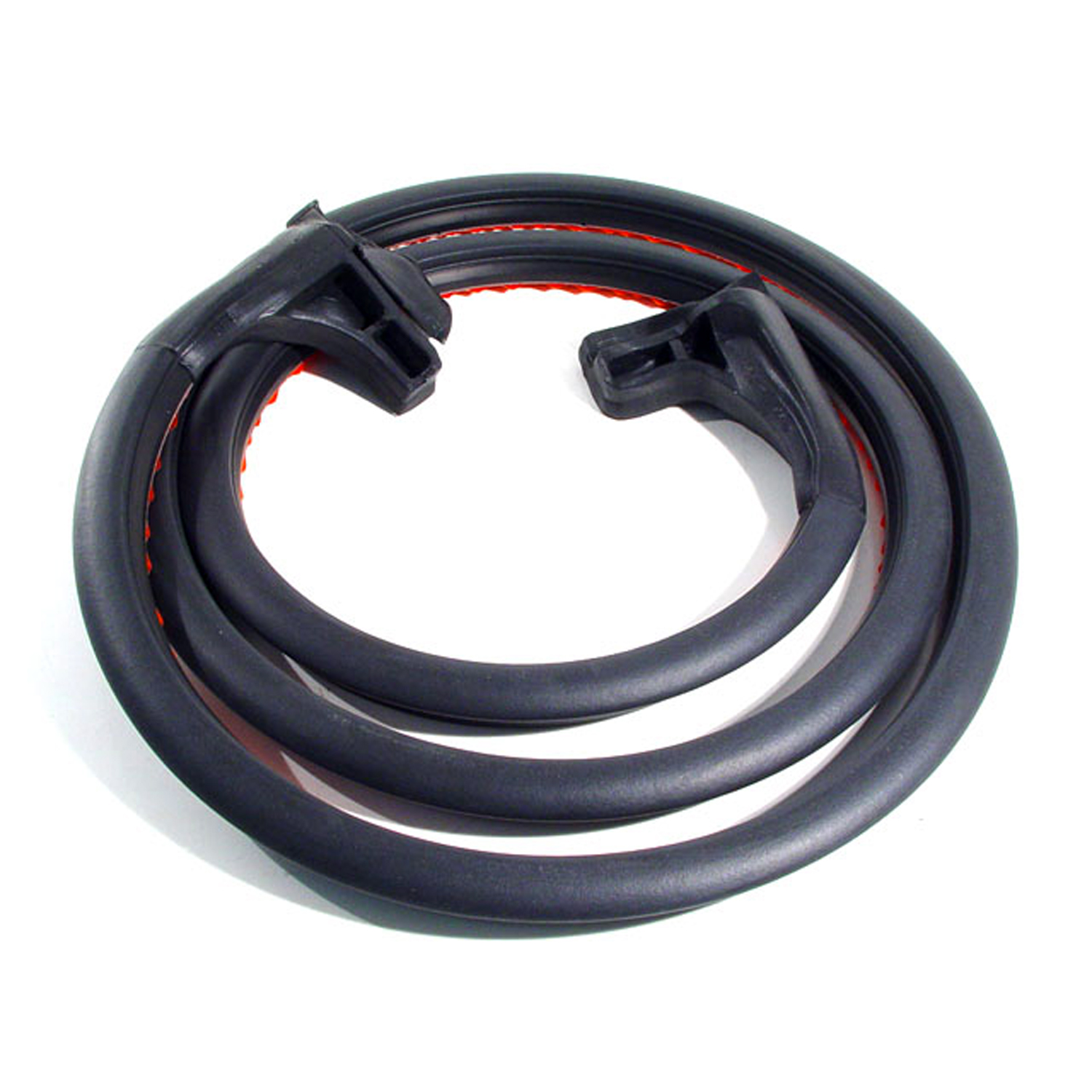 1982 Ford E-150 Econoline Club Wagon Left Rear Door Seal (Drivers Side)-LM 110-VTLeft Rear Door Seal (Drivers Side). Replaces OEM #E9UZ 1543723 A. Each
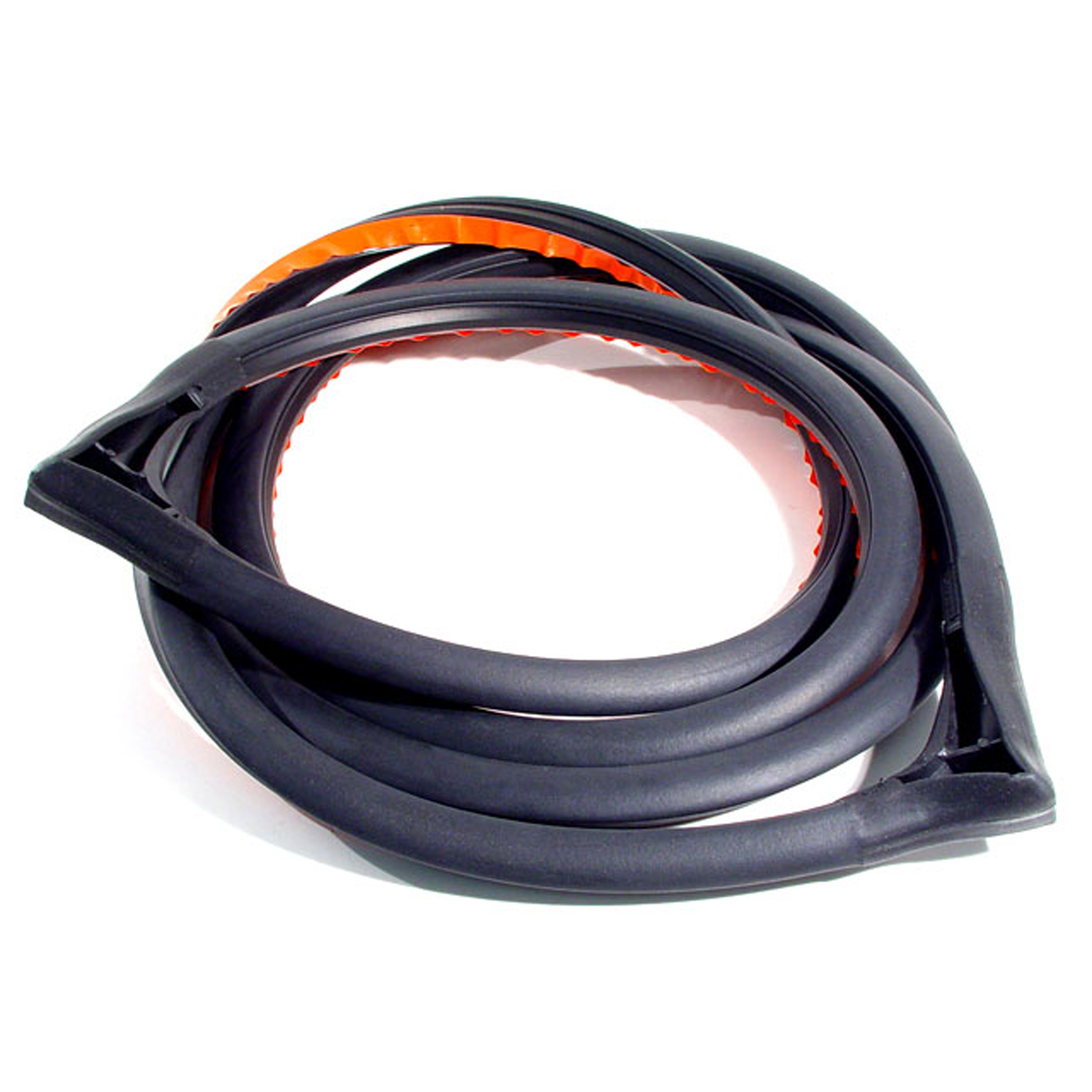 1982 Ford E-150 Econoline Club Wagon Right Rear Door Seal (Passenger Side)-LM 110-VURight Rear Door Seal (Passenger Side). Replaces OEM #F0UZ 1543722 A. Each
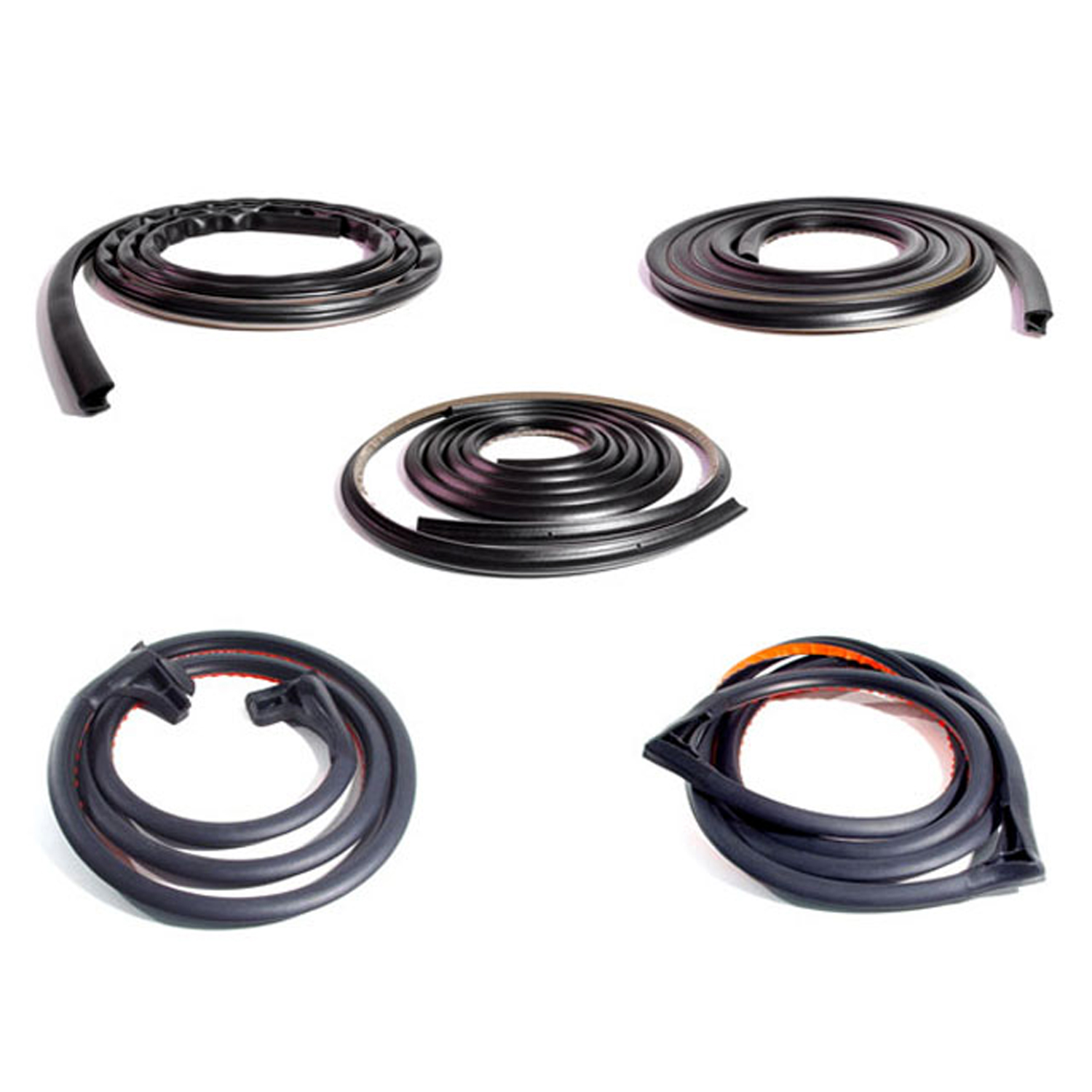 1982 Ford E-150 Econoline Club Wagon Basic Kit, for Models with Side Sliding Door-RKB 3000-100Basic Kit, for Models with Side Sliding Door. Front Left Door (LM 110-VL), Front Right Door (LM 110-VR), Back Left Door (LM 110-VT), Back Right Door (LM 110-VU), Side Sliding Door (LM 110-VS) Seals.
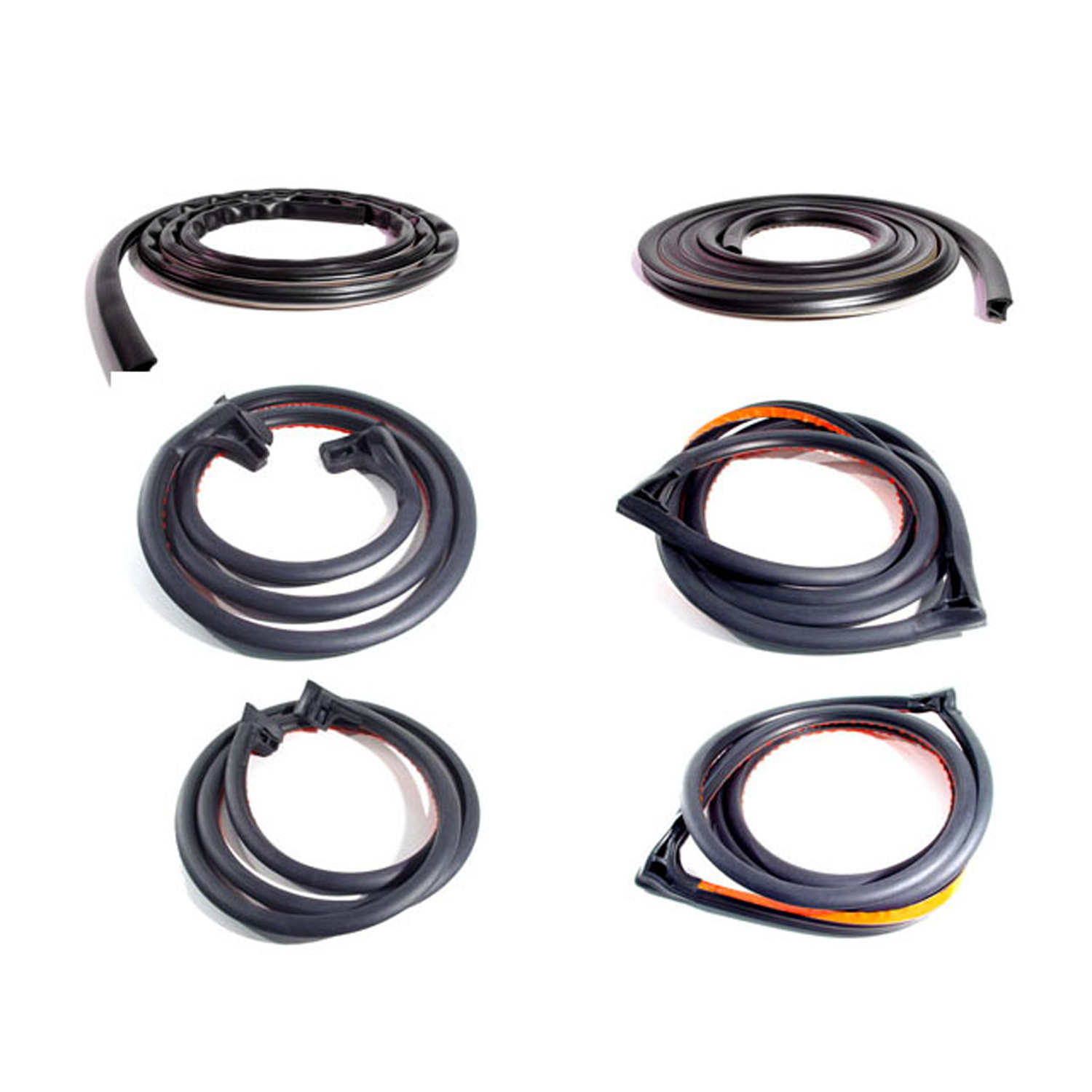 1982 Ford E-150 Econoline Club Wagon Basic Kit, for Models w/Side Cargo Door-RKB 3000-101Basic Kit, for Models w/Side Cargo Door. Front Left LM 110-VL), Front Right LM 110-VR), Back Left LM110-VT), Back Right LM 110-VU), Front Cargo Side (LM 110-VA), Rear Cargo Side (LM 110-VB) Door Seals.
Why Choose Metro?
For over 100 years, Metro Moulded Parts has been the pinnacle of quality in classic car restoration parts. Our commitment to precision and authenticity in every component ensures a perfect fit and an OEM-level appearance.
- Expert Craftsmanship & Quality: Each part is a testament to our dedication to reliability and perfection, crafted from original designs and thoroughly tested.
- Advanced Technology: We use cutting-edge techniques to create flawless, long-lasting parts that surpass others in performance.
- SuperSoft Sponge – The Ultimate Door Seal: Not only are our door seals 30% softer than competitors', but they're also guaranteed to never leak. They effectively reduce wind and road noise, enhancing your classic car's comfort and driving experience.
- Proudly American: Our parts are a product of American craftsmanship, made in the USA with a spirit of excellence and heritage.
- Unrivaled Warranty: We back our products with a 30-year industry-leading warranty, a testament to our confidence in their quality.
Join us in preserving the legacy of classic cars with parts that are crafted for perfection, not just made.