
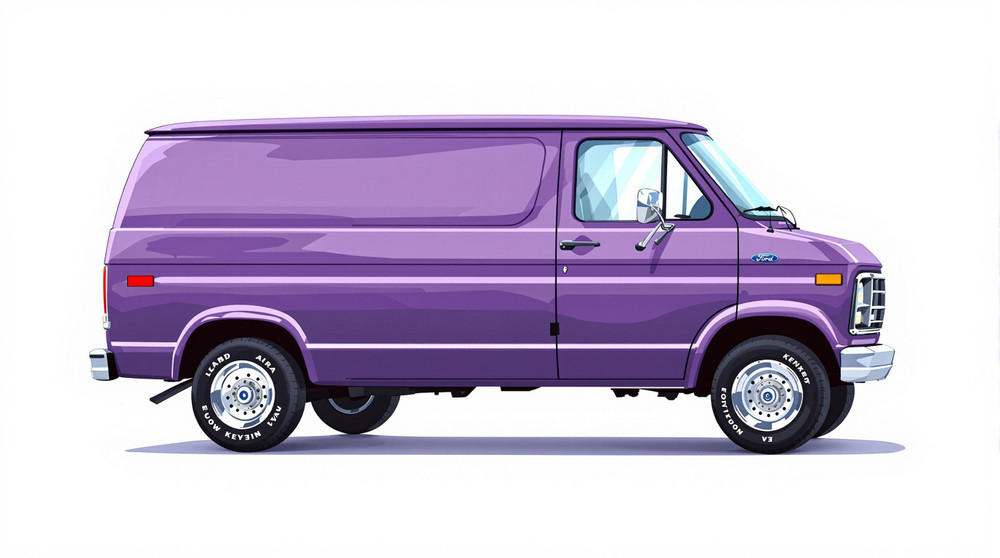
Image of 1982 Ford E-250 Econoline, Note: These illustrations use artistic license and may differ from actual historical models.
Performance Metrics
Fundamental Metrics
Emotional Appeal
MMP Rating
| Engine Specifications | |
|---|---|
| Engine Options: | 4.9L Inline 6, 5.8L V8, 7.5L V8 |
| Displacement Range: | 4.9L - 7.5L |
| Horsepower Range: | 120-210 HP |
| Torque: | 223-388 lb-ft |
| Compression Ratio: | 8.0:1 - 8.4:1 |
| Ignition System: | Electronic |
| Cooling System: | Liquid-cooled |
| Performance Specifications | |
| 0-60 Time: | Estimated 10-15 seconds |
| 1/4 Mile Time: | Estimated 17-22 seconds |
| Top Speed: | 85-100 mph |
| Transmission and Drive | |
| Drive Type: | Rear-wheel drive |
| Transmission Type: | 3-speed automatic, 4-speed manual |
| Fuel and Efficiency | |
| Fuel System Type: | Carburetor |
| MPG: | Estimated 10-15 mpg |
| Dimensions and Brakes | |
| Brakes: | Front disc / Rear drum |
| Wheelbase: | 124.0 inches |
| Weight: | 4,500-5,500 lbs |
Note: Specifications for classic cars are given to the best of our ability, considering the limited and variant data available.
1982 Ford E-250 Econoline: A Classic Work Van Guide
The 1982 Ford E-250 Econoline was built for the jobs that did not fit neatly into a car’s trunk. Sturdy, roomy, and easy to adapt, it served tradespeople, delivery fleets, families, and van-conversion enthusiasts alike. More than four decades later, its square-shouldered profile and simple, truck-based construction have made it a familiar sight at vintage-vehicle shows and a practical choice for hands-on owners.
Ford’s Econoline story began in 1961, when the company introduced a compact van based on its Falcon platform. By 1982, the E-Series had evolved into a larger, front-engine, body-on-frame vehicle. The E-250 sat in the middle of the range, offering more capacity than the lighter E-150 while stopping short of the heavy-duty E-350. It was a useful balance for owners who needed real carrying ability without stepping up to the largest van.
The 1982 model belongs to the Econoline’s third generation, introduced for 1975. That generation’s conventional front-engine layout, broad cab, and full-size proportions helped establish the familiar American van formula. One intriguing bit of family history is that Ford’s earliest Econolines had a very different layout, with the engine positioned between the front seats. The later E-Series moved to a more conventional arrangement, making room for a larger body and a more trucklike platform.
Square-Jawed Styling and Practical Choices
The E-250’s styling is direct and purposeful. A broad, nearly flat grille sits between rectangular headlamps, while a tall windshield and upright side panels make the van look more like a work tool than a fashion statement. Its short front overhang and box-shaped body help define the classic full-size van silhouette. The design also makes the vehicle easier to load and outfit than a more sculpted passenger car.
Inside, the standard cargo van was built for durability rather than luxury. Expect hard-wearing vinyl, straightforward gauges, and simple door and dash trim. Passenger-oriented Club Wagon versions could offer more carpeting, cloth seating, trim, and comfort features, depending on equipment. Many surviving vans have been modified over the years, so a plush interior may be the work of a conversion company or later owner rather than Ford’s original specification.
Equipment varied by trim and order. Power steering, power brakes, air conditioning, upgraded radios, and automatic transmissions were among the conveniences buyers could seek, while base work vans often kept things simple. In an era before touchscreens and driver-assistance systems, useful technology meant a clear instrument panel, optional comfort equipment, and mechanical components that a shop could service without specialized electronics.
Ford offered the Econoline in a range of factory paint colors, with exact choices changing by year and trim. White was especially common in commercial fleets because it was practical, easy to identify, and simple to repaint. Reds, blues, browns, and other period colors also appeared. Today, bright two-tone paint and elaborate graphics are often associated with custom conversions, though they may not reflect the van’s original factory finish.
The E-250 was most commonly encountered as a cargo van, but the broader Econoline family also included passenger-focused Club Wagon models and cutaway chassis intended for commercial bodies. Wheelbase and body-length choices depended on configuration. Conversion companies transformed many passenger vans into campers, touring vans, and family cruisers. The customized high-roof or raised-roof conversion van is arguably the most eye-catching version today, even though the plain cargo van was the everyday workhorse.
Why the E-250 Mattered
The 1982 E-250 was not a radical design experiment. Its importance came from doing the fundamentals well: carrying people or equipment, accepting a wide range of upfits, and relying on familiar truck-style construction. A separate frame and a durable body made it suitable for demanding commercial service, while the roomy interior gave converters a generous blank canvas.
That flexibility set the Econoline apart from smaller vans and passenger cars. A single platform could serve a plumber, a delivery company, a church, a shuttle operator, or a family seeking a custom road-trip vehicle. The E-Series helped make the full-size American van a common part of daily life and remained a dependable foundation for commercial and recreational vehicles for decades.
Its influence is less about a single breakthrough than about a successful formula. Modern vans have gained more efficient engines, advanced safety systems, and far more refined cabins, but the basic idea remains recognizable: a tall, adaptable body on a sturdy platform, configured to suit the job.
Engines, Road Manners, and Real-World Speed
Engine and transmission availability depended on the exact 1982 order, emissions package, and intended use. E-Series buyers could generally choose from Ford inline-six and V8 gasoline engines, with larger-displacement V8s available for heavier-duty applications. A three-speed automatic was a common choice, while manual transmissions were available in some configurations. Because equipment varied, it is wise to verify a particular van’s engine and drivetrain by checking its data plate, VIN information, and under-hood components.
There is no single dependable performance figure for every E-250. As a broad period-vehicle estimate, a properly running van with a V8 might reach 0 to 60 mph in roughly 13 to 18 seconds, with lighter or more powerful examples toward the quicker end and heavily loaded vans taking longer. Top speed is similarly configuration-dependent, but approximately 85 to 95 mph is a reasonable estimate for many examples. These are practical estimates, not guaranteed factory test results, and old tires, gearing, engine condition, and cargo can change them substantially.
On the road, the E-250 feels substantial. Its upright driving position offers a commanding view, while the long body and broad mirrors help the driver judge the van’s size. The steering is not as quick as a modern vehicle’s, and a crosswind can push against the tall sides. With a load aboard, the suspension tends to feel more settled; empty, the rear can ride firmly over sharp bumps.
Expect a traditional truck-like experience rather than sports-car agility. The van leans in corners, needs room to turn, and rewards smooth inputs on winding roads. The engine’s sound depends on the installed unit, but a V8 brings the familiar low mechanical rumble that many enthusiasts associate with classic American vans. The driver sits close to the engine, so its sound and heat are more present than in a modern, quiet cabin.
Living With a Classic Econoline
Owners use 1982 E-250s as weekend cruisers, work vans, camper projects, show vehicles, and occasional daily drivers. A well-kept example can still handle local errands or road trips, but its age makes condition more important than the badge. A van that has spent decades carrying heavy loads may need substantially more attention than a lightly used passenger model.
Routine mechanical work is generally approachable for an experienced home mechanic. The engines and transmissions are from an era of comparatively straightforward service, and many common components are shared with other Ford vehicles of the period. That can make basic maintenance and repairs manageable. Bodywork is another matter: rust in the frame, floor, wheel arches, rocker panels, and lower doors can turn a seemingly simple project into an expensive one.
Before buying, inspect the frame and suspension carefully, check for fluid leaks and overheating, and test the transmission under load. Look for improvised wiring, poorly installed conversion equipment, and evidence of water intrusion. Replacement parts remain available for many mechanical systems, but trim pieces, sound original interiors, and model-specific details can take more searching.
Noteworthy Details and Common Complaints
The E-250’s most unusual feature may be its range of identities. The same basic van could leave a dealer as a nearly bare cargo hauler and later become a camper, shuttle, or elaborate custom cruiser. Conversion firms played a major role in the American van scene, adding upgraded upholstery, raised roofs, cabinetry, graphics, and entertainment equipment.
There is no widely recognized special-edition 1982 E-250 or famous speed record tied specifically to this model. Nor is there a reliable public production total for the E-250 alone. Ford sold the Econoline in several weight classes and configurations, and published totals are generally easier to find for the broader model line than for a single model and body combination. A reasonable, clearly approximate guess is that 1982 E-250 production reached the tens of thousands, perhaps around 20,000 to 50,000 units. That estimate should not be treated as a verified factory figure.
Common criticisms are familiar to anyone who has driven an older full-size van: fuel consumption can be high, handling is affected by the tall body, and the ride may feel stiff when the van is empty. Rust, aging rubber parts, worn suspension components, and outdated safety equipment are also concerns. On the plus side, the simple construction and broad utility are exactly why many owners keep them on the road.
1982 Ford E-250 Values and Collectibility
Values vary sharply with rust, mechanical condition, originality, and the quality of any conversion. As a broad U.S. market estimate for 2026, a rough project might sell for about $2,000 to $6,000. A usable driver in sound condition could fall around $8,000 to $18,000, while a clean, well-restored, or thoughtfully converted example may reach roughly $20,000 to $40,000 or more. Exceptional camper builds can exceed that range, but their value depends heavily on workmanship and buyer demand.
The E-250 is not especially rare in the way a limited-production sports car is rare. The challenge is finding one that is structurally solid, mechanically sorted, and not burdened by unfinished modifications. Rust-free examples and high-quality period conversions are increasingly appealing, while heavily worn fleet vans remain comparatively affordable.
Prices for classic vans have generally benefited from growing interest in vintage campers and road-trip vehicles, but values are not rising evenly. Excellent examples can appreciate as clean survivors become harder to find. Ordinary projects may remain inexpensive because restoration costs can quickly exceed the value of the finished van. For most buyers, condition and intended use matter more than speculative investment potential.
The E-250’s Enduring Appeal
The 1982 Ford E-250 Econoline combines the practical strengths of a working van with the unmistakable character of a classic American vehicle. Its square styling, durable construction, flexible interior, and wide range of possible uses made it useful when new and continue to attract owners today. It is not quick, delicate, or especially economical, but it is straightforward, adaptable, and full of period charm.
Whether restored as a work van, transformed into a camper, or kept as an honest survivor, the E-250 tells a story about American motoring built around usefulness. Its greatest legacy is simple: give people room, give them a sturdy platform, and let them decide what the van can become.
1982 Ford E-250 Econoline Catalog of Parts
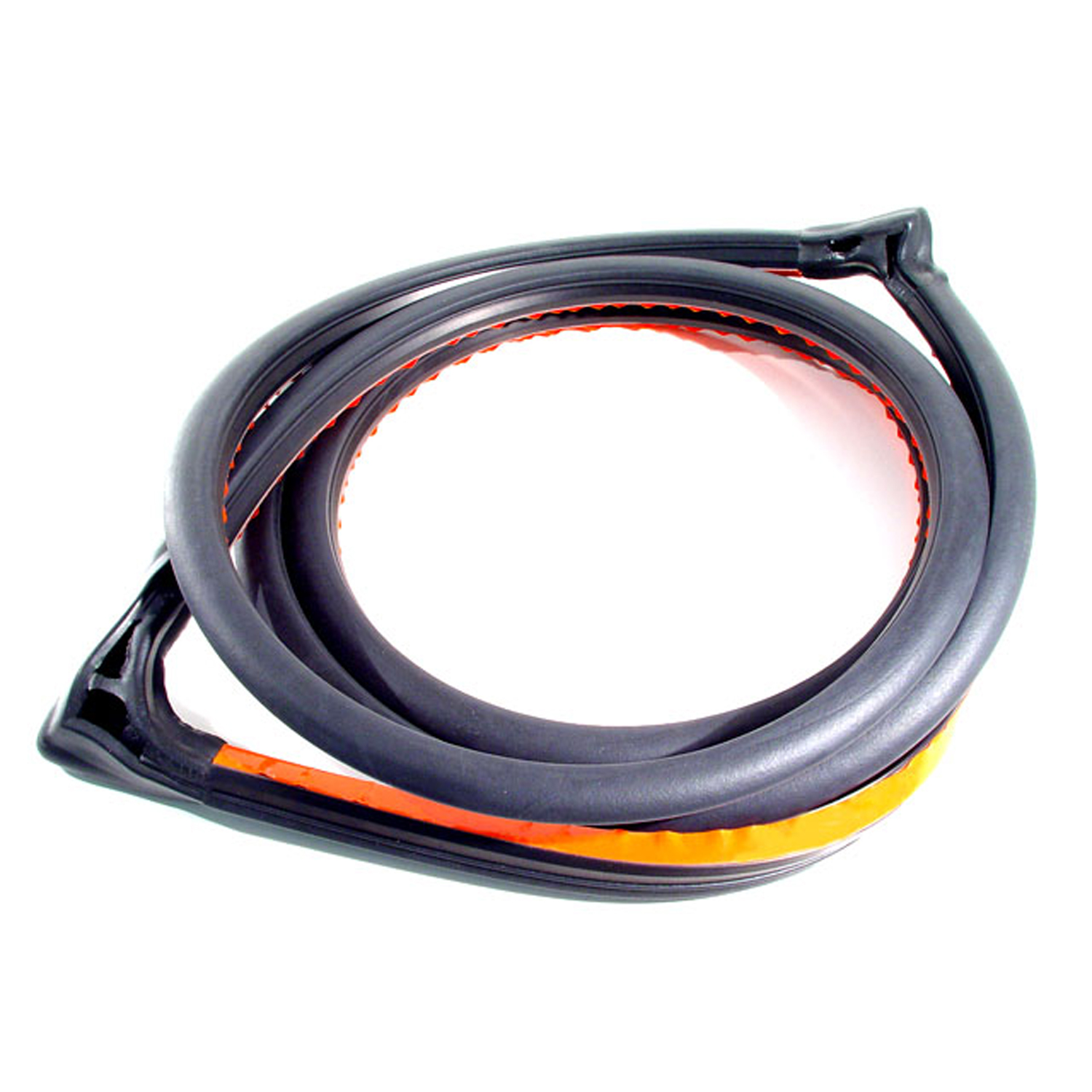 1982 Ford E-250 Econoline Front Side Cargo Door Seal-LM 110-VAFront Side Cargo Door Seal (fits front right side of cargo door). Replaces OEM #E9UZ 1525324 B. For rear (left side) matching seal, see LM 110-VB. Each
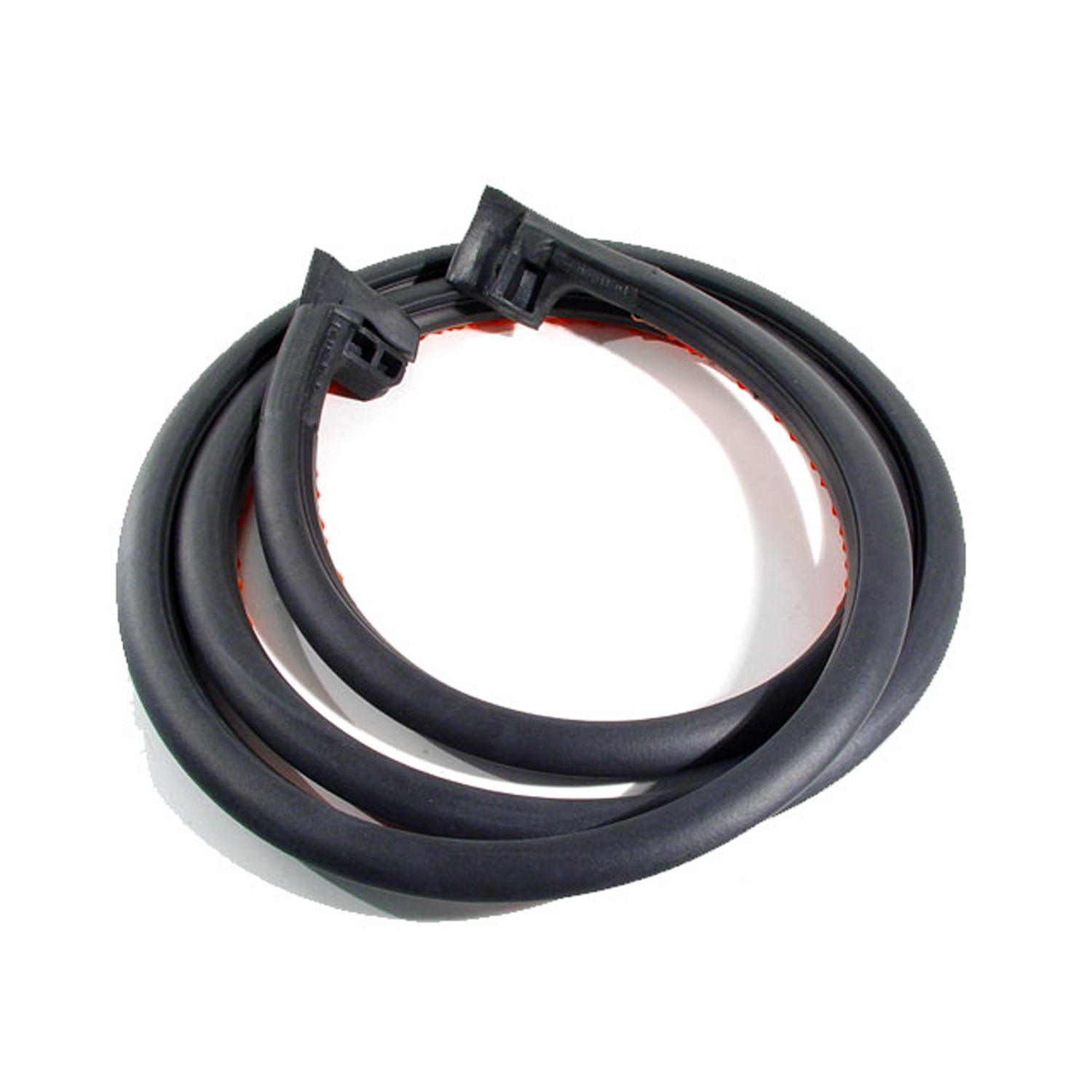 1982 Ford E-250 Econoline Rear Side Cargo Door Seal-LM 110-VBRear Side Cargo Door Seal (fits rear left side of cargo door). Replaces OEM #E9UZ 1525325 B. For front (right side) matching seal, see LM 110-VA. Each
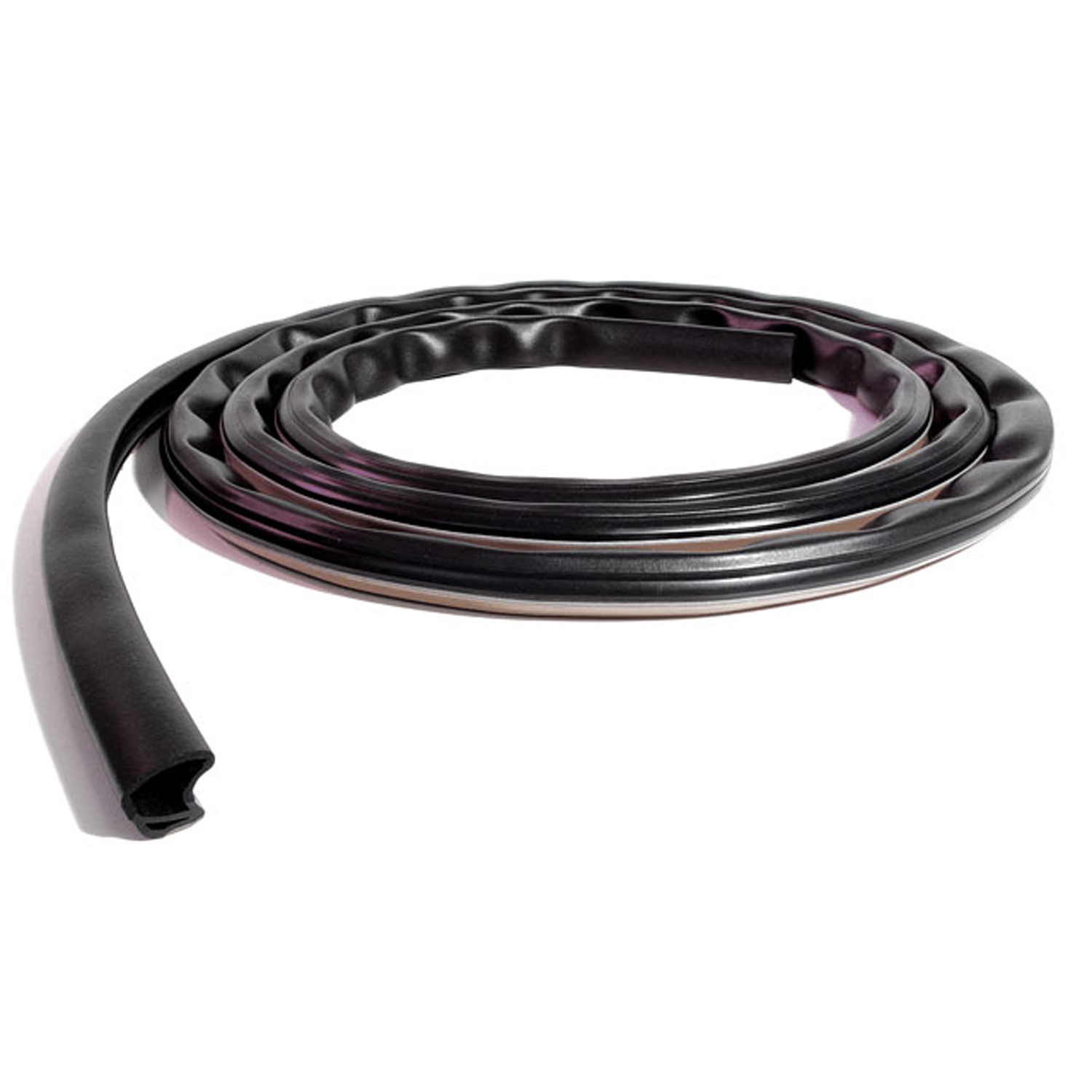 1982 Ford E-250 Econoline Left Front (drivers side) Door Seal. Each-LM 110-VLLeft Front (drivers side) Door Seal. Each
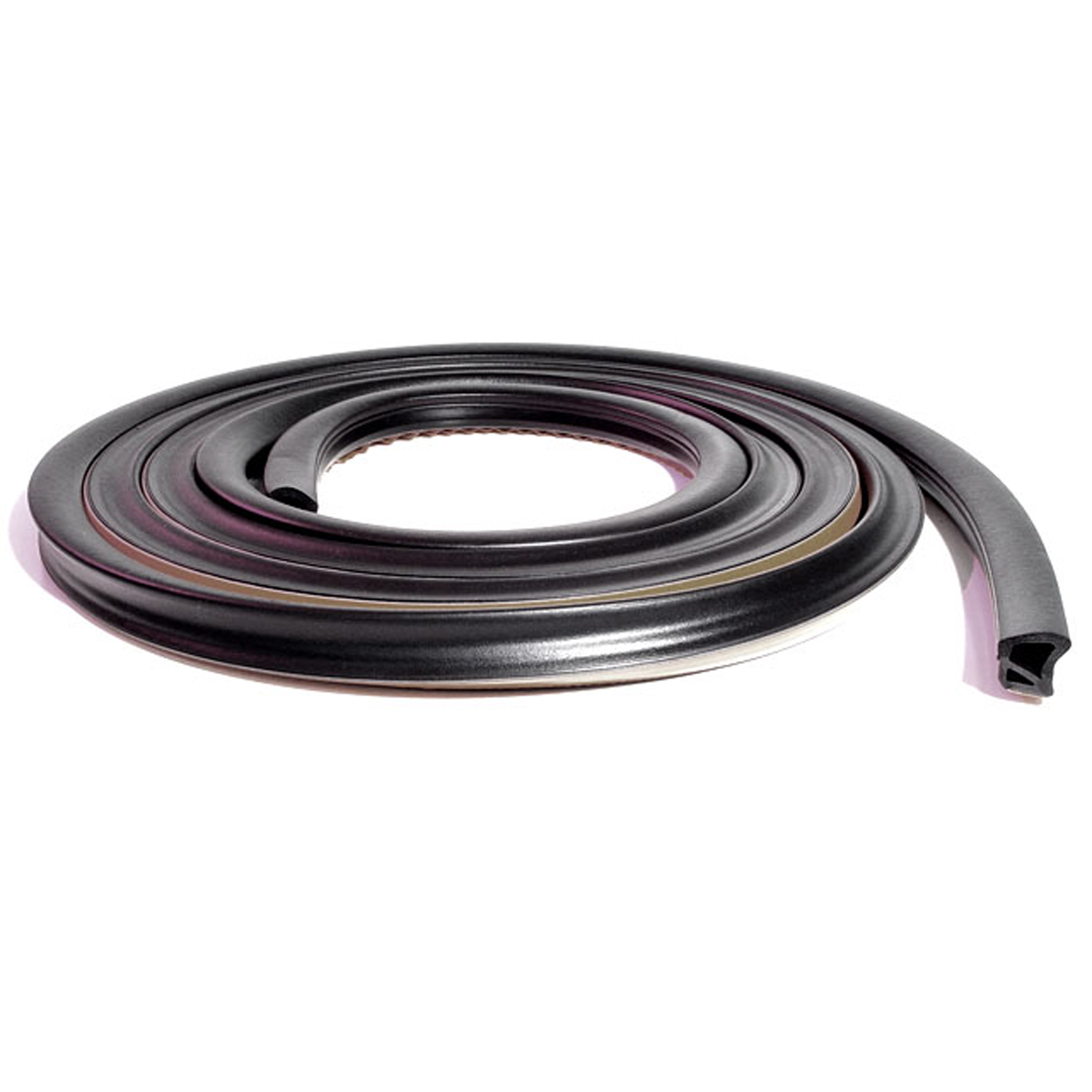 1982 Ford E-250 Econoline Right Front (passenger side) Door Seal. Each-LM 110-VRRight Front (passenger side) Door Seal. Each
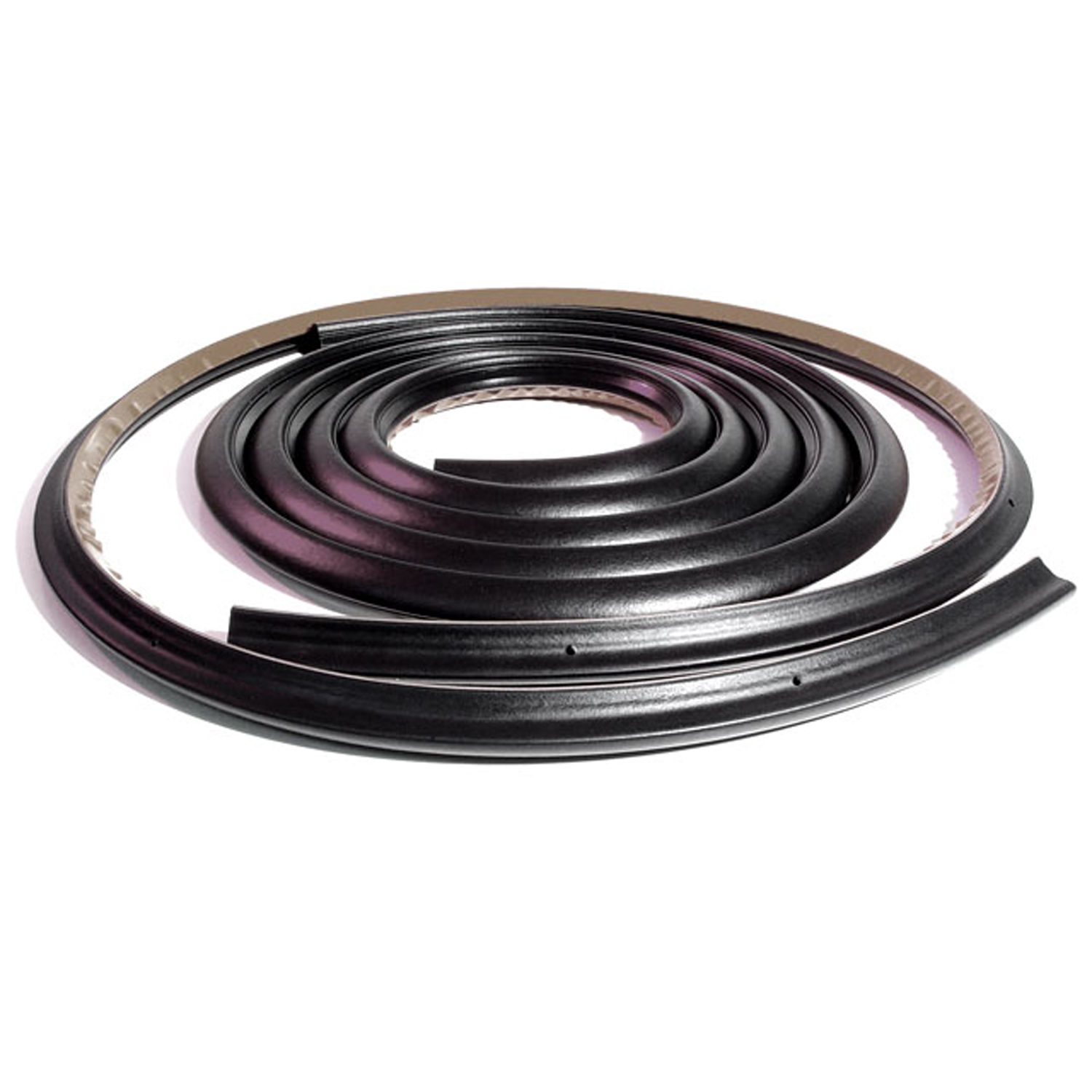 1982 Ford E-250 Econoline Side Slider Door Seal. Each-LM 110-VSSide Slider Door Seal. Each
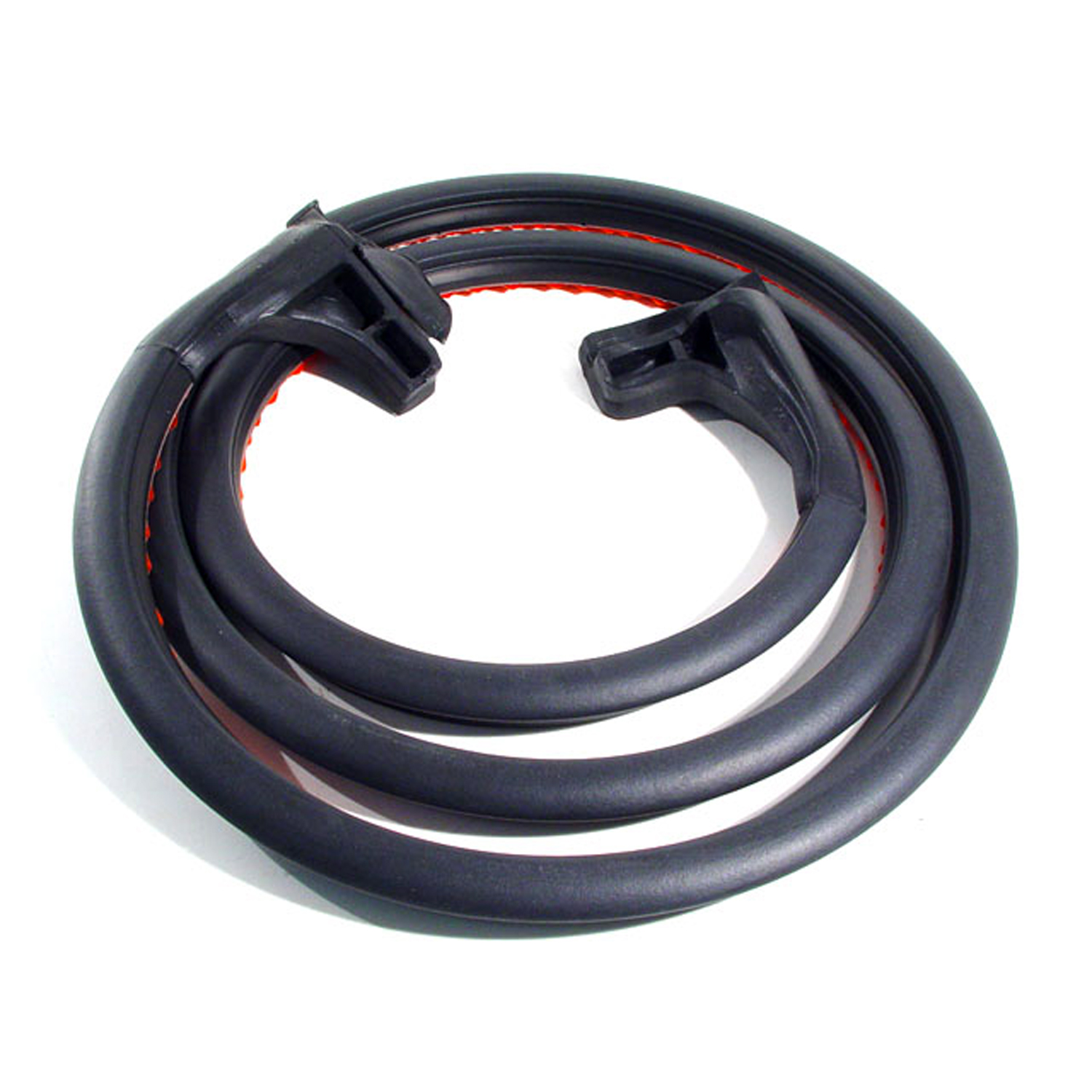 1982 Ford E-250 Econoline Left Rear Door Seal (Drivers Side)-LM 110-VTLeft Rear Door Seal (Drivers Side). Replaces OEM #E9UZ 1543723 A. Each
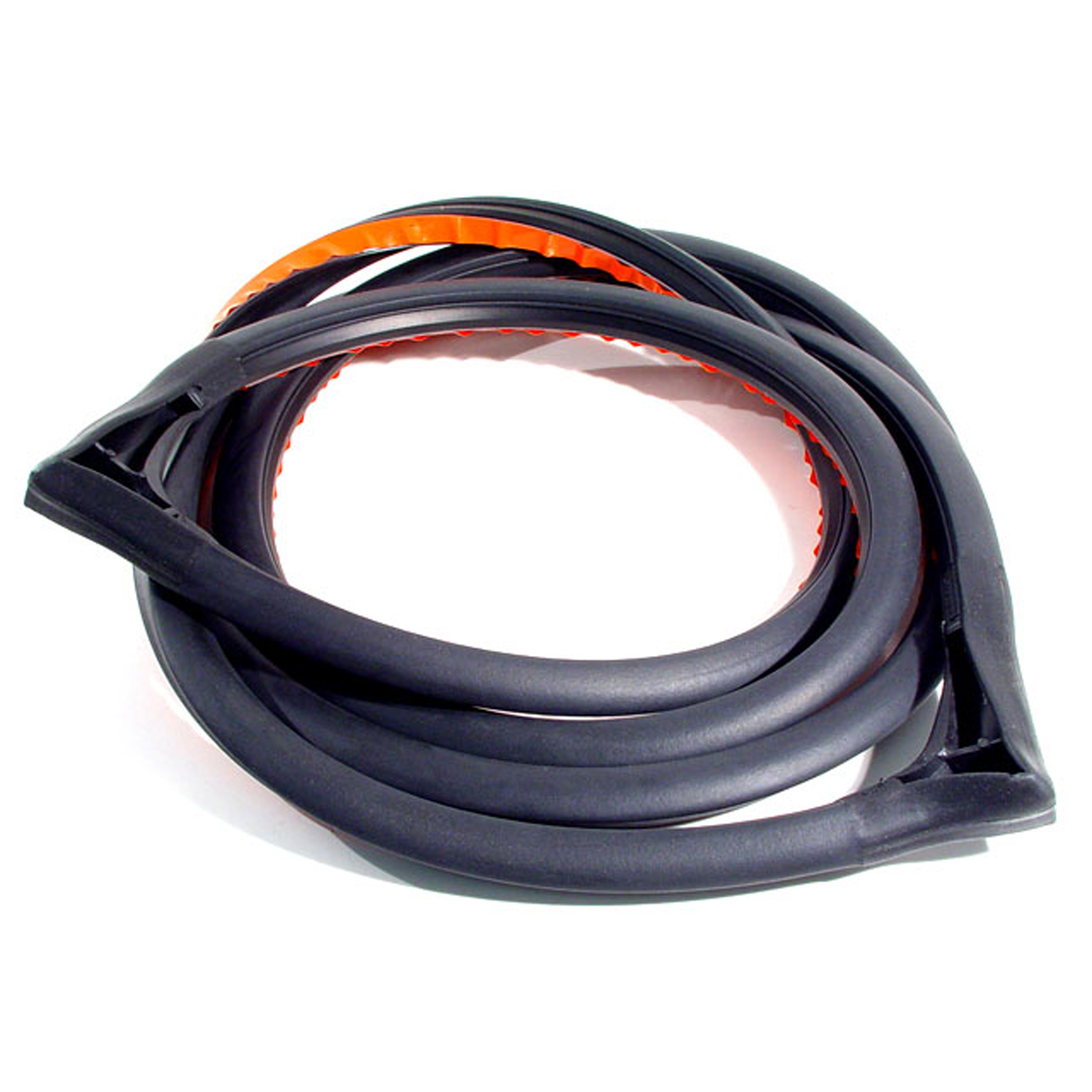 1982 Ford E-250 Econoline Right Rear Door Seal (Passenger Side)-LM 110-VURight Rear Door Seal (Passenger Side). Replaces OEM #F0UZ 1543722 A. Each
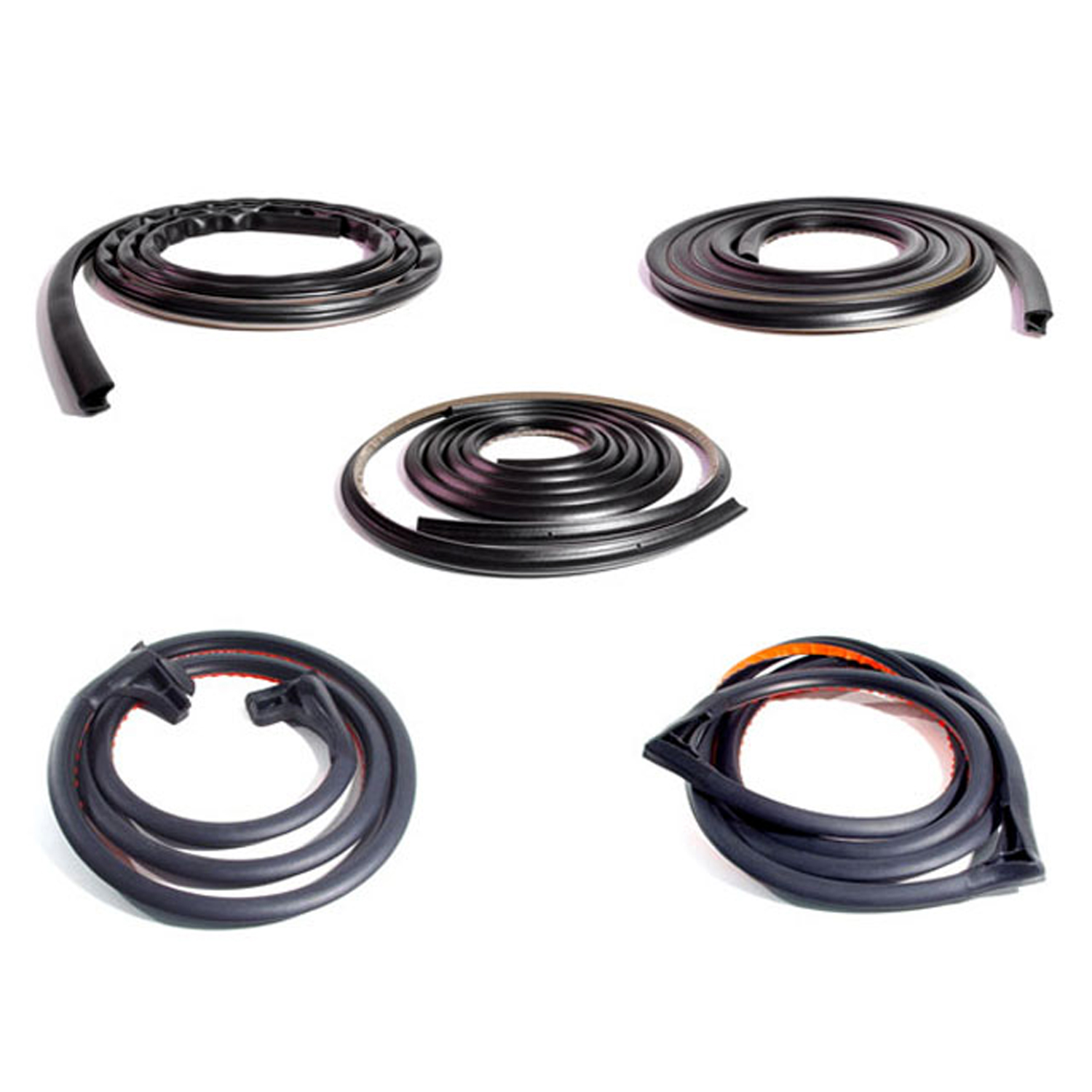 1982 Ford E-250 Econoline Basic Kit, for Models with Side Sliding Door-RKB 3000-100Basic Kit, for Models with Side Sliding Door. Front Left Door (LM 110-VL), Front Right Door (LM 110-VR), Back Left Door (LM 110-VT), Back Right Door (LM 110-VU), Side Sliding Door (LM 110-VS) Seals.
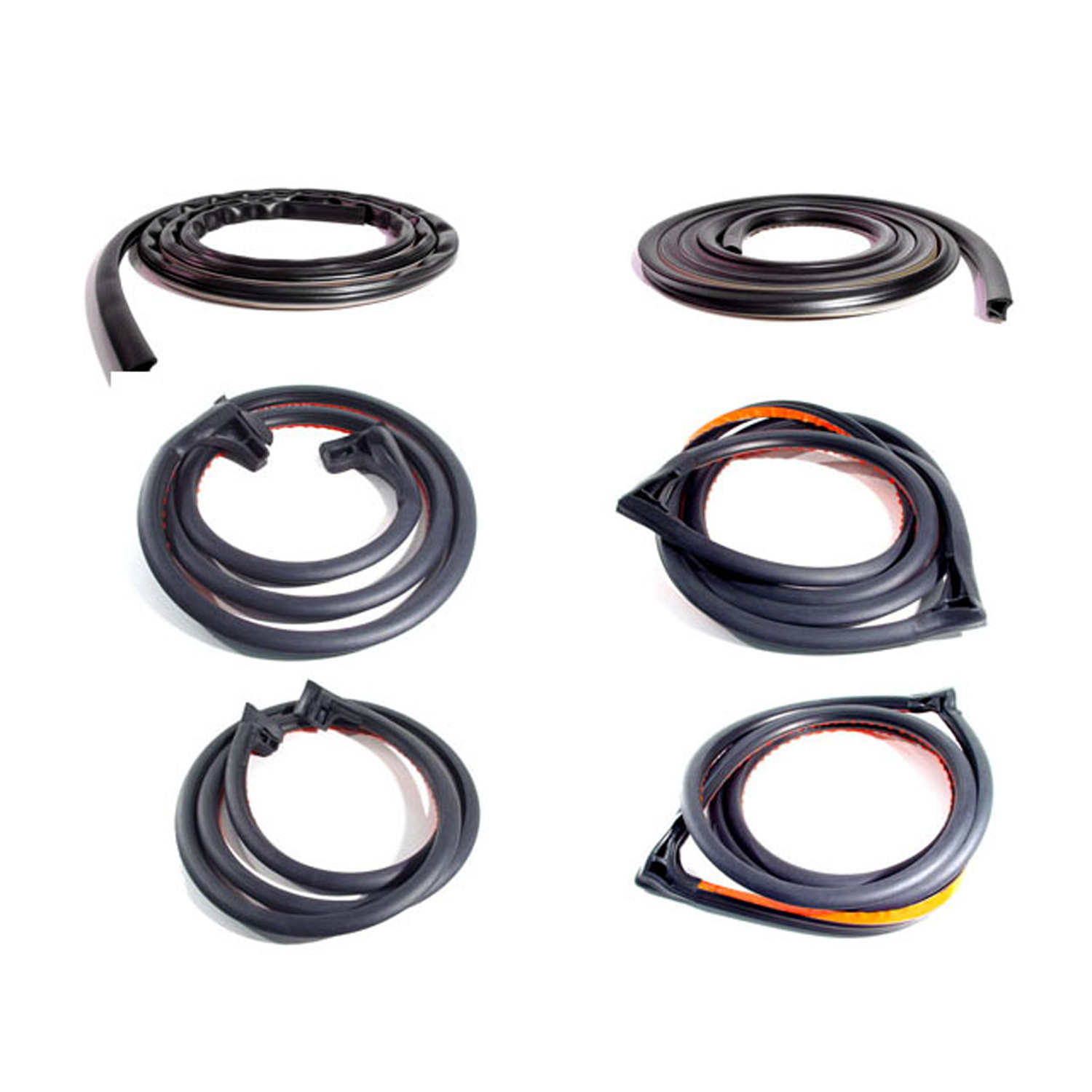 1982 Ford E-250 Econoline Basic Kit, for Models w/Side Cargo Door-RKB 3000-101Basic Kit, for Models w/Side Cargo Door. Front Left LM 110-VL), Front Right LM 110-VR), Back Left LM110-VT), Back Right LM 110-VU), Front Cargo Side (LM 110-VA), Rear Cargo Side (LM 110-VB) Door Seals.
Why Choose Metro?
For over 100 years, Metro Moulded Parts has been the pinnacle of quality in classic car restoration parts. Our commitment to precision and authenticity in every component ensures a perfect fit and an OEM-level appearance.
- Expert Craftsmanship & Quality: Each part is a testament to our dedication to reliability and perfection, crafted from original designs and thoroughly tested.
- Advanced Technology: We use cutting-edge techniques to create flawless, long-lasting parts that surpass others in performance.
- SuperSoft Sponge – The Ultimate Door Seal: Not only are our door seals 30% softer than competitors', but they're also guaranteed to never leak. They effectively reduce wind and road noise, enhancing your classic car's comfort and driving experience.
- Proudly American: Our parts are a product of American craftsmanship, made in the USA with a spirit of excellence and heritage.
- Unrivaled Warranty: We back our products with a 30-year industry-leading warranty, a testament to our confidence in their quality.
Join us in preserving the legacy of classic cars with parts that are crafted for perfection, not just made.