
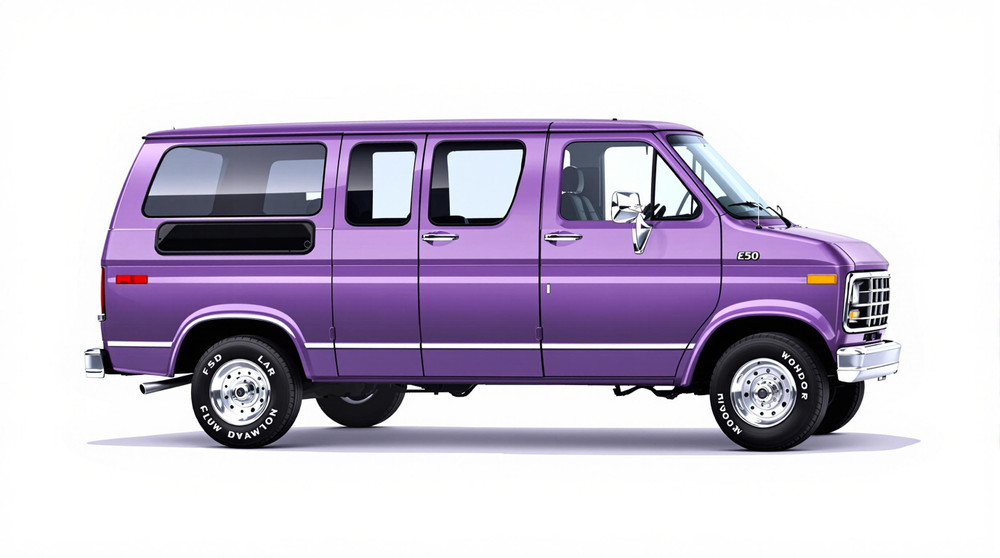
Image of 1982 Ford E-250 Econoline Club Wagon, Note: These illustrations use artistic license and may differ from actual historical models.
Performance Metrics
Fundamental Metrics
Emotional Appeal
MMP Rating
| Engine Specifications | |
|---|---|
| Engine Options: | 4.9L Inline 6, 5.8L V8, 6.6L V8, 7.5L V8 |
| Displacement Range: | 4.9L - 7.5L |
| Horsepower Range: | 120-210 HP |
| Torque: | 223-388 lb-ft |
| Compression Ratio: | 8.0:1 - 8.4:1 |
| Ignition System: | Distributor ignition |
| Cooling System: | Liquid cooled |
| Performance Specifications | |
| 0-60 Time: | Estimated 12-15 seconds |
| 1/4 Mile Time: | Estimated 18-20 seconds |
| Top Speed: | 85-95 mph |
| Transmission and Drive | |
| Drive Type: | Rear wheel drive |
| Transmission Type: | 3-speed automatic, 4-speed manual |
| Fuel and Efficiency | |
| Fuel System Type: | Carburetor |
| MPG: | Estimated 10-14 mpg |
| Dimensions and Brakes | |
| Brakes: | Front disc / Rear drum |
| Wheelbase: | 124 inches |
| Weight: | 4,500-5,500 lbs |
Note: Specifications for classic cars are given to the best of our ability, considering the limited and variant data available.
1982 Ford E-250 Club Wagon: A Full-Size Van With Staying Power
The 1982 Ford E-250 Econoline Club Wagon was built for people who needed room to bring the whole crew, the luggage, and perhaps a few pieces of furniture along for the ride. It combined the practical bones of Ford’s workhorse Econoline with passenger seating and more comfort-oriented trim, making it equally at home as a family hauler, shuttle, camper-conversion candidate, or business van.
Ford’s Econoline story began in 1961, but by 1982 the van had evolved into the familiar, front-engine, rear-wheel-drive layout that helped define the American full-size van. The E-250 designation marked a heavier-duty, three-quarter-ton version, while Club Wagon identified the passenger-oriented model. One useful point of context: the E-Series platform is still part of Ford’s commercial-van family today, a remarkable run for a design that became a fixture of American roads.
There is also an easy pop-culture mix-up worth clearing up. The famous black-and-gray van from The A-Team was a GMC Vandura, not a Ford Econoline. The E-250 Club Wagon made its own quieter mark, serving families, hotels, churches, tradespeople, and conversion-van companies across the country.
Boxy Style, Built for Space
The 1982 Econoline wore a straightforward, upright shape: a broad windshield, short hood, tall roof, flat sides, and a large grille framed by square-edged bodywork. Its styling was less about decoration than visibility and usable volume. The high seating position gave the driver a commanding view over the hood, while the van’s slab-sided profile made it easy to fit out with windows, seats, graphics, or conversion equipment.
Club Wagon versions were available in different seating and trim configurations, and E-Series vans came in more than one body length and wheelbase depending on the model and equipment. The passenger-focused Club Wagon could be ordered with multiple rows of seats; higher trim packages added a more finished cabin than the basic work-van interior. Ford’s exact combinations varied by configuration, so surviving vans can differ considerably in seating, glass, trim, and convenience equipment.
Inside, the emphasis was on durability and room. Expect sturdy vinyl or cloth upholstery, hard-wearing door panels, practical controls, and broad, simple surfaces rather than luxury-car detailing. Better-equipped examples could have carpeting, upgraded upholstery, captain’s chairs, woodgrain-look accents, air conditioning, an AM/FM radio, power steering, and power brakes. Rear-seat comfort depended on the seating layout and trim, and many vans were later altered by conversion companies with swiveling chairs, cabinets, beds, lighting, or entertainment equipment.
Ford offered the Econoline in a range of solid colors, with availability changing by trim and production details. Fleet-friendly white was a common sight, while blues, reds, tans, and other period shades gave privately owned vans more personality. Two-tone paint and decorative stripes were especially associated with the era’s passenger and conversion vans. Original paint codes and combinations are best checked against the vehicle’s data plate or factory documentation.
Engineering for Work and Passengers
The E-250’s central engineering idea was simple: put the engine ahead of the driver, use a sturdy ladder-style frame, and make the cabin large enough to handle people or cargo. That front-engine layout offered a different driving position and service arrangement from the earlier cab-forward Econoline. The result was a van that felt more conventional from behind the wheel while retaining the tall, spacious body that owners wanted.
Engine choices depended on the exact build, but the range included Ford’s 4.9-liter inline-six and V8 options such as the 5.0-liter and 5.8-liter. Transmission and axle combinations also varied. These were not high-tech powertrains by modern standards: carburetion and conventional automatic or manual transmissions were typical, with equipment shaped by emissions rules and the vehicle’s intended duty. The Club Wagon’s appeal lay in useful capacity and straightforward mechanicals, not cutting-edge electronics.
Compared with many passenger cars, the E-250 was designed around a tougher job. Its frame, rear-wheel-drive layout, and available heavier-duty components made it suitable for hauling passengers, carrying equipment, or serving as the basis for a camper or recreational conversion. It helped establish the full-size van as a flexible platform rather than a vehicle limited to commercial fleets.
Performance and Road Manners
Performance depended heavily on engine, gearing, transmission, vehicle weight, and passenger or cargo load. As a broad period-style estimate, a V8-powered E-250 might reach 0 to 60 mph in roughly 14 to 19 seconds. An inline-six or a heavily loaded van could take longer. Top speed is similarly configuration-dependent; a practical estimate for many examples is around 85 to 95 mph, though age, gearing, tires, and mechanical condition can change that substantially. These figures are estimates, not a single factory rating for every 1982 Club Wagon.
From the driver’s seat, the van feels tall, substantial, and workmanlike. The engine note is typically a muted six-cylinder hum or a deeper V8 rumble, depending on what is under the doghouse. Acceleration is deliberate, and the broad body catches crosswinds more than a car does. On smooth highways, the E-250 settles into an easy, steady cruise. Over bumps, its heavy-duty suspension can feel firm when the van is lightly loaded, while a full complement of passengers or cargo may make the ride more composed.
On winding roads, the high center of gravity and long body call for measured steering inputs. It is not a vehicle to hustle through corners. A careful driver will leave extra braking distance, account for the van’s width, and ease off the throttle in gusty conditions. In return, the elevated seating position and large windows provide a useful view of traffic and surroundings.
Ownership, Repairs, and Everyday Use
Owners used the Club Wagon as a family vehicle, airport or hotel shuttle, church van, small-business transport, and starting point for camper and conversion builds. It was also a natural choice for people who wanted a vehicle that could carry a crowd without moving into a bus-sized platform. Today, surviving examples often serve as vintage show vehicles, road-trip rigs, mobile workshops, or nostalgic weekend drivers.
Routine maintenance is generally familiar to a mechanic who knows older Ford trucks and vans. The engines and driveline are conventional, and many service items are straightforward. However, working on a van can be less convenient than working on a pickup because access to the engine is partly through the interior doghouse. A well-maintained example can be dependable, but age-related problems are now the bigger concern: rust, cooling-system wear, tired suspension parts, aging fuel and brake lines, electrical faults, and neglected transmission service.
Before buying, inspect the frame and body carefully, especially around the floors, wheel openings, lower body panels, and door sills. Check that the cooling system holds temperature under load, that the brakes stop the van evenly, and that all doors and windows operate properly. Conversion vans deserve extra attention to wiring and alterations, since added lights, appliances, or accessories may have been installed long ago.
Notable Facts and Common Misconceptions
The Club Wagon was not a separate chassis from the Econoline. It was the passenger-oriented member of the E-Series family, sharing the basic platform with cargo versions while offering passenger seating and comfort features. That shared foundation is one reason the platform could be adapted to so many roles, from basic transport to elaborate recreational conversions.
There is no widely cited, dependable production total for the specific 1982 E-250 Club Wagon configuration. Ford’s published figures do not always break vans down by model, trim, body length, engine, and seating layout in a way that gives collectors a precise count. A cautious estimate is that production was likely in the thousands to low tens of thousands, but that is a reasoned approximation, not a verified factory number. Specific combinations, especially well-preserved examples with desirable original equipment, are much harder to find than the broad model name suggests.
One common criticism is that the E-250 is thirsty by modern standards. Its tall shape, heavy construction, and older engines were not designed for fuel economy. Owners also note the firm ride when the van is empty, the effort required to park a full-size vehicle, and the need to monitor handling in crosswinds. Those drawbacks are part of the trade-off for its generous interior and sturdy construction.
Collector Value and Market Outlook
Condition, rust, originality, engine, seating arrangement, and conversion quality all have a major effect on value. As a general U.S. market guide, a project or rough driver might sell for about $1,500 to $4,000. A usable, roadworthy example commonly falls around $4,000 to $10,000, while a clean, carefully maintained van may bring roughly $10,000 to $18,000. Exceptional restorations or appealing period conversion vans can exceed that range, particularly when their equipment and workmanship are documented.
These are broad estimates rather than a formal appraisal. Regional demand and the condition of the frame can shift the price sharply. The market has become more interested in classic vans, especially period-correct camper and conversion models, but the E-250 Club Wagon remains a niche collectible rather than a blue-chip investment. Good examples are not impossible to find, though rust-free, unmodified vans with strong records are increasingly scarce.
Over time, the model’s value is likely to favor originality, sound structure, and thoughtful restoration. A flashy conversion is not automatically worth more: buyers often pay a premium for safe, functional upgrades and well-documented work, while poorly executed modifications can reduce appeal.
Why the 1982 E-250 Still Matters
The 1982 Ford E-250 Econoline Club Wagon was not built to set a speed record or turn heads with exotic styling. Its achievement was more practical: it brought a large, adaptable cabin together with truck-based durability and passenger-car-style usability. That combination made the full-size van a familiar part of American family, business, and travel life.
Today, a good Club Wagon offers more than old-school space. It delivers a distinctive driving experience, straightforward mechanical character, and a direct link to the era when a van could be a family coach, work tool, or rolling vacation plan. In a world of look-alike crossovers, the E-250 remains unmistakably its own machine.
1982 Ford E-250 Econoline Club Wagon Catalog of Parts
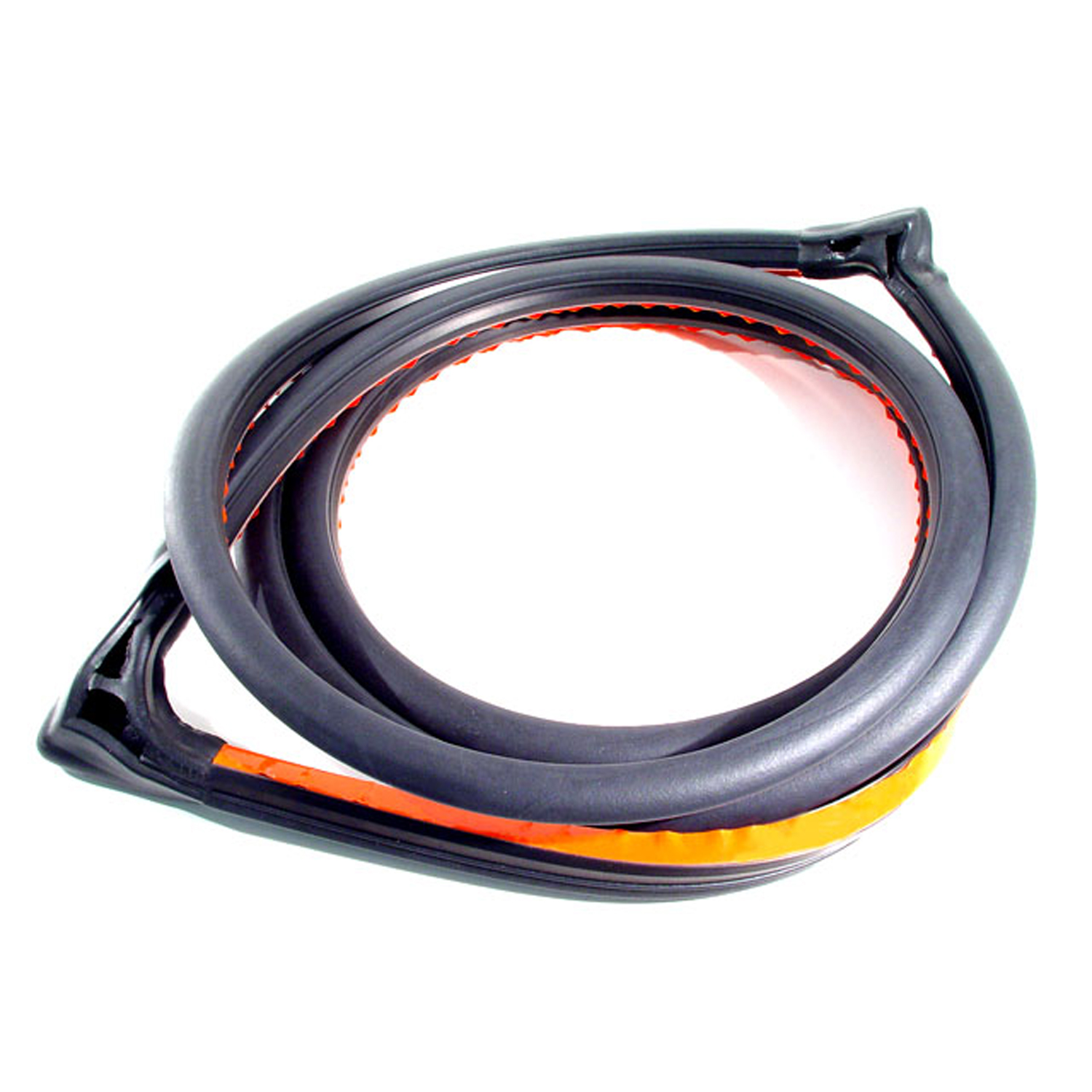 1982 Ford E-250 Econoline Club Wagon Front Side Cargo Door Seal-LM 110-VAFront Side Cargo Door Seal (fits front right side of cargo door). Replaces OEM #E9UZ 1525324 B. For rear (left side) matching seal, see LM 110-VB. Each
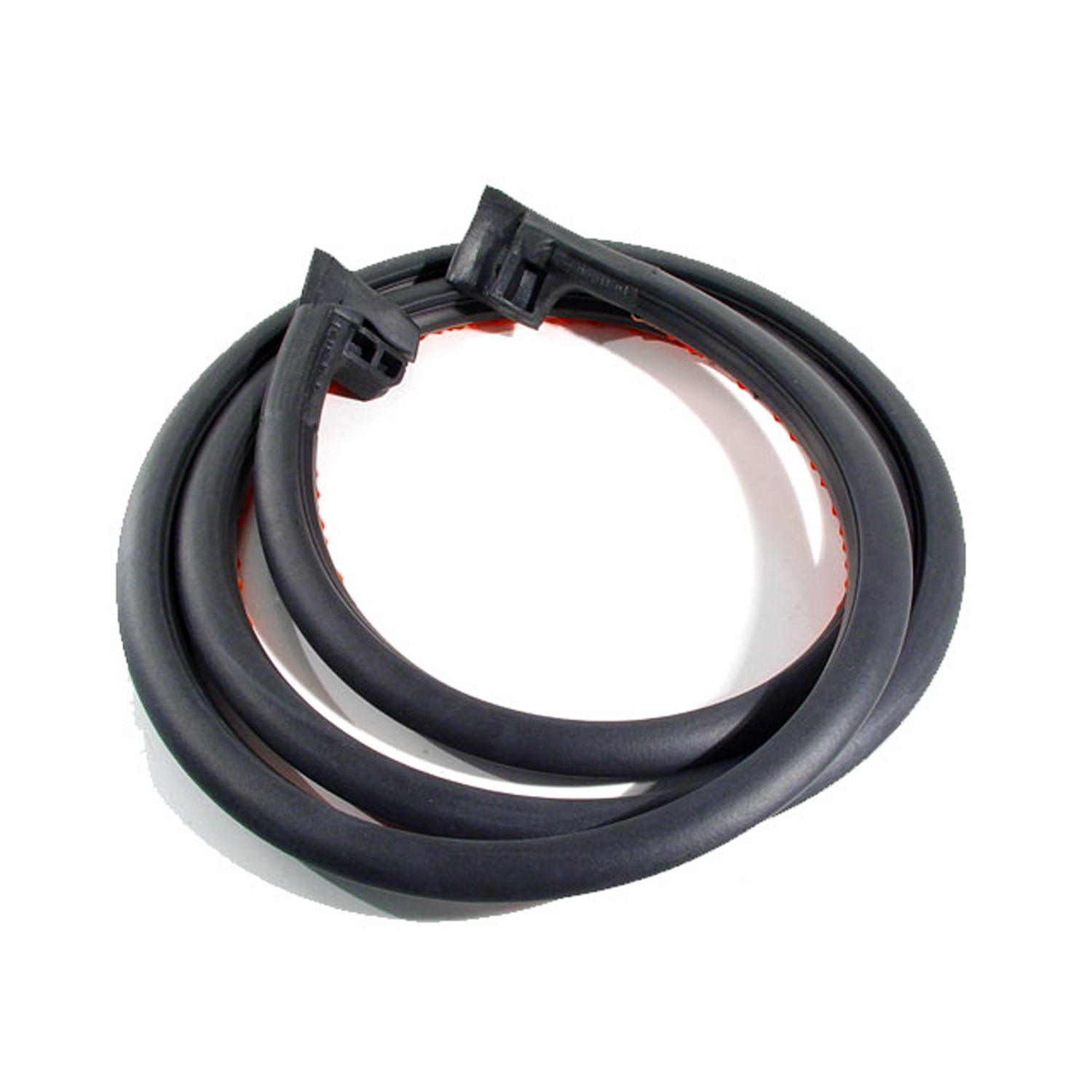 1982 Ford E-250 Econoline Club Wagon Rear Side Cargo Door Seal-LM 110-VBRear Side Cargo Door Seal (fits rear left side of cargo door). Replaces OEM #E9UZ 1525325 B. For front (right side) matching seal, see LM 110-VA. Each
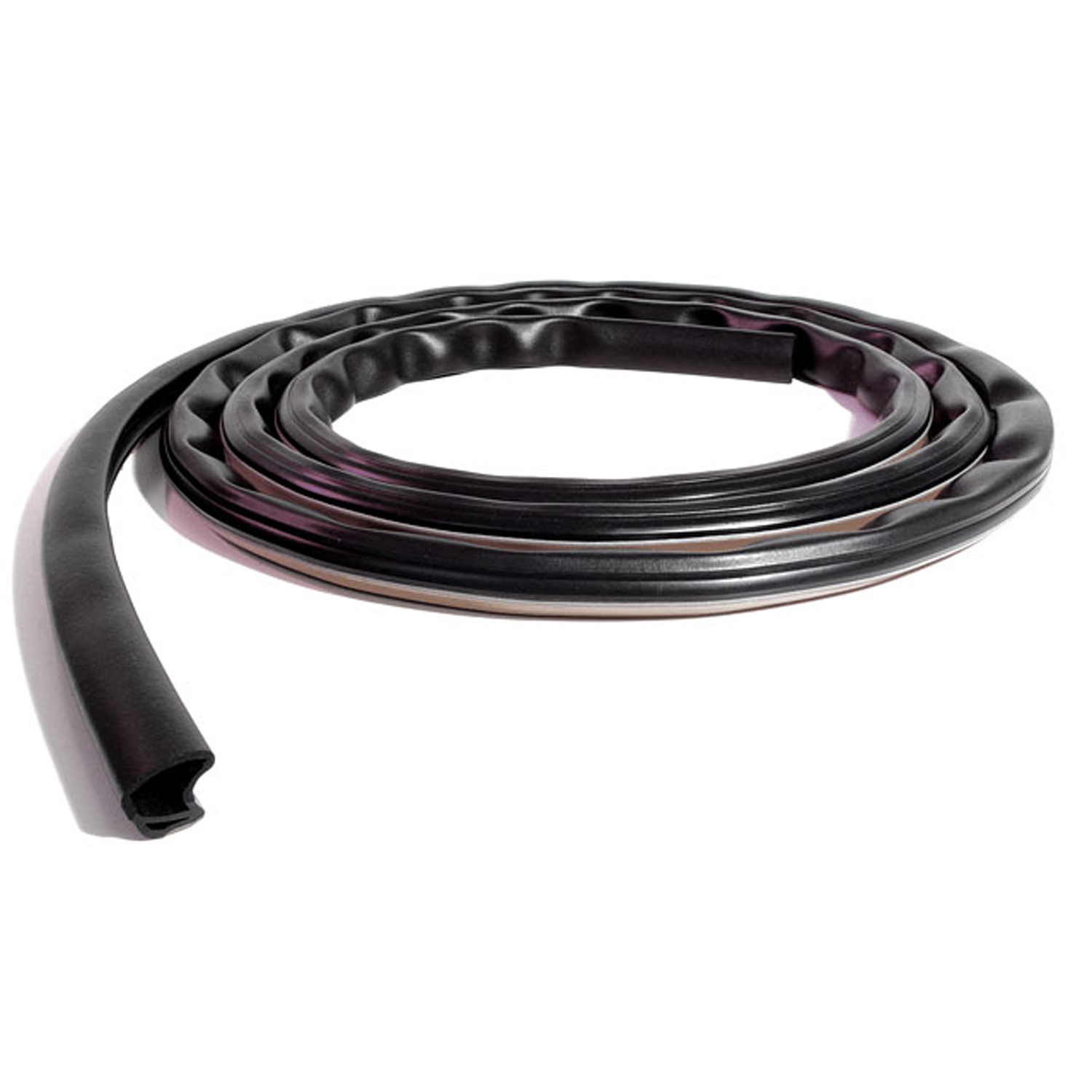 1982 Ford E-250 Econoline Club Wagon Left Front (drivers side) Door Seal. Each-LM 110-VLLeft Front (drivers side) Door Seal. Each
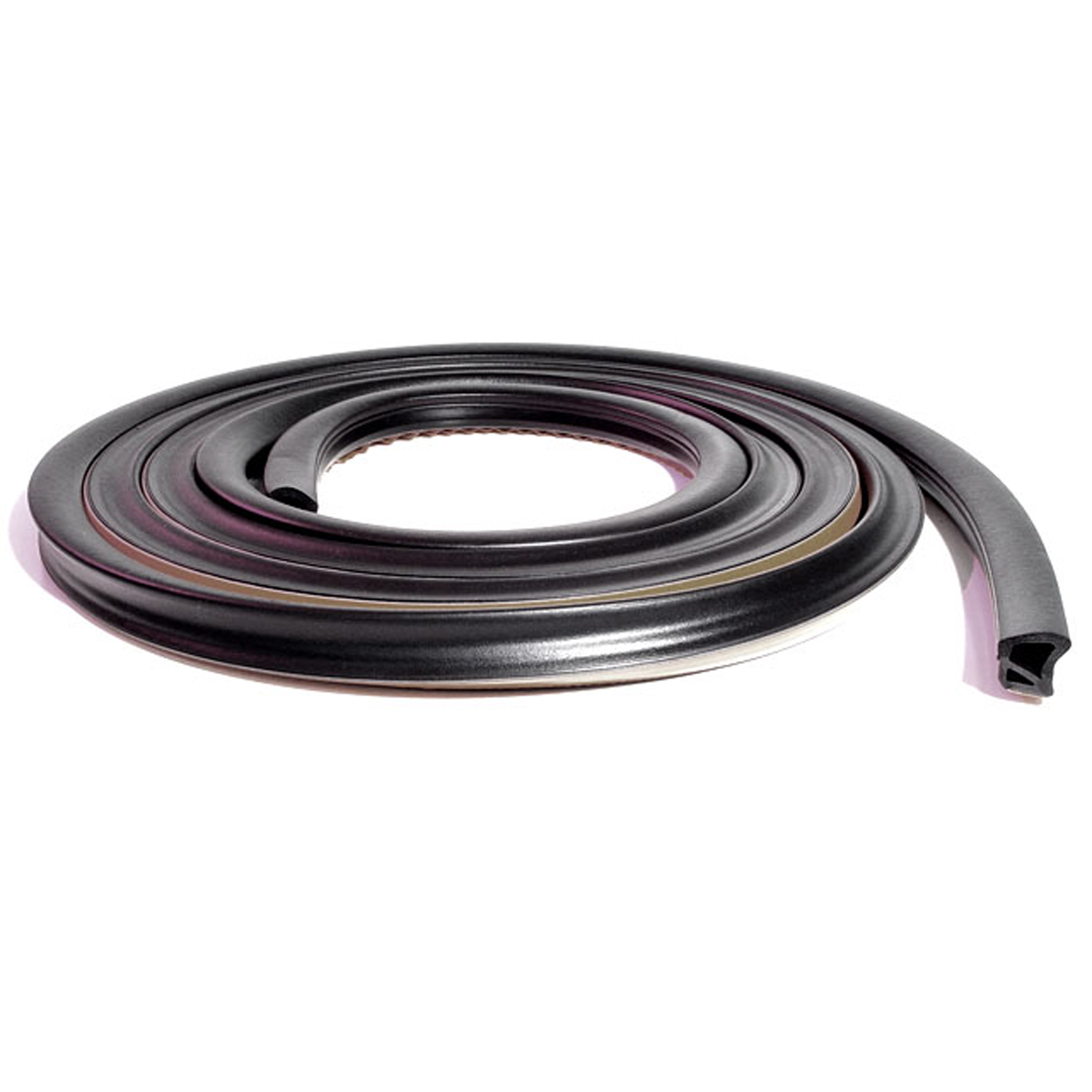 1982 Ford E-250 Econoline Club Wagon Right Front (passenger side) Door Seal. Each-LM 110-VRRight Front (passenger side) Door Seal. Each
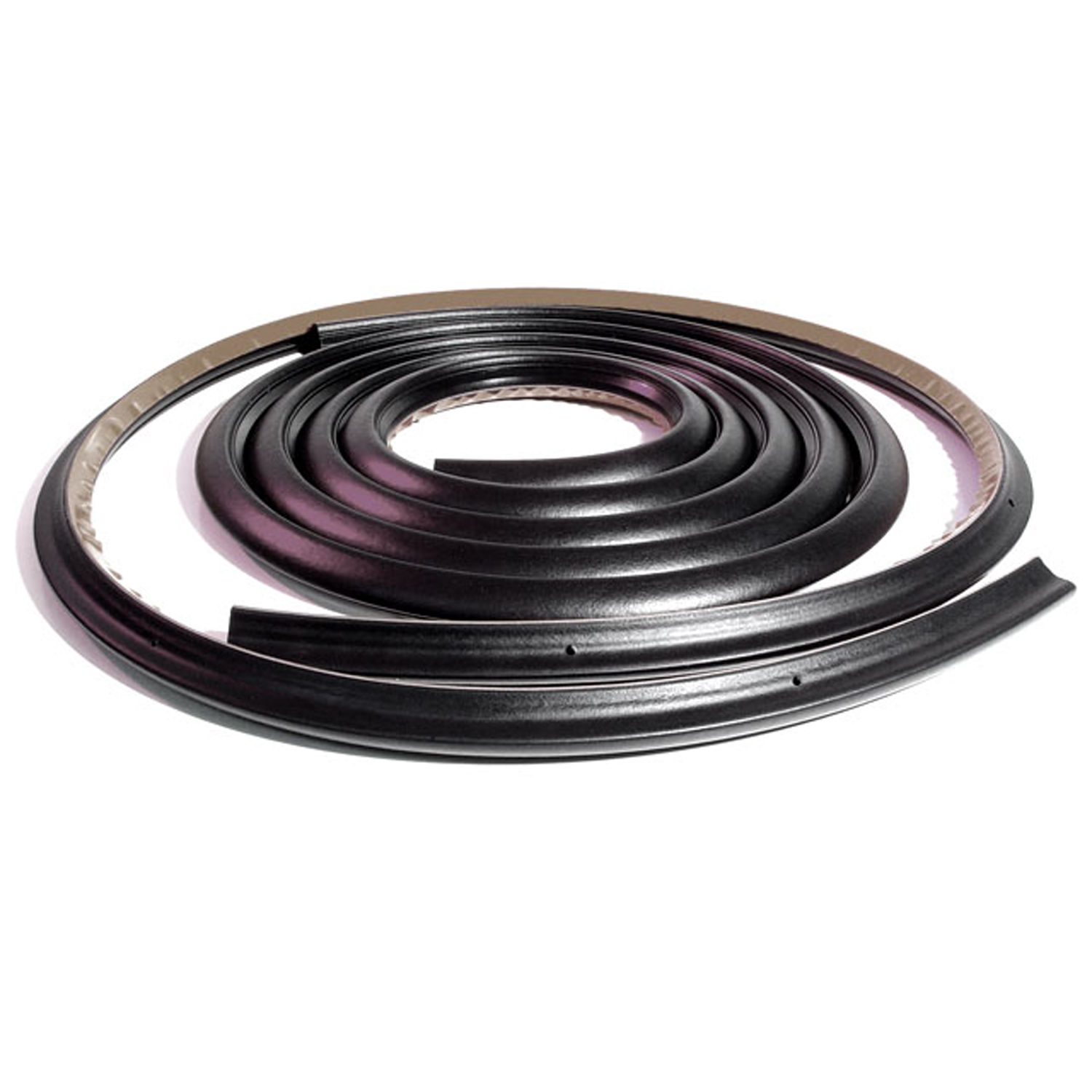 1982 Ford E-250 Econoline Club Wagon Side Slider Door Seal. Each-LM 110-VSSide Slider Door Seal. Each
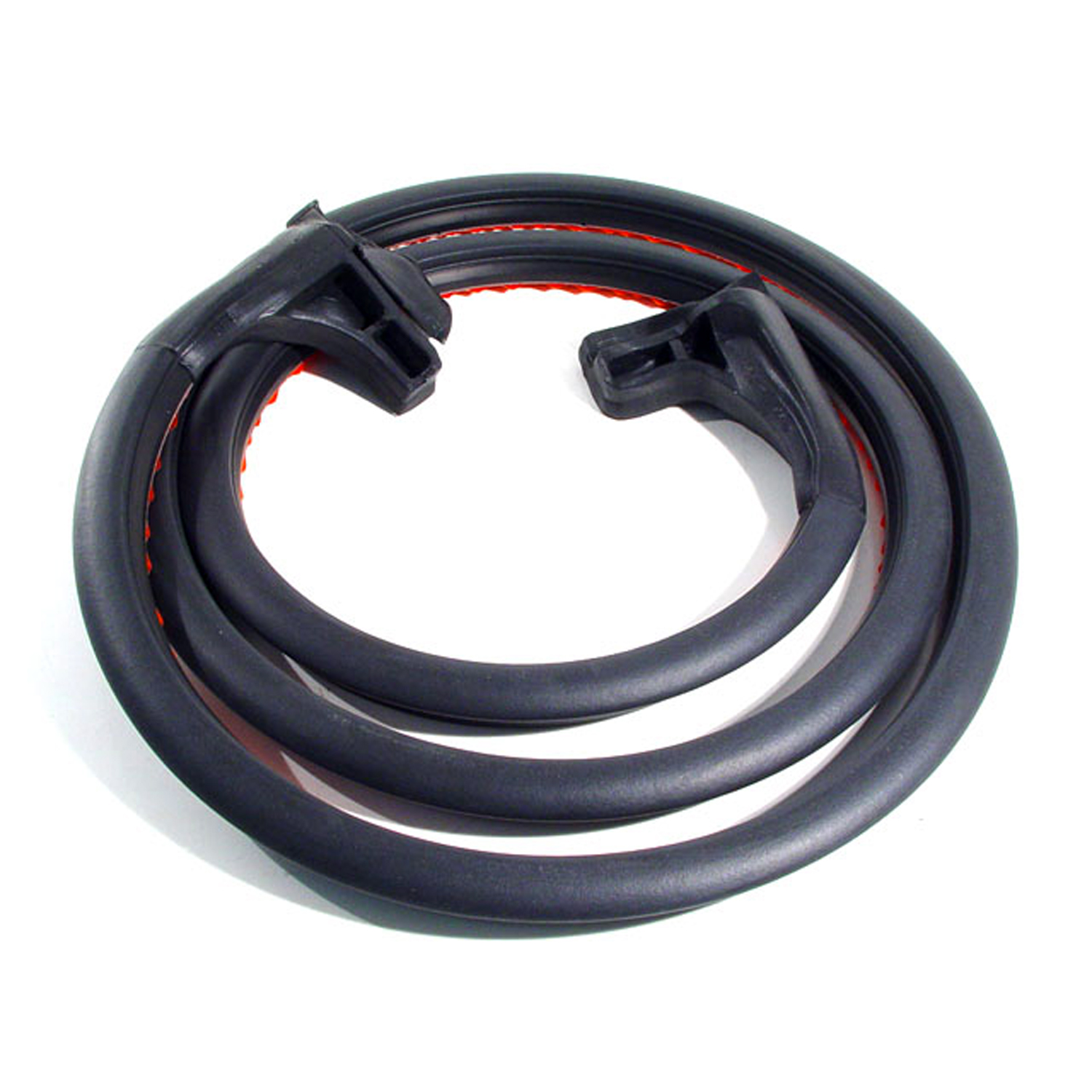 1982 Ford E-250 Econoline Club Wagon Left Rear Door Seal (Drivers Side)-LM 110-VTLeft Rear Door Seal (Drivers Side). Replaces OEM #E9UZ 1543723 A. Each
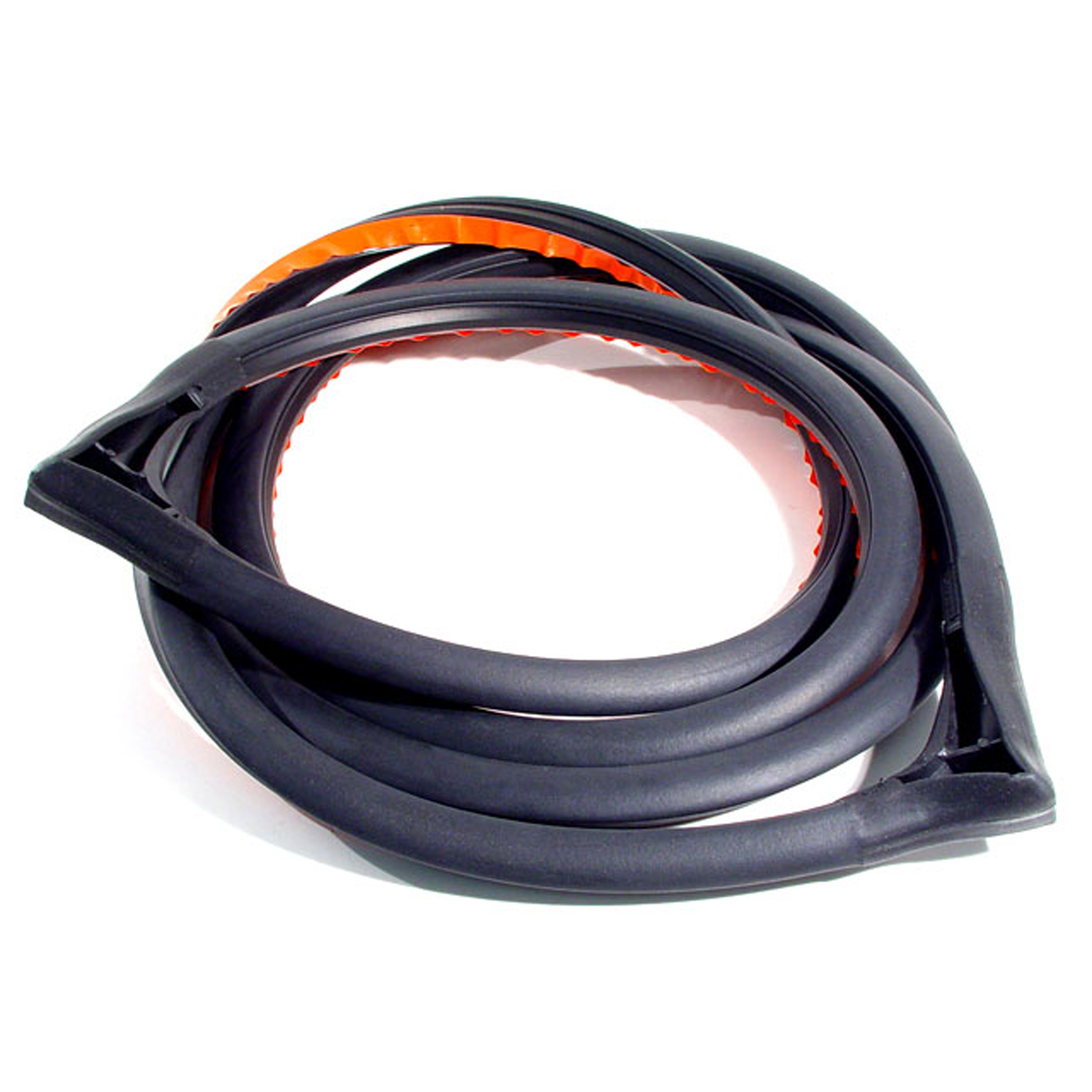 1982 Ford E-250 Econoline Club Wagon Right Rear Door Seal (Passenger Side)-LM 110-VURight Rear Door Seal (Passenger Side). Replaces OEM #F0UZ 1543722 A. Each
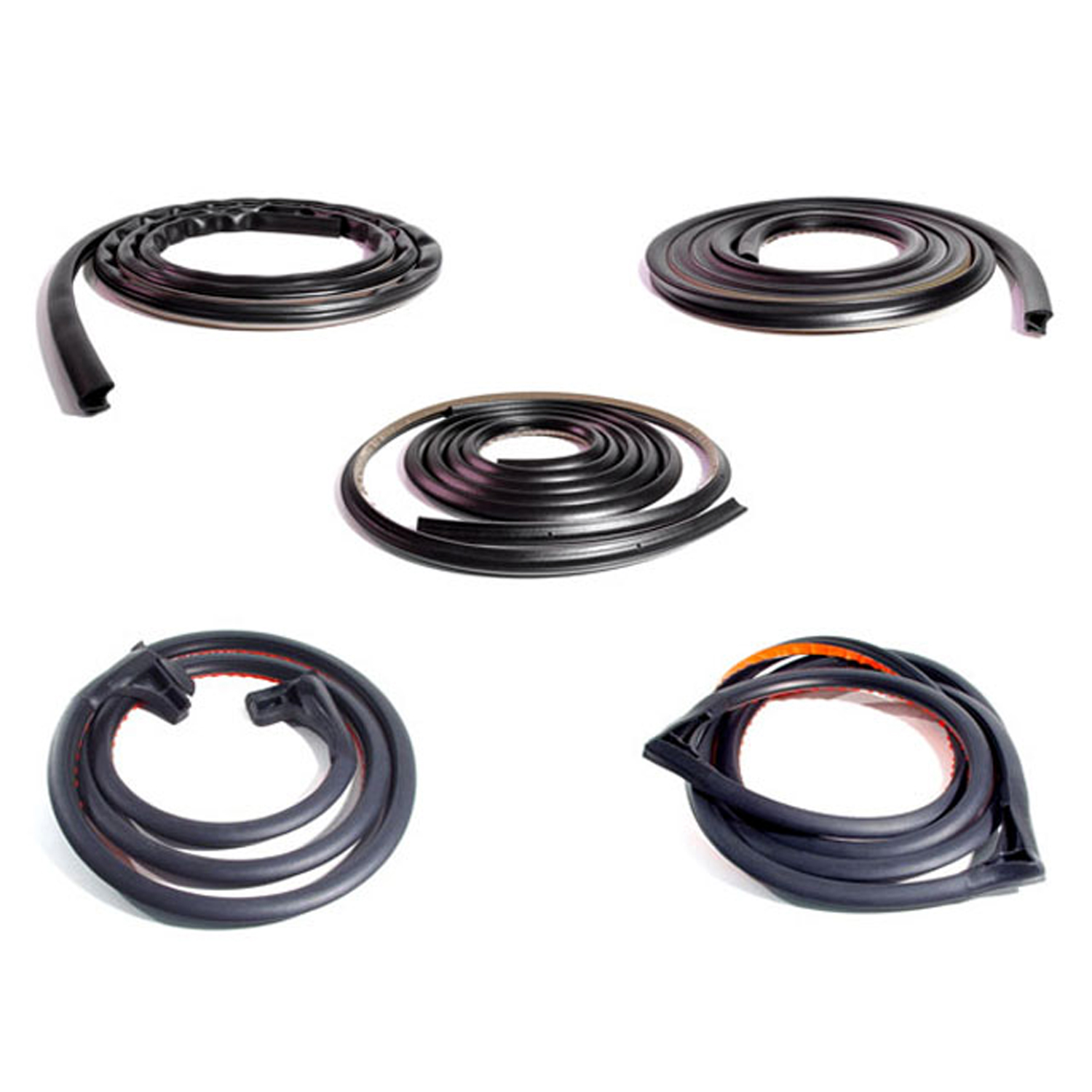 1982 Ford E-250 Econoline Club Wagon Basic Kit, for Models with Side Sliding Door-RKB 3000-100Basic Kit, for Models with Side Sliding Door. Front Left Door (LM 110-VL), Front Right Door (LM 110-VR), Back Left Door (LM 110-VT), Back Right Door (LM 110-VU), Side Sliding Door (LM 110-VS) Seals.
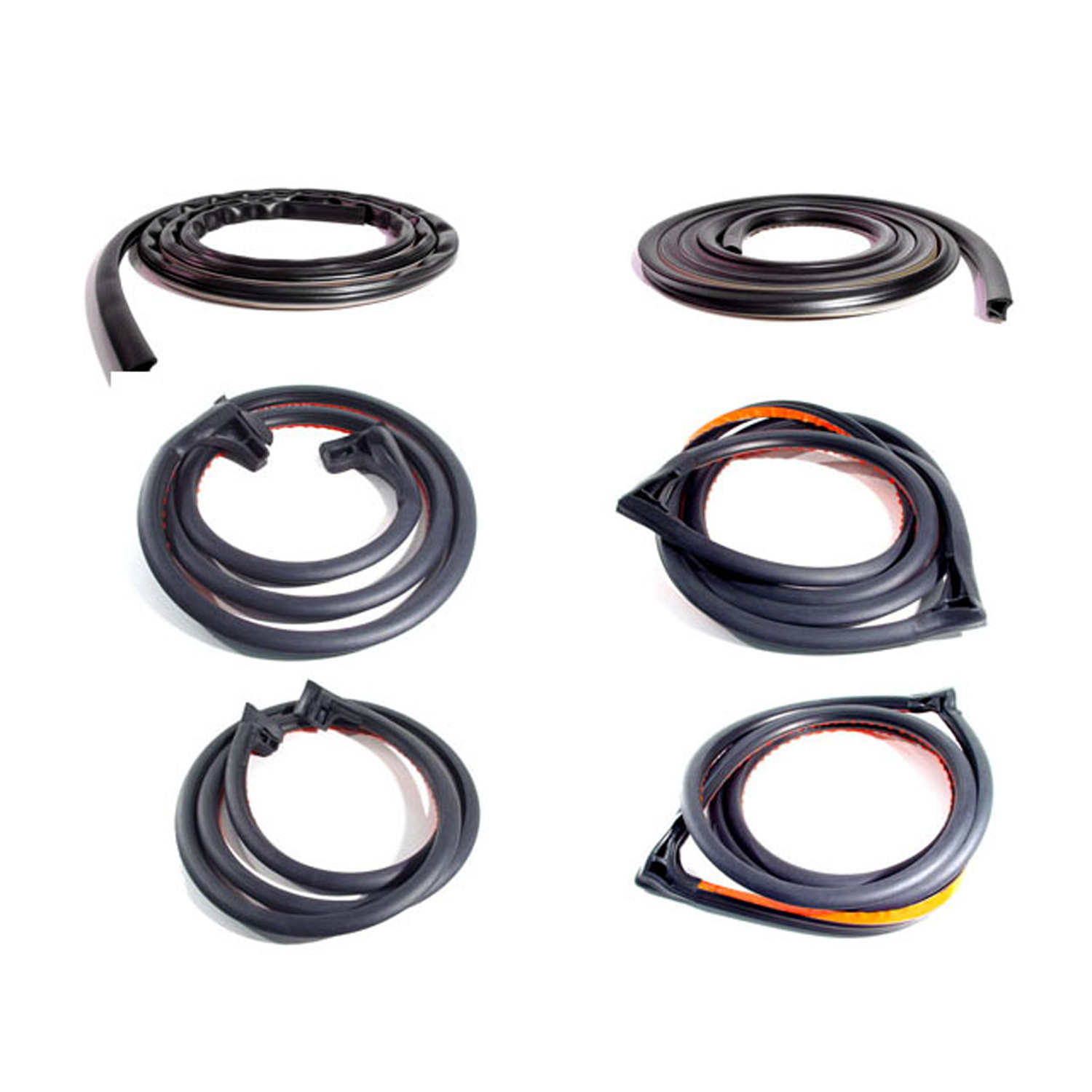 1982 Ford E-250 Econoline Club Wagon Basic Kit, for Models w/Side Cargo Door-RKB 3000-101Basic Kit, for Models w/Side Cargo Door. Front Left LM 110-VL), Front Right LM 110-VR), Back Left LM110-VT), Back Right LM 110-VU), Front Cargo Side (LM 110-VA), Rear Cargo Side (LM 110-VB) Door Seals.
Why Choose Metro?
For over 100 years, Metro Moulded Parts has been the pinnacle of quality in classic car restoration parts. Our commitment to precision and authenticity in every component ensures a perfect fit and an OEM-level appearance.
- Expert Craftsmanship & Quality: Each part is a testament to our dedication to reliability and perfection, crafted from original designs and thoroughly tested.
- Advanced Technology: We use cutting-edge techniques to create flawless, long-lasting parts that surpass others in performance.
- SuperSoft Sponge – The Ultimate Door Seal: Not only are our door seals 30% softer than competitors', but they're also guaranteed to never leak. They effectively reduce wind and road noise, enhancing your classic car's comfort and driving experience.
- Proudly American: Our parts are a product of American craftsmanship, made in the USA with a spirit of excellence and heritage.
- Unrivaled Warranty: We back our products with a 30-year industry-leading warranty, a testament to our confidence in their quality.
Join us in preserving the legacy of classic cars with parts that are crafted for perfection, not just made.