

Image of 1982 Ford E-350 Econoline, Note: These illustrations use artistic license and may differ from actual historical models.
Performance Metrics
Fundamental Metrics
Emotional Appeal
MMP Rating
| Engine Specifications | |
|---|---|
| Engine: | 4.9L Inline 6, 5.8L V8, 7.5L V8 |
| Displacement: | 4.9L - 7.5L |
| Horsepower: | 101 - 245 hp (estimated) |
| Torque: | 223 - 362 lb-ft (estimated) |
| Compression Ratio: | 8.0:1 - 8.4:1 (estimated) |
| Ignition System: | Distributor ignition |
| Cooling System: | Liquid cooled |
| Performance Specifications | |
| 0-60 Time: | 12 - 15 seconds (estimated) |
| 1/4 Mile Time: | 18 - 20 seconds (estimated) |
| Top Speed: | 85 - 100 mph (estimated) |
| Transmission and Drive | |
| Drive Type: | Rear-wheel drive |
| Transmission Type: | 3-speed automatic, 4-speed manual |
| Fuel and Efficiency | |
| Fuel System Type: | Carburetor |
| MPG: | 10 - 14 mpg (estimated) |
| Dimensions and Brakes | |
| Brakes: | Front disc / Rear drum |
| Wheelbase: | 138 in |
| Weight: | 4,500 - 5,500 lbs (estimated) |
Note: Specifications for classic cars are given to the best of our ability, considering the limited and variant data available.
1982 Ford E-350 Econoline: The One-Ton Van With a Big Job
The 1982 Ford E-350 Econoline was less a stylish accessory than a rolling solution: a full-size, one-ton van built to carry people, tools, deliveries, or an entire camper interior. Made by Ford Motor Company in the United States, it belonged to the third-generation Econoline family, introduced for 1975. By 1982, the van had become a familiar sight in commercial fleets and a popular foundation for passenger conversions, emergency vehicles, and recreational vehicles.
The E-350 sat at the heavy-duty end of the Econoline range, above the E-150 and E-250. Its sturdy body-on-frame construction and truck-derived hardware gave it the payload capacity and adaptability that businesses needed. One detail that helps explain its lasting appeal is how often the van was sold not as a finished vehicle, but as a starting point. Cutaway versions could be fitted with box bodies, shuttle interiors, ambulances, or motorhome coachwork, giving the E-350 a second life well beyond the factory assembly line.
Square-Jawed Styling and a Work-Ready Cabin
The 1982 Econoline wore the straightforward, upright shape that defined full-size American vans of the era. Its broad nose, tall windshield, nearly vertical sides, and large rectangular body panels prioritized interior volume and easy upfitting over aerodynamic flair. The front end looked related in spirit to Ford’s trucks, while the short hood and cab-forward proportions made clear that this was a van designed to make the most of its footprint.
Inside, the E-350 was practical rather than plush. A cargo model typically had durable vinyl seating, simple door trim, and a hard-wearing floor that could tolerate muddy boots or sliding freight. Passenger and Club Wagon versions could be ordered with more comfortable seating and upgraded trim. The dashboard was functional, with large, legible controls and instruments, and the high seating position gave the driver a commanding view of traffic. Power steering, power brakes, air conditioning, upgraded upholstery, and an AM/FM radio were among the kinds of comfort and convenience features buyers could specify, depending on configuration.
Technology was modest by modern standards, but useful for the time. The E-350’s appeal lay in its robust chassis, conventional mechanical systems, and compatibility with Ford truck components, not electronic gadgets. Buyers could choose manual or automatic transmissions and a range of engines suited to different loads and budgets. Common gasoline choices included Ford’s 4.9-liter inline-six in some configurations and V8s such as the 5.0-liter, 5.8-liter, and 7.5-liter, with availability varying by specification and market. The largest V8 was the natural choice for owners expecting to haul heavy loads or tow regularly.
Ford offered the Econoline in a broad range of paint colors, from subdued whites, creams, and fleet-friendly tones to brighter blues, reds, and greens. White was especially common on commercial vans because it was easy to maintain, easy to letter, and helped keep the cabin cooler in direct sun. The most recognizable E-350 forms were the standard cargo van and the passenger-oriented Club Wagon. Chassis-cab and cutaway models were equally important to the E-350’s working life, particularly for specialty bodies and motorhome conversions.
Why the Econoline Became a Fleet Favorite
The Econoline’s significance comes from its usefulness and adaptability. Ford’s 1975 redesign gave the van a heavier-duty, more conventional front-engine layout than earlier compact vans. That approach made room for larger engines and stronger chassis components while creating a practical platform that could be tailored to many jobs. The E-350 extended that formula to customers who needed more carrying capacity than a light-duty van could provide.
Compared with smaller vans and many passenger cars of the period, the E-350 was unapologetically substantial. It could transport a full crew, carry bulky equipment, or serve as the base for a specialized commercial body. Its influence was less about introducing a single headline-grabbing technology and more about helping establish the full-size van as a flexible American work vehicle. Later generations continued the same basic mission, and the E-Series remained in production for decades, a testament to how well the basic concept served businesses and conversion companies.
The 1982 model is also a snapshot of the period before modern vans became more carlike. Its steering, braking, and cabin layout were distinctly truck-oriented, and its broad range of body and equipment choices reflected a time when buyers could configure a vehicle for a very specific line of work. That simplicity is part of what makes the model approachable to hands-on owners today.
V8 Muscle, Truck Manners, and Road Feel
Ford did not market the E-350 as a performance vehicle, and its speed depended heavily on engine, gearing, body style, passenger or cargo weight, and condition. As a general estimate, a healthy gasoline-powered example might reach roughly 75 to 90 mph, while a 0-to-60-mph run could take around 14 to 20 seconds or longer when heavily loaded. These are broad period-style estimates, not a single factory figure for every E-350 configuration. A large, weighty motorhome conversion would be slower still.
On the road, the E-350 feels like a one-ton truck wearing a van body. The steering is relatively slow, the turning circle is generous, and the tall body leans more than a passenger car through corners. Its heavy-duty suspension can feel firm when the van is empty, while a load often settles the ride and gives the chassis a more composed feel. Over potholes and broken pavement, expect trucklike impacts rather than modern van refinement.
Wind is another part of the experience. The tall, flat sides catch crosswinds, so the driver may need to make small corrections on exposed highways. On winding roads, a measured pace is the sensible approach, especially in a high-roof conversion or when carrying cargo. The cabin is noisy by today’s standards, with engine sound, tire noise, and wind all making themselves heard. A V8 brings a familiar low rumble, while the driver works through a large steering wheel and broad pedals that feel made for sturdy boots rather than delicate inputs.
Living With a 1982 E-350
Owners have used the E-350 as a delivery van, contractor’s rig, shuttle, camper, classic show vehicle, and weekend adventure van. Its most natural role is still practical transport, but well-presented examples have also found an audience among vintage-van enthusiasts and people seeking a simpler camper project. The cutaway and chassis-cab versions are especially appealing to owners who want a particular layout rather than a standard van interior.
Routine maintenance is familiar to anyone comfortable with older Ford trucks. The mechanical systems are largely conventional, and many service parts remain available through classic-car, truck, and general replacement-parts channels. The engine bay is accessed through the interior doghouse, which can make some jobs cramped and warm, but common repairs do not require modern diagnostic equipment. A home mechanic with appropriate tools and a workshop manual can handle many basic tasks.
Age is the larger challenge. Buyers should inspect the frame, suspension mounting points, floor, wheel arches, and lower body panels for corrosion. They should also check the cooling system, transmission behavior, steering play, brake condition, and the doghouse area for signs of heat damage or poor repairs. On a converted van, the quality of electrical, plumbing, and interior work matters as much as the condition of the original Ford components. A low purchase price can quickly lose its appeal if the van needs extensive rust repair or a full drivetrain rebuild.
Little-Known E-350 Details
The E-350’s most unusual claim to fame is really a category of achievements: it could become almost anything. The same basic platform could leave the factory as a cargo van and later serve as a box truck, passenger shuttle, emergency vehicle, or motorhome. That variety makes it difficult to identify a single “rare edition” that defines the model. Unusual factory equipment, surviving original fleet vans, and well-documented period conversions are often more interesting to collectors than a particular trim badge.
There is no widely recognized production or speed record specific to the 1982 E-350. Nor is there a dependable public tally for how many E-350s were built that year across all body styles and configurations. As a rough, non-factory estimate, production may have been in the tens of thousands, perhaps around 20,000 to 40,000 units. That estimate should be treated cautiously because Ford’s figures can combine model lines and body types, while many E-350s were completed by outside converters.
The van’s common criticisms are easy to understand: thirsty fuel consumption, a large turning circle, wind sensitivity, modest acceleration, and a cabin that can be loud and hot. Those traits are part of the bargain with a heavy-duty van from the early 1980s. In return, owners get a simple, versatile platform with room for people or equipment and a character that modern, more polished vans often lack.
Collector Value and Market Outlook
Value depends more on condition and configuration than on the E-350 badge alone. As a broad current-market guide, a rough or project-grade cargo van might sell for about $3,000 to $8,000. A running, usable example in decent condition could fall around $8,000 to $18,000, while a clean, carefully restored van or a desirable, well-executed camper conversion may reach roughly $20,000 to $40,000 or more. Exceptional custom builds can exceed that range, but they are valued as individual projects rather than by a standard guide price.
Unmodified commercial vans in average condition are not especially rare, although clean survivors are becoming harder to find after decades of hard work. Original paint, sound metal, documented history, and a well-preserved interior can all improve desirability. Camper conversions have a broader audience, but their value depends on workmanship, safety, and whether the layout suits modern buyers.
Prices for older vans have strengthened as interest in vintage campers and practical classics has grown, especially for rust-free examples. The 1982 E-350 is not generally a fast-rising investment car, and its heavy fuel use and large size limit the buyer pool. Still, the better examples are likely to hold their appeal more firmly than worn fleet survivors, and well-built conversions can command a meaningful premium.
The 1982 Econoline’s Lasting Appeal
The 1982 Ford E-350 Econoline was built to work, and its lasting significance comes from just how many kinds of work it could do. Its sturdy one-ton platform, truck-based mechanicals, and wide range of body configurations made it a dependable foundation for businesses, conversion companies, and independent owners. It is not quick or delicate, but it is practical, characterful, and comparatively straightforward to understand.
Today, a good E-350 offers more than vintage looks. It carries the story of an era when one rugged van could be a delivery vehicle on Monday and a motorhome by Friday. For anyone willing to accept its old-school manners, the 1982 Econoline remains a remarkably capable piece of American automotive history.
1982 Ford E-350 Econoline Catalog of Parts
 1982 Ford E-350 Econoline Brake Pedal Pad. 4-3/4" wide X 2-1/4" long-CB 111-NBrake Pedal Pad. 4-3/4" wide X 2-1/4" long. Replaces OEM #'s BC3Z2457B, D3TZ2457A, D3TZ2457B. Each
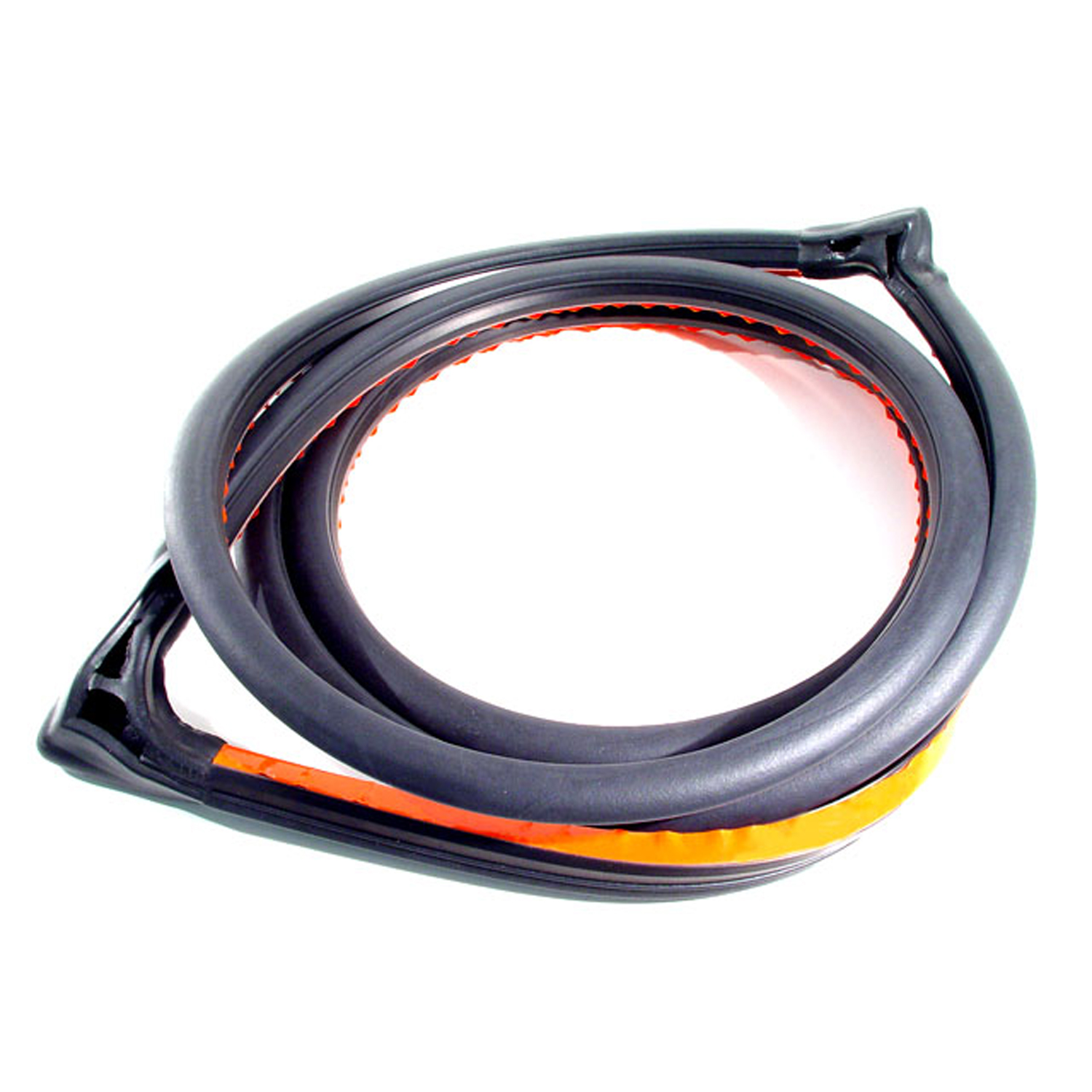 1982 Ford E-350 Econoline Front Side Cargo Door Seal-LM 110-VAFront Side Cargo Door Seal (fits front right side of cargo door). Replaces OEM #E9UZ 1525324 B. For rear (left side) matching seal, see LM 110-VB. Each
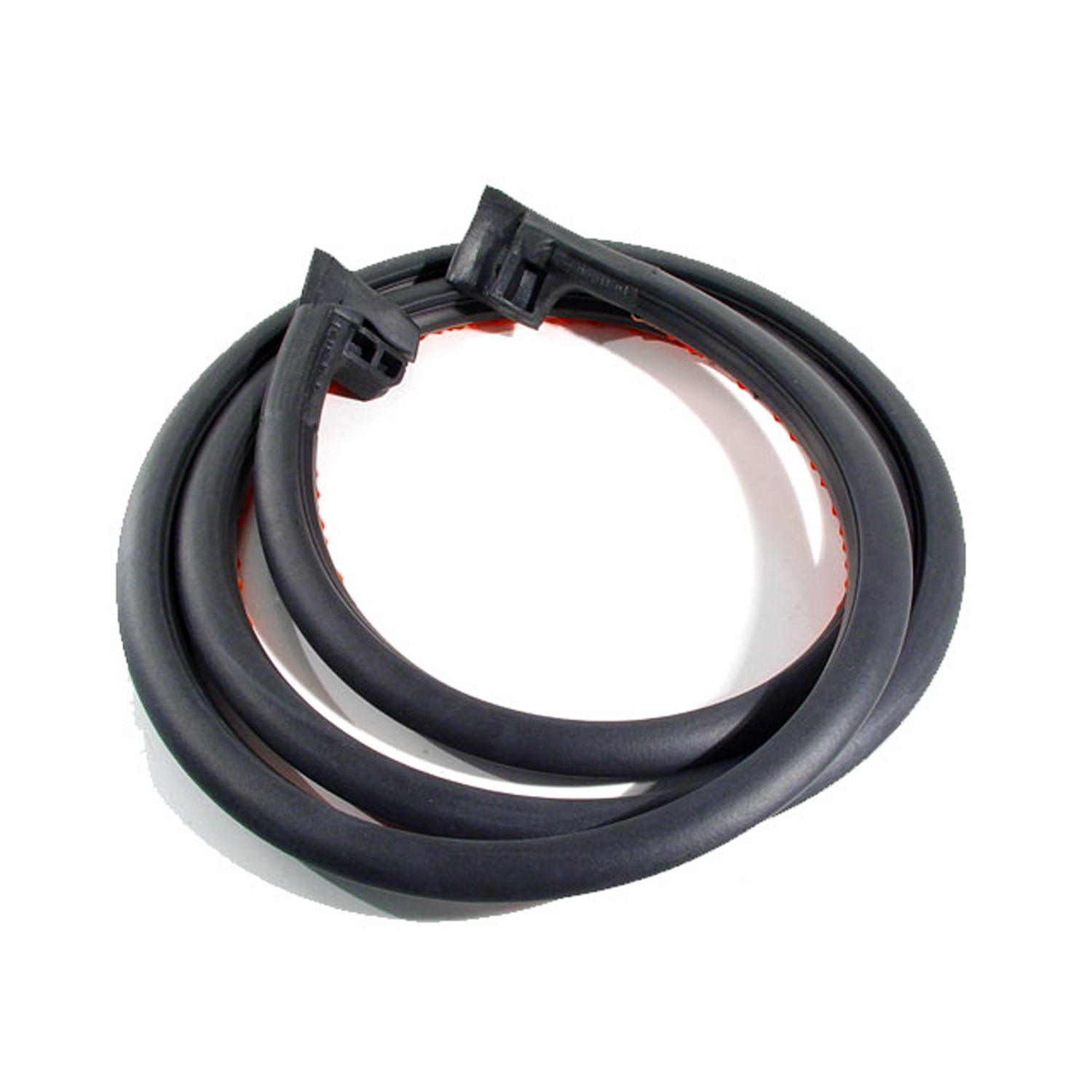 1982 Ford E-350 Econoline Rear Side Cargo Door Seal-LM 110-VBRear Side Cargo Door Seal (fits rear left side of cargo door). Replaces OEM #E9UZ 1525325 B. For front (right side) matching seal, see LM 110-VA. Each
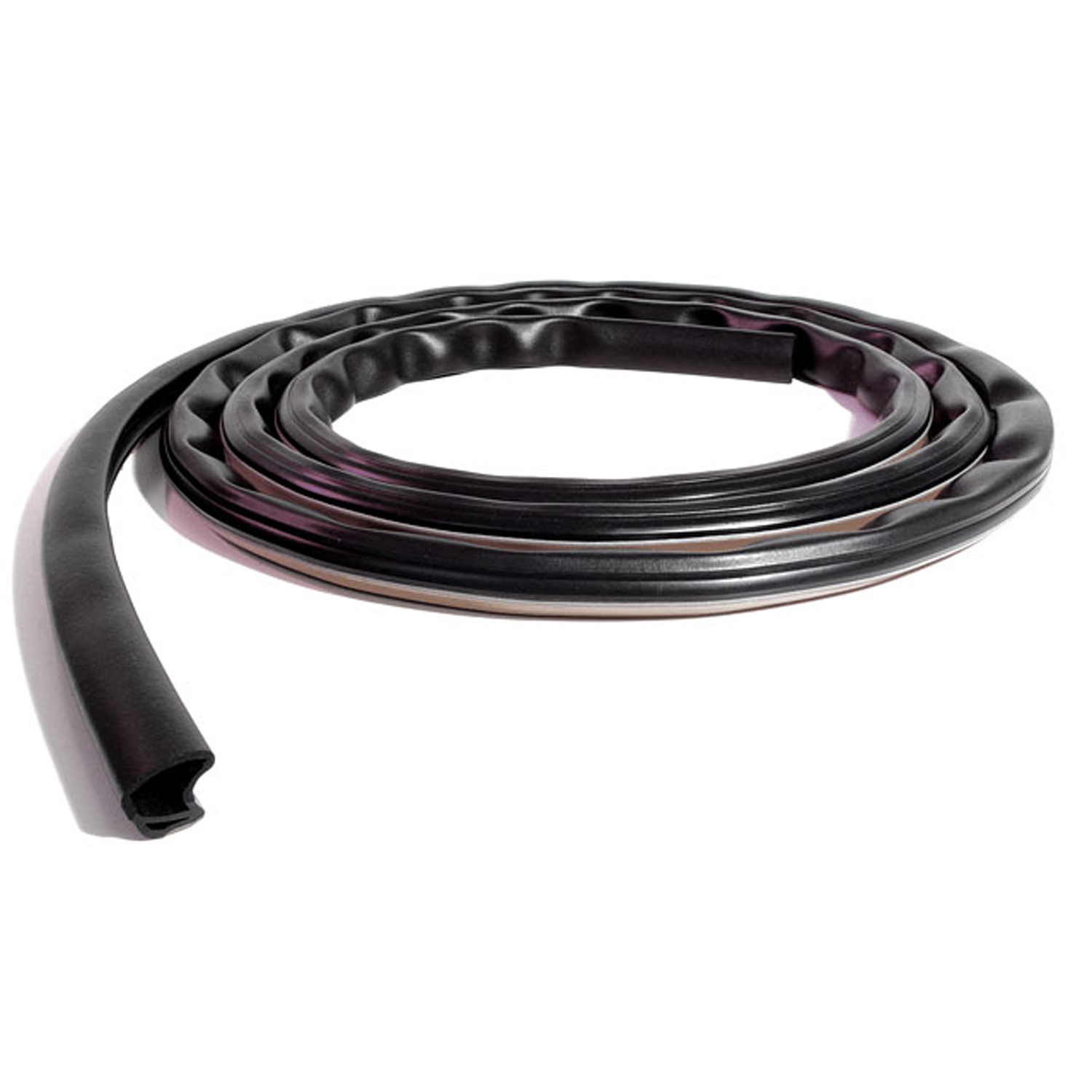 1982 Ford E-350 Econoline Left Front (drivers side) Door Seal. Each-LM 110-VLLeft Front (drivers side) Door Seal. Each
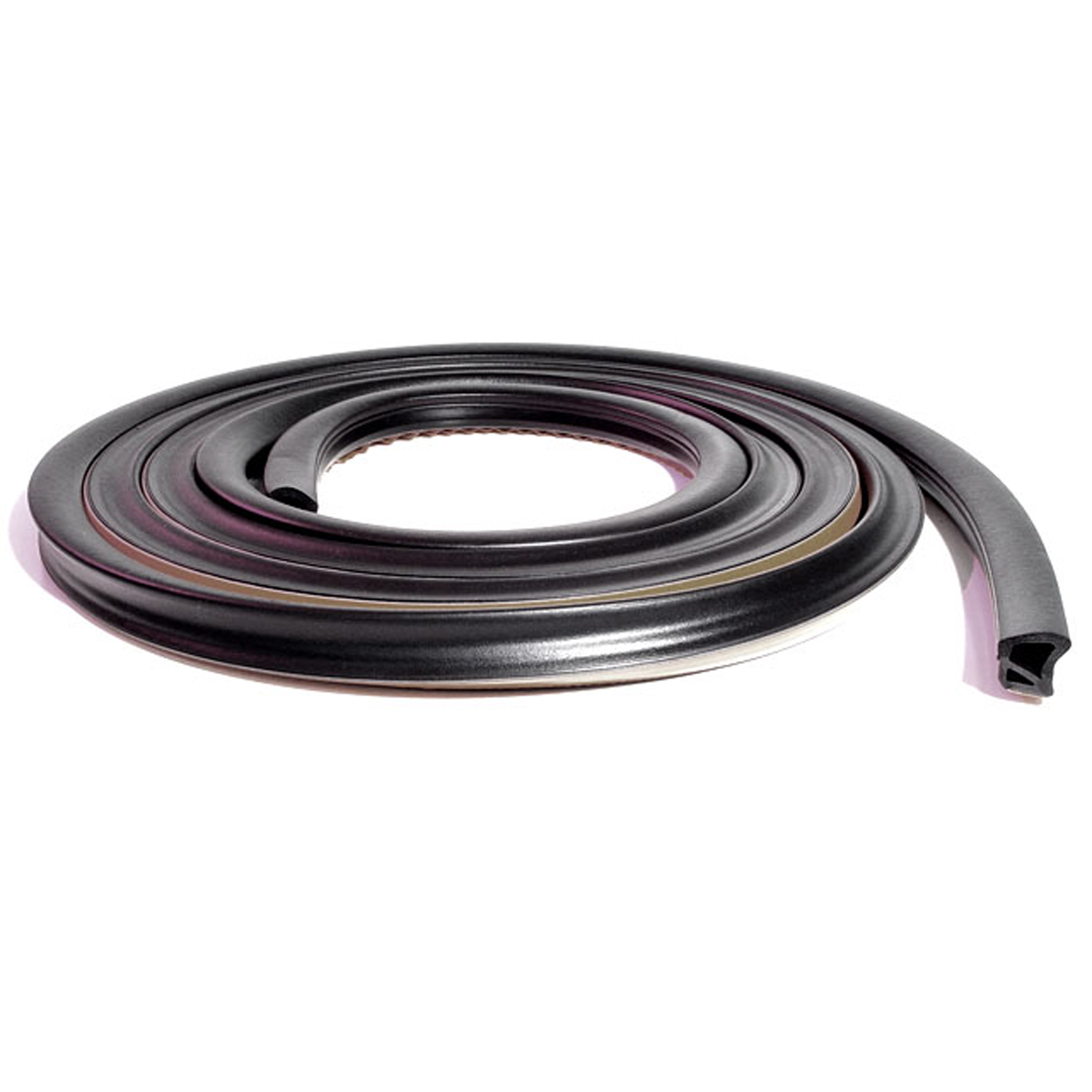 1982 Ford E-350 Econoline Right Front (passenger side) Door Seal. Each-LM 110-VRRight Front (passenger side) Door Seal. Each
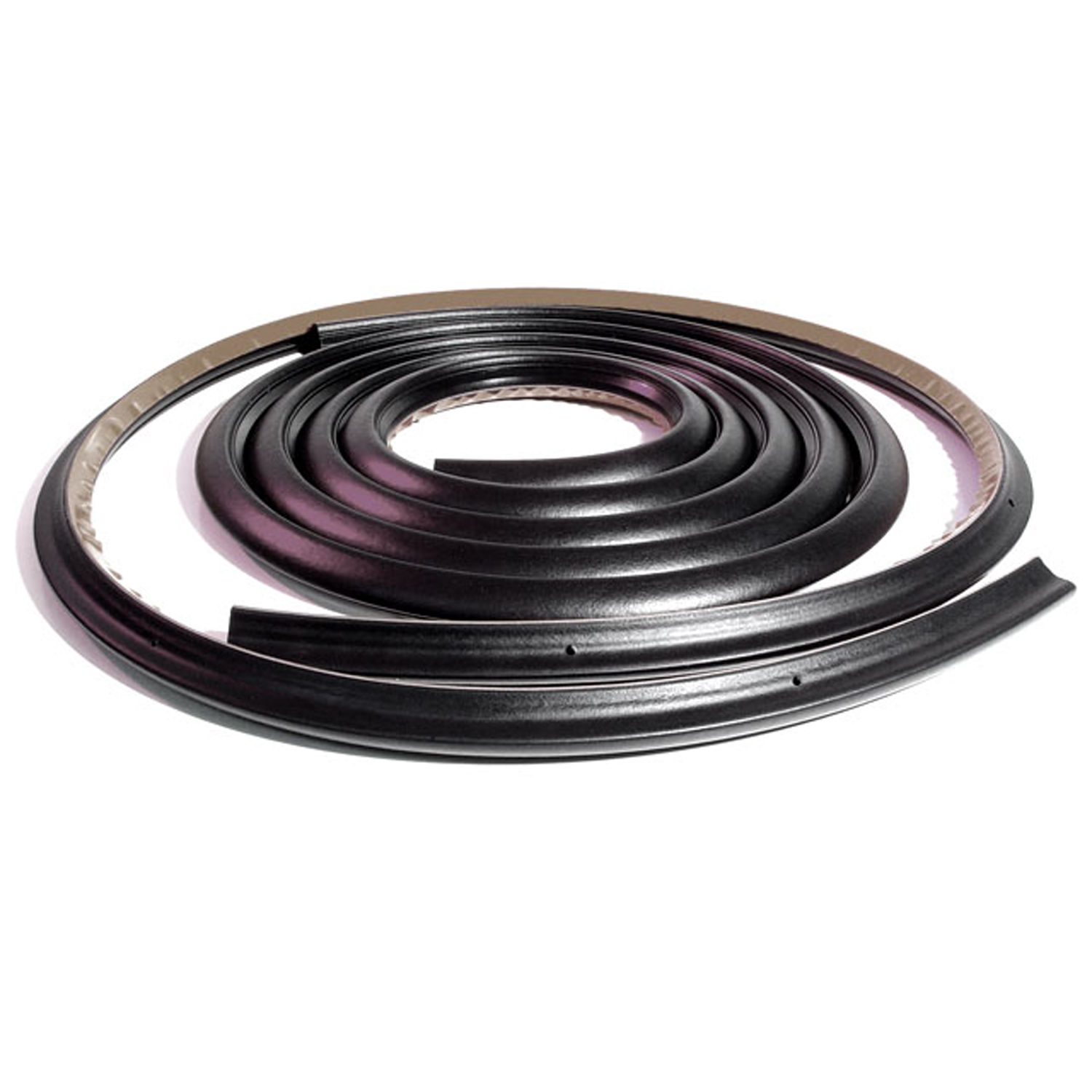 1982 Ford E-350 Econoline Side Slider Door Seal. Each-LM 110-VSSide Slider Door Seal. Each
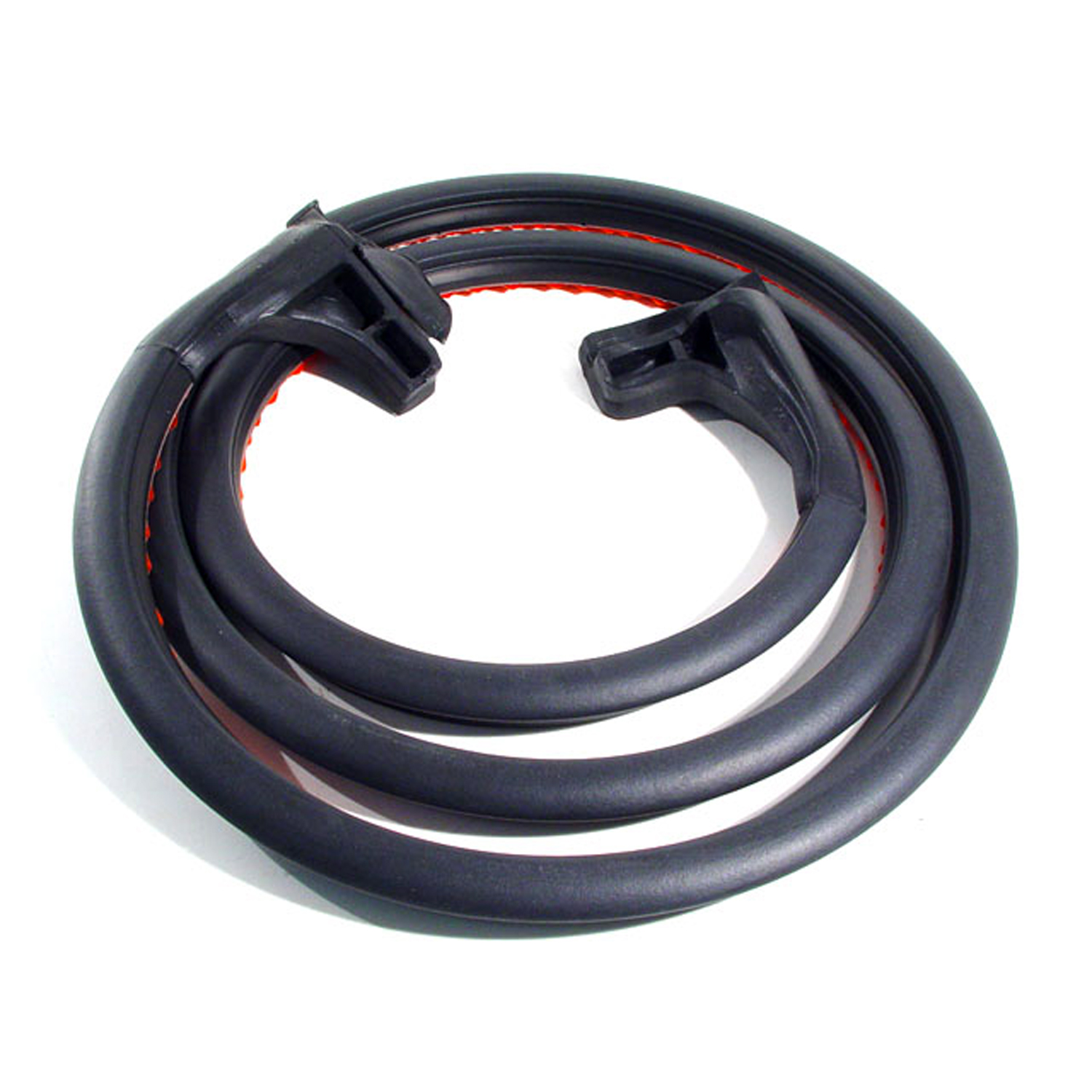 1982 Ford E-350 Econoline Left Rear Door Seal (Drivers Side)-LM 110-VTLeft Rear Door Seal (Drivers Side). Replaces OEM #E9UZ 1543723 A. Each
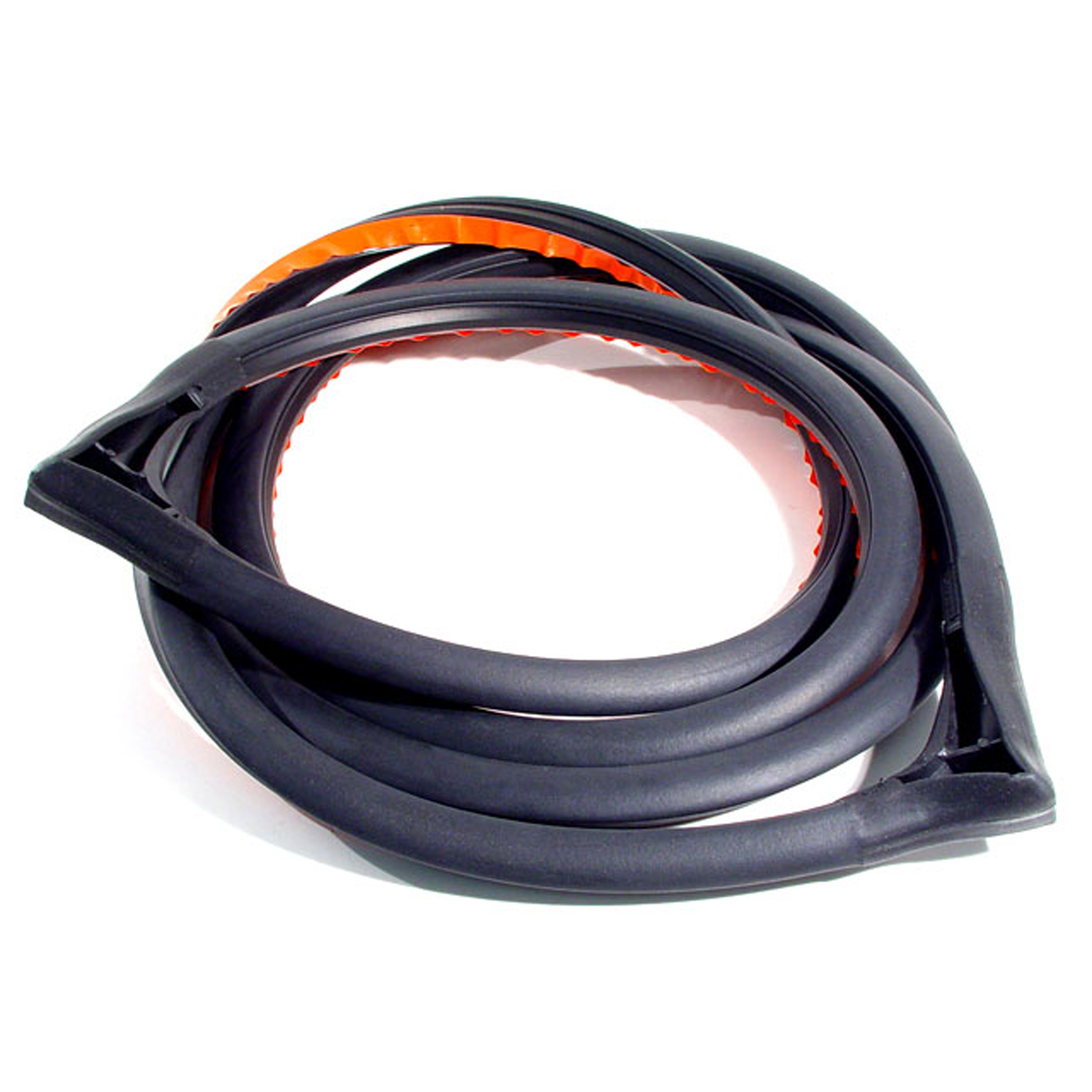 1982 Ford E-350 Econoline Right Rear Door Seal (Passenger Side)-LM 110-VURight Rear Door Seal (Passenger Side). Replaces OEM #F0UZ 1543722 A. Each
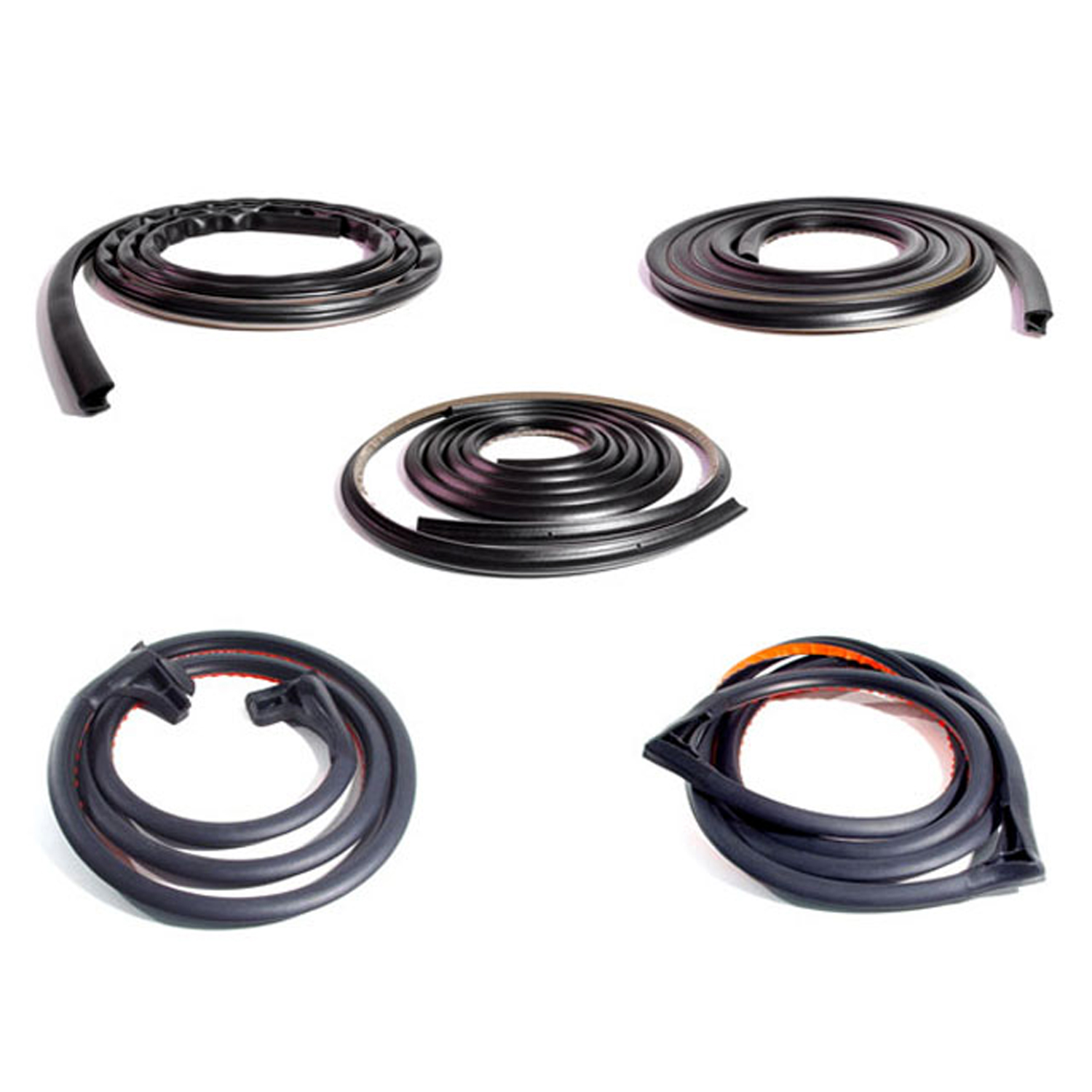 1982 Ford E-350 Econoline Basic Kit, for Models with Side Sliding Door-RKB 3000-100Basic Kit, for Models with Side Sliding Door. Front Left Door (LM 110-VL), Front Right Door (LM 110-VR), Back Left Door (LM 110-VT), Back Right Door (LM 110-VU), Side Sliding Door (LM 110-VS) Seals.
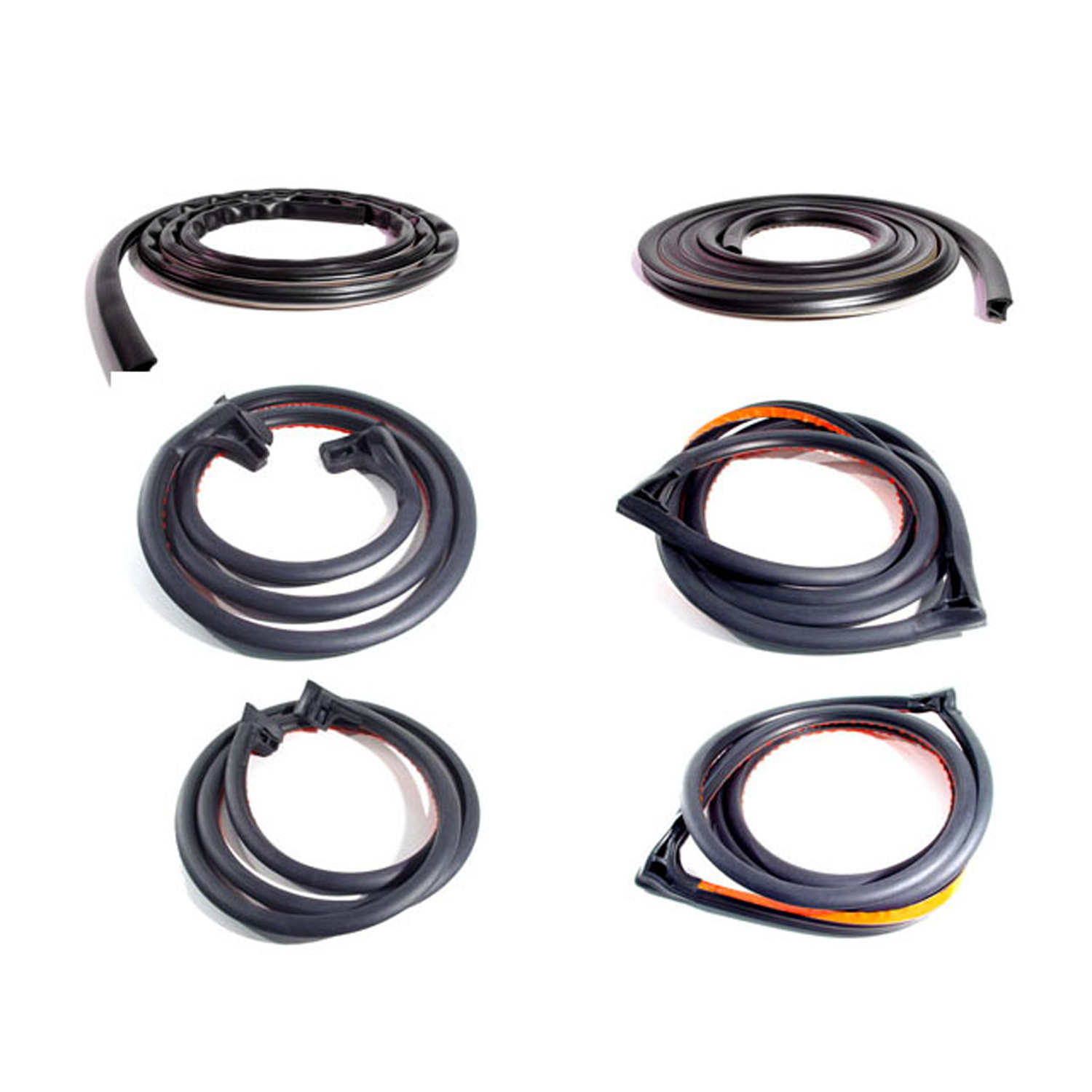 1982 Ford E-350 Econoline Basic Kit, for Models w/Side Cargo Door-RKB 3000-101Basic Kit, for Models w/Side Cargo Door. Front Left LM 110-VL), Front Right LM 110-VR), Back Left LM110-VT), Back Right LM 110-VU), Front Cargo Side (LM 110-VA), Rear Cargo Side (LM 110-VB) Door Seals.
Why Choose Metro?
For over 100 years, Metro Moulded Parts has been the pinnacle of quality in classic car restoration parts. Our commitment to precision and authenticity in every component ensures a perfect fit and an OEM-level appearance.
- Expert Craftsmanship & Quality: Each part is a testament to our dedication to reliability and perfection, crafted from original designs and thoroughly tested.
- Advanced Technology: We use cutting-edge techniques to create flawless, long-lasting parts that surpass others in performance.
- SuperSoft Sponge – The Ultimate Door Seal: Not only are our door seals 30% softer than competitors', but they're also guaranteed to never leak. They effectively reduce wind and road noise, enhancing your classic car's comfort and driving experience.
- Proudly American: Our parts are a product of American craftsmanship, made in the USA with a spirit of excellence and heritage.
- Unrivaled Warranty: We back our products with a 30-year industry-leading warranty, a testament to our confidence in their quality.
Join us in preserving the legacy of classic cars with parts that are crafted for perfection, not just made.