
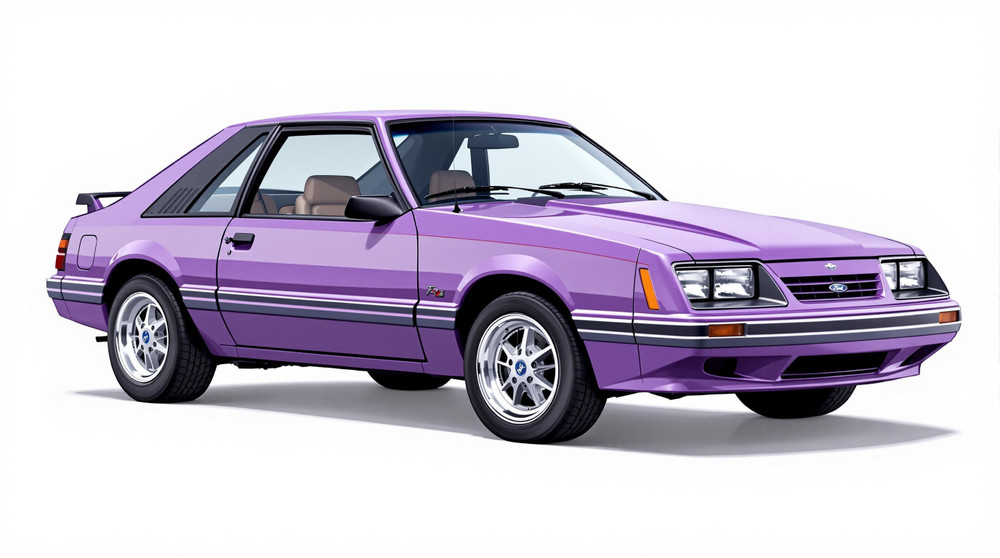
Image of 1982 Ford Mustang, Note: These illustrations use artistic license and may differ from actual historical models.
Performance Metrics
Fundamental Metrics
Emotional Appeal
MMP Rating
| Engine Specifications | |
|---|---|
| Engine Options: | 2.3L 4-cylinder, 3.3L inline-6, 4.2L V8, 5.0L V8 |
| Displacement Range: | 140-302 cu in |
| Horsepower Range: | 88-157 hp |
| Torque: | 118-240 lb-ft |
| Compression Ratio: | 8.4:1 - 9.2:1 |
| Ignition System: | Electronic |
| Cooling System: | Liquid-cooled |
| Performance Specifications | |
| 0-60 Time: | 10-8 seconds |
| 1/4 Mile Time: | 17-15 seconds |
| Top Speed: | 105-118 mph |
| Transmission and Drive | |
| Drive Type: | Rear-wheel drive |
| Transmission Type: | 3-speed automatic, 4-speed manual, 5-speed manual |
| Fuel and Efficiency | |
| Fuel System Type: | Carburetor |
| MPG: | 17-22 mpg |
| Dimensions and Brakes | |
| Brakes: | Front disc, rear drum |
| Wheelbase: | 100.4 inches |
| Weight: | 2,600-3,000 lbs |
Note: Specifications for classic cars are given to the best of our ability, considering the limited and variant data available.
1982 Ford Mustang: The 5.0 Comes Back
The 1982 Ford Mustang brought a familiar name back to the front of the performance conversation: GT. Built by Ford on its Fox platform, this Mustang paired the compact, relatively lightweight body introduced for 1979 with the return of a V8-powered GT model. Its comeback helped reconnect the Mustang with the performance roots that had been muted during the fuel-conscious years of the 1970s.
The headline was the 5.0-liter V8. After a long absence, the GT badge and small-block Ford power were together again, setting the stage for the Fox-body Mustang’s later reputation as an affordable performance icon. Ford even promoted the car with the slogan “The Boss is Back.” The 1982 GT was not yet the most powerful Fox Mustang, but it was an important first step in the 5.0’s revival.
Fox-Body Styling and Cabin
The 1982 Mustang has the crisp, angular look that defines the early Fox-body cars. Its squared-off nose, rectangular headlights, upright grille, and sharply creased bodywork give it a more formal appearance than the smoother, more aerodynamic Mustangs that followed. The hatchback GT adds visual muscle with a hood scoop, sporty wheel designs, dark exterior trim, and a rear spoiler. The overall effect is purposeful rather than ornate.
Two body styles were available: a two-door notchback coupe and a three-door hatchback. The GT was most closely associated with the hatchback, whose large liftgate made the car more practical as well as more athletic-looking. T-roof panels were available on some hatchbacks, giving owners an open-air option without a convertible body. Ford did not offer a Mustang convertible for the 1982 model year; the convertible returned for 1983.
Inside, the Mustang offered a straightforward driver-focused layout, with clear analog instruments and controls that were easy to reach. Materials were typical of an early-1980s mass-market car: durable vinyl, molded plastic, and cloth upholstery depending on trim and equipment. The GT’s bucket seats and sporty details made it feel more special, but this was no hand-finished luxury cabin. Options such as air conditioning, upgraded audio, and convenience equipment varied by model and original order.
Paint choices varied with trim and production, but Ford offered the era’s familiar range of reds, blues, whites, blacks, silvers, and other subdued shades. Bright red and black are especially associated with the GT’s performance image, while white and silver suit the car’s sharp, clean body lines. Original paint codes and trim combinations are worth checking when evaluating a restoration.
Engines, Specs, and Period Technology
The most sought-after powertrain is the 5.0-liter, or 302-cubic-inch, V8 in the Mustang GT. In 1982 it produced about 157 horsepower and 240 lb-ft of torque in its high-output form. It used a carburetor, not the electronic fuel injection that became a defining feature of later 5.0 Mustangs. A four-speed manual was the performance-minded choice, while an automatic was available for easier cruising.
Other Mustangs could be ordered with four-cylinder or six-cylinder engines, and a turbocharged 2.3-liter four-cylinder was also part of the period’s Mustang lineup. Exact equipment depended on trim and configuration, so buyers looking at a specific car should verify its engine and transmission from its identification numbers and original documentation.
By modern standards, the technology was simple. The Fox-body chassis used front MacPherson struts and a solid rear axle located by a four-link arrangement, a setup that was straightforward to service and well suited to the parts and performance upgrades that later became common. Power steering, power brakes, and upgraded audio equipment were available, but driver aids and electronic systems were limited compared with today’s cars.
Why the 1982 GT Matters
The 1982 GT helped revive the Mustang as a credible performance car at a time when many American manufacturers were still adjusting to fuel-economy demands and tighter emissions rules. Its return did not instantly restore the power levels of earlier muscle cars, but it gave enthusiasts a factory-backed V8 Mustang with a manual transmission and a platform ready for development.
That combination mattered. The Fox chassis was relatively light, mechanically simple, and adaptable. As Ford continued to refine the Mustang, the GT evolved into a stronger performer, and the 5.0 became central to the car’s identity. The 1982 model is therefore a bridge between the restrained Mustangs of the late 1970s and the more powerful Fox-body performance cars of the following decade.
It also stood apart from many contemporaries by offering a traditional V8 and rear-wheel drive in a relatively affordable coupe. The formula appealed to street drivers, drag racers, and home mechanics alike. Its lasting influence is visible in the large Fox-body enthusiast community and in the continued popularity of the 5.0-liter Mustang name.
Performance and Driving Feel
A healthy 5.0 GT can reach 60 mph in roughly 7.5 to 8.5 seconds, with a top speed in the neighborhood of 120 mph. These are period-appropriate estimates, not guaranteed figures: results vary with transmission, gearing, vehicle condition, tires, altitude, and testing method. The 1982 car is quick in a way that feels mechanical rather than electronic. The V8 delivers its appeal through low-speed torque and a familiar small-block rumble, while the four-speed manual gives the driver a direct role in keeping the engine in its power band.
On smooth pavement, the Mustang feels light on its feet for a V8 coupe of its era. The steering and suspension are less precise than those of a modern sports car, and the solid rear axle can feel busy over broken pavement. Sharp bumps may unsettle the rear, while tight, winding roads reward smooth inputs rather than abrupt braking or throttle changes. In crosswinds, its boxy profile and period tires can make it feel less planted than a contemporary car.
The driving experience is part of the charm: a relatively upright seating position, simple gauges, a long hood, and the sound of a carbureted V8 working through the gears. The cabin is not especially quiet or refined by modern standards, but the car feels approachable. Owners can hear, feel, and understand much of what the mechanical parts are doing.
Living With a 1982 Mustang
Today, a 1982 Mustang may serve as a weekend cruiser, a show car, or the starting point for a street-performance or drag-racing build. Its rear-wheel-drive layout and abundant Fox-body knowledge make it popular with hobbyists who want a classic car they can modify without exotic tools or specialist-only parts.
The 5.0-liter small-block is generally familiar to American-car mechanics, and routine jobs are manageable for a capable home enthusiast. Replacement and performance parts remain widely available, although original trim, specific interior pieces, and correct 1982 components can take more searching. Before buying, inspect the body carefully for rust around the floors, cowl, hatch area, and suspension mounting points. Also check the condition of the carburetor, cooling system, wiring, brakes, and any T-roof seals. Decades of modifications can make a car’s present condition more important than its model badge.
Fox-Body Facts and Common Criticisms
The GT’s return is the key piece of 1982 Mustang trivia: it marked the comeback of a factory V8 GT after the badge had been absent from the Mustang lineup for years. The 5.0 became so closely linked with later Fox-body performance that the engine size is still shorthand for a whole era of Mustang history.
Ford produced approximately 130,000 Mustangs for the 1982 model year, though that figure covers the lineup rather than just GTs. The GT represents a smaller portion of that total, and original, unmodified examples are less common than the broader production number might suggest. Fox-body Mustangs later became staples of drag strips and grassroots motorsport, thanks to their modest weight, simple layout, and strong aftermarket support. There is no widely recognized major speed or endurance record uniquely associated with the 1982 model.
Common criticisms are fair but familiar: the cabin uses hard plastics, the ride can be firm, and the car lacks the refinement and safety technology expected today. The early 5.0 is also less powerful than later Fox-body V8s. Those points are part of why condition and expectations matter. The 1982 GT is best appreciated as an important early chapter in the 5.0 story, not as a modern high-performance car.
Collector Value and Market Outlook
Values depend heavily on body condition, originality, documentation, and whether the car is a genuine GT. As a broad U.S. market estimate, a project or rough driver might sell for about $4,000 to $9,000. A usable, presentable example may fall around $9,000 to $18,000, while a clean, well-kept or properly restored GT can reach roughly $18,000 to $30,000. Exceptional, highly original cars may sell for more, while modified cars can be worth either more or less depending on the quality of the work and buyer demand.
These are general estimates rather than a formal appraisal, and regional markets vary. The 1982 Mustang is not rare in the broad sense, but desirable original GT hatchbacks are harder to find than ordinary survivors. Prices for good Fox-body Mustangs have generally strengthened as nostalgia and collector interest have grown, especially for clean V8 cars. The market is selective, however: an average base-model car is unlikely to appreciate at the same rate as a documented, rust-free GT.
The Mustang That Restarted the 5.0 Story
The 1982 Ford Mustang combines angular Fox-body styling, accessible mechanicals, and the return of a V8 GT. It may not have the power or polish of later Mustangs, but its importance lies in what it set in motion. For enthusiasts, it is more than an early-1980s coupe: it is the car that helped put the Mustang’s 5.0 performance identity back on the road.
1982 Ford Mustang Catalog of Parts
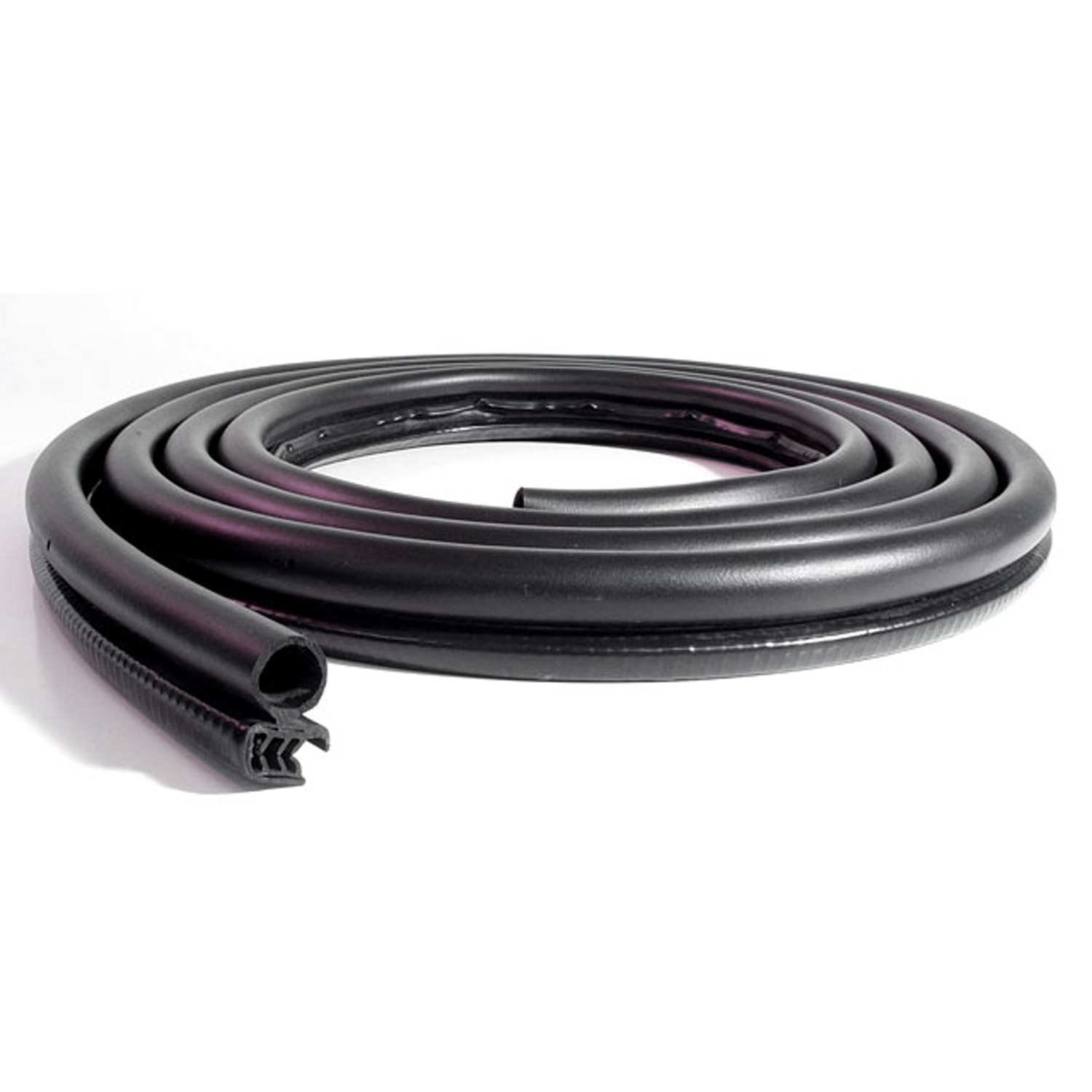 1982 Ford Mustang Door Seal for Sedan or Convertible (Imported)-IS-LM 110-MDoor Seal for Sedan or Convertible (Imported). Fits either side. 154" Long. Each
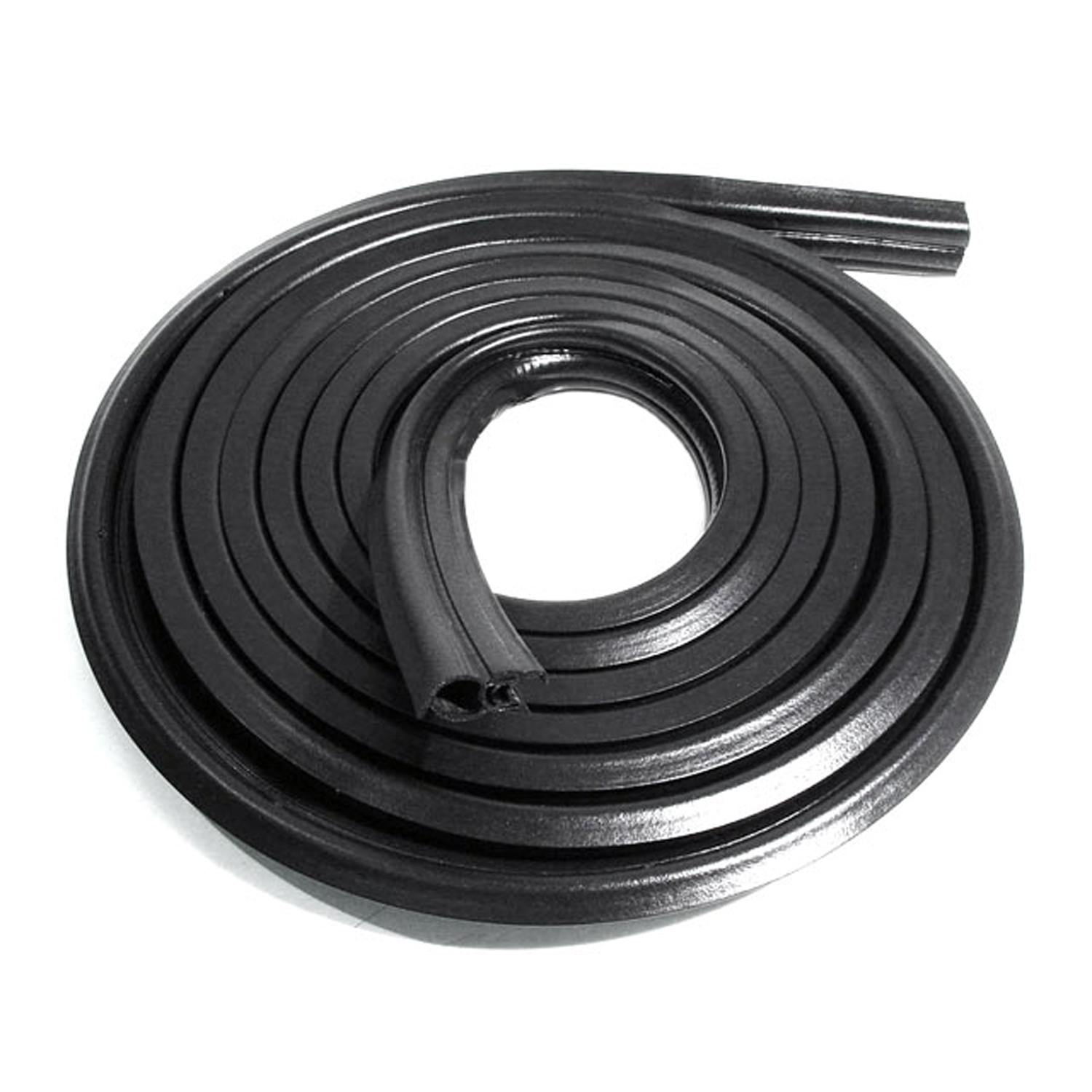 1982 Ford Mustang Hatchback Seal (Imported). Replaces OEM #D9ZZ6143720A-IS-TK 67Hatchback Seal (Imported). Replaces OEM #D9ZZ6143720A. Each
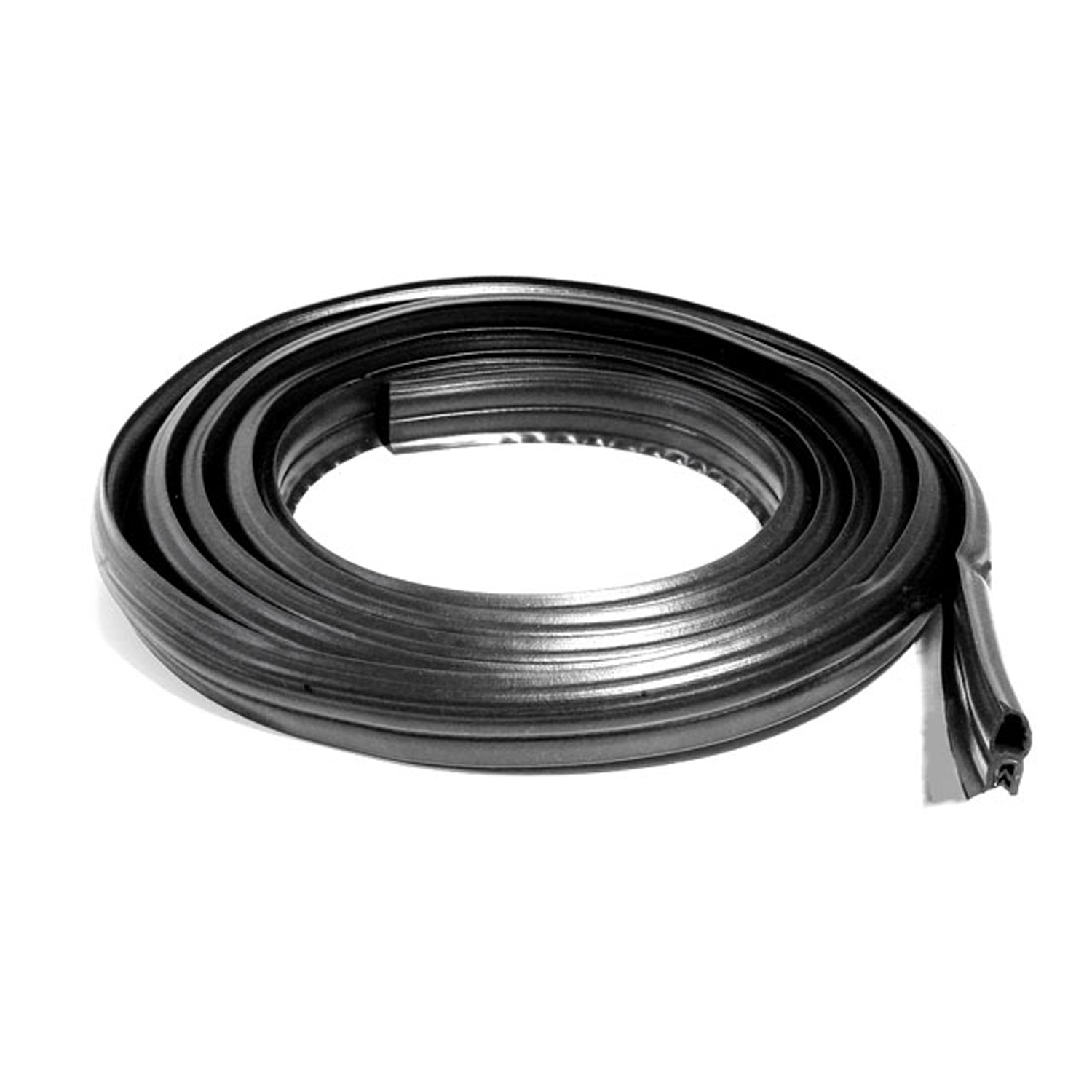 1982 Ford Mustang Trunk Seal (Imported). Fits Coupes and Convertibles-IS-TK 68Trunk Seal (Imported). Fits Coupes and Convertibles. 15' 4-1/2" long. Replaces OEM #D9AZ5443720A. Each
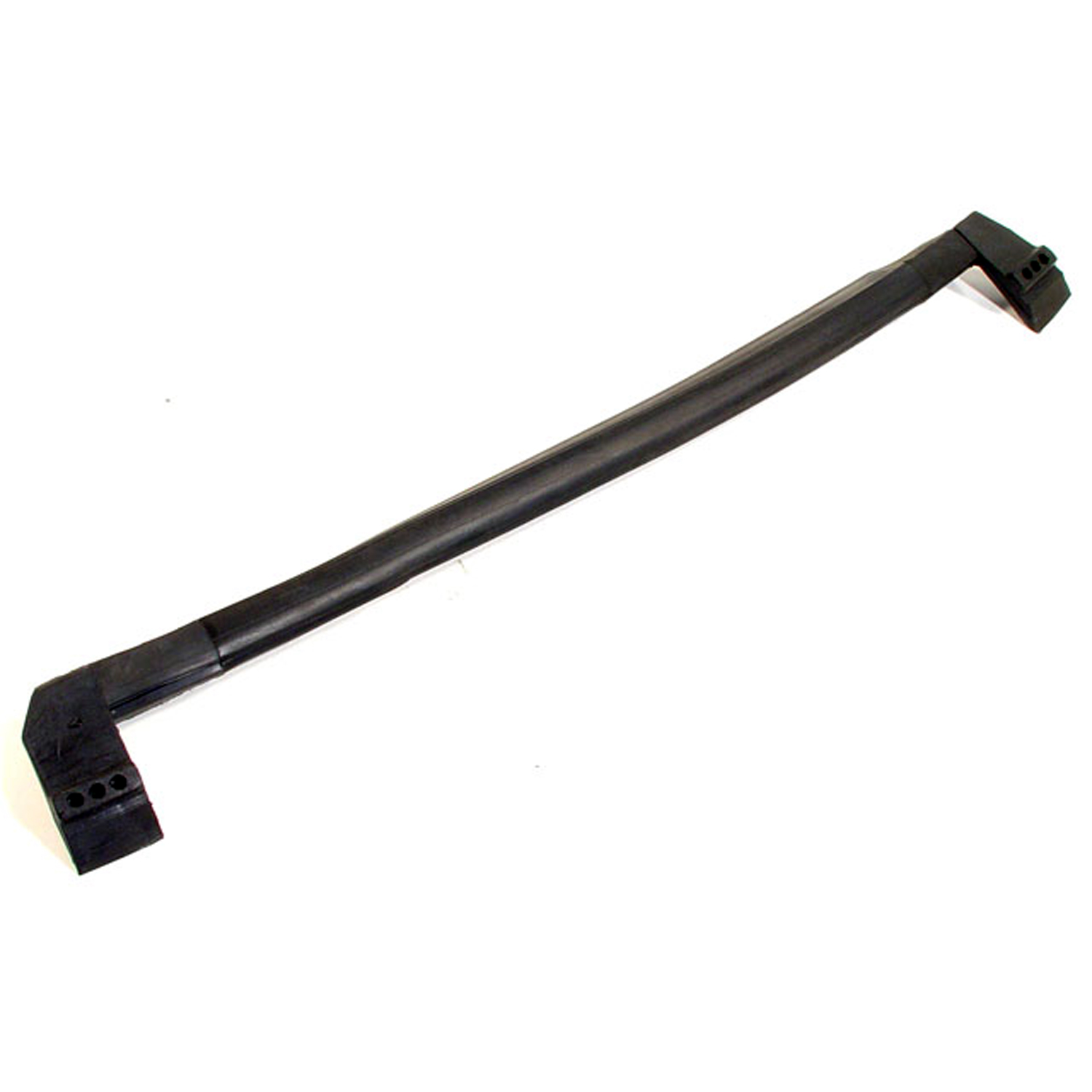 1982 Ford Mustang T-Top Side Rail Seal. For Left (Drivers) Side. Each-IS-TP 6600-AT-Top Side Rail Seal. For Left (Drivers) Side. Each
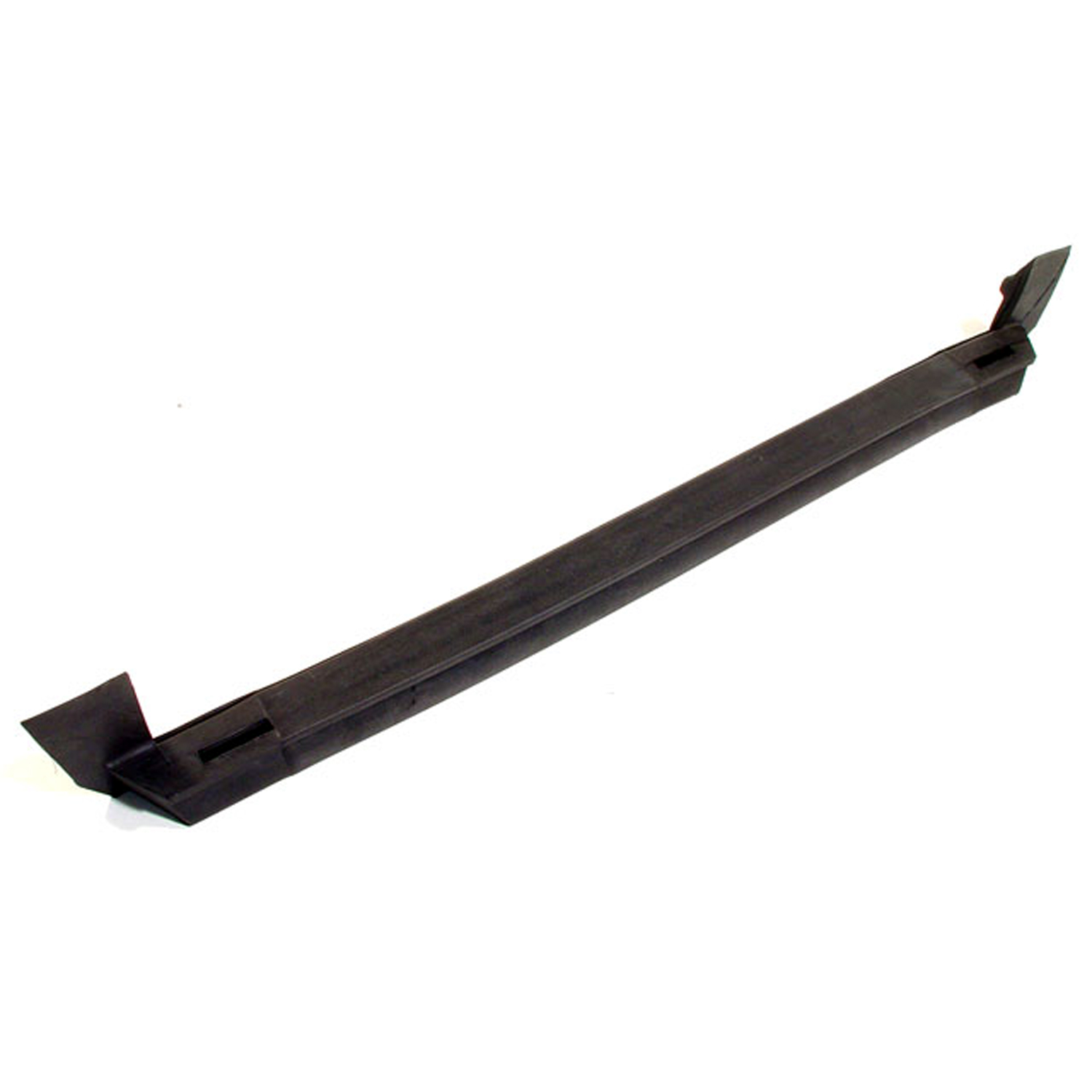 1982 Ford Mustang T-Top Side Rail Seal. For Right (Passenger) Side. Each-IS-TP 6600-BT-Top Side Rail Seal. For Right (Passenger) Side. Each
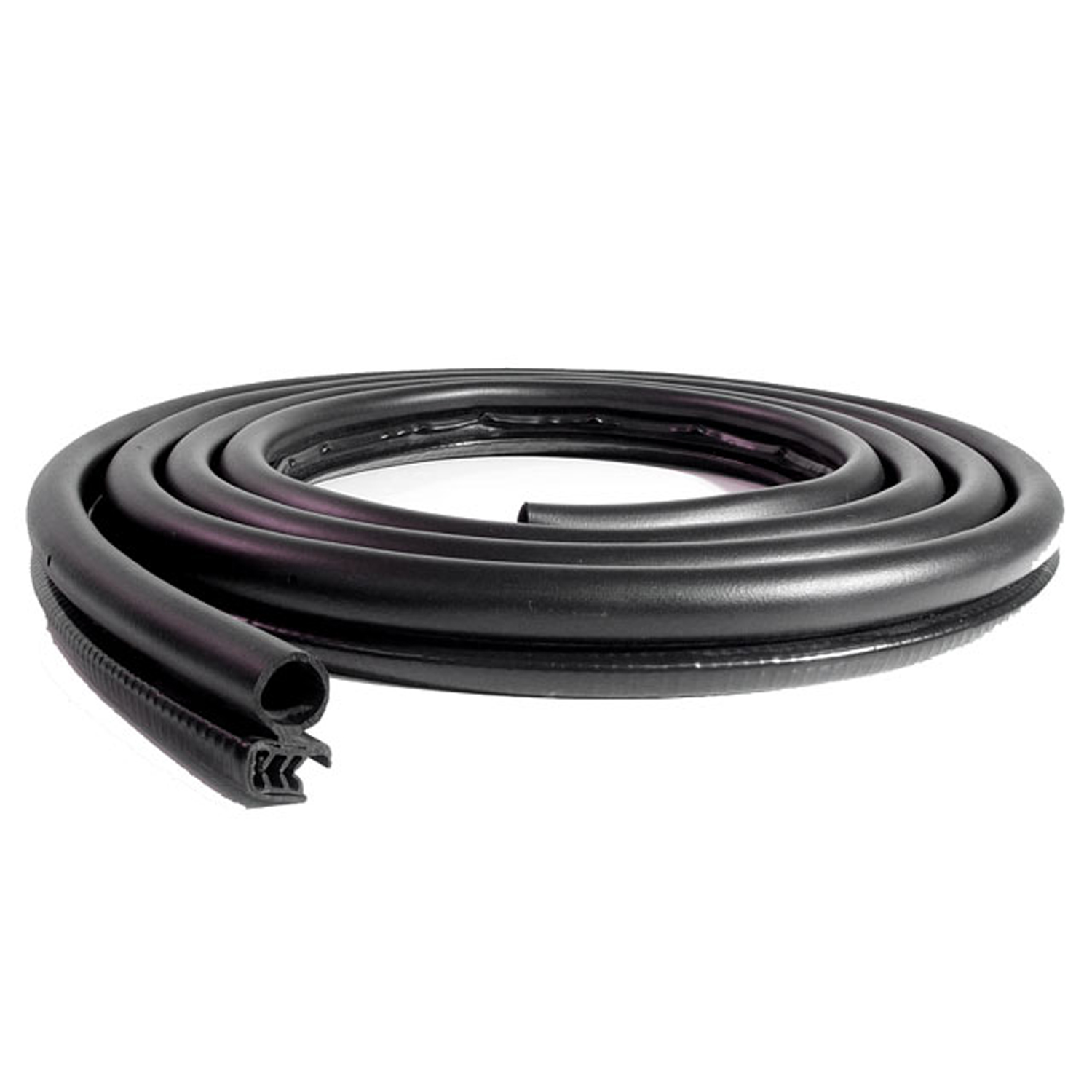 1982 Ford Mustang Molded Door Seal-LM 110-MMolded Door Seal. Fits either side of 2 door sedan or convertible. 150-1/2" Long. Each
 1982 Ford Mustang Special Socket Plug. Fits a 1-1/2" hole. Each-SB 48Special Socket Plug. Fits a 1-1/2" hole. Each
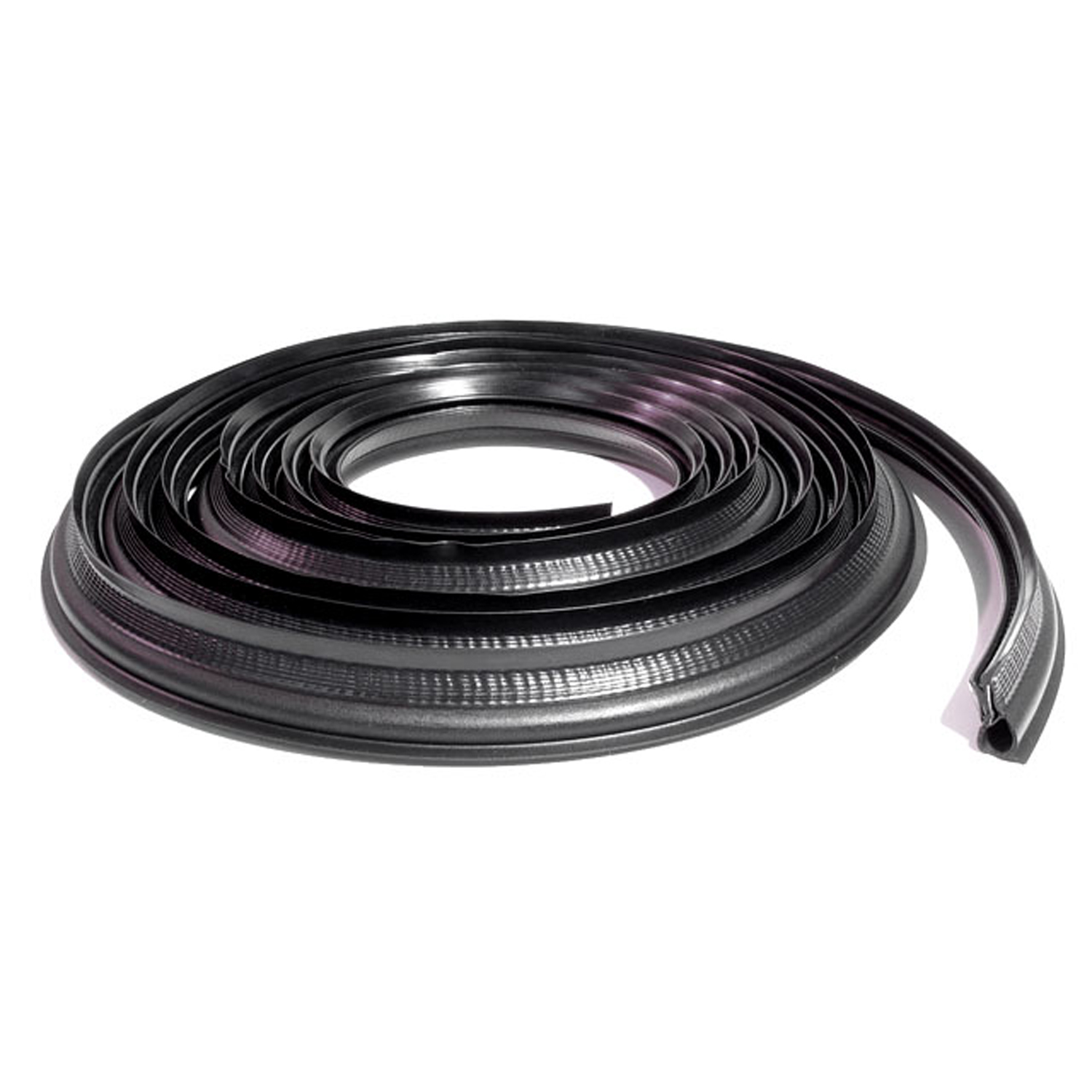 1982 Ford Mustang Hatchback Trunk Seal. Each-TK 10-HHatchback Trunk Seal. Each
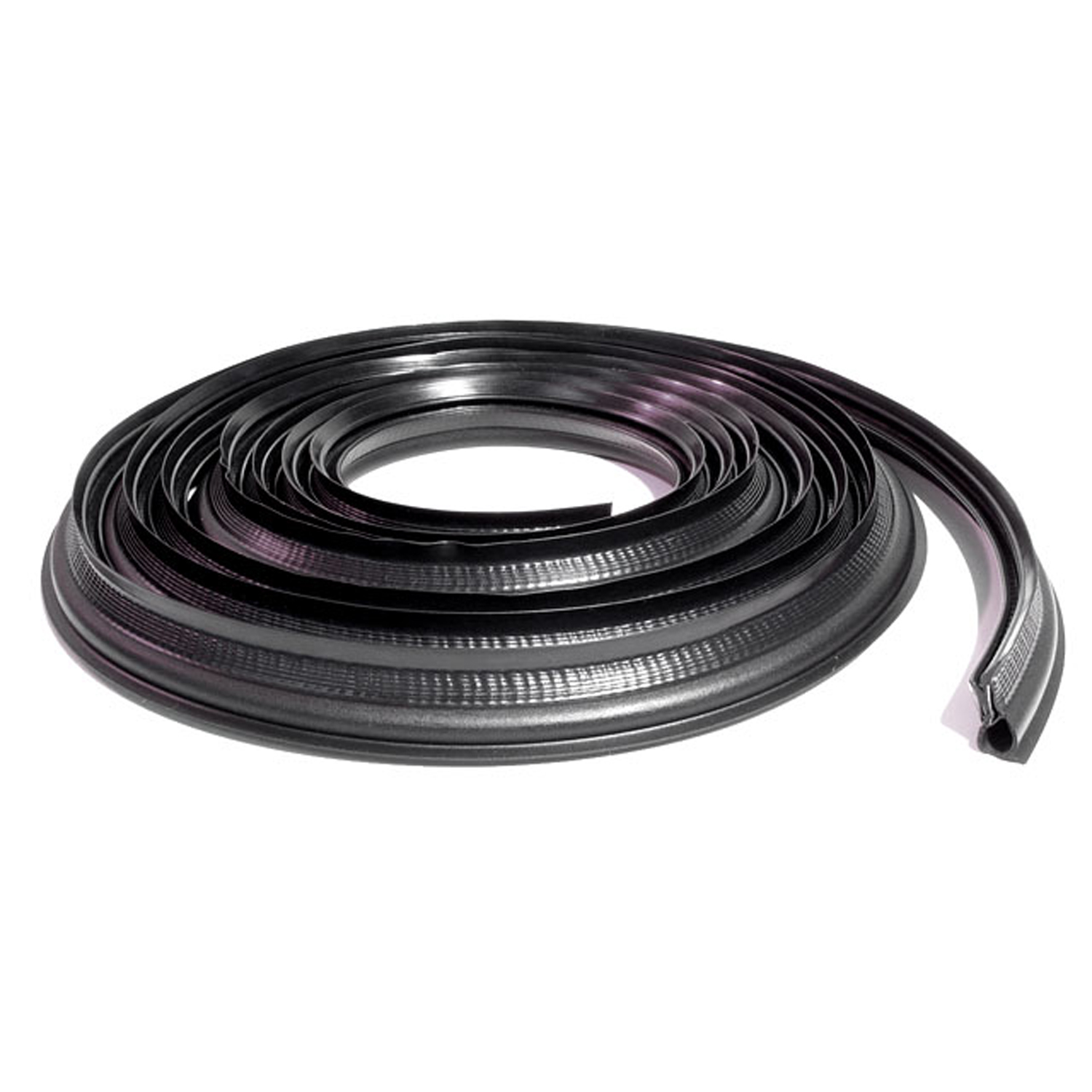 1982 Ford Mustang Trunk Seal, for Sedan and Convertible. Each-TK 10-MTrunk Seal, for Sedan and Convertible. Each
Why Choose Metro?
For over 100 years, Metro Moulded Parts has been the pinnacle of quality in classic car restoration parts. Our commitment to precision and authenticity in every component ensures a perfect fit and an OEM-level appearance.
- Expert Craftsmanship & Quality: Each part is a testament to our dedication to reliability and perfection, crafted from original designs and thoroughly tested.
- Advanced Technology: We use cutting-edge techniques to create flawless, long-lasting parts that surpass others in performance.
- SuperSoft Sponge – The Ultimate Door Seal: Not only are our door seals 30% softer than competitors', but they're also guaranteed to never leak. They effectively reduce wind and road noise, enhancing your classic car's comfort and driving experience.
- Proudly American: Our parts are a product of American craftsmanship, made in the USA with a spirit of excellence and heritage.
- Unrivaled Warranty: We back our products with a 30-year industry-leading warranty, a testament to our confidence in their quality.
Join us in preserving the legacy of classic cars with parts that are crafted for perfection, not just made.