
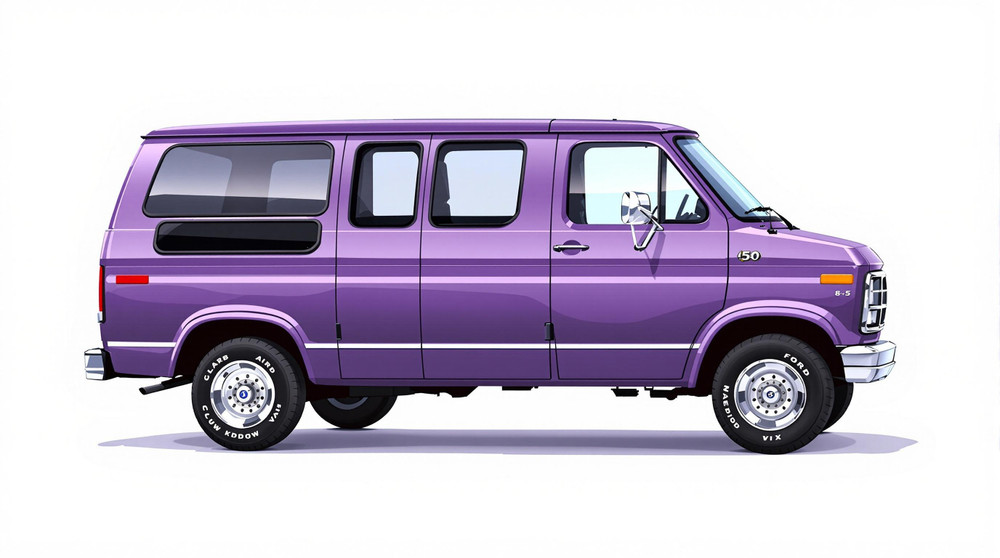
Image of 1987 Ford E-150 Econoline Club Wagon, Note: These illustrations use artistic license and may differ from actual historical models.
Performance Metrics
Fundamental Metrics
Emotional Appeal
MMP Rating
| Engine Specifications | |
|---|---|
| Engine: | 4.9L Inline-6, 5.0L V8, 5.8L V8, 7.5L V8 |
| Displacement: | 4.9L - 7.5L |
| Horsepower: | 145-210 HP |
| Torque: | 265-390 lb-ft |
| Compression Ratio: | 8.8:1 - 9.2:1 |
| Ignition System: | Electronic |
| Cooling System: | Liquid-cooled |
| Performance Specifications | |
| 0-60 Time: | 11-15 seconds |
| 1/4 Mile Time: | 18-20 seconds |
| Top Speed: | 85-100 mph |
| Transmission and Drive | |
| Drive Type: | Rear-wheel drive |
| Transmission Type: | 3-speed automatic, 4-speed automatic |
| Fuel and Efficiency | |
| Fuel System Type: | Carburetor, Fuel Injection |
| MPG: | 10-15 mpg |
| Dimensions and Brakes | |
| Brakes: | Front Disc / Rear Drum |
| Wheelbase: | 124.0 inches |
| Weight: | 4,500-5,500 lbs |
Note: Specifications for classic cars are given to the best of our ability, considering the limited and variant data available.
1987 Ford E-150 Econoline Club Wagon: A Classic Full-Size Van Guide
Big enough for a family, a band, a campsite, or a small mountain of luggage, the 1987 Ford E-150 Econoline Club Wagon turned the ordinary van into a remarkably versatile American road machine. It belongs to the third generation of Ford’s full-size Econoline, a van line that helped make the boxy, rear-wheel-drive passenger van a familiar sight on highways and in driveways across the country.
From Work Van to Family Hauler
Ford introduced the Econoline in 1961 as a compact van with a distinctive cab-forward layout. The name grew into a full-size van range in 1975, when Ford moved to the basic front-engine, rear-wheel-drive format that would define the Econoline for decades. By 1987, the E-Series had become a well-established platform for tradespeople, shuttle operators, camper converters, and families who needed more room than a station wagon could offer.
The E-150 was the lighter-duty version of the full-size van. The Club Wagon designation identified passenger-oriented models, with rear seating and trim that could range from practical to notably upscale. Ford’s 1987 model was not a radical new design, but that was part of its appeal: it was a familiar, adaptable vehicle backed by a broad dealer and parts network.
A noteworthy detail is how many different lives one E-150 could lead. The same basic van could leave the factory as a family transporter, then be fitted by a conversion company with plush captain’s chairs, carpeting, wood-look trim, a television, or a raised roof. That flexibility is a big reason these vans remain recognizable far beyond the original Ford passenger trim.
Square Shoulders, Useful Space
The 1987 Econoline wore the classic full-size-van shape: a broad, nearly upright front end, large flat windshield, slab-sided body panels, and a tall roof that made good use of the vehicle’s footprint. Its squared-off profile was practical rather than sleek. The wide doors and generous glass helped passengers get in and out, while the near-vertical sides made the interior easier to package than in a more tapered vehicle.
Depending on configuration, buyers could choose a standard-length or extended-length body. The extended version offered more room for passengers and luggage, and became a popular starting point for conversion vans. Wheelbase, roof, seating, and trim combinations varied, so the exact layout of a surviving van depends on its original specification and any later modifications.
Club Wagon interiors were built around function. Durable vinyl and cloth upholstery were common, with more comfortable seating and decorative trim available on better-equipped versions. The materials were sturdy rather than luxurious by modern standards, but the cabin’s generous width and headroom gave passengers a sense of space that smaller cars and wagons could not match. Seating arrangements varied, and some passenger configurations could accommodate a large group, though exact capacity depended on the van’s factory layout.
Exterior paint choices depended on trim and ordering details. Buyers could find understated whites, grays, and tans, along with blues, reds, and other period colors. Two-tone treatments and more decorative trim were especially associated with higher-grade or conversion-style vans. A clean, original color scheme can be appealing to collectors, but there was no single signature shade that defined every 1987 Club Wagon.
Practical Technology for Its Era
The E-150 was not a technology showcase, but it offered the equipment that mattered in a large passenger vehicle of the period. Depending on specification, features could include power steering, power brakes, air conditioning, cruise control, and an automatic transmission. Instrumentation was conventional and easy to read, while the broad windshield and upright seating position gave the driver a commanding view of traffic.
Underneath, the van used a traditional body-on-frame layout with rear-wheel drive. Its front suspension used Ford’s Twin I-Beam design, while the rear relied on a solid axle and leaf springs. That sturdy arrangement suited a vehicle expected to carry people or equipment and made the van familiar territory for mechanics who worked on Ford trucks.
Why the Club Wagon Mattered
The Club Wagon’s significance lies less in a single breakthrough than in how effectively it combined passenger-car use with commercial-vehicle practicality. It gave families and organizations a large, configurable people mover at a time when minivans had not yet displaced full-size vans as the default choice for maximum passenger and cargo space.
Its truck-based construction, roomy cabin, and straightforward mechanical layout also made the Econoline a favorite platform for conversion companies. That aftermarket ecosystem helped establish the custom van as a distinct slice of American vehicle culture. The 1987 E-150 sits in the middle of that story: modern enough to offer useful comfort and convenience, yet simple enough to be adapted, repaired, and personalized.
Compared with many contemporary passenger vehicles, the Club Wagon was neither quick nor especially nimble. What set it apart was capacity. It could carry a crowd, handle bulky gear, and serve as a mobile living space with relatively little alteration. That practical versatility remains the model’s strongest legacy.
Engines, Speed, and Road Manners
Engine availability depended on the van’s equipment and market. E-150s could be found with Ford’s 4.9-liter inline-six, 5.0-liter V8, or 5.8-liter V8, with the precise combination varying by build. Automatic transmissions were common, while transmission and axle choices could affect the way a particular van performed. Because these vehicles are now decades old, an engine or transmission swap is also possible, so a buyer should verify what is actually installed.
There is no single reliable 0-to-60 mph figure for every 1987 E-150 Club Wagon. As a broad period-performance estimate, a V8 example would likely take roughly 13 to 17 seconds, depending on engine, gearing, load, and condition. An inline-six van, a heavily converted model, or one carrying a full passenger load could be slower. Top speed is similarly configuration-dependent; around 90 to 100 mph is a reasonable general estimate for a healthy, unmodified example, but these vans were designed for steady transportation, not high-speed driving.
On the road, the E-150 feels substantial and truck-like. The steering is slower than in a modern car, and the tall body asks the driver to plan ahead when changing lanes or entering a tight corner. The Twin I-Beam front suspension and rear leaf springs handle ordinary road imperfections with the toughness expected of a utility vehicle, though an empty van can feel firm or bouncy over sharp bumps. Worn suspension parts, old tires, and incorrect tire pressures can make the ride noticeably less composed.
Windy roads and crosswinds call for a relaxed grip and measured inputs. The high sides catch more wind than a car, and the van’s weight and height make quick maneuvers less comfortable. The driving experience is pleasantly mechanical: you sit upright, look over a long hood, hear the engine working, and feel the transmission shift through the cabin. A V8 adds a familiar low-pitched rumble, while the inline-six tends to sound more workmanlike. Neither setup disguises the van’s size, but both suit its unhurried, purposeful character.
Living With a 1987 E-150
Owners use these vans as weekend campers, family haulers, surf or ski rigs, classic-car show entries, and practical work vehicles. Well-preserved conversion vans can also serve as period-correct road-trip machines. They are less commonly used as everyday transportation today, chiefly because fuel consumption, parking demands, and the scarcity of untouched examples make daily duty less convenient than it once was.
Routine maintenance is approachable for a capable home mechanic. The truck-derived layout is familiar, and many service tasks are conventional: ignition tune-ups, belts, hoses, brakes, suspension components, and fluid changes. Parts availability remains reasonable for common mechanical items, although trim pieces, original interior components, and model-specific body details can take more searching.
Age is the larger concern than the basic design. Buyers should inspect the frame and body for corrosion, particularly around seams, lower body panels, and areas that may have been exposed to road salt. Check for cooling-system problems, transmission wear, steering looseness, tired suspension, electrical faults, and leaks. Conversion vans need additional scrutiny because aftermarket wiring, appliances, roof modifications, and interior installations may have been done to varying standards.
Van Culture, Trivia, and Common Complaints
The Econoline’s strongest claim to fame is its adaptability. Ford supplied the platform, but coachbuilders and conversion companies turned many vans into highly personalized cruisers. Period conversions might feature plush seating, elaborate carpeting, curtains, custom lighting, and entertainment equipment. The quality of those additions varies widely, so a well-executed conversion can be a highlight while a poorly maintained one can become a repair project.
There is no widely recognized speed or endurance record associated specifically with the 1987 E-150 Club Wagon. Its achievement was more everyday than headline-grabbing: the Econoline family became a long-running staple of American roads, serving commercial fleets and private owners alike. The model is also not closely tied to one defining historical event or a single famous owner. Its cultural presence comes from its many ordinary roles in family travel, business, recreation, and custom-van life.
The common criticisms are familiar: poor fuel economy by modern standards, ponderous handling, a large turning circle, and limited performance when loaded. Visibility is generally good, but the vehicle’s size makes parking and maneuvering in tight spaces a challenge. For many owners, those drawbacks are simply the trade-off for the van’s generous interior and straightforward utility.
Collector Value and Market Outlook
Values vary greatly with rust, mechanical condition, originality, mileage, and the quality of any conversion. As a broad U.S. market guide, a project or rough driver might sell for about $2,500 to $6,000. A usable, presentable example commonly falls around $7,000 to $15,000. Very clean, original vans or thoughtfully restored conversions can reach roughly $16,000 to $30,000 or more, especially when the interior is complete and the body is free of serious corrosion. These are estimates, not a formal appraisal, and local market conditions can shift prices substantially.
Ford did not publish an easily accessible production total for every combination of 1987 E-150, Club Wagon trim, wheelbase, and seating layout. A cautious estimate for E-150 Club Wagon passenger vans is roughly 30,000 to 60,000 units for the model year, but that should be treated as an informed guess rather than a verified factory figure. The broad Econoline family was far more common than any one specific passenger configuration, and surviving vans are increasingly affected by rust, hard use, and conversion work.
The market has generally become more interested in clean vintage vans, particularly distinctive conversion models and original examples. Values for ordinary drivers remain moderate, while exceptional vehicles can command a premium. In other words, the 1987 Club Wagon is not automatically a high-dollar collectible, but the best examples are becoming harder to find. Condition and documentation matter more than a long list of accessories.
A Useful Classic With Lasting Appeal
The 1987 Ford E-150 Econoline Club Wagon combines a simple truck-based chassis, a roomy passenger cabin, and the flexibility to become almost anything its owner needs. It was not built for speed or polished handling. Its strengths were space, durability, adaptability, and a uniquely American kind of practicality.
Whether it survives as a family van, a period conversion, or a weekend camper, the Club Wagon tells a larger story about how one dependable Ford platform served generations of drivers. It may be a big, square vehicle from another era, but that generous shape is exactly what makes it memorable.
1987 Ford E-150 Econoline Club Wagon Catalog of Parts
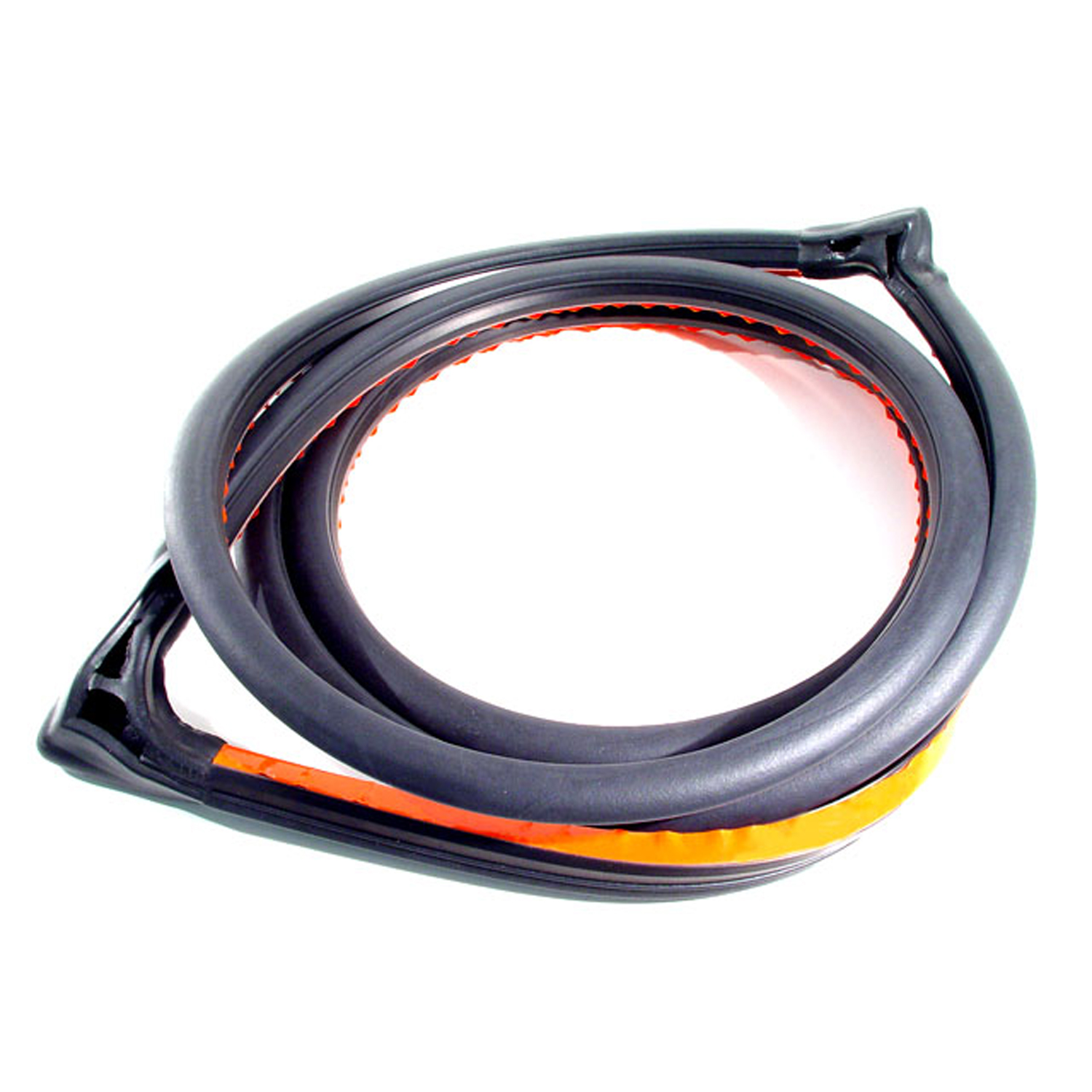 1987 Ford E-150 Econoline Club Wagon Front Side Cargo Door Seal-LM 110-VAFront Side Cargo Door Seal (fits front right side of cargo door). Replaces OEM #E9UZ 1525324 B. For rear (left side) matching seal, see LM 110-VB. Each
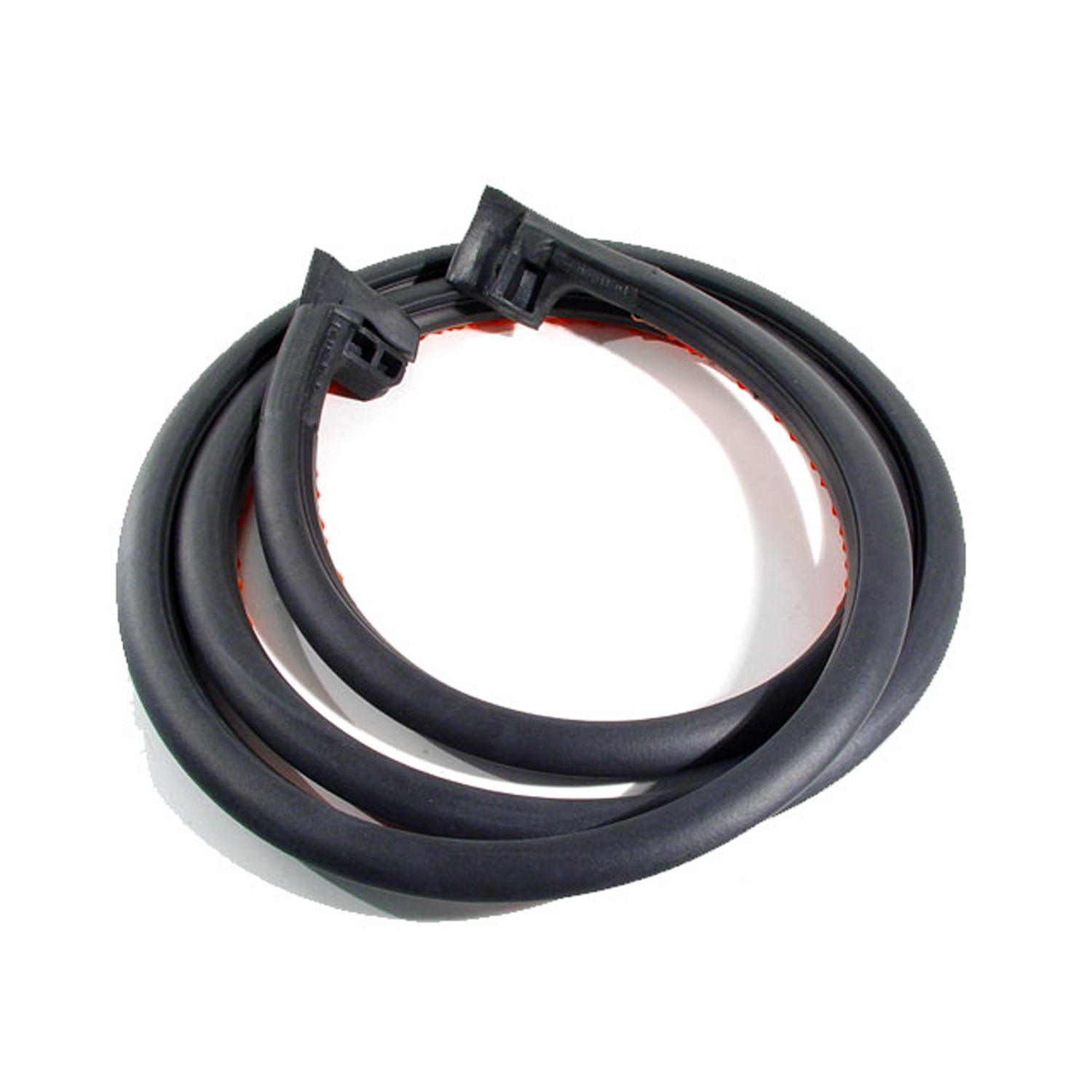 1987 Ford E-150 Econoline Club Wagon Rear Side Cargo Door Seal-LM 110-VBRear Side Cargo Door Seal (fits rear left side of cargo door). Replaces OEM #E9UZ 1525325 B. For front (right side) matching seal, see LM 110-VA. Each
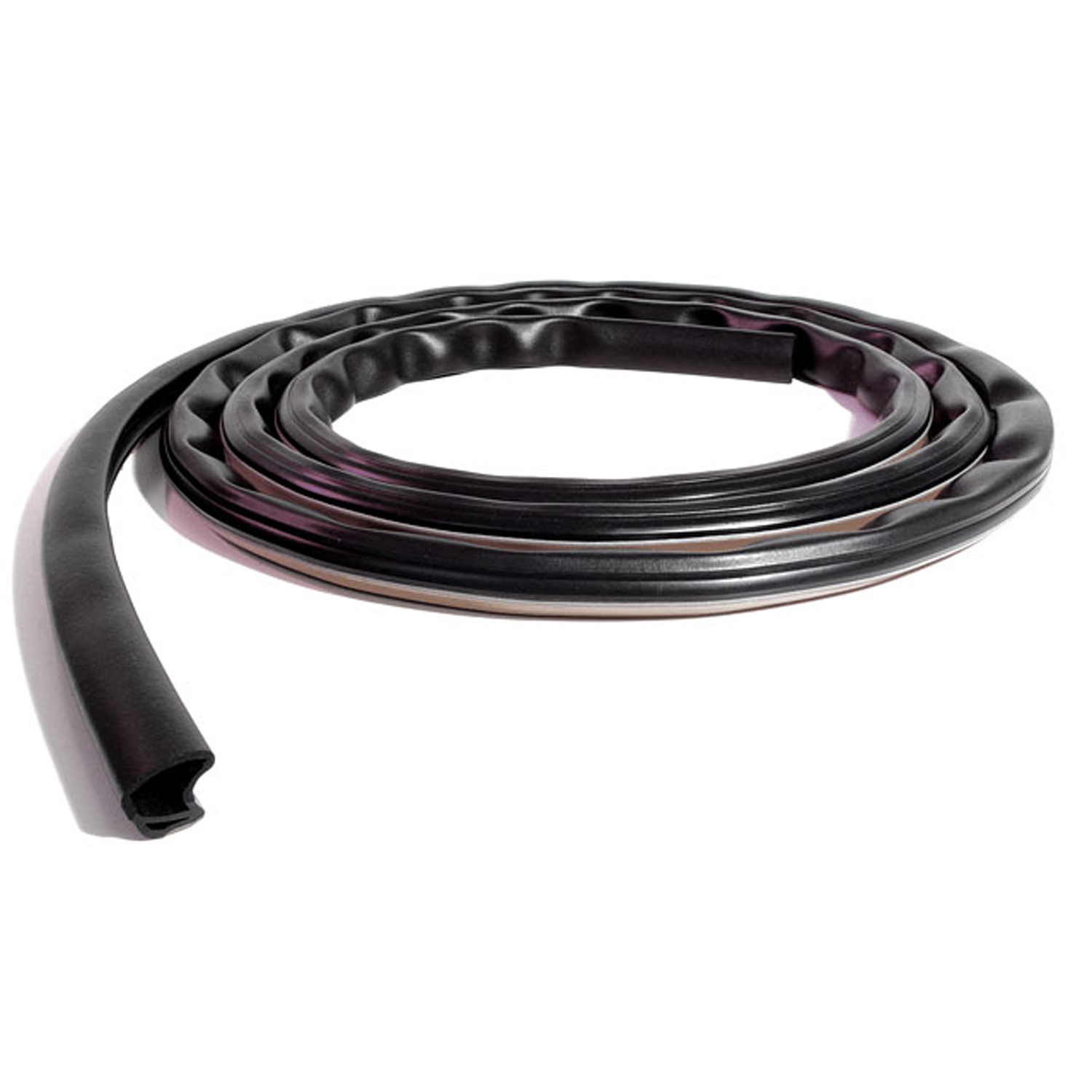 1987 Ford E-150 Econoline Club Wagon Left Front (drivers side) Door Seal. Each-LM 110-VLLeft Front (drivers side) Door Seal. Each
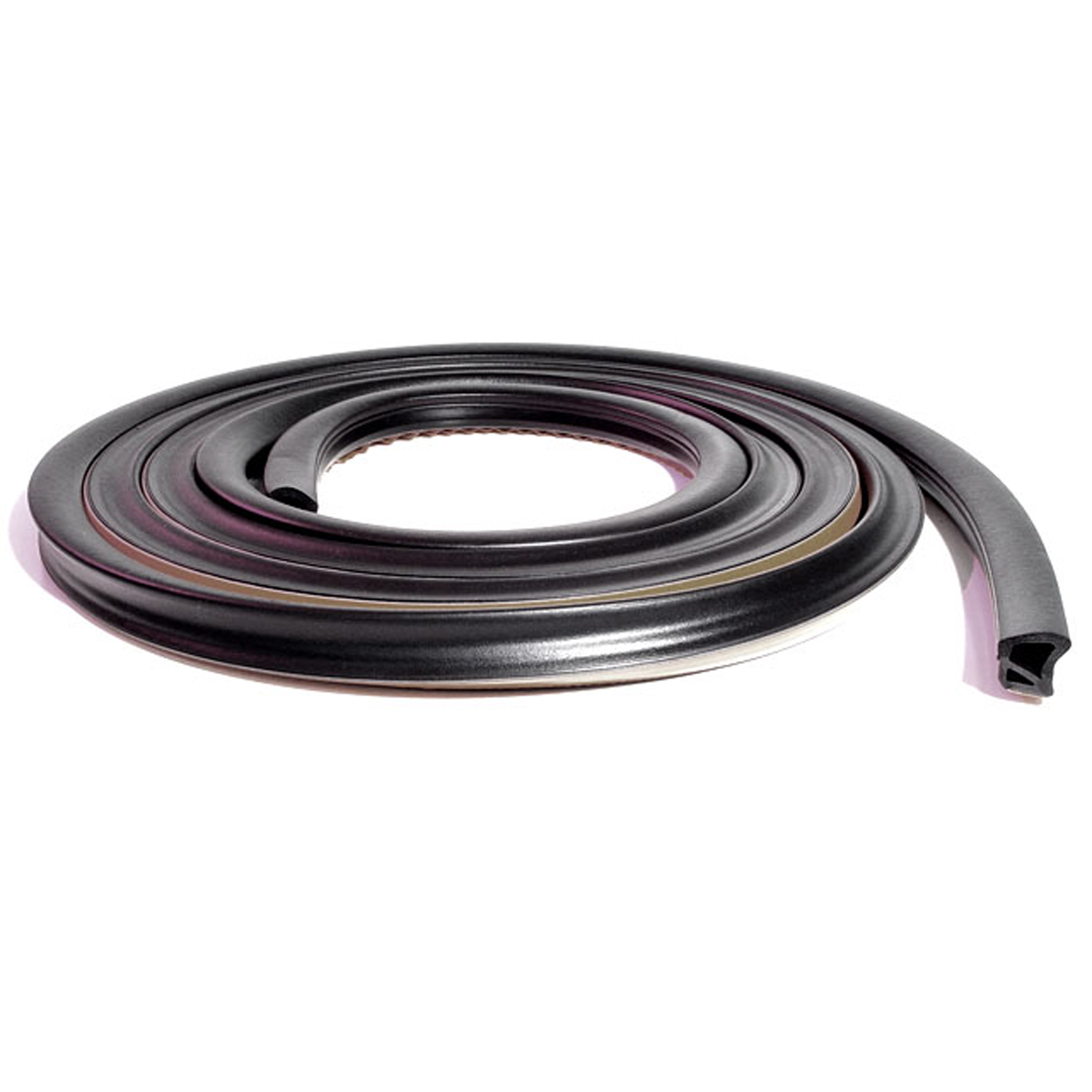 1987 Ford E-150 Econoline Club Wagon Right Front (passenger side) Door Seal. Each-LM 110-VRRight Front (passenger side) Door Seal. Each
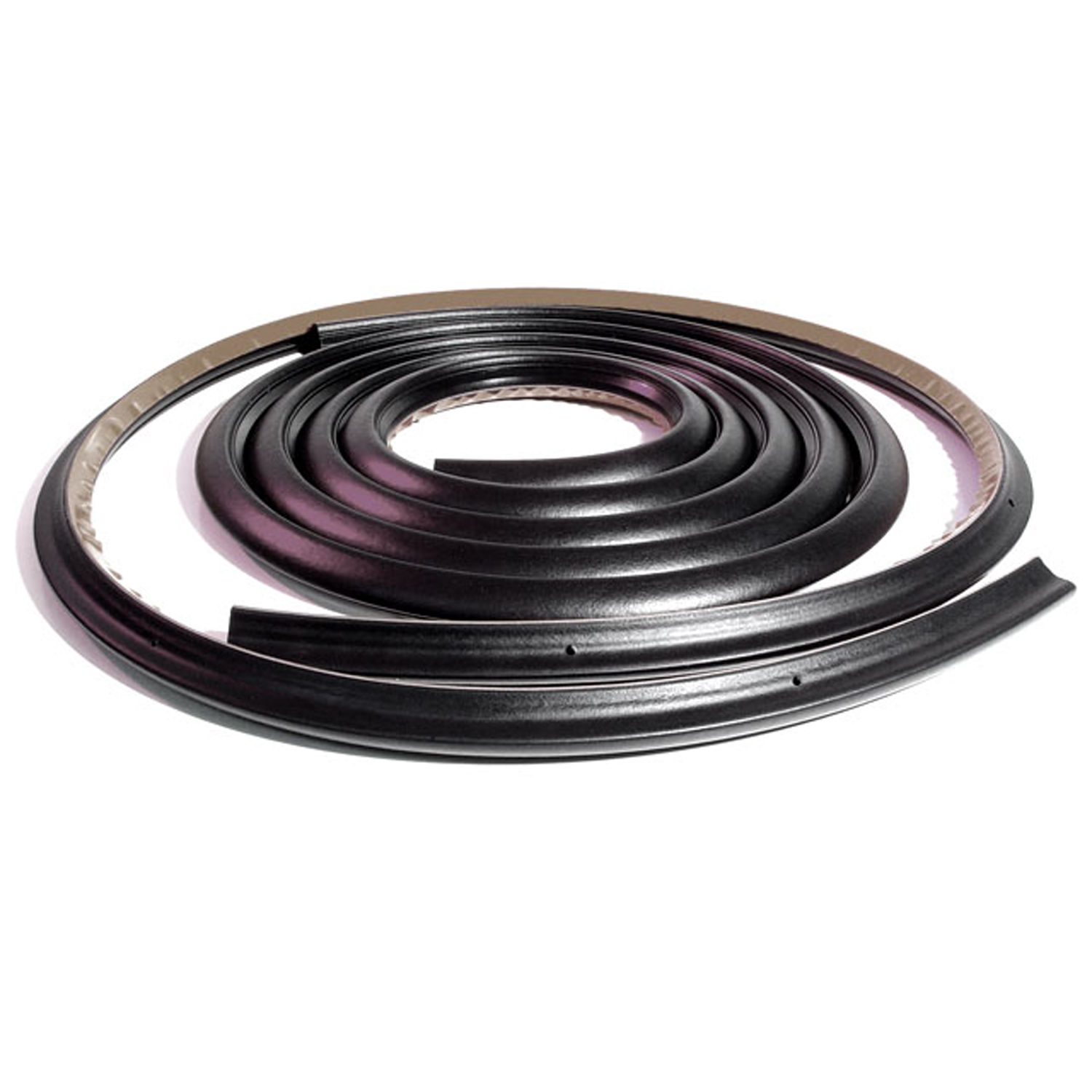 1987 Ford E-150 Econoline Club Wagon Side Slider Door Seal. Each-LM 110-VSSide Slider Door Seal. Each
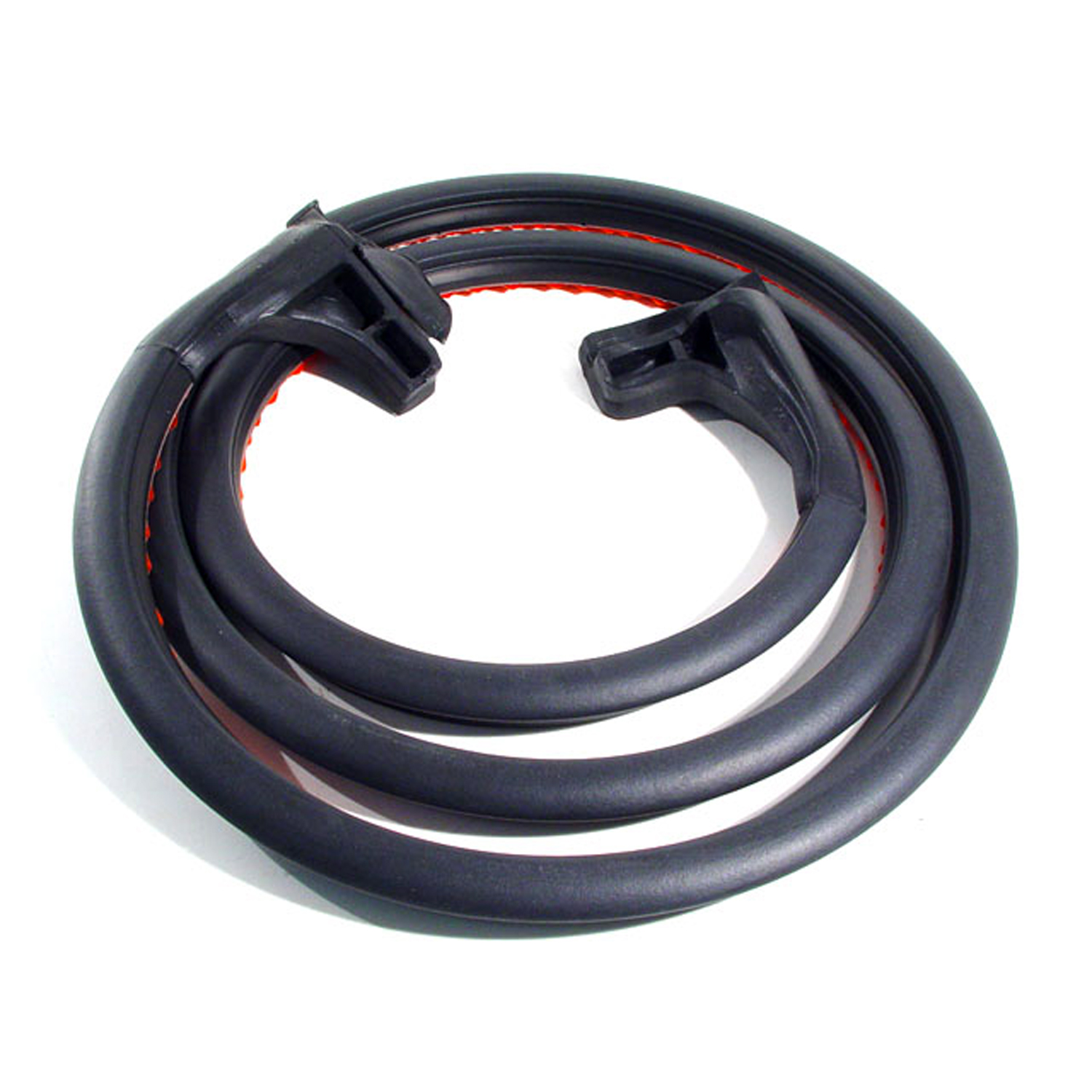 1987 Ford E-150 Econoline Club Wagon Left Rear Door Seal (Drivers Side)-LM 110-VTLeft Rear Door Seal (Drivers Side). Replaces OEM #E9UZ 1543723 A. Each
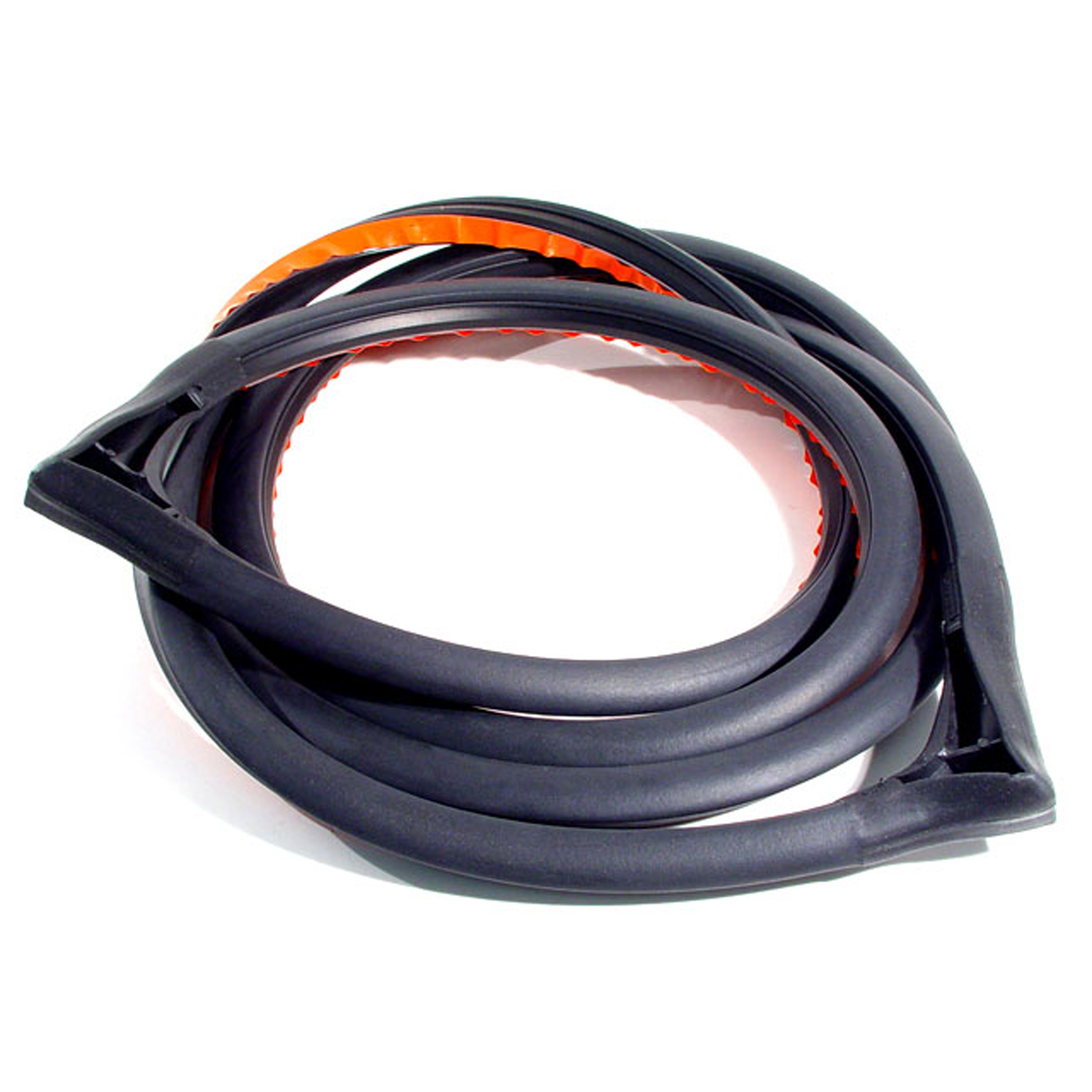 1987 Ford E-150 Econoline Club Wagon Right Rear Door Seal (Passenger Side)-LM 110-VURight Rear Door Seal (Passenger Side). Replaces OEM #F0UZ 1543722 A. Each
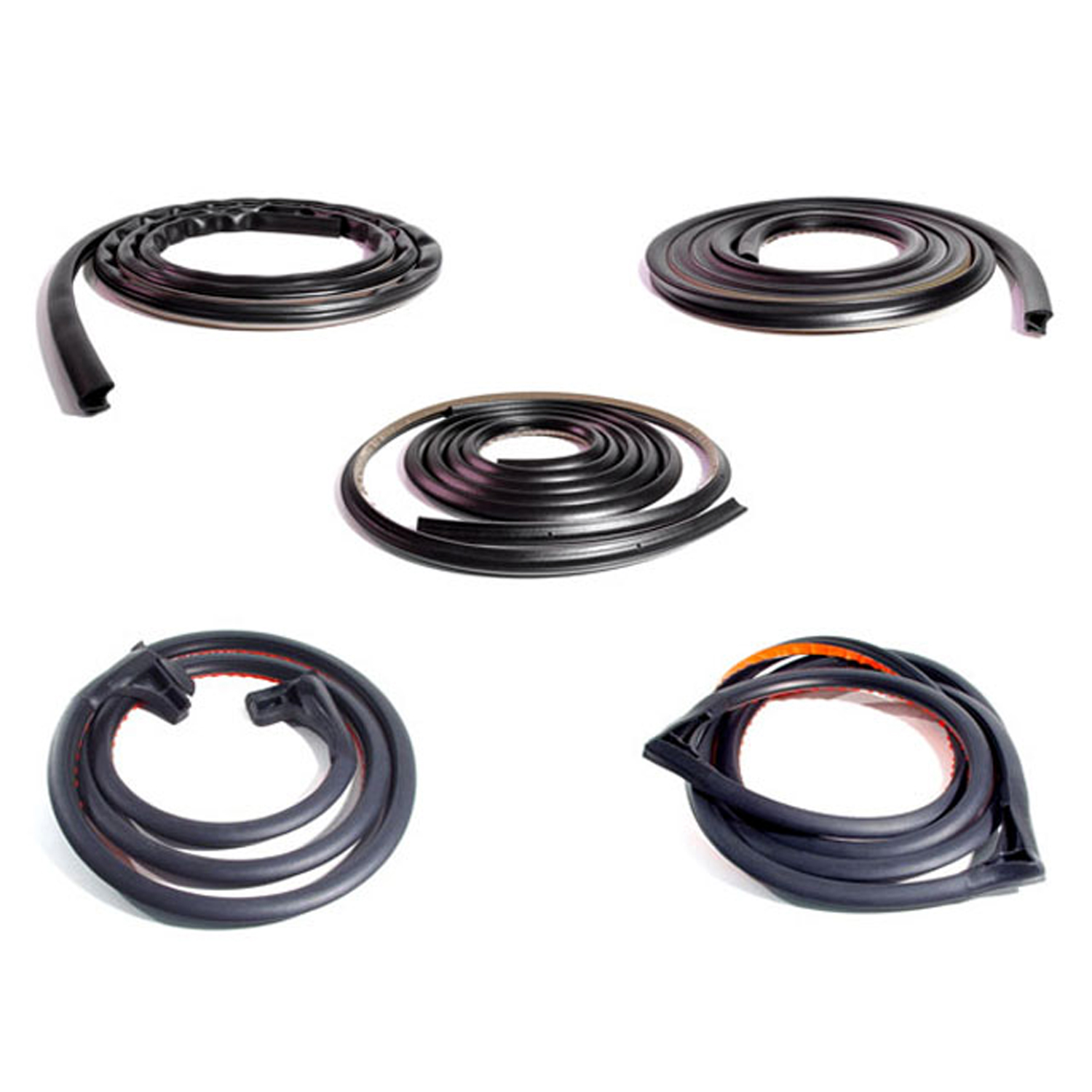 1987 Ford E-150 Econoline Club Wagon Basic Kit, for Models with Side Sliding Door-RKB 3000-100Basic Kit, for Models with Side Sliding Door. Front Left Door (LM 110-VL), Front Right Door (LM 110-VR), Back Left Door (LM 110-VT), Back Right Door (LM 110-VU), Side Sliding Door (LM 110-VS) Seals.
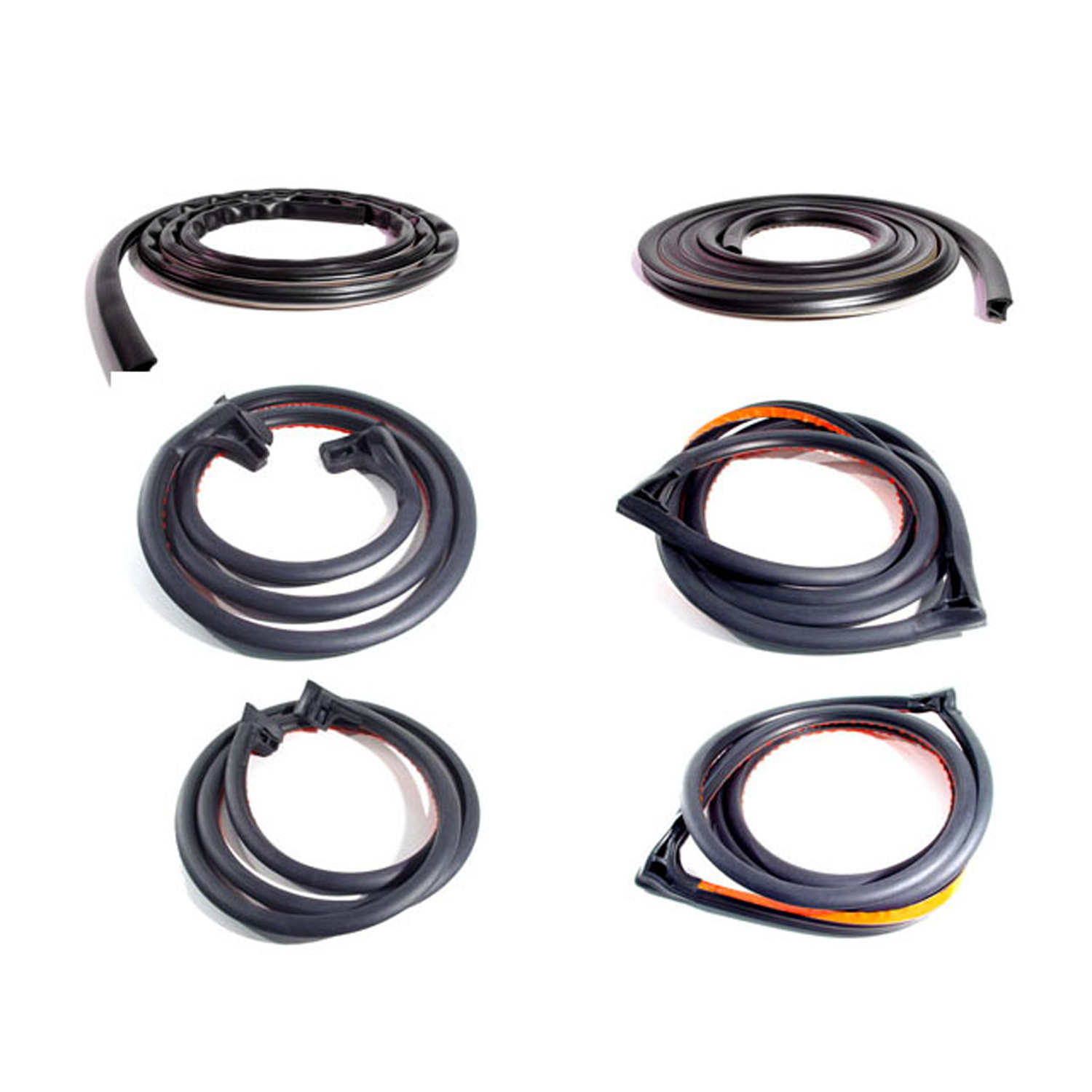 1987 Ford E-150 Econoline Club Wagon Basic Kit, for Models w/Side Cargo Door-RKB 3000-101Basic Kit, for Models w/Side Cargo Door. Front Left LM 110-VL), Front Right LM 110-VR), Back Left LM110-VT), Back Right LM 110-VU), Front Cargo Side (LM 110-VA), Rear Cargo Side (LM 110-VB) Door Seals.
Why Choose Metro?
For over 100 years, Metro Moulded Parts has been the pinnacle of quality in classic car restoration parts. Our commitment to precision and authenticity in every component ensures a perfect fit and an OEM-level appearance.
- Expert Craftsmanship & Quality: Each part is a testament to our dedication to reliability and perfection, crafted from original designs and thoroughly tested.
- Advanced Technology: We use cutting-edge techniques to create flawless, long-lasting parts that surpass others in performance.
- SuperSoft Sponge – The Ultimate Door Seal: Not only are our door seals 30% softer than competitors', but they're also guaranteed to never leak. They effectively reduce wind and road noise, enhancing your classic car's comfort and driving experience.
- Proudly American: Our parts are a product of American craftsmanship, made in the USA with a spirit of excellence and heritage.
- Unrivaled Warranty: We back our products with a 30-year industry-leading warranty, a testament to our confidence in their quality.
Join us in preserving the legacy of classic cars with parts that are crafted for perfection, not just made.