
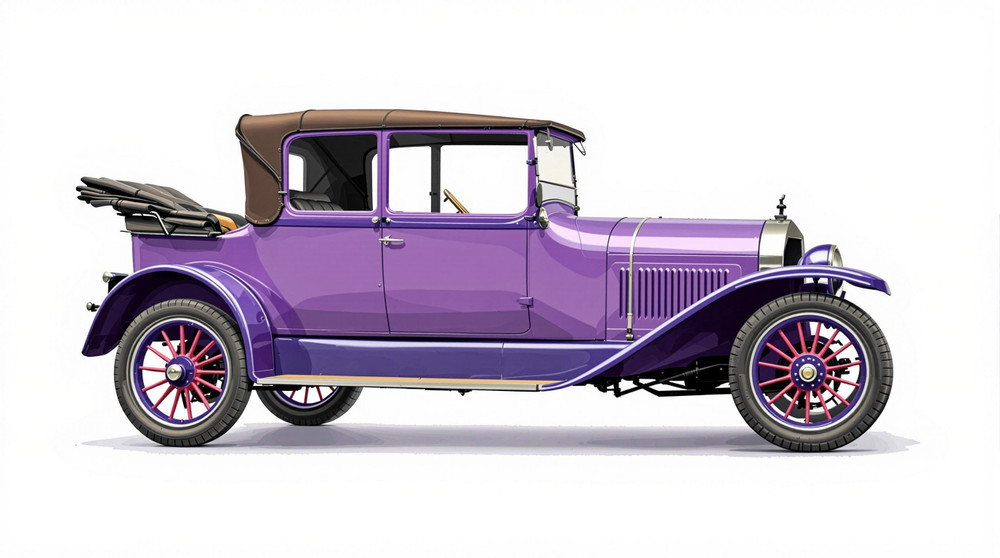
Image of 1921 Franklin Model 9b, Note: These illustrations use artistic license and may differ from actual historical models.
Performance Metrics
Fundamental Metrics
Emotional Appeal
MMP Rating
| Engine Specifications | |
|---|---|
| Engine Options: | Air-cooled 6-cylinder |
| Displacement Range: | 3.3L |
| Horsepower Range: | Estimated 20-25 HP |
| Torque: | Not available |
| Compression Ratio: | Not available |
| Ignition System: | Battery and coil |
| Cooling System: | Air-cooled |
| Performance Specifications | |
| 0-60 Time: | Not available |
| 1/4 Mile Time: | Not available |
| Top Speed: | 45-50 mph |
| Transmission and Drive | |
| Drive Type: | Rear-wheel drive |
| Transmission Type: | 3-speed manual |
| Fuel and Efficiency | |
| Fuel System Type: | Carburetor |
| MPG: | Not available |
| Dimensions and Brakes | |
| Brakes: | Mechanical drum brakes |
| Wheelbase: | 130 inches |
| Weight: | Estimated 2,500 lbs |
Note: Specifications for classic cars are given to the best of our ability, considering the limited and variant data available.
1921 Franklin Model 9-B: The Air-Cooled American Original
In an era when most luxury cars carried a radiator up front, the 1921 Franklin Model 9-B did without one. Built in Syracuse, New York, by the H.H. Franklin Manufacturing Company, it used a sophisticated air-cooled six-cylinder engine, a distinctive engineering choice that made Franklin one of America’s most recognizable early automotive marques.
The 9-B belonged to Franklin’s Series 9 range, a line of comfortable, well-engineered cars aimed at buyers who wanted refinement without simply following the conventions set by Cadillac, Packard, or Peerless. Its air-cooled layout was more than a talking point: it avoided coolant leaks and the risk of a frozen radiator in cold weather. A memorable detail is that the system relied on carefully directed airflow over finned cylinders, not merely open space around the engine. Franklin had to manage cooling with real engineering, not wishful thinking.
Exact specifications can vary by body and surviving car, so figures below should be treated as period-appropriate estimates rather than guarantees for every 9-B. The model is best understood as a refined, lightweight touring automobile with a very different approach to one of a car’s most basic jobs: keeping its engine cool.
Franklin’s Air-Cooled Design
The 9-B’s long hood gave it the proportions of a conventional touring car, but the lack of a radiator changed its face. Instead of a large cooling core and prominent radiator shell, the front end was comparatively clean and compact. Its upright windshield, sweeping fenders, running boards, and tall wheels gave it the formal, carriage-like stance typical of the period. Open cars wore their mechanical character proudly, while closed bodies presented a more substantial, town-carriage appearance.
Franklin’s air-cooled inline six was generally rated at about 25 horsepower, with displacement commonly cited at roughly 208 cubic inches. Its cylinders were finned to shed heat, and a fan and ducting directed air where it was needed. The result was an engine installation that eliminated the radiator, water pump, hoses, and coolant of a conventional water-cooled car. That reduced the number of cooling-system parts, though it did not make the engine maintenance-free. Air passages, fan components, and cooling fins still needed to be kept in good order.
The cabin was made for practical comfort rather than modern convenience. Depending on body style and trim, owners could find upholstered seating in leather or durable cloth, finished wood, and metal hardware chosen for service as well as appearance. Instrumentation was straightforward by today’s standards, and the driver operated the car with the period’s familiar combination of steering wheel, floor pedals, and manual transmission controls. There was no modern sound insulation or climate control, but the large cabin and upright seating gave the Franklin a relaxed, commanding feel.
Factory colors varied with body style, trim, and the buyer’s specification. Dark, conservative shades such as black, deep blue, green, or maroon suited the formal image, while lighter or contrasting treatments could make an open touring car more distinctive. Original paint records and surviving finish samples are the best guide for an individual car; restorers should avoid assuming that every 9-B left the factory in black.
Body Styles and Road Presence
Franklin offered the Series 9 in a range of body configurations, with availability depending on the particular catalog and production specification. Open touring cars and roadsters delivered the most direct connection to the road, while coupes and sedans provided more shelter and privacy. More formal closed bodies appealed to buyers who wanted a chauffeur-ready or businesslike automobile. The touring body is among the most evocative today: its open sides, folding top, and generous seating make the car’s early motoring purpose immediately clear.
Bodywork could be supplied or completed through specialist coachbuilding, so surviving examples may differ in details even when they share the same basic chassis and mechanical specification. That variation is part of the model’s appeal, but it also means collectors should verify a car’s body history rather than rely on a general model description alone.
Why the 9-B Mattered
Air cooling set Franklin apart at a time when the overwhelming majority of American cars depended on water-cooled engines. The design was especially attractive in climates where freezing temperatures could damage a radiator or engine. It also allowed Franklin to make a persuasive case for simplicity: no radiator to puncture, no coolant to leak, and no water pump to service.
Franklin’s larger contribution was showing that air cooling could be applied to a substantial, six-cylinder automobile rather than only to small or low-powered machines. The company developed a reputation for engineering originality and comfort, and its cars became an alternative to the more conventional luxury marques. The 9-B was not the only air-cooled car of its day, but it belonged to one of the most serious and successful American efforts to make the technology work in a full-size road car.
The approach also had trade-offs. Air cooling demanded careful airflow management, and the engine’s fan and ducting were essential to reliable operation. Owners could not simply inspect a radiator level and call the cooling system checked. Franklin’s commitment to a distinctive design made the cars memorable, but it also meant that modern mechanics unfamiliar with the marque may need specialist guidance.
Performance and Driving Feel
A sound 1921 Franklin 9-B could likely manage roughly 45 to 55 mph, depending on its body, gearing, condition, and road surface. That is a practical estimate, not a universal factory-tested top speed. Acceleration from 0 to 60 mph was not a meaningful period benchmark for this class of car, and many examples would not reach 60 mph at all under ordinary conditions. With around 25 horsepower moving a substantial car, the Franklin rewards patience rather than hard launches.
Its six-cylinder engine should feel smoother than many contemporary four-cylinder engines, delivering a measured, steady pull rather than a sudden surge. The driver works a non-synchronized manual transmission, so smooth gear changes depend on timing and technique. Braking and steering are also entirely of their era: they require more anticipation and physical effort than a modern driver may expect. There are no electronic aids to correct a mistake, and safe driving means leaving generous room and keeping speeds sensible.
On a rough road, the Franklin’s substantial chassis and period suspension offer a composed, deliberate ride, though it will not isolate occupants from every rut or sharp bump. On winding roads, its tall stance and narrow tires call for smooth steering inputs and moderate speed. The open touring body lets occupants hear the engine, drivetrain, tires, and wind directly. Rather than a quiet luxury-car experience, it is an engaging mechanical conversation between driver and machine.
Living with a 1921 Franklin
The 9-B is best suited to touring, club events, historic motoring gatherings, and carefully planned local drives. It can be driven on the road when properly maintained, but modern traffic, steep hills, and long high-speed stretches are not its natural habitat. Most owners treat one as a touring or show car rather than a daily driver, preserving its original character while exercising it regularly.
Routine upkeep includes checking lubrication, ignition, tires, steering, brakes, and the condition of the air-cooling system. The absence of a radiator simplifies one part of ownership, but replacement parts and marque-specific knowledge can be more difficult to find than they are for a common Model T or Chevrolet. Some repairs are straightforward for a mechanically capable owner; others, particularly work involving the engine, cooling fan, or unusual body components, are better handled by a specialist familiar with Franklin cars.
Reliability depends heavily on the individual car. A well-restored example that is driven and serviced regularly can be enjoyable and dependable for its intended use. A neglected car may require careful recommissioning before it is safe to tour. Buyers should look beyond fresh paint and inspect the engine, cooling components, chassis, brakes, wood structure, and the quality of any previous restoration.
Franklin Facts and Common Questions
The most obvious Franklin trivia is also the easiest to spot: there is no conventional radiator because the car is air-cooled. The company’s engineering identity was so closely tied to this feature that it became a defining part of the marque’s reputation. The 9-B is not generally known for a single celebrity owner or a headline-grabbing speed record, and claims of specific celebrity associations should be checked against reliable documentation.
Nor should the 9-B be confused with a racing special. Its strengths were comfort, thoughtful engineering, and touring ability, not outright competition performance. A common criticism is that air cooling sounds inherently crude or less effective than water cooling. Franklin’s carefully engineered system answers that criticism, but the design still requires clean fins and correctly functioning airflow. Another practical drawback is the challenge of finding knowledgeable service and model-specific parts today.
Collector Value and Rarity
There is no dependable single production figure for the 1921 Model 9-B that applies across every body style and configuration. As a broad estimate, production was likely in the low thousands rather than the tens of thousands, but model-specific records are not consistently reported. Franklin cars survive in modest numbers, and complete, correctly identified 9-B examples are much less familiar on the market than more common American cars of the same era.
As a general 2026 collector-market estimate, a project or incomplete car might fall around $10,000 to $25,000. A sound, usable example could land in the $25,000 to $50,000 range, while a high-quality restoration, rare body, or exceptionally documented car may reach roughly $50,000 to $80,000 or more. These are broad estimates, not appraisals. Condition, originality, body style, restoration quality, and provenance can move the price substantially.
Franklin values have generally been steadier than those of headline-grabbing brass-era and luxury cars. The market for early automobiles can be selective, so a car may take time to sell at its full value. Well-documented examples with sound mechanical work and an attractive body tend to appeal most to collectors. The marque’s engineering story gives it lasting interest, even if it does not attract the same broad buyer pool as a Ford Model T or a major luxury nameplate.
A Distinctive Classic Worth Knowing
The 1921 Franklin Model 9-B combines formal early-automobile styling with an unusually ambitious engineering idea. Its air-cooled six, comfortable touring character, and unmistakable lack of a radiator set it apart from many of its contemporaries. It asks for attentive maintenance and a measured driving style, but rewards owners with a memorable piece of American automotive history.
More than a handsome antique, the 9-B is a reminder that the road to modern motoring was shaped by competing ideas. Franklin chose a different route, and a century later, that decision is still written plainly across the front of the car.
1921 Franklin Model 9b Catalog of Parts
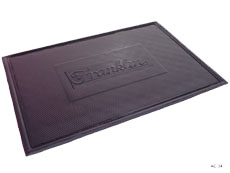 1921 Franklin Model 9B Accessory Floor Mat - 12"X17"-AC 34Accessory Floor Mat - made of high quality black rubber with molded original emblem. Also designed to be sewn into new carpets. 12"X17", Each
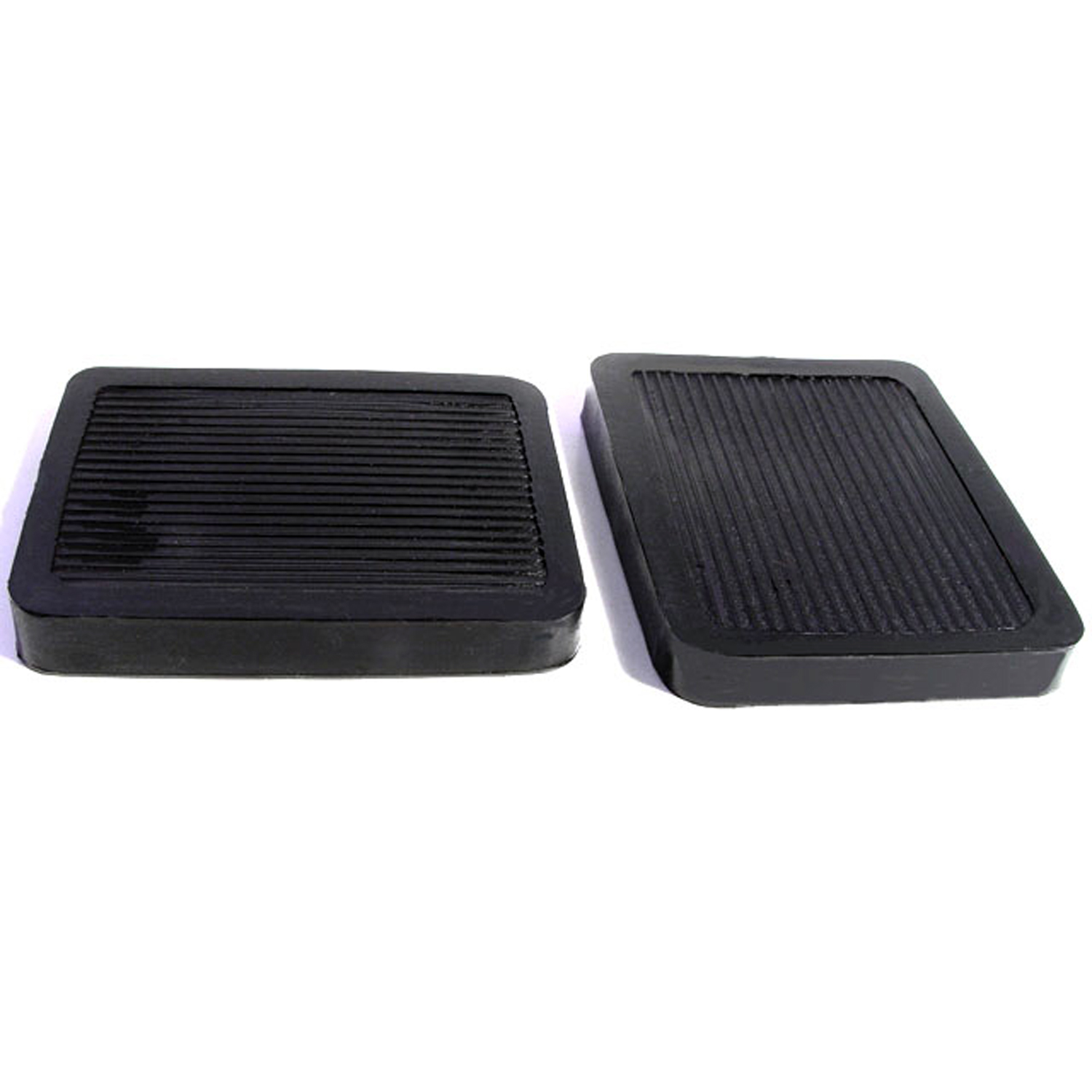 1921 Franklin Model 9B Clutch and Brake Pedal Pads. Perfect reproduction-CB 24Clutch and Brake Pedal Pads. Perfect reproduction. 3" wide X 3-3/4" long. Pair
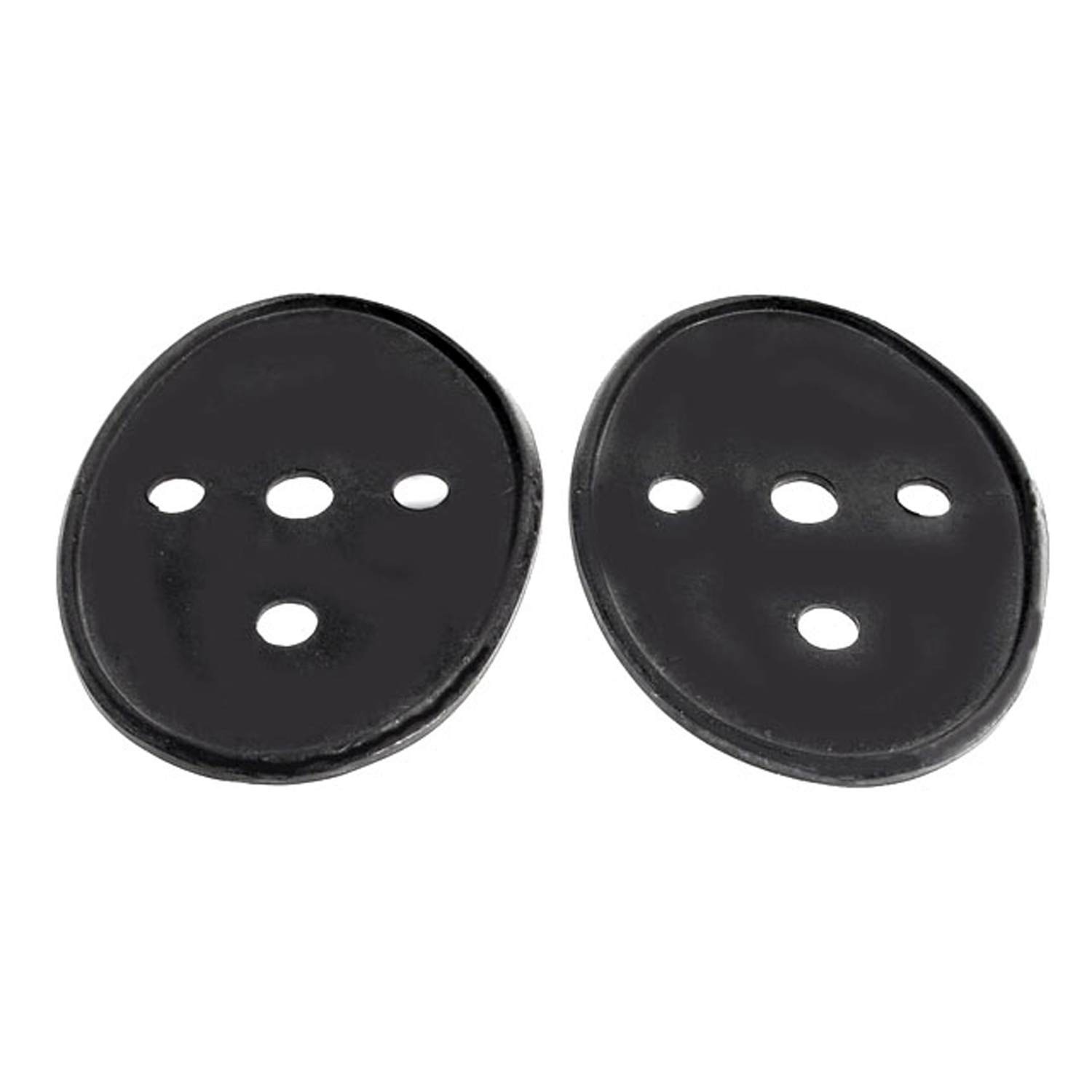 1921 Franklin Model 9B Tail-light Pads. 3-1/4" wide X 4-5/8" long. Pair.-MP 671Tail-light Pads. 3-1/4" wide X 4-5/8" long. Pair.
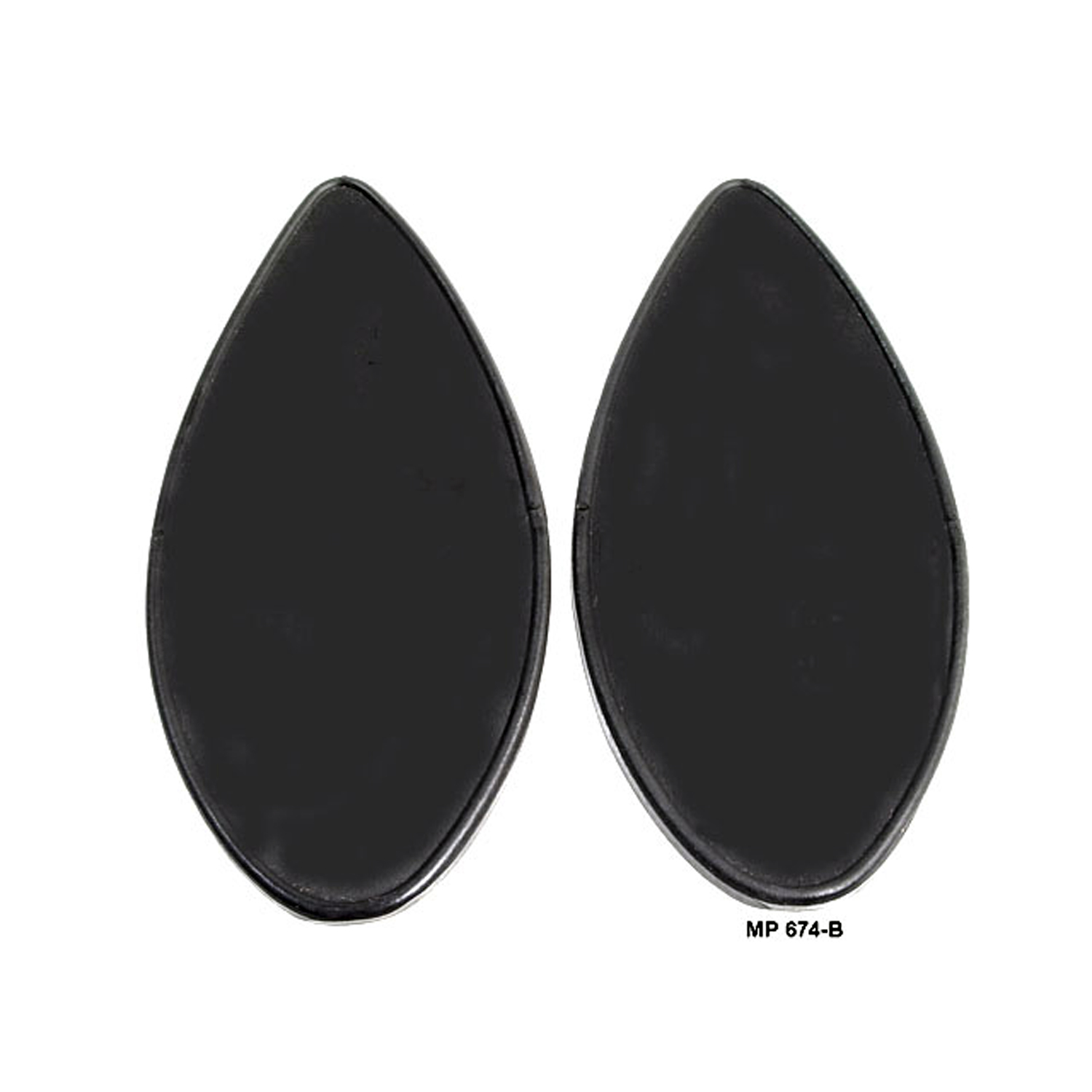 1921 Franklin Model 9B Tail-light Pads. 3" wide X 6-3/4" long. Pair-MP 674-BTail-light Pads. 3" wide X 6-3/4" long. Pair
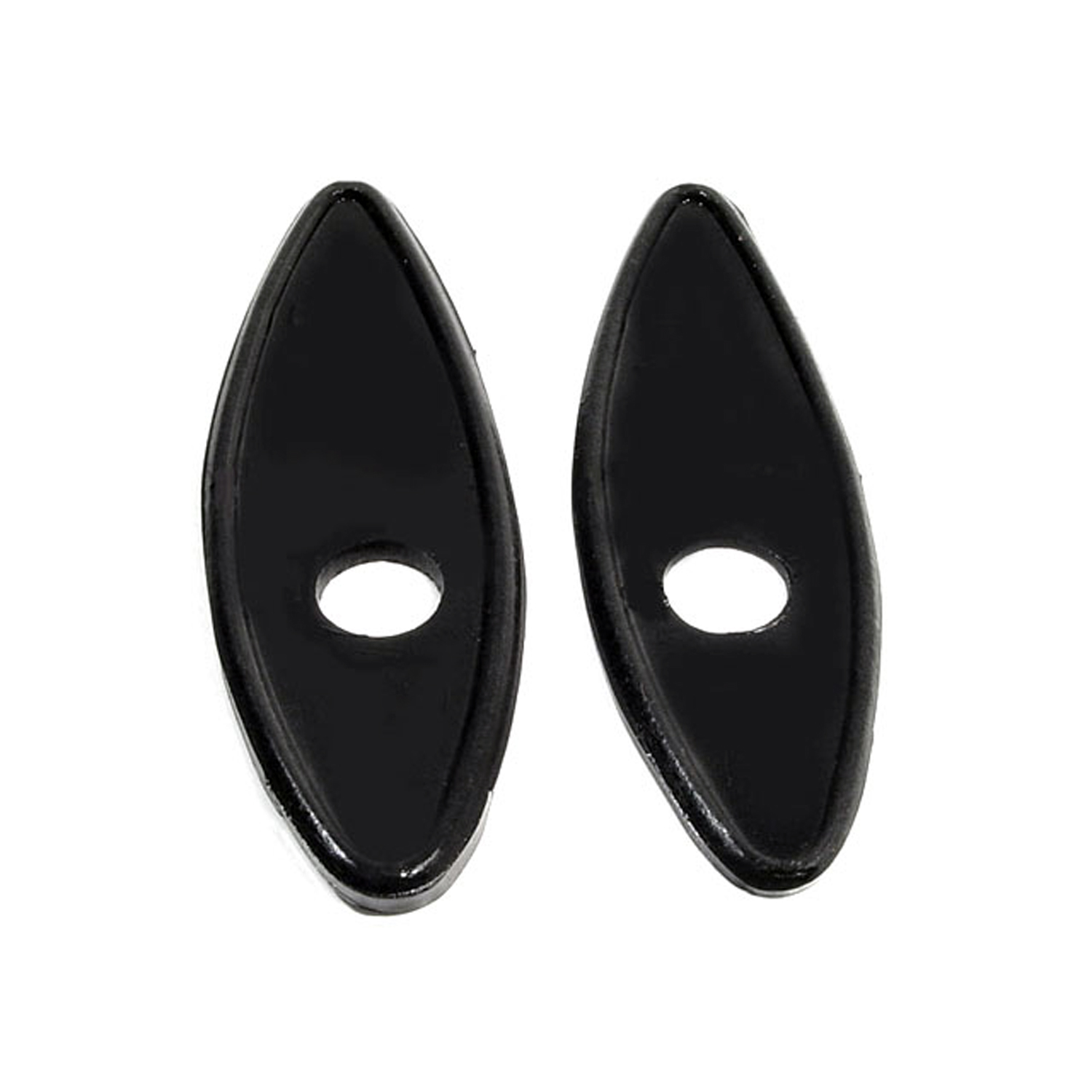 1921 Franklin Model 9B Park Light Pads. 1-3/8" wide X 4-1/8" long. Pair-MP 674-CPark Light Pads. 1-3/8" wide X 4-1/8" long. Pair
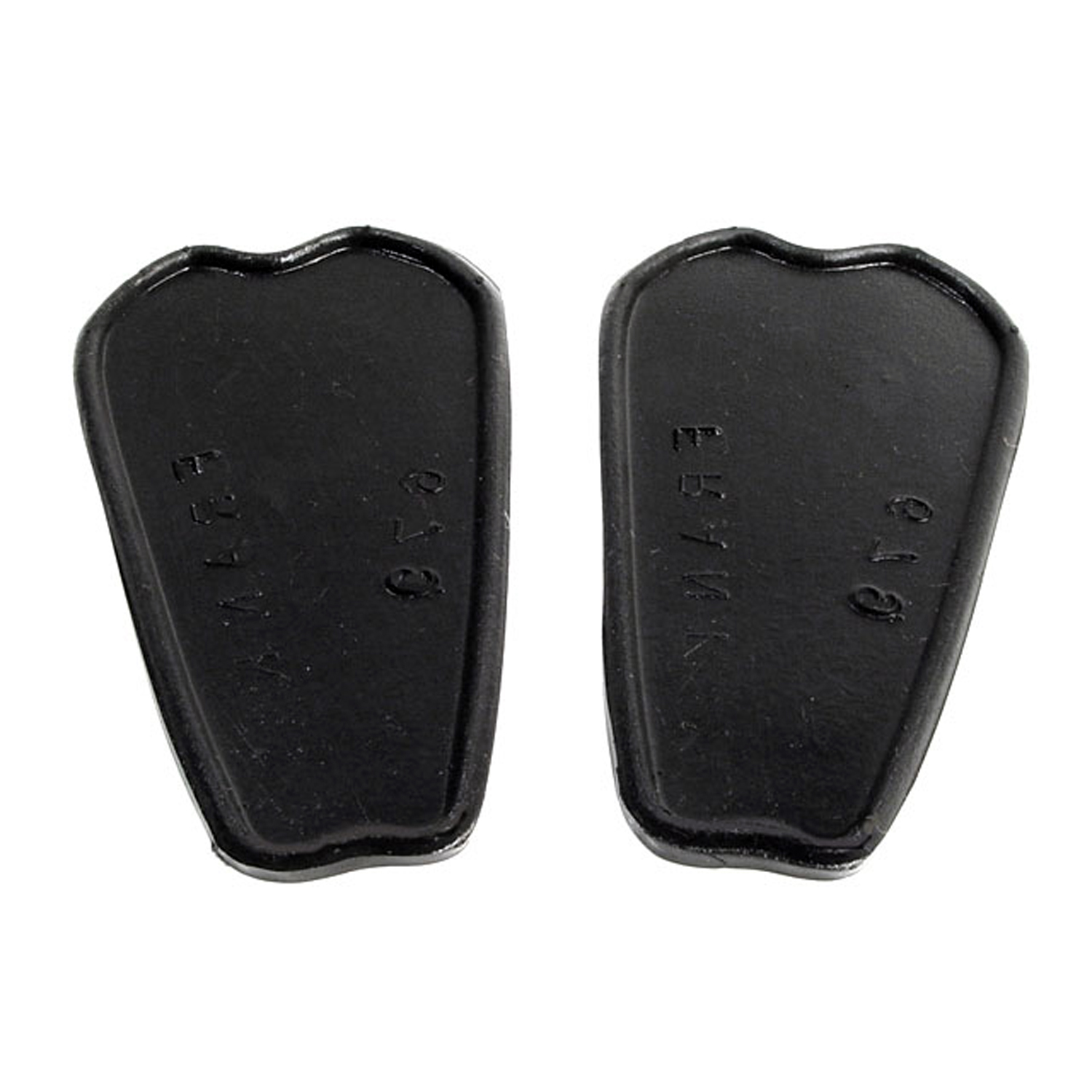 1921 Franklin Model 9B Park Light Pads. 2-1/4" wide X 4-1/8" long. Pair-MP 679Park Light Pads. 2-1/4" wide X 4-1/8" long. Pair
Why Choose Metro?
For over 100 years, Metro Moulded Parts has been the pinnacle of quality in classic car restoration parts. Our commitment to precision and authenticity in every component ensures a perfect fit and an OEM-level appearance.
- Expert Craftsmanship & Quality: Each part is a testament to our dedication to reliability and perfection, crafted from original designs and thoroughly tested.
- Advanced Technology: We use cutting-edge techniques to create flawless, long-lasting parts that surpass others in performance.
- SuperSoft Sponge – The Ultimate Door Seal: Not only are our door seals 30% softer than competitors', but they're also guaranteed to never leak. They effectively reduce wind and road noise, enhancing your classic car's comfort and driving experience.
- Proudly American: Our parts are a product of American craftsmanship, made in the USA with a spirit of excellence and heritage.
- Unrivaled Warranty: We back our products with a 30-year industry-leading warranty, a testament to our confidence in their quality.
Join us in preserving the legacy of classic cars with parts that are crafted for perfection, not just made.