
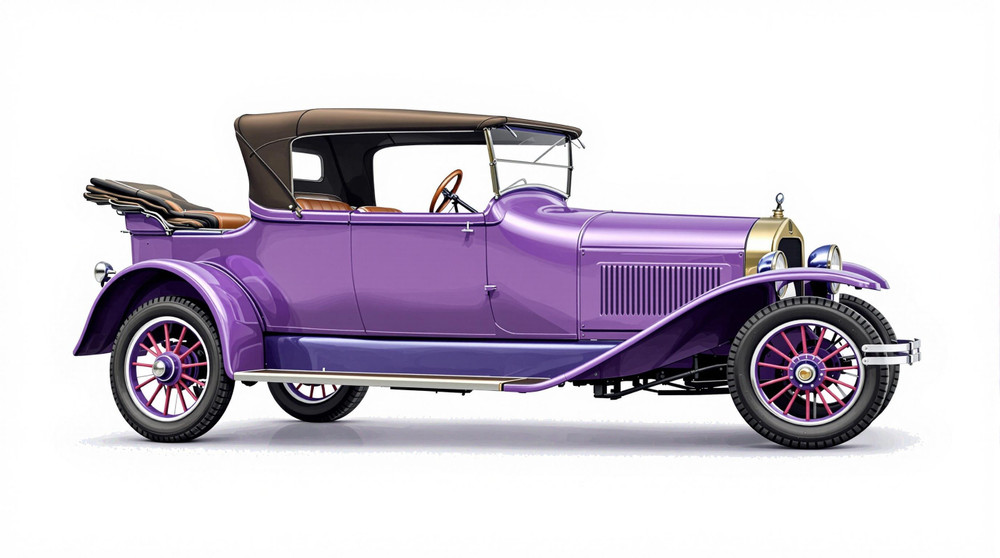
Image of 1922 Franklin Model 9b, Note: These illustrations use artistic license and may differ from actual historical models.
Performance Metrics
Fundamental Metrics
Emotional Appeal
MMP Rating
| Engine Specifications | |
|---|---|
| Engine Options: | Air-cooled 6-cylinder |
| Displacement Range: | 3.3L |
| Horsepower Range: | Estimated 20-25 HP |
| Torque: | Not available |
| Compression Ratio: | Not available |
| Ignition System: | Battery and coil |
| Cooling System: | Air-cooled |
| Performance Specifications | |
| 0-60 Time: | Not available |
| 1/4 Mile Time: | Not available |
| Top Speed: | 45-50 mph |
| Transmission and Drive | |
| Drive Type: | Rear-wheel drive |
| Transmission Type: | 3-speed manual |
| Fuel and Efficiency | |
| Fuel System Type: | Carburetor |
| MPG: | Not available |
| Dimensions and Brakes | |
| Brakes: | Mechanical drum brakes |
| Wheelbase: | 130 inches |
| Weight: | Estimated 2,800 lbs |
Note: Specifications for classic cars are given to the best of our ability, considering the limited and variant data available.
1922 Franklin Model 9B: The Air-Cooled American Original
The 1922 Franklin Model 9B made a bold choice in an era when most American cars depended on water-cooled engines: it did without a radiator altogether. Built by the H.H. Franklin Manufacturing Company of Syracuse, New York, the 9B carried forward the company’s distinctive air-cooled engineering in a comfortable, substantial six-cylinder automobile. Its unusual powerplant, light construction, and practical touring character made it one of the more individual American cars of the early 1920s.
Franklin’s roots reached back to 1902, when industrialist Herbert H. Franklin partnered with engineer John Wilkinson to build automobiles around air cooling. By 1922, the company had established a reputation for refined, technically adventurous cars aimed at buyers who valued comfort and engineering as much as outright speed. One appealing Franklin detail was also a practical one: without a radiator or coolant, there was no radiator water to freeze in winter or boil away on a long climb.
Streamlined for Its Time
The Model 9B had the upright, dignified proportions typical of the period, but its appearance was less heavy than that of many contemporary luxury cars. Depending on body style, it combined a long hood with gently curved fenders, tall wheels, a relatively narrow body, and a high seating position. The missing radiator gave the nose a distinctive look: instead of a conventional radiator shell, the front end was arranged to admit air to the engine. Details varied by body and trim, but nickel-plated lamps, windshield frames, and other brightwork could add a polished contrast to the painted body.
Period Franklin interiors were designed for touring comfort rather than sporting austerity. Upholstery was generally specified in durable, well-finished materials, often leather or quality cloth depending on the body and trim level. The cabin featured practical, period-correct controls and generous seating, with the open touring versions offering the social, fresh-air experience popular among well-to-do motorists of the day. Original materials and trim can vary considerably on surviving cars, especially after decades of restoration.
Franklin offered cars in a range of body and paint configurations, and colors could depend on the particular body, year, and customer order. Dark, understated shades such as black, deep blue, and maroon suited the formal sedans and closed cars, while touring cars could wear livelier combinations. There is no single color that can be called the definitive 9B choice: factory records and surviving examples are the best guide to a particular car’s original finish.
Like other manufacturers of the period, Franklin offered multiple body styles across its range. Touring bodies were among the most recognizable and useful, while sedans and other closed bodies provided greater protection from weather. Coupe and specialty configurations were also part of the broader early-1920s Franklin offering. Exact availability depended on the model year and catalog, so a buyer researching a specific 9B should verify its body style against period literature and the car’s records.
Air Cooling as a Design Statement
The 9B’s defining feature was its air-cooled inline six-cylinder engine. Rather than circulating coolant through a radiator, the engine relied on airflow and carefully designed cooling surfaces to carry heat away. This removed several components found on conventional cars, including the radiator and water-cooling system, and helped Franklin pursue relatively light construction. The design also avoided coolant leaks and freezing, although it required thoughtful engine design and maintenance to manage heat reliably.
Franklin’s approach was not simply a novelty. The company had spent years refining air cooling and promoted its cars as comfortable, capable machines rather than experimental curiosities. The Model 9B represented an alternative path in American automotive engineering at a time when the industry was standardizing around water-cooled engines. Franklin’s long commitment to air cooling gave the marque a clear identity, even though the layout never became the dominant arrangement among major automakers.
That distinctiveness is part of the 9B’s lasting significance. It shows that early automotive development was not a straight line toward one universally accepted design. Franklin explored a different balance of weight, simplicity, and all-weather practicality, and its engineering remained a central feature of the marque until the company ceased production in 1934.
Road Manners and Period Performance
The Model 9B’s six-cylinder engine was built for smooth, steady progress rather than quick acceleration. Published specifications and surviving examples can differ by configuration, but the engine is generally described as a modest-output unit by modern standards. A healthy, correctly tuned car could cruise at respectable touring speeds for its era, and a top speed in the neighborhood of 55 to 60 mph is a reasonable period estimate. Actual performance depends heavily on body style, gearing, mechanical condition, tire choice, and road conditions.
A dependable factory 0-to-60 mph figure is not readily available, and the number should be treated cautiously for a century-old car. The 9B was not designed around modern acceleration testing, and some examples may struggle to reach 60 mph comfortably, especially with a heavy closed body or original gearing. Its strengths were smoothness and sustained road travel, not rapid starts. Any modern performance estimate should be understood as an approximation, not a verified factory claim.
On a period road, the Franklin’s long-wheelbase proportions and touring-oriented suspension would have helped it feel composed over ordinary bumps. Like most cars of its time, however, it lacks modern shock tuning, tire technology, and structural refinement. Rough surfaces call for a relaxed pace, while tight or windy roads demand anticipation and careful steering. The driver works a manual transmission and operates controls that feel far more physical than those in a modern car.
The engine’s sound is another part of the experience. Instead of the familiar rush of a radiator fan and water pump, the 9B offers the mechanical note of a slow-turning six, with induction and exhaust sounds that become more noticeable as the car is worked. The ride feels deliberate and substantial, and the driver is engaged in every stage of the trip. It is a car to guide along the road, not a machine that filters the experience away.
Living with a Franklin Model 9B
Today, a Model 9B is best suited to touring, vintage-car gatherings, preservation, and occasional local drives. It is not a sensible daily driver for most owners: modern traffic moves faster, parts are specialized, and the car’s braking, lighting, and safety equipment reflect another era. Carefully planned tours on suitable roads are a better match for its design and character.
Maintenance is manageable for an owner with mechanical experience, but it is not identical to working on a common water-cooled car. The air-cooled engine avoids coolant-system repairs, yet its cooling components, lubrication, ignition, fuel delivery, and engine condition all need close attention. Parts availability is limited compared with popular Ford or Chevrolet models, and some components may require specialist knowledge or careful sourcing. A pre-purchase inspection by someone familiar with Franklin automobiles is strongly recommended.
Reliability depends as much on restoration quality and upkeep as on the original design. A well-maintained Franklin can be a rewarding touring car, but neglected examples may need costly engine or chassis work. Prospective owners should check for overheating or signs of heat damage, assess the condition of the engine and transmission, and confirm that any replacement parts suit the specific car.
Franklin Trivia and Common Criticisms
The most memorable Franklin fact is built into the car’s silhouette: it has no conventional radiator because its engine is air-cooled. That feature made the marque instantly recognizable to enthusiasts and gave it a practical advantage in freezing weather. Franklin’s engineering also attracted attention for its emphasis on lightness and comfort, a combination that distinguished the cars from heavier competitors.
The Model 9B is not generally associated with a famous speed record or a single headline-making historical event. Its significance is better understood through Franklin’s sustained engineering experiment and the company’s place in the American luxury-car market. Celebrity ownership claims should be checked carefully, since many early-car stories are repeated without reliable documentation.
Common criticisms are predictable: the 9B is slow by modern standards, parts can be difficult to find, and its unusual engine design may intimidate mechanics unfamiliar with air-cooled Franklins. The car also lacks the weather protection, braking performance, and safety features expected today. For collectors, those compromises are part of the appeal, but they make careful maintenance and realistic use essential.
Rarity, Values, and Collectability
Exact production totals for the Model 9B are difficult to establish from readily available published records. As a broad estimate rather than a verified factory count, several thousand examples may have been built, perhaps in the range of roughly 4,000 to 8,000 across the model’s production. The number of surviving cars is far smaller, and availability depends on body style, condition, and whether an example is already held in a collection or museum.
As a general collector-market estimate, a project or incomplete car might fall around $15,000 to $30,000. A sound, usable example could bring approximately $30,000 to $60,000, while a high-quality restoration or especially desirable body style may reach $60,000 to $100,000 or more. These are broad guide figures, not a formal appraisal. Franklin sales are relatively infrequent, so condition, provenance, originality, and the quality of the restoration can outweigh general price guides.
Values for early Franklins tend to be steady within the specialist market rather than driven by sudden trends. Exceptional restorations can command strong prices, but the pool of buyers is narrower than for more familiar brass- or nickel-era classics. Over time, well-documented and correctly restored cars may appreciate, though ownership costs and restoration expenses can exceed any increase in market value. A prospective buyer should purchase for the experience and historical interest, not assume a guaranteed investment return.
Why the 1922 Franklin 9B Still Matters
The Franklin Model 9B is a distinctive American touring car from a period when automakers were still exploring very different answers to the problem of building a dependable automobile. Its air-cooled six-cylinder engine, comfortable bodywork, and practical approach to cold-weather motoring set it apart from the mainstream. Performance is modest, parts require planning, and the driving experience is unmistakably vintage, but those traits are also what make it memorable.
For collectors, the 9B offers more than an old car with unusual engineering. It is a rolling reminder that innovation can take a road less traveled, and that Franklin followed its own route all the way to the front of the automobile.
1922 Franklin Model 9b Catalog of Parts
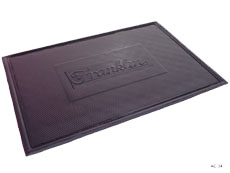 1922 Franklin Model 9B Accessory Floor Mat - 12"X17"-AC 34Accessory Floor Mat - made of high quality black rubber with molded original emblem. Also designed to be sewn into new carpets. 12"X17", Each
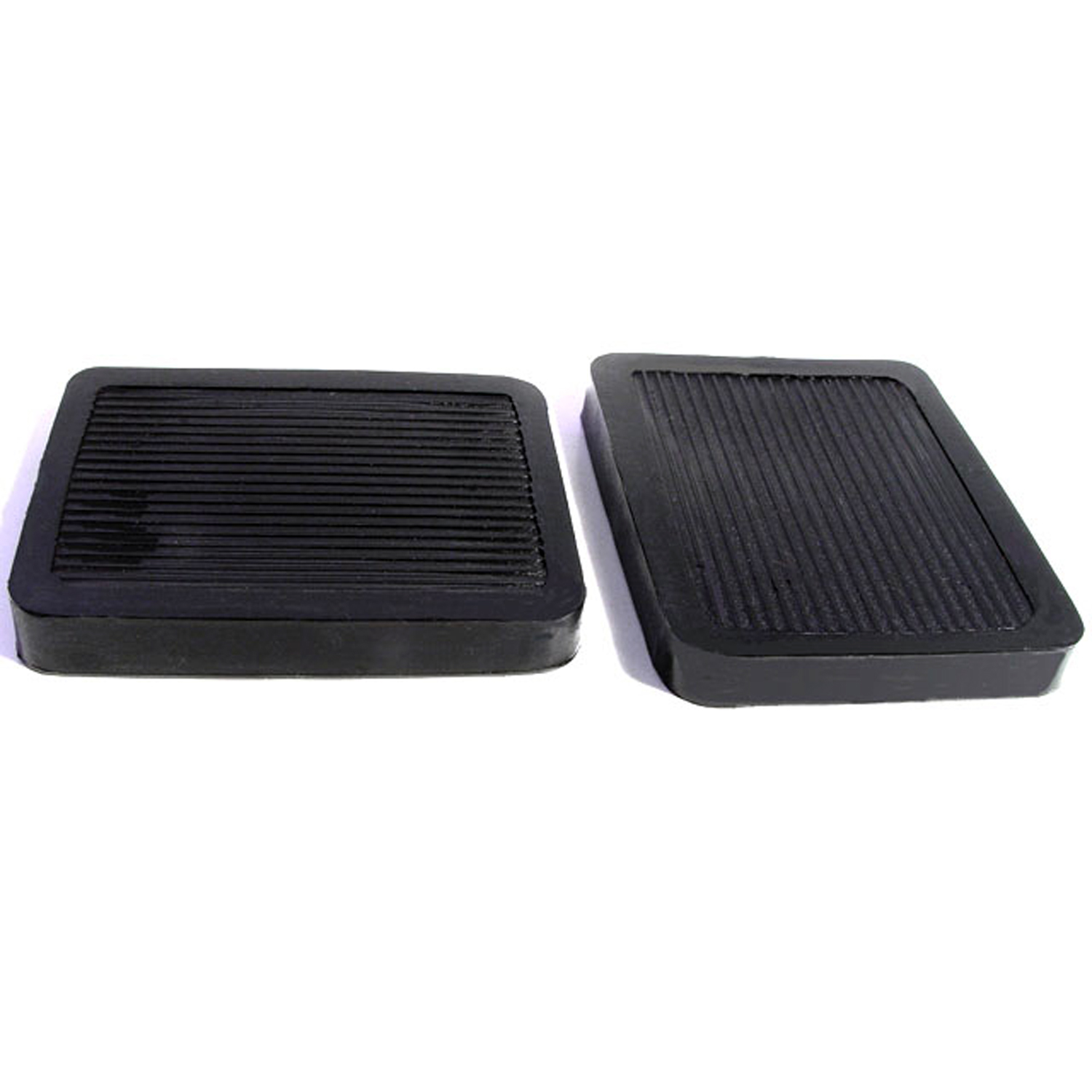 1922 Franklin Model 9B Clutch and Brake Pedal Pads. Perfect reproduction-CB 24Clutch and Brake Pedal Pads. Perfect reproduction. 3" wide X 3-3/4" long. Pair
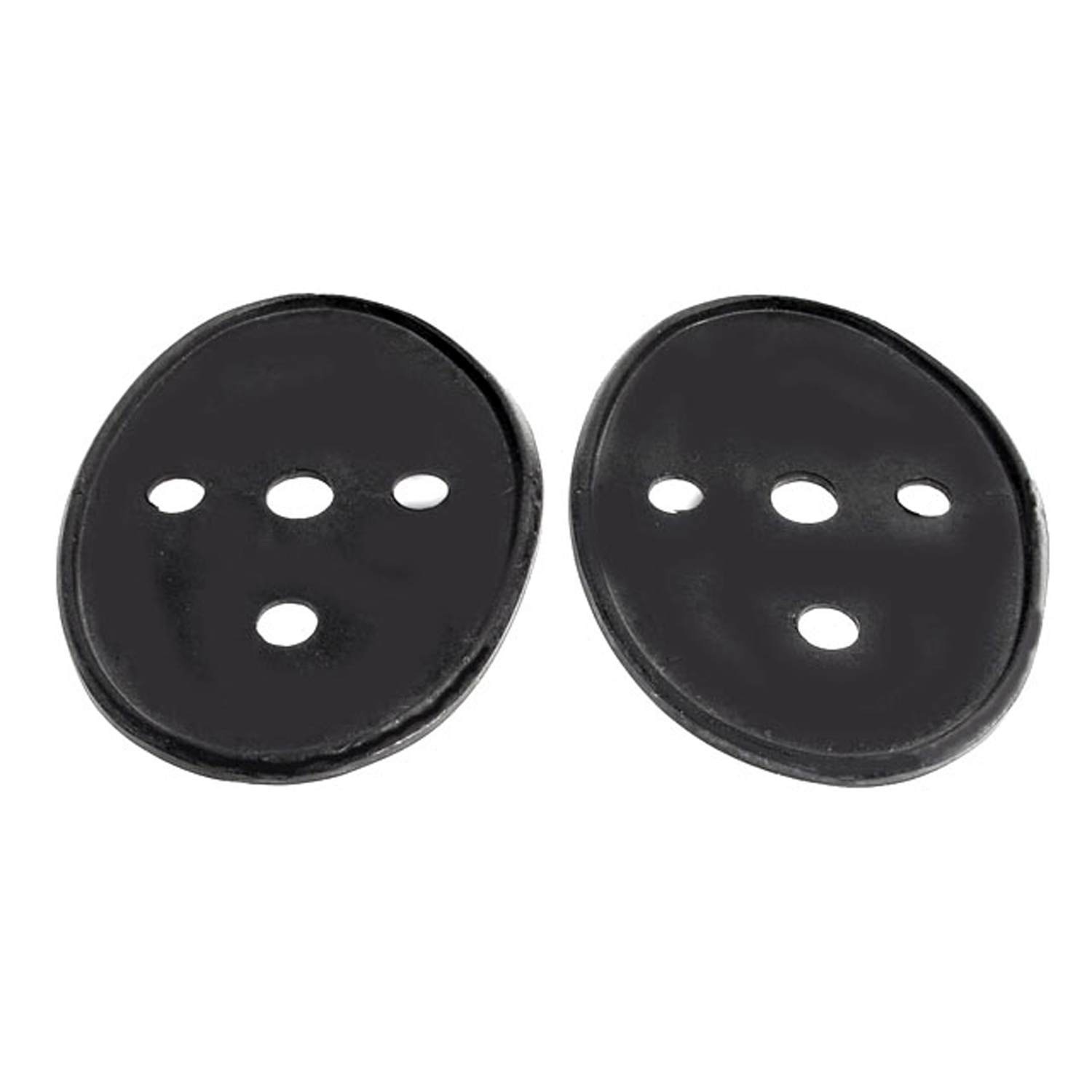 1922 Franklin Model 9B Tail-light Pads. 3-1/4" wide X 4-5/8" long. Pair.-MP 671Tail-light Pads. 3-1/4" wide X 4-5/8" long. Pair.
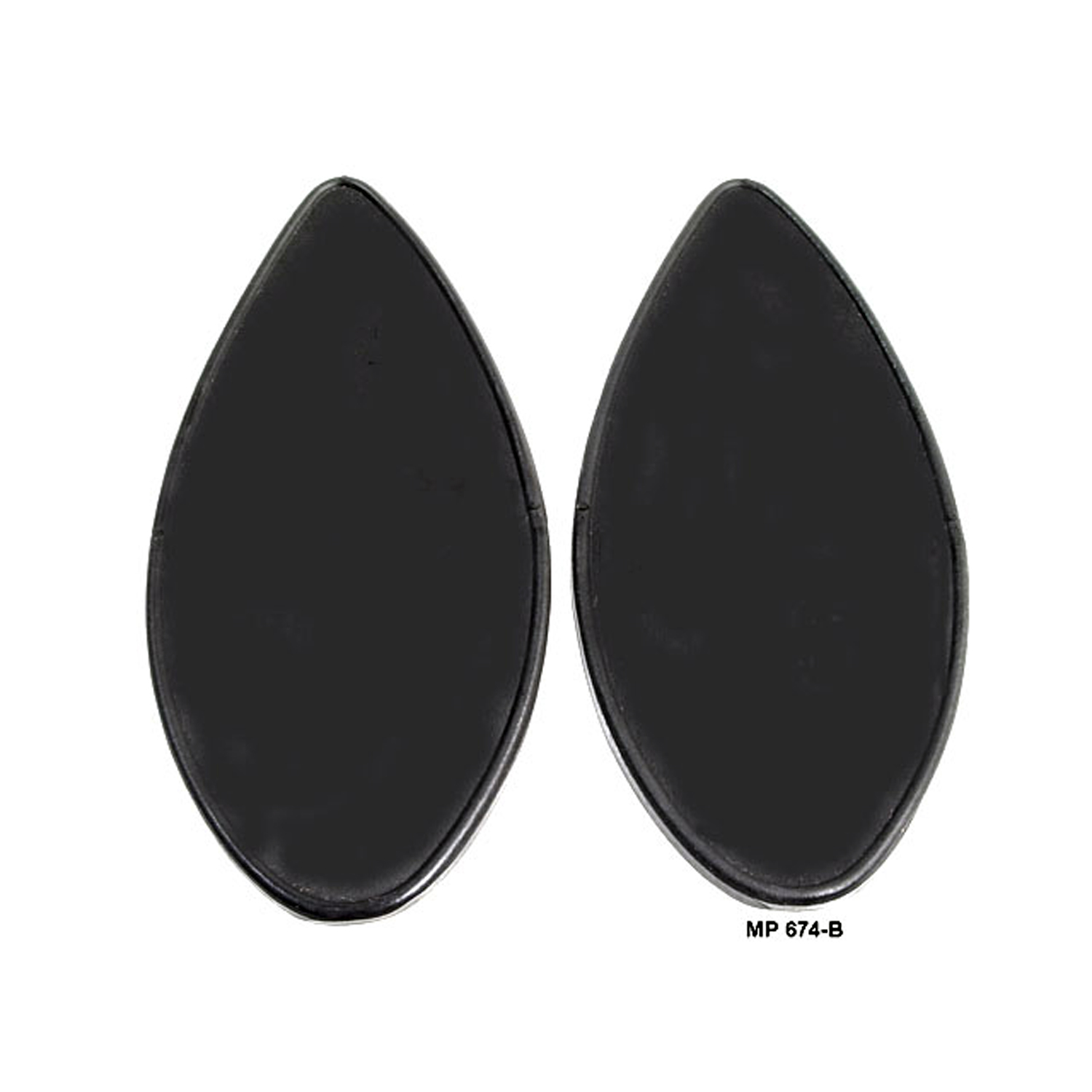 1922 Franklin Model 9B Tail-light Pads. 3" wide X 6-3/4" long. Pair-MP 674-BTail-light Pads. 3" wide X 6-3/4" long. Pair
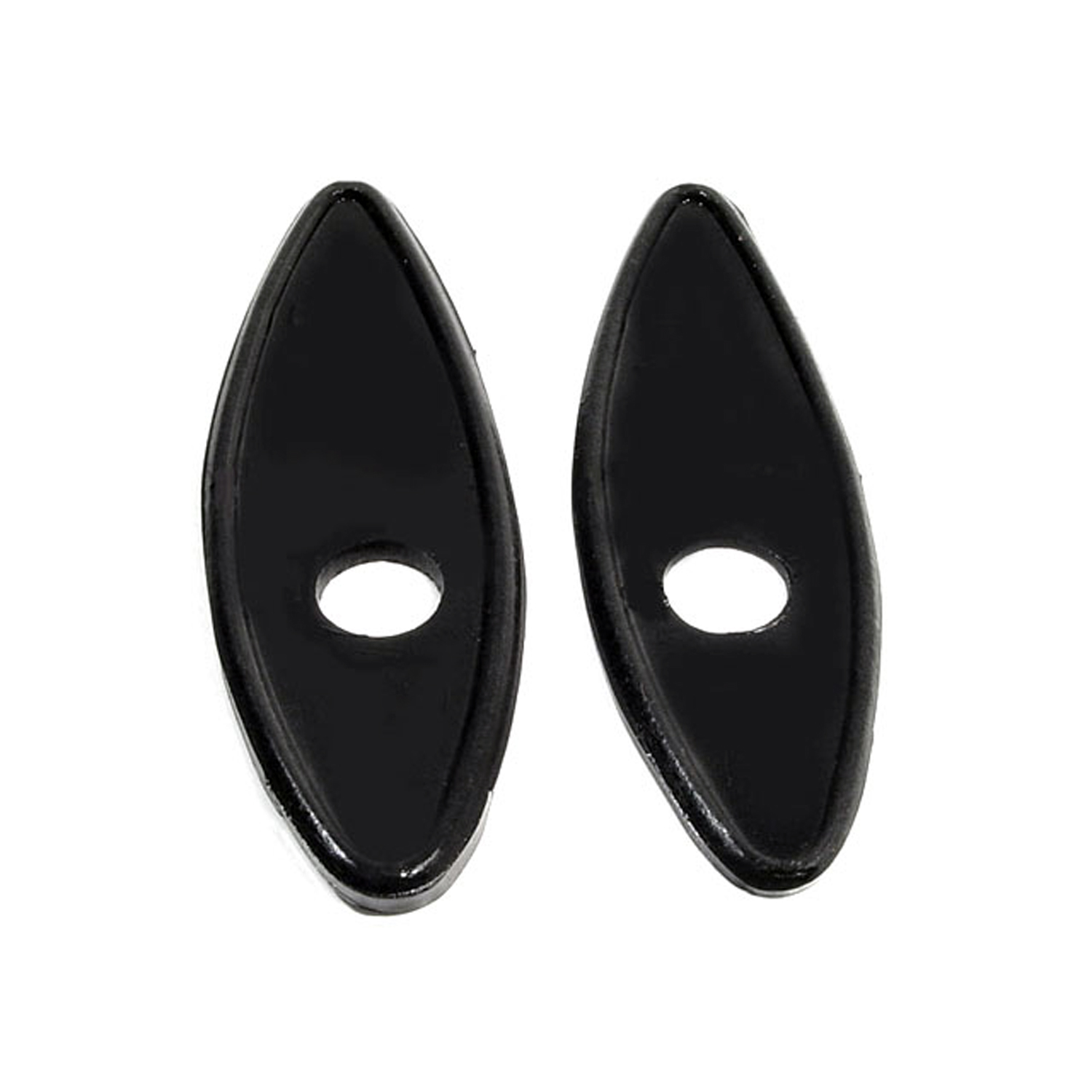 1922 Franklin Model 9B Park Light Pads. 1-3/8" wide X 4-1/8" long. Pair-MP 674-CPark Light Pads. 1-3/8" wide X 4-1/8" long. Pair
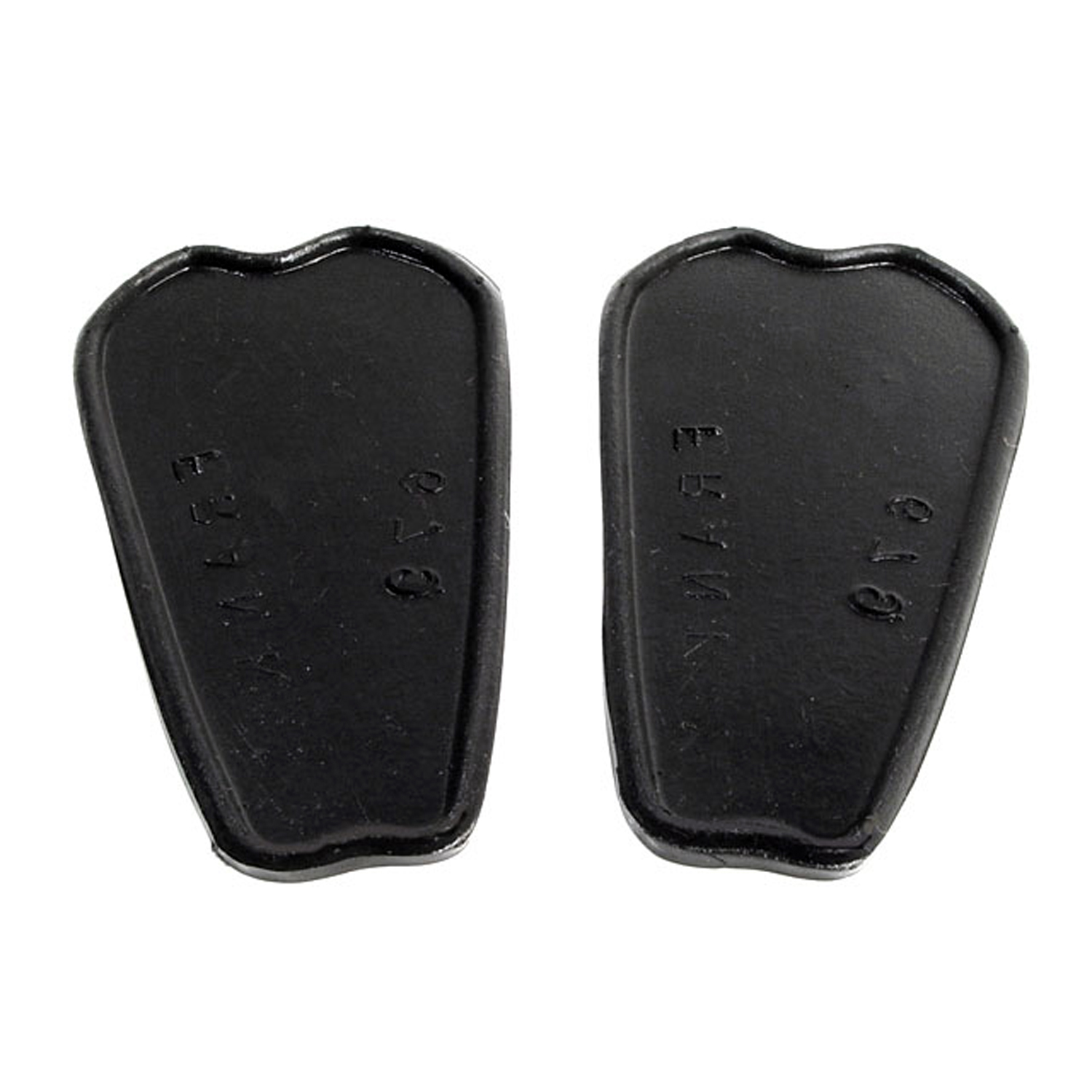 1922 Franklin Model 9B Park Light Pads. 2-1/4" wide X 4-1/8" long. Pair-MP 679Park Light Pads. 2-1/4" wide X 4-1/8" long. Pair
Why Choose Metro?
For over 100 years, Metro Moulded Parts has been the pinnacle of quality in classic car restoration parts. Our commitment to precision and authenticity in every component ensures a perfect fit and an OEM-level appearance.
- Expert Craftsmanship & Quality: Each part is a testament to our dedication to reliability and perfection, crafted from original designs and thoroughly tested.
- Advanced Technology: We use cutting-edge techniques to create flawless, long-lasting parts that surpass others in performance.
- SuperSoft Sponge – The Ultimate Door Seal: Not only are our door seals 30% softer than competitors', but they're also guaranteed to never leak. They effectively reduce wind and road noise, enhancing your classic car's comfort and driving experience.
- Proudly American: Our parts are a product of American craftsmanship, made in the USA with a spirit of excellence and heritage.
- Unrivaled Warranty: We back our products with a 30-year industry-leading warranty, a testament to our confidence in their quality.
Join us in preserving the legacy of classic cars with parts that are crafted for perfection, not just made.