
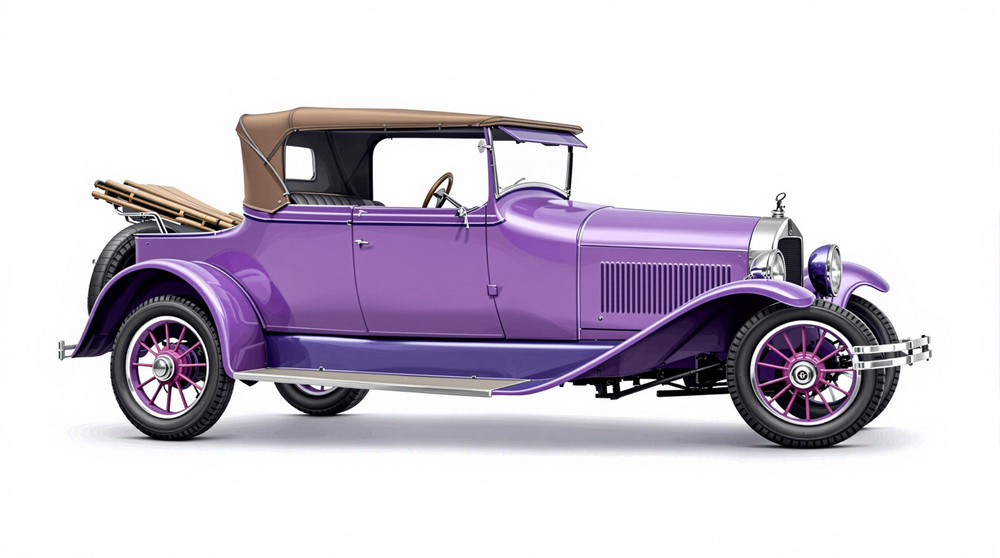
Image of 1924 Franklin Model 10 B, Note: These illustrations use artistic license and may differ from actual historical models.
Performance Metrics
Fundamental Metrics
Emotional Appeal
MMP Rating
| Engine Specifications | |
|---|---|
| Engine: | Air-cooled 199 cu in (3.3 L) I6 |
| Displacement: | 199 cu in (3.3 L) |
| Horsepower: | 32 hp |
| Torque: | Not available |
| Compression Ratio: | Not available |
| Ignition System: | Battery and coil |
| Cooling System: | Air-cooled |
| Performance Specifications | |
| 0-60 Time: | Not available |
| 1/4 Mile Time: | Not available |
| Top Speed: | 45 mph |
| Transmission and Drive | |
| Drive Type: | Rear-wheel drive |
| Transmission Type: | 3-speed manual |
| Fuel and Efficiency | |
| Fuel System Type: | Carburetor |
| MPG: | Not available |
| Dimensions and Brakes | |
| Brakes: | Mechanical drum brakes |
| Wheelbase: | 114 in (2,896 mm) |
| Weight: | 2,400 lbs |
Note: Specifications for classic cars are given to the best of our ability, considering the limited and variant data available.
1924 Franklin Model 10-B: The Air-Cooled American Classic
The 1924 Franklin Model 10-B took a different route from the typical American luxury car: instead of a radiator full of water, it relied on air to keep its six-cylinder engine cool. Built by the H. H. Franklin Manufacturing Company in Syracuse, New York, the Model 10-B belonged to a line of refined, technically distinctive cars that earned Franklin a loyal following. Its unusual cooling system was not a novelty for show. It shaped the car’s engineering, appearance, and reputation for dependable motoring.
Franklin had been building automobiles since 1902, and air cooling was central to the company’s identity from the beginning. The Model 10-B arrived during a period when most American cars used water-cooled engines and prominent radiator grilles. Franklin’s radiator-free front end made its cars instantly recognizable. A noteworthy twist: the lack of a radiator was both a practical advantage and a styling statement. It reduced the risk of leaks and freezing while giving the Franklin a cleaner, more individual face.
Streamlined Style Without a Radiator
The Model 10-B’s bodywork had the substantial, upright proportions expected of a quality car in the 1920s, but its front end looked different from the chrome-and-radiator designs of its rivals. A long hood, carefully shaped fenders, sweeping running boards, and a distinctive cowl gave the car a dignified profile. Instead of a conventional radiator shell, the nose was arranged around the needs of the air-cooled engine. Hood louvers and openings helped manage airflow, while lamps and bright trim supplied period-appropriate polish.
Depending on body style, the Model 10-B could look formal and chauffeur-ready or open and sociable. Franklin offered a variety of body configurations during this era, including touring, coupe, and sedan-type forms across its range. Exact availability and naming could vary by market and coachwork, so a surviving car’s body plate and factory records are useful when identifying a particular example. Closed sedans are especially appealing to collectors who want period comfort, while open touring bodies show off the car’s elegant lines.
Interior appointments reflected Franklin’s position above the bare-bones transportation at the bottom of the market. Depending on the body, occupants might find leather or quality cloth upholstery, wood trim, a substantial steering wheel, and clearly arranged instruments. Materials and details differ among surviving cars, especially after decades of restoration, but the original aim was comfort and craftsmanship rather than minimum cost. Period colors generally favored restrained, formal finishes. Dark shades such as black, deep green, blue, or maroon were typical choices for cars of this class, though the precise factory palette depended on body and specification.
Air Cooling as Real Engineering
The Model 10-B’s defining feature was its inline six-cylinder engine, cooled by moving air rather than a water jacket, radiator, and pump. Franklin’s system used forced airflow to carry heat away from the engine. That eliminated several familiar failure points: there was no radiator to puncture, no coolant to boil away, and no water in the system to freeze during cold weather.
Published specifications for Franklin cars can vary by source and by exact configuration. The Model 10-B is commonly associated with a six-cylinder engine of about 268 cubic inches and roughly 65 horsepower. Treat those figures as useful reference points rather than a substitute for checking an individual car’s serial numbers and factory documentation. Franklin’s engineering emphasis was not simply on horsepower. The company pursued smoothness, low weight, and reliable operation, with aluminum used in important engine and body components during its development of lightweight cars.
Air cooling did bring its own demands. The engine depended on unobstructed airflow and a properly functioning fan system, so clean cooling passages and correct adjustments mattered. The system was clever, but it was not maintenance-free. Franklin’s approach shows how a manufacturer could solve a major automotive problem in a way that influenced the whole vehicle, rather than merely copying the prevailing design.
Why the Franklin Stood Apart
In the 1920s, buyers often judged a car by its size, finish, and mechanical sophistication. Franklin offered those qualities while rejecting the conventional water-cooled layout. The absence of a radiator reduced weight and gave the company a strong identity in a crowded market. The cars were also known for their comfortable ride and carefully engineered construction, attributes that helped Franklin appeal to motorists who wanted something more individual than a mass-market automobile.
The Model 10-B did not make air cooling the industry standard. Water-cooled engines remained dominant in passenger cars, and Franklin’s distinctive engineering ultimately became a specialty rather than the industry norm. Still, the company demonstrated that air cooling could work in a full-size, refined American automobile. Franklin’s history is part of the broader story of automotive experimentation, when manufacturers were still debating the best solutions for cooling, weight, reliability, and comfort.
Road Manners and Performance
A well-maintained Model 10-B was built for composed touring rather than stoplight contests. With around 65 horsepower commonly attributed to its six-cylinder engine, a reasonable period-style estimate for top speed is approximately 55 to 65 mph. A 0 to 60 mph time is less certain and depends heavily on body weight, gearing, engine condition, and road surface. Expect acceleration to be leisurely by modern standards, likely taking well over 20 seconds if the car can reach 60 mph at all in its particular configuration.
Behind the wheel, the engine’s character is likely to feel smoother and less frantic than that of a small four-cylinder car of the period. The driver works with a traditional manual transmission, mechanical controls, and steering that requires more effort at low speeds than a modern car. The engine’s sound is a mechanical whir and steady exhaust note rather than the familiar splashy impression of a radiator-cooled engine. There is no coolant circulation noise because there is no liquid cooling system, but fans, belts, and engine components still produce their own characteristic sounds.
On ordinary roads, the Franklin’s weight and suspension were intended to deliver a comfortable touring experience. It can settle over modest bumps, but period tires, narrow track, and older suspension geometry mean that sharp potholes and rough roads demand care. On winding roads, the driver should plan ahead, keep speeds measured, and remember that steering, braking, and tire grip are nothing like those of a modern car. This is a car to enjoy at a relaxed pace, not to hustle through corners.
Owning and Maintaining a Model 10-B
Today, the Model 10-B is best suited to touring events, vintage-car gatherings, and careful recreational use. It can be driven, but it is not a practical daily driver for most owners. Parts availability is more specialized than for high-volume Ford or Chevrolet models, and the air-cooled engine requires knowledge of Franklin-specific systems. A mechanic who understands early automobiles can help, but an owner should not assume that a general repair shop will be familiar with the details.
Routine attention includes lubrication, ignition and fuel-system upkeep, checking the fan and airflow arrangements, and inspecting the chassis, steering, brakes, tires, and electrical system. Before buying, look for evidence of overheating damage, poor-quality engine work, missing or incorrect cooling components, and improvised repairs. The absence of a radiator does not mean the engine cannot overheat. Correct airflow and sound mechanical condition remain essential.
Repairs can be manageable for an experienced hobbyist, especially when the car is complete and supported by a marque club or knowledgeable specialist. The challenge is often sourcing the right parts and identifying modifications made during earlier ownership. A complete, well-documented car is usually a better starting point than a cheaper project missing distinctive Franklin components.
Franklin Facts and Common Criticisms
Franklin’s most memorable claim to fame is also its simplest selling point: its automobiles did not need a conventional radiator or liquid coolant. That meant no radiator leaks and no frozen coolant, two problems familiar to motorists of the era. The company built its identity around air-cooled engineering for decades, making the Model 10-B part of a sustained design philosophy rather than a one-year experiment.
Model-specific production figures for the 10-B are difficult to establish from commonly available summaries. A reasonable estimate is that production was likely in the low thousands, but that should be treated as an informed approximation, not a verified factory total. The surviving population is much smaller, and cars with original or well-documented bodies are harder to find than the estimate alone might suggest.
Common criticisms are practical rather than mysterious: Franklin parts and expertise can be harder to locate than those for mainstream marques, the cars are slow by modern standards, and the air-cooled layout needs knowledgeable maintenance. Buyers should also be cautious about assuming every surviving car retains its original specification. Body changes, restorations, and decades of repairs can complicate identification.
Collector Value and Availability
As an indicative U.S. collector-market guide, a Model 10-B in need of substantial work might sell for roughly $15,000 to $30,000. A usable, presentable example could fall around $30,000 to $55,000, while a high-quality restoration, especially of a desirable body style with strong documentation, could reach approximately $55,000 to $85,000 or more. These are broad estimates, not guaranteed sale prices. Condition, completeness, provenance, body style, and the quality of the engine work can shift value considerably.
Franklin values tend to be selective. The marque’s engineering and rarity attract serious enthusiasts, but its smaller buyer pool and specialized maintenance can limit prices compared with better-known luxury makes. Over the long term, well-restored and unusually complete examples have potential to appreciate, though restoration costs can exceed the increase in market value. The most sensible purchase is one bought for its history and driving character, with resale treated as a bonus.
A Distinctive Chapter in American Motoring
The 1924 Franklin Model 10-B combined elegant period styling, a comfortable touring mission, and an engineering choice that set it apart from nearly every water-cooled rival on the road. Its air-cooled six-cylinder engine gave Franklin a clear identity, while its refined bodywork made the technology part of a complete luxury-car experience.
For today’s enthusiast, the Model 10-B is more than an unusual antique. It is a reminder that early automakers were willing to challenge convention in pursuit of better motoring. On a quiet road, its steady six-cylinder rhythm and unmistakable radiator-free profile still tell that story beautifully.
1924 Franklin Model 10 B Catalog of Parts
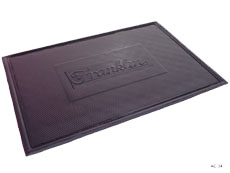 1924 Franklin Model 10 B Accessory Floor Mat - 12"X17"-AC 34Accessory Floor Mat - made of high quality black rubber with molded original emblem. Also designed to be sewn into new carpets. 12"X17", Each
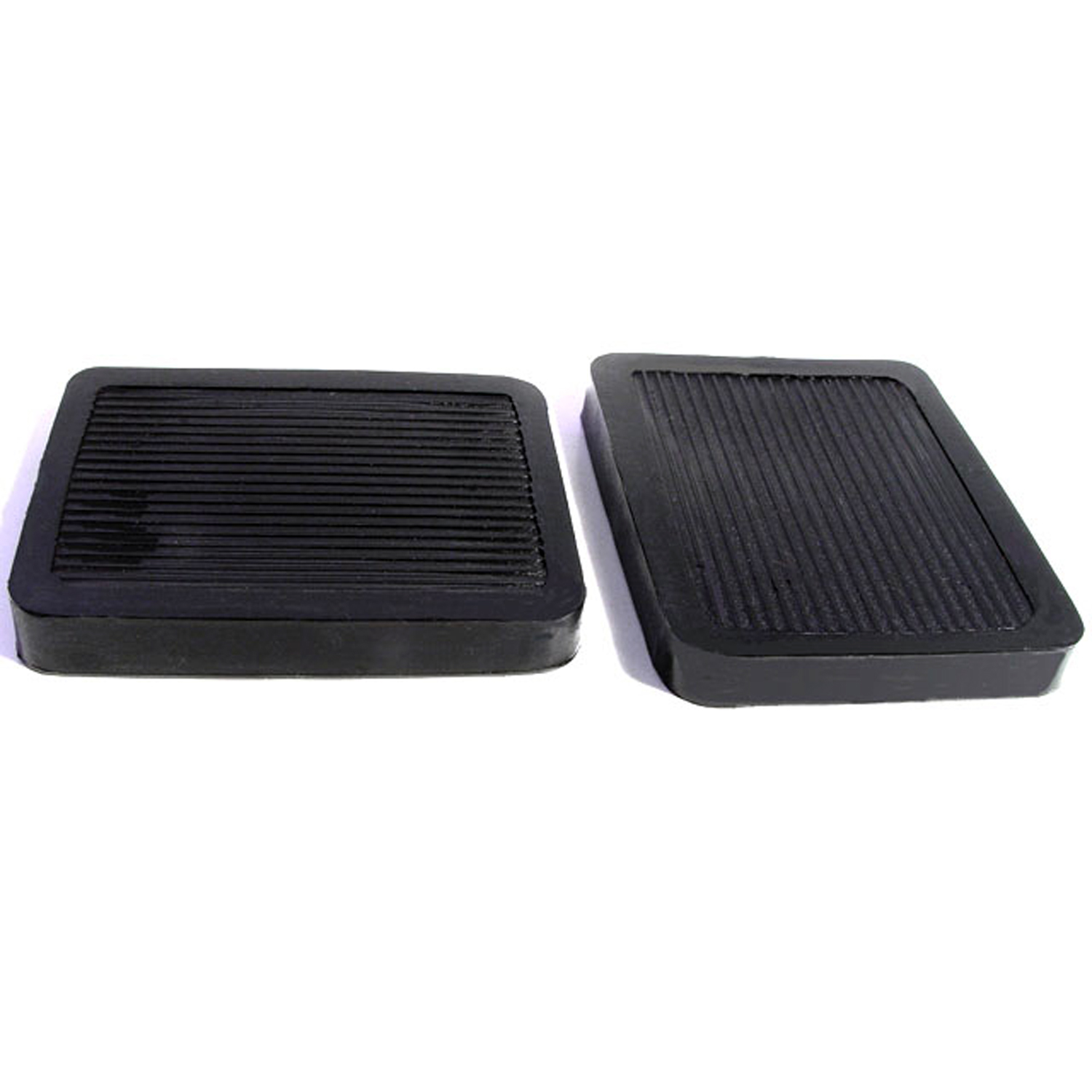 1924 Franklin Model 10 B Clutch and Brake Pedal Pads. Perfect reproduction-CB 24Clutch and Brake Pedal Pads. Perfect reproduction. 3" wide X 3-3/4" long. Pair
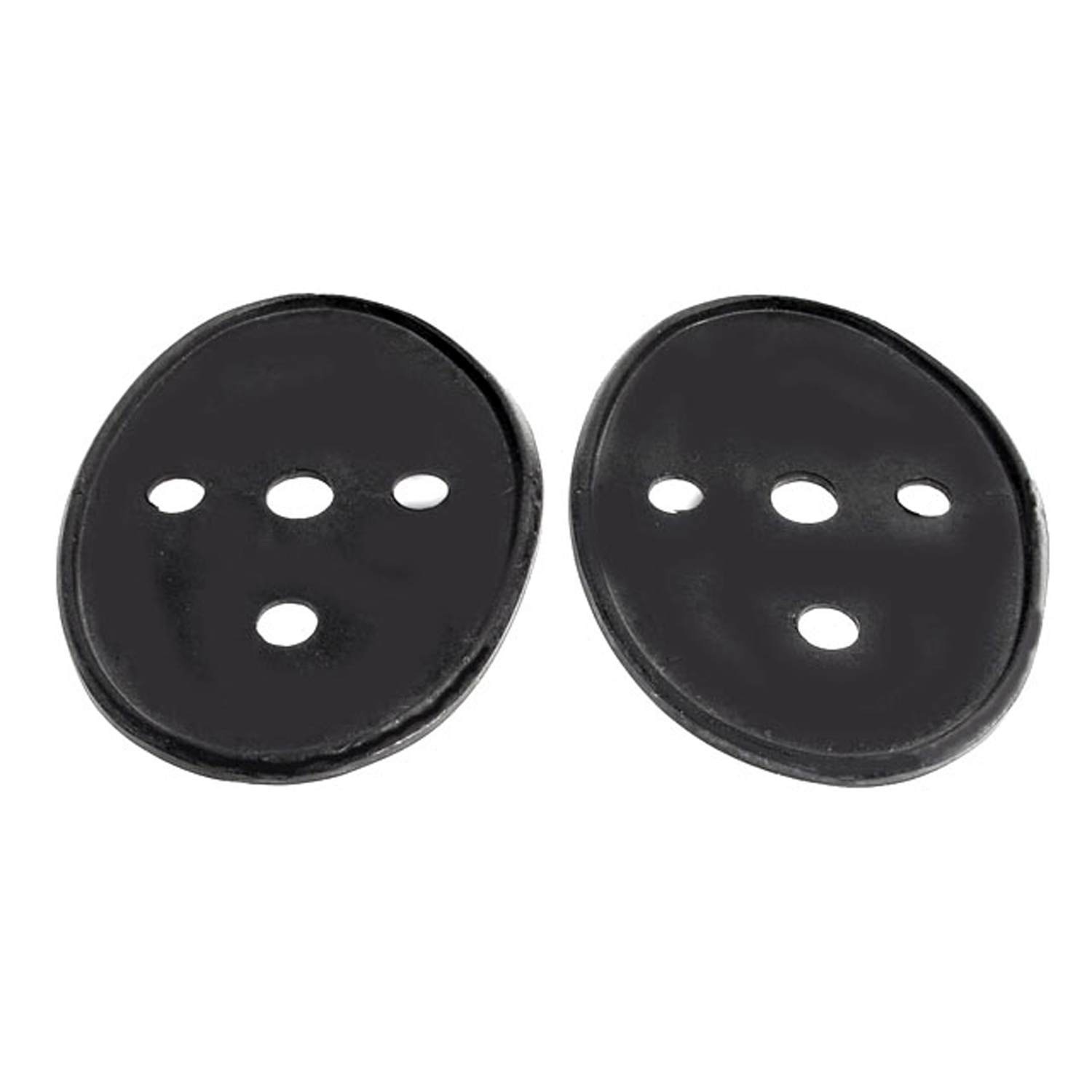 1924 Franklin Model 10 B Tail-light Pads. 3-1/4" wide X 4-5/8" long. Pair.-MP 671Tail-light Pads. 3-1/4" wide X 4-5/8" long. Pair.
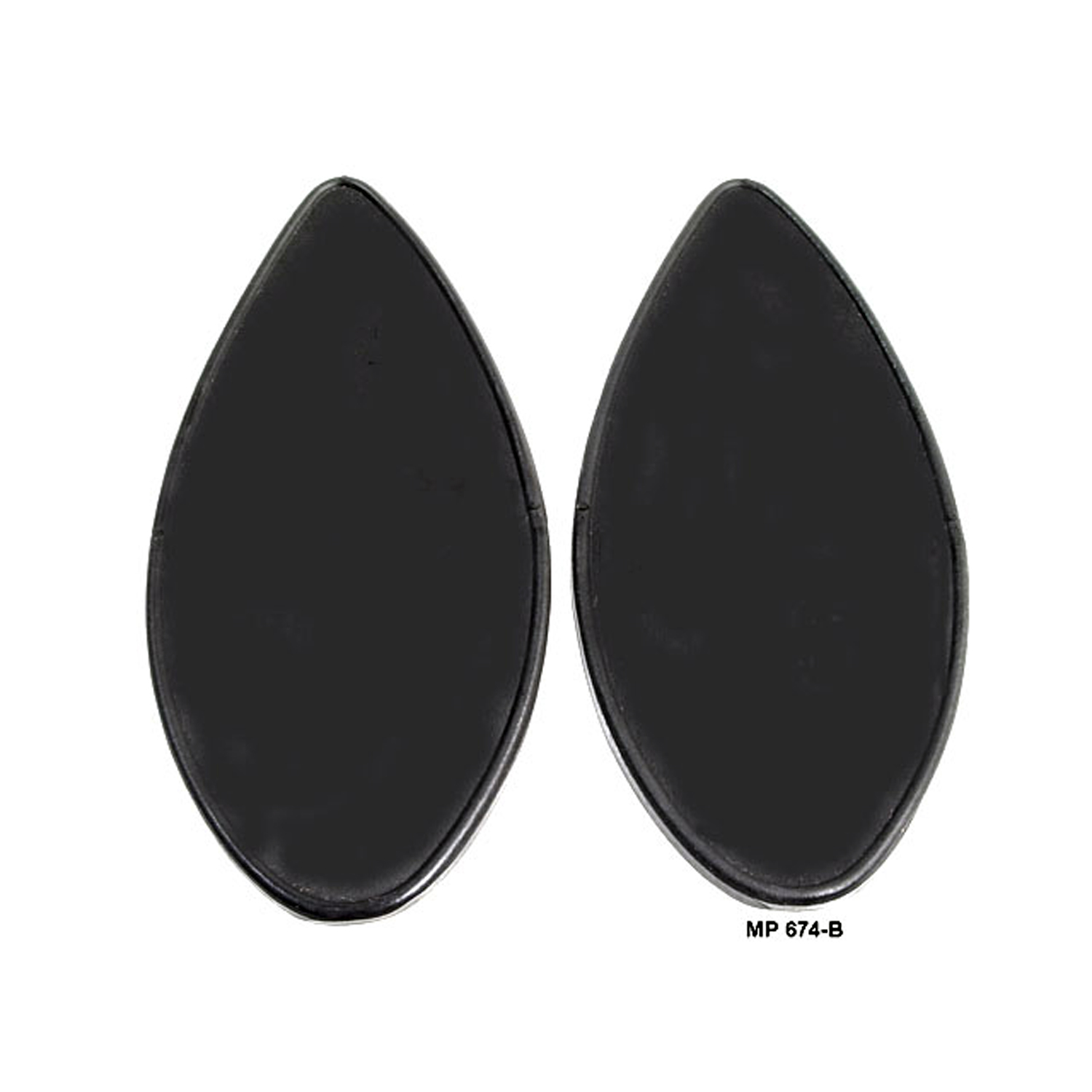 1924 Franklin Model 10 B Tail-light Pads. 3" wide X 6-3/4" long. Pair-MP 674-BTail-light Pads. 3" wide X 6-3/4" long. Pair
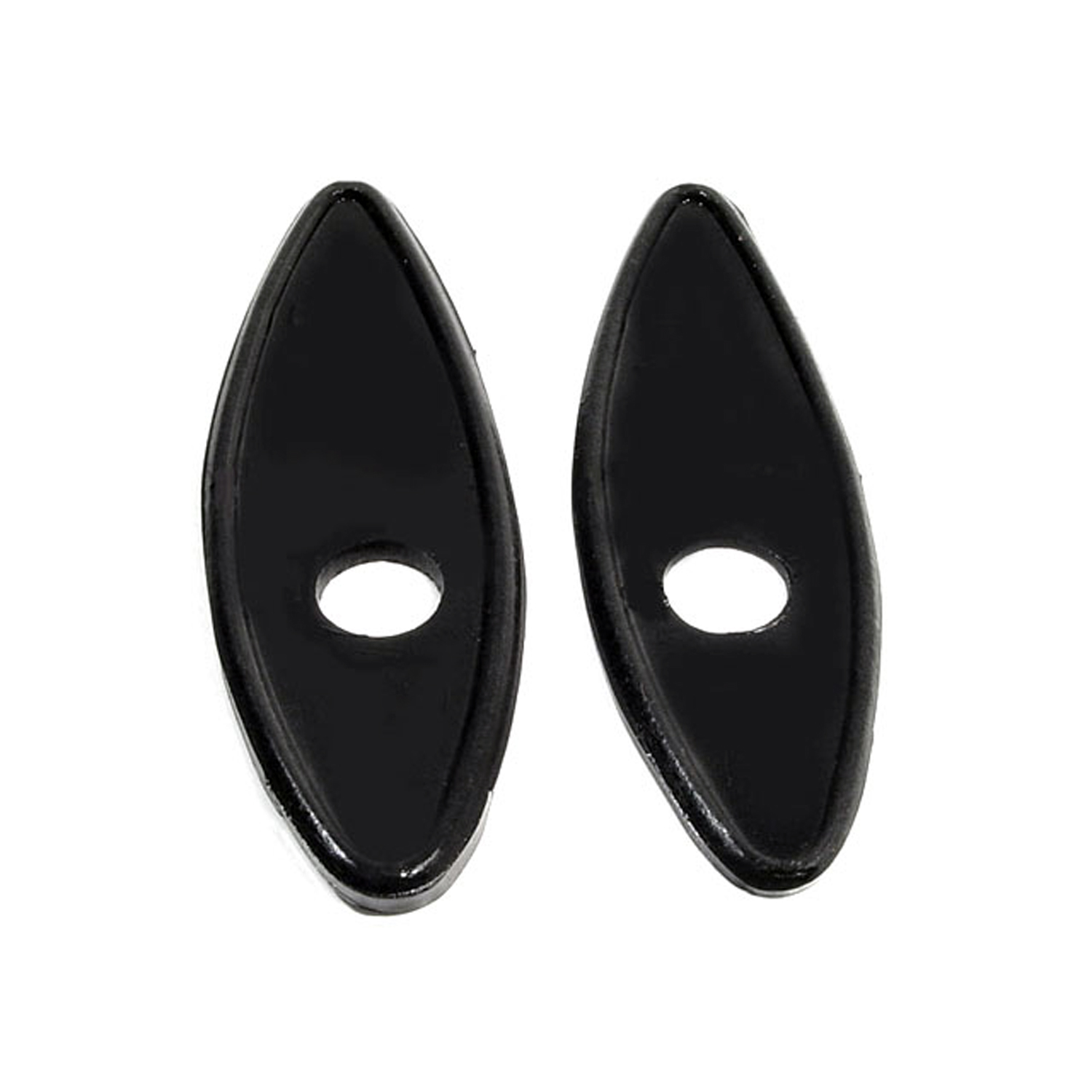 1924 Franklin Model 10 B Park Light Pads. 1-3/8" wide X 4-1/8" long. Pair-MP 674-CPark Light Pads. 1-3/8" wide X 4-1/8" long. Pair
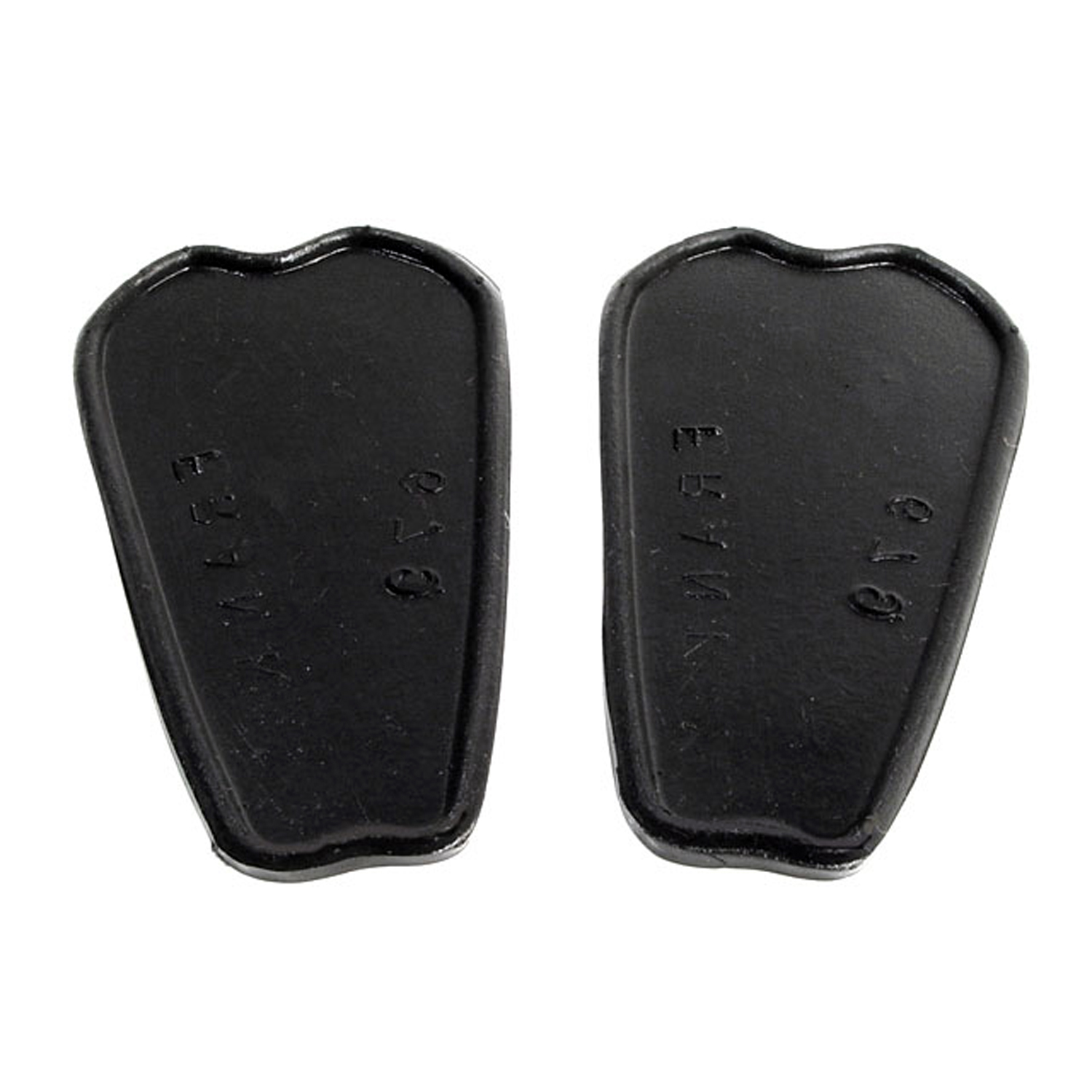 1924 Franklin Model 10 B Park Light Pads. 2-1/4" wide X 4-1/8" long. Pair-MP 679Park Light Pads. 2-1/4" wide X 4-1/8" long. Pair
Why Choose Metro?
For over 100 years, Metro Moulded Parts has been the pinnacle of quality in classic car restoration parts. Our commitment to precision and authenticity in every component ensures a perfect fit and an OEM-level appearance.
- Expert Craftsmanship & Quality: Each part is a testament to our dedication to reliability and perfection, crafted from original designs and thoroughly tested.
- Advanced Technology: We use cutting-edge techniques to create flawless, long-lasting parts that surpass others in performance.
- SuperSoft Sponge – The Ultimate Door Seal: Not only are our door seals 30% softer than competitors', but they're also guaranteed to never leak. They effectively reduce wind and road noise, enhancing your classic car's comfort and driving experience.
- Proudly American: Our parts are a product of American craftsmanship, made in the USA with a spirit of excellence and heritage.
- Unrivaled Warranty: We back our products with a 30-year industry-leading warranty, a testament to our confidence in their quality.
Join us in preserving the legacy of classic cars with parts that are crafted for perfection, not just made.