
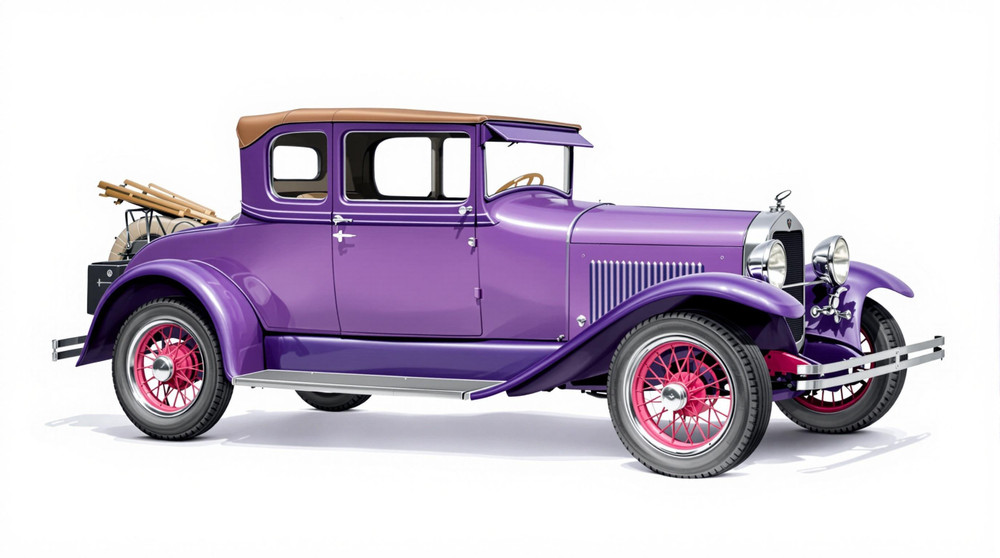
Image of 1925 Franklin Model 10 C, Note: These illustrations use artistic license and may differ from actual historical models.
Performance Metrics
Fundamental Metrics
Emotional Appeal
MMP Rating
| Engine Specifications | |
|---|---|
| Engine: | Air-cooled 6-cylinder |
| Displacement: | 199 cu in (3.3 L) |
| Horsepower: | Estimated 32 hp |
| Torque: | Not available |
| Compression Ratio: | Not available |
| Ignition System: | Battery and coil |
| Cooling System: | Air-cooled |
| Performance Specifications | |
| 0-60 Time: | Not available |
| 1/4 Mile Time: | Not available |
| Top Speed: | 50 mph |
| Transmission and Drive | |
| Drive Type: | Rear-wheel drive |
| Transmission Type: | 3-speed manual |
| Fuel and Efficiency | |
| Fuel System Type: | Carburetor |
| MPG: | Not available |
| Dimensions and Brakes | |
| Brakes: | Mechanical drum brakes |
| Wheelbase: | 114 in (2,896 mm) |
| Weight: | 2,400 lbs |
Note: Specifications for classic cars are given to the best of our ability, considering the limited and variant data available.
1925 Franklin Model 10-C: The Air-Cooled American Classic
The 1925 Franklin Model 10-C looked like a conventional luxury car, but under its long hood was a thoroughly unconventional idea: a six-cylinder engine cooled by air instead of water. Built by the H.H. Franklin Manufacturing Company in Syracuse, New York, the 10-C belonged to a marque that had made air cooling its identity decades before most American motorists had heard of it.
Franklin was founded by businessman Herbert H. Franklin, with engineer John Wilkinson responsible for much of the company’s pioneering engineering. By the mid-1920s, the firm was producing refined, well-equipped cars aimed at buyers who wanted comfort and quality without simply following the design formula of its larger competitors. The Model 10-C represents Franklin in a confident period, when its air-cooled six-cylinder cars had matured into substantial touring and closed-body automobiles.
One detail often surprises visitors at a car show: the Model 10-C’s imposing front grille did not conceal a conventional water radiator. It was part of the car’s styling, while cooling air was directed through the bodywork to the finned engine. That radiatorless arrangement was more than a novelty. It was the central engineering choice that shaped Franklin’s design and reputation.
Distinctive Franklin Styling and Cabin
The Model 10-C wore the upright, carefully proportioned look associated with a quality car of the 1920s. Its tall hood, defined beltline, sweeping fenders and substantial lamps gave it a formal presence, while the prominent grille and hood ornament supplied a recognizable Franklin face. Depending on body style, the car could appear openly sociable as a touring car or dignified and private as a sedan.
Inside, the emphasis was on comfort and finish rather than sporting austerity. Upholstery and trim varied with the body and equipment, with leather commonly used in open cars and cloth or broadcloth found in many closed models. Owners could expect a roomy cabin, substantial door trim and a polished wood or metal dashboard with clear, period-style instruments. The overall effect was handcrafted and restrained, not flashy by modern standards.
Factory paint choices varied by body and specification. Dark shades such as blue, green, maroon and black were typical of the era, often complemented by fine pinstriping or contrasting details. Exact color availability depended on the particular body and order, so surviving cars do not all share one definitive “correct” Model 10-C color.
Franklin offered the 10-C in a range of body configurations that could include touring and other open styles, along with coupes, sedans and more formal closed bodies. Availability varied by catalog and market. The touring body is among the most visually evocative today: with its folded top, exposed seating and sweeping fenders, it shows off the car’s long lines particularly well. For buyers seeking all-weather comfort, a sedan was the more practical choice.
Air-Cooled Engineering in the 1920s
The Model 10-C’s defining feature was its inline six-cylinder engine. Common specifications for the 1925 car list a displacement of about 274 cubic inches and output in the neighborhood of 65 horsepower. Rather than relying on coolant, water pump, hoses and radiator, the engine used cooling fins and carefully managed airflow. A fan and ducting helped move air across the engine, making the system considerably more sophisticated than simply exposing the cylinders to the breeze.
Air cooling gave Franklin several advantages. It removed the risk of a frozen radiator, avoided coolant leaks and eliminated some components found in water-cooled cars. It also allowed the company to build a distinctive engine installation. Franklin made extensive use of aluminum in its engineering, helping keep its cars comparatively light for their size and contributing to the marque’s reputation for thoughtful construction.
The system had its own demands. Airflow management was essential, and a neglected fan, damaged shrouding or poorly maintained engine could create serious temperature problems. Air cooling was not maintenance-free; it simply required attention to different parts than a conventional cooling system.
Why the Model 10-C Matters
The 10-C arrived at a time when the American automobile industry was rapidly standardizing around water-cooled engines. Franklin’s continued commitment to air cooling set it apart from mainstream rivals and gave the company a distinct technical identity. Its cars were not experimental oddities, either. Franklin had spent years refining the layout into a practical system for touring and everyday motoring.
The Model 10-C also illustrates the period’s shift toward more comfortable, enclosed cars. Open touring bodies remained popular, but customers increasingly wanted protection from weather, dust and road noise. Franklin answered with a selection of body styles while retaining the engineering feature that made the marque unusual. Its lasting influence is less about a single component copied by the whole industry and more about the example it set: a manufacturer could build an entire premium-car identity around a different engineering solution.
Road Manners, Speed and Driving Feel
With roughly 65 horsepower, the Model 10-C was built for steady, confident travel rather than quick acceleration. Period performance figures are not as consistent as modern test data, but a well-maintained example is generally estimated to reach around 60 to 65 mph. A 0-to-60-mph time is rarely documented; based on the car’s power, gearing and weight, a rough estimate would be about 25 to 35 seconds, with condition and body style making a noticeable difference.
On the road, the car rewards smooth inputs. Its size and period suspension give it a composed, substantial feel, but it does not handle like a modern sedan. Broken pavement is absorbed with the deliberate movement of an older chassis, and the driver should allow extra room and time when cornering or stopping. On winding roads, measured steering and anticipation matter more than quick corrections. Strong crosswinds can also be felt, particularly in an open body.
The engine’s sound is part of the experience. Instead of the familiar rhythm of a water-cooled six-cylinder car, the Franklin produces a distinctive mechanical hum accompanied by the sound of its cooling fan. From the driver’s seat, the experience is hands-on: watch the gauges, listen to the engine, make deliberate gear changes and read the road well ahead. That close interaction is a large part of the car’s appeal.
Owning and Maintaining a Franklin
Today, a Model 10-C is best suited to touring, club events, museum displays and vintage-car shows. It can cover roads at a sensible period pace, but it is not an ideal modern daily driver. Traffic moves faster, braking distances are longer and the car lacks contemporary safety equipment. Owners who tour regularly often plan routes around moderate speeds and avoid crowded highways.
Routine work is within reach of a mechanically capable owner, but Franklin-specific parts and knowledge are important. Ignition, lubrication, carburetion, valves, fan operation and cooling-air passages all deserve attention. The absence of a radiator does not mean the engine can be ignored. Some parts can be difficult to source, and work on a neglected or incomplete car may require help from a Franklin specialist or marque club.
Reliability depends heavily on condition and correct maintenance. A properly restored Franklin can be a dependable vintage touring car, but a car that has sat for decades may need much more than fresh fuel and a battery. Before purchase, inspect the engine carefully, verify that the air-cooling equipment is complete and assess the chassis, woodwork and body for deterioration.
Franklin Facts and Common Criticisms
The Model 10-C’s most memorable trivia is built right into its design: its “radiator” appearance is a styling feature, not evidence of a conventional water-cooling system. Franklin’s engineering was unusual enough that owners often have to explain the arrangement to curious spectators. The brand’s long-running air-cooled approach also makes Franklin one of the most recognizable American marques for enthusiasts interested in alternative engine designs.
There is no widely cited production record or verified speed record specific to the 1925 Model 10-C. Franklin’s total company output was far below that of mass-market giants, and model-by-model production figures are not consistently available. The car’s place in automotive history rests chiefly on its engineering and marque identity, rather than on a famous race victory or a single headline-grabbing record.
Common criticisms are practical ones. Air-cooled Franklin engines can be unfamiliar to mechanics accustomed to conventional systems, and parts support is more limited than for popular Ford or Chevrolet models. The cars are also slow by modern traffic standards, and their brakes, steering and ride require period-appropriate expectations. For enthusiasts, those drawbacks are balanced by the unusual engineering and the pleasure of driving something genuinely different.
Collector Value and Availability
The 1925 Franklin Model 10-C is uncommon on today’s market, though it is not necessarily a one-off rarity. A precise production total for the 10-C is difficult to establish from broadly available records. As a reasonable estimate, several thousand may have been built across the series and its body styles, with surviving examples forming only a small fraction of that number. Closed cars and open touring cars appear from time to time through auctions, specialist dealers and Franklin-owner networks.
As a broad U.S. market estimate, a project or incomplete car might fall around $10,000 to $25,000, while a usable driver or older restoration could bring roughly $25,000 to $50,000. A highly finished, correctly restored example, especially in a desirable open body, could reach approximately $50,000 to $85,000 or more. Actual sale prices depend on originality, mechanical condition, body style, restoration quality and documentation.
Values for niche prewar cars such as the Franklin tend to move more gradually than those for high-profile sports cars. Well-presented examples have support from marque enthusiasts and collectors who value the engineering, but demand is narrower than for more familiar names. In the long term, exceptional, authentic cars may appreciate, while ordinary examples can remain relatively stable. Restoration costs can also exceed the market premium for a top-quality car, so buying the best documented example within budget is often wiser than undertaking a major project.
A Lasting Air-Cooled Original
The 1925 Franklin Model 10-C combines handsome 1920s proportions with engineering that genuinely differs from the usual vintage-car formula. Its six-cylinder air-cooled engine, thoughtful construction and choice of open and closed bodies made it a distinctive American luxury car in its day. Today, it offers a rewarding experience for collectors who appreciate mechanical character as much as polished paint.
Among classic cars, the Franklin is memorable not because it followed the crowd, but because it confidently took another road. The Model 10-C remains a striking reminder that innovation can be heard, felt and seen beneath the hood.
1925 Franklin Model 10 C Catalog of Parts
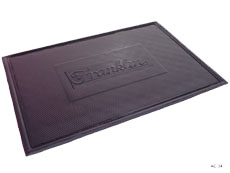 1925 Franklin Model 10 C Accessory Floor Mat - 12"X17"-AC 34Accessory Floor Mat - made of high quality black rubber with molded original emblem. Also designed to be sewn into new carpets. 12"X17", Each
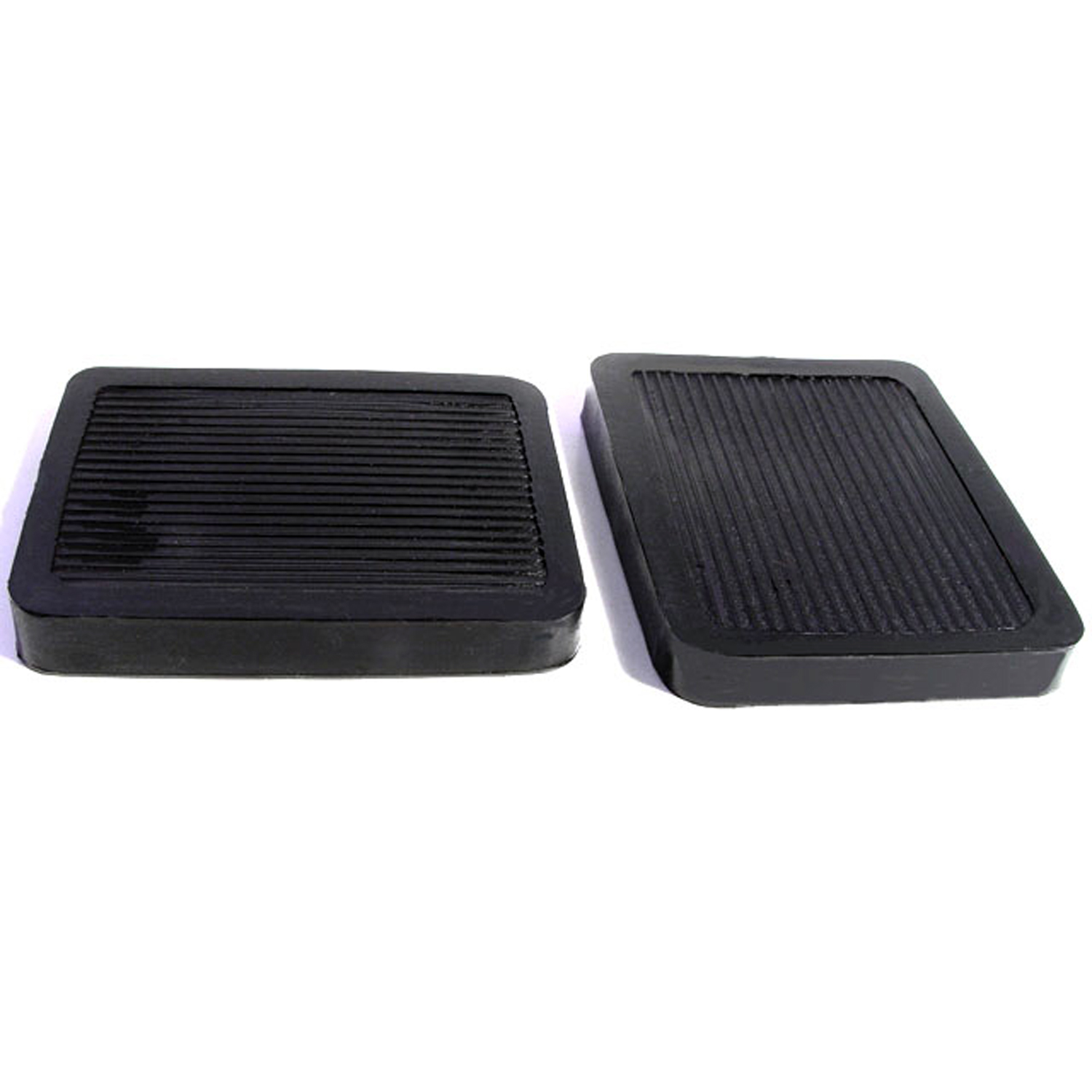 1925 Franklin Model 10 C Clutch and Brake Pedal Pads. Perfect reproduction-CB 24Clutch and Brake Pedal Pads. Perfect reproduction. 3" wide X 3-3/4" long. Pair
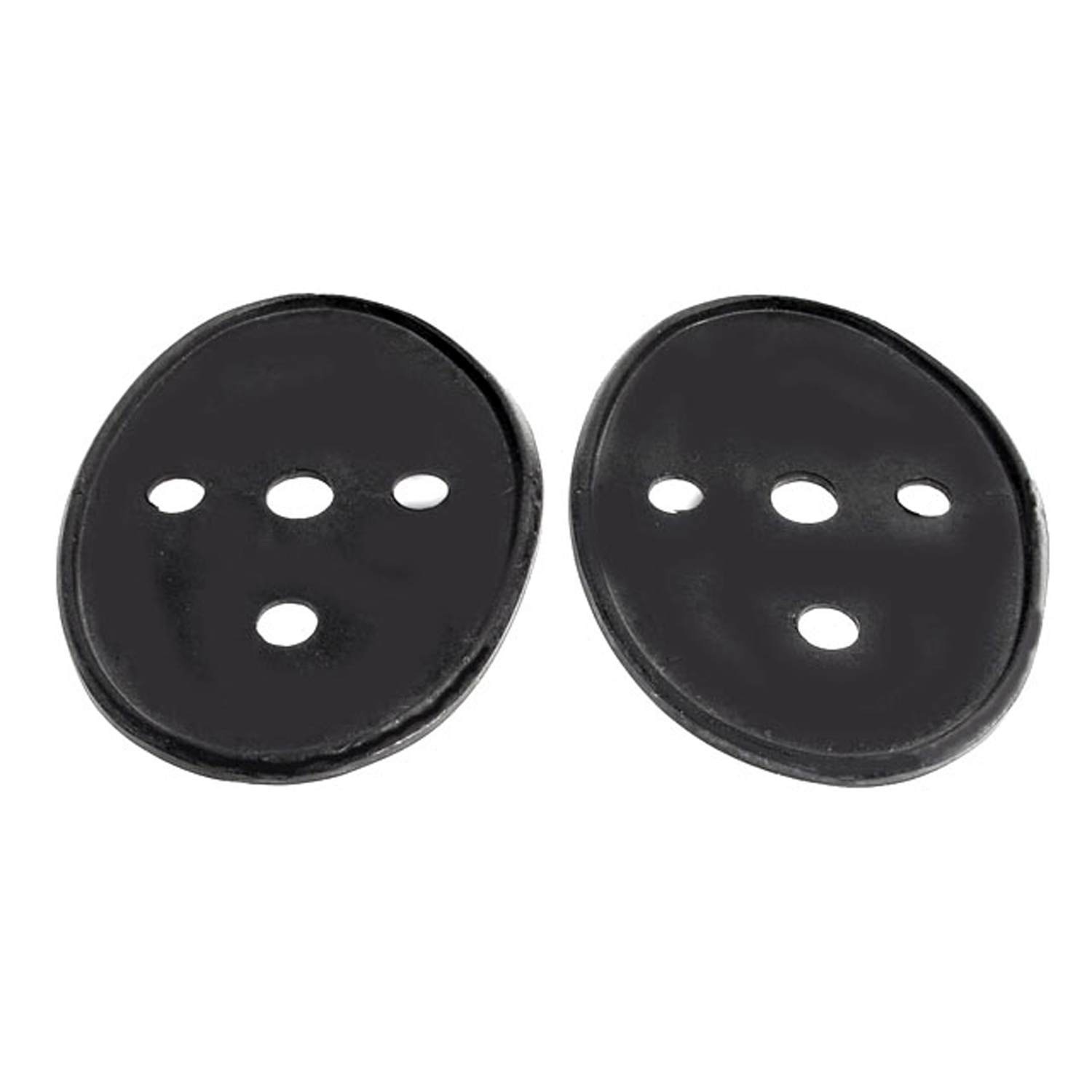 1925 Franklin Model 10 C Tail-light Pads. 3-1/4" wide X 4-5/8" long. Pair.-MP 671Tail-light Pads. 3-1/4" wide X 4-5/8" long. Pair.
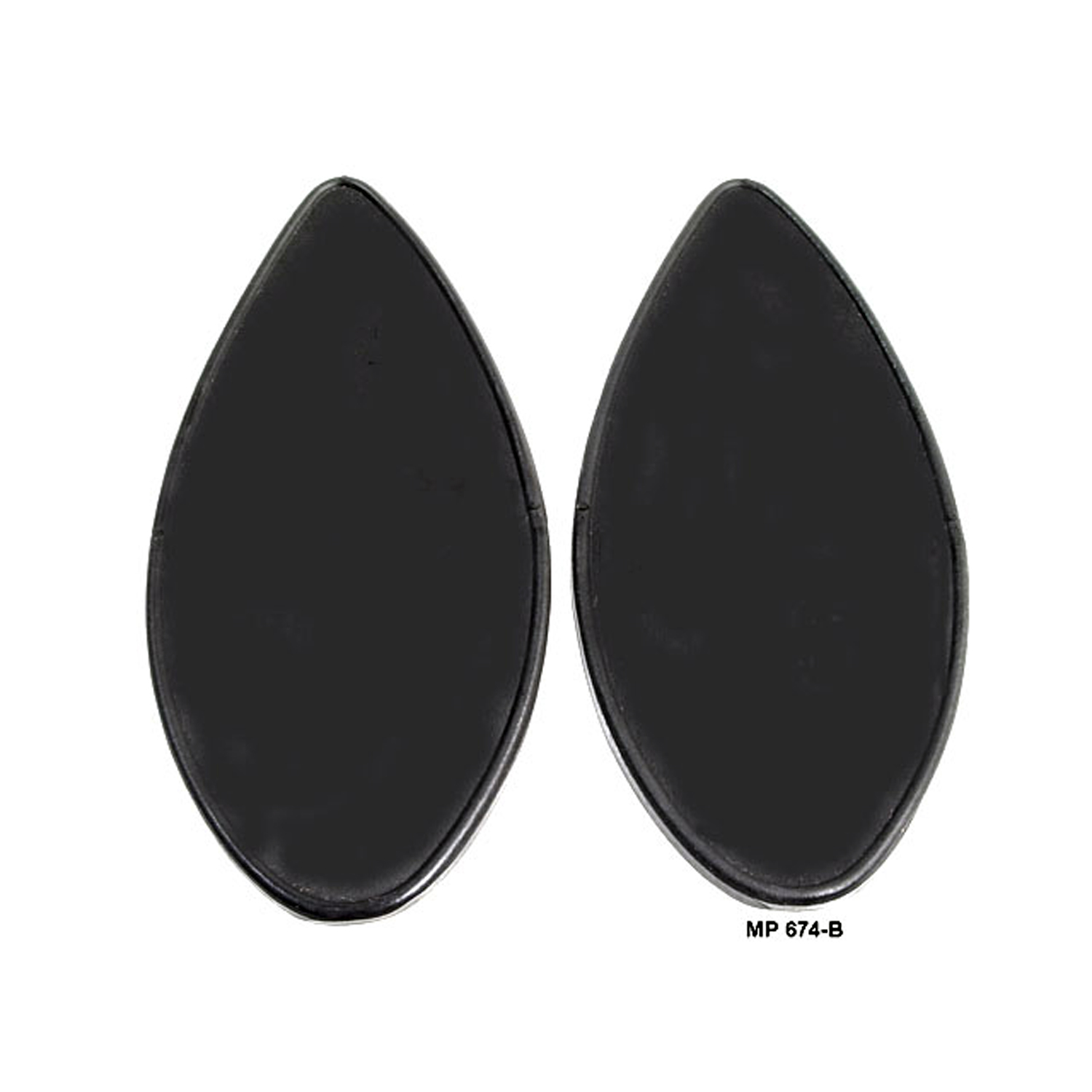 1925 Franklin Model 10 C Tail-light Pads. 3" wide X 6-3/4" long. Pair-MP 674-BTail-light Pads. 3" wide X 6-3/4" long. Pair
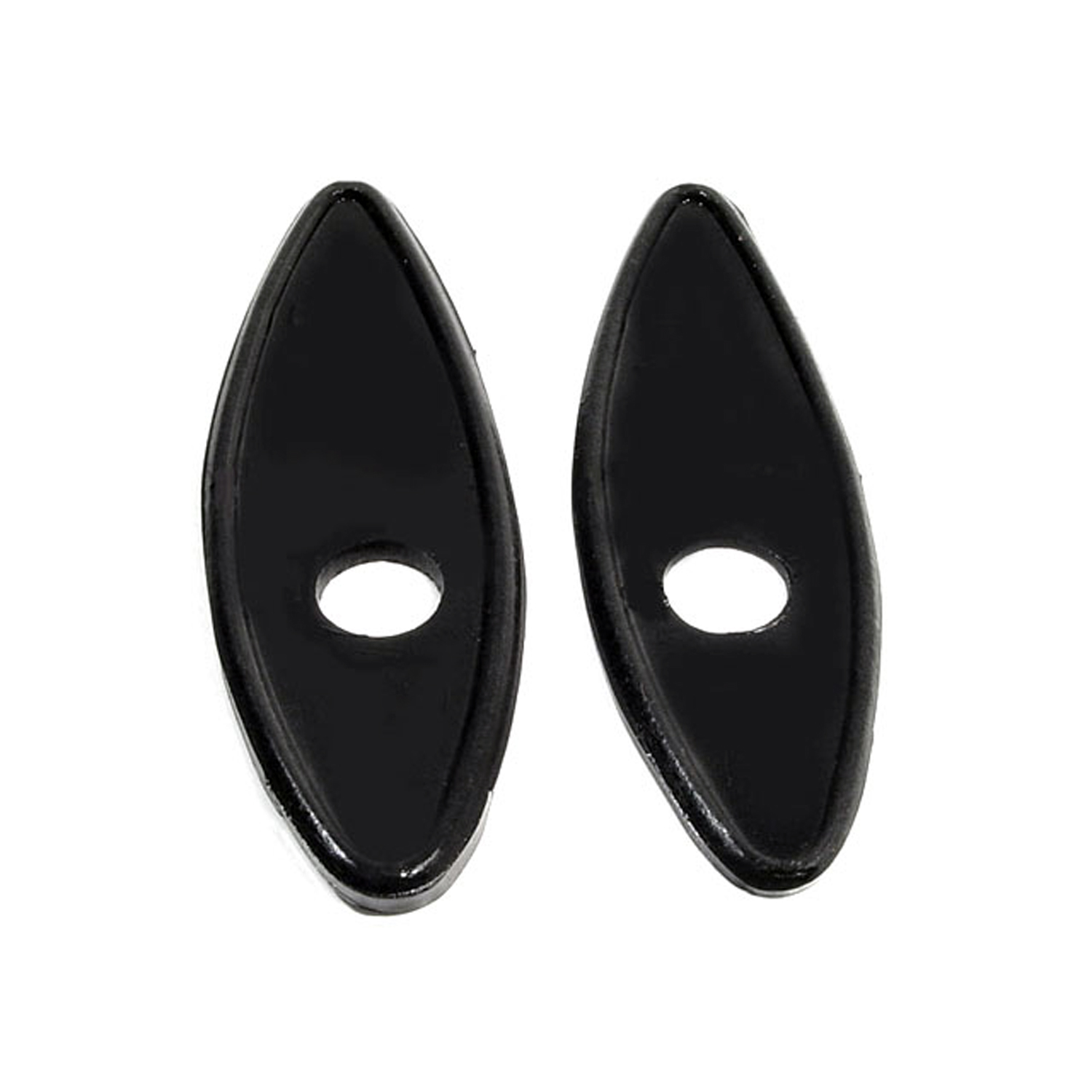 1925 Franklin Model 10 C Park Light Pads. 1-3/8" wide X 4-1/8" long. Pair-MP 674-CPark Light Pads. 1-3/8" wide X 4-1/8" long. Pair
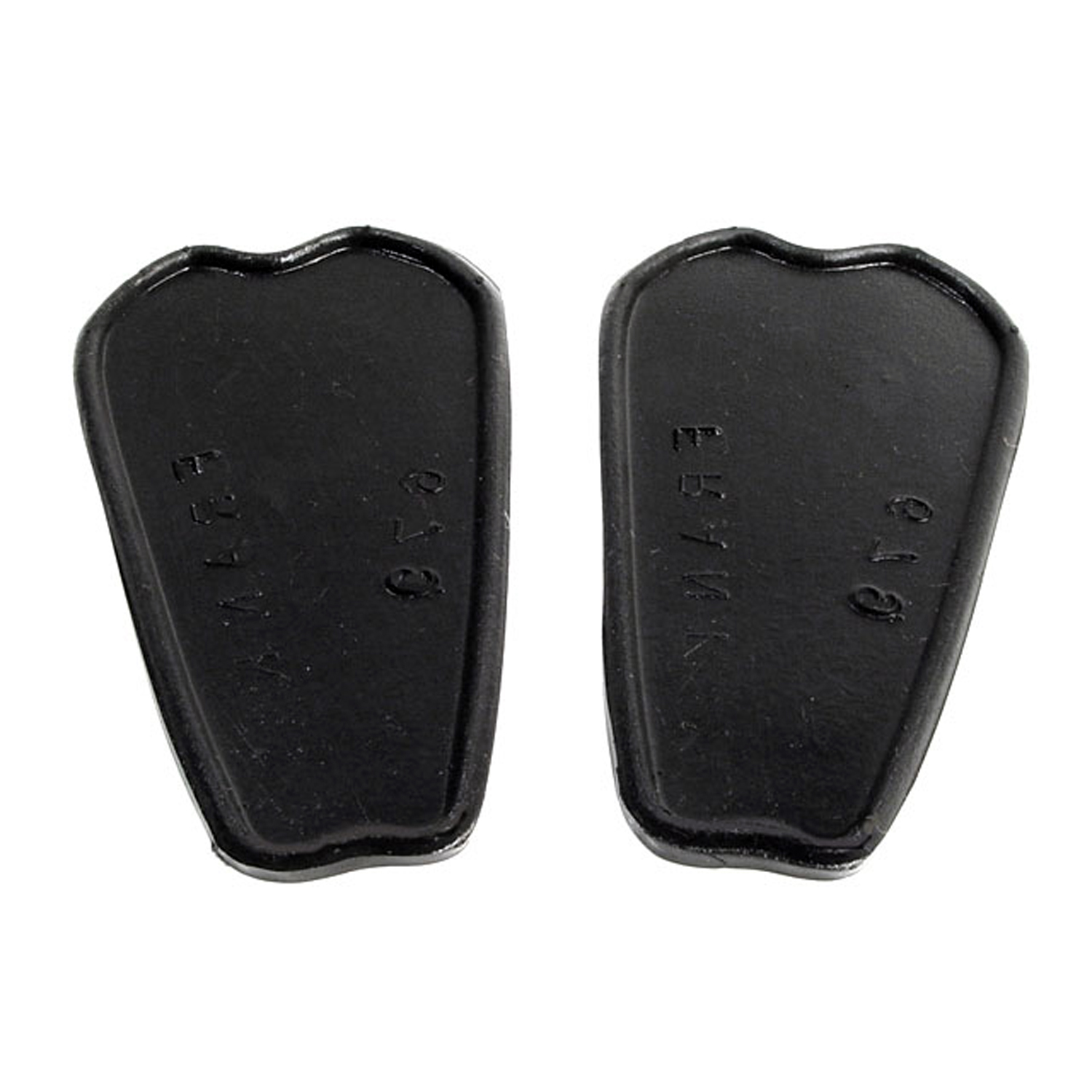 1925 Franklin Model 10 C Park Light Pads. 2-1/4" wide X 4-1/8" long. Pair-MP 679Park Light Pads. 2-1/4" wide X 4-1/8" long. Pair
Why Choose Metro?
For over 100 years, Metro Moulded Parts has been the pinnacle of quality in classic car restoration parts. Our commitment to precision and authenticity in every component ensures a perfect fit and an OEM-level appearance.
- Expert Craftsmanship & Quality: Each part is a testament to our dedication to reliability and perfection, crafted from original designs and thoroughly tested.
- Advanced Technology: We use cutting-edge techniques to create flawless, long-lasting parts that surpass others in performance.
- SuperSoft Sponge – The Ultimate Door Seal: Not only are our door seals 30% softer than competitors', but they're also guaranteed to never leak. They effectively reduce wind and road noise, enhancing your classic car's comfort and driving experience.
- Proudly American: Our parts are a product of American craftsmanship, made in the USA with a spirit of excellence and heritage.
- Unrivaled Warranty: We back our products with a 30-year industry-leading warranty, a testament to our confidence in their quality.
Join us in preserving the legacy of classic cars with parts that are crafted for perfection, not just made.